
2027 Easiest Online Master's in Criminal Justice Degree Programs Ranking in Maryland

Co-Founder and Chief Data Scientist
Choosing the right online master's program can make all the difference in your criminal justice career. For students in Maryland, finding options that fit your lifestyle and goals is key. This article introduces the 2027 Easiest Online Master's in Criminal Justice Degree Programs Ranking in Maryland, developed by the Research.com team of data scientists to guide your decision.
By exploring this ranking, you'll discover programs that balance quality and accessibility, helping you advance with confidence. Earning your degree opens doors to rewarding opportunities in a field dedicated to making a positive impact.
Key benefits of getting online criminal justice degree in Maryland
- Graduates with a criminal justice degree in Maryland can earn competitive salaries, such as $95,930 annually for Detectives or Criminal Investigators and up to $129,330 for Security Managers, offering strong financial motivation.
- Career paths include becoming a Detective, Policy Analyst, or Security Analyst, providing diverse opportunities to make a meaningful impact on community safety and policy development.
- Online criminal justice degrees in Maryland offer flexible schedules, allowing students to balance work and study while gaining the same quality education as traditional programs, perfect for busy adults looking to advance.
- 2027 Easiest Online Master's in Criminal Justice Degree Programs Ranking in Maryland
- What can I expect from online criminal justice degree in Maryland?
- Where can I work with online criminal justice degree in Maryland?
What can I expect from online criminal justice degree in Maryland?
The average cost of an online criminal justice degree in Maryland varies depending on the institution and program structure, but students typically find tuition rates ranging from $8,000 to $18,000 per year at popular universities such as Towson University and the University of Maryland Global Campus. Graduates from these online programs often emphasize the affordable nature combined with the flexibility to maintain full-time employment, which makes the investment feel manageable and rewarding.
Many Maryland institutions offer competitive tuition alongside financial aid, scholarships, and veteran benefits, enabling students to pursue their degree without excessive financial stress. For example, some learners share how scholarships specific to criminal justice fields eased their path, allowing them to focus on applied projects and internships instead of worrying about costs.
Balancing coursework with personal and professional responsibilities is a common theme among Maryland online criminal justice students, who appreciate asynchronous class formats. This flexibility supports students in gaining practical knowledge while managing finances thoughtfully and advancing their careers simultaneously.
Where can I work with online criminal justice degree in Maryland?
Graduates with an online criminal justice degree in Maryland can pursue diverse and rewarding career paths across multiple sectors. Many find employment in law enforcement agencies such as local police departments, the Maryland State Police, or federal offices near universities like Towson University or the University of Maryland, where strong academic programs support career readiness. Roles include police officers, detectives, and federal agents, where graduates apply their knowledge of criminal law and ethics daily.
Others join the Maryland Department of Public Safety and Correctional Services as correctional officers or probation officers, contributing to public safety and rehabilitation. Graduates from popular programs report feeling proud to support community supervision initiatives and help maintain facility security.
Additionally, career options extend to forensic analysis, victim advocacy, and crime analysis within Maryland's court systems or nonprofits. Graduates often highlight the practical skills gained through their online coursework that enable them to navigate complex legal environments effectively.
Private security and cybersecurity firms also actively recruit graduates, especially near urban centers like Baltimore, offering roles related to risk assessment and compliance. The strong network of Maryland universities fosters connections to federal opportunities in Washington, D.C., such as the FBI and Department of Homeland Security, which value the combination of an online degree and professional clearance.
Graduates with an online criminal justice degree in Maryland can expect competitive earnings across various specialized roles. For instance, detectives or criminal investigators typically earn a mean annual wage around $95,930, reflecting the advanced investigative responsibilities they assume. Security analysts in Maryland report even higher average salaries, approximately $124,740 per year, demonstrating strong demand in cybersecurity and protective intelligence sectors.
Those advancing into management roles, such as security managers, benefit from higher earning potential with mean salaries near $129,330 annually. Policy analysts, often employed by government agencies or think tanks, also command robust wages averaging $115,530. These figures align well with graduates from Maryland's prominent institutions offering online criminal justice programs, where alumni often secure positions in Baltimore or the Washington D.C. metropolitan area.
Graduates recall experiences balancing rigorous academic coursework with internships at state agencies, which enhance employability and salary prospects. The combination of Maryland's strategic location and degree credentials frequently leads to rewarding careers with incomes that reflect both expertise and regional market needs.
- Online criminal justice degrees in Maryland range from bachelor's to master's levels with specializations like law enforcement, corrections, and forensic science.
- Tuition for undergraduate online programs typically costs between $8,000 and $15,000 per year for in-state students, while graduate tuition ranges from $12,000 to $25,000 annually.
- The median annual salary for criminal justice graduates in Maryland is about $48,000, with potential growth to $70,000 or more with experience.
- Job growth in Maryland's criminal justice field is expected to be moderate, supported by urban centers and proximity to federal agencies.
- Accreditation from recognized bodies such as the Middle States Commission on Higher Education is important for ensuring program quality and credential recognition.
Students pursuing an online criminal justice degree in Maryland typically complete a bachelor's program in about four years when enrolled full-time, mirroring national undergraduate timelines. Graduates from institutions like Towson University or the University of Maryland Global Campus often share how this timeframe allowed them to balance rigorous coursework with personal responsibilities effectively, fostering a sense of achievement without overwhelming demands.
Graduate programs in Maryland, such as those offered by Capitol Technology University, generally require 18 to 24 months of full-time study. Many students appreciate the flexibility of part-time options, extending their studies to three or four years to accommodate work and life commitments. This approach, favored by working professionals, often results in a more manageable and rewarding educational experience.
Factors influencing duration include enrollment status, availability of transfer credits, and program design. These variables give students the ability to customize their path, making the pursuit of a criminal justice degree in Maryland both attainable and personally fulfilling.
Navigating an online Criminal Justice program presents unique hurdles-self-discipline, time management, and virtual engagement are critical skills to master. First, establish a consistent study schedule: block out dedicated hours each week for lectures, readings, and assignments, just as you would for on-campus classes. Leverage digital tools like calendar alerts and task-management apps to avoid missing deadlines. Second, create a distraction-free workspace: choose a quiet area, invest in noise-cancelling headphones, and keep all study materials within reach. Third, actively participate in online discussions and virtual office hours; regular interaction with instructors and peers not only deepens understanding but also builds a professional network essential for internships and future job referrals. Fourth, strengthen your technical literacy: familiarize yourself with the learning management system, turn in practice quizzes early, and test your internet connection before live sessions. For additional guidance on program selection and academic strategy, explore our curated list of the easiest programs in Maryland, including options for a criminal justice online degree that balance rigor with flexibility. Finally, seek out student support services-tutoring centers, writing labs, and career advisors-to ensure you’re not going it alone. By combining proactive planning with available resources, you’ll maximize the benefits of your online Criminal Justice education and graduate prepared to excel in the field.
Online criminal justice degree programs in Maryland, such as those offered by the University of Maryland Global Campus, provide students with flexibility to balance work, family, and studies. Graduates frequently share how the ability to access lectures and assignments at any hour helped them progress without sacrificing their daily responsibilities. This convenience is particularly valuable for those living far from campuses in Baltimore or College Park, where commuting can be time-consuming due to traffic.
Conversely, on-campus programs at institutions like Towson University immerse students in face-to-face interaction, fostering immediate collaboration with faculty and peers. Graduates often recall hands-on experiences such as participating in law enforcement simulations or internships, crucial for building practical skills and professional networks. These experiences can shape strong confidence and readiness for Maryland's criminal justice agencies.
While online students must navigate technology independently, on-campus students benefit from instant support and structured schedules. Both paths cover essential subjects-criminology, corrections, and law enforcement-but the choice often depends on individual learning preferences and life circumstances in Maryland's educational landscape.
Prospective students often wonder what makes an online Master’s in Criminal Justice truly “easy” to complete. In our 2025 ranking, we evaluated programs across six SEO-friendly, student-centric factors: 1. Admission Requirements • Minimum GPA thresholds of 2.5 or lower • No GRE/GMAT or waived standardized tests • Generous credit-for-experience and prior learning policies 2. Transfer Credit & Waivers • Acceptance of up to 50% graduate-level transfer credits • Streamlined credit evaluation to accelerate degree progress 3. Course Flexibility & Format • Fully asynchronous modules with multiple start dates per year • Accelerated 5–8 week courses allowing part-time or full-time pacing • Mobile-friendly platforms and recorded lectures for convenience 4. Practicum & Internship Options • Local field placements or virtual simulations instead of mandatory in-person residencies • Credit-bearing externships that can be completed at your current job site 5. Support Services & Completion Rates • Dedicated academic coaching and 24/7 tech support • High retention and 2-year completion rates above 75% 6. Cost & Financial Flexibility • Flat-rate tuition models with no hidden fees • Pay-as-you-go billing and no out-of-state surcharges While affordability is often a top driver of program “ease,” students comparing cost and flexibility across regions can also explore our Cheapest Criminal Justice Degree Programs Ranking in Fort Lauderdale, FL for additional insights. By prioritizing these criteria, Maryland students can confidently select a program that balances academic rigor with streamlined delivery and support.
The average cost of an online criminal justice degree in Maryland typically reflects a balance between affordability and quality education. For many students pursuing an affordable online master's in criminal justice Maryland, in-state tuition rates at renowned institutions such as the University of Maryland Global Campus (UMGC) offer some of the best value. Graduates from these programs often describe how their investment translated into gaining vital skills without overwhelming debt, emphasizing the importance of cost-effective education options.
Data shows that median total expenses for completing a criminal justice degree online in Maryland hover around $24,984, with in-state students paying closer to $18,504 and out-of-state students approximately $23,724. These figures reflect tuition alongside additional fees for materials, technology, and administrative costs. Graduates frequently recall managing these expenses through a combination of merit-based scholarships and institutional aid, illustrating the practical side of balancing educational ambitions with financial realities.
Public universities in Maryland are noted for offering competitive tuition rates, usually between $300 and $400 per credit hour. By contrast, private institutions may charge significantly more, sometimes exceeding $600 per credit hour, which can influence total costs greatly. Many students appreciate the flexibility and affordability that online programs provide, making it easier to maintain work-life balance while advancing their careers.
For those exploring options, reviewing the most affordable criminal justice programs in Maryland can help prospective students identify programs that fit their budget without sacrificing educational quality. This ensures a well-informed decision aligned with both financial goals and academic aspirations.

When evaluating any criminal justice online degree, accreditation serves as the cornerstone of educational quality and employer recognition. In Maryland, look for programs regionally accredited by bodies such as the Middle States Commission on Higher Education (MSCHE). Regional accreditation ensures your credits transfer smoothly and that your diploma carries weight with law enforcement agencies, federal employers, and graduate schools. Beyond institutional accreditation, programmatic accreditation by the Academy of Criminal Justice Sciences (ACJS) or the Commission on Accreditation for Law Enforcement Agencies (CALEA) can further validate that your curriculum meets rigorous industry standards. ACJS-accredited programs, for example, undergo comprehensive review of course content, faculty credentials, and research opportunities-key indicators of a robust learning environment. Professional certifications complement academic credentials by demonstrating specialized expertise. Graduates may pursue credentials such as Certified Law Enforcement Executive (CLEE) or Certified Professional in Criminal Justice (CPCJ). Many Maryland online programs integrate preparatory coursework for these certifications into their capstone projects or elective tracks, giving you a direct pathway from degree completion to professional accreditation. Verifying both regional and programmatic accreditation, and understanding how your online master’s coursework aligns with nationally recognized certifications, will maximize your return on investment and position you for competitive hiring and advancement in fields ranging from federal investigation to correctional leadership.
Students pursuing an online criminal justice degree in Maryland benefit from various financial aid avenues designed to make education accessible and affordable. Graduates from institutions like the University of Maryland Global Campus often recall how completing the Free Application for Federal Student Aid (FAFSA) opened doors to federal grants such as the Pell Grant, which can provide up to $7,395 annually without the burden of repayment. This grant significantly reduced their tuition expenses and allowed more focus on academic success.
State-specific aid, including the Maryland Higher Education Commission's Educational Assistance Grant, frequently assists students attending local colleges such as Towson University. Many report that these grants were pivotal in bridging tuition gaps, especially for those balancing studies with family or work.
Scholarships tied to criminal justice fields from organizations like the American Society of Criminology offer additional relief, often rewarding community engagement and academic excellence. Moreover, working professionals in Maryland's public safety sectors frequently leverage employer tuition assistance, enabling career progression without financial strain.
Federal student loans remain an option, yet successful students emphasize prioritizing grants and scholarships first to minimize debt and maintain financial well-being.
When considering an online Criminal Justice degree in Maryland, it's essential to think about the potential return on investment. Students can visit most affordable criminal justice programs in Maryland to explore institutions that offer a high financial return on their investment. By choosing the right program, students can set themselves up for success in their future careers. Many online Criminal Justice programs in Maryland offer affordable tuition rates, flexible payment plans, and financial aid options, making it possible for students to pursue their degree without breaking the bank. Additionally, some programs may offer discounts for certain groups, such as military personnel or transfer students, which can help reduce the overall cost of the program.
Applicants seeking admission to online criminal justice degree programs in Maryland must typically have a high school diploma or equivalent, such as a GED, for undergraduate courses. Graduates from institutions like the University of Maryland's online programs often note that maintaining a minimum GPA around 2.5 to 3.0 was critical for acceptance, ensuring readiness for the coursework. Those pursuing graduate studies usually need a bachelor's degree in criminal justice or related fields such as sociology or psychology, with many programs expecting a minimum GPA of 3.0.
Maryland students applying to schools like Towson University appreciate that submitting letters of recommendation and statements of purpose can showcase their commitment and relevant experience, strengthening their applications. While standardized tests like the GRE are less common, some universities still require them. International students must often prove English proficiency, and many programs involve background checks, especially when practicum placements with local law enforcement agencies are required.
Graduates frequently recall how these prerequisites prepared them well for the demanding and rewarding criminal justice field in Maryland, fueling both confidence and enthusiasm for their careers.
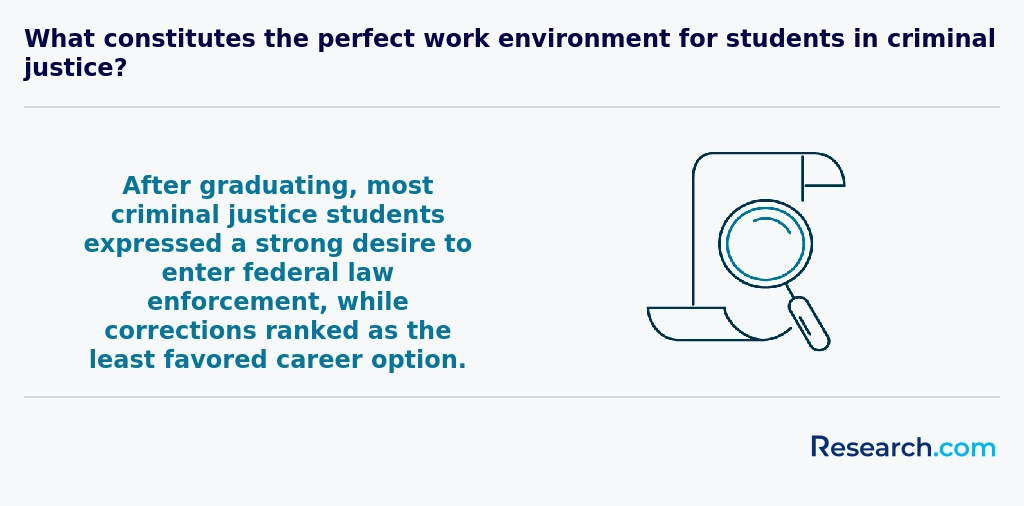
Online criminal justice degree programs in Maryland include a rigorous array of courses tailored to the state's unique legal and social environment. Students at well-regarded institutions such as the University of Maryland or Towson University typically begin with foundational subjects like the structure of the criminal justice system, covering law enforcement, courts, and corrections. Graduates often recall how courses in criminology deepened their understanding of criminal behavior patterns, fostering a critical perspective essential for effective intervention.
Specialized courses are integral, including Criminal Law and Procedure, which familiarizes students with constitutional rights and judicial processes critical to Maryland's legal framework. Corrections and Rehabilitation classes provide insight into offender management strategies seen firsthand in state institutions. Ethics in Criminal Justice challenges students to navigate moral dilemmas, preparing them for real-world decision-making.
- Cybercrime and Digital Forensics address Maryland's increasing role in combating online offenses, combining technology and law enforcement.
- Juvenile Justice courses explore policies impacting youth offenders, resonating with graduates working within Maryland's juvenile courts.
Many students value electives like homeland security and community policing, which link academic theory to Maryland's diverse communities and federal connections, inspiring confidence to pursue careers addressing local and national safety concerns.
Online criminal justice degree specializations in Maryland are designed to align closely with the state's unique law enforcement and legal landscape. Graduates from universities such as the University of Maryland and Towson University frequently highlight specializations like law enforcement administration, which equips students for supervisory roles and federal agency careers. This concentration teaches practical policing strategies and leadership skills, fostering confidence in graduates as they step into complex enforcement environments.
Other sought-after tracks include criminology and criminal behavior, which focuses on psychological motives and rehabilitation-preparing students for impactful roles in policy-making and corrections. Homeland security and emergency management is another critical area, ideal for those drawn to counterterrorism and disaster response given Maryland's proximity to national security hubs.
Cybercrime and digital forensics attracts students interested in investigating digital threats, a rapidly evolving field. Meanwhile, criminal justice policy and administration offers essential training in ethics and management within courts and correctional facilities. Many find these focus areas enrich real-world application, especially when pursuing a criminal justice online degree tailored to Maryland's community needs.
Choosing the best online criminal justice degree programs Maryland requires assessing accreditation, curriculum focus, and financial considerations. Graduates from well-regarded universities in Maryland often stress the value of programs accredited by recognized agencies, which assure quality and employer recognition. Students benefit from specialized tracks like cybercrime or forensic science that align with Maryland's law enforcement priorities, enhancing career relevance and opportunities.
Affordability is crucial for many. In Maryland, public universities typically offer more affordable online options when compared nationally, with in-state tuition ranging between $10,000 to $20,000 annually. Many students pursuing affordable online criminal justice degrees Maryland find that exploring scholarships, financial aid, and flexible payment plans significantly eases their investment. For a broader perspective on cost-efficiency, prospective students often consult resources such as the Cheapest Criminal Justice Degree Programs Ranking in Fort Lauderdale, FL.
Flexibility also plays a key role, especially for those balancing personal and professional obligations. Graduates from Maryland's prominent institutions highlight asynchronous courses and accelerated tracks as invaluable for timely degree completion. Furthermore, experiential learning through internships with agencies like the Maryland State Police enriches education and improves employment prospects within the state's criminal justice system.
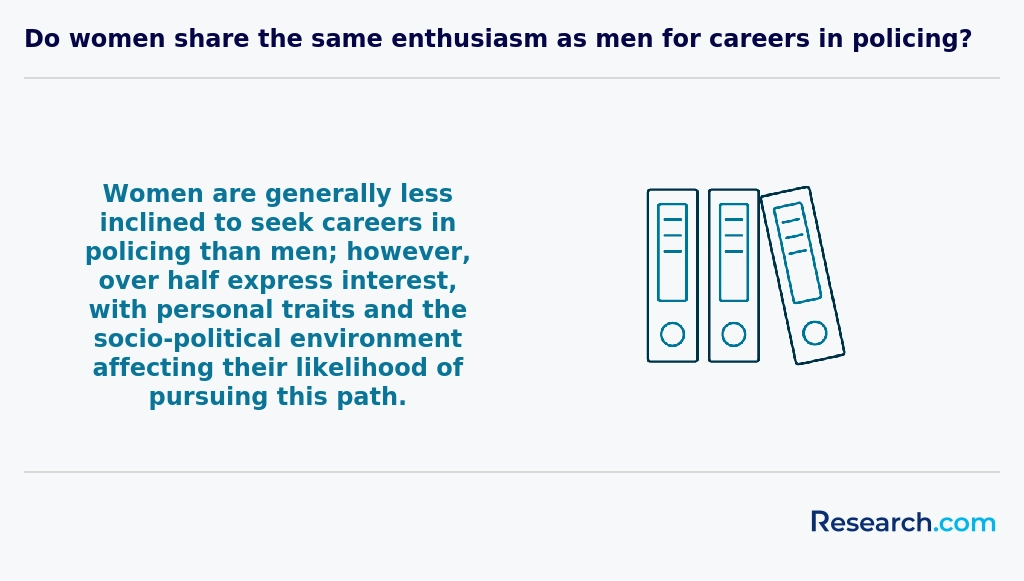
Graduates with an online criminal justice degree in Maryland find numerous career paths in law enforcement, corrections, legal, and social service fields. Many seize opportunities as police officers or state troopers, roles that leverage their knowledge of criminal law and ethics gained at institutions like the University of Maryland Global Campus or Towson University. These graduates often describe the rewarding challenge of serving and protecting their communities.
Others pursue roles as correctional officers or probation officers within Maryland's state prisons and community correction centers, where they apply skills in offender rehabilitation and crisis management. Those interested in the legal system may become paralegals, victim advocates, or juvenile detention officers, contributing directly to the justice process at courts or nonprofit organizations.
Social service positions, such as community outreach coordinators or human service assistants, attract students eager to reduce recidivism and promote public safety. Maryland students frequently explore these opportunities because of the state's commitment to community-based crime prevention. For those seeking programs to begin their journey, exploring the best accelerated online associate degrees is a practical starting point for entering criminal justice careers in Maryland.
The online criminal justice job market Maryland graduates enter shows consistent demand for skilled professionals, driven by the state's emphasis on law enforcement and public safety. Graduates from prominent institutions such as the University of Maryland Global Campus and Towson University often secure positions in diverse fields including cybercrime investigation, parole administration, and private security management, reflecting broad career opportunities beyond traditional roles.
These graduates frequently share experiences of applying their academic knowledge directly within Maryland's dynamic legal and security environments, feeling confident in their career prospects. With median salaries notably higher than national averages, especially for police and detectives, the financial incentives further reinforce the appeal of pursuing an online degree. Maryland's state-recognized training academies combined with online education enhance employability and support advancement.
Those seeking flexible education paths often find programs affordable relative to the national landscape, and some turn to financial aid or pursue the easiest associates degrees to get to complement or accelerate their careers. This holistic approach helps meet demand and ensures graduates are well-prepared to contribute in critical public safety roles across the state.
2027 Easiest Online Master's in Criminal Justice Degree Programs Ranking in Maryland
Investing in your education is a significant decision that can shape your future, and the Research.com team understands the importance of making informed choices. To assist prospective students in Maryland, we have meticulously developed the "2027 Easiest Online Master's in Criminal Justice Degree Programs Ranking." Our dedication to quality, credibility, and accuracy is demonstrated through comprehensive research and detailed analysis to present a reliable guide for your educational journey.
We utilized the following reputable data sources to ensure a thorough evaluation of each program:
By exploring this ranking, readers will gain valuable insights into the easiest online master's programs in criminal justice available in Maryland, empowering them to make confident and well-informed decisions aligned with their goals. For more details on our methodology, please visit our Research.com methodology page.
# 1 position
University of Maryland Global Campus
Master of Cybersecurity Management and Policy


# 3 position
University of Maryland-College Park
Master of Public Safety Leadership and Administration

Frequently Asked Questions About criminal justice
Online criminal justice degree students in Maryland can maximize their learning by actively engaging with course materials and participating in virtual discussions. Maryland's criminal justice system is distinct, with agencies such as the Maryland Department of Public Safety emphasizing community-oriented policing and rehabilitation, which students should study closely. Utilizing local internships or virtual simulations can also provide practical experience, enhancing theoretical knowledge. Research indicates that students balancing work with studies improve outcomes when dedicating consistent weekly hours to assignments. Additionally, connecting with Maryland professionals through online networking platforms or webinars can offer insight into state-specific legal practices and career opportunities.
The criminal justice field is evolving with several emerging niches that offer promising career paths for students in Maryland pursuing online degrees. One rapidly growing area is cybercrime investigation, driven by increasing digital threats and cyberattacks. Maryland's proximity to federal agencies like the Department of Homeland Security supports growth in this field.
Another niche is forensic psychology, focusing on criminal behavior analysis and rehabilitation. This area addresses Maryland's efforts to reduce recidivism through mental health programs. Additionally, criminal intelligence analysis is expanding as law enforcement agencies rely more on data-driven strategies.
Emerging fields such as restorative justice and criminal justice technology also reflect the state's evolving landscape, providing diverse opportunities for graduates.
After earning an online criminal justice degree in Maryland, preparing for the job market involves strategic steps to increase employability. Graduates should pursue internships or volunteer opportunities with local agencies such as the Maryland Department of Public Safety and Correctional Services or police departments to gain practical experience. Networking within professional organizations like the Maryland Criminal Justice Association can open doors to job opportunities and mentorship.
Additionally, obtaining relevant certifications such as Certified Protection Professional (CPP) or law enforcement credentials can enhance a resume. According to the Maryland Department of Labor, the demand for criminal justice professionals is projected to grow by 5% from 2022 to 2032, emphasizing the importance of practical skills combined with academic knowledge.
Employers in Maryland seeking criminal justice graduates prioritize a blend of analytical, communication, and ethical skills. Graduates must demonstrate strong critical thinking to assess evidence and develop sound conclusions.
Effective written and verbal communication is essential, especially as 60% of Maryland law enforcement roles involve community interaction, according to the Maryland Department of Public Safety and Correctional Services.
Ethical judgment and integrity remain top priorities due to the sensitive nature of criminal justice work.
Additionally, technological proficiency is increasingly valued, with agencies adopting advanced databases and digital forensics tools.
Understanding Maryland's specific legal context and policies also gives graduates an advantage in the local job market.
Finding internships in Maryland related to a criminal justice degree involves targeting agencies and organizations with strong ties to the state's justice system. The Maryland Department of Public Safety and Correctional Services offers internship programs that provide practical experience in corrections and rehabilitation.
Local law enforcement departments, such as the Baltimore Police Department or Montgomery County Police, often accept criminal justice interns to assist in community outreach and administrative tasks. Additionally, nonprofit organizations focused on criminal justice reform can provide relevant internship opportunities.
Many Maryland universities with online criminal justice programs maintain partnerships that help students secure internships. Utilizing your school's career services and networking platforms like Maryland.gov's job portal increases access to these positions.
According to the Maryland Higher Education Commission, internships enhance career prospects significantly, making them a critical component for students pursuing criminal justice careers in the state.
Obtaining an online criminal justice degree in Maryland can significantly enhance career mobility and advancement opportunities. Maryland's criminal justice system employs over 60,000 professionals, spanning law enforcement, corrections, and legal services, many of whom benefit from advanced education to qualify for promotions and specialized roles (Maryland Department of Public Safety, 2023).
Online degrees provide flexibility, allowing current employees to balance work and study. This accessibility facilitates timely skill development, which Maryland employers often prioritize for leadership positions. Earning a graduate degree online also signals dedication and expertise, increasing competitiveness in a field where 56% of supervisory roles require at least a bachelor's degree (Bureau of Labor Statistics, 2022).
Furthermore, Maryland's focus on community policing and cybercrime has expanded job roles requiring advanced knowledge. Graduates with a criminal justice degree are positioned to pursue career paths in investigation, management, and policy development. Statewide initiatives frequently encourage continuing education to adapt to evolving legal standards and technologies.
Studying for a criminal justice degree in Maryland equips students with interdisciplinary skills vital for diverse roles in law enforcement, social services, and public policy. Maryland's programs often integrate coursework in psychology, sociology, and legal studies, fostering comprehensive understanding beyond traditional criminal justice topics.
This blend prepares graduates to collaborate effectively across fields, addressing complex community issues like recidivism and juvenile justice. According to the Maryland Higher Education Commission, many institutions also emphasize data analysis and ethical decision-making, essential for evidence-based practices.
Additionally, Maryland's proximity to federal agencies provides unique opportunities for internships and networking, further enhancing interdisciplinary readiness.
When choosing between a thesis and a non-thesis criminal justice degree program in Maryland, consider your career goals. Thesis programs emphasize research, which benefits those aiming for doctoral studies or careers in policy analysis. Non-thesis tracks focus more on practical skills, ideal for professionals seeking advancement in law enforcement or administrative roles.
Maryland's criminal justice system research often highlights the benefits of strong analytical skills, valuable in both paths. According to the Maryland Higher Education Commission, programs requiring a thesis generally demand more time, often 6-12 months, compared to non-thesis options.
Evaluate your interest in conducting original research versus applied learning to decide which fits best.
Students based in Maryland seeking to study criminal justice abroad through online programs have limited but growing opportunities. Many U.S. universities offer online master's degrees with global perspectives, allowing Maryland residents to access international curriculum without leaving home. However, programs specifically focused on studying abroad within the field are rare and usually require on-site components.
The Maryland Higher Education Commission highlights that pursuing accredited programs ensures credits transfer smoothly if students participate in international exchanges or study tours. Popular areas within global criminal justice include human rights, transnational crime, and international law enforcement, often incorporated into U.S.-based online courses.
Students interested in combining online study with short-term overseas experiences should explore partnerships between their schools and foreign institutions. While Maryland's criminal justice workforce is primarily concentrated on local and federal law enforcement, online programs provide foundational knowledge adaptable to international contexts.
Maryland offers various part-time job opportunities that can complement an online criminal justice degree. Positions such as security officers, correctional officers, and community service aides provide practical experience while studying. The Maryland Department of Public Safety and Correctional Services reported over 11,000 correctional officers employed statewide in 2023, highlighting demand in this field.
Internships or part-time roles in local law enforcement agencies are often available to students, helping develop valuable skills. Job openings in private security firms in Baltimore and surrounding areas also provide relevant experience. These roles enhance understanding of public safety, legal procedures, and crisis management, which align well with academic coursework.
Online criminal justice students in Maryland have access to a variety of networking opportunities that can support their career growth. Many Maryland institutions encourage participation in virtual student organizations and professional groups such as the American Society of Criminology or the Maryland Criminal Justice Association. These platforms enable students to connect with peers, faculty, and industry professionals across the state.
Additionally, Maryland's proximity to key federal agencies and law enforcement offices allows students to engage in online seminars and guest lectures featuring experts. Internship and practicum placements coordinated virtually through university career centers further expand professional networks.
According to the Maryland Department of Public Safety and Correctional Services, graduates with strong professional connections have higher employment rates, making these networking options valuable. Many schools also offer alumni networks accessible remotely, granting ongoing support after graduation.
Alumni networks provide valuable support for online criminal justice degree students in Maryland by offering connections to experienced professionals working in local agencies. These networks enable students to access mentorship opportunities and insider advice on career paths within Maryland's criminal justice system. For instance, Maryland hosts more than 30,000 professionals in law enforcement and corrections, many of whom participate in alumni events and job boards.
Such networks also help students learn about internships and job openings that may not be publicly advertised. According to the Maryland Department of Public Safety and Correctional Services, alumni connections can increase networking reach, leading to higher employment rates among graduates. Participation in alumni groups often strengthens job prospects by fostering relationships with individuals familiar with Maryland's legal and policy environment.
Maryland offers flexible online criminal justice degree programs that allow students to tailor their education according to career goals. Many schools provide electives in areas like homeland security, forensic science, or juvenile justice, helping students specialize. Some programs also offer certificates or concentrations that enhance professional skills.
Internships and practicum opportunities available in Maryland's law enforcement or social services sectors can complement online coursework, offering real-world experience. Schools often allow credit transfers from prior work or military experience, accelerating degree completion.
According to the Maryland Higher Education Commission, over 60% of criminal justice graduates find employment within the state's growing public safety agencies, highlighting the importance of relevant specializations.
Online criminal justice students in Maryland often face challenges related to balancing coursework with personal and professional responsibilities. Many students juggle jobs and family duties, which can impact the time and focus they devote to studies. Access to reliable technology and stable internet connections is also crucial, especially in rural areas of Maryland where connectivity can be less dependable.
Another challenge involves limited hands-on experiences. Criminal justice programs typically emphasize practical skills, but online students may find fewer opportunities for internships or fieldwork locally. Maryland's stringent state regulations can affect the availability and recognition of certain experiential learning options for online students.
Finally, maintaining motivation without in-person interaction can be difficult. Studies indicate that student retention in online criminal justice programs nationally tends to be lower than traditional formats, underscoring the need for strong self-discipline and institutional support.
With an online criminal justice degree in Maryland, graduates can pursue several professional certifications to enhance their career prospects. Popular options include the Certified Protection Professional (CPP), offered by ASIS International, which focuses on security management.
The Maryland Police Training Commission (MPTC) also provides certifications for law enforcement officers that may require educational qualifications like a criminal justice degree.
Additionally, the National Criminal Justice Certification (NCJC) offers specialized certificates in areas such as corrections, parole, and probation.
These certifications typically require passing exams and meeting experience criteria, helping graduates stand out in competitive job markets, including Maryland's strong public safety sector.
Applying to an online criminal justice program in Maryland requires careful preparation. Start by researching accredited schools recognized by the Middle States Commission on Higher Education, ensuring your degree holds value in the job market. Maryland has a strong public safety sector, so highlighting relevant experience or interest in local criminal justice issues strengthens your application.
Craft a clear personal statement explaining your goals and why Maryland's criminal justice field appeals to you. Emphasize skills like critical thinking and ethics, valued in this profession. Include any volunteer or work experience related to law enforcement or social services.
Strong letters of recommendation, preferably from professionals in criminal justice or related fields, add credibility. Lastly, ensure your resume details measurable achievements and your academic history comprehensively.
The appeal of a criminal justice career extends well beyond Maryland and the United States, reflecting a growing global focus on law enforcement, legal systems, and public safety. Professionals in this field often engage with international frameworks addressing human rights, transnational crime, and cybersecurity challenges.
Online criminal justice degrees from Maryland institutions prepare students to understand these global issues while grounding them in U.S. laws and policies. For example, Maryland's criminal justice workforce is expected to grow by 6% from 2020 to 2030, according to the U.S. Bureau of Labor Statistics, highlighting ongoing domestic demand.
Many Maryland programs emphasize ethical responsibilities and cultural awareness, skills important for careers in international agencies or multinational investigations. This perspective offers graduates opportunities in diverse roles, from homeland security to global law enforcement partnerships.
Gaining practical experience while studying an online criminal justice degree in Maryland is possible through internships and volunteer opportunities. Many Maryland agencies, such as the Maryland Department of Public Safety and Correctional Services, offer internships that provide hands-on learning in law enforcement and corrections.
Students can also seek placements with local police departments or nonprofits focused on criminal justice reform. These experiences help develop skills in investigation, case management, and community outreach.
Additionally, some online programs include practicum components, requiring students to complete supervised fieldwork in approved Maryland agencies. According to the Maryland Higher Education Commission, practical experience enhances employment prospects in the state's criminal justice sector.
Choosing the right concentration within an online criminal justice degree in Maryland involves assessing your career goals and local industry demands. Maryland's criminal justice system employs many professionals in areas such as law enforcement, cybercrime, and forensic science. According to the Maryland Department of Public Safety and Correctional Services, there is a growing need for expertise in cybercrime and corrections.
Consider concentrations that align with these needs, such as cyber security or corrections management. Also, research how the concentration prepares you for Maryland-specific certifications or job requirements. Look for programs offering practical skills and flexibility to suit your work schedule.
- 2027 Easiest Online Master's in Criminal Justice Degree Programs Ranking in Virginia
- 2027 Easiest Online Master's in Criminal Justice Degree Programs Ranking in Pennsylvania
- 2027 Easiest Online Master's in Criminal Justice Degree Programs Ranking in New York
- 2027 Easiest Online Master's in Criminal Justice Degree Programs Ranking in Ohio
- 2027 Easiest Online Master's in Criminal Justice Degree Programs Ranking in North Carolina
- 2027 Easiest Online Master's in Criminal Justice Degree Programs Ranking in Kentucky
- 2027 Easiest Online Master's in Criminal Justice Degree Programs Ranking in Massachusetts
- 2027 Easiest Online Master's in Criminal Justice Degree Programs Ranking in Georgia
- 2027 Easiest Online Master's in Criminal Justice Degree Programs Ranking in Florida
- 2027 Easiest Online Master's in Criminal Justice Degree Programs Ranking in Alabama
See What Experts Have To Say About Studying Criminal Justice
Read our interview with Criminal Justice experts

James W. Marquart
Criminal Justice Expert
Associate Provost and Professor of Criminology
Texas Christian University

David Carter
Criminal Justice Expert
Professor, School of Criminal Justice
Michigan State University

Frank Schmalleger
Criminal Justice Expert
Professor Emeritus
The University of North Carolina

- Maryland Associate in Criminal Justice Degree Programs https://www.criminaljusticeprograms.com/programs/associate-in-criminal-justice/maryland/
- Social Work and Criminal Justice Professionals Alumni Network https://community.faualumni.org/topics/36974/feed
- MS Criminal Justice Thesis Track vs. Internship | University of Bridgeport https://www.bridgeport.edu/news/criminal-justice-thesis-track-vs-internship/
- Department of Criminal Justice Master's Program with/without Thesis | Üsküdar University https://uskudar.edu.tr/en/gsafs/criminal-justice-thesisnon-thesis-masters-degree
- Emerging Trends in Criminal Justice Careers https://online.nmu.edu/criminal-justice-careers-emerging-trends/
- Study Criminal Justice Abroad | Go Overseas https://www.gooverseas.com/study-abroad/criminal-justice
- Advancing Economic Mobility for Workers With Criminal Records https://www.jff.org/idea/advancing-economic-mobility-for-workers-with-criminal-records/
- Most Affordable Online Criminal Justice Degrees https://www.affordablecollegesonline.org/degrees/criminal-justice-programs/
- Online Bachelor's Degree: Criminal Justice (Law Enforcement Track) https://www.umgc.edu/online-degrees/bachelors/criminal-justice-law-enforcement
- Study Criminal Justice & Legal Studies Abroad https://worldstrides.com/en-us/higher-ed/academics/criminal-justice-legal-studies


