2027 Best Online Criminal Justice Degree Programs Ranking in Florida

Co-Founder and Chief Data Scientist
Choosing the right online criminal justice degree program can be challenging, especially with so many options available in Florida. This article introduces the 2027 Best Online Criminal Justice Degree Programs Ranking in Florida, created by the Research.com team of data scientists to guide you toward the programs that truly stand out.
By exploring this ranking, you'll gain valuable insights to make an informed decision that fits your goals and lifestyle. Pursuing a criminal justice degree can open doors to rewarding careers and personal growth. We're here to help you find the best path forward.
Key benefits of getting online criminal justice degree in Florida
- Graduates with a criminal justice degree in Florida can expect competitive salaries like $76,550 annually for police officers and $95,930 for crime scene investigators, offering strong financial motivation.
- Career options include working as a police officer, correctional officer, forensic science technician, or court clerk, providing diverse and fulfilling paths to serve communities.
- Online degrees offer flexibility with scheduling and location, ideal for busy or working students, making it easier to balance life while earning a quality degree from respected Florida institutions.
- 2027 Best Online Criminal Justice Degree Programs Ranking in Florida
- What can I expect from online criminal justice degree in Florida?
- Where can I work with online criminal justice degree in Florida?
What can I expect from online criminal justice degree in Florida?
For many aspiring criminal justice professionals in Florida, the average cost of earning an online degree is surprisingly approachable. Public universities, like the University of Florida or Florida State University, often set tuition rates that cater specifically to in-state students, making the financial commitment less daunting. Graduates often reflect on how accessible these costs felt, especially when balanced with financial aid options and scholarships that many programs actively promote.
Imagine juggling work, family, and studies-students find that reasonable tuition fees, sometimes ranging around $100 to $200 per credit hour, open doors without overwhelming their budgets. This accessibility allows learners to dive into courses that mix ethics and forensic science while saving enough to focus on gaining real-world experience through internships. The excitement of advancing toward a career in this dynamic field becomes even more tangible knowing that the investment can be managed thoughtfully within Florida's educational landscape.
Where can I work with online criminal justice degree in Florida?
Graduates with an online criminal justice degree from schools like the University of Central Florida or Florida State University often find themselves stepping into dynamic careers across Florida's law enforcement landscape. Imagine patrolling vibrant Miami streets as a police officer or working behind the scenes in Tallahassee's state agencies, where foundational skills in investigation and ethics become everyday tools.
Many alumni recall how their coursework prepared them for roles as probation officers or correctional officers within the Florida Department of Corrections, managing challenging environments with confidence. Others have embraced opportunities as paralegals or court clerks in bustling county courthouses, leveraging deep legal knowledge gained online to support justice smoothly.
Even federal agencies like the FBI or DEA in Florida welcome degree holders to thrilling positions such as criminal analysts or special agents, opening doors to adventure and impact. Plus, graduates enjoy a growing private sector scene in security management and private investigation, where flexible study meets real-world excitement across the Sunshine State's metropolitan hubs.
Graduates from online criminal justice programs at schools like the University of Central Florida or Florida State University often discover promising salary prospects waiting for them across the state. Take a police officer role, for example, where the mean annual wage in Florida reaches about $76,550. Imagine starting your career patrolling vibrant city streets or engaging with your community, earning a solid income while making a real difference.
Correctional officers, another common path, earn a mean salary around $58,810. Graduates stepping into these roles find themselves managing facility safety with confidence, benefiting from steady wages. For those intrigued by forensic science, the adventure continues with forensic science technicians making about $71,540 annually, working behind the scenes solving intricate cases.
Crime scene investigators can expect mean salaries near $95,930, a thrilling figure for those who love digging deep into evidence. Meanwhile, court clerks maintain the judicial flow, earning roughly $48,760 per year. These figures highlight not just earnings but a dynamic career journey across Florida's diverse criminal justice landscape, ready for eager online students to explore and excel.
- Online criminal justice degrees in Florida are offered by accredited public and private institutions, allowing flexible study options.
- The average tuition ranges from $15,000 to $30,000 for a bachelor's degree, with public universities offering lower rates for in-state students.
- Florida's law enforcement sector employs over 60,000 people, with job growth expected to increase by 7% in the next decade.
- Starting salaries for graduates typically range from $35,000 to $45,000, rising to $65,000 or more with experience and advanced roles.
- Many programs prepare students to meet Florida's certification standards and include internships or practical experiences.
Diving into an online criminal justice degree in Florida often feels like embarking on a personal journey where time bends to your lifestyle. Most full-time students at popular schools like the University of Central Florida or Florida State University find themselves crossing the finish line in about four years-typical for completing 120 to 130 credit hours. Imagine juggling work, family, and study; graduates frequently share how part-time options extended their path, allowing them to thrive without burnout over six to eight years.
Some adventurous students take advantage of accelerated programs at institutions such as Miami Dade College, finishing in as little as two to three years by powering through extra courses or summer sessions. For those pursuing associate or master's degrees, the timing shifts-two years full-time for associates, and about 1.5 to 2 years for online master's, with flexible asynchronous classes offering freedom to customize your pace.
These timelines reflect not just credits but real-life balancing acts, where Florida's vibrant college options meet students' eagerness and resilience.
Diving into a criminal justice degree in Florida opens two distinct journeys: the online path or the traditional on-campus route. Imagine a graduate from the University of Central Florida embracing online classes, enjoying the freedom to study after work or on weekends, all while juggling family life. This flexibility is a game-changer, letting students craft their own schedules without sacrificing quality, as the curriculum remains solid across both formats.
Contrast this with a Florida State University on-campus student who thrives on in-person debates, late-night study sessions at the campus library, and the energy of real-time interactions with professors and classmates. For them, that direct engagement sparks motivation and builds invaluable networks.
Both paths demand dedication-whether it's a virtual discussion board or an in-class workshop-but when it comes to internships and fieldwork, students often step into Florida's diverse communities physically, gaining hands-on experience crucial for their careers. Online or on-campus, Florida's criminal justice scene balances tradition with innovation, inviting curiosity every step of the way.
Accreditation ensures that an online criminal justice program meets rigorous academic standards and is recognized by employers and licensing bodies. In Florida, regionally accredited universities grant degrees that qualify graduates for federal financial aid and seamless credit transfer if you pursue advanced study. When researching programs, always verify that the institution holds institutional accreditation from one of the U.S. Department of Education–recognized agencies, such as the Southern Association of Colleges and Schools Commission on Colleges (SACSCOC). Beyond institutional accreditation, look for programmatic accreditation specific to criminal justice. The Academy of Criminal Justice Sciences (ACJS) offers specialized accreditation that underscores a curriculum’s relevance and alignment with industry best practices. Graduates of ACJS-accredited programs often report increased confidence during the hiring process, as employers know these programs emphasize contemporary research, ethical decision-making, and hands-on training. Professional certifications further validate your expertise and can accelerate career advancement. Certifications such as the Certified Protection Professional (CPP) or the Crime and Intelligence Analyst (CIA) credential demonstrate specialized knowledge in security management and analytical techniques. Many Florida online programs integrate certification-preparation courses directly into their curriculum, enabling you to sit for industry exams immediately upon graduation. For those comparing accreditation status and program quality across states, our Affordable Online Bachelor's in Criminal Justice Degree Programs Ranking in Virginia offers a detailed look at accredited, cost-effective options that can serve as a benchmark when evaluating Florida institutions. Ensuring both institutional and programmatic accreditation-and pursuing key certifications-will maximize your employability and professional credibility in the competitive field of criminal justice.
If you're eyeing an online criminal justice degree in Florida, the journey starts with understanding the average cost. Many graduates from Florida State University or University of Central Florida recall how their investment hovered around $14,000 for in-state tuition, a surprisingly attainable figure that opens doors without breaking the bank. This average cost of online criminal justice degree Florida programs reflects a balance between quality education and affordability, especially compared to out-of-state or private institutions.
Florida International University students have shared how online tuition fees-including additional expenses like textbooks and technology-can shape the full picture of Florida online criminal justice degree tuition fees. With public universities typically charging between $3,500 to $6,500 annually, plus per-credit costs ranging from $100 to $250, the financial commitment feels more manageable when broken down by semester.
Many students navigating this landscape highlight the value of financial aid opportunities and state scholarships that help soften the financial load, reinforcing a sense of optimism and possibility. Those curious about detailed comparisons might explore the most affordable online criminal justice programs in Florida, making thoughtful choices that align with their ambitions and budgets.

Ensuring your online criminal justice program is accredited not only validates the quality of your education but also impacts your eligibility for licensure and career advancement. In Florida, the most respected regional accreditor is the Southern Association of Colleges and Schools Commission on Colleges (SACSCOC), while programmatic accreditation from the Academy of Criminal Justice Sciences (ACJS) further demonstrates a curriculum aligned with industry standards. Regional Accreditation:
- Verifies that the institution meets rigorous academic and administrative standards
- Affects transferability of credits and eligibility for federal financial aid
- Signals to employers that your degree is recognized nationwide Programmatic Accreditation:
- Offered by ACJS for programs that cover core criminal justice disciplines
- Ensures coursework aligns with best practices in law enforcement, corrections, and forensic science
- Enhances credibility when applying for specialized roles or graduate study State Certification Requirements: In Florida, many frontline careers-such as police officer, corrections officer, and court officer-require certification by the Criminal Justice Standards & Training Commission (CJSTC). Certification coursework and examinations vary by role but typically include training in ethics, legal procedures, and firearms safety. For example, if you’re exploring court-based positions, you might wonder what does a bailiff do and which state certifications are necessary to secure that role. Maintaining Certification:
- Complete mandatory continuing education to stay current on legal updates and tactical best practices
- Adhere to CJSTC renewal cycles, typically every two years for law enforcement and corrections officers
- Engage in professional development through industry conferences and workshops to enhance your resume By selecting an accredited program and understanding Florida’s certification pathways, you’ll position yourself for a smooth transition from graduation to a successful career in criminal justice.
Imagine diving into your criminal justice studies at the University of Central Florida or Florida State University, where the cost feels lighter thanks to financial aid options just for you. Many online criminal justice students discover federal aid as their first treasure chest. Pell Grants, for instance, offer up to $7,395 a year without the worry of repayment-perfect for buying that crucial textbook or upgrading your laptop.
Graduates often recall how the FAFSA became their essential map, unlocking federal student loans with flexible terms to ease the journey. Beyond the federal level, Florida's Bright Futures Scholarship shines bright, rewarding high-achievers with tuition support, making dreams at schools like Florida Gulf Coast University more affordable.
Working professionals in the criminal justice field praise workforce development grants from Florida Job Growth Grant Fund and CareerSource Florida, helping them build new skills while balancing life. Plus, private scholarships from groups tied to law enforcement open unexpected doors, turning financial stress into motivation for success.
In Florida, most law enforcement and justice-related professions require state‐mandated certification to ensure you meet legal and professional standards. For example, police officers, corrections officers, and probation officers must complete the Florida Criminal Justice Standards & Training Commission (CJSTC) academy and pass the P.O.S.T. Basic Abilities Test. Successfully graduating from an accredited online Criminal Justice degree program often fulfills the educational prerequisite, but you’ll still need to: • Register with CJSTC and submit fingerprints for state and federal background checks. • Complete the Basic Recruit Training Program (includes firearms qualification, physical fitness, and legal studies). • Pass the Florida Law Enforcement Standards & Training (LEST) exam, typically within one year of academy graduation. Specialized roles such as bailiffs also have unique requirements. If you’re exploring courtroom security positions, you may wonder what does a bailiff do and which certifications apply. In Florida, bailiffs often complete a court security course approved by the Florida Department of Law Enforcement (FDLE) and maintain certification through annual in-service training. Beyond initial licensing, continuing education is crucial. Florida mandates 40 hours of CJSTC‐approved in-service training every two years, covering topics like de‐escalation, legal updates, and ethics. Many online Criminal Justice programs partner with local agencies to offer discounted or credit‐bearing CEUs, making it easier to stay compliant and competitive in today’s job market.
Diving into an online criminal justice degree in Florida sparks excitement but demands a few key steps first. Most programs, whether at the University of Central Florida or Florida State University, ask for a high school diploma or GED-basic yet crucial. Imagine a recent graduate from Miami Dade College who recalls submitting transcripts and feeling ready to leap into the challenge.
Many schools in Florida also look for a minimum GPA near 2.0 or 2.5, creating a foundation of academic readiness. Picture a student balancing work and studies who felt proud crossing that GPA threshold to join a competitive program. Some require coursework in English and mathematics, ensuring students can tackle complex cases and reports later on.
Reliable internet is a must-whether studying beachfront or from a bustling city apartment-alongside confidence navigating online platforms and lively virtual discussions. Graduate hopefuls often show prior work in law enforcement or corrections, illustrating how real-world experience enriches learning.
Plus, background checks are typical when internships dive into sensitive, hands-on crime scenes, making the journey both thrilling and secure.
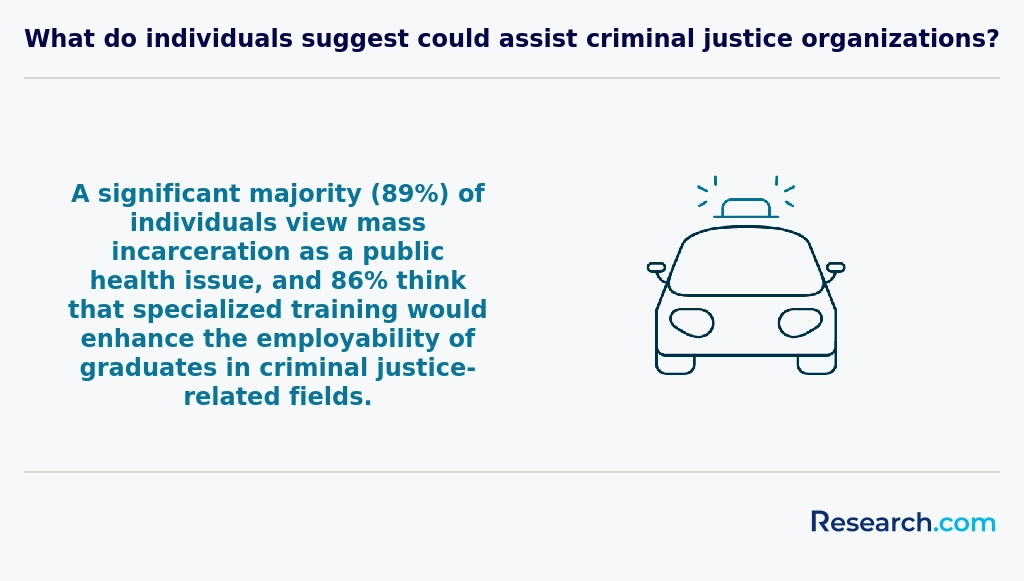
Pursuing an online Criminal Justice degree in Florida can be a significant investment, but with the right financial planning and scholarship opportunities, it can become more manageable. Students can explore various avenues for financial assistance, such as the most affordable online criminal justice programs in Florida, which can help reduce the financial burden. Additionally, many institutions offer scholarships specifically for criminal justice students, such as the Paul Janosky Criminal Justice Scholarship, which not only provides financial support but also connects students with mentors in the field. By researching and applying for these opportunities, students can focus on their studies and career goals without the added stress of financial uncertainty. Furthermore, understanding the cost of living in Florida and budgeting accordingly can also help students make the most of their online education experience.
Online criminal justice degrees in Florida dive into a rich mix of courses that bring the system to life. Students from well-known schools like the University of Central Florida eagerly recount how core courses such as Criminal Law and Procedures felt like unlocking the secrets behind courtroom dramas they've seen on TV. This course covers everything from statutes to courtroom strategies, giving students the confidence to think like legal professionals.
Other courses spark curiosity and hands-on learning: Corrections and Rehabilitation introduces the realities of probation and parole, while Criminology explores what drives human behavior toward crime - perfect for those fascinated by the "why" behind it all. Florida Atlantic University graduates often reflect on Ethics in Criminal Justice as a grounding experience, emphasizing how integrity and accountability shape real-world decisions.
Research Methods and Data Analysis give students the tools to decode crime statistics, a skill valued by agencies across Florida. Meanwhile, Criminal Investigation classes offer thrilling insights into forensic science and evidence handling, bringing investigative work within reach even from home. Local electives on community policing and cybercrime add that distinctive Florida flavor, connecting theories to challenges faced right in your backyard.
Exploring online criminal justice specializations in Florida reveals a fascinating array of options crafted to match diverse career dreams. Graduates from top Florida colleges often recount the thrill of diving into law enforcement, mastering police procedures, and understanding community dynamics-perfect for aspiring officers or detectives. Others find themselves captivated by criminology and criminal behavior, peeling back the layers of why crimes occur and how rehabilitation can rewrite futures.
Florida online criminal justice degree tracks also include corrections administration, where students get hands-on insights into managing inmate programs and legal frameworks, resonating deeply with those wanting to impact the prison system. Legal studies or court administration open doors into the court world, ideal for students eager to learn about trial processes and even what does a bailiff do in detail. With cybercrime and cybersecurity gaining momentum, many students thrill at the chance to engage with digital forensics and cyber law-emerging fields that embrace the future of crime fighting in sunny Florida.
Start your quest by checking the school's accreditation-regional accreditation means your degree holds weight with Florida employers and other universities. Imagine a graduate from a popular Florida university sharing how their degree opened doors in local law enforcement thanks to recognized standards. Next, dive into the curriculum. The best online criminal justice degree programs in Florida cover vital topics like Florida state laws, law enforcement, corrections, and the judicial system, making your education feel directly relevant to your future career.
Cost is often a turning point. Graduates recall feeling relieved after discovering affordable tuition options similar to public universities in Florida. Some even found financial aid and scholarships tailored for criminal justice majors. For those carefully balancing work and study, look for programs offering asynchronous classes and robust support services like career counseling and internship placements.
Explorers eager for affordable online degrees might find excellent options through the Affordable Online Bachelor's in Criminal Justice Degree Programs Ranking in Virginia, which inspires comparable choices elsewhere. Pathways await when you focus on curriculum relevance, flexibility, and cost to discover your perfect fit.
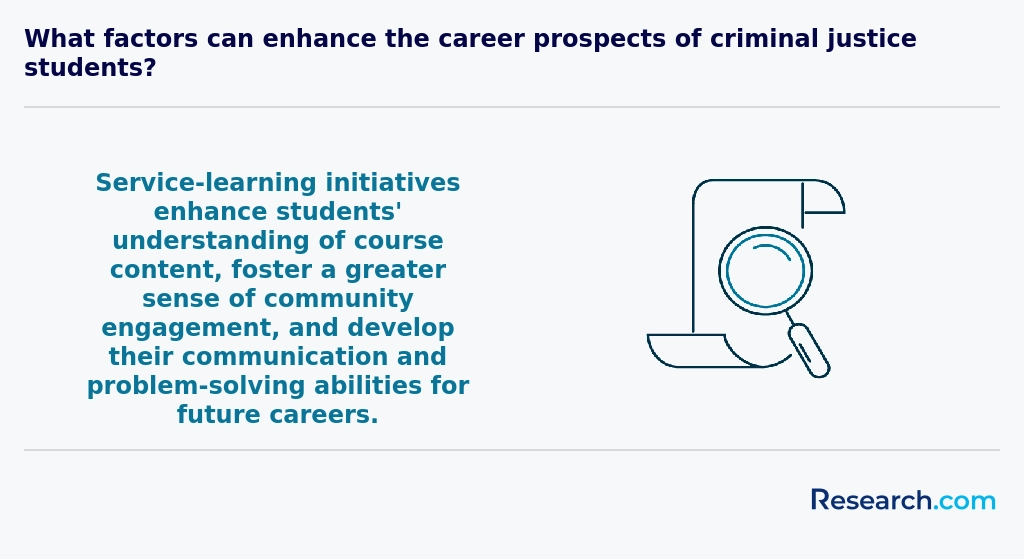
Graduates exploring online criminal justice careers in Florida often discover a world full of possibilities, from patrolling city streets as law enforcement officers to working behind the scenes in rehabilitation or private security. Many find themselves stepping into roles as police officers, sheriff's deputies, or state troopers, prepared by their degree programs at popular institutions like Florida State University or University of Central Florida. These graduates speak about the thrill of applying investigative techniques and criminal law knowledge in real-life scenarios that impact their communities.
Others dive into corrections or probation work, where managing offender rehabilitation creates meaningful change. Students from colleges widely recognized in Florida enjoy hands-on learning that makes them feel ready to tackle challenges in prisons or courts. Some graduates embrace the growing field of forensic analysis, digital forensics, or cybercrime units-dynamic areas continually evolving and demanding their expanded skills.
For those seeking flexibility, many choose an accelerated online degree for working adults, blending study with active careers. Whether navigating victim advocacy or juvenile justice, the spectrum of criminal justice degree job opportunities Florida offers is as diverse as it is rewarding.
The job market for online criminal justice degree jobs Florida offers is dynamic and full of opportunity, particularly in bustling urban centers like Miami and Tampa. Graduates from well-known institutions in Florida often share stories of stepping confidently into roles such as police officers, probation officers, or forensic technicians, where their hands-on training combined with online flexibility gave them a competitive edge. These roles reflect a growing demand fueled by Florida's expanding population and evolving community policing efforts.
Many students find the balance between work and study manageable, thanks to programs that tailor lessons to real-world challenges they might face in local law enforcement or private security management. From beaches to boardrooms, the state's emphasis on reform lends itself to graduates eager to engage with contemporary justice strategies, sparking inspiration daily. Alumni often express pride in navigating career pathways enhanced by accessible online education.
Exploring further options? Students interested in advancing can consider the easiest masters degree that fits their schedule perfectly, allowing continual growth alongside personal commitments. This ongoing development keeps Florida's criminal justice professionals versatile and ready for exciting career opportunities in Florida's public safety landscape.
2027 Best Online Criminal Justice Degree Programs Ranking in Florida
Investing in your education is a significant decision that can shape your future, and the Research.com team understands the importance of making informed choices. To assist prospective students in Florida, we have meticulously developed the "2027 Best Online Criminal Justice Degree Programs Ranking in Florida." Our dedication to quality, credibility, and accuracy is demonstrated through thorough research and analysis conducted to compile this ranking.
We utilized the following reputable data sources to ensure a comprehensive evaluation of criminal justice programs:
By exploring this ranking, readers will gain valuable insights into the top online criminal justice degree programs in Florida, enabling them to make well-informed decisions about their academic futures. For more information on how this ranking was created, please visit our Research.com methodology page.


Frequently Asked Questions About criminal justice
Online criminal justice degree students in Florida can maximize their learning experience by actively engaging with course materials and participating in virtual discussions. Florida's criminal justice system is unique, with specific laws and community challenges, so students should focus on regionally relevant case studies and state statutes. Utilizing resources such as Florida Department of Law Enforcement reports and state crime statistics enhances practical understanding.
Students should also seek internships or volunteer opportunities within Florida's law enforcement agencies to gain real-world experience. Time management is essential, along with leveraging academic support services offered online. Accredited programs often provide networking events that connect students with professionals in the field, further enriching their education.
The criminal justice field in Florida is evolving, with emerging niches offering new career opportunities. One growing area is cybercrime investigation, driven by increased digital threats. Florida law enforcement agencies report rising cases related to online fraud and identity theft, emphasizing the need for specialists trained in cyber forensics. Another niche is the focus on juvenile justice reform, as the state works to implement rehabilitation-focused policies.
Additionally, more professionals are needed in homeland security roles due to Florida's status as a major port and tourist destination. These areas require expertise in emergency management and terrorism prevention. Online criminal justice degrees in Florida are increasingly incorporating these specialized topics to prepare graduates for these expanding fields.
Graduates with an online criminal justice degree in Florida should focus on building practical skills to enter a competitive job market. Gaining relevant internships or volunteer experiences with Florida law enforcement agencies or legal organizations can significantly enhance employability. According to the Florida Department of Law Enforcement, hands-on experience is valued by employers across the state's diverse criminal justice sectors.
Networking is essential. Joining organizations like the Florida Criminal Justice Association provides access to job boards and professional connections. Additionally, certifying in areas such as crime scene investigation or cybersecurity may increase job prospects. Florida's criminal justice field is growing, with the Bureau of Labor Statistics projecting a 6% increase in employment for police and detectives statewide through 2031.
Employers in Florida's criminal justice field seek graduates with strong critical thinking and communication skills. These abilities are essential for effectively analyzing cases and collaborating with law enforcement agencies. According to the Bureau of Labor Statistics, jobs in this sector in Florida are expected to grow 9% by 2031, highlighting the need for adaptable and tech-savvy professionals.
Additionally, knowledge of Florida's legal system and ethical standards is highly valued. Graduates who demonstrate proficiency in data analysis and digital forensics often have an advantage, reflecting the growing role of technology in crime-solving. Practical skills such as report writing and cultural competence also rank high among employer priorities.
Finding internships in Florida relevant to a criminal justice degree involves leveraging state resources and local agencies. Many students start by contacting Florida's Department of Law Enforcement, which offers internship programs in forensic science and law enforcement practices. Additionally, Florida's numerous county sheriff's offices provide internship opportunities for students seeking hands-on experience in investigation and corrections.
Colleges offering online criminal justice programs often have partnerships with local agencies, helping students connect with internships. Websites like the Florida Internship Clearinghouse also list available placements statewide. Networking at professional organizations such as the Florida Criminal Justice Association can further increase chances for valuable internships.
Obtaining an online criminal justice degree in Florida can significantly enhance career mobility and advancement opportunities. The Florida Department of Law Enforcement often prefers or requires candidates to have at least a bachelor's degree for supervisory and specialized roles. Graduates with such degrees can access higher-paying positions in law enforcement, corrections, and federal agencies.
Online programs provide flexibility for working professionals, allowing them to balance education with job commitments. According to the U.S. Bureau of Labor Statistics, the demand for criminal justice careers in Florida is expected to grow faster than average through 2031, increasing opportunities for degree holders. Specialized knowledge gained from these programs also helps candidates qualify for leadership and investigative roles.
Studying for an online criminal justice degree in Florida equips students with skills applicable across multiple disciplines, including law enforcement, social work, and cybersecurity. Florida's programs often incorporate courses in psychology, sociology, and public policy, fostering a broad understanding of factors affecting crime and justice.
Florida's emphasis on interdisciplinary learning aligns with workforce demands, as 2023 data from the Florida Department of Law Enforcement shows growing collaboration between agencies. Graduates are prepared to analyze cases with insights from behavioral science while addressing legal and ethical issues.
Additionally, programs frequently feature case studies involving community engagement, public health, and digital forensics, enhancing adaptability in diverse professional settings.
When choosing between a thesis and a non-thesis online criminal justice degree program in Florida, students should consider their career goals and learning preferences. Thesis programs emphasize original research, which benefits those aiming for advanced study or research-oriented roles. These programs typically require close faculty collaboration and can take longer to complete.
Non-thesis programs focus on practical skills and coursework, catering to professionals seeking to enhance their expertise without extensive research. According to the Florida Department of Education, many criminal justice roles in the state prioritize applied knowledge over research experience.
Research from the Bureau of Labor Statistics shows that careers in law enforcement and corrections in Florida often value hands-on practice, favoring non-thesis graduates.
Florida students pursuing online criminal justice degrees have limited direct options for studying abroad through traditional foreign university programs. Most accredited U.S. institutions offering online criminal justice degrees focus on in-state or national curricula. However, some universities have partnerships enabling exchange or study-abroad experiences, usually in related fields. Students might also consider international internships or virtual global courses to gain broader perspectives.
Currently, Florida's criminal justice programs emphasize local legal frameworks, with over 70,000 professionals employed statewide according to the Florida Department of Law Enforcement. This focus ensures students learn relevant laws and procedures. For those interested in international law or global issues, supplementing online studies with specialized overseas experiences through third-party providers remains an option.
Part-time job opportunities in Florida that complement an online criminal justice degree often include roles in law enforcement support, security, and social services. Common positions are security officers, correctional officers, and community outreach assistants. These jobs provide practical experience while accommodating students' academic schedules.
Florida employs over 30,000 correctional officers according to the Bureau of Labor Statistics (2023), reflecting strong demand for roles where students can apply theoretical knowledge.
Interning or working part-time with local police departments or victim support agencies also enhances understanding of the criminal justice system. These opportunities can improve skills in investigation, communication, and case management.
Such roles align well with career goals, offering both income and relevant experience during studies.
Online criminal justice students in Florida benefit from multiple networking opportunities despite studying remotely. Many accredited programs partner with local law enforcement agencies and community organizations, providing virtual internships and field placements. This hands-on experience helps students connect with professionals active in Florida's criminal justice system.
Furthermore, organizations like the Florida Department of Law Enforcement (FDLE) and the Florida Association of Criminal Justice Educators offer online events, webinars, and conferences that students can attend to meet industry leaders and peers.
Professional groups such as the Florida Police Chiefs Association also facilitate virtual networking sessions tailored to criminal justice students. According to the Bureau of Labor Statistics, Florida employs over 70,000 law enforcement officers, indicating a robust professional community accessible to dedicated students.
Alumni networks provide valuable support for online criminal justice degree students in Florida by offering connections to professionals already working in the field. These networks help students access mentorship opportunities, internships, and job leads that can be crucial in Florida's competitive criminal justice job market.
According to the Florida Department of Law Enforcement, over 60,000 people are employed in criminal justice roles statewide, highlighting the importance of networking to stand out. Alumni groups often organize events and online forums, fostering a sense of community despite the remote nature of online programs.
Such networks enhance career development by sharing industry insights and trends specific to Florida's law enforcement and legal systems.
Customizing an online criminal justice degree in Florida allows students to align their studies with specific career goals. Many programs offer elective courses or concentration areas such as forensic science, cybersecurity, or corrections. Choosing relevant electives helps tailor skills toward fields like law enforcement or legal studies.
Students can also select flexible scheduling options, including part-time or accelerated formats, accommodating working professionals. Several Florida institutions integrate internships or practicum experiences to provide real-world exposure.
According to the Florida Department of Law Enforcement, demand for specialized criminal justice roles is growing, underscoring the value of focused education paths within online degrees.
Online criminal justice students in Florida often face challenges related to balancing coursework with work and personal responsibilities. Many students juggle full-time jobs alongside their studies, which can create time management difficulties. Additionally, the nature of online learning requires strong self-motivation and discipline, which some students find demanding.
Technical issues also pose barriers; reliable internet access and familiarity with digital platforms are essential but not always guaranteed for all students. According to the Florida Department of Education, about 12% of students report challenges with technology.
Another difficulty is the limited hands-on experience opportunities, as internships and fieldwork are central to criminal justice careers but harder to coordinate online.
With an online criminal justice degree in Florida, graduates can pursue several professional certifications that enhance career prospects. Common certifications include the Certified Protection Professional (CPP) and Associate Protection Professional (APP) granted by ASIS International. For those interested in law enforcement, the Florida Department of Law Enforcement (FDLE) offers specific certifications such as Law Enforcement Officer Certification that requires additional academy training.
Another valuable credential is the Certified Criminal Justice Specialist (CCJS), which supports careers in probation, parole, and corrections. According to the Florida Department of Economic Opportunity, jobs in security and law enforcement are expected to grow over 6% by 2030, increasing the demand for certified experts.
Additionally, specialized certifications in juvenile justice or forensic science are available through professional bodies to expand skillsets within Florida's justice system.
To write a winning application for an online criminal justice program in Florida, start by clearly demonstrating your passion for the field. Florida has a growing need for trained criminal justice professionals, with the Florida Department of Law Enforcement reporting a 5% increase in law enforcement vacancies in recent years.
Highlight relevant experience, whether in volunteer roles, internships, or previous employment. Emphasize skills such as critical thinking, communication, and ethical decision-making. Use your personal statement to explain why you chose criminal justice and how the degree aligns with your career goals.
Include all required documents accurately, such as transcripts, letters of recommendation, and any standardized test scores if requested. Make sure your application is error-free and submitted by the deadline. Being thorough and professional reflects well on your commitment.
The global perspective on a criminal justice career highlights the growing demand for professionals skilled in law enforcement, security, and justice administration. In the United States, including Florida, the field emphasizes multidisciplinary knowledge involving psychology, law, and sociology. According to the U.S. Bureau of Labor Statistics, employment in protective service occupations is projected to grow 5% from 2021 to 2031, reflecting expanding opportunities.
Florida's unique demographic and legal landscape offers a dynamic environment for criminal justice professionals, often intersecting with international crime and immigration issues. Understanding global trends, such as cybercrime growth, enhances career prospects.
Online criminal justice degrees in Florida prepare students for diverse roles by integrating global criminal justice principles with local application, helping graduates address complex legal challenges effectively.
Gaining practical experience while pursuing an online criminal justice degree in Florida is essential for building a competitive profile. Many programs encourage students to complete internships with local law enforcement agencies, courts, or corrections facilities. Florida's Department of Law Enforcement and sheriff's offices often offer such opportunities to students, providing hands-on experience in legal procedures and public safety.
Additionally, students can participate in virtual simulations and case studies integrated into their coursework. These tools mimic real-world scenarios, enhancing critical thinking skills.
The American Criminal Justice Association notes that internships increase job placement rates by 15-20% for Florida students.
Choosing the right concentration within an online criminal justice degree program in Florida requires understanding your career goals and the local job market. Florida's diverse criminal justice system offers areas like law enforcement, cybersecurity, forensic science, and corrections. According to the Florida Department of Law Enforcement, demand is rising for professionals in cybersecurity and forensic analysis due to increasing digital crimes.
Consider the highest employment growth fields. For example, the U.S. Bureau of Labor Statistics projects a 9% growth in security analyst roles nationwide through 2031. Research programs that emphasize practical skills aligned with these trends. Additionally, check if concentrations meet professional certification requirements in Florida, such as for law enforcement or probation officers.
Review faculty expertise and internship opportunities in your chosen focus. Engaging with local agencies during your studies can improve employment prospects after graduation.
- 2027 Best Criminal Justice Degree Programs Ranking in Alabama
- 2027 Best Criminal Justice Degree Programs Ranking in Louisiana
- 2027 Best Criminal Justice Degree Programs Ranking in Kentucky
- 2027 Best Criminal Justice Degree Programs Ranking in Arkansas
- 2027 Best Criminal Justice Degree Programs Ranking in West Virginia
- 2027 Best Criminal Justice Degree Programs Ranking in Indiana
- 2027 Best Criminal Justice Degree Programs Ranking in Illinois
- 2027 Best Criminal Justice Degree Programs Ranking in Maryland
- 2027 Best Criminal Justice Degree Programs Ranking in Texas
- 2027 Best Criminal Justice Degree Programs Ranking in Oklahoma
See What Experts Have To Say About Studying Criminal Justice
Read our interview with Criminal Justice experts

David Carter
Criminal Justice Expert
Professor, School of Criminal Justice
Michigan State University

Mark Moore
Criminal Justice Expert
Research Professor of Public Management
Harvard University

Frank Schmalleger
Criminal Justice Expert
Professor Emeritus
The University of North Carolina

- Criminal Justice Careers - Criminal Justice Degree Schools https://www.criminaljusticedegreeschools.com/careers/
- Criminal Justice, Associate in Science (A.S.) https://www.fgc.edu/academics/programs/public-safety-training-criminal-justice/criminal-justice.html
- College Students Discuss: Biggest Challenges to the Criminal Justice System https://www.nealdavislaw.com/blog/firm-news/criminal-justice-challenges-student-responses/
- Best Online Criminal Justice Degrees https://www.onlineu.com/degrees/criminal-justice
- Insights from Students and Alumni: Master Programme in Criminology and Criminal Justice https://soc.fss.um.edu.mo/insights-from-students-and-alumni-master-programme-in-criminology-and-criminal-justice/
- Criminal Justice Organizations for Students | University of Phoenix https://www.phoenix.edu/articles/criminal-justice/criminal-justice-organizations-for-students.html
- MS Criminal Justice Thesis Track vs. Internship | University of Bridgeport https://www.bridgeport.edu/news/criminal-justice-thesis-track-vs-internship/
- Department of Criminal Justice Master's Program with/without Thesis | Üsküdar University https://uskudar.edu.tr/en/gsafs/criminal-justice-thesisnon-thesis-masters-degree
- Criminal Justice Career Goals https://www.bartleby.com/essay/Criminal-Justice-Career-Goals-8B09294D4789A4A5
- Advancing Economic Mobility for Workers With Criminal Records https://www.jff.org/idea/advancing-economic-mobility-for-workers-with-criminal-records/