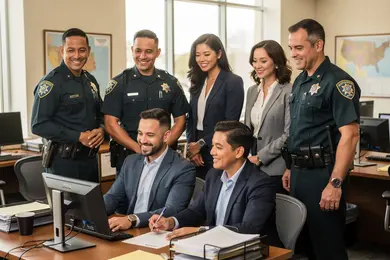
2027 Best Criminal Justice Degree Programs Ranking in Columbia

Co-Founder and Chief Data Scientist
Choosing the right criminal justice degree program in Columbia can be overwhelming. That's why our article introduces the 2027 Best Criminal Justice Degree Programs Ranking in Columbia, created by the Research.com team of data scientists. This ranking helps you make an informed decision based on accurate data and thorough analysis.
By exploring these top programs, you'll discover options that match your goals and interests. Earning a criminal justice degree can open doors to rewarding careers, making a real difference in your community. Take the first step toward your future with confidence.
Key benefits of getting criminal justice degree in Columbia
- Criminal justice degree graduates in Columbia can expect strong salaries, such as $76,550 annually for police officers and $95,930 for crime scene investigators, reflecting rewarding financial prospects.
- Graduates from popular Columbia universities often pursue careers in law enforcement, forensic science, or court administration, providing diverse and meaningful job opportunities.
- Online criminal justice degrees offer flexibility and convenience, enabling students to balance work and study effectively while still gaining valuable skills recognized in Columbia's job market.
- Key benefits of getting criminal justice degree in Columbia
- What can I expect from criminal justice degree in Columbia?
- Where can I work with criminal justice degree in Columbia?
- How much can I make with criminal justice degree in Columbia?
- 2027 Best Criminal Justice Degree Programs Ranking in Columbia
- Key Findings
- How long does it take to complete criminal justice degree in Columbia?
- Importance of Accreditation in Criminal Justice Programs
- What's the difference between online and on-campus criminal justice degree?
- Return on Investment: Weighing Costs and Career Rewards
- What is the average cost of criminal justice degree in Columbia?
- Return on Investment for Criminal Justice Degrees in Columbia, SC
- What financial aid is available to criminal justice degree students in Columbia?
- Accreditation and Professional Certification Pathways
- What are the prerequisites for enrolling in criminal justice degree program in Columbia?
- Financial Considerations and Affordable Options for Criminal Justice Students in Columbia, SC
- What courses are typically in criminal justice degree programs in Columbia?
- What types of specializations are available in criminal justice degree programs in Columbia?
- How do you choose the best criminal justice degree in Columbia?
- What career paths are available for criminal justice degree students in Columbia?
- What is the job market for criminal justice degree in Columbia?
- Top Trending Criminal Justice Rankings
- See What Experts Have To Say About Studying Criminal Justice
What can I expect from criminal justice degree in Columbia?
The average cost of pursuing a criminal justice degree in Columbia varies widely depending on the institution and degree level. For example, at public universities popular in Columbia, undergraduate tuition for a bachelor's degree commonly ranges between $6,000 and $12,000 per year for in-state students. Graduates often recall balancing this cost alongside part-time jobs or internships that provide practical experience, which is highly valued by Columbia employers. Associate degrees, which some students prefer for quicker entry into the workforce, typically cost less, around $3,000 to $7,000 annually.
Graduate programs, such as master's degrees in criminal justice or related specializations at Columbia colleges, can be more expensive, often between $8,000 and $15,000 per year. Some graduates express that these programs' emphasis on internships with local law enforcement agencies offers valuable contacts worth the investment.
While these numbers may feel considerable, many students find financial aid, scholarships, or cooperative education programs available through institutions in Columbia helpful. Balancing cost against experiential opportunities allows students to make informed decisions about their education in criminal justice.
Where can I work with criminal justice degree in Columbia?
Graduates from criminal justice programs at popular Columbia institutions often find diverse career pathways open to them locally. Many secure positions within the city's police departments, where understanding of law enforcement principles enhances their effectiveness in roles ranging from patrol to forensic analysis. For instance, graduates frequently express satisfaction when applying classroom knowledge to real investigations with the Columbia Police Department's specialized units.
Others pursue work in nearby correctional facilities managed by the Missouri Department of Corrections, taking on roles such as probation or parole officers. These positions appeal to those who want to directly impact offender rehabilitation and public safety. Students report feeling a strong sense of purpose when supporting individuals' reintegration into the community.
Additional opportunities include court-related jobs as legal assistants or victim advocates, often found through connections built during internships at local courthouses. Some graduates also highlight the appeal of federal agencies like the FBI or DEA, noting higher competition but rewarding investigative careers.
Private sector roles in corporate security or consulting attract graduates seeking dynamic environments where their analytical skills help protect assets and evaluate risks. Despite differing paths, most agree Columbia's growing demand for criminal justice professionals provides a solid platform for meaningful employment.
How much can I make with criminal justice degree in Columbia?
Graduates with a criminal justice degree from well-known Columbia institutions often find promising entry points into careers like police officers or correctional officers. Based on Bureau of Labor Statistics data, police officers in Columbia have a mean annual wage of about $76,550, while correctional officers earn around $58,810. These roles typically offer stability and room for growth as experience and rank increase.
Some graduates pursue specialized positions such as crime scene investigators, who command an average annual salary of $95,930 in the region, or forensic science technicians earning about $71,540. These careers can spark excitement for graduates seeking hands-on investigative work with higher earning potential.
Graduates often recall their internships and collaboration with local law enforcement agencies, which help bridge classroom knowledge with real-world applications. While starting salaries may vary, many alumni emphasize that advancing with experience or pursuing further education can significantly boost earnings.
For instance, court clerks earning around $48,760 a year represent alternative roles that engage critical thinking and administrative skills developed during their studies. In Columbia's evolving public safety landscape, graduates frequently highlight how balancing education and practical exposure shapes their rewarding and financially viable career paths.
2027 Best Criminal Justice Degree Programs Ranking in Columbia
How do we rank schools?
Investing in your education is a significant decision that can impact your future, and the Research.com team recognizes the importance of making well-informed choices. To support prospective students in Columbia, we have carefully developed the "2027 Best Criminal Justice Degree Programs Ranking in Columbia." Our dedication to quality, credibility, and accuracy is demonstrated by the thorough research and analysis behind this ranking.
We utilized the following reputable data sources to ensure a comprehensive evaluation of criminal justice degree programs:
By exploring this ranking, readers will gain valuable insights into the top criminal justice degree programs in Columbia, enabling them to make confident and informed educational decisions. For more information on how this ranking was created, please visit our Research.com methodology page.


Key Findings
- The average yearly cost for a criminal justice bachelor's degree in Columbia is between $20,000 and $35,000, with public universities offering lower tuition for in-state students.
- Starting salaries for entry-level criminal justice jobs typically range from $40,000 to $50,000 per year.
- Experienced professionals in supervisory or specialized roles can earn salaries from $65,000 to $75,000 annually.
- Criminal justice jobs in Columbia are expected to grow by 5% to 7% over the next ten years.
- Graduates can pursue careers in government agencies, private security, counseling, and legal assistance, with internships playing a key role in gaining experience.
- Columbia offers associate, bachelor's, and some master's degree programs in criminal justice to fit different career goals and specializations.
How long does it take to complete criminal justice degree in Columbia?
Completing a criminal justice degree in Columbia typically spans around four years for a bachelor's program, as reported by graduates from well-known local universities. Many students express satisfaction with this timeline, appreciating the opportunity to immerse themselves fully in both coursework and practical experiences. For example, graduates from institutions like the University of Missouri-Columbia recall that the standard 120-credit requirement was manageable, especially when engaged in internships that enriched their learning and career readiness.
For those pursuing a master's degree in criminal justice, the duration usually extends by one to two years, depending on whether the student attends full-time or part-time. Many working professionals value evening or online classes offered by well-regarded Columbia institutions, which allow them to balance employment and education effectively. This flexibility often contributes positively to student motivation and success.
Associate degrees, popular at community colleges in Columbia, often take around two years and are praised by graduates who started their criminal justice careers early or used these programs as a stepping stone toward higher degrees. However, factors like transfer credits and program structure can alter these time frames, requiring students to plan accordingly.
Importance of Accreditation in Criminal Justice Programs
Accreditation verifies that a criminal justice program meets rigorous academic and industry standards, ensuring your education is recognized by employers and licensing bodies.
- Regional accreditation affirms institutional quality and enables credit transfer.
- Specialized accreditation (e.g., Academy of Criminal Justice Sciences) guarantees curriculum relevance.
- Accredited programs qualify you for federal financial aid and professional certifications.
For budget-conscious students, consider our cheapest criminal justice degree online to find accredited, flexible pathways that align with your career goals.
What's the difference between online and on-campus criminal justice degree?
Choosing between online and on-campus criminal justice degrees in Columbia hinges largely on learning style and life circumstances. Graduates from the University of Missouri note that on-campus programs offer immersive experiences like hands-on internships with the Columbia Police Department and in-person role-playing exercises that foster practical skills.
Conversely, online students at Columbia State Community College appreciate the flexibility to balance studies with jobs and family, accessing lectures anytime. However, some report missing the day-to-day camaraderie and spontaneous networking opportunities found on campus.
Cost differences also influence decisions. On-campus studies often involve higher expenses due to housing and campus fees, while online routes typically reduce such costs by 15-30%, making them attractive for budget-conscious learners.
Both formats maintain accreditation standards, but prospective students should verify program recognition to ensure quality. Ultimately, the choice reflects personal priorities-whether valuing direct faculty interaction and immersive activities or seeking the convenience that online education uniquely provides.
Return on Investment: Weighing Costs and Career Rewards
Investing in a Criminal Justice degree requires balancing tuition expenses against long-term earning potential. In Columbia, SC, an associate degree typically costs around $42,282 total, while bachelor’s programs range from $42,800 to $127,656 over four years. Master’s candidates pay between $12,000 and $30,000 annually. When compared to starting salaries-Police Officers at $71,380, Crime Scene Investigators at $91,610, and Court Clerks at $46,280-many graduates recoup their investment within three to six years of full-time employment. Salary trajectories often accelerate with experience and advanced roles. Entry-level positions may begin at $50,000, but promotions to detective or supervisory ranks can push annual earnings past $85,000. For a deeper look at potential earnings growth and specialized roles, explore projected figures for criminal justice salary across sectors. Factoring in local cost of living and demand-police and detective roles in Columbia are expected to grow by 5–7% over the next decade-the financial outlook remains promising. Beyond dollars and cents, the ROI of a Criminal Justice degree includes job stability, community impact, and professional development. Graduates often cite mentorship opportunities, internships, and alumni networks as invaluable career boosters that can’t be quantified but significantly enhance job satisfaction. When assessing program value, prospective students should weigh both measurable returns and the intrinsic rewards of serving public safety and justice.
What is the average cost of criminal justice degree in Columbia?
The average criminal justice degree cost in Columbia typically centers around $33,718 for total expenses, with in-state students paying considerably less, about $15,872 on average. These figures reflect a median cost that includes tuition, fees, and additional mandatory charges, giving a more complete picture of financial expectations. Graduates from well-known local universities often recall balancing these expenses with part-time jobs or financial aid, which made the investment feel more manageable despite initial concerns about affordability.
Students pursuing criminal justice degrees at Columbia institutions often find that public universities offer competitive pricing for in-state attendees, but the cost can rise sharply for out-of-state students approaching the median total. This variability highlights the importance of early financial planning and carefully considering residency status when estimating Columbia criminal justice degree tuition and fees. Many students mention the satisfaction gained from scholarships or grants, which ease the financial burden and make the educational experience more rewarding.
For those seeking more affordable routes, affordable criminal justice schools in South Carolina provide alternatives that maintain quality education while significantly reducing expenses. This pathway often attracts students eager to complete foundational coursework before transferring to larger universities, underscoring the practical benefits of exploring varied institutional options in Columbia.
Return on Investment for Criminal Justice Degrees in Columbia, SC
Understanding the long-term value of a Criminal Justice degree is critical for prospective students weighing tuition against future earnings. On average, bachelor’s programs in Columbia, SC cost between $42,800 and $127,656 over four years, including fees and living expenses. Graduates can expect entry-level salaries starting at $50,000, with median wages rising to $71,380 for police officers and $91,610 for crime scene investigators. By comparing these figures, students can achieve a positive ROI within 3–5 years of full-time employment. Several factors influence ROI:
- Career Path Selection: Specializing in high-demand fields like digital forensics or federal investigation often leads to faster salary growth.
- Internship Conversions: Hands-on programs with local agencies frequently result in job offers before graduation, reducing time to first paycheck.
- Advanced Credentials: Earning certifications or a master’s degree can boost wages by 10–20%, shortening payback periods. Prospective students should also consider non-monetary returns such as professional networks, mentorships, and community impact. These intangibles often lead to promotions, specialized assignments, and increased job satisfaction. For a detailed breakdown of salary projections across roles and experience levels, explore our comprehensive criminal justice salary guide, which helps refine ROI calculations and align program choices with career goals.
What financial aid is available to criminal justice degree students in Columbia?
Financial aid for criminal justice students in Columbia often hinges on a combination of federal, state, and institutional support, reflecting the sizable costs faced. Graduates from universities like the University of South Carolina frequently emphasize how Pell Grants obtained through FAFSA substantially eased their financial burdens by covering up to $7,395 annually without repayment obligations. This federal aid, combined with subsidized student loans, offers a relatively manageable starting point for funding education.
State-specific scholarships, notably the LIFE Scholarship available to South Carolina residents, provide crucial additional aid, especially for academically accomplished students attending public universities. Criminal justice majors benefit from this as it can be stacked alongside university scholarships, a reality noted by many recent graduates of Coastal Carolina University who found merit-based departmental awards instrumental in managing their expenses.
Work-study options linked directly to criminal justice departments also enhance both financial stability and relevant work experience, creating a sense of purpose and motivation for students balancing study with earning. Moreover, private scholarships targeting public safety careers offer supplementary relief, making the entire financial aid landscape more hopeful yet complex to navigate without proactive inquiry.
Accreditation and Professional Certification Pathways
Ensuring your Criminal Justice degree comes from an accredited institution is essential for maintaining quality standards, accessing federal financial aid, and qualifying for professional certifications. In Columbia, SC, most reputable programs hold regional accreditation from the Southern Association of Colleges and Schools Commission on Colleges (SACSCOC) and specialized recognition from the Academy of Criminal Justice Sciences (ACJS). These credentials guarantee that your coursework meets rigorous academic benchmarks and is broadly accepted by employers and graduate schools. Beyond institutional accreditation, pursuing nationally recognized certifications can significantly enhance your employability and credibility. Common certifications include:
- Certified Criminal Justice Specialist (CCJS), which validates mastery of core criminal justice principles.
- Certified Forensic Crime Analyst, offered by forensic science associations, that highlights proficiency in evidence interpretation.
- Certified Fraud Examiner (CFE) through the Association of Certified Fraud Examiners-ideal for students targeting investigative roles in financial crime.
- State law enforcement certifications, such as Basic Law Enforcement Training (BLET) in South Carolina, required for entry-level officer positions. When cost is a deciding factor, students may also explore our Inexpensive Criminal Justice Degree Programs Ranking in California to compare similarly accredited, budget-friendly options. By combining a regionally and ACJS-accredited degree with targeted certifications, graduates position themselves for advanced career opportunities in policing, corrections, forensic analysis, and beyond.
What are the prerequisites for enrolling in criminal justice degree program in Columbia?
To enroll in criminal justice degree programs in Columbia, students generally must hold a high school diploma or equivalent, such as a GED, especially for undergraduate studies. Graduates from local colleges recall the initial challenge of submitting transcripts that highlight their performance in core subjects like English and social studies, which proved crucial for admission. Some students found that demonstrating strong writing skills through personal statements gave them an edge at competitive institutions.
For graduate programs in Columbia, a bachelor's degree from an accredited university is essential, with many schools expecting at least a 2.5 to 3.0 GPA. Recommendations and relevant work experience often make acceptance smoother, as some graduates shared how internships with local law enforcement solidified their applications and career passion.
Although standardized tests like the SAT or GRE are less frequently mandatory now, some universities in Columbia still view them as tools to assess preparedness. Students describe feeling relief when test-optional policies allowed them to focus on other strengths. Additionally, most programs require background checks, an understandable step given hands-on fieldwork with police agencies, which some graduates appreciated for enhancing public trust in their future roles.

Financial Considerations and Affordable Options for Criminal Justice Students in Columbia, SC
When considering a Criminal Justice degree in Columbia, SC, one crucial aspect to examine is the financial implications of pursuing such a degree. Prospective students should explore the costs associated with tuition, living expenses, and other fees. Many institutions in Columbia, SC, offer competitive pricing for their programs, and some even provide affordable criminal justice schools in South Carolina, making higher education more accessible. Understanding these financial considerations can help students make informed decisions about their educational paths and career aspirations in the field of Criminal Justice.
What courses are typically in criminal justice degree programs in Columbia?
Criminal justice degree programs in Columbia typically offer a blend of courses that provide both theoretical knowledge and practical skills relevant to today's justice landscape. Graduates from well-known Columbia universities often highlight how core classes like Introduction to Criminal Justice and Criminal Law gave them firsthand insight into the system's complexity, from policing to legal principles. These subjects help students critically examine how laws shape society and influence individual rights.
Courses such as Criminology and Corrections enable students to understand criminal behavior and rehabilitation strategies, connecting textbook theory to real cases encountered during internships. For instance, attending a college in Columbia with strong community ties often allows students to observe local law enforcement practices, making abstract concepts tangible and inspiring confidence.
Many students appreciate classes on Research Methods and Statistics because they equip them to analyze crime data-skills essential for evidence-based decisions in criminal justice roles. Elective courses like Forensic Science provide exciting opportunities to engage with crime scene techniques, emphasizing the program's relevance to modern policing challenges faced in Columbia's diverse communities.
What types of specializations are available in criminal justice degree programs in Columbia?
Criminal justice degree specializations in Columbia commonly include law enforcement, corrections and rehabilitation, forensic science, criminal justice administration, and cybercrime and cybersecurity. Graduates from popular Columbia colleges often share how studying law enforcement gave them practical insights through partnerships with local police departments, enriching their hands-on experience. Students focusing on forensic science appreciate the strong ties to Missouri's Department of Corrections, which enhance their understanding of evidence analysis in real crime scenes.
Corrections and rehabilitation specialization allows students to explore strategies for managing correctional facilities while emphasizing social approaches to reduce recidivism. Meanwhile, administration students benefit from courses emphasizing leadership and ethics, preparing them for management roles within justice agencies. Cybercrime and cybersecurity reflect the growing demand for digital crime experts, underlining a modern shift in criminal justice career pathways.
Graduates often recount enjoying a blend of theoretical knowledge and real-world internships, available due to Columbia's location near state and federal agencies. Those interested in flexible options find online and hybrid programs attractive. For prospective students weighing costs, the average tuition varies but remains a worthwhile investment considering potential career outcomes; the criminal justice salary often justifies this expense.
How do you choose the best criminal justice degree in Columbia?
Choosing the best criminal justice degree in Columbia involves weighing accreditation and curriculum relevance carefully. Graduates from popular local universities often emphasize how accredited programs helped them build credibility with employers, while coursework that includes state-specific issues like community policing enhanced their readiness for real-world challenges in Columbia. Assessing these factors can help avoid generic programs that overlook local justice policies, which is crucial given Columbia's particular crime dynamics.
Affordability also plays a significant role. Affordable criminal justice colleges in Columbia frequently offer competitive tuition rates around $8,000 to $12,000 annually for residents, which alumni note makes balancing finances and education less stressful. Students also recommend researching scholarships and work-study options to ease financial burdens. For those mindful of costs, exploring resources such as the Inexpensive Criminal Justice Degree Programs Ranking in California can provide insights on managing expenses, even beyond Missouri.
Career outcomes often guide decisions as well. Graduates report that programs with strong internship pipelines linked to local law enforcement agencies boosted their employment chances, a vital consideration given Missouri's positive 5% job growth forecast for the field. Additionally, flexible learning options at Columbia colleges, including evening or online classes, accommodate students juggling work and study commitments, enhancing satisfaction and retention.
What career paths are available for criminal justice degree students in Columbia?
Graduates with a criminal justice degree in Columbia have access to diverse career paths that align with both regional needs and national trends. Many find opportunities in law enforcement agencies, taking on roles from police officers to federal agents. These positions, often available to graduates of popular universities and colleges in Columbia, offer meaningful ways to engage with community safety and justice. The city's proximity to various state and federal agencies enhances these prospects, allowing graduates to work close to home while pursuing impactful careers connected to the local community. This is a motivating factor for many students, who feel their education translates directly into local job opportunities.
Other Columbia criminal justice degree job opportunities include positions in corrections, probation, and parole services, where graduates contribute to rehabilitation efforts that help reduce recidivism. Graduates also enter fields like crime scene investigation and social services, roles which may require additional certification but provide rewarding, hands-on experiences. Security management in both public and private sectors offers another employment avenue, underlining the degree's versatility.
Students planning their paths often benefit from exploring best accelerated degree programs to tailor their education quickly toward these various roles, maximizing early entry into the workforce. Overall, understanding the breadth of criminal justice careers in Columbia helps students make informed choices that suit their skills and passions.
What is the job market for criminal justice degree in Columbia?
The criminal justice job outlook Columbia offers is shaped by its role as a state capital, where government agencies and law enforcement create steady demand for qualified graduates. Those completing degrees at well-known local institutions often find themselves drawn into roles as police officers, probation officers, or correctional supervisors. Graduates frequently highlight how practical training at the South Carolina Criminal Justice Academy helped them transition smoothly from campus to career. Employment opportunities for criminal justice graduates Columbia include federal agency positions, which may need additional specialization, reflecting an evolving job market that values both education and experiential learning.
Starting salaries in Columbia typically range from $35,000 to $60,000 in protective services, with growth potential through experience or specialized roles. Many students appreciate how community colleges offer affordable pathways into criminal justice, and several report pursuing internships that enhance hands-on skills and job prospects. For prospective students uncertain about admission, exploring open admission colleges online can be a practical alternative that builds foundational knowledge. Overall, the landscape combines promising career options with the need to actively engage in certifications and real-world experience to stand out in this competitive field.
Frequently Asked Questions About criminal justice
Criminal justice degree students in Columbia can maximize their learning experience by actively engaging with both academic coursework and practical opportunities. Participating in internships with local law enforcement agencies, courts, or correctional facilities provides hands-on experience crucial for understanding real-world challenges. According to the Bureau of Justice Statistics, internships significantly improve job prospects post-graduation.
Students should also take advantage of Columbia's community resources, such as crime prevention programs and legal aid clinics, to broaden their perspective. Joining student organizations related to criminal justice promotes networking and professional growth. Additionally, focusing on research methods and understanding Columbia's specific crime data can enhance analytical skills vital for careers in this field.
Emerging niches within the criminal justice field in Columbia reflect broader national trends, focusing on technology and community-oriented approaches. Cybersecurity and digital forensics are rapidly growing areas, driven by increasing cybercrime. According to the U.S. Bureau of Labor Statistics, jobs in digital forensics are expected to grow 15% from 2022 to 2032.
Another expanding niche is restorative justice, which emphasizes rehabilitation and reconciliation over punishment. This approach has gained popularity in Columbia's community programs aimed at reducing recidivism. Additionally, criminal justice degrees now often include training in homeland security and counterterrorism, addressing evolving threats in public safety.
These specializations provide students with versatile skills suited for a modern justice system.
Graduates with a criminal justice degree in Columbia should focus on building practical skills and gaining relevant experience to enhance their job prospects. Internships or volunteer positions with local law enforcement, legal offices, or social services provide valuable insights and networking opportunities. According to the Bureau of Labor Statistics, employment in protective service occupations in South Carolina is projected to grow 5% from 2022 to 2032, indicating steady demand.
Developing strong communication, critical thinking, and computer skills can set candidates apart. Certification programs in areas like crime scene investigation or cybersecurity may also boost employability. Additionally, attending career fairs and joining professional organizations such as the American Criminal Justice Association can provide further support.
Employers in Columbia seeking criminal justice degree graduates prioritize a combination of analytical and interpersonal skills. Critical thinking is essential, as professionals must assess complex situations and make informed decisions. Communication abilities are equally important for effective collaboration with law enforcement, legal teams, and the community.
Technical proficiency, including knowledge of criminal justice software and data analysis, is increasingly valued. According to the Bureau of Labor Statistics, crime analyst positions in Columbia grew by 15% between 2018 and 2023, emphasizing the importance of data skills. Ethics and integrity remain foundational, given the sensitive nature of justice work.
Finally, adaptability and cultural competence are crucial as Columbia's diverse population requires professionals who can understand and respect different backgrounds while ensuring fair enforcement of laws.
Finding internships in Columbia relevant to a criminal justice degree involves strategic networking and research. Students should start by exploring opportunities offered through their college career centers, which often partner with local law enforcement agencies, courts, and social service organizations. According to the Columbia Police Department's official website, internships are available for students interested in gaining practical law enforcement experience.
Additionally, students can leverage state and county resources such as the Missouri Attorney General's internship programs. These often provide valuable hands-on experience in legal and correctional settings. Job platforms like Handshake specifically target internships in the social science and criminal justice fields in Columbia.
Joining professional organizations, such as the American Criminal Justice Association, also helps students connect with internships and mentorships. Statistics show that internships substantially increase employment prospects in criminal justice careers after graduation, underscoring their importance in Columbia's competitive job market.
A criminal justice degree significantly enhances career mobility and advancement opportunities for students in Columbia. According to the Bureau of Labor Statistics, jobs in law enforcement and correctional services are expected to grow by 5% nationally through 2031, reflecting steady demand in this sector.
Having a degree often qualifies individuals for supervisory roles, federal agency positions, and specialized careers such as forensic analysis or probation officer. A 2022 report from the National Center for Education Statistics highlights that graduates with a criminal justice degree earn, on average, 15% higher salaries than those without a degree in related fields.
Moreover, many employers in Columbia prioritize candidates with formal education when considering promotions, making the degree a key asset for long-term growth.
Studying for a criminal justice degree in Columbia equips students with a broad understanding of law enforcement, corrections, and legal principles, essential for interdisciplinary roles. Programs often integrate courses in sociology, psychology, and public policy, fostering skills to analyze crime from multiple perspectives. This approach prepares graduates to collaborate effectively across fields such as social work, forensic science, and law.
Many Columbia institutions emphasize practical skills, including research methods and data analysis, aligned with findings from the Bureau of Labor Statistics on criminal justice careers. This combination enhances adaptability in diverse professional environments.
When choosing between a thesis and a non-thesis criminal justice degree program in Columbia, consider your career goals and learning preferences. Thesis programs require conducting original research and writing a paper, which is ideal if you aim for a career in research or plan to pursue a PhD. Non-thesis programs focus more on coursework and practical skills, suitable for students seeking direct entry into professional roles in law enforcement, corrections, or public policy.
Columbia universities offering criminal justice degrees often provide both options, with thesis tracks typically taking longer to complete. According to the National Center for Education Statistics, thesis programs may enhance critical thinking and research skills.
Assess your time availability and interest in scholarly work when deciding. Additionally, check if your target employer values research experience related to criminal justice.
Students based in Columbia interested in criminal justice have several options to study abroad through US institutions offering international programs. Many American universities provide online or hybrid criminal justice degrees accessible worldwide, which can be beneficial for those unable to relocate.
Additionally, some US colleges have established study abroad partnerships allowing students to complete part of their criminal justice curriculum overseas. These opportunities often include exchanges in countries with comparable legal systems, enriching understanding of global justice issues.
According to the Bureau of Justice Statistics, Columbia's criminal justice fields emphasize practical training, which aligns well with international internship programs commonly offered in such study abroad arrangements.
Students should explore accredited US universities with strong criminal justice departments offering flexible global learning paths to maximize their educational experience.
In Columbia, part-time job opportunities that complement a criminal justice degree often include roles such as security officers, correctional facility assistants, and law enforcement aides. These positions provide practical experience and an insight into the justice system. According to the U.S. Bureau of Labor Statistics, security officer roles are projected to grow by 6% nationally through 2030, reflecting steady demand.
Many local police departments in Columbia offer internships or part-time support positions, which can be valuable for networking and gaining firsthand knowledge of law enforcement procedures. Additionally, working in victim advocacy or social work organizations helps build communication and crisis intervention skills crucial for criminal justice professionals.
Criminal justice students in Columbia have access to a range of valuable networking opportunities that can enhance their educational and professional growth. Many universities in Columbia partner with local law enforcement agencies, providing students with internships and fieldwork that foster practical connections within the criminal justice system. For example, schools often collaborate with the Columbia Police Department, allowing students to meet practitioners and build professional relationships early in their careers.
Additionally, student organizations focused on criminal justice offer events, workshops, and guest lectures with industry experts. According to the Bureau of Justice Statistics, effective networking is critical for securing jobs in this competitive field. Participation in regional conferences and career fairs also helps students connect with employers and alumni working in law enforcement, legal services, and public safety roles.
Alumni networks play a significant role for criminal justice degree students in Columbia by providing valuable professional connections. Many graduates work in local law enforcement, courts, and social services, creating a robust network for internships and job placements.
According to the National Alumni Relations Association, students with strong alumni ties have a 20% higher employment rate within six months after graduation. In Columbia, these connections help students navigate the specific demands of the state's criminal justice system.
Alumni often offer mentorship, advice on career paths, and updates on industry trends, which are crucial for adapting to changes in legislation and law enforcement practices.
Students pursuing a criminal justice degree in Columbia can tailor their programs by selecting concentrations that align with their career goals. Popular specializations include law enforcement, corrections, forensic science, and juvenile justice. Many universities allow elective courses focused on areas like cybersecurity or victim advocacy, enhancing specific skill sets.
Practical experience through internships or cooperative education is crucial. According to the Bureau of Labor Statistics, internships increase employment chances by 20%. Columbia schools often partner with local agencies, providing hands-on training relevant to regional crime trends.
Additionally, students can engage in research projects or attend workshops to gain deeper knowledge. Customizing a degree with practical and theoretical components offers a competitive edge in this evolving field.
Criminal justice students in Columbia often encounter several challenges during their academic journey. One frequent issue is balancing rigorous coursework with practical field experiences, which are essential for gaining real-world insights. Many students report difficulty securing internships due to high competition and limited local opportunities, as highlighted by recent data from the Bureau of Justice Statistics.
Additionally, students face financial constraints; the average tuition for criminal justice programs in Columbia ranges from $8,000 to $15,000 annually, posing a burden for many. Access to updated technology and resources is another concern, affecting research and learning quality.
Mental health challenges also emerge, often linked to exposure to sensitive criminal justice topics. According to the American Psychological Association, this can impact student performance without proper support systems in place.
With a criminal justice degree, students in Columbia have access to various professional certifications that enhance career prospects. Popular certifications include Certified Protection Professional (CPP) and Crime Prevention Specialist (CPS), both recognized nationally and valuable in law enforcement and security fields. The National Institute of Justice reports an increased demand for certified crime analysts, making certifications like Certified Law Enforcement Analyst (CLEA) particularly beneficial.
Additionally, certifications in forensic science, such as those offered by the American Board of Criminalistics, can complement a criminal justice degree. Local law enforcement agencies in Columbia often prioritize candidates holding credentials like the Certified Criminal Justice Professional (CCJP). Pursuing these certifications can improve job opportunities in police departments, federal agencies, and private security sectors.
Applying to a criminal justice program in Columbia requires a clear, well-structured application. First, highlight your academic achievements, especially courses in social sciences, law, or psychology. Many programs value a strong GPA; recent data shows average accepted GPAs near 3.0 for competitive state schools.
Demonstrate your understanding of criminal justice issues relevant to Columbia, such as local crime trends or community safety efforts. Include any volunteer or work experience in law enforcement or related fields. This practical background strengthens your case.
Personal statements should be concise, explaining your motivation and career goals within criminal justice. References from professionals or educators familiar with your interest add credibility.
The criminal justice field is increasingly shaped by global trends, emphasizing international cooperation in law enforcement and human rights. For students in Columbia pursuing a criminal justice degree, understanding these global perspectives is crucial. The U.S. system often collaborates with other countries to combat transnational crime such as trafficking and cybercrime. According to the Bureau of Justice Statistics, careers in criminal justice in the U.S. are expected to grow by 5% from 2021 to 2031, reflecting rising demand for professionals skilled in diverse legal systems and global security issues.
Programs in Columbia typically integrate courses on comparative justice systems, preparing graduates for roles that require international knowledge. Proficiency in global trends can enhance career prospects in federal agencies, NGOs, and international bodies.
Gaining practical experience while studying for a criminal justice degree in Columbia is essential for career readiness. Many Columbia institutions encourage internships with local law enforcement agencies, courts, and social service organizations. These placements offer real-world exposure to criminal justice processes and help students build professional networks.
Additionally, cooperative education (co-op) programs are available at some Columbia colleges, allowing students to alternate between classroom studies and paid work in relevant positions.
Volunteering with community outreach programs that focus on crime prevention can also enhance hands-on learning.
According to the National Center for Education Statistics (NCES), nearly 60% of criminal justice students nationwide complete internships during their degree, improving job prospects after graduation.
Choosing the right concentration within a criminal justice degree program in Columbia depends on your career goals and interests. Common concentrations include law enforcement, corrections, forensic science, and criminology. Each offers specialized knowledge suited for different roles in the criminal justice system.
You should consider job market trends in Columbia; for example, law enforcement positions are projected to grow by 5% through 2030, according to the U.S. Bureau of Labor Statistics. Forensic science roles often require strong analytical skills and can lead to work in labs or crime scene investigation.
Research each concentration's curriculum and discuss options with academic advisors to ensure alignment with your professional ambitions.
Related Criminal Justice Rankings for Nearby Cities
- 2027 Best Criminal Justice Degree Programs Ranking in Savannah
- 2027 Best Criminal Justice Degree Programs Ranking in Greensboro
- 2027 Best Criminal Justice Degree Programs Ranking in Atlanta
- 2027 Best Criminal Justice Degree Programs Ranking in Jacksonville
- 2027 Best Criminal Justice Degree Programs Ranking in Tallahassee
- 2027 Best Criminal Justice Degree Programs Ranking in Montgomery
- 2027 Best Criminal Justice Degree Programs Ranking in Birmingham
- 2027 Best Criminal Justice Degree Programs Ranking in Virginia Beach
- 2027 Best Criminal Justice Degree Programs Ranking in Louisville
- 2027 Best Criminal Justice Degree Programs Ranking in Cincinnati
Top Trending Criminal Justice Rankings
See What Experts Have To Say About Studying Criminal Justice
Read our interview with Criminal Justice experts

James W. Marquart
Criminal Justice Expert
Associate Provost and Professor of Criminology
Texas Christian University

Frank Schmalleger
Criminal Justice Expert
Professor Emeritus
The University of North Carolina

Mark Moore
Criminal Justice Expert
Research Professor of Public Management
Harvard University

References
- Insights from Students and Alumni: Master Programme in Criminology and Criminal Justice https://soc.fss.um.edu.mo/insights-from-students-and-alumni-master-programme-in-criminology-and-criminal-justice/
- MS Criminal Justice Thesis Track vs. Internship | University of Bridgeport https://www.bridgeport.edu/news/criminal-justice-thesis-track-vs-internship/
- Career Trajectory: A Longitudinal Analysis of Criminology ... https://jippublication.com/index.php/jip/article/download/1211/912
- Criminal Justice Salary - How Much Can I Make With a Criminal Justice Degree? - Grace Christian University https://gracechristian.edu/blog/criminal-justice-salary/
- Tips to Help Criminal Justice Students and Grads Network Successfully https://www.allcriminaljusticeschools.com/blog/networking-strategies-for-criminal-justice-students-and-grads/
- Online Bachelor’s Degree in Criminal Justice | Warner Pacific https://www.warnerpacific.edu/programs/criminal-justice/
- Criminal Justice | Columbia-Greene Community College https://www.columbiagreene.edu/academics/programs/criminal-justice/
- Jobs with a degree in Criminal Justice | Monroe University https://www.monroeu.edu/academics/undergraduate-programs/school-criminal-justice/what-can-you-do-criminal
- Criminal Justice | Columbia College https://www.columbiasc.edu/academics/undergraduate/criminal-justice
- 6 Ways to Network in the Criminal Justice Field https://www.aiuniv.edu/blog/2014/march/6-ways-to-network-in-criminal-justice