2027 Best Criminal Justice Degree Programs Ranking in Birmingham

Co-Founder and Chief Data Scientist
Choosing the right criminal justice degree program can shape your future career and personal growth. This article introduces the 2027 Best Criminal Justice Degree Programs Ranking in Birmingham, carefully crafted by the Research.com team of data scientists to help you find the best options available.
Whether you're just starting out or considering a change, knowing which programs stand out can make your decision easier and more confident.
Explore valuable insights, learn about top programs, and take a positive step toward a fulfilling criminal justice career.
Key benefits of getting criminal justice degree in Birmingham
- Criminal justice degree graduates in Birmingham can expect rewarding salaries; for example, police officers earn a mean annual wage of $76,550, while crime scene investigators average $95,930, offering strong financial stability.
- Graduates from popular Birmingham colleges pursue diverse careers such as correctional officers, court clerks, or forensic science technicians, with many finding fulfilling roles that contribute to community safety and justice.
- Online criminal justice degrees provide flexibility, allowing students to balance work and study effectively; graduates from Birmingham's online programs often appreciate the convenience and quality of education without needing to attend campus daily.
- 2027 Best Criminal Justice Degree Programs Ranking in Birmingham
- What can I expect from criminal justice degree in Birmingham?
- Where can I work with criminal justice degree in Birmingham?
What can I expect from criminal justice degree in Birmingham?
The average cost of a criminal justice degree in Birmingham varies depending on the institution and program level, with associate degrees generally more affordable than bachelor's or master's programs. Graduates from local colleges often recall managing expenses around $8,000 to $15,000 per year for in-state tuition, while private institutions may charge higher fees. Many students find that scholarships, financial aid, and work-study options, especially those linked to partnerships with the Birmingham Police Department or local agencies, help significantly reduce out-of-pocket costs.
Those pursuing degrees at renowned Birmingham universities appreciate smaller class sizes, which enhance personalized support from faculty with hands-on law enforcement experience. This mentorship contributes to a fulfilling academic journey, making investment in education feel worthwhile. Students frequently describe internship placements as eye-opening opportunities that pair classroom learning with real-world policing scenarios, improving their practical skills and confidence for future careers.
Where can I work with criminal justice degree in Birmingham?
Graduates with a criminal justice degree from institutions like the University of Alabama at Birmingham often find rewarding career paths within local law enforcement agencies, including the Birmingham Police Department. These roles provide stable salaries, with many graduates expressing satisfaction in serving their communities while utilizing skills acquired during their studies.
Correctional facilities, such as those operated by the Alabama Department of Corrections in Birmingham, offer promising opportunities for graduates seeking structured career advancement. Alumni frequently highlight the meaningful impact of managing rehabilitation programs and contributing to public safety.
Judicial system roles in courts like Jefferson County Circuit Court attract many criminal justice graduates who enjoy the dynamic environment of court clerking, probation duties, or victim advocacy. These positions leverage graduates' deep understanding of legal procedures gained through their academic coursework.
Private security firms and cybersecurity companies in Birmingham increasingly seek graduates for investigations and risk management, areas where students gain practical expertise during internships at local organizations.
Community-focused positions with youth detention centers or nonprofit crime prevention groups also appeal to many graduates passionate about social support. This variety of options in Birmingham ensures that crime justice degree holders can pursue meaningful careers aligned with their interests and strengths.
Graduates holding criminal justice degrees from Birmingham's prominent institutions often begin their careers with salaries reflecting both local market conditions and the specialized skills gained during their studies. For example, many police officers in Birmingham earn a mean annual wage of about $76,550, a figure that resonates with the experiences of recent graduates who find themselves in rewarding law enforcement roles. Those entering correctional positions typically see starting salaries aligned with the $58,810 mean wage, offering solid earning potential early in their careers.
Students from local colleges frequently cite the value of internships and hands-on training, which prepare them to pursue roles as forensic science technicians or crime scene investigators. These positions command higher average wages, with forensic science technicians earning around $71,540 annually and crime scene investigators reaching up to $95,930.
Graduates appreciate that a criminal justice degree in Birmingham opens doors to diverse career paths with competitive salaries, driven by real-world application and local agency needs. The structured pay scales provide clear, motivating goals for those aiming to advance professionally while serving their communities.
- Tuition for criminal justice bachelor's degrees in Birmingham ranges from $8,000 to $12,000 per year at public schools and can be up to $20,000 at private colleges.
- Entry-level salaries for criminal justice graduates in Birmingham are typically between $35,000 and $45,000 annually.
- Mid- to long-term career salaries can reach $55,000 to $70,000 with experience or advancement into supervisory roles.
- Employment in criminal justice fields in Birmingham shows steady growth due to demand for police officers, probation officers, and correctional specialists.
- Many programs offer internships or partnerships with local agencies to provide practical training and improve job prospects.
- Students should choose accredited programs to ensure education quality and better employment opportunities.
In Birmingham, students pursuing a bachelor's degree in criminal justice typically complete their studies in about four years when enrolled full-time in traditional programs, such as those offered by the University of Alabama at Birmingham (UAB). Graduates often express satisfaction with this duration, appreciating the balance between comprehensive coursework and the opportunity to engage in internships or part-time work.
Associate degrees at institutions like Jefferson State Community College can be completed in roughly two years, offering a quicker path for those eager to enter the workforce sooner or to transfer credits toward a bachelor's. Many students value the practical focus of these programs, which prepares them efficiently for entry-level roles.
For those aiming to advance their expertise, master's programs in Birmingham add about two years beyond the bachelor's degree. Graduates pursuing these degrees frequently highlight the flexibility afforded by part-time or hybrid options, which accommodate working professionals and extend completion times without compromising learning quality.
Students entering Criminal Justice degree programs in Birmingham, AL, benefit not only from rigorous academics but also from strong graduation and job placement rates. On average, participating institutions report a graduation rate of 78%, with many graduates securing full-time positions within six months of commencement. Local universities partner closely with Birmingham-area law enforcement agencies, courthouses, and private security firms to facilitate internships that often convert into permanent roles-boosting the overall career-readiness of graduates. Beyond local success, graduates can explore cost-effective alternatives through regional comparisons- for example, our Affordable Criminal Justice Degree Programs Ranking in Virginia Beach, VA highlights programs with similarly high placement outcomes at reduced tuition rates. These benchmarks demonstrate that prioritizing both affordability and professional alignment can lead to consistent employment opportunities across different markets. Moreover, Birmingham’s Criminal Justice programs maintain strong alumni networks, hosting annual career fairs and mentorship events that connect current students with seasoned professionals. Employers frequently return to campus for on-the-spot interviews, helping maintain an overall job placement rate of approximately 82%-well above the national average of 74% for Criminal Justice graduates. By choosing a program with proven outcomes, students can confidently invest in their education, knowing they will enter the workforce equipped with both credentials and connections.
Online criminal justice programs in Birmingham offer flexible scheduling, allowing students to balance work or personal commitments while studying. Graduates often highlight the convenience of asynchronous classes, which enable them to learn at their own pace without sacrificing job responsibilities. This format suits self-motivated individuals who thrive on independent study but requires disciplined time management skills.
Conversely, on-campus programs at institutions like the University of Alabama at Birmingham provide immersive learning experiences through direct interaction with faculty and peers. Students recall valuable opportunities to engage in hands-on activities such as simulations and internships with local law enforcement agencies, which enhance practical skills and professional networking.
Financially, on-campus degrees might involve additional expenses like commuting, but many find the experiential learning justifies the cost. Online degrees may reduce campus fees but occasionally charge premiums for digital resources. Both paths lead to promising careers, though employers sometimes favor traditional graduates for roles demanding physical training or fieldwork.
Ultimately, Birmingham students choose based on lifestyle needs and preferred learning environments, knowing both options cultivate strong foundations in criminal justice.
The average cost of a criminal justice degree in Birmingham varies depending on the type of institution and residency status, with in-state students typically paying a median total cost of approximately $9,098. Public universities in Birmingham, such as the University of Alabama at Birmingham, offer affordable options for in-state residents, which helps many graduates feel confident about their investment. Out-of-state students often encounter higher expenses, with median costs around $38,602, reflecting the premium of attending as a non-resident. These figures align closely with general trends observed nationwide but are specifically relevant to those exploring criminal justice degree expenses in Birmingham 2027.
Community colleges provide an accessible pathway, often drawing students who appreciate the lower tuition fees averaging between $3,000 and $5,000 annually. Many graduates recall starting their education at such colleges before transferring to four-year institutions, easing the financial burden while still reaching their career goals. Beyond tuition, students also budget for essentials like books, supplies, and fees, which can add $2,000 or more annually, yet many find this manageable when balanced against local living costs.
Students often share a sense of accomplishment when accessing scholarships, financial aid, and work-study options available through Birmingham's institutions, which mitigate higher tuition fees charged by private programs. For individuals considering long-term career prospects, researching support opportunities helps make a criminal justice degree more attainable and rewarding. For those curious about specific career outcomes, information is available here.

Earning a Criminal Justice degree in Birmingham, AL, opens doors to a range of professional certifications and continuing education opportunities that bolster your credentials and career prospects. Many graduates choose to pursue state-mandated certifications through the Alabama Peace Officers’ Standards and Training (POST) Commission, such as the Basic Jail Training Certificate or the Corrections Officer Certification, to meet entry requirements for law enforcement and corrections roles. For those focused on youth services, the fastest way to become a juvenile probation officer often involves obtaining the Juvenile Probation Certification, which combines field experience with specialized coursework in adolescent development, case management, and restorative justice practices. Advanced credentials-from the Certified Law Enforcement Executive (CLEE) to the Certified Forensic Science Technician (CFST)-demonstrate mastery of niche skills in leadership, evidence analysis, and crime scene management. Organizations like the International Association of Crime Analysts (IACA) and the American Society of Criminology (ASC) regularly host webinars, conferences, and workshops, allowing professionals to stay abreast of emerging trends in cybercrime, homeland security, and community policing. Continuing education pathways, including graduate certificates and master’s programs in Criminal Justice Administration or Cybersecurity, further distinguish candidates in a competitive job market. Online platforms affiliated with Alabama universities often offer stackable credentials, enabling students to build specialized skill sets-such as forensic psychology or corrections management-without interrupting full-time work. By coupling your degree with targeted certifications and ongoing professional development, you not only enhance your expertise but also position yourself for leadership roles and higher salary brackets within Birmingham’s criminal justice community.
Students pursuing criminal justice degrees in Birmingham have multiple financial aid options to ease their educational expenses. Federal assistance, including Pell Grants providing up to $7,395 annually for eligible students, serves as a crucial source. Many graduates recall how these grants substantially reduced their tuition burden, allowing them to focus on studies at institutions like the University of Alabama at Birmingham (UAB).
Federal student loans, such as Direct Subsidized and Unsubsidized Loans, offer manageable repayment plans with relatively low-interest rates, which many students use to complement their grant funding. At the state level, programs like Alabama's Student Assistance Program (ASAP) provide targeted grants for those demonstrating financial need, often helping cover costs beyond tuition.
Local scholarships from organizations like the Birmingham Police Foundation also play a vital role. Graduates often reflect on how these scholarships not only supported their education financially but also encouraged their commitment to criminal justice careers. Work-study positions on campus further assist students by combining income with valuable field-related experience.
Many Birmingham universities additionally offer departmental scholarships based on merit or leadership, rewarding students' academic achievements and dedication to the criminal justice field.
When selecting a criminal justice program in Birmingham, AL, affordability is a crucial factor to consider, alongside the quality of education and career opportunities. For those seeking the most affordable options, it's essential to research and compare the costs of different programs. Students can explore the most affordable criminal justice schools in Alabama to find a program that fits their budget. Additionally, considering factors like financial aid, scholarships, and the potential for online or part-time study can help make a criminal justice degree more accessible. By weighing these aspects, prospective students can make an informed decision that balances their financial situation with their career aspirations in the field of criminal justice.
Applicants pursuing criminal justice degrees in Birmingham must hold a high school diploma or equivalent, such as a GED, serving as the essential baseline for enrollment. Graduates from well-known local universities often recall the importance of maintaining a competitive GPA, typically between 2.5 and 3.0, which acts as a key criterion during admissions.
Many programs require submission of letters of recommendation and personal statements. These components allow prospective students to communicate their genuine passion and understanding of criminal justice, traits highly valued in Birmingham's academic community. For instance, graduates frequently highlight how crafting essays helped them clarify their career motivations and articulate their dedication to social justice.
Some institutions may request SAT or ACT scores, though a growing number follow test-optional policies. Coursework in social sciences like sociology or psychology often strengthens applications by showcasing relevant foundational knowledge.
Background checks are common, especially when local internships involve law enforcement agencies, reflecting professional standards ingrained in Birmingham's criminal justice education system. Transfer students should prepare official transcripts and meet credit requirements to ensure smooth admission into these programs.

Juvenile probation officers play a critical role in Birmingham, AL’s justice system by supervising and supporting youth who have been placed on probation instead of serving time in detention. These professionals work closely with local courts, social service agencies, and community organizations to develop tailored rehabilitation plans, monitor compliance with court orders, and provide counseling aimed at reducing recidivism. With crime prevention and youth advocacy at its core, this career path offers criminal justice graduates a chance to make a meaningful impact on families and neighborhoods across the city. To qualify as a juvenile probation officer in Birmingham, most agencies require at least a bachelor’s degree in criminal justice, psychology, social work, or a related field, supplemented by field experience through internships or practicum courses. Prospective officers often gain hands-on training by completing supervised placements with juvenile courts, probation departments, or youth outreach programs. In addition to formal education, certification through the Alabama Board of Examiners in Counseling or the Alabama Peace Officers Standards and Training Commission (APOSTC) can enhance a candidate’s competitiveness and open doors to specialized roles. Salaries for juvenile probation officers in Birmingham, AL, average around $ Fifty-nine thousand annually, with opportunities for overtime and shift differentials. The U.S. Bureau of Labor Statistics projects a steady growth rate of 5% for probation officers and correctional treatment specialists through 2029, driven by ongoing reforms that emphasize community-based alternatives to incarceration. Advancement opportunities include supervisory roles, specialized units focusing on substance abuse or mental health, and crossover positions in state or federal juvenile justice agencies. Early preparation and targeted coursework can accelerate entry into this field. Criminal justice programs that offer dedicated coursework in juvenile justice, case management, and counseling techniques tend to produce the most job-ready graduates. For actionable steps and insider tips on pursuing this rewarding career, see the fastest way to become a juvenile probation officer.
Criminal justice degree programs in Birmingham, such as those offered at the University of Alabama at Birmingham, typically include a diverse array of courses that equip students with a well-rounded understanding of the field. Core classes like Introduction to Criminal Justice provide an essential overview of law enforcement, courts, and corrections, grounding students in the fundamental components of the system.
Graduates often recall how courses such as Criminology helped them grasp the social and psychological factors behind criminal behavior, making theoretical concepts come alive through real-world case studies.
Hands-on courses like Law Enforcement Practices offer practical insights into police roles and investigative strategies, allowing students to envision themselves actively serving communities. Additionally, Criminal Law and Procedure equips individuals to navigate complex legal frameworks confidently.
Many students appreciate specialized topics like Corrections and Rehabilitation and Research Methods in Criminal Justice for their application to local agencies, which enhances prospects for internships in Birmingham's law enforcement and judicial institutions. These experiential elements foster a strong sense of purpose and preparedness among students.

Criminal justice degree specializations in Birmingham typically include areas such as Law Enforcement, Corrections and Rehabilitation, Forensic Science, Cybercrime and Digital Forensics, and Criminal Justice Policy and Administration. Graduates from popular colleges in Birmingham often share positive reflections on how the Law Enforcement track prepared them for hands-on roles in local police departments, while others found the Cybercrime specialization essential for navigating today's digital threats. These programs combine theoretical foundations with practical applications, allowing students to engage with real-world scenarios through partnerships with nearby law enforcement and correctional agencies.
Students pursuing the best criminal justice concentration options Birmingham offers benefit from specialized courses that address local and national justice issues. For instance, rehabilitation-focused programs emphasize community corrections and offender reform, aligning with state initiatives. Additionally, some students opt for interdisciplinary paths and may diversify their qualifications by exploring programs such as the MBA IT specialization, which complements expertise in cyber investigations and digital forensics.
When selecting the best criminal justice degree programs Birmingham offers, prioritize programs accredited by respected organizations like the Academy of Criminal Justice Sciences. Graduates from the University of Alabama at Birmingham often highlight how accreditation ensured their education met rigorous standards and strengthened their career prospects.
Affordability is crucial; Birmingham's public colleges typically provide affordable criminal justice degrees in Birmingham with annual in-state tuition around $7,000. Graduates appreciate that this cost-effectiveness allowed them to focus on gaining practical experience through internships with local law enforcement agencies.
Programs with faculty actively engaged in criminal justice research or practice add significant value. Graduates report that professors' insights into Birmingham's evolving crime challenges made their studies directly relevant and inspiring.
Strong career services and real-world connections matter. For example, several alumni found paid internships and job placements facilitated by their schools' partnerships. Students looking for flexible options might also explore related fields via the best online MBA programs in project management, which complement criminal justice studies through leadership skills.
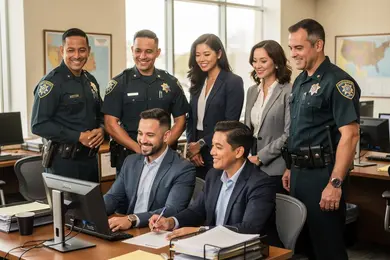
Graduates with a criminal justice degree in Birmingham have diverse career opportunities across fields such as law enforcement, legal services, corrections, and social work. Many find rewarding employment with local agencies like the Birmingham Police Department, where officers, detectives, and forensic specialists benefit from specialized training provided by popular colleges in the area. These graduates often share positive experiences of applying classroom knowledge to real scenarios, fostering strong community ties.
Other career paths include becoming paralegals or criminal investigators within Birmingham's numerous legal firms and district attorney offices. Entry-level legal roles allow graduates to build a foundation, earning competitive salaries while gaining firsthand exposure to the judicial process. This practical engagement enhances the value of a criminal justice degree job prospects Birmingham offers.
Corrections and probation positions are common, involving work in facilities such as Jefferson County Jail, where employees handle inmate rehabilitation and supervision. Additionally, social services and advocacy roles provide meaningful public impact by supporting juvenile justice and counseling programs. Many students also explore business administration career paths alongside criminal justice to broaden their skill sets.

The criminal justice job opportunities Birmingham offers are shaped by the city's network of law enforcement agencies, courts, and correctional facilities, creating steady local demand. Graduates from universities such as the University of Alabama at Birmingham often find rewarding careers as police officers, probation officers, and forensic technicians. These roles provide practical experience and a strong foundation for advancement in both public safety and justice administration.
Birmingham criminal justice career outlook remains promising with growth in protective services expected nationally and reflected locally. Graduates frequently report satisfaction in contributing to community safety and rehabilitation efforts, benefiting from a diverse job market that also includes positions in social services and legal support. Regional wages, around $44,000 annually for police officers, align with the city's living costs, making criminal justice an accessible and meaningful profession for new graduates.
Students considering their education costs can explore the most affordable criminal justice schools in Alabama, which help reduce financial burdens while preparing for a fulfilling career in Birmingham's stable criminal justice sector.
2027 Best Criminal Justice Degree Programs Ranking in Birmingham
Investing in your education is a significant decision that can shape your future, and the Research.com team understands the importance of making informed choices. To assist prospective students in Birmingham, we have meticulously crafted the "2027 Best Criminal Justice Degree Programs Ranking in Birmingham." Our commitment to quality, credibility, and accuracy is reflected in the extensive research and analysis conducted to compile this ranking.
We utilized the following reputable data sources to ensure a comprehensive evaluation of criminal justice programs:
By exploring this ranking, readers will gain valuable insights into the best criminal justice degree programs available in Birmingham, helping them make informed decisions about their educational paths. For more details on our methodology, please visit our Research.com methodology page.

# 3 position
Strayer University-Alabama
Bachelor of Science in Criminal Justice

Frequently Asked Questions About criminal justice
Criminal justice degree students in Birmingham can maximize their learning experience by actively engaging with local law enforcement and legal institutions. Birmingham hosts partnerships with agencies like the Birmingham Police Department, where internships and ride-along programs provide practical exposure. Research from the Bureau of Justice Statistics highlights that experiential learning significantly improves job readiness for criminal justice graduates nationwide.
Students should also participate in simulation exercises and mock trials offered by many Birmingham colleges. These activities develop critical thinking and courtroom skills. Additionally, accessing updated crime reports and data from Alabama's Department of Public Safety can deepen academic understanding through real-world analysis.
Networking with professionals at local seminars enhances career opportunities and knowledge of emerging criminal justice trends specific to the Birmingham area.
The criminal justice field is evolving with several emerging niches attracting growing interest. One prominent area is cybercrime investigation, driven by the rise in digital offenses and the need for skilled professionals who can navigate complex technological systems.
Another important niche is forensic psychology, which blends criminal justice and mental health to better understand offender behavior and assist in legal processes. This specialty is expanding in Birmingham, supported by local academic programs.
Additionally, restorative justice practices are gaining traction as alternatives to traditional punitive approaches, focusing on repairing harm rather than punishment. This reflects broader trends in the US criminal justice system aimed at reducing recidivism and improving community relations.
Graduates with a criminal justice degree in Birmingham can enhance their job prospects by gaining practical experience. Internships or volunteer positions with local law enforcement agencies, courts, or community programs provide valuable insights and networking opportunities. According to the U.S. Bureau of Labor Statistics, roles in criminal justice are expected to grow by 8% from 2021 to 2031, making practical experience essential.
Additionally, obtaining relevant certifications such as crime scene investigation or forensic analysis can improve employability. Joining professional organizations like the Academy of Criminal Justice Sciences offers access to conferences, job listings, and resources specific to Birmingham's job market.
Strong communication and analytical skills are also critical since many jobs require report writing and critical thinking.
Employers in Birmingham highly value a range of skills in criminal justice degree graduates. Critical thinking and problem-solving are at the top, essential for analyzing complex legal situations effectively. Communication skills, both written and verbal, are crucial for clear report writing and testimony. According to the Bureau of Labor Statistics, local agencies increasingly seek graduates proficient in data analysis and technology, reflecting the growing use of digital tools in investigations.
Additionally, knowledge of ethical standards and attention to detail are key, ensuring adherence to legal protocols. Teamwork and interpersonal skills are also important, as collaboration is common in law enforcement and social services settings.
Finding internships in Birmingham relevant to a criminal justice degree involves leveraging local resources and institutions. Start by exploring opportunities with the Birmingham Police Department, which often offers structured internships or ride-along programs. Additionally, check with local district attorney offices and public defender agencies, as they sometimes seek interns to assist with case research and administrative tasks.
Many universities in Birmingham, such as the University of Alabama at Birmingham, have career centers that maintain internship listings and partnerships in criminal justice fields. National databases like the National Criminal Justice Association's internship portal also include listings for the Birmingham area. According to the Bureau of Labor Statistics, hands-on internship experience can increase employment chances by up to 20% in criminal justice roles.
Networking with professors and attending local criminal justice events can uncover less-advertised internship offers. Early application is critical, as many positions fill several months in advance. Students should prepare a professional resume emphasizing relevant coursework and skills to maximize consideration.
A criminal justice degree in Birmingham significantly enhances career mobility and advancement opportunities. Graduates often find pathways into law enforcement, corrections, and federal agencies, where a degree is increasingly preferred or required for promotion. According to the Bureau of Labor Statistics, criminal justice occupations in Alabama are projected to grow by 5% between 2022 and 2032, indicating steady demand.
Employers in Birmingham value the critical thinking, legal knowledge, and ethical grounding acquired through formal education in criminal justice. This education increases eligibility for supervisory roles and specialized positions in investigations or cybersecurity.
Local agencies like the Birmingham Police Department often prioritize candidates with degrees when advancing ranks. Additionally, federal agencies such as the FBI or DEA offer higher entry salaries to degree holders, which reflects the degree's impact on wage growth and career progression.
Studying for a criminal justice degree in Birmingham equips students with a broad set of skills essential for interdisciplinary roles in the field. Programs often integrate coursework from sociology, psychology, law, and public policy, reflecting the complex nature of criminal justice work. This interdisciplinary approach helps students understand how social factors and legal systems intersect, preparing them for roles beyond traditional law enforcement.
Many Birmingham institutions emphasize practical training, offering internships with local agencies such as the Birmingham Police Department or community organizations. According to the Alabama Department of Labor, Birmingham's criminal justice sector has grown steadily, increasing demand for professionals skilled in collaboration across multiple disciplines.
This educational blend supports careers in areas like forensic psychology, social work, and criminal law, enabling graduates to adapt to diverse professional environments.
Choosing between a thesis and a non-thesis criminal justice degree program in Birmingham depends on your career goals and interests. A thesis option typically suits students aiming for research roles or graduate studies, as it involves intensive research and writing under faculty supervision. Non-thesis programs often focus on practical skills with internships or projects instead of a formal thesis.
According to data from the Alabama Commission on Higher Education, about 40% of criminal justice graduates in Birmingham pursue further education, making thesis programs a strong choice for those planning master's or doctoral studies.
Consider your available time, workload, and whether you prefer research or applied learning when deciding.
Students based in Birmingham interested in studying criminal justice abroad have several options within the US higher education system. Many universities offer study abroad programs or exchange partnerships that allow students to spend a semester or year at institutions outside the US, gaining international perspectives on criminal justice practices.
Popular destinations include Canada, the United Kingdom, and Australia, where legal systems share similarities with the US. These programs often focus on comparative criminal justice, law enforcement strategies, and international law. According to the Institute of International Education, over 300 US students enrolled in criminal justice-related study abroad programs in 2022.
Additionally, some accredited online universities offer joint degrees or certificates in collaboration with foreign institutions, providing flexible overseas study options without full relocation.
Students pursuing criminal justice degrees in Birmingham can benefit from several part-time job opportunities that complement their education. Positions such as security assistants or police cadets provide practical experience in law enforcement procedures. According to the Birmingham Police Department, their cadet program offers valuable exposure to community policing, enhancing students' understanding of criminal justice principles.
Internships at local law firms or nonprofit organizations focused on victim advocacy are also beneficial. These roles help develop communication and legal research skills vital to a criminal justice career.
Additionally, working as a legal secretary or administrative assistant at courts or agencies offers insight into the justice system's operations. These jobs often provide flexible hours suitable for students balancing coursework.
Criminal justice students in Birmingham benefit from numerous networking opportunities that can enhance their educational and professional journeys. Local universities often host events featuring guest speakers from law enforcement agencies, legal firms, and correctional institutions. Such events provide valuable contacts and firsthand insights into the field.
Additionally, Birmingham's proximity to state and federal law enforcement offices facilitates internships and cooperative education programs. These practical experiences allow students to build connections with practitioners and decision-makers.
Professional organizations such as the Alabama Criminal Justice Association hold regional meetings and conferences accessible to students. These occasions are ideal for networking while staying informed on industry trends.
Alumni networks play a significant role in supporting criminal justice degree students in Birmingham. These networks connect current students with graduates who have professional experience in law enforcement, legal services, and corrections. Through events, mentorship programs, and online platforms, alumni provide valuable career guidance and internship opportunities.
Access to alumni connections can increase job placement rates, with some studies showing up to 30% higher employment outcomes for students engaged in alumni networks. According to the National Criminal Justice Association, strong networks in Birmingham's educational institutions enhance practical learning and help students build professional reputations before graduation.
Such networks also facilitate knowledge sharing about local policies and agencies, crucial for careers in Birmingham's criminal justice field.
Customizing a criminal justice degree program in Birmingham allows students to align their education with specific career goals. Many local colleges offer elective courses in areas like forensic science, law enforcement, corrections, and cybersecurity. This flexibility helps students develop expertise in fields that are in demand in Alabama's criminal justice sector. For example, Birmingham's emphasis on cybercrime prevention creates opportunities for focused coursework in digital forensics.
Students can also pursue internships with local agencies such as the Birmingham Police Department or the Jefferson County Sheriff's Office. These practical experiences provide valuable insights and networking advantages. Additionally, some programs encourage certifications alongside degrees, enhancing employability in specialized roles.
Criminal justice students in Birmingham face several challenges common in the US higher education system. One notable difficulty is balancing demanding coursework with practical experience, as many programs require internships within local law enforcement agencies. These placements can be competitive and time-consuming. Additionally, Birmingham's complex crime landscape, including higher violent crime rates reported by the FBI compared to national averages, often pressures students to develop nuanced understanding beyond textbooks. Financial constraints also rank high; tuition and related costs pose barriers, especially for those studying part-time while working. Finally, students must navigate evolving legal and policy frameworks, as criminal justice is a rapidly changing field.
A criminal justice degree opens doors to several professional certifications that can enhance career prospects in Birmingham and beyond. Common certifications include the Certified Criminal Justice Specialist (CCJS) and the law enforcement-specific Basic Law Enforcement Training (BLET) certification required in many states. For those interested in probation or parole, the Certified Probation Officer (CPO) credential is valuable.
Additionally, certifications such as the Certified Fraud Examiner (CFE) or certifications in cybersecurity can complement a criminal justice background, given evolving crime trends. According to the Bureau of Labor Statistics, Birmingham's law enforcement sector forecasts steady growth, increasing the demand for credentialed professionals.
Holding certifications often leads to higher salaries and greater responsibility within agencies. Prospective students should verify local and state certification requirements to plan accordingly.
When applying to a criminal justice program in Birmingham, a strong application begins with a clear personal statement that highlights your passion for the field and relevant experiences. Admissions officers value applicants who demonstrate commitment through volunteer work, internships, or employment in related areas such as law enforcement or social services. Academic records are crucial, so maintaining at least a 3.0 GPA can improve your chances, based on data from the National Center for Education Statistics.
Include letters of recommendation from professionals who can attest to your skills and character. Tailor your application to each program's specific focus, whether it's policy, forensic science, or corrections. Incorporating knowledge of Birmingham's criminal justice challenges, such as local crime trends reported by the Birmingham Police Department, can also show your dedication and awareness. Finally, submit all materials before deadlines to ensure full consideration.
The global perspective on a criminal justice career highlights growing international cooperation in law enforcement, legal reform, and human rights protection. In the United States, criminal justice professionals increasingly work with counterparts worldwide on issues like cybercrime, terrorism, and trafficking. According to the Bureau of Labor Statistics, jobs in this field are expected to grow by 8% through 2031, reflecting rising demand.
Birmingham, a city with expanding educational opportunities, offers degrees aligned with these global trends, preparing students for careers both locally and internationally. Institutions often focus on comparative criminal justice systems, emphasizing skills applicable across borders. This broad perspective equips graduates to adapt in a world where justice challenges are interconnected.
Gaining practical experience while studying for a criminal justice degree in Birmingham is essential for career readiness. Many universities in the area offer internship programs with local law enforcement agencies, courts, and correctional facilities. For example, students can intern with the Birmingham Police Department or participate in community outreach initiatives, which provide hands-on exposure to criminal justice practices.
Service learning and volunteer opportunities with organizations such as the Jefferson County Court Services also help build real-world skills. According to the Bureau of Labor Statistics, internships increase employability by 20% in criminal justice fields.
Additionally, some programs include simulated courtrooms and crime scene labs to practice investigative techniques in a controlled setting.
Choosing the right concentration within a criminal justice degree program in Birmingham depends on your career goals and interests. Common concentrations include law enforcement, forensic science, corrections, and legal studies. Each focus area prepares students for different roles, such as police officers, forensic analysts, probation officers, or paralegals.
Consider local crime trends in Birmingham, which, according to the FBI's latest Uniform Crime Report, show a need for skilled professionals in forensic and cybercrime fields. Researching program specifics at nearby institutions like the University of Alabama at Birmingham can help identify concentrations with strong practical training and internship opportunities.
Align your choice with the demand in local law enforcement agencies and justice departments to increase job prospects after graduation.
- 2027 Best Criminal Justice Degree Programs Ranking in Montgomery
- 2027 Best Criminal Justice Degree Programs Ranking in Atlanta
- 2027 Best Criminal Justice Degree Programs Ranking in Hattiesburg
- 2027 Best Criminal Justice Degree Programs Ranking in Tallahassee
- 2027 Best Criminal Justice Degree Programs Ranking in New Orleans
- 2027 Best Criminal Justice Degree Programs Ranking in Little Rock
- 2027 Best Criminal Justice Degree Programs Ranking in Louisville
- 2027 Best Criminal Justice Degree Programs Ranking in Columbia
- 2027 Best Criminal Justice Degree Programs Ranking in Savannah
- 2027 Best Criminal Justice Degree Programs Ranking in Jacksonville
See What Experts Have To Say About Studying Criminal Justice
Read our interview with Criminal Justice experts

David Carter
Criminal Justice Expert
Professor, School of Criminal Justice
Michigan State University

Mark Moore
Criminal Justice Expert
Research Professor of Public Management
Harvard University

Frank Schmalleger
Criminal Justice Expert
Professor Emeritus
The University of North Carolina

- Criminal Justice Salary - How Much Can I Make With a Criminal Justice Degree? - Grace Christian University https://gracechristian.edu/blog/criminal-justice-salary/
- Explore Bachelor's Degree in Criminal Justice | All Criminal Justice Schools https://www.allcriminaljusticeschools.com/criminal-justice/criminal-justice-bachelors-degree/
- Financial Aid Tips for Criminal Justice Students https://www.criminaljusticeprograms.com/financial-aid/
- MS Criminal Justice Thesis Track vs. Internship | University of Bridgeport https://www.bridgeport.edu/news/criminal-justice-thesis-track-vs-internship/
- Career Trajectory: A Longitudinal Analysis of Criminology ... https://jippublication.com/index.php/jip/article/download/1211/912
- CJA Events and Members Meetings | Criminal Justice Alliance https://www.criminaljusticealliance.org/cja-events-member-meetings/
- Criminology Level 3 | University College Birmingham https://www.ucb.ac.uk/college-and-sixth-form/sixth-form/courses/criminology-level-3/
- Criminal Justice Career Goals https://www.bartleby.com/essay/Criminal-Justice-Career-Goals-8B09294D4789A4A5
- How To Network As A Criminal Justice Graduate https://www.northwestcareercollege.edu/blog/how-to-network-as-a-criminal-justice-graduate/
- My experience studying Criminology and Criminal Justice at Wrexham University https://wrexham.ac.uk/blog/posts/my-experience-studying-criminology-and-criminal-justice-at-wrexham-university/