2027 Fastest Online Master's in Counseling Degree Programs Ranking in the West

Co-Founder and Chief Data Scientist
Choosing the right counseling degree program can shape your future career and personal growth. For students in the West seeking an efficient path, this article presents the 2027 Fastest Online Master's in Counseling Degree Programs Ranking in the West.
Compiled by the Research.com team of data scientists, this ranking helps you identify quality programs that balance speed and credibility. Exploring these options can guide you toward a program that fits your goals and lifestyle.
Whether you're starting fresh or advancing your career, earning a counseling degree opens doors to meaningful work and personal fulfillment.
Key benefits of getting online counseling degree in the West
- Graduates with an online counseling degree can expect rewarding salaries, such as $52,360 annually for Licensed Professional Counselors and up to $134,440 for Clinical Supervisors, reflecting strong financial growth opportunities.
- Career paths often include roles like Licensed Mental Health Counselor or Marriage and Family Therapist, as seen with graduates from popular Western universities, providing diverse and meaningful ways to help others.
- Online counseling degrees offer flexibility and accessibility, allowing graduates from institutions like Arizona State University to balance work and study while gaining valuable skills without sacrificing personal commitments.
- Key benefits of getting online counseling degree in the West
- What can I expect from online counseling degree in the West?
- Where can I work with online counseling degree in the West?
- How much can I make with online counseling degree in the West?
- 2027 Fastest Online Master's in Counseling Degree Programs Ranking in the West
- Key Findings
- How long does it take to complete online counseling degree in the West?
- Licensure Requirements in Western States
- What's the difference between online and on-campus counseling degree?
- Tips to Accelerate Your Online Counseling Degree
- What is the average cost of online counseling degree in the West?
- Licensure and Certification Requirements for Counselors in the West
- What financial aid is available to online counseling degree students in the West?
- Licensure and Certification Requirements for Online Counseling Graduates in the West
- What are the prerequisites for enrolling in online counseling degree program in the West?
- What courses are typically in online counseling degree programs in the West?
- What types of specializations are available in online counseling degree programs in the West?
- How do you choose the best online counseling degree in the West?
- What career paths are available for online counseling degree students in the West?
- What is the job market for online counseling degree in the West?
- Top Trending Counseling Rankings
- See What Experts Have To Say About Studying Counseling
What can I expect from online counseling degree in the West?
The average cost of pursuing an online counseling degree in the Western United States varies significantly depending on the institution. Public universities typically charge between $350 and $600 per credit hour, while private colleges may exceed $700 per credit. For example, graduates from well-regarded public universities in California or Oregon often recall managing tuition costs that fit within this range, balancing expenses with employer tuition assistance or scholarship opportunities.
One graduate highlighted how the tuition differences influenced their choice, opting for a school with strong CACREP accreditation but more affordable pricing. This careful navigation of costs allowed them to focus on their practicum and internship experiences locally without overwhelming financial stress. Yet, some students felt the higher private tuition brought added benefits, such as smaller classes and enhanced career services, underscoring that cost alone doesn't always determine value.
Students must also factor in expenses beyond tuition, such as licensing exam fees and supervised hours required for state licensure, which can add to the overall investment. The variety of financial aid options across Western institutions helps many students transform educational investment into a rewarding counseling career.
Where can I work with online counseling degree in the West?
Graduates with online counseling degrees from Western institutions like the University of Southern California or Portland State University often find themselves working in diverse environments, such as mental health clinics, schools, and community agencies. For example, many graduates describe feeling fulfilled working as licensed professional counselors or school counselors, helping K-12 students navigate social and emotional challenges. This hands-on work frequently involves meeting state-specific licensing requirements, such as completing thousands of supervised hours-a reality for many California graduates who earn their credentials through carefully structured online programs.
Others pursue careers in public health or private practices in urban areas like Seattle or Denver, appreciating the flexibility telehealth platforms provide. Graduates report a sense of professional empowerment when establishing private practices, especially in growing metropolitan centers. However, entering these roles depends heavily on state licensure and program accreditation, which vary across the West, underscoring the importance of selecting accredited online programs that support local clinical placements.
How much can I make with online counseling degree in the West?
Graduates with an online counseling degree from well-regarded Western universities often find rewarding salary prospects, though these vary based on licensure, specialization, and experience. For instance, Licensed Professional Counselors in the West earn a mean annual wage of about $52,360, aligning with data from programs in California and Washington. Those advancing to roles as Licensed Mental Health Counselors or Substance Abuse Counselors typically see salaries near $60,080, reflecting the growing healthcare needs in urban centers like Seattle or San Francisco.
Some graduates pursuing Marriage and Family Therapist licensure can expect higher earnings, with mean annual wages around $68,730, especially when practicing in established private practices or clinics. Clinical Supervisors represent the upper salary range, with mean wages reaching approximately $134,440, often after years of experience and certifications obtained through regional universities.
Many alumni share how online programs from institutions such as the University of Southern California or Portland State University provided flexibility and strong clinical training, helping them secure diverse roles across the West. Despite salary variations, graduates appreciate the emotional fulfillment tied to client progress, balancing financial rewards with meaningful work in dynamic environments.
2027 Fastest Online Master's in Counseling Degree Programs Ranking in the West
How do we rank schools?
Investing in your education is a significant decision that can profoundly impact your career, and the Research.com team recognizes the importance of providing reliable guidance. To support prospective students seeking the fastest online master's in counseling degrees in the West, we have carefully developed the "2027 Fastest Online Master's in Counseling Degree Programs Ranking in the West." Our dedication to quality, credibility, and accuracy is demonstrated through extensive research and rigorous data analysis.
We utilized the following reputable data sources to ensure a comprehensive evaluation of programs:
By exploring this ranking, readers will gain valuable insights into the fastest and most effective programs tailored to their needs, empowering them to make well-informed educational choices. For a deeper understanding of our process, please visit our Research.com methodology page.


Key Findings
- Most online counseling degrees in the Western US are master's programs required for professional licensure.
- Tuition typically ranges from $15,000 to $30,000, with public universities offering lower costs for in-state students.
- Employment for mental health counselors in the West is expected to grow by about 22% through 2030, above the national average.
- Starting salaries usually range from $40,000 to $50,000, rising to $60,000-$70,000 for licensed counselors with experience.
- Accreditation by CACREP and regional agencies is important for education quality and licensure eligibility.
- Licensing requirements vary by state, so checking state regulations is essential for licensure portability.
How long does it take to complete online counseling degree in the West?
Completing an online counseling degree in the Western United States generally takes between 2 to 3 years for full-time students, especially in programs like those offered at well-known institutions such as the University of Southern California or the University of Washington. These programs usually require 48 to 60 credit hours, a manageable yet intense workload that students often describe as both challenging and rewarding.
Many graduates appreciate the flexibility of part-time or accelerated tracks, which adapt to busy professionals' lives but can extend completion times to 3 to 5 years. For example, a student balancing work and family in Oregon found that pacing her coursework part-time allowed her to stay motivated and steadily progress without burnout.
Factors such as required clinical hours, which typically range between 600 and 1,000, significantly impact the timeline. In California, where practicum demands are notably strict, students sometimes experience longer durations but often feel a strong sense of accomplishment after fulfilling these rigorous standards.
Overall, while timelines vary, these programs aim to blend comprehensive education with practical experience, empowering graduates to enter the counseling field with confidence and enthusiasm.
Licensure Requirements in Western States
To practice as a licensed counselor in the West, graduates must complete several key steps that generally align across states:
- Complete a CACREP-accredited program; consider cacrep accredited online counseling programs to meet core curriculum and practicum standards.
- Accumulate 600–1,000 supervised clinical hours through state-approved internships or practicum placements.
- Pass the National Counselor Examination (NCE) or the National Clinical Mental Health Counseling Examination (NCMHCE).
- Submit applications, official transcripts, exam scores, and background checks to your state licensing board.
- Fulfill continuing education requirements (often 20–40 hours per renewal cycle) to maintain active licensure.
What's the difference between online and on-campus counseling degree?
The difference between online and on-campus counseling degree programs in the Western US largely revolves around learning format and flexibility. Graduates from universities like San Diego State or the University of Oregon often note that on-campus programs provide rich face-to-face interaction and easy access to campus resources such as counseling centers and libraries. This traditional setting helps build a strong peer network but requires fixed schedules that can be challenging for working adults.
Conversely, students pursuing online degrees from institutions like Portland State appreciate the freedom to study asynchronously, balancing coursework with family or jobs. However, these students emphasize the need for self-discipline and reliable technology to stay on track. Both pathways require completing clinical practicum hours, but online learners frequently share how finding local supervised placements demands initiative and problem-solving skills.
Cost-wise, public universities in the West report graduate tuition between $7,000 and $20,000 yearly, often with smaller fees for online learners. Regardless of format, CACREP accreditation remains a key factor in choosing programs that meet rigorous counseling standards and support licensure.
Tips to Accelerate Your Online Counseling Degree
To complete your master’s in counseling in the shortest time, consider these proven strategies:
- Leverage transfer credits from previous graduate courses, certifications or related degrees to reduce credit load.
- Enroll in accelerated or condensed terms and take advantage of year-round scheduling, including summer sessions.
- Plan your practicum and internship early, securing site approvals so clinical hours overlap with coursework.
- Pursue prior learning assessments or portfolio credits for relevant work experience to shave weeks off your program.
- Choose cacrep accredited programs to ensure a streamlined licensure path and transferable clinical requirements.
What is the average cost of online counseling degree in the West?
The average cost of online counseling degree programs in the West is nuanced, with median totals around $40,860. Graduates from public universities such as those in California and Washington often report that in-state tuition averages near $37,647, offering a more affordable pathway. However, for out-of-state students, costs can rise significantly, with median totals estimated around $52,803. These figures align with real student experiences, where one graduate from a well-known Western university recalled balancing a full-time job while managing tuition that reflected out-of-state rates, highlighting the importance of residency status in financial planning.
Students pursuing online counseling degrees in the West must consider more than just tuition; additional fees for technology, course materials, and exam preparation frequently add several hundred to a few thousand dollars more. This complexity in total tuition and fees for counseling master's online Western US programs means prospective students often seek schools that offer clear financial aid options. Many have found relief through federal loans, scholarships, or employer tuition reimbursement programs, which can lower out-of-pocket expenses considerably.
Understanding these costs is critical for those comparing programs across institutions. For example, graduates from respected schools in Oregon and Washington emphasize how knowing the average cost of a online counseling degree in the West helped them plan budgets and avoid surprises. For those exploring affordable choices, resources like the affordable online school counseling degree guide can be instrumental in making informed decisions tailored to personal circumstances.
Licensure and Certification Requirements for Counselors in the West
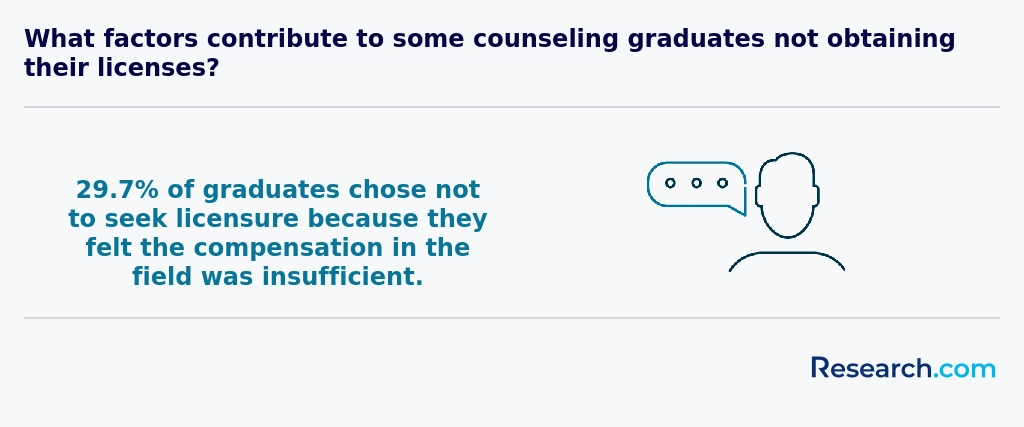
To practice as a professional counselor in Western states, graduates must satisfy specific licensure and certification criteria enforced by each state’s licensing board. Typically, this process begins with earning a CACREP-accredited online master’s in counseling, which ensures your coursework aligns with the Board’s educational standards. After graduation, applicants must complete a minimum of 2,000–4,000 supervised clinical hours-varies by state-under a licensed supervisor, demonstrating proficiency in individual, group, and family counseling settings. Next, candidates sit for the National Counselor Examination (NCE) or the National Clinical Mental Health Counseling Examination (NCMHCE), administered by the National Board for Certified Counselors (NBCC). Passing one of these exams qualifies you for the Licensed Professional Counselor (LPC) credential or its state equivalent, such as Licensed Mental Health Counselor (LMHC) in California or Licensed Professional Clinical Counselor (LPCC) in Washington. Once licensed, ongoing continuing education (CE) credits-often 20–40 hours every two years-are required to maintain your credential and stay current with best practices. For those weighing program costs against long-term career value, finding an affordable, accredited option is crucial. Investing in a program that balances cost with quality can reduce student debt while still meeting licensure requirements. Explore our guide to the most budget-friendly pathways, including an affordable online school counseling degree to jump-start your licensure journey with confidence.
What financial aid is available to online counseling degree students in the West?
Students pursuing online counseling degrees in the West often rely on a mix of financial aid sources to manage tuition costs, which can vary widely across institutions like the University of Southern California or Seattle University. Federal aid, accessed through FAFSA, commonly includes Direct Unsubsidized and Grad PLUS Loans, offering manageable interest rates. Graduates frequently share relief at qualifying for these loans, which create a financial foundation during intense study periods.
Beyond federal loans, state-specific aid plays a crucial role. For example, counselors studying at public universities in California or Washington might receive residency-based scholarships or grants, easing their financial burden. Some graduates recall how these state-funded opportunities made the difference between continuing their education or pausing their plans.
Additionally, professional scholarships from organizations such as the National Board for Certified Counselors not only provide funding but also encourage work in underserved communities. Meanwhile, employer tuition reimbursement remains an underused but valuable option, especially for working professionals in healthcare or education sectors aiming to advance without accruing debt.
Loan forgiveness programs, like California's State Loan Repayment Program, appeal to graduates committed to public service, often inspiring students to pursue careers in high-need areas while enjoying financial incentives. These diverse options illustrate a landscape where financial aid, though complex, offers hope and practical support to many Western counseling students.
Licensure and Certification Requirements for Online Counseling Graduates in the West
Licensure and certification requirements for online counseling graduates in the West vary by state, but most states require counselors to be licensed or certified to practice. The most common licensure is the Licensed Professional Counselor (LPC) credential, which typically requires a master's degree in counseling, completion of a certain number of supervised hours, and passage of a state-approved exam. Some states also offer specialized certifications, such as the Certified Mental Health Counselor (CMHC) or the National Certified Counselor (NCC) credential. Graduates of online counseling programs in the West should research the specific licensure and certification requirements in their state and ensure that their program meets these requirements. Additionally, many states have reciprocity agreements that allow counselors licensed in one state to practice in another state without obtaining an additional license. Understanding these requirements is crucial for online counseling graduates in the West who want to pursue a career in counseling.
What are the prerequisites for enrolling in online counseling degree program in the West?
Enrolling in an online counseling degree program in the Western United States commonly requires a completed bachelor's degree from an accredited institution, ideally in psychology, social work, or related fields. Graduates from universities like the University of Arizona or Portland State often recall that maintaining a minimum GPA of around 3.0 was crucial, though some programs showed flexibility for those with strong professional backgrounds.
Applicants frequently share how submitting Letters of Recommendation from professors or licensed counselors helped demonstrate their readiness for graduate study. For example, students from Western Washington University found these endorsements pivotal when applying, especially to competitive programs.
Many programs also require a personal statement, where applicants express their passion for counseling and their career aspirations. Graduates often mention how this exercise helped clarify their motivations and boosted their confidence during interviews.
Completing prerequisite courses such as abnormal psychology or human development is sometimes necessary, particularly for those whose undergraduate degrees lacked relevant content. While some Western schools no longer require GRE scores due to growing recognition of holistic admissions, it remains a criterion at certain institutions.
In sum, these prerequisites reflect a comprehensive approach to ensuring students are both academically prepared and emotionally committed to counseling careers in the West.

What courses are typically in online counseling degree programs in the West?
Online counseling degree programs in the Western United States typically include a comprehensive set of courses designed to build both theoretical knowledge and practical skills. Graduates from programs at well-regarded institutions often recall how courses like Human Growth and Development helped them understand client behavior across different life stages, while Theories of Counseling provided a clear framework for approaching diverse issues.
Many students appreciate that the curriculum addresses real-world challenges relevant to the West, such as Multicultural Counseling and trauma-informed care, which prepares them to work effectively in culturally diverse communities and rural areas. For example, graduates from California and Oregon universities have shared how their training in Group Counseling and Counseling Techniques directly enhanced their confidence when facilitating therapy sessions online or in person.
Practicum and internship requirements are integral, giving students supervised clinical experience that often totals thousands of hours. This hands-on exposure, coupled with coursework in Ethical Standards and Career Counseling, equips students to navigate licensure requirements and job markets unique to Western states.
What types of specializations are available in online counseling degree programs in the West?
Online counseling degree specializations West programs often include Clinical Mental Health Counseling, Marriage and Family Therapy (MFT), School Counseling, Substance Abuse Counseling, and Art and Expressive Therapy. Graduates from universities in California and Oregon describe how Clinical Mental Health Counseling prepared them for diverse client needs, while MFT students appreciated the deep focus on family dynamics, essential in both urban and rural Western communities. One graduate recalled experiencing the real-life challenges of balancing practicum hours with work, highlighting how these programs align with regional licensing boards to ensure licensure readiness.
The best counseling specializations in the Western US also emphasize adaptability, with some students embracing Art and Expressive Therapy as a creative outlet to support emotional healing. Those pursuing School Counseling often mention the rewarding impact they have on youth development within local school districts. Prospective students should consider these varied paths thoughtfully, especially since tuition differences and practicum demands affect costs and time commitments, as seen in many programs popular in the West. For those seeking guidance on budgeting, the Low Cost Counseling Degree Programs Ranking in Pittsburgh, PA can offer additional perspective beyond the West.
How do you choose the best online counseling degree in the West?
Choosing the best online counseling degree in the West requires scrutiny beyond just program prestige. Many graduates from well-known universities in California and Washington emphasize the importance of accreditation by CACREP or equivalent bodies to ensure their degrees hold value across diverse state licensing boards. This validation isn't merely bureaucratic-it directly impacts eligibility for licensure and future employment.
Affordability is a frequent concern among students pursuing affordable counseling degrees in Western US. Alumni from public institutions often share relief about residency discounts which make tuition manageable, but stress the need to account for additional fees like supervision and practicum costs. Some students cautiously weigh these expenses against programs in private colleges offering specialized licensing preparation tailored to states like Oregon or Nevada, highlighting that cost-effectiveness varies by individual circumstances.
Ultimately, quality online programs that foster real-world experience through local practicum placements and offer comprehensive student support tend to boost confidence and satisfaction. Many graduates recall how these resources helped them stay connected and motivated despite remote learning challenges. For those uncertain about admissions competitiveness or prerequisites, exploring options among online colleges with open enrollment provides another flexible avenue to begin their counseling careers.

What career paths are available for online counseling degree students in the West?
Graduates with an online counseling degree in the West find varied career options, reflecting the region's commitment to mental health. Many become licensed professional counselors (LPCs), working in settings like private practices or community mental health centers in states such as California and Oregon. These roles often require careful navigation of state licensing and supervised clinical hours, which can vary considerably, adding complexity to career planning compared to other parts of the country. Some counseling students from well-regarded Western universities report that this challenge enriches their practical experience and readiness for real-world demands.
Career options for counseling graduates in Western states also include school counseling, where professionals help students in K-12 environments manage social and emotional issues. Graduates often note the rewarding nature of this work, especially in schools with diverse populations, though they acknowledge the need for state-specific certification. Those pursuing rehabilitation or substance abuse counseling find opportunities growing through funded community programs, particularly in Washington.
Marriage and family therapy (MFT) attracts others seeking specialized paths; here licensing involves comprehensive supervised hours that vary by state. Graduates appreciate the robust training provided by regional programs, enhancing their confidence in clinical settings. Students exploring which universities offer dual degree programs often find Western institutions provide flexible options balancing licensure requirements with diverse career goals.
What is the job market for online counseling degree in the West?
The job market for online counseling degrees in the West is marked by growing opportunities, driven largely by increased demand for mental health professionals in states like California, Washington, and Oregon. Graduates from well-known institutions in the region often share stories of entering rewarding roles in community mental health centers or private practices, where telehealth options have expanded their reach and patient base. However, the pace of growth can vary depending on specific local policies and the level of competition. For those weighing career options, understanding the job outlook for online counseling degrees in the West helps clarify where their efforts may yield the best results.
Career opportunities for counseling graduates in Western states often include positions in hospitals, government agencies, and educational settings. Many graduates from programs at prominent universities experience a trajectory that balances meaningful client interaction with salary ranges typical for the West-around $50,000 to $70,000 annually. Choosing a program that meets state accreditation requirements, especially at top-ranked institutions, is crucial for licensure and employment.
For prospective students, affordability alongside quality is a significant factor. Public universities often make this feasible, but private institutions charge higher tuition. Navigating these choices can be aided by exploring options at top ranked online universities, which combine flexibility with strong licensure preparation, ultimately supporting long-term career goals in mental health.
Frequently Asked Questions About counseling
Students pursuing online counseling degrees in the Western US can improve their learning by actively engaging with course materials through scheduled study times and participating in virtual discussions. Research from the American Counseling Association emphasizes that consistent communication with faculty and peers enhances comprehension and professional network building.
Utilizing local resources, such as internships and practicum placements approved by the program, helps bridge theory with real-world counseling experience. California, for instance, requires specific supervised hours that students can fulfill locally to meet state licensure standards.
Lastly, managing time effectively and leveraging technology tools like video conferencing and learning management systems are vital to success in fully online formats.
Emerging niches within the counseling field are responding to evolving social and health trends in the West. One significant growth area is telehealth counseling, fueled by increased demand for remote mental health services-especially since 2020. According to the American Counseling Association, telehealth visits for counseling have surged by over 150% in Western states.
Another expanding specialization is substance abuse counseling, reflecting ongoing challenges with opioid addiction and other substance use disorders. Programs focusing on trauma-informed care are also gaining importance due to heightened awareness around mental health and adverse childhood experiences.
Lastly, career counseling with an emphasis on life transitions and digital workforce skills is advancing to meet modern economic shifts.
Preparing for the job market after earning an online counseling degree in the West involves several key steps. First, graduates should obtain state licensure, as requirements vary but often include supervised clinical hours and passing exams like the National Counselor Examination (NBCC).
Networking through professional organizations such as the California Association for Licensed Professional Clinical Counselors (CALPCC) can provide valuable connections.
Gaining practical experience via internships or volunteer work enhances employability, with the U.S. Bureau of Labor Statistics projecting a 22% growth in counseling jobs in Western states through 2030.
Strong communication and cultural competence are essential skills employers seek in this region.
Employers in the Western United States prize counseling graduates for strong communication and interpersonal skills. According to the U.S. Bureau of Labor Statistics, effective active listening and empathy are critical for roles in clinical and school counseling. Additionally, analytical thinking and problem-solving abilities help counselors devise personalized treatment plans. Cultural competence is increasingly emphasized, especially in California and Washington, where diverse populations require sensitivity to varied backgrounds. Graduates must also demonstrate ethical decision-making aligned with state licensing requirements. Technological proficiency is growing in importance as telehealth services expand. These skills prepare graduates to meet rising demands in the region's expanding mental health sector.
Finding internships relevant to counseling degrees in the Western US involves targeted research and networking. Start by exploring state licensing boards, such as the California Board of Behavioral Sciences or Oregon's Licensing Division, as they often list approved internship sites. National organizations like the American Counseling Association provide resources to connect students with supervised clinical placements.
Many online counseling programs in the West partner with local mental health clinics, schools, and hospitals to offer internship opportunities. Leveraging these partnerships can help secure placements that meet educational and state licensure requirements.
Additionally, using platforms like Handshake or LinkedIn to search for counseling internships in Western states can be effective. According to the Bureau of Labor Statistics, internships increase employability post-graduation by 15% in counseling-related fields.
Obtaining an online counseling degree significantly enhances career mobility and advancement opportunities in the Western United States. Licensed counselors with master's degrees are in high demand, driven by growing mental health awareness and expanded healthcare services across the region.
According to the Bureau of Labor Statistics, California alone projects a 22% growth in counselor employment between 2020 and 2030, much faster than the average for all occupations. Online degrees from accredited Western institutions offer flexibility while meeting state licensure requirements, opening pathways into clinical, school, or private practice counseling roles.
Graduate credentials can lead to higher salaries, supervisory positions, and specialized certifications enhancing employability and professional status.
Studying for a counseling degree in the Western United States equips students with skills to work across multiple disciplines. Online programs often integrate courses in psychology, social work, and healthcare, reflecting the region's emphasis on collaborative care. According to the American Counseling Association, nearly 60% of counselors in the West engage in interdisciplinary teams that include educators, medical professionals, and social service providers.
Programs emphasize practical training in diverse settings, from schools to clinics, preparing students to communicate effectively with various specialists. Many Western universities align curricula with both state licensing requirements and emerging mental health trends, ensuring graduates are versatile and ready for complex roles.
Choosing between a thesis and a non-thesis counseling degree in the Western US depends largely on your career goals and learning preferences. Thesis programs usually require original research, which is ideal if you plan to pursue a doctorate or careers in research or academia. Non-thesis options often focus on practical skills and coursework, suiting those who want to enter clinical practice more quickly.
Online counseling programs in states like California and Washington follow regional accreditation standards, ensuring both paths meet licensure requirements. According to the Council for Accreditation of Counseling & Related Educational Programs (CACREP), most Western schools offer both options to accommodate diverse professional aims.
Students in the West report higher satisfaction rates in programs that match their preferred learning style, whether research-oriented or practice-based, emphasizing the importance of program format in decision-making.
Students based in the Western United States who seek online counseling degrees with an abroad perspective have limited direct options within the U.S. system but can explore programs offering internationally relevant curricula. Many U.S. institutions provide online master's degrees in counseling with accreditation from the Council for Accreditation of Counseling and Related Educational Programs (CACREP), ensuring quality recognized worldwide.
While studying physically abroad might appeal to some, online programs emphasize flexibility paired with global counseling principles. Some universities integrate cross-cultural counseling practices and international case studies to prepare students for diverse environments.
According to the National Center for Education Statistics (NCES), nearly 30% of all graduate students in counseling utilize online platforms. For Western students, choosing CACREP-accredited programs ensures credentials are respected both domestically and internationally.
Exploring consortium-based programs or partnerships between U.S. and foreign institutions can add value for students interested in gaining a global perspective without relocating.
Students pursuing online counseling degrees in the Western United States can enhance their education with part-time jobs that build relevant skills. Positions such as behavioral health technicians, peer support specialists, and crisis hotline operators offer practical experience in mental health settings. These roles often require less than 20 hours per week and are commonly available in states like California, Washington, and Oregon.
According to the U.S. Bureau of Labor Statistics (2023), these jobs not only complement academic training but also improve employment prospects post-graduation. Working in community mental health centers or nonprofit organizations helps students develop communication and empathy skills essential for counseling careers.
Additionally, tutoring or mentoring roles in colleges allow students to practice interpersonal skills. These opportunities combine flexibility with relevant experience, making them ideal for students balancing study and work.
Online counseling students in the Western United States benefit from a range of networking opportunities designed to enhance their professional connections despite remote learning formats. Many accredited programs offer virtual networking events, including webinars and discussion groups, allowing students to interact with faculty and peers.
Regional counseling associations, such as the California Association for Licensed Professional Clinical Counselors (CALPCC) and the Washington Counseling Association (WCA), frequently host conferences and workshops that are accessible to online students. These events facilitate local networking and continuing education.
Additionally, practicum and internship placements in community mental health centers across the West provide hands-on networking with licensed professionals, boosting career prospects. According to the American Counseling Association, students in Western states have seen increased access to these vital connection points during the past five years.
Alumni networks provide significant benefits to students pursuing online counseling degrees in the Western United States. These networks connect current students with graduates who have successfully entered the counseling workforce. Access to these contacts can lead to mentorship opportunities, enhancing students' professional growth and guidance through licensure processes specific to western states like California and Washington.
Additionally, alumni often share job openings and internship opportunities in regional counseling centers, improving employment prospects. According to the Western Association of Schools and Colleges, over 60% of counseling graduates find jobs through alumni referrals. This network also supports continuing education and collaboration on counseling best practices.
Students pursuing online counseling degrees in the Western United States can tailor their programs by choosing specializations aligned with their career goals. Common options include marriage and family therapy, school counseling, and mental health counseling. Many accredited Western institutions offer elective coursework and practicum placements specific to these fields, allowing hands-on skill development.
Additionally, flexibility in course sequencing helps students balance learning with professional commitments. According to the National Board for Certified Counselors, states like California and Washington require specialized training for licenses, so aligning coursework with state licensure requirements is crucial.
Resources such as state counseling boards and university advisors can guide students in selecting relevant internships and certifications that enhance employability in the West's diverse counseling job market.
Online counseling students in the Western United States often face unique challenges that can impact their success. One major issue is limited access to in-person clinical practicum sites, which are required for licensure. According to the California Board of Behavioral Sciences, students must complete hundreds of supervised hours, and finding local placements remotely can be difficult.
Many students also struggle with maintaining work-life balance, as online programs often attract working professionals. Research from the Western Interstate Commission for Higher Education notes that balancing job, family, and studies is a top stress factor for graduate students in the region.
Additionally, technological issues like unreliable internet can disrupt learning, especially in rural areas in states like Montana or Idaho. Finally, some students report feeling isolated due to fewer opportunities for peer interaction compared to traditional programs.
With an online counseling degree in the Western US, graduates can pursue several key professional certifications to advance their careers. The most common certification is the Licensed Professional Counselor (LPC), which requires completion of a master's degree, supervised clinical hours, and passing a state exam. In California, for instance, candidates must complete 3,000 hours of supervised experience as part of the Licensed Professional Clinical Counselor (LPCC) licensing process.
Other certifications include the National Certified Counselor (NCC) credential, offered by the National Board for Certified Counselors. This certification enhances professional credibility and may be especially valuable in Oregon and Washington.
For specialization, certifications such as Certified Clinical Mental Health Counselor (CCMHC) are also available. These certifications ensure that counselors meet rigorous standards recognized across many states in the West.
Applying to an online counseling program in the West requires careful preparation and attention to detail. Start by thoroughly researching accredited institutions, as the Council for Accreditation of Counseling and Related Educational Programs (CACREP) is a key standard recognized nationwide. Highlight your relevant experience in psychology, social work, or related fields in your personal statement.
Emphasize your motivation for pursuing counseling, particularly your commitment to serving diverse Western communities. Include specific examples of skills like empathy and communication. Academic transcripts demonstrating a minimum GPA of 3.0 are often required by top programs.
Request strong letters of recommendation from professionals familiar with your academic or work performance.
Finally, prepare for any required standardized tests, such as the GRE, and ensure your resume clearly outlines relevant experience.
The counseling profession is recognized worldwide as essential to mental health and well-being, with a growing demand across many countries. In the West, especially within the United States, the field is expanding rapidly, driven largely by increased awareness of mental health issues. According to the U.S. Bureau of Labor Statistics, employment of counselors is projected to grow 23% from 2021 to 2031, much faster than average for all occupations.
Global perspectives emphasize that counselors must often meet rigorous education and licensing standards, typically requiring a master's degree and supervised clinical hours. Online counseling degree programs in the West offer flexible pathways for meeting these standards while accommodating working professionals.
European and Australian counseling frameworks share similarities with the U.S. system but with varying certification requirements. However, a master's degree from an accredited U.S. institution remains highly respected internationally. This respect reflects the emphasis on evidence-based approaches and ethical training prevalent in Western education.
Gaining practical experience during an online counseling degree in the West is essential for licensure and skill development. Many programs include required internships or practicum placements, where students work under licensed supervisors in community mental health centers, schools, or hospitals. These placements allow hands-on experience with real clients while meeting state licensing board requirements.
Additionally, some universities partner with local organizations to provide remote counseling opportunities or telehealth apprenticeships, reflecting the growing demand for virtual therapy. According to the California Board of Behavioral Sciences, over 60% of approved counseling programs in the West offer structured practicum experiences.
Networking with regional counseling associations can also open doors to volunteer roles aiding professional growth.
Choosing the right concentration within an online counseling degree program in the Western US depends on your career goals and interests. Common concentrations include marriage and family therapy, school counseling, clinical mental health, and substance abuse counseling. Each concentration aligns with specific licensure requirements, which vary by state in the West.
For example, California and Oregon have distinct licensing boards with different exam and clinical hour mandates. According to the Western Association of Schools and Colleges, online programs must meet regional standards, ensuring quality and recognition. Research state licensing requirements early to confirm your chosen concentration matches local professional standards.
Consider also the demand for certain specialties; the Bureau of Labor Statistics notes a growing need for mental health counselors and school counselors in Western states through 2030. Understanding these factors will help align your education with job prospects.
Top Trending Counseling Rankings
See What Experts Have To Say About Studying Counseling
Read our interview with Counseling experts

Charles Figley
Counseling Expert
Kurzweg Distinguished Chair in Disaster Mental Health
Tulane University

References
- The 9 Top Additional Certifications for Mental Health Counselors in New York - Counseling Degrees New York https://counselingnewyork.org/certifications/
- Counselor Salary https://onlinecounselingprograms.com/become-a-counselor/salary/
- Mental Health, Counseling & Therapy Internships https://www.counselingschools.com/blog/preparing-for-a-mental-health-internship
- Becoming An International School Counselor https://iscainfo.com/becoming-an-international-school-counselor/
- What is the Fastest Online Counseling Degree? | University of Bridgeport https://www.bridgeport.edu/news/fastest-online-counseling-degree/
- Counseling Program Launches New Online Option https://www.westernseminary.edu/about/news-events/online-counseling-cohort
- Utilize Your Alumni Networks https://www.keg.com/news/ways-to-use-your-alumni-networks-for-the-better
- How a Strong Alumni Network Can Benefit Students https://www.pacificu.edu/blog/how-strong-alumni-network-can-benefit-students
- Student Counselor Cover Letter Sample https://www.kickresume.com/en/help-center/student-counselor-1-cover-letter-sample/
- Interdisciplinary Training: Preparing Counselors for Collaborative Practice - The Professional Counselor https://tpcjournal.nbcc.org/interdisciplinary-training-preparing-counselors-for-collaborative-practice/