
2027 Best Counseling Degree Programs Ranking in Connecticut

Co-Founder and Chief Data Scientist
Choosing the right counseling degree program in Connecticut can feel overwhelming. That's why this article presents the 2027 Best Counseling Degree Programs Ranking in Connecticut created by the Research.com team of data scientists.
This ranking helps you identify quality programs that fit your goals and aspirations.
Investing in a counseling degree opens doors to rewarding careers that make a positive impact on others' lives. Exploring trusted data gives you the confidence to select programs worth considering and start your journey with clarity and enthusiasm.
Key benefits of getting counseling degree in Connecticut
- Counseling degree graduates in Connecticut can expect competitive salaries, such as $76,000 annually for Intervention Specialists and $60,080 for Addiction Counselors, providing financial stability and rewarding career opportunities.
- Graduates from universities like the University of Connecticut often pursue diverse paths, including Rehabilitation Specialist or Family Support Worker roles, allowing them to make a meaningful impact in communities.
- Online counseling degrees from schools like Sacred Heart University offer flexible learning, helping students balance work and study while gaining the same valued credentials as traditional programs.
- Key benefits of getting counseling degree in Connecticut
- What can I expect from counseling degree in Connecticut?
- Where can I work with counseling degree in Connecticut?
- How much can I make with counseling degree in Connecticut?
- 2027 Best Counseling Degree Programs Ranking in Connecticut
- Key Findings
- How long does it take to complete counseling degree in Connecticut?
- Accreditation and Licensure in Connecticut
- What's the difference between online and on-campus counseling degree?
- Licensing Requirements for Counselors in Connecticut
- What is the average cost of counseling degree in Connecticut?
- Licensure and Certification Requirements in Connecticut
- What financial aid is available to counseling degree students in Connecticut?
- Cost Considerations and Financial Aid for Counseling Degree Programs in Connecticut
- What are the prerequisites for enrolling in counseling degree program in Connecticut?
- Licensure Requirements for Counseling Professionals in Connecticut
- What courses are typically in counseling degree programs in Connecticut?
- What types of specializations are available in counseling degree programs in Connecticut?
- How do you choose the best counseling degree in Connecticut?
- What career paths are available for counseling degree students in Connecticut?
- What is the job market for counseling degree in Connecticut?
- Related Counseling Rankings for Nearby States
- Top Trending Counseling Rankings
- See What Experts Have To Say About Studying Counseling
What can I expect from counseling degree in Connecticut?
Students pursuing counseling degrees in Connecticut often reflect on the tangible investment required for their education. The average cost for graduate counseling programs, like those at the University of Connecticut or Southern Connecticut State University, typically ranges from $15,000 to $25,000 per year for in-state tuition. Graduates frequently recall balancing this financial commitment with scholarships, assistantships, and financial aid to ease the burden.
Many appreciate how these costs translate into valuable hands-on training, including internships placed in real community settings such as hospitals and schools. This practical experience, essential for licensure, enriches their understanding far beyond textbooks, making every dollar feel worthwhile. Several graduates share how state-supported programs and professional organizations helped them navigate expenses while fostering a sense of belonging and purpose.
Ultimately, the cost is more than a number; it represents a pathway to meaningful work helping others in Connecticut's growing mental health landscape. This reflection helps students embrace the journey with confidence and clarity.
Where can I work with counseling degree in Connecticut?
Graduates with a counseling degree from institutions like the University of Connecticut or Quinnipiac University often find themselves welcomed in healthcare settings such as hospitals, mental health clinics, and rehabilitation centers. Many feel rewarded working with individuals facing mental health challenges, substance abuse, or behavioral disorders, where their skills make a real difference every day.
School counseling is another frequent path. Graduates share how rewarding it is to support students' academic and personal growth in local elementary, middle, or high schools. The clear guidelines on counselor-to-student ratios in Connecticut public schools underscore the importance of this role, and many find satisfaction contributing to safer, more supportive learning environments.
Community organizations also offer meaningful opportunities. Counselors working in nonprofits often engage in trauma recovery or domestic violence prevention, deeply connecting with families and youth. For some, starting a private practice after licensure provides freedom to specialize, whether in marriage therapy or career guidance, allowing them to tailor their impact more personally.
State and local government agencies also rely on counselors for case management and behavioral assessments. Graduates often express pride knowing their work supports vulnerable populations and meets a growing demand projected to rise in the coming decade.
How much can I make with counseling degree in Connecticut?
Graduates with a counseling degree from universities like the University of Connecticut or Southern Connecticut State University often find their earnings reflect both their education and the state's demand for qualified professionals. Entry-level roles such as Community Outreach Coordinator or Family Support Worker typically offer around $54,000 annually, providing a solid foundation as you build experience.
For those specializing as Addiction Counselors, the average salary rises to about $60,080, illustrating how targeted expertise can enhance your earning potential. Meanwhile, positions like Intervention Specialists command a higher mean annual wage, approximately $76,000, highlighting opportunities for growth within more intensive and specialized counseling roles.
Many graduates recount feeling a rewarding sense of progress as they move from entry-level roles into licensed or specialized positions, where salaries between $60,000 and $80,000 become attainable, especially in Connecticut's metropolitan areas like Hartford.
This financial uplift often accompanies greater professional satisfaction, as graduates apply their skills in impactful community, healthcare, or school settings, benefiting from both competitive pay and fulfilling careers.
2027 Best Counseling Degree Programs Ranking in Connecticut
How do we rank schools?
Investing in your education is a significant decision that can shape your future, and the Research.com team understands the importance of making informed choices. To assist prospective students in Connecticut, we have meticulously crafted the "2027 Best Counseling Degree Programs Ranking in Connecticut." Our commitment to quality, credibility, and accuracy is reflected in the extensive research and analysis conducted to compile this ranking.
We utilized the following reputable data sources to ensure a comprehensive evaluation of counseling programs:
By exploring this ranking, readers will gain valuable insights into the best counseling degree programs available in Connecticut, helping them make informed decisions about their educational paths. For more details on our methodology, please visit our Research.com methodology page.


Key Findings
- Counseling degrees in Connecticut usually require about 60 credit hours and include supervised clinical practice.
- Graduate tuition ranges from $20,000 to $35,000 per year for in-state students, with public universities generally more affordable than private ones.
- Starting salaries for counseling graduates average around $45,000 annually, increasing to between $55,000 and $65,000 with experience.
- Employment for mental health counselors in Connecticut is expected to grow 10-15% over the next ten years.
- Licensure requires passing the National Counselor Examination and completing 3,000 hours of supervised post-graduate clinical experience.
How long does it take to complete counseling degree in Connecticut?
For many pursuing counseling degrees in Connecticut, the journey typically starts with a bachelor's degree, often taking about four years at institutions like the University of Connecticut or Central Connecticut State University. Graduates fondly recall these years as foundational, offering broad psychological and human services knowledge that prepares them for advanced study.
Moving into a master's program, which most graduates emphasize as essential for licensure, students at schools such as Southern Connecticut State University invest two to three years deeply engaged in coursework, practicums, and supervised internships. These immersive experiences often spark a sense of purpose and connection, reinforcing the meaningfulness of their chosen path.
Some who aspire to leadership or academic roles continue to doctoral studies, spending an additional four to six years at institutions offering PhD or PsyD programs. While the commitment is substantial, many reflect on this period as transformative, blending advanced research and clinical practice to refine their expertise.
Throughout, graduates underscore that beyond classroom time, completing supervised clinical hours, as mandated by Connecticut's licensing board, is a vital hurdle that demands patience and dedication but ultimately enriches their professional readiness.
Accreditation and Licensure in Connecticut
Understanding accreditation and licensure ensures your counseling degree leads to a valid credential and career readiness.
- Choose a CACREP-accredited program for nationally recognized standards and streamlined licensure-explore cacrep accredited programs
- Complete a master’s degree in counseling (typically 60 credit hours) from an accredited institution
- Fulfill 3,000 hours of supervised clinical experience under a licensed professional
- Pass the National Clinical Mental Health Counseling Examination (NCMHCE)
- Apply for licensure through the Connecticut Department of Public Health Board of Examiners for Professional Counselors
- Maintain your license with 30 hours of continuing education every two years to stay current with best practices
What's the difference between online and on-campus counseling degree?
Graduates from counseling programs at well-known Connecticut institutions often reflect on their distinct experiences with online versus on-campus formats. Those who chose on-campus study frequently value the spontaneous exchanges with faculty and peers that happen in university spaces like libraries or counseling centers, fostering a deeper sense of community and hands-on skill development. For example, students at universities in Hartford or New Haven appreciate easy access to practicum placements, which helps meet the state's 3,000-hour supervised experience requirement smoothly.
In contrast, graduates from online programs enjoy the flexibility of managing their studies around work or family life, a crucial advantage mentioned by many pursuing counseling degrees remotely in Connecticut. They adapt well to asynchronous classes and virtual discussions, which create a manageable pace without sacrificing quality. However, they often highlight the importance of self-motivation and proactive engagement to compensate for fewer face-to-face interactions.
Both pathways require CACREP accreditation to ensure credibility, and graduates from either approach feel well-prepared to pursue Licensed Professional Counselor credentials, balancing professional goals with personal circumstances.
Licensing Requirements for Counselors in Connecticut
Earning your counseling degree is just the first step toward professional practice in Connecticut. To become a Licensed Professional Counselor (LPC) or Licensed Marriage and Family Therapist (LMFT), you must: 1. Hold a master’s degree in counseling or a closely related field from a regionally accredited program. 2. Complete at least 3,000 hours of supervised clinical experience-typically 1,500 hours of direct client contact and 1,500 hours of nondirect client services-under a board-approved supervisor. 3. Pass the National Clinical Mental Health Counseling Examination (NCMHCE) or the Association of Marital & Family Therapy Regulatory Boards’ Exam for marriage and family therapists. 4. Submit your application, official transcripts, supervision verification forms, and a background check to the Connecticut Department of Public Health, Professional Licensing Division. After licensure, you’ll need to renew your credential every two years by completing 40 continuing education (CE) credits, including at least 3 credits in ethics. CE opportunities range from online workshops to in-person conferences hosted by the Connecticut Counseling Association. Maintaining active membership in professional bodies can simplify CE tracking and networking. Balancing cost and quality is crucial when selecting a program that meets Connecticut’s licensing standards. Students seeking affordable options alongside robust licensure preparation may also explore the Most Affordable Counseling Degree Programs Ranking in Fort Myers, FL to compare tuition, accreditation, and clinical practicum support.
What is the average cost of counseling degree in Connecticut?
The average cost of a counseling degree in Connecticut generally falls around $28,402 for in-state students, while out-of-state students often face totals near $51,260. Graduates from popular programs at universities like the University of Connecticut or Central Connecticut State University recall balancing tuition with additional expenses such as clinical practicum fees and books. Many appreciate that though the tuition might seem steep at first, financial aid opportunities helped ease the burden, allowing them to focus on their studies and clinical experiences.
Understanding Connecticut counseling degree tuition and fees is essential because they include not just base tuition but also costs related to internships and certification exams. Some graduates recall the challenge of managing living expenses while attending full-time in cities like New Haven or Hartford, where costs can accumulate unexpectedly. However, many find the investment rewarding, given the fulfilling careers counseling degrees unlock. Private institutions tend to be more expensive, but students often benefit from smaller class sizes and more personalized guidance.
For those weighing options, it's wise to explore the financial aid packages offered at various schools and look for scholarships and assistantships. Exploring resources like the Connecticut Higher Education Supplemental Loan Authority and FAFSA can make a critical difference. Prospective students searching for an affordable counseling school in Connecticut may find that several campuses offer competitive rates without compromising educational quality.
Licensure and Certification Requirements in Connecticut
After completing your counseling degree, you must meet state licensure standards to practice legally and advance your career.
- Earn a master’s degree from a cacrep accredited programs to ensure coursework aligns with exam content and professional guidelines.
- Complete at least 3,000 hours of supervised clinical experience, including individual and group counseling under a licensed supervisor.
- Pass the National Counselor Examination (NCE) or the National Clinical Mental Health Counseling Examination (NCMHCE) approved by the Connecticut Department of Public Health.
- Submit a licensing application, official transcripts, exam scores, and verification of supervised hours to the Connecticut DPH Board of Examiners in Counseling.
- Stay current through 40 hours of continuing education every two years, covering ethics, cultural competency, and emerging counseling practices.
What financial aid is available to counseling degree students in Connecticut?
Many students pursuing counseling degrees in Connecticut find federal financial aid, such as Direct Unsubsidized Loans and Grad PLUS Loans, to be a vital resource. These options, accessed through FAFSA, offer manageable interest rates and repayment plans that can ease the financial load both during school and after graduation. Graduates from institutions like the University of Connecticut often describe relief knowing these loans helped fund their education without overwhelming debt.
State grants and scholarships provide additional support. For example, the Roberta B. Willis Scholarship specifically aids Connecticut residents enrolled in counseling-related graduate programs. Others appreciate grants from the Connecticut Office of Higher Education, especially when committed to working within the state's counseling workforce.
Institutional scholarships and assistantships at universities such as Southern Connecticut State University often come with tuition discounts or work-study roles. Graduates recall how such opportunities not only lightened their financial burden but also enriched their practical experience.
Joining professional groups like the Connecticut Counseling Association can unlock scholarships and networking benefits, creating a community of encouragement and financial support.
Cost Considerations and Financial Aid for Counseling Degree Programs in Connecticut
When considering a counseling degree program in Connecticut, one crucial aspect to think about is the cost. Understanding the expenses involved can help you make an informed decision about your educational path. For those looking for an affordable counseling school in Connecticut, there are several factors to consider. The tuition fees for counseling programs in Connecticut can vary significantly depending on whether you choose a public or private institution. Public universities often offer more budget-friendly options, especially for in-state students, with tuition ranging from about $10,000 to $20,000 per year. On the other hand, private colleges, while offering unique benefits like smaller class sizes and more personalized attention, typically come with a heftier price tag, with tuition costs between $20,000 and $40,000 per year. Additionally, online programs can provide flexibility and potentially lower costs, making them an appealing choice for budget-conscious students. Beyond tuition, it's essential to factor in additional expenses like textbooks, materials, and fees for supervised fieldwork experiences, which can add several thousand dollars to your overall costs. Fortunately, financial aid options are available to help manage these costs, including federal financial aid, state grants and scholarships, institutional aid, and loans. About 90% of counseling students in Connecticut receive some form of financial assistance, which can make a significant difference in pursuing your degree. By exploring these financial aspects and aid opportunities, you can better prepare yourself for the investment required to complete a counseling degree program in Connecticut.
What are the prerequisites for enrolling in counseling degree program in Connecticut?
To enroll in a counseling degree program in Connecticut, candidates generally need a bachelor's degree from an accredited institution. While not mandatory, many graduates recall how having an undergraduate background in psychology or education, especially from schools like the University of Connecticut or Southern Connecticut State University, offered them a strong foundation and confidence entering their graduate studies.
Maintaining a solid GPA-often around 3.0-is a key prerequisite, as academic performance signals readiness for rigorous coursework. Applicants must also submit letters of recommendation, which past students found invaluable in portraying their dedication and suitability for counseling careers.
Personal statements play a crucial role, allowing applicants to reflect on their motivation and aspirations in a heartfelt way. Many students shared how this step helped them clarify their goals and connect deeply with admissions committees.
Some programs may require the GRE, but its importance is diminishing in favor of holistic reviews. Practical experience, such as volunteer work at local support centers, often strengthens an application, demonstrating genuine commitment and passion for helping others in Connecticut's diverse communities.

Licensure Requirements for Counseling Professionals in Connecticut
Earning your counseling degree is just the first step-becoming a licensed counselor in Connecticut requires meeting specific state requirements to ensure you’re fully prepared for professional practice. Here’s what you need to know: Education and Supervised Experience
- Master’s Degree: Complete a CACREP-accredited or regionally accredited master’s program in counseling, marriage and family therapy, or a closely related field.
- Supervised Hours: Accumulate at least 3,000 post-master’s supervised clinical hours, including 100 hours of direct supervision by a board-approved supervisor. Examinations
- National Counselor Examination (NCE) or National Clinical Mental Health Counseling Examination (NCMHCE): Pass one of these exams administered by the National Board for Certified Counselors (NBCC).
- State Jurisprudence Exam: Some specialties, like school counseling, may require an additional Connecticut jurisprudence assessment. Application and Background Checks
- Apply through the Connecticut Department of Public Health (DPH), submitting official transcripts, exam scores, and verification of supervised experience.
- Complete a criminal background check and provide fingerprints as part of the licensure process. License Renewal and Continuing Education
- Renewal Cycle: Licenses must be renewed every two years.
- Continuing Education: Earn at least 40 contact hours of approved continuing education, which can include workshops, professional conferences, or online courses. If you’re looking to streamline your path even further and discover what is the quickest way to become a therapist, check out what is the quickest way to become a therapist for tips on accelerated licensure strategies.
What courses are typically in counseling degree programs in Connecticut?
Students pursuing counseling degrees in Connecticut, such as those at Southern Connecticut State University or the University of Connecticut, often find the curriculum thoughtfully designed to build both knowledge and confidence. Core courses like Introduction to Counseling Theories guide them through essential models-including cognitive-behavioral and humanistic approaches-helping graduates feel prepared to meet diverse client needs with empathy and skill.
Many graduates reflect on how Human Growth and Development classes brought to life the complexities of emotional and psychological changes across the lifespan, deepening their understanding of real clients they would later serve in schools or clinics. Practicum or internship courses offer invaluable supervised hands-on experience, bridging theory with practice in community settings, which many describe as a truly rewarding challenge.
Ethics and Professional Issues courses resonate deeply, emphasizing confidentiality and cultural humility vital in Connecticut's diverse communities. Learning to navigate these with integrity becomes a cornerstone they carry into their counseling careers. Additionally, training in Assessment and Diagnosis and Multicultural Counseling equips students to sensitively support clients from all backgrounds while using evidence-based methods with confidence.
What types of specializations are available in counseling degree programs in Connecticut?
Among the various counseling degree specializations in Connecticut, Clinical Mental Health Counseling remains a cornerstone, with many graduates from institutions like the University of Connecticut finding rewarding roles in community mental health settings. Their experiences emphasize the deep satisfaction in helping clients navigate complex emotional challenges. School Counseling is another vital track, especially popular among those who train at colleges such as Southern Connecticut State University, where trainees learn to support K-12 students' academic and social-emotional growth within public and private schools.
Many students pursuing Connecticut counseling graduate program options also explore Addiction Counseling, responding to the growing need for skilled professionals addressing substance use disorders in the state. Marriage and Family Therapy attracts those interested in fostering healthy family dynamics. Emerging specializations like trauma and gerontological counseling increasingly meet Connecticut's evolving demographic demands, offering unique career opportunities. For students curious about paths and licensure after graduation, exploring what is the quickest way to become a therapist provides practical guidance.
How do you choose the best counseling degree in Connecticut?
Choosing the best counseling degree in Connecticut means focusing on programs that hold CACREP accreditation-this ensures you are learning from a curriculum nationally recognized for quality, which graduates from the University of Hartford often praise for its strong preparation. Many students feel reassured knowing their degree meets the LPC licensure requirements set by Connecticut's Department of Public Health.
Affordability is another key factor. Graduates from public universities like Central Connecticut State University frequently share how in-state tuition made completing a master's degree manageable. Exploring financial aid options can significantly ease the burden when considering affordable counseling degrees in Connecticut, which is an important reality for many students balancing work and study.
Think about your lifestyle and learning preferences. Some graduates appreciate the in-person internship experiences available through on-campus programs, while others benefit from flexible online or hybrid learning offered by certain institutions. For those weighing costs or location, resources like the Most Affordable Counseling Degree Programs Ranking in Fort Myers, FL provide helpful comparisons beyond Connecticut, inspiring students to seek similarly valuable options locally.
What career paths are available for counseling degree students in Connecticut?
Graduates of counseling programs in Connecticut often find a wealth of career opportunities with counseling degree in Connecticut thanks to the state's diverse needs in mental health and education. Many embark on the path to becoming licensed professional counselors, working in settings like Hartford's mental health clinics or New Haven's social agencies. These professionals experience the fulfillment of guiding individuals through personal struggles, often recalling how their education at well-regarded Connecticut colleges shaped their empathetic approach.
Another significant path lies in school counseling, where graduates actively support student well-being and academic growth within Connecticut's public schools. Those pursuing this route appreciate how their training prepared them to collaborate effectively with educators and families to create positive change. Some graduates also choose specialized fields, including marriage and family therapy or career counseling, the latter often involving collaboration with high schools or workforce agencies.
Considering the variety of pathways and costs involved, many students explore alternatives such as a 1 year online masters to accelerate their advancement and reduce expenses, making these ambitions more attainable.
What is the job market for counseling degree in Connecticut?
The job market for counseling degree graduates in Connecticut remains robust, reflecting steady demand in diverse settings such as schools, hospitals, private practices, and community agencies. Many graduates from well-known institutions in the state report that obtaining a master's degree and becoming licensed as Licensed Professional Counselors (LPC) or Licensed Clinical Social Workers (LCSW) significantly improves employment prospects. This practical path aligns with the encouraging statistics found in the counseling degree job outlook Connecticut, where growth is projected at around 12% through 2032.
Several graduates reflect positively on their experiences at Connecticut universities, appreciating how practical internships helped them transition into counseling roles quickly. The state's commitment to supporting specialties like substance abuse and school counseling creates niches with enhanced opportunities. Financial considerations remain real, as tuition costs can range widely, which is why students weigh options carefully before enrolling, including researching what's the easiest bachelor degree to get programs to plan their academic journey wisely.
Frequently Asked Questions About counseling
Counseling degree students in Connecticut can enhance their learning by engaging deeply with both coursework and practical experiences. Connecticut requires licensed professional counselors to complete supervised clinical hours, making internships essential for skill development. Students should seek placements in diverse settings such as community health centers or schools to gain broad exposure.
Joining professional organizations like the Connecticut Counseling Association offers networking opportunities and access to the latest industry insights. Additionally, taking advantage of online resources and workshops from state universities can supplement traditional studies.
Consistent involvement in research projects helps students remain updated on evidence-based counseling methods, improving their professional readiness in a competitive job market.
The counseling field in Connecticut is expanding into several emerging niches driven by evolving societal needs. One growing area is trauma-informed counseling, which addresses the lasting effects of trauma and is increasingly in demand across healthcare and education sectors. Another niche is substance abuse counseling, reflecting Connecticut's focus on combating opioid addiction and related disorders, backed by state health statistics showing a sustained need for these services.
Additionally, school counseling specialized in mental health support is gaining prominence as Connecticut schools implement enhanced wellness programs. Career counseling with a focus on workforce reentry and diversity inclusion is also emerging, responding to economic shifts in the state. These specialized paths provide new opportunities for counselors aiming to meet specific community needs.
After earning a counseling degree in Connecticut, preparing for the job market involves obtaining licensure, which is essential for clinical practice. The Connecticut Department of Public Health requires applicants to hold a master's degree from an accredited program and complete at least 3,000 hours of supervised professional experience. Passing the National Counselor Examination (NCE) is also mandatory.
Networking plays a key role; joining local professional organizations like the Connecticut Counseling Association can provide connections and job leads. Additionally, gaining experience through internships or volunteering in mental health settings can improve employability. Staying informed about state-specific regulations ensures compliance and career advancement.
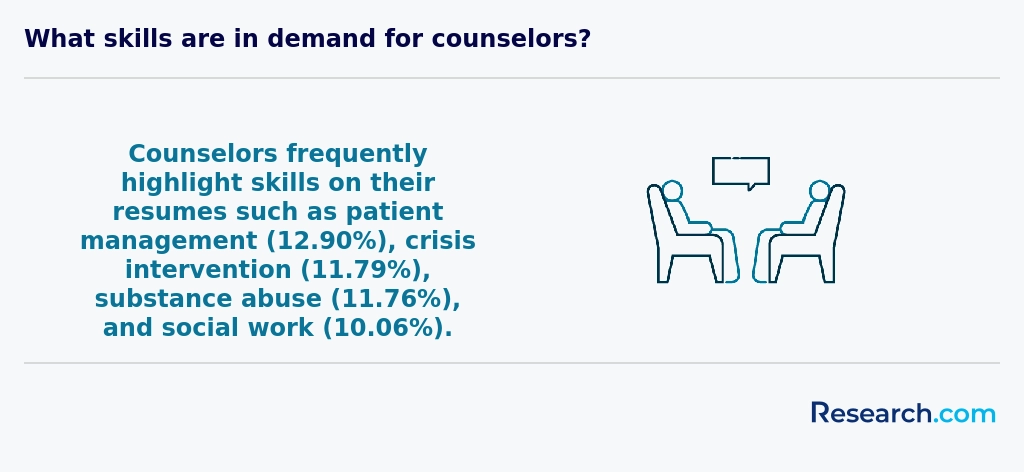
Employers in Connecticut seek counseling degree graduates who demonstrate strong communication and interpersonal skills. These abilities are essential for building trust and effectively supporting clients. According to the Connecticut Department of Labor, emotional intelligence and cultural competence are also highly valued, especially given the state's diverse population. Knowledge of ethical standards and confidentiality practices is critical, as counselors must adhere to state licensing requirements.
Additionally, practical experience through internships or supervised clinical hours is often required. Analytical skills to assess client needs and develop tailored treatment plans are important as well. Connecticut's counseling field continues to grow, making these skills increasingly significant for employment success.
Finding internships in Connecticut for counseling degree students involves several practical steps. First, students should consult their university's career services and counseling departments, as many programs maintain partnerships with local mental health clinics and social service agencies. According to the Connecticut Counseling Association, internships often arise through these academic connections, serving as a required component of counseling licensure preparation.
Additionally, exploring placements with community mental health centers, hospitals, and schools can provide hands-on experience. The Connecticut Department of Mental Health and Addiction Services offers listings of approved internship sites statewide. Networking through local counseling conferences and professional organizations also increases opportunities.
Early planning and proactive outreach are key, given that Connecticut requires supervised clinical hours for licensure, making internships essential for career progression.
A counseling degree in Connecticut significantly enhances career mobility and opportunities for advancement. Graduates holding a master's degree in counseling or related fields are eligible for licensure as Licensed Professional Counselors (LPCs), a credential required to practice independently in the state. According to the Connecticut Department of Public Health, the demand for LPCs grew by approximately 10% from 2018 to 2023, reflecting expanding mental health services.
With licensure, professionals can advance to roles such as clinical supervisors, program directors, or specialized therapists, which offer higher salaries and leadership responsibilities. Additionally, counseling degrees open pathways into schools, hospitals, and private practice, broadening career options.
Further education, such as doctoral programs, often leads to academic or research positions, increasing professional versatility. Overall, a counseling degree provides a strong foundation for long-term career growth within Connecticut's mental health workforce.
Studying for a counseling degree in Connecticut equips students with skills that are essential for interdisciplinary collaboration. Programs emphasize understanding mental health within broader social, educational, and medical contexts. Students engage in coursework that covers psychology, social work, and healthcare principles, preparing them to work alongside professionals from diverse fields.
Connecticut's counseling programs often include practicum experiences in varied settings such as hospitals, schools, and community agencies. This exposure fosters adaptability and teamwork, which are crucial for interdisciplinary roles. According to the Connecticut Office of Higher Education, over 70% of counseling graduates report working in multidisciplinary teams within two years of graduation.
Additionally, state licensure requirements encourage knowledge integration. The Connecticut Department of Public Health mandates continued education in ethics and diverse counseling practices, reinforcing cross-field competencies. This prepares graduates to effectively contribute to holistic care models and joint treatment planning.
When choosing between a thesis and a non-thesis counseling degree program in Connecticut, consider your career goals. A thesis program typically involves original research, which can be beneficial if you plan to pursue a doctoral degree or a research-focused role. Meanwhile, non-thesis programs often emphasize practical skills and fieldwork, valuable for immediate clinical practice.
Connecticut counseling programs follow guidelines by the Council for Accreditation of Counseling and Related Educational Programs (CACREP), ensuring quality regardless of the path you choose. According to the Connecticut Department of Higher Education, many programs offer both options, so weigh your interest in research against hands-on experience.
Cost and duration may differ; thesis programs might require more time to complete.
Students based in Connecticut who wish to study counseling abroad have several pathways to consider, primarily through exchange programs and partnerships between Connecticut institutions and foreign universities. Many local universities offer study abroad opportunities that allow counseling students to gain international experience without interrupting their degree progress. According to the Connecticut Department of Higher Education, nearly 15% of undergraduate students participate in such programs, reflecting growing interest.
Another option involves enrolling directly in international universities that offer counseling degrees, though students should ensure these programs meet U.S. accreditation requirements for licensure. Institutions like the Council for Accreditation of Counseling and Related Educational Programs (CACREP) provide guidance on programs recognized in the U.S.
Financial aid and scholarships specifically for study abroad can offset costs, with some Connecticut schools offering dedicated funding. Students are advised to consult their academic advisors and the National Association of Student Financial Aid Administrators for updated information.
Students pursuing counseling degrees in Connecticut can benefit from various part-time job opportunities that complement their education. Common roles include behavioral health technician, mental health aide, or peer support specialist within local clinics or community organizations. These positions provide hands-on experience with client interaction and basic counseling skills.
Additionally, jobs in school settings such as teacher assistants or crisis intervention workers offer valuable exposure to youth counseling.
According to the Connecticut Department of Labor, the mental health sector is growing steadily, increasing demand for support roles suitable for students.
Many employers offer flexible hours to accommodate class schedules, making these part-time jobs practical for gaining relevant experience while studying.
Counseling students in Connecticut have access to various networking opportunities that enhance their professional growth. Many universities in the state, such as the University of Connecticut and Southern Connecticut State University, host student chapters of national organizations like the American Counseling Association (ACA). These groups provide events, workshops, and conferences that connect students with licensed professionals and faculty experts.
Additionally, Connecticut's counseling programs often collaborate with local agencies and community centers to offer internships and practicum placements. This hands-on experience helps students build contacts in clinical, school, and mental health counseling fields.
Statewide events like the Connecticut Counseling Association's annual conference draw hundreds of counselors and students, fostering valuable networking and learning opportunities. According to ACA data, participation in such events significantly increases students' chances of obtaining licensure and employment within Connecticut.
Alumni networks offer valuable benefits to counseling degree students in Connecticut by providing access to professional connections and mentorship opportunities. According to the Connecticut Counseling Association, strong alumni ties help students secure internships and employment in local agencies and private practices.
These networks also allow students to share experiences and advice about licensure requirements regulated by the Connecticut Department of Public Health, critical for careers in counseling. Graduates often give insight into passing the Licensed Professional Counselor (LPC) exam and navigating continuing education.
In a state where counseling jobs are growing, having alumni support can enhance career prospects and professional growth for current students.
Students pursuing a counseling degree in Connecticut can tailor their programs by selecting specialized tracks or elective courses that align with their career ambitions. Many universities offer concentrations such as clinical mental health, school counseling, or marriage and family therapy, allowing students to focus on specific populations or methods.
Fieldwork and internships are integral components, providing practical experience in settings across Connecticut, from community clinics to schools. Engaging in supervised practicum placements helps students build relevant skills and professional networks.
Connecticut's licensure requirements, governed by the Connecticut Department of Public Health, also influence curriculum choices, encouraging candidates to meet state standards for licensed professional counselors (LPC).
Prospective students should review program accreditation and state guidelines to ensure their education supports their desired credential and employment goals.
Counseling students in Connecticut often face several distinct challenges throughout their academic journey. One major hurdle is meeting the extensive supervised clinical hours required by the Connecticut Department of Public Health, which mandates 3,000 post-master's internship hours for Licensed Professional Counselors (LPC). Finding appropriate internship placements can be competitive, especially in underserved areas.
Additionally, students sometimes struggle with the financial burden of tuition and associated costs. According to the National Center for Education Statistics, Connecticut's graduate tuition rates rank in the top 25% nationally, making affordability a key concern.
Finally, balancing rigorous coursework with fieldwork and personal commitments creates time management challenges for many candidates.
With a counseling degree in Connecticut, graduates can pursue several professional certifications to enhance their career opportunities. The most common certification is the Licensed Professional Counselor (LPC), which requires completing a master's degree, supervised clinical hours, and passing the National Counselor Examination (NCE). Licensed Marriage and Family Therapist (LMFT) is another option, focusing on couples and family counseling.
Connecticut also offers the Licensed Clinical Social Worker (LCSW) credential for those with appropriate social work education and experience. Additionally, certifications such as Certified Rehabilitation Counselor (CRC) may be available with further specialization. According to the Connecticut Department of Public Health, LPC and LMFT licenses grew by about 8% in recent years, reflecting strong demand.
To write a winning application for a counseling program in Connecticut, start with a clear and compelling personal statement explaining your motivation and goals. Connecticut's Council for Professional Educators emphasizes the importance of showing a strong commitment to ethical practice and community service. Include relevant volunteer or work experiences, particularly in mental health or social services, as these strengthen your candidacy.
Highlight your academic performance, especially in psychology and related fields, since many Connecticut programs seek candidates with a GPA above 3.0. Also, obtain strong letters of recommendation from professionals familiar with your skills and character.
Ensure your application meets all Connecticut Department of Higher Education requirements, including transcripts and standardized test scores if requested. Research specific colleges' criteria, as some prefer applicants with practicum or internship experience in counseling settings.
Counseling as a career has a growing global importance due to increasing awareness of mental health issues. In the United States, including Connecticut, the demand for licensed counselors is expected to grow by 22% from 2022 to 2032, according to the U.S. Bureau of Labor Statistics. This growth reflects a worldwide trend where mental health support is becoming integral to healthcare systems.
Internationally, counseling roles vary but share a common focus on improving emotional and psychological well-being. Many countries align with the U.S. emphasis on evidence-based practice and licensure requirements, emphasizing professional standards that protect clients.
Connecticut's counseling programs teach skills that meet both state and national certification standards, ensuring graduates are prepared for global best practices. Institutions here often incorporate culturally responsive approaches addressing diverse populations, reflecting a global commitment to inclusivity in counseling care.
Gaining practical experience while studying for a counseling degree in Connecticut is essential for licensure and career readiness. Most accredited programs incorporate supervised internships or practicums, where students complete a set number of clinical hours-typically between 600 and 1,000-under licensed professionals. This hands-on training can occur in settings such as community mental health centers, schools, hospitals, or private practices.
Connecticut requires at least 3,000 post-master's supervised hours for Licensed Professional Counselors, emphasizing the importance of early fieldwork. Students should seek programs approved by the Council for Accreditation of Counseling and Related Educational Programs (CACREP) to ensure structured practical opportunities aligned with state standards.
Choosing the right concentration within a counseling degree program in Connecticut depends on your career goals and interests. Common specializations include clinical mental health, school counseling, and marriage and family therapy. Each area requires specific state licensure, so understanding Connecticut's licensing board requirements is crucial.
Consider Connecticut's growing need for licensed professional counselors, with the Department of Labor projecting a 14% job growth in the mental health field through 2030. School counseling is also in demand, supported by data from the Connecticut State Department of Education.
Research programs accredited by CACREP for quality assurance and curriculum relevance. Evaluating faculty expertise and internship opportunities offered by Connecticut institutions can further guide your choice.
Related Counseling Rankings for Nearby States
- 2027 Best Counseling Degree Programs Ranking in New York
- 2027 Best Counseling Degree Programs Ranking in Massachusetts
- 2027 Best Counseling Degree Programs Ranking in New Jersey
- 2027 Best Counseling Degree Programs Ranking in Pennsylvania
- 2027 Best Counseling Degree Programs Ranking in Maryland
- 2027 Best Counseling Degree Programs Ranking in Virginia
- 2027 Best Counseling Degree Programs Ranking in Ohio
- 2027 Best Counseling Degree Programs Ranking in Indiana
- 2027 Best Counseling Degree Programs Ranking in Michigan
- 2027 Best Counseling Degree Programs Ranking in Georgia
Top Trending Counseling Rankings
See What Experts Have To Say About Studying Counseling
Read our interview with Counseling experts

Charles Figley
Counseling Expert
Kurzweg Distinguished Chair in Disaster Mental Health
Tulane University

References
- Counselor Education with Specialization in School Counseling, MS https://www.ccsu.edu/programs/counselor-education-specialization-school-counseling-ms
- Professional Networking For Psychologists | Psychology.org https://www.psychology.org/resources/professional-networking/
- The Challenges of Guidance Counselors in Supporting Students’ Mental Health https://theaspd.com/index.php/ijes/article/view/2406
- Mental Health Counseling MS Salary Guide | University of Bridgeport https://www.bridgeport.edu/news/masters-in-counseling-salary-guide/
- The 9 Top Additional Certifications for Mental Health Counselors in New York - Counseling Degrees New York https://counselingnewyork.org/certifications/
- Internship Opportunities | PCS https://pacounseling.com/internships/
- Counseling Careers in Connecticut (CT) - Degrees & State Licensure https://www.counselingschools.com/licenses/connecticut
- Counselor Salary https://onlinecounselingprograms.com/become-a-counselor/salary/
- How to Find Therapist Jobs https://agentsofchangeprep.com/blog/how-to-find-therapist-jobs/
- Alternative Careers for Counselors Who Are Burnt Out [2025 Update] - The Bad Therapist https://www.thebadtherapist.coach/blog/alternative-careers-for-counselors


