2027 Most Popular Computer Science Degree Programs Ranking in Florida

Co-Founder and Chief Data Scientist
Choosing the right computer science degree program in Florida can feel overwhelming, but this article aims to make that decision easier for you.
The 2027 Most Popular Computer Science Degree Programs Ranking in Florida was created by the Research.com team of data scientists to help you explore programs worth considering.
By reading this article, you'll gain valuable insights to guide your next steps and discover opportunities that align with your goals.
A computer science degree opens doors to exciting careers and lasting success. Let's explore your future together.
Key benefits of getting computer science degree in Florida
- Salary benefits: Graduates with a computer science degree in Florida can expect competitive salaries, such as a mean annual wage of $138,110 for software engineers and developers, or $95,570 for web developers, offering strong financial opportunities in the tech field.
- Career paths: A computer science degree opens doors to diverse roles like software engineering, IT support, and data analysis, reflecting the experiences of many Florida college graduates who enjoy flexibility and growth in their careers.
- Online degree advantages: Pursuing a computer science degree online from Florida universities offers flexibility and accessibility, helping students balance work and study while still gaining essential skills and industry connections.
- 2027 Most Popular Computer Science Degree Programs Ranking in Florida
- What can I expect from computer science degree in Florida?
- Where can I work with computer science degree in Florida?
What can I expect from computer science degree in Florida?
The average cost of earning a computer science degree in Florida varies depending on the institution and residency status, but many students attending well-known universities such as the University of Florida or Florida State University report tuition expenses ranging from $6,000 to $15,000 per year for in-state students. Graduates often describe how these costs feel manageable given the high-quality education, practical experiences, and career opportunities they received.
Many students appreciate how their investment in programs offering hands-on internships and projects-common at institutions like the University of Central Florida-directly contributed to their job readiness and confidence entering the tech industry. Some recall balancing studies with part-time work or utilizing scholarships targeted at STEM fields to ease financial pressures, making the degree more accessible.
The combination of affordable tuition rates for Florida residents and available financial aid helps create a positive journey for computer science students. This balance is essential for those eager to join Florida's expanding technology sector without overwhelming debt, echoing the experiences of many successful graduates from local universities.
Where can I work with computer science degree in Florida?
Graduates with a computer science degree from prominent Florida institutions like the University of Florida or Florida State University often find themselves drawn to dynamic careers across the state's leading technology hubs. Many secure positions in thriving sectors such as software development, cybersecurity, and data analysis, especially in cities like Miami and Tampa where innovation is driving growth. For example, graduates frequently join fintech startups or established IT firms in Miami, applying their skills to cutting-edge projects that impact real-world financial systems.
Others leverage their education to enter public sector roles within state agencies or educational institutions, managing digital infrastructure or developing software that supports government operations. In Orlando, graduates may work with simulation and defense technology companies, finding satisfaction in high-impact roles that blend technical expertise with national security goals.
Cybersecurity is a particularly promising field, with students from Florida Polytechnic University often reporting rewarding opportunities as analysts or ethical hackers protecting critical data from evolving cyber threats. These career paths allow graduates to feel valued and engaged, thriving in Florida's diverse and expanding technology landscape.
Graduates from Florida's top computer science programs often find rewarding salary prospects aligned with the state's growing tech industry. For example, entry-level software developers, commonly employed by graduates from institutions such as the University of Florida and Florida State University, typically earn median annual wages close to $90,000, reflecting a competitive starting point in cities like Miami and Orlando.
More advanced roles bring significantly higher pay. Experienced software engineers and developers command mean annual salaries around $138,110, according to the latest BLS data. Graduates specializing in data analysis may expect salaries near $119,040, while IT support specialists usually start around $63,640. These figures highlight the diverse, prosperous opportunities available to Florida's computer science degree holders.
Many alumni report strong employment outcomes, benefiting from Florida's expanding tech startups and established firms. Coupled with continued skill development, these salaries illustrate the real financial value behind earning a computer science degree in the Sunshine State.
- Florida has over 30 accredited institutions offering computer science degrees at associate, bachelor's, and master's levels.
- In-state tuition at public universities averages $6,400 per year, while out-of-state tuition is about $22,000; private colleges often charge over $30,000 annually.
- Entry-level computer science graduates in Florida earn around $65,000 per year, with mid-career salaries ranging from $95,000 to $110,000 depending on the area.
- Major tech hubs in Florida include Miami, Tampa, Orlando, and Jacksonville, with demand for skills in cybersecurity, software engineering, and data analysis.
- Many schools offer online computer science degrees for flexibility, and residents may qualify for the Bright Futures Scholarship and other financial aid programs.
Completing a bachelor's degree in computer science in Florida usually takes about four years of full-time study. This timeframe is standard at well-regarded institutions like the University of Florida, Florida State University, and the University of Central Florida, where students typically complete between 120 and 130 credit hours. Graduates often reflect positively on their experience managing both rigorous core courses and diverse electives that prepare them well for the tech industry.
For those attending community colleges, an associate degree in computer science typically requires around two years, offering a quicker path either into the workforce or for transfer to a four-year program. Many students find this option particularly practical when balancing studies with jobs or family obligations.
Some Florida universities provide accelerated or online programs, enabling highly motivated students to finish their studies in about three years by taking summer sessions or heavier course loads. This flexibility allows students to adapt their education to personal goals and life demands with a sense of accomplishment and motivation.
Graduate studies add another one to two years beyond the bachelor's degree, with part-time enrollment extending completion times based on individual schedules and commitments.
Our 2024 Most Popular Computer Science Degree Programs Ranking in Florida is grounded in a transparent, data-driven methodology designed to help you compare programs effectively. We begin by collecting comprehensive data from the National Center for Education Statistics (NCES), university disclosures, and reputable third-party salary surveys. Key indicators include graduation rates, average starting salaries, student-to-faculty ratios, research funding, and program affordability. Each metric is normalized on a 0–100 scale to ensure comparability. Graduation rate and employment outcomes receive a 30% combined weight, reflecting the importance of timely degree completion and career readiness. Faculty credentials and research output account for 25%, highlighting academic rigor and innovation. Student-to-faculty ratio and learning support services comprise 20%, while tuition and fee affordability contribute 15%. Finally, student satisfaction-gleaned from verified alumni reviews-makes up the remaining 10%. We update our dataset annually to capture the latest changes in program offerings, tuition adjustments, and evolving job market trends. For institutions offering dual formats, such as online and on-campus tracks, we calculate separate scores to reflect the unique strengths of each delivery method. This ensures that prospective students can make informed decisions tailored to their learning preferences. To broaden your perspective on cost-efficiency across regions, explore our Low Cost Computer Science Degree Programs Ranking in the Midwest. By comparing metrics like in-state tuition, technology fees, and potential return on investment, you’ll gain actionable insights into both Florida’s top programs and broader affordability trends. Our commitment to methodological rigor and transparency means you can trust this ranking as a reliable guide on your journey to selecting the ideal computer science degree program in Florida.
Online and on-campus computer science degree programs in Florida differ primarily in their learning environments and flexibility. Graduates from on-campus programs at institutions like the University of Florida often recall the energizing experience of collaborative coding sessions in labs and spontaneous peer discussions after class. This traditional format offers direct access to campus resources and opportunities for face-to-face networking, crucial for gaining internships and job placements in tech hubs such as Miami and Tampa.
Conversely, students pursuing online degrees, such as those at the University of Central Florida, emphasize the convenience of balancing coursework with their personal and professional lives. The digital format allows asynchronous learning and flexible schedules, appealing especially to working adults who need to integrate study with other responsibilities. Although online learners miss some immediate in-person interactions, they benefit from rigorous curricula and often lower tuition costs, making higher education more accessible.
These distinctions shape the student experience in Florida's growing tech landscape, where the choice hinges on individual priorities and lifestyle.
Our 2024 ranking of Computer Science degree programs in Florida is built on a transparent, data-driven methodology to help you make informed decisions. We analyze each program across seven core dimensions: academic reputation, student selectivity, graduation and retention rates, faculty credentials, research output, student satisfaction, and employment outcomes. To benchmark post‐graduation earning potential, we incorporate median salary data from industry sources-such as our internal surveys and publicly available figures on coding jobs salary-ensuring that financial prospects are accurately reflected. Data Collection and Sources We aggregate and normalize data from the Integrated Postsecondary Education Data System (IPEDS), university‐published reports, independent salary surveys, and third‐party platforms. Academic reputation scores derive from peer assessments and national surveys, while student selectivity is measured by acceptance rates and average incoming GPA. Graduation and retention metrics are sourced directly from institutional disclosures, guaranteeing up‐to‐date accuracy. Weighting and Scoring Each dimension carries a specific weight reflecting its importance to overall student success:
- Employment Outcomes: 25%
- Academic Reputation: 20%
- Graduation & Retention Rates: 15%
- Research Output: 15%
- Faculty Credentials: 10%
- Student Satisfaction: 10%
- Diversity & Inclusion: 5% Raw scores for each metric are normalized on a 100‐point scale, then multiplied by the assigned weight. The sum of these weighted scores determines the final program ranking. Quality Assurance and Updates To maintain relevance, our methodology undergoes an annual audit by a panel of data scientists and academic advisors. We update all data points each spring, reflecting the most recent enrollment figures, graduation statistics, and salary trends. This rigorous approach ensures our rankings remain a reliable guide for prospective students exploring Computer Science degree programs in Florida.
The average cost of a computer science degree in Florida generally varies between in-state and out-of-state students, as well as between public and private institutions. According to the latest data, the median total cost for completing a computer science degree in Florida is approximately $54,660. For in-state students, the total expense averages around $38,700, reflecting the more affordable tuition rates offered by public universities such as the University of Florida and Florida State University.
Graduates from these universities often recall the financial balance between tuition and quality education, appreciating how public Florida institutions make earning a computer science degree feasible without excessive debt. However, out-of-state students face higher overall tuition, which aligns with the median total cost figure since their rates typically reflect the non-resident fees charged by many Florida schools.
Private universities in Florida command higher tuition fees, contributing to the overall median. Many students at private colleges benefit from smaller class sizes and specialized resources, which creates a more personalized learning environment despite the greater financial commitment involved.
It is essential to consider additional expenses beyond tuition, such as books, supplies, and living costs. Prospective students should explore all options, including financial aid and scholarships offered by many Florida institutions. For those looking to find the cheapest computer science school in florida, detailed research into tuition rates and fees will provide a clear understanding of the true cost of a degree.
Being informed about the Florida computer science degree tuition and fees enables students to plan their education investment wisely while aiming for a rewarding career in the evolving tech industry.
Florida’s computer science students benefit from a thriving tech ecosystem offering internships and co-op placements that turn classroom theory into real-world impact.
- University partnerships with industry leaders like Lockheed Martin at UCF and Siemens at UF provide paid, credit-bearing work terms.
- Internships at NASA’s Kennedy Space Center, Tampa cybersecurity firms, and Miami fintech startups expose students to cutting-edge projects.
- On-campus research assistant roles in AI, data analytics, and robotics let learners contribute to published studies.
- Gaming studios in Florida offer hands-on roles-especially valuable for those pursuing a game design bachelor degree online.
- Structured co-op programs integrate work rotations with academic credit, strengthening resumes and professional networks.
These experiences sharpen technical skills, build industry connections, and often lead to full-time offers upon graduation.
Computer science students in Florida benefit from a variety of financial aid options tailored to ease the burden of tuition and living expenses. Many students begin by applying for federal aid through FAFSA, unlocking eligibility for Pell Grants-up to $7,395 for the 2023-2024 academic year-which provide essential funding without the need for repayment. Additionally, federal work-study programs and subsidized loans help support day-to-day costs while studying.
State-specific programs like the Bright Futures Scholarship are particularly valued by Florida-based students. Graduates from the University of Florida often share how maintaining strong academic performance in high school secured this award, significantly offsetting expenses throughout their computer science studies.
Merit scholarships from institutions such as Florida State University also reward excellence in STEM fields, encouraging students to keep their grades high. Beyond university aid, scholarships from organizations like the National Society of Black Engineers offer competitive resources for underrepresented groups, reinforcing community support and motivation.
Some working professionals find relief through tuition reimbursement or sponsorships provided by local tech companies, which makes advanced degrees attainable without financial strain. These varied routes help Florida students pursue their computer science ambitions confidently and with optimism.
Florida’s top computer science programs hold ABET accreditation and SACSCOC regional approval, ensuring curricula align with rigorous academic and industry standards.
- Validates curriculum quality and learning outcomes
- Unlocks eligibility for federal financial aid and professional certifications
- Confirms access to qualified faculty, labs, and up-to-date resources
Students targeting cutting-edge fields like AI should verify program credentials; explore affordable ai degree online pathways for specialized accreditation.
Enrolling in a computer science degree program in Florida requires meeting distinct academic prerequisites that ensure readiness for the demanding curriculum. Graduates from institutions like the University of Florida often reflect on how their strong foundation in high school mathematics-algebra, geometry, and calculus-was crucial for success. Public universities in Florida typically require a high school diploma or GED with solid performance in these subjects.
Standardized test scores such as the SAT or ACT used to be mandatory, but many schools now offer test-optional policies, allowing students to focus more on relevant coursework. For example, some recent graduates from Florida State University appreciated this flexibility, finding that prior programming experience or electives in computer science gave them a tangible advantage during admissions.
Graduate applicants usually need a bachelor's degree in computer science or a related field, alongside transcripts highlighting coursework in algorithms and data structures. Additional materials like GRE scores and recommendation letters are commonly requested to demonstrate academic potential and professional aspirations. These requirements together create a comprehensive profile, preparing students to thrive in Florida's competitive computer science programs.
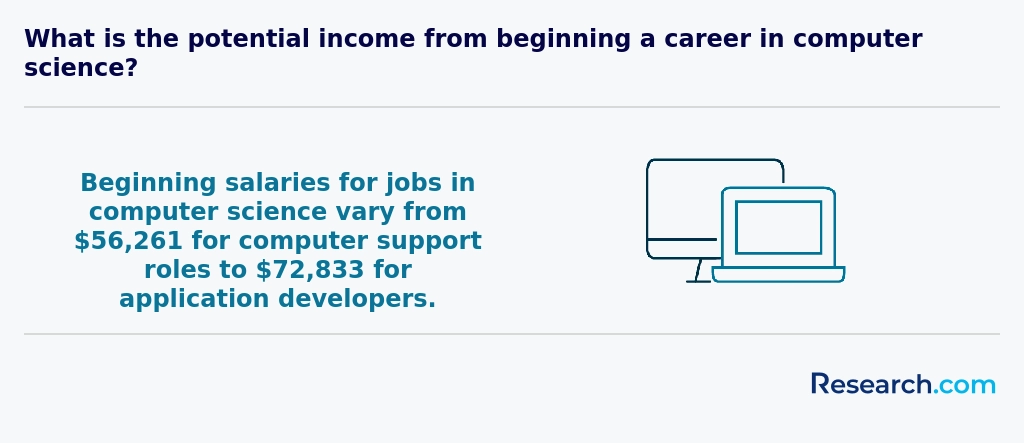
At Research.com, our ranking methodology is both comprehensive and transparent, designed to help prospective students identify the programs that offer the best blend of quality education, affordability, and career readiness. We gather extensive data from reputable sources, including graduation rates, faculty credentials, student satisfaction, internship opportunities, and job placement statistics. By applying advanced analytical models and weighting each factor based on its relevance to student success, we ensure that every program is evaluated rigorously. For instance, our process of comparing tuition costs alongside educational outcomes helps students find not only high-performing institutions but also the cheapest computer science school in florida that meets their financial needs. This balanced approach, combining quantitative metrics and qualitative insights, aims to deliver rankings that empower you to make well-informed decisions about your educational future.
Computer science degrees in Florida typically encompass a comprehensive curriculum designed to build strong technical foundations and practical expertise. Students at renowned institutions such as the University of Florida and Florida State University commonly engage in core courses like programming languages-Python, Java, or C++-which are indispensable for software development projects, whether crafting apps or solving real-world automation challenges.
Graduates often recall how mastering data structures and algorithms enabled them to streamline complex problem-solving tasks efficiently. Courses in computer architecture provide valuable insights into hardware-software interaction, equipping learners to optimize system performance in tangible ways, such as enhancing gaming or mobile device speeds.
Florida's programs also emphasize software engineering principles, where students collaboratively design and maintain software, mirroring industry environments. Critical subjects include databases and operating systems, which graduates find essential for managing large-scale data and ensuring system reliability.
Networking studies prepare students for the interconnected nature of modern IT, while electives in artificial intelligence and cybersecurity offer cutting-edge skills that meet the state's growing tech workforce demands.
Students pursuing a computer science degree in Florida universities can specialize in diverse fields that align with the state's dynamic tech landscape. Popular tracks include software engineering, where graduates from institutions like the University of Florida develop strong programming and problem-solving skills while designing scalable applications suited for industries across Miami's burgeoning startup scene. Cybersecurity is another prominent concentration, empowering learners to safeguard critical infrastructure through hands-on training in cryptography and ethical hacking, highly relevant in Tampa's expanding corporate sectors.
Many Florida computer science degree concentration options also involve data science and artificial intelligence, reflecting the rapid growth of innovation hubs around Orlando. Graduates express enthusiasm about applying machine learning to real-world problems, fostering smart systems that transform local business operations. More specialized paths such as mobile application development, game design, and cloud computing cater to Florida's entertainment and technology markets, providing practical expertise directly applicable to career opportunities. For those considering the financial aspects, these specializations come within reach at public universities, making advanced technology education accessible.
Students excited about competitive coding jobs salary in Florida find these specializations valuable as they boost employability through targeted skills built in vibrant academic environments.
When selecting the best computer science degree programs Florida offers, focusing on curriculum rigor and real-world applicability is essential. Graduates from top universities in Miami and Orlando frequently highlight the value of programs that blend theory with hands-on projects, such as system design and advanced programming, which prepare them effectively for tech roles. Facilities like innovation labs and proximity to growing tech hubs directly contribute to a positive learning environment and internship access.
Affordability also plays a significant role. Many students appreciate that public four-year institutions in Florida have tuition fees considerably lower than the national average, helping reduce financial stress without compromising on quality. For those seeking options beyond state schools, consulting rankings such as the Low Cost Computer Science Degree Programs Ranking in the Midwest can provide useful comparative insights. Exploring affordable computer science colleges in Florida ensures balancing cost with strong post-graduation outcomes.
Computer science graduates in Florida have diverse career paths available, reflecting the state's dynamic economy and growing tech landscape. Popular metropolitan areas like Miami, Orlando, and Tampa offer roles in software development, cybersecurity, systems architecture, and data analysis. Many graduates from local universities report gaining hands-on experience through internships in Miami's thriving tech startups or Orlando's defense and simulation sectors, which significantly enhance job prospects.
The Florida computer science degree job prospects extend into rapidly growing fields such as artificial intelligence, mobile app development, cloud computing, and healthcare IT. These specialized areas align with the state's focus on innovation and technology infrastructure expansion, providing graduates with rewarding opportunities to apply their skills in real-world scenarios.
For those considering further academic advancement, Florida's accessible tuition rates encourage exploration of advanced degrees or professional certifications. Some graduates explore easiest doctorate degree to get programs to deepen expertise and climb higher in competitive fields, making computer science career opportunities in Florida both attainable and promising.
The computer science job opportunities in Florida reflect a dynamic and expanding market fueled by the state's growing technology sector. Graduates from popular universities in Miami, Tampa, Orlando, and Jacksonville consistently find roles in software engineering, cybersecurity, and data science, benefiting from the state's multiple tech hubs and startup culture. Many recent graduates report starting salaries between $60,000 and $75,000, aligning with Florida's cost of living and often surpassing expectations for new professionals.
Florida tech industry employment outlook is strengthened by demand in emerging areas such as artificial intelligence and cloud computing, which are heavily emphasized in the curricula of leading Florida colleges. Graduates often share how internships and certifications gained locally dramatically improve their readiness for these roles, showing real-world impacts on their career trajectories. State support initiatives further enhance job prospects, making this a promising environment for computer science students.
Students should also explore quick associate degree programs as pathways to enter the tech workforce efficiently, supplementing traditional study routes with practical skills tailored to Florida's employment landscape.
2027 Most Popular Computer Science Degree Programs Ranking in Florida
Investing in your education is a significant decision that can shape your future, and the Research.com team understands the importance of making informed choices. To assist prospective students in Florida, we have meticulously developed the "2027 Most Popular Computer Science Degree Programs Ranking in Florida." Our commitment to quality, credibility, and accuracy is demonstrated through thorough research and careful analysis to ensure reliability.
We utilized the following reputable data sources to create this comprehensive ranking:
By exploring this ranking, readers will gain valuable insights into the most popular computer science degree programs in Florida, empowering them to make well-informed decisions about their educational and career paths. For a detailed understanding of how this ranking was created, please visit our Research.com methodology page.


# 10 position
Embry-Riddle Aeronautical University-Daytona Beach
Bachelor of Science in Computer Science

# 11 position
Embry-Riddle Aeronautical University-Daytona Beach
Master of Science in Computer Science


# 20 position
Full Sail University
Bachelor of Science in Computer Science

Frequently Asked Questions About computer science
Computer science degree students in Florida can maximize their learning experience by engaging in practical internships offered through numerous tech companies located in hubs like Miami, Tampa, and Orlando. According to the Florida Department of Economic Opportunity, computing occupations in the state are projected to grow 15% from 2020 to 2030, emphasizing the importance of hands-on experience.
Utilizing university resources such as coding labs, research projects, and collaboration with faculty can deepen understanding. Participating in hackathons and joining professional organizations, like the Florida Chapter of the Association for Computing Machinery, also enhances skills and networking opportunities. Access to state-funded scholarships further supports focused study without financial stress.
The field of computer science is rapidly evolving, and several emerging niches are gaining traction in Florida's academic and job markets. One key area is artificial intelligence (AI) and machine learning, which are increasingly integrated into industries from healthcare to logistics. According to the Florida Department of Economic Opportunity, AI-related jobs are expected to grow faster than the average occupation through 2030.
Another promising niche is cybersecurity. Florida hosts numerous defense and financial institutions, creating high demand for specialists skilled in protecting digital assets. The University of South Florida's National Center for Cybersecurity Education highlights strong regional growth in this sector.
Additionally, data science and big data analytics are key focuses of Florida's universities, aligning with nationwide trends. These skills enable professionals to interpret complex datasets, crucial in business decision-making and government.
Graduates with a computer science degree in Florida should start preparing for the job market early by gaining practical experience. Internships and cooperative education programs offered by many Florida universities provide valuable real-world skills. According to the Florida Department of Economic Opportunity, the demand for computer and information technology professionals in Florida is projected to grow by 15% between 2020 and 2030, faster than average.
Networking is essential; attending local tech meetups or joining Florida-based organizations like the Florida Council of 100's Tech Task Force can expand professional contacts. Also, earning industry certifications in areas like cloud computing or cybersecurity can boost employment prospects.
Leveraging job fairs and university career centers helps access tailored job listings and employer connections. Continuous learning and adaptability remain key as employers seek candidates familiar with emerging technologies.
Employers in Florida highly value computer science graduates who demonstrate strong programming skills, particularly in languages like Python, Java, and C++. These skills form the foundation for software development, which remains a dominant sector in the state's growing tech industry. According to the Florida Department of Economic Opportunity, the demand for software developers is expected to grow by 22% through 2030.
In addition to technical abilities, employers prioritize problem-solving and critical thinking skills. Graduates who can design efficient algorithms and adapt to evolving technologies are more competitive. Communication skills are also essential, as many roles involve teamwork and explaining complex concepts to non-technical stakeholders.
Data analysis and cybersecurity knowledge are increasingly relevant due to Florida's expanding data-driven and security-conscious sectors. Certifications or coursework in cloud computing and AI can further enhance job prospects, reflecting current industry trends tracked by the Florida Cybersecurity Task Force.
Finding internships in Florida for computer science students involves a combination of university resources, online platforms, and networking. Many Florida universities with strong computer science programs, such as the University of Florida and Florida State University, provide dedicated career services that connect students to local tech companies and startups.
Online job portals like Handshake, LinkedIn, and WayUp are commonly used by students to find paid and unpaid internships. According to the Florida Department of Economic Opportunity, the tech sector in Florida has been growing steadily, creating more internship opportunities each year.
Joining professional organizations like the Florida Technology Council and attending career fairs can also enhance prospects by expanding one's professional network within the state's computer science field.
A computer science degree significantly enhances career mobility and advancement opportunities in Florida's growing technology sector. According to the Florida Department of Economic Opportunity, employment in computer and information technology occupations is projected to grow by 18% from 2020 to 2030, faster than the average for all jobs.
Graduates with this degree often qualify for higher-paying roles such as software developers, systems analysts, and cybersecurity specialists. Additionally, many Florida companies prioritize candidates with formal computer science education, facilitating upward career movement.
In a competitive job market, employers value strong technical skills and problem-solving abilities, which are core elements of computer science curricula.
The degree also opens doors to diverse industries across finance, healthcare, and aerospace, sectors prominent in Florida's economy.
Studying for a computer science degree in Florida offers students a strong foundation for interdisciplinary roles by integrating technical skills with practical applications across various fields. Many Florida universities emphasize collaboration with industries like healthcare, finance, and engineering, reflecting the state's diverse economy.
Programs often include coursework in data science, artificial intelligence, and cybersecurity, preparing students to address challenges spanning multiple disciplines. According to the National Center for Education Statistics, Florida awarded over 4,000 computer science degrees in recent years, indicating significant industry demand.
Students benefit from internships and partnerships with tech firms in hubs such as Miami and Tampa, gaining real-world experience crucial for interdisciplinary teamwork.
When choosing between a thesis and a non-thesis computer science degree program in Florida, consider your career goals first. Thesis programs typically suit students interested in research or pursuing a PhD, as they focus on original research and a substantial written thesis.
Non-thesis programs often emphasize practical skills and coursework, which can be ideal for professionals aiming to enter the workforce quickly. According to the National Center for Education Statistics, about 40% of Florida's computer science graduates lean toward thesis options for research careers, while 60% prefer non-thesis for industry roles.
Cost and time are also key factors. Thesis programs can take longer-often 2 to 3 years-while non-thesis degrees may be completed in less time. Finally, check specific Florida universities' offerings, as some may have stronger research facilities, impacting your decision.
Students based in Florida who wish to study computer science abroad have several pathways available through their home institutions. Many Florida universities, including the University of Florida and Florida State University, offer established study abroad programs with partner universities worldwide. These partnerships often include institutions in Europe, Asia, and Canada, where students can take computer science courses that transfer back to their Florida degree.
Additionally, some Florida colleges facilitate dual-degree or exchange programs that let students spend a semester or year abroad while earning credits. According to the Institute of International Education, about 4.3% of Florida students participate in study abroad programs, with STEM fields seeing increased engagement.
Financial aid and scholarships specifically for Florida students studying computer science internationally are often available, helping reduce costs while gaining valuable global experience.
Florida offers various part-time job opportunities that can enhance a computer science degree education. Positions such as software development intern, IT support technician, and web developer are common roles in cities like Miami, Orlando, and Tampa, where the tech industry is growing. According to the Florida Department of Economic Opportunity, employment in computer and math occupations is projected to grow by 14% through 2030.
Student roles at universities, including research assistantships or lab tech positions, provide hands-on experience with programming and data analysis. Additionally, many startups and tech companies offer remote part-time roles focused on coding and system maintenance.
These practical experiences build skills and improve job market competitiveness for computer science students in Florida.
Florida offers robust networking opportunities for computer science students through its diverse range of universities and tech communities. Many institutions, including the University of Florida and Florida State University, host career fairs and industry-specific events that connect students with local employers and startups. According to the Florida Department of Economic Opportunity, the state's tech sector has grown by over 10% annually, increasing demand for skilled professionals.
Students can also join organizations like the Florida Technology Council and Code for Miami, which provide workshops, mentorship, and meetups. Additionally, internships and cooperative education programs often lead to valuable industry connections within Florida's expanding tech hubs such as Miami, Tampa, and Orlando.
Alumni networks play a crucial role for computer science students in Florida by offering valuable connections and career opportunities. These networks often provide mentorship programs where experienced graduates guide current students through technical and professional challenges. According to the University of Florida's Career Connections report, 68% of computer science graduates found their first job through alumni referrals or university networking events.
In Florida's growing tech industry, alumni can introduce students to internships and local companies, improving employment chances. Additionally, alumni-organized workshops and panels expose students to industry trends and skill development, helping them stay competitive in a rapidly evolving field.
Customizing a computer science degree program in Florida allows students to align their education with specific career goals. Many Florida universities offer elective courses and specializations, such as cybersecurity, artificial intelligence, or software engineering. These options enable learners to build expertise in high-demand fields.
Students can also pursue internships or cooperative education opportunities through partnerships with local tech companies, which are abundant in Florida's growing technology sector. According to the Florida Department of Economic Opportunity, jobs in computer and information technology are expected to grow 15% statewide through 2030, higher than the national average.
Additionally, some Florida schools grant flexible schedules and online program options, accommodating working professionals. Certification preparation and research projects are also common pathways to gain practical skills tailored to industry needs.
Computer science students in Florida often face the challenge of keeping up with rapidly evolving technology. The field requires continuous learning to stay current with new programming languages and software tools. According to the National Center for Education Statistics (NCES), Florida's public universities graduate a large number of computer science students, but many report difficulty in balancing heavy coursework with internships or part-time jobs.
Another common issue is the shortage of faculty with specialized expertise, which can limit students' exposure to cutting-edge topics. Additionally, underrepresented minorities in Florida's CS programs face barriers related to access and retention, as noted by the Florida College System's recent reports.
With a computer science degree, graduates in Florida can pursue several valuable professional certifications that enhance their career prospects. Popular certifications include the Certified Information Systems Security Professional (CISSP), highly regarded in cybersecurity roles. The Certified Ethical Hacker (CEH) is also sought after for professionals focusing on ethical hacking and penetration testing.
Other key certifications include the Project Management Professional (PMP) for those moving into management roles, and vendor-specific options like Amazon Web Services (AWS) Certified Solutions Architect for cloud computing. According to the Florida Department of Economic Opportunity, demand for IT professionals holding such credentials is expected to grow by over 13% through 2030.
These certifications provide an edge in Florida's competitive tech market, reflecting industry needs and boosting salary potential.
Writing a winning application for a computer science program in Florida requires careful preparation and clear communication of your goals. Start by highlighting your academic background, especially in mathematics, science, and technology-related courses, as these form the foundation of a strong application.
Demonstrate your passion for computer science through extracurricular activities, internships, or personal projects. Florida universities like the University of Florida and Florida State University value practical experience alongside academic achievements.
Include a compelling personal statement explaining why you want to study computer science and how you plan to contribute to the field. According to the Florida Department of Education, computer science enrollment has increased by 15% since 2020, showing growing competition.
Finally, ensure your letters of recommendation emphasize your problem-solving skills and teamwork abilities, crucial for success in this field.
Computer science careers are increasingly valued on a global scale, reflecting rapid technological growth. In the United States, including Florida, this field is among the fastest-growing professions. According to the U.S. Bureau of Labor Statistics, employment for software developers and computer specialists is projected to grow 15% from 2021 to 2031, much faster than the average for all occupations.
Florida, with its expanding tech industry and numerous universities offering computer science degrees, plays a significant role in preparing graduates for global opportunities. The state's diverse economy attracts international companies, allowing computer science professionals to engage in cross-border projects and innovation.
Globally, computer science skills are in demand for areas like cybersecurity, artificial intelligence, and data science. Florida graduates often find their knowledge transferable worldwide, especially with the emphasis on practical skills and internships offered in many Florida programs.
Gaining practical experience during a computer science degree in Florida is essential for building job-ready skills. Many universities, including the University of Florida and Florida State University, offer cooperative education (co-op) and internship programs that connect students with local tech companies. According to the Florida Department of Economic Opportunity, internships in the tech sector have grown by 15% over the last five years, reflecting increasing industry demand.
Students can also participate in coding competitions, hackathons, and research projects. Florida's growing tech hubs, like Miami and Tampa, provide numerous opportunities for hands-on learning and networking. Additionally, some programs emphasize project-based courses to simulate real-world challenges.
When choosing a concentration within a computer science degree program in Florida, consider your career goals and industry demand. Fields like cybersecurity, data science, and software engineering are growing rapidly in the state, supported by Florida's expanding tech hubs such as Miami and Orlando. According to the Florida Department of Economic Opportunity, tech-related jobs are expected to grow by over 15% through 2030.
Research available programs at Florida universities, noting concentrations offered and faculty expertise. Also, review internship opportunities that can provide practical experience. Align your choice with your strengths and interests while staying informed about Florida's specific tech market trends.
- 2027 Most Popular Computer Science Degree Programs Ranking in Georgia
- 2027 Most Popular Computer Science Degree Programs Ranking in Alabama
- 2027 Most Popular Computer Science Degree Programs Ranking in Louisiana
- 2027 Most Popular Computer Science Degree Programs Ranking in Kentucky
- 2027 Most Popular Computer Science Degree Programs Ranking in Arkansas
- 2027 Most Popular Computer Science Degree Programs Ranking in Missouri
- 2027 Most Popular Computer Science Degree Programs Ranking in Indiana
- 2027 Most Popular Computer Science Degree Programs Ranking in Illinois
- 2027 Most Popular Computer Science Degree Programs Ranking in Maryland
- 2027 Most Popular Computer Science Degree Programs Ranking in New Jersey
See What Experts Have To Say About Studying Computer Science
Read our interview with Computer Science experts

Derek Riley
Computer Science Expert
Professor, Program Director
Milwaukee School of Engineering

Elan Barenholtz
Computer Science Expert
Associate Professor
Florida Atlantic University

Imed Bouchrika, Phd
Computer Science Expert
Professor of Computer Science
National Higher School of Artificial Intelligence

Kathleen M. Carley
Computer Science Expert
Professor of Computer Science
Carnegie Mellon University

- 5 Challenges Faced by Computer Science Students and How to Overcome Them https://informatika.almaata.ac.id/5-challenges-faced-by-computer-science-students/
- Why your computer science degree won't get you an IT job https://targetjobs.co.uk/careers-advice/information-technology/why-your-computer-science-degree-wont-get-you-it-job
- Alumni computer science dual https://www.fbi.h-da.de/en/informieren/ueber-uns/alumni/alumni-computer-science-dual
- Letter of Motivation for applying Computer Science related fields https://essayforum.com/letters/motivation-applying-computer-science-related-11858/
- Computer Science - SWPS University https://english.swps.pl/academics/warsaw/ba-programs/computer-science
- Computer Science Alumni Council https://www.myniu.com/article.html
- Computer Science Degree (BS) https://floridapoly.edu/academics/programs/computer-science/
- How to choose a bachelor's in computer science | edX https://www.edx.org/resources/how-to-choose-a-bachelors-in-computer-science
- Best Computer Science Degree Schools and Programs in Florida https://www.computerscience.org/online-degrees/florida/
- Getting the Most Out of a Computer Science Degree https://robkokochak.com/blog/getting-the-most-out-of-a-cs-degree/