2027 Best Computer Science Degree Programs Ranking in Tulsa

Co-Founder and Chief Data Scientist
Choosing the right computer science degree program in Tulsa can feel overwhelming. To make this easier, the Research.com team of data scientists has created the 2027 Best Computer Science Degree Programs Ranking in Tulsa.
This article will help you discover top programs that match your goals and interests, providing reliable insight for your decision.
Studying computer science opens doors to exciting career opportunities and growth. Reading this guide brings you one step closer to a bright future in tech.
Key benefits of getting computer science degree in Tulsa
- Salary for computer science degree graduates: Graduates in Tulsa can expect strong earning potential, with software engineers and developers making around $138,110 annually and data analysts earning approximately $119,040 yearly.
- Career paths: A computer science degree from a local Tulsa university opens doors to diverse roles such as software development, web development, and IT support, offering flexibility and exciting opportunities in the tech industry.
- Online degree benefits: Earning a computer science degree online lets Tulsa students balance work and study with greater convenience, often accelerating career growth without sacrificing quality education.
- 2027 Best Computer Science Degree Programs Ranking in Tulsa
- What can I expect from computer science degree in Tulsa?
- Where can I work with computer science degree in Tulsa?
What can I expect from computer science degree in Tulsa?
The average cost of earning a computer science degree in Tulsa often surprises students who expect the high price tags common in larger cities. Graduates from schools like the University of Tulsa or Tulsa Community College share how the affordability allowed them to focus more on learning than financial stress. Public institutions offer competitive in-state tuition, making it feasible to pursue a quality education without accumulating overwhelming debt.
One graduate recalls balancing coursework and an internship at a local tech startup, crediting Tulsa's reasonable tuition for enabling that hands-on experience without the burden of costly loans. The financial accessibility here means more students can invest time in mastering programming, algorithms, and cybersecurity, rather than worrying about breaking the bank.
Choosing Tulsa for a computer science degree becomes not just a practical decision but a gateway to an expanding tech community that values real-world skills and sustainable living costs. This combination creates an environment where ambition meets affordable opportunity.
Where can I work with computer science degree in Tulsa?
Graduates with a computer science degree from institutions like the University of Tulsa or Tulsa Community College find themselves in vibrant job markets that defy the notion of limited tech roles. Rather than confining themselves to stereotypical software companies, many step into energy giants like ONEOK, where they develop sophisticated automation systems, blending their coding skills with real-world impact. This transition often surprises newcomers, revealing how deeply integrated computing is within Tulsa's core industries.
Others share stories of joining healthcare providers such as Saint Francis Health System, where their work on electronic health records directly improves patient outcomes, making their daily tasks feel meaningful beyond lines of code. Meanwhile, aerospace employers like Spirit AeroSystems attract graduates eager to push boundaries in embedded systems engineering, proving that a computer science degree here can launch careers in innovative, high-stakes environments.
Even Tulsa's financial sector offers enticing roles in cybersecurity and fintech, where graduates contribute to securing digital platforms or designing intelligent risk analysis tools. These experiences paint a picture of Tulsa not as a single-focus city but as a dynamic hub where diverse sectors eagerly seek computer science talent to drive forward their unique challenges.
Graduates from Tulsa's notable institutions like the University of Tulsa often find that their computer science degrees translate into impressive earning power in the local job market. Entry-level roles as IT Support Specialists typically start around $63,640 annually, offering solid footing for new professionals. Many recent graduates recall landing software developer positions with salaries aligning closely to the reported mean wage of $138,110, proving that Tulsa's tech corridor is competitive with national figures.
For those drawn to web development, the average salary near $95,570 provides encouragement that creative tech careers can also be lucrative. Graduates focusing on data analytics see a mean annual wage of $119,040, a reminder of how specialization can elevate earning potential significantly.
These salary benchmarks challenge the assumption that high tech salaries are limited to coastal hubs. Tulsa's lower cost of living means these wages stretch further, allowing graduates to enjoy a quality lifestyle while building careers that grow in both responsibility and reward. This dynamic environment resonates with many local students who feel motivated knowing their investment in a computer science degree pays off sooner than expected.
- Public universities in Tulsa charge between $7,000 and $10,000 per year for in-state computer science students.
- Private institutions in Tulsa often have tuition exceeding $20,000 annually for computer science degrees.
- Entry-level salaries for computer science graduates in Tulsa range from $60,000 to $70,000 per year.
- Mid-career computer science professionals in Tulsa earn about $90,000 to $110,000 annually depending on their role and industry.
- The technology sector in Tulsa is growing, with strong demand in software, IT services, energy technology, and aerospace fields.
- Many Tulsa schools offer internships and cooperative education programs to help students gain work experience and enhance job prospects.
Completing a computer science degree in Tulsa often means embracing a four-year journey for a Bachelor's degree, similar to what many graduates experience at the University of Tulsa or Tulsa Community College. Yet, this typical timeline isn't set in stone. Many students find themselves balancing summer classes or heavier course loads to finish sooner, driven by the excitement of entering the tech workforce. Others, juggling work or family, take a more measured pace, appreciating the flexibility Tulsa's colleges offer without sacrificing quality.
When it comes to advanced study, pursuing a Master's degree usually requires about two years full-time, as experienced by those enrolled in Tulsa's graduate programs. Part-time options enrich the experience for working professionals, stretching the timeline but enhancing practical learning. Even associate degrees, often completed in two years or less, act as a powerful launchpad into IT careers or further study.
In Tulsa, the pathway's length reflects not just academic credits but also personal circumstances and goals, offering each student a unique rhythm to their success.
Graduates from the University of Tulsa often recall the energy of walking into a buzzing computer lab, collaborating in person with classmates and professors, and feeling the immediate pulse of innovation. This on-campus experience offers more than just lectures-it's a hands-on, immersive journey where face-to-face interaction fuels deeper understanding and strong networks. By contrast, online students from Oklahoma State University-Tulsa describe the freedom to study during late nights or weekends, balancing work and family alongside their coursework. Virtual labs and flexible schedules let them learn without commuting stress, but require disciplined self-motivation and the courage to reach out in virtual spaces for support.
Cost differences are tangible: public campuses in Tulsa generally charge residents $8,000 to $12,000 a year, while private institutions like the University of Tulsa can exceed $35,000 annually. Some online programs, however, match on-campus tuition yet save on campus fees and travel. Choosing between the two means deciding whether you prefer the vibrant energy of campus life or the adaptable pace of online study-both paths open doors, but shape experiences in fundamentally different ways.
The average cost of obtaining a computer science degree in Tulsa typically centers around median total tuition fees of about $62,169, with in-state students facing a somewhat lower median cost near $50,061. These figures reflect the balance between more affordable public institutions and the higher tuition of private colleges, such as the University of Tulsa. Many graduates often share how managing these costs requires careful planning, especially when accounting for fees beyond tuition-textbooks, technology, and living expenses all add layers to the financial commitment.
Choosing to study locally can make a meaningful difference. Students attending Tulsa Community College or public universities appreciate the more accessible in-state rates, which frequently ease the burden compared to out-of-state pricing that nearly doubles tuition at times. However, those who enroll at private schools often find scholarship opportunities that reshape their expectations, turning what seemed unaffordable into an achievable investment. This nuanced reality challenges the notion that expensive tuition always signals a better education or experience.
Many potential students might also consider alternative routes to reduce cost and time. Exploring colleges with accelerated programs could mean entering the workforce with a competitive edge faster, translating into a more rewarding journey both financially and personally. Such options highlight the need to weigh average cost of computer science degree in Tulsa not just as a number but as the foundation of a life-changing educational path.

Financial aid for computer science students in Tulsa goes far beyond the federal FAFSA routine. Graduates from the University of Tulsa often talk about how the Pell Grant's up to $7,395 annually was a game-changer, easing the burden without adding debt. But federal aid is just the start.
Oklahoma's Tuition Aid Grant uniquely supports local residents, blending financial need and academic success to unlock additional funding. Tulsa Community College students frequently share how these state-backed scholarships sparked their motivation, linking achievement with tangible rewards.
Merit scholarships geared specifically toward STEM and computer science fields emphasize more than grades-they recognize leadership and innovation, making students feel seen for their distinctive potential. Work-study programs also provide hands-on experience while helping with expenses, a dual win that Tulsa students appreciate deeply.
Lastly, private scholarships from local tech companies and nonprofits create personalized pathways, connecting Tulsa's vibrant tech community directly with emerging talent. These layered options redefine the financial aid landscape, making the journey to a computer science degree in Tulsa both achievable and inspiring.
Enrolling in a computer science degree program in Tulsa demands more than just a high school diploma; it requires a deliberate foundation in mathematics and English that many overlook. Graduates from the University of Tulsa often reflect on how mastering algebra and calculus before enrolling helped them dive confidently into complex coding challenges. These skills aren't just academic hurdles-they shape your ability to solve real-world problems.
Experience from Tulsa Community College reveals that standardized test scores, while sometimes underestimated, offer an early gauge of readiness. Students who embraced the challenge of SAT or ACT exams shared feeling a sense of achievement that fueled their motivation.
Applicants must also think beyond grades. Writing a compelling personal statement or securing strong letters of recommendation can be a defining factor. Many successful Tulsa students recall how these elements conveyed their passion for computer science, turning admissions officers into allies.
For those transferring credits, the ability to prove prior coursework in programming or math streamlines transitions. This practical validation speeds their journey through classes, making the eventual graduation feel like a well-earned victory rather than a marathon.
Students in Tulsa tackling a computer science degree quickly realize the curriculum dives deep beyond just coding. Early on, graduates recall wrestling with Programming Fundamentals and Data Structures, where they learned to write efficient code while managing data-skills that prove essential when debugging complex projects or optimizing apps.
The journey doesn't stop there. At both the University of Tulsa and Oklahoma State University-Tulsa, courses in Computer Systems reveal the unseen layers of operating systems and hardware, prompting students to think like architects behind their software rather than mere users. One graduate described this as "finally understanding what makes technology tick under the surface."
Mathematics isn't just theory; subjects like discrete math and calculus become tools for designing clever algorithms, while Theory of Computation challenges students to question the very limits of what machines can solve-sparking debates during late-night study sessions.
Modern demands push Tulsa programs further, incorporating databases, software engineering, and cybersecurity. Graduates share excitement about elective courses like artificial intelligence and mobile app development, which empower them to innovate in fields reshaping the tech world right here in Tulsa.
When considering a computer science degree specializations Tulsa offers, students often encounter tracks that challenge traditional roles while opening doors to innovative careers. Graduates from the University of Tulsa and Tulsa Community College share how focusing on Software Engineering equipped them to tackle real-world projects for local startups, fueling a sense of accomplishment and technical confidence rarely found in generic programs.
Other Tulsa computer science program concentrations like Cybersecurity resonate deeply with students aware of rising digital threats; their internships with regional financial institutions provide firsthand experience in protecting critical data, transforming abstract knowledge into impactful action. Data Science and Analytics also attract curious minds eager to interpret the pulse of business through numbers, a skill increasingly sought after in Tulsa's growing economy.
Those pursuing Artificial Intelligence and Machine Learning find themselves at the cutting edge of tech evolution, with courses that push boundaries of automation and robotics. Networking and Systems Administration appeal to pragmatic learners who relish managing complex infrastructures crucial for Tulsa's corporate landscape. For those wondering what is the easiest masters degree, these specializations prove that the path is as much about passion as it is about practical skills.
Choosing the best computer science degree in Tulsa means looking beyond just name recognition. Graduates from the University of Tulsa often reflect on how smaller class sizes and personalized mentorship transformed their learning experience, fostering deep understanding rather than rote memorization. On the other hand, students from Tulsa Community College appreciate affordable computer science degrees in Tulsa that still offer strong foundational knowledge and transfer pathways to four-year programs, making education accessible and practical.
Think critically about the curriculum's relevance to Tulsa's tech landscape-does it lean toward theoretical concepts or hands-on skills like cybersecurity and software development? One graduate found that pursuing internships connected through their Tulsa program led directly to job offers, proving that local industry ties can be more valuable than prestige alone. It's this pragmatic approach to education that often defines the best computer science degree programs Tulsa can offer.
Don't underestimate financial planning; exploring options for scholarships or work-study can be a game changer. For those considering advanced degrees without breaking the bank, researching the cheapest phd programs in usa might broaden your horizons while keeping costs manageable.
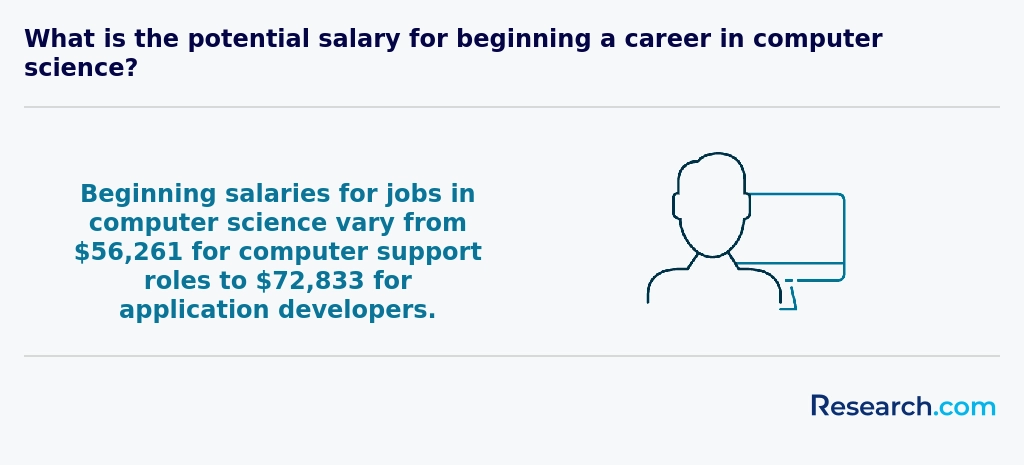
Graduates exploring computer science careers in Tulsa quickly realize the city offers more than the typical tech roles. Beyond software development, which boasts a median wage above $110,000 as of 2023, Tulsa's expanding tech ecosystem invites skills in cybersecurity, where protecting local industries like energy and healthcare becomes deeply rewarding. Many graduates from Tulsa colleges share how this direct impact on community security adds meaning to their work.
Data science, another prominent path, transforms numbers into actionable insights-a skill highly valued by employers eager to innovate. Alumni often recount how their analysis projects at local universities equipped them to meet this demand, highlighting growing job opportunities with Tulsa computer science degree holders. Other areas such as network administration and AI push graduates to leverage creativity and technical mastery in fast-evolving environments familiar to Tulsa's tech sector.
For those weighing the financial commitment, the reasonable tuition in Oklahoma public universities coupled with a low cost of living fuels optimism. Graduates advise prospective students to research accredited colleges online no cost to apply to extend options without excessive burden, making Tulsa an attractive launchpad for diverse and impactful tech careers.
The job market for computer science degree holders in Tulsa defies the typical metropolitan allure, offering instead a unique balance of opportunity and affordability. Graduates from popular local universities find themselves immersed in a growing tech ecosystem where software development, cybersecurity, and data analytics roles flourish. This environment is rich with chances to work for established employers like American Airlines or emerging sectors such as healthcare technology, reflecting Tulsa's evolving demand for skilled professionals. Such computer science job opportunities in Tulsa often come with competitive wages that feel especially rewarding against the city's lower cost of living, allowing graduates to start their careers with less financial pressure.
Students on campuses across Tulsa regularly share stories of internships turning into full-time roles, buoyed by local incubators supporting tech entrepreneurship. This vibrant local scene challenges the belief that top-tier tech jobs require relocation. By engaging in cooperative education, many find pathways that align with their personal goals and growth. If you lean toward the best career for introverts, Tulsa's tech sector may be the fertile ground you've been seeking, where meaningful work and steady career growth intersect with lifestyle benefits.
Taking the Tulsa computer science degree employment outlook into account reveals a compelling narrative: here, the future for graduates is neither uncertain nor disappointing but filled with promising avenues tailored to diverse ambitions and realities.
2027 Best Computer Science Degree Programs Ranking in Tulsa
Investing in your education is a significant decision that can shape your professional future, and the Research.com team fully recognizes the importance of making well-informed choices. To support prospective students in Tulsa, we have carefully developed the "2027 Best Computer Science Degree Programs Ranking in Tulsa." Our dedication to quality, credibility, and accuracy is demonstrated through thorough research and rigorous analysis performed in compiling this ranking.
We utilized the following reputable data sources to ensure a comprehensive evaluation of computer science programs:
By reviewing this ranking, readers will acquire valuable insights into the top computer science degree programs available in Tulsa, empowering them to make well-grounded decisions about their educational journey. For further information about our methodology, please visit our Research.com methodology page.


Frequently Asked Questions About computer science
Students pursuing computer science degrees in Tulsa can enhance their education by engaging with local industry and academic resources. Tulsa is home to institutions like the University of Tulsa and Tulsa Community College, which offer internships and cooperative education programs connecting students with tech companies.
Tulsa's growing tech sector, including firms such as ONEOK and Spirit AeroSystems, provides practical experience opportunities. According to the Oklahoma State Department of Education, Tulsa's tech employment grew by 8% over the last five years, illustrating increasing demand for skilled graduates.
Additionally, students can benefit from involvement in coding bootcamps, tech meetups, and student organizations focused on programming and software development. Utilizing Tulsa's public libraries and online platforms like Coursera supplements formal coursework effectively.
The computer science field is rapidly evolving, with several emerging niches gaining importance in Tulsa and beyond. Areas such as artificial intelligence (AI) and machine learning are expanding, driven by local tech startups and energy companies leveraging data for innovative solutions. Cybersecurity remains a critical focus due to increasing digital threats, with many Tulsa employers seeking specialists to protect infrastructure.
Another growth area is data science, where professionals analyze vast datasets to inform business decisions. Additionally, developments in blockchain technology and cloud computing continue to influence regional industries. According to the Oklahoma Employment Security Commission, Tulsa's tech sector is expected to grow by 12% through 2028, highlighting opportunities in these specialized fields.
After completing a computer science degree in Tulsa, it is essential to build practical skills that match employer expectations. Many local tech companies value hands-on experience gained through internships and cooperative education programs. Tulsa's growing tech sector offers internships at firms like ONEOK and American Electric Power, providing valuable real-world exposure.
Students should also develop a strong portfolio showcasing projects and coding skills. Participating in hackathons or contributing to open-source can demonstrate initiative. According to the Bureau of Labor Statistics, Oklahoma's tech employment is growing faster than the national average, highlighting promising job prospects.
Networking through Tulsa tech meetups and career fairs helps graduates connect with hiring managers. Certification in cloud computing or cybersecurity can further improve employability in this competitive market.
Employers in Tulsa increasingly seek computer science graduates with strong technical and soft skills. Core technical abilities include proficiency in programming languages such as Python, Java, and C++, as reported by local industry analyses from the Tulsa Technology Center. Employers also value knowledge in data structures, algorithms, and software development practices.
Beyond coding, teamwork and communication skills are critical. Tulsa's growing tech companies, including those in energy and aerospace sectors, emphasize collaboration across interdisciplinary teams. According to the Tulsa Regional Chamber, 70% of employers prioritize problem-solving and adaptability in entry-level computer science roles.
Familiarity with cloud computing and cybersecurity is another advantage for graduates in Tulsa's competitive job market.
Finding internships in Tulsa relevant to a computer science degree involves a combination of local research, networking, and leveraging university resources. Tulsa hosts a growing tech industry, with companies like ONEOK and Williams Companies offering opportunities for tech internships. Students should use campus career centers, such as those at the University of Tulsa and Tulsa Community College, which often partner with local employers to provide exclusive internship listings.
Online job boards like Handshake and LinkedIn are valuable tools for discovering roles specifically targeted at computer science students in Tulsa. Additionally, professional organizations such as the Tulsa chapter of the Association for Computing Machinery (ACM) can help students connect with industry professionals and learn about internship openings.
According to the Tulsa Regional Chamber, the local tech sector grew by 8% in 2023, increasing the demand for interns with skills in programming and software development. Applying early and tailoring resumes to highlight programming languages and project experience commonly requested in Tulsa's tech job postings is essential for success.
In Tulsa, a computer science degree significantly enhances career mobility and advancement opportunities. The city's growing tech sector includes companies in software development, cybersecurity, and data analytics, increasing demand for skilled graduates. According to the Tulsa Metro Chamber, Tulsa's tech industry jobs grew by 12% between 2017 and 2022, outpacing national averages. This growth means degree holders can access a wider range of roles and higher salaries.
Employers in Tulsa often seek candidates with formal computer science education, valuing the strong foundation in programming, algorithms, and systems provided by accredited programs. Graduates typically find opportunities for rapid skill development and promotion within local industries.
Studying for a computer science degree in Tulsa offers students unique opportunities to engage in interdisciplinary learning. Many Tulsa institutions emphasize collaboration between computer science and fields like business, engineering, and healthcare. This approach reflects the regional job market, where about 15% of tech roles require hybrid skills, according to the Tulsa Regional Chamber.
Courses often integrate programming with real-world applications, preparing students to solve complex problems beyond traditional computing. Local partnerships with companies in energy and aerospace also provide hands-on experience in diverse industries.
Furthermore, Tulsa's growing tech scene supports internships and projects that bridge computer science with data analysis, cybersecurity, and software development, enhancing students' adaptability in interdisciplinary roles.
When choosing between a thesis and a non-thesis computer science degree program in Tulsa, consider your career goals and learning style. Thesis programs focus on independent research, preparing students for PhD studies or R&D roles. Non-thesis options emphasize coursework and practical skills, suitable for immediate industry employment or professional advancement.
Universities in Tulsa, such as the University of Tulsa, offer both tracks, with thesis students dedicating significant time to research papers. According to the National Center for Education Statistics, about 40% of Tulsa's computer science graduates choose the non-thesis path due to its flexibility and faster completion.
Assess whether you prefer detailed research or applied learning. Also, check faculty expertise and available resources for thesis supervision at local schools to support your decision.
Students based in Tulsa seeking to study computer science abroad have several pathways through local universities' international programs. The University of Tulsa and Tulsa Community College offer study abroad opportunities that include exchanges and partnerships with universities in Europe and Asia, allowing students to gain global experience while earning credits.
According to the Institute of International Education, participation in STEM-related study abroad programs has increased by 25% nationally, reflecting growing interest in computer science fields. Tulsa's institutions often support students with scholarships geared toward international research and internships in technology sectors.
Additionally, students can explore online collaborative programs with foreign universities, which provide exposure to global curricula without relocating. These options help Tulsa students develop cross-cultural skills vital for careers in the global tech industry.
Students pursuing computer science degrees in Tulsa have various part-time job opportunities that complement their education. Positions such as IT support technician, web developer intern, and data analyst assistant are common roles that provide hands-on experience with real-world technology applications. Tulsa's thriving tech sector, including companies like Gateway and ONEOK, offers internships and entry-level jobs beneficial for building practical skills.
According to the Tulsa Regional Chamber, the local tech industry has grown steadily, increasing demand for skilled computer science students. Part-time roles in software testing, network administration, and coding support can enhance learning beyond the classroom. These jobs help develop problem-solving abilities and familiarity with programming languages, boosting students' employability after graduation.
Computer science students in Tulsa benefit from a variety of networking opportunities that enhance their career prospects. Local universities like the University of Tulsa and Oklahoma State University-Tulsa host career fairs and tech meetups, connecting students with employers from Tulsa's growing technology sector. The Tulsa Technology Center also offers workshops and events tailored to networking in IT fields. Additionally, Tulsa has a vibrant tech community supported by organizations such as 36 Degrees North and Tulsa Innovation Labs, which regularly arrange networking events and hackathons. According to Tulsa Regional Chamber, the tech industry employs over 10,000 professionals locally, providing numerous connections for students.
Alumni networks provide valuable support for computer science degree students in Tulsa by offering access to professional connections within the local tech industry. Many Tulsa-based companies, such as Tulsa Tech and local startups, actively recruit graduates through these networks.
Networks can help students find internships, mentorships, and job opportunities, which are crucial for gaining real-world experience. According to the National Association of Colleges and Employers (NACE), 60% of tech jobs in the US are secured through networking, highlighting the importance of alumni ties.
Additionally, alumni events and online platforms foster relationships that encourage knowledge sharing and collaboration among Tulsa's computer science community.
Customizing a computer science degree program in Tulsa allows students to align their education with specific career goals. Many local universities offer elective courses and concentrations such as cybersecurity, software engineering, and data science. This flexibility helps tailor the degree to industry demands.
Internships and cooperative education opportunities with Tulsa-based tech companies provide practical experience and professional networking. According to the Tulsa Regional Chamber, the tech sector in Tulsa grew 8% in 2023, increasing demand for specialized skills.
Students can also engage in research projects or join computing clubs to deepen expertise. Academic advisors play a key role in guiding course selection for personalized career paths.
Computer science students in Tulsa commonly face several challenges related to rigorous coursework and evolving technology demands. Many students find balancing intense programming classes and theoretical concepts difficult, especially in early semesters where foundational knowledge is critical. According to Tulsa Community College data, nearly 40% of STEM students report struggles with time management and workload.
Another challenge is limited access to industry internships within Tulsa's growing but comparatively smaller tech sector. This can affect hands-on experience and job readiness post-graduation. Additionally, students often encounter difficulties in keeping pace with rapid advancements in programming languages and software tools.
Financial barriers also exist, with in-state tuition averaging around $3,300 per year for public institutions in Oklahoma, which still poses challenges for underserved populations. Lastly, students may face limited local research opportunities compared to larger metropolitan areas, impacting exposure to cutting-edge computer science projects.
With a computer science degree in Tulsa, graduates can pursue a variety of professional certifications to enhance their careers. Common certifications include the Certified Information Systems Security Professional (CISSP), which is highly regarded in cybersecurity roles. Another popular option is the Certified Software Development Professional (CSDP), recognized for demonstrating advanced software engineering skills.
Many employers in Tulsa value certifications from industry leaders like Microsoft, Cisco, and Amazon Web Services (AWS), which offer certificates such as Microsoft Certified: Azure Developer, Cisco Certified Network Associate (CCNA), and AWS Certified Solutions Architect.
According to Tulsa Tech and local industry reports, obtaining these certifications can increase a professional's earning potential by up to 20%. They also improve job prospects in Tulsa's growing tech sector, which supports over 10,000 technology-related jobs as of 2023.
Writing a winning application for a computer science program in Tulsa begins with demonstrating strong foundational skills in mathematics and programming. Many Tulsa institutions, such as the University of Tulsa and Tulsa Community College, emphasize applicants' academic records, so maintaining a GPA of 3.0 or higher enhances your chances. Additionally, highlighting any relevant work experience or personal coding projects can set your application apart.
Including a clear personal statement that explains your motivation for studying computer science and your career goals is crucial. The Tulsa Regional Chamber reports growing tech opportunities locally, so mentioning your intent to contribute to this expanding sector adds context. Finally, securing strong letters of recommendation from teachers or employers familiar with your technical abilities can significantly strengthen your profile.
Computer science careers are increasingly viewed through a global lens, reflecting the universal demand for technology skills. In the United States, and specifically in Tulsa, the field is expanding rapidly with a 15% expected job growth rate nationwide through 2031, according to the U.S. Bureau of Labor Statistics. This growth is driven by innovation in areas like artificial intelligence, cybersecurity, and cloud computing.
Globally, the demand parallels U.S. trends but varies by region depending on technological infrastructure. Studying computer science in Tulsa offers a strong foundation to participate in this worldwide market, as Tulsa's tech sector supports growing companies connected internationally.
According to the Tulsa Regional Chamber, local startups and established firms increasingly seek graduates with skills that can adapt to multinational projects, emphasizing the need for global collaboration skills alongside technical expertise.
Gaining practical experience while studying computer science in Tulsa is essential for career readiness. Many local universities encourage students to participate in internships with Tulsa's growing tech sector, which includes companies in software development, telecommunications, and aerospace. According to Tulsa Regional Chamber, over 10,000 tech-related jobs are available in the area, creating ample internship opportunities.
Students can also join coding clubs and hackathons hosted by educational institutions or community groups, providing hands-on project work. Additionally, Tulsa campuses often collaborate with businesses on real-world projects, allowing students to apply theoretical knowledge. Online platforms like Tulsa's Tech Forum offer networking events that connect students with industry professionals.
Choosing the right concentration within a computer science degree program in Tulsa depends on your career goals and interests. Tulsa's tech industry focuses on areas like software development, cybersecurity, and data analytics. According to the Tulsa Regional Chamber, demand for cybersecurity professionals grew by over 30% in recent years, making it a promising field.
Consider how each concentration aligns with job opportunities in Tulsa's growing sectors, such as energy and finance. Research faculty expertise and available internships at local universities like the University of Tulsa or Oral Roberts University. Practical experience combined with chosen specializations often improves employment prospects within this competitive market.
Understanding course requirements and elective flexibility is important, as some programs offer interdisciplinary options. Also, explore industry partnerships that can provide mentoring and networking, crucial for launching your career in Tulsa's evolving tech landscape.
- 2027 Best Computer Science Degree Programs Ranking in Edmond
- 2027 Best Computer Science Degree Programs Ranking in Dallas
- 2027 Best Computer Science Degree Programs Ranking in Memphis
- 2027 Best Computer Science Degree Programs Ranking in Omaha
- 2027 Best Computer Science Degree Programs Ranking in Saint Louis
- 2027 Best Computer Science Degree Programs Ranking in College Station
- 2027 Best Computer Science Degree Programs Ranking in Ames
- 2027 Best Computer Science Degree Programs Ranking in Houston
- 2027 Best Computer Science Degree Programs Ranking in Lafayette
- 2027 Best Computer Science Degree Programs Ranking in Baton Rouge
See What Experts Have To Say About Studying Computer Science
Read our interview with Computer Science experts

Kathleen M. Carley
Computer Science Expert
Professor of Computer Science
Carnegie Mellon University

Imed Bouchrika, Phd
Computer Science Expert
Professor of Computer Science
National Higher School of Artificial Intelligence

Derek Riley
Computer Science Expert
Professor, Program Director
Milwaukee School of Engineering

Elan Barenholtz
Computer Science Expert
Associate Professor
Florida Atlantic University

- Computer Science students create live network in simulated scenario https://www.stmartin.edu/news-and-stories/stories/computer-science-students-create-live-network-simulated-scenario
- Computer Science Alumni Council https://www.myniu.com/article.html
- Challenges That Frustrate Computer Science Teachers https://codeeasy.io/blog/challenges-that-frustrate-computer-science-teachers
- How to choose a bachelor's in computer science | edX https://www.edx.org/resources/how-to-choose-a-bachelors-in-computer-science
- A Holistic Approach to Studying Interdisciplinary Collaboration: Computer Science https://sciety.org/articles/activity/10.21203/rs.3.rs-8694985/v1
- Top Careers in Computer Science | Careers, Salaries, and Resources https://www.computerscience.org/careers/
- Ada Computer Science https://adacomputerscience.org/student_challenges
- Letter of Motivation for applying Computer Science related fields https://essayforum.com/letters/motivation-applying-computer-science-related-11858/
- Fields of Work in Computer Science: Top IT Careers | Walbrook https://www.walbrook.ac.uk/subjects/computer-science/computer-science-fields-of-work-career-in-it/
- Best Computer Science Degree Programs in Oklahoma, 2026 Rankings https://hakia.com/degrees/computer-science/oklahoma/