2027 Best Computer Science Degree Programs Ranking in Durham

Co-Founder and Chief Data Scientist
Choosing the right computer science degree program in Durham can feel overwhelming. To make this easier, the 2027 Best Computer Science Degree Programs Ranking in Durham was created by the Research.com team of data scientists. This ranking helps students like you identify the top programs worth considering.
By reading this article, you'll gain clear insights to guide your decision. A strong computer science degree opens doors to exciting career opportunities and personal growth. Explore your options confidently and take a meaningful step toward a rewarding future.
Key benefits of getting computer science degree in Durham
- Salary for computer science degree graduates: Graduates can expect competitive salaries, with Software Engineers and Developers earning around $138,110 annually and Web Developers making approximately $95,570, ensuring strong financial stability.
- Potential career paths: A computer science graduate from Durham's local universities can pursue roles such as Software Engineer, Data Analyst, or IT Support Specialist, offering diverse opportunities in tech and data fields.
- Benefits of online degrees: Earning a computer science degree online in Durham provides flexibility, allowing students to balance work or family while gaining the same promising career prospects as traditional graduates.
- 2027 Best Computer Science Degree Programs Ranking in Durham
- What can I expect from computer science degree in Durham?
- Where can I work with computer science degree in Durham?
What can I expect from computer science degree in Durham?
The average cost of pursuing a computer science degree in Durham varies significantly depending on the institution. For example, students attending Duke University typically face tuition fees above $60,000 per year. Many graduates describe this investment as worthwhile due to Duke's rigorous curriculum and strong research connections in fields like artificial intelligence and cybersecurity, which often lead to well-paying internships and job offers.
In contrast, students at North Carolina Central University (NCCU) benefit from more affordable tuition rates, generally around $8,000 annually for in-state undergraduates. Graduates from NCCU often share how this affordability allowed them to focus more on gaining practical experience through local internships and networking within Durham's thriving tech scene, without the heavy burden of debt.
Both institutions offer financial aid and scholarships, making a computer science degree in Durham achievable for many. Practical experience such as capstone projects and collaborations with Research Triangle Park companies frequently enhances career readiness, helping graduates feel confident and optimistic about their futures.
Where can I work with computer science degree in Durham?
Graduates from computer science programs at Durham's leading institutions, such as Duke University and Durham Tech, find themselves in a dynamic job market fueled by the nearby Research Triangle Park (RTP). With over 300 companies like IBM and Cisco headquartered there, opportunities abound in software development, data analysis, and network engineering. Many graduates share their excitement about landing roles in healthcare technology firms like BioCatch, where they apply skills in machine learning and cybersecurity to real-world problems.
Students often benefit from internships and cooperative education programs connecting them directly to startups and established tech companies in the region. For example, Durham Tech students have leveraged the Durham Tech Startup Hub to secure positions focused on app development and cloud computing, gaining invaluable hands-on experience early on.
Additionally, some graduates are energized by public sector roles supporting Durham's municipal IT projects and educational technology initiatives, enjoying the chance to contribute to community development through innovative digital solutions.
Graduates with a computer science degree from Durham's well-regarded universities often start their careers earning between $65,000 and $75,000 annually. For instance, recent graduates working as software developers in the local tech scene typically earn around $138,110, aligning with national averages reported by the U.S. Bureau of Labor Statistics. Entry-level roles like IT support specialists begin closer to $63,640 per year, offering a solid foundation for growth.
As experience builds, many Durham graduates transition into higher-paying positions. Data analysts can expect mean annual salaries near $119,040, while web developers often earn around $95,570. Salaries rise further with specialization in areas such as machine learning or cybersecurity.
Graduates from Durham's prominent computer science programs find ample opportunities within the Research Triangle Park's innovative environment. These professionals typically experience salary growth to over $100,000 within five to ten years, thanks to the region's vibrant tech industry and demand for specialized skills.
- Tuition for computer science programs in Durham ranges from $12,000 to $40,000 per year, varying by institution type and residency status.
- Starting salaries for computer science graduates are typically between $65,000 and $80,000 annually.
- Experienced professionals often earn $110,000 or more after five to ten years in the field.
- The local job market includes sectors like software development, data analytics, cybersecurity, and artificial intelligence.
- Durham's unemployment rate for computer science professionals is consistently below the national average, reflecting strong demand.
The typical time to complete a computer science degree in Durham varies based on the program and study format. Most undergraduates at local universities finish their Bachelor of Science in Computer Science in about four years of full-time study. Graduates often mention how this timeframe fits well with hands-on projects and internships offered by Durham's tech-related companies, enriching their learning experience.
Part-time students balancing work or family commitments tend to take five to six years, benefiting from the flexibility Durham institutions provide. This allows steady progress without feeling overwhelmed, a common positive remark among returning students.
For those pursuing a Master's in Computer Science, Durham schools typically require one to two years full-time, though some offer part-time or accelerated options stretching up to three years. Graduates appreciate these pathways, especially working professionals keen to advance their skills without pausing their careers.
Online and hybrid formats offered by Durham colleges further adapt to students' busy schedules, enabling completion at a personalized pace while maintaining quality education rooted in the local tech ecosystem.
Online and on-campus computer science programs in Durham differ mainly in delivery and experience. Online degrees, like North Carolina Central University's program, offer flexibility to study anytime from home, perfect for balancing work or family. Graduates appreciate managing their own pace without commuting, saving costs on housing and transport.
On-campus degrees, such as Duke University's, immerse students in campus life with hands-on labs, direct faculty support, and networking. Graduates often highlight the value of collaborating on projects and attending tech events that spark motivation and deeper learning.
Cost differences are notable. While online programs generally reduce living expenses, on-campus students face added costs of about $10,000 annually in Durham for housing and fees. Both options offer financial aid, but it can vary by program.
Completion speed also varies; some online courses allow faster progress, whereas on-campus programs follow fixed semester schedules. Choosing depends on your learning style, budget, and lifestyle in Durham's unique academic environment.
Durham, NC, offers much more than top-tier academics-its vibrant campus life and dynamic local tech community play an essential role in shaping a well-rounded educational experience. Students not only benefit from rigorous coursework in Computer Science but also from a lively social environment that fosters collaboration, creativity, and innovation. Campuses in Durham typically feature modern facilities, active student organizations, and tech-focused clubs that create an energetic atmosphere conducive to both personal and professional growth. Numerous networking events, tech meetups, and hackathons enable students to interact with industry professionals and alumni, cultivating relationships that can pave the way for rewarding internships and job opportunities. For many prospective students, balancing affordability with quality education is integral. Exploring options like the cheapest computer science programs in north carolina may provide valuable insights into budget-friendly yet high-caliber choices available in the region. Whether you are drawn by the allure of cutting-edge research centers, competitive student competitions, or the promise of lifelong connections in a bustling tech hub, Durham’s unique blend of academic excellence and community spirit prepares students for success both inside and beyond the classroom.
The average cost of obtaining a computer science degree in Durham can vary widely depending on the institution and residency status. In-state students at public institutions, including Durham Technical Community College and other regional universities, often face an average total cost around $68,758. This figure includes tuition, fees, and living expenses, reflecting the total expenses for computer science degree Durham students typically encounter.
Graduates from Duke University, a well-known private institution in Durham, often recall managing tuition and mandatory fees near $63,000 per year. While higher, the university offers numerous scholarships and financial aid options that many students successfully leverage to reduce costs, making the investment more manageable. Other students appreciate starting at Durham Technical Community College, where annual tuition hovers around $4,000 for in-state learners, allowing for a budget-friendly path that builds a strong foundation before transferring to a four-year program.
Beyond tuition, practical costs like books, supplies, room, and board can add significantly to expenses, sometimes reaching $15,000 annually. Many students find it helpful to plan carefully by combining financial aid, scholarships, and on-campus work-study. Prospective students can also explore the shortest doctoral programs available if aiming to fast-track their computer science education in the region.

Durham’s leading computer science programs stand out for their exceptional faculty and robust research infrastructure. At Duke University, for example, students collaborate with award-winning professors on projects in machine learning, cybersecurity, and human–computer interaction, often publishing in top journals and presenting at international conferences. North Carolina Central University offers research assistantships in data science and software engineering labs, while Durham Technical Community College partners with local tech firms to provide hands-on research experiences. These programs secure millions in funding from agencies like the National Science Foundation and industry leaders based in Research Triangle Park, ensuring students work with cutting-edge tools and real-world data sets. Undergraduates can join interdisciplinary teams tackling healthcare informatics or environmental modeling, gaining transferable skills that boost employability. Graduate students benefit from dedicated mentorship, grant writing workshops, and access to high-performance computing clusters. For those balancing affordability with research ambitions, explore the Most Affordable Online Computer Science Degree Programs Ranking in the West to find programs that offer virtual lab access and faculty-led research opportunities.
Students pursuing a computer science degree in Durham can access a variety of financial aid options that make college more affordable. Graduates from Duke University often recall how federal aid transformed their experience-by completing the FAFSA, they qualified for Pell Grants covering up to $7,395 annually and Federal Direct Student Loans with manageable repayment plans tailored for tech students.
North Carolina Central University students benefit from merit-based scholarships and grants aimed at STEM fields, helping reduce tuition costs dramatically. These awards reward academic effort, making hard work pay off in real financial relief.
Many students find local tech companies' internship scholarships invaluable, providing both funding and hands-on experience, which graduates describe as a game-changer for launching their careers.
Statewide programs from the North Carolina State Education Assistance Authority offer loan forgiveness options for those who commit to working in STEM fields post-graduation, a perfect fit for computer science majors wanting to stay in Durham's vibrant tech scene.
Starting early and tapping into these resources creates a path where financial worries fade and learning thrives.
To secure a spot in one of Durham’s top Computer Science programs, it’s essential to understand each institution’s application cycle and required materials. Below is a consolidated timeline and checklist to help you apply on time: • Application Windows – Early Decision/Early Action (Duke University): Typically opens August 1; deadline October 15. – Regular Decision (Duke University & NC Central University): Opens September 1; deadline January 15. – Rolling Admission (Durham Technical Community College & Online Programs): Applications accepted year-round, but priority deadlines by June 1 for fall enrollment. • Required Materials 1. Official high school or college transcripts demonstrating strong math and science coursework. 2. Standardized test scores (SAT or ACT) where applicable; some programs now offer test-optional applications but recommend submitting scores for scholarship consideration. 3. Personal statement: Describe your passion for programming, research interests (e.g., AI or cybersecurity), and any hands-on projects. If you’re considering a cybersecurity track, review what jobs does a cybersecurity degree get you to align your narrative with in-demand career outcomes. 4. Two letters of recommendation from teachers or mentors who can attest to your problem-solving skills and academic potential. 5. Resume highlighting internships, hackathons, open-source contributions, or relevant certifications. • Timeline Tips – June–July: Request transcripts and draft personal statement. – August–September: Secure recommendation letters and finalize resume. – October–December: Submit Early Decision/Early Action or Regular Decision applications; verify receipt of all materials. – January–March: Track admission decisions, apply for campus tours, and complete financial aid forms (FAFSA deadline typically March 1 for NC residents). – April–May: Confirm acceptance and submit enrollment deposit by May 1 to hold your place. Staying organized with calendars and application portals ensures you meet each deadline. Reach out to admissions offices for program-specific questions and consider attending virtual information sessions to strengthen your application’s impact.
To enroll in a computer science degree program in Durham, prospective students must typically have completed high school with a strong foundation in mathematics and science. Graduates from local universities like Duke University and North Carolina Central University often stress the importance of excelling in courses such as Algebra, Geometry, and Physics before applying. This preparation builds the critical thinking and problem-solving skills necessary for success in demanding college-level coursework.
Undergraduate applicants usually submit transcripts showing these academic strengths, and many programs value experience with programming languages like Python or Java, which can make the transition to college classes smoother. Some applicants recall how early exposure to coding projects boosted their confidence and helped them feel prepared on day one.
Graduate applicants must hold a bachelor's degree and provide letters of recommendation along with a statement of purpose to demonstrate clear goals. They may also need to submit standardized test scores, like the GRE, depending on the university. This thorough preparation helps students confidently tackle the challenges of Durham's rigorous computer science programs.

Students pursuing computer science degrees in Durham typically engage with foundational courses like programming fundamentals, learning languages such as Python, Java, or C++. Graduates from local colleges often share how these skills empowered them to build real-world apps early on, boosting their confidence. Core studies in data structures and algorithms sharpen problem-solving skills crucial in tech roles, making everyday tasks like optimizing code feel rewarding and manageable.
Courses on computer architecture and operating systems provide insights into how hardware and software interact, helping students grasp the inner workings of their devices. Those attending Durham's popular universities find software engineering classes particularly valuable, gaining hands-on experience with teamwork and project management by developing collaborative software projects.
Databases and computer networks classes train students to handle data storage and internet communications effectively-a skill many say is key to landing internships in the nearby Research Triangle Park. Electives like artificial intelligence and mobile app development allow students to explore passions, making learning felt relevant to their career goals and local industry needs.
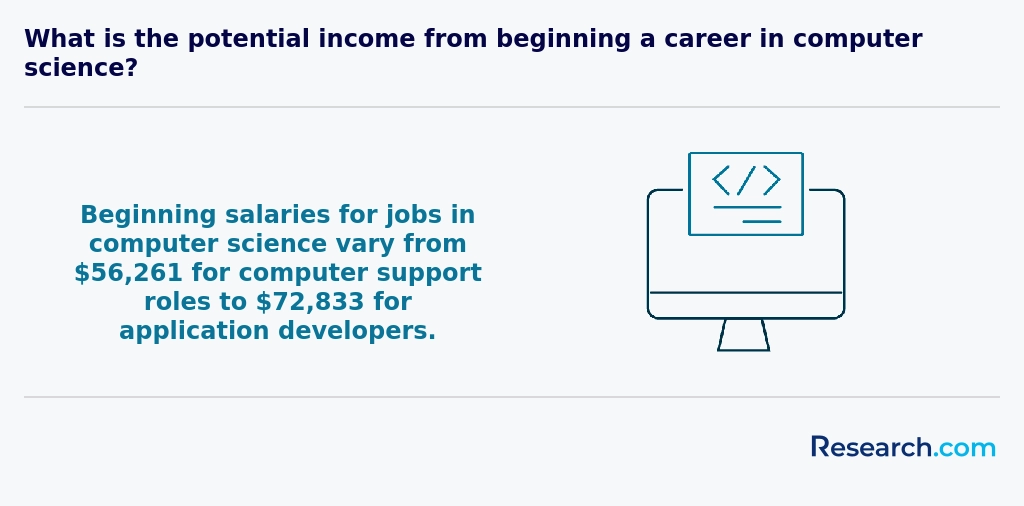
Students pursuing a computer science degree in Durham can specialize in several practical areas that align well with local industry demands. Popular specializations include Software Engineering, which focuses on creating and managing software projects, and Data Science and Analytics, a field where graduates gain skills to analyze complex data-ideal for those looking to thrive in Durham's growing tech scene. Cybersecurity is another critical track, emphasizing protection against digital threats through cryptography and network defense.
Durham computer science program focus areas also include Artificial Intelligence and Machine Learning, preparing students to develop intelligent systems, and Human-Computer Interaction, blending technology with user-centered design. Graduates from institutions like Duke University often highlight how working on real-world projects in these specializations boosted their confidence and marketability.
For those exploring career paths, understanding software engineer skills and qualifications early in the program helps tailor specialization choices to successful outcomes. These hands-on specializations effectively prepare students for roles in the Research Triangle Park and beyond.
When choosing the best computer science degree in Durham, start by examining program accreditation and the reputation of institutions such as Duke University, known for its strong STEM focus. Graduates often highlight how accredited programs provided both a solid theoretical foundation and practical skills, crucial for thriving in the tech industry.
Next, weigh the cost against available financial aid. Many students find affordable computer science degrees Durham offers at public universities to be a smart balance between quality and expense, especially when compared to private tuition that can exceed $60,000 annually. Considering scholarships or aid can significantly ease financial pressure.
Look into curriculum options and specializations-programs here typically cover essentials like algorithms and data structures, but some allow focus on AI or cybersecurity, enhancing job prospects. Students often appreciate pathways that align well with their passions and emerging tech fields.
Capitalize on Durham's vibrant tech scene by choosing schools that provide strong internship programs and career support, which many graduates say were key to launching their professional journey. For insight on career paths in information systems, this connection can be invaluable.
Finally, consider class sizes and faculty expertise. Smaller, engaged classes led by active researchers foster a supportive learning environment, making your educational experience in Durham both rewarding and inspiring.
Graduates with a computer science degree in Durham find diverse career paths, leveraging the area's strong ties to technology and innovation. Popular roles include software engineer, data scientist, cybersecurity specialist, and machine learning engineer, fitting the dynamic needs of Durham's thriving tech ecosystem. Many graduates from universities or colleges here share experiences of securing jobs quickly by engaging with employers from Research Triangle Park during internships, which enhances both skills and confidence.
Durham computer science degree job prospects often extend into research and development, supported by collaborations between local universities and industry leaders. Graduates pursue advanced roles in academic or commercial research or continue education to deepen expertise. These paths enable graduates to contribute to cutting-edge projects that energize Durham's tech community.
For students exploring options, networking through university career centers and tapping into employment in computer science can unlock rewarding positions locally. Applying practical skills in real-world settings is key to thriving in Durham's competitive yet supportive environment.
Understanding computer science career opportunities in Durham helps graduates target roles aligned with their strengths and aspirations, making it easier to plan a sustainable future in tech-centric industries.

The computer science job opportunities in Durham are robust, supported by a dynamic local tech industry fueled by companies like IBM, Cisco, and SAS Institute. Graduates from universities such as Duke University and North Carolina Central University often find internships and co-op programs that lead directly to full-time roles in areas like cybersecurity, data analysis, and AI development. One graduate shared how their hands-on experience through a university partnership landed them a position with a growing startup in Durham's tech scene, highlighting the benefits of community connections.
Durham's tech industry employment outlook remains positive, with steady demand for skilled professionals. Many graduates appreciate the balance of competitive salaries and a lower cost of living, making it easier to build a stable career locally. Students are encouraged to explore specialized fields and leverage networking events hosted by local universities. For those looking to maximize value, researching the cheapest computer science programs in north carolina can provide affordable paths into this thriving market.
2027 Best Computer Science Degree Programs Ranking in Durham
Investing in your education is a significant decision that can shape your future, and the Research.com team is committed to helping you make well-informed choices. To support prospective students in Durham, we have carefully developed the "2027 Best Computer Science Degree Programs Ranking in Durham." Our dedication to quality, credibility, and accuracy is evident in the thorough research and analysis behind this ranking. We utilized the following reputable data sources to ensure a comprehensive evaluation of computer science programs:
By exploring this ranking, readers will gain valuable insights into the top computer science degree programs offered in Durham, aiding them in selecting the program that best suits their goals and aspirations. For more details on our methodology, please visit our Research.com methodology page.

Frequently Asked Questions About computer science
Students pursuing computer science degrees in Durham can enhance their learning by engaging deeply with both theoretical and practical aspects of their studies. Taking advantage of local internship opportunities with technology companies in the Research Triangle Park area connects classroom knowledge to real-world applications. According to the Bureau of Labor Statistics, hands-on experience significantly improves job prospects in this field.
Additionally, participating in campus coding clubs and hackathons offers collaborative problem-solving practice and networking benefits. Utilizing university resources, such as tutoring centers and faculty office hours, also supports academic success. Durham's close proximity to leading tech firms provides unique chances for mentorship and industry insights.
Emerging niches in computer science are rapidly shaping the future of technology careers, especially in dynamic education hubs like Durham. Areas such as artificial intelligence (AI) and machine learning continue to expand, with the U.S. Bureau of Labor Statistics projecting a 15% growth in related jobs by 2031. Cybersecurity is another high-demand niche, crucial for protecting sensitive data in increasingly digital environments.
Durham's proximity to tech firms and research institutions supports specialized studies in data science and bioinformatics. Additionally, fields like quantum computing and blockchain technology are gaining traction within academic programs, preparing students for cutting-edge innovations. These emerging areas offer strong career prospects for those pursuing computer science degrees.
After completing a computer science degree in Durham, preparing for the job market involves several strategic steps. Engaging in internships during studies notably increases employment chances, with the National Association of Colleges and Employers (NACE) reporting that 56% of computer science graduates with internships receive job offers upon graduation.
Networking is crucial; Durham hosts tech meetups and connections to nearby Research Triangle Park employers, offering opportunities to meet industry professionals. Additionally, developing a portfolio of projects on platforms like GitHub demonstrates practical skills to recruiters.
Graduates should also polish soft skills such as communication and teamwork, which a 2023 LinkedIn survey identified as key for tech roles. Considering certification in emerging fields like cybersecurity can further boost marketability in Durham's growing tech ecosystem.
Employers seeking computer science graduates in Durham prioritize a balance of technical and soft skills. Proficiency in programming languages such as Python, Java, and C++ remains fundamental. According to a 2023 LinkedIn report, 72% of local employers emphasize coding expertise alongside problem-solving abilities.
Analytical thinking is highly valued, as graduates must be capable of debugging complex software and optimizing algorithms. Communication skills also rank strongly, with 65% of surveyed companies in Durham highlighting teamwork and the ability to explain technical concepts clearly.
Knowledge of emerging fields like cybersecurity, data analytics, and cloud computing often gives candidates an edge in Durham's competitive job market. Familiarity with frameworks and tools such as AWS or machine learning libraries further increases employability.
Finding internships in Durham relevant to a computer science degree involves leveraging local industry connections and university resources. Durham is home to a growing tech scene, supported by nearby Research Triangle Park, which includes over 300 companies specializing in technology and research.
Students should begin by utilizing career services at local universities, such as Duke University and North Carolina Central University, both offering dedicated internship placement programs for computer science majors. These offices often host career fairs and maintain job boards with internships specifically targeting tech fields.
Networking through local meetups and tech organizations like the Durham Tech Association can provide personal connections to companies seeking interns. Additionally, online platforms like Handshake and LinkedIn list opportunities in Durham's tech market, often updated with roles requiring skills in programming, data science, and cybersecurity.
According to the National Association of Colleges and Employers (NACE), nearly 60% of computer science students secure internships before graduation when actively using these resources, improving job placement prospects in competitive markets.
A computer science degree in Durham significantly enhances career mobility and advancement opportunities. The city is home to a growing tech sector, including startups and established companies, which increases demand for skilled professionals.
According to the U.S. Bureau of Labor Statistics, computer and information technology jobs in Durham have grown faster than the national average, projecting a 15% increase by 2030. Graduates with a degree benefit from competitive salaries and clear pathways toward management roles or specialized technical positions.
Many local employers also prefer candidates with formal computer science training due to the complexity of emerging technologies, such as artificial intelligence and cybersecurity.
Studying for a computer science degree in Durham equips students with skills valuable for interdisciplinary roles by emphasizing collaboration across fields. Many Durham programs integrate computer science with areas like biology, economics, and engineering, reflecting trends in the US workforce. According to the National Center for Education Statistics, computer science graduates increasingly work in interdisciplinary teams, addressing complex problems.
Durham's proximity to research institutions and technology companies provides opportunities for applied learning and internships. This real-world exposure enhances students' abilities to apply computing concepts in diverse contexts. Coursework often includes data analysis, software development, and problem-solving techniques relevant to multiple disciplines.
These interdisciplinary experiences prepare graduates to adapt quickly, an essential trait for evolving industries. As noted by the Computing Research Association, 62% of computer science roles now require knowledge beyond traditional computing, highlighting the importance of such integrated programs.
Choosing between a thesis and a non-thesis computer science degree program in Durham depends largely on your career goals and learning preferences. Thesis programs, offered at universities such as Duke University and North Carolina Central University, emphasize research and typically require original work, which is ideal for those considering a PhD or research-intensive jobs.
Non-thesis programs focus more on coursework and practical skills, catering to students aiming for industry roles or immediate employment after graduation. According to NCES data, about 40% of Durham's computer science graduate students enroll in thesis options, showing moderate research interest.
Consider your commitment to research time and your professional aspirations before choosing.
Students based in Durham seeking to study computer science abroad have several pathways to consider. Many Durham students participate in exchange programs through Durham University's partnerships with institutions in the United States and Europe, allowing them to take courses while earning credits toward their degrees. Additionally, some US-affiliated universities near Durham, such as Duke University, offer study abroad options in regions known for tech innovation, including Silicon Valley, Singapore, and Germany.
According to the Institute of International Education, approximately 15% of US computer science undergraduates engage in international study experiences, often enhancing their technical and cultural skills. These opportunities can last from a semester to a full academic year.
Furthermore, specialized summer programs in computer science abroad provide shorter, intensive options for Durham students wanting global exposure without a lengthy commitment, fostering creativity and a wider professional network.
Durham offers a variety of part-time job opportunities that complement computer science degree education. Many students find roles as software development interns or IT support assistants within the city's growing tech sector. According to the Durham Chamber of Commerce, tech-related job openings have risen by 12% annually, providing hands-on experience that strengthens programming and troubleshooting skills.
Other common positions include data analyst internships and web development roles with local startups. These jobs allow students to apply classroom concepts to real-world projects, enhancing both technical and professional abilities.
Additionally, university campuses often hire computer science students as lab assistants or tutors, reinforcing their expertise while earning income.
Durham offers diverse networking opportunities for computer science students, helping them connect with peers and industry professionals. Local universities often host tech meetups and career fairs tailored to computer science, providing direct access to potential employers. For example, Duke University and North Carolina Central University organize events attracting top tech companies from the Research Triangle Park, a major US tech hub.
Students can join organizations such as the ACM student chapter or Women in Computing, which facilitate workshops and mentorship programs. According to the Triangle Business Journal, over 300 tech companies operate in the region, increasing internship and job placement options for students.
Regular hackathons and coding competitions sponsored by both academic institutions and local businesses encourage collaboration and real-world experience. Additionally, Durham's proximity to Raleigh and Chapel Hill expands opportunities for attending regional tech conferences and networking expos.
Alumni networks offer significant advantages to computer science students in Durham by providing access to a community of experienced professionals and recent graduates. These networks often host events, mentorship programs, and job fairs that help students build connections within the tech industry. According to the National Association of Colleges and Employers (NACE), students who engage with alumni networks report a 30% higher chance of securing internships and entry-level positions.
Durham's thriving tech sector supports these networks, often linking students with local startups and established firms. Access to career advice and insider knowledge enhances students' job readiness and professional growth.
In Durham, customizing a computer science degree to fit career goals often involves selecting electives and concentrations aligned with industry demands. Many universities offer tracks in areas such as artificial intelligence, cybersecurity, or software engineering. This approach allows students to build specialized skills while meeting core requirements.
Internships and cooperative education programs are also vital. Local tech companies frequently partner with schools, providing practical experience that complements academic learning. According to the National Center for Education Statistics, tailored programs improve employment outcomes significantly.
Additionally, pursuing research projects or certificates in emerging fields can further enhance career prospects.
Computer science students in Durham often face several common challenges throughout their studies. One significant hurdle is managing the demanding coursework that requires strong problem-solving skills and proficiency in programming languages such as Python and Java. According to the National Center for Education Statistics, nearly 40% of students in STEM fields report difficulty balancing theoretical concepts with practical coding assignments.
Additionally, many students struggle with time management, as courses in algorithms, data structures, and systems programming can be intensive and require consistent effort. Limited access to internship opportunities in Durham's competitive tech job market can also impact real-world experience, making career readiness a concern.
Lastly, collaboration and communication skills are essential yet challenging for some students, especially when working on team projects or research. Support services at local universities help alleviate these issues by offering tutoring and career counseling.
A computer science degree opens several professional certification pathways that can enhance career prospects, especially in tech hubs like Durham. Graduates often pursue certifications such as the Certified Information Systems Security Professional (CISSP) for cybersecurity roles, recognized nationally and valued by employers in Durham's growing tech sector.
Other popular options include the Cisco Certified Network Associate (CCNA), which is ideal for network engineering, and the Certified ScrumMaster (CSM) for those interested in project management within software development. According to the U.S. Bureau of Labor Statistics, certified professionals typically see a salary increase of 10-15% compared to non-certified peers.
In Durham, local employers often seek candidates with certifications aligned to cloud computing, such as the AWS Certified Solutions Architect, reflecting the area's expansion in cloud services and IT infrastructure.
Writing a winning application for a computer science program in Durham begins with demonstrating strong academic credentials. Most programs look for a solid background in mathematics and science with a high GPA, typically above 3.0 on a 4.0 scale. Including standardized test scores like the SAT or ACT can also strengthen your profile, though some schools in Durham have adopted test-optional policies since 2020.
Highlight any relevant extracurricular activities, such as coding clubs or internships, to show practical experience. Tailor your personal statement to explain why computer science fascinates you and how studying in Durham aligns with your career goals. Schools value clarity, focus, and originality in essays.
Letters of recommendation from teachers or professionals in STEM fields add credibility, especially if they speak to your problem-solving abilities. Finally, meet all application deadlines to ensure consideration.
Globally, computer science careers remain among the fastest-growing and highest-paying fields. In the United States, including Durham, this trend aligns strongly with international demand for skilled professionals in software development, data analysis, and cybersecurity. According to the U.S. Bureau of Labor Statistics, employment in computer and information technology occupations is projected to grow 15% from 2021 to 2031, much faster than the average for all jobs.
Durham benefits from its proximity to the Research Triangle Park, a major tech hub attracting companies worldwide. This creates unique opportunities for graduates to engage with global projects and innovation. Additionally, many Durham-based firms collaborate with international offices, making global perspectives essential for career success.
Understanding cross-cultural communication and global technology trends enhances employability. Universities in Durham often include these themes in their curricula, preparing students for careers beyond local boundaries.
Gaining practical experience while studying for a computer science degree in Durham can significantly enhance your job prospects. Many Durham institutions offer internship programs in collaboration with local tech companies in the Research Triangle Park, one of the largest research hubs in the US. Engaging in these internships allows students to apply classroom knowledge to real-world projects.
Additionally, students can participate in campus coding competitions, hackathons, or join tech clubs, which foster teamwork and problem-solving skills. Some universities also provide opportunities for undergraduate research under faculty supervision, a valuable experience for advanced study or careers in development and data science.
According to the National Association of Colleges and Employers (NACE), 67% of computer science graduates secure internships before graduation, underscoring the importance of practical experience. Utilizing Durham's strong industry connections can provide hands-on learning essential for a successful career in technology.
Choosing the right concentration within a computer science degree program in Durham depends on your interests and career goals. Common specializations include software development, cybersecurity, data science, and artificial intelligence. Research the specific courses offered by local schools like Duke University and North Carolina Central University, as their programs reflect the growing tech industry in the area.
Consider labor market trends; Durham's tech sector has grown 12% in the past five years, with high demand in cybersecurity and data analytics roles (NC Department of Commerce, 2023). Selecting a concentration aligned with local job opportunities can improve your employment prospects after graduation.
Look for programs with strong internship partnerships in Durham's Research Triangle Park to gain practical experience. Meeting with academic advisors can clarify how each concentration fits your goals based on current curriculum and industry needs.
- 2027 Best Computer Science Degree Programs Ranking in Washington
- 2027 Best Computer Science Degree Programs Ranking in College Park
- 2027 Best Computer Science Degree Programs Ranking in Baltimore
- 2027 Best Computer Science Degree Programs Ranking in Athens
- 2027 Best Computer Science Degree Programs Ranking in Pittsburgh
- 2027 Best Computer Science Degree Programs Ranking in Philadelphia
- 2027 Best Computer Science Degree Programs Ranking in Atlanta
- 2027 Best Computer Science Degree Programs Ranking in New York
- 2027 Best Computer Science Degree Programs Ranking in Nashville
- 2027 Best Computer Science Degree Programs Ranking in Bloomington
See What Experts Have To Say About Studying Computer Science
Read our interview with Computer Science experts

Kathleen M. Carley
Computer Science Expert
Professor of Computer Science
Carnegie Mellon University

Elan Barenholtz
Computer Science Expert
Associate Professor
Florida Atlantic University

Imed Bouchrika, Phd
Computer Science Expert
Professor of Computer Science
National Higher School of Artificial Intelligence

Martin Kang
Computer Science Expert
Assistant Professor
Loyola Marymount University

- How I stayed organized whilst studying a Computer Science degree and working a job - DEV Community https://dev.to/yusufcodes/how-i-stayed-organized-whilst-studying-a-computer-science-degree-and-working-a-job-2b4p
- Letter of Motivation for applying Computer Science related fields https://essayforum.com/letters/motivation-applying-computer-science-related-11858/
- Computer Science Internships | Programs For Students & Grads https://www.internhq.com/fields/computer-science-and-it/
- Tuition Fees - Durham University https://www.durham.ac.uk/study/undergraduate/fees-and-funding/tuition-fees/
- Essential Skills Every Computer Science Graduate Needs | LSBF https://lsbf.edu.my/blog/11-essential-skills-every-computer-science-graduate-needs/
- Tuition fees for International Students | Durham University ISC https://www.durhamisc.com/how-to-apply/fees
- How to Find Computer Science Work Experience in Year 12 https://www.savemyexams.com/learning-hub/careers/how-to-find-computer-science-work-experience-year-12/
- Top Careers in Computer Science | Careers, Salaries, and Resources https://www.computerscience.org/careers/
- Study Computer Science Abroad | Go Overseas https://www.gooverseas.com/study-abroad/computer-science
- BSc Computer Science at Durham University | Course Options https://courseoptions.com/uk/course/durham-uni/bsc-hons-computer-science-durham-uni