
2027 Most Affordable Business Degree Programs Ranking in Springfield

Co-Founder and Chief Data Scientist
Choosing the right business degree program in Springfield can be overwhelming. That's why this article shares the 2027 Most Affordable Business Degree Programs Ranking in Springfield, created by the Research.com team of data scientists. It's designed to help you make an informed choice about which programs offer the best value without sacrificing quality.
Reading this ranking gives you clear insight into affordable options that fit your goals and budget. A business degree can open doors to exciting career paths and personal growth. Let this guide inspire your next step toward success.
Key benefits of getting business degree in Springfield
- Salary potential: Business degree graduates in Springfield can expect strong earnings, with roles like Business Development Executive averaging $83,190 annually and Business Analyst positions reaching $112,950 annually.
- Career paths: Graduates from popular Springfield universities often pursue exciting careers in consulting, marketing, or finance, offering diverse opportunities to grow and succeed.
- Online degree benefits: Earning a business degree online from a trusted Springfield institution offers flexibility and convenience, enabling students to balance work and study while gaining valuable skills for today's dynamic job market.
- 2027 Most Affordable Business Degree Programs Ranking in Springfield
- What can I expect from business degree in Springfield?
- Where can I work with business degree in Springfield?
What can I expect from business degree in Springfield?
The average cost of earning a business degree in Springfield is both accessible and a worthwhile investment in your future. Graduates from popular local colleges often share how manageable tuition and fees allowed them to focus fully on immersive learning experiences rather than worrying about financial strain. Many students find that associate degrees typically range from $8,000 to $15,000, while bachelor's programs often fall between $20,000 and $35,000. Master's degrees, which build advanced expertise, usually cost around $25,000 to $45,000 depending on the institution.
These costs reflect a strong value, given the vibrant hands-on opportunities Springfield's business schools provide. Students regularly describe internships with thriving local companies and collaborative projects that amplify their classroom knowledge. The financial commitment opens doors to personalized instruction, small class sizes, and technology integration, such as data analysis tools and business simulation software, all forming a foundation for a confident, future-ready career.
Where can I work with business degree in Springfield?
Graduates from business programs at Springfield's top institutions often find themselves thriving in vibrant industries right in their hometown. With Springfield's economy anchored by healthcare giants like Mercy Hospital and CoxHealth, many find rewarding careers managing complex operations, guiding teams, and improving healthcare delivery-all while making a real difference in community well-being.
Others launch their careers in Springfield's bustling manufacturing sector, joining respected companies such as Bass Pro Shops or O'Reilly Automotive. Business graduates contribute by streamlining supply chains, leading innovative projects, or shaping corporate strategies that keep these businesses competitive and growing.
Retail offers dynamic roles in sales management, marketing, and e-commerce, where graduates from local colleges apply their classroom knowledge to fast-paced environments. For instance, alumni often share stories of advancing rapidly within Springfield's retail hubs, blending creativity with practical skills to drive success.
Many also embrace public service and nonprofit careers, using their business expertise to foster community development, manage budgets, and create impactful programs. The diverse opportunities in Springfield encourage graduates to build meaningful careers that match their passions and goals.
Graduates with a business degree from Springfield's well-regarded universities often find themselves stepping into rewarding roles with strong earning potential. For example, a local graduate entering a business development executive position can expect an average annual salary of around $83,190, reflecting the vibrant opportunities within Springfield's regional economy.
Those who pursue careers as business analysts enjoy especially promising prospects, with mean annual wages near $112,950. Imagine completing your degree and confidently joining a dynamic Springfield company, using your skills to analyze markets and drive success-all while earning a competitive salary that supports your goals.
Many Springfield business graduates share stories of progressing quickly from entry-level roles to higher-paying managerial positions thanks to the city's supportive professional networks and thriving industries. Local colleges emphasize practical experience, helping students build the confidence and expertise needed to access these lucrative pathways.
The blend of strong academic preparation and Springfield's diverse economy ensures that business graduates not only find jobs but step into careers filled with growth and achievement, inspiring many to envision a bright, prosperous future right in their hometown.
- Business degrees in Springfield cost between $10,000 and $25,000 per year, with associate degrees at community colleges often under $5,000 annually.
- Entry-level salaries for business graduates typically start around $45,000 to $50,000, rising to $65,000 to $75,000 within five years.
- Employment in business-related roles is expected to grow by about 6% over the next decade in Springfield, exceeding the national average.
- Many local institutions offer internships, cooperative education, and flexible programs like part-time, evening, and online classes.
- Look for business programs accredited by AACSB or ACBSP, which improve education quality and job prospects.
Completing a business degree in Springfield is an exciting journey that fits your lifestyle and ambitions. Most full-time students at well-known local colleges finish their bachelor's degree in about four years, a rewarding timeframe that balances deep learning with real-world application.
Many graduates share how accelerated options helped them fast-track their goals, finishing in as little as three years by taking extra courses or attending summer sessions. Others found part-time study perfect for balancing work and education, completing their degrees in five to six years with pride and perseverance.
For those pursuing an MBA at Springfield universities, there's flexibility too. Full-time programs typically take two years, while part-time or online paths extend to three to five years, offering the freedom to earn while you learn.
Imagine yourself joining the vibrant community of Springfield business students, harnessing every opportunity to grow-knowing the timeline can flex to fit your unique path and passion.
Beyond rigorous academics, the overall student experience plays a pivotal role in shaping future business leaders. In Springfield, students enrolled in business degree programs benefit from vibrant campus communities that foster personal growth, professional networking, and holistic support. Institutions often organize business clubs, professional development workshops, and social events that not only boost student engagement but also provide practical insights into the world of commerce. Access to state-of-the-art facilities, career counseling services, and mentorship programs further enriches the learning journey, ensuring that every student is well-equipped to navigate modern business challenges. Many universities in Springfield also emphasize the integration of experiential learning with academic instruction. Through collaborative projects, student-run enterprises, and real-world internships, learners gain invaluable experience that complements classroom theory. This immersive environment cultivates soft skills such as effective communication, teamwork, and critical thinking, all of which are essential for success in today’s competitive job market. Additionally, supportive student services-from academic advising to wellness programs-ensure that learners have the resources to balance their studies with personal well-being. Students looking to make an informed decision about their academic journey can explore further resources on the benefits and scope of pursuing a business degree. This dynamic approach not only enhances academic engagement but also helps build long-lasting professional connections, setting the stage for a successful transition from campus to career.
Business students in Springfield often find that choosing between online and on-campus programs depends on their lifestyle and goals. Online degrees offer the freedom to study anytime from home, perfect for working professionals balancing jobs and family. Many graduates from Springfield's online business programs share how this flexibility helped them advance their careers without putting life on hold.
On-campus programs, popular at Springfield's regional universities, offer vibrant community experiences. Graduates highlight the value of face-to-face interaction with professors and peers, which sparks meaningful networking and teamwork through group projects and local internships. This hands-on environment often leads to strong connections within Springfield's business community.
Tuition differences also influence the choice: online credits typically cost $300 to $500 each, while on-campus credits run between $400 and $600, not including campus fees. Both paths nurture crucial skills-from digital literacy online to personal engagement in person-preparing students for success in Springfield's dynamic business landscape.
Understanding the return on investment (ROI) of a business degree in Springfield, MO, is critical for making informed educational choices. On average, the total cost of a four-year bachelor’s program in Springfield ranges from $50,000 to $80,000, including tuition, fees, and living expenses. With graduates reporting median starting salaries around $60,000 to $70,000, the typical payback period-time needed to recoup educational expenses through increased earnings-is approximately 3 to 4 years, depending on financial aid and scholarship awards. To calculate ROI, compare program costs against projected earnings. For example, a graduate who secures a Business Analyst position earning $65,000 annually can expect to recuperate an $60,000 investment in under three years, assuming steady career growth and employer-paid benefits. Prospective students should factor in grants, in-state tuition rates, and work-study opportunities to lower upfront expenses and shorten the break-even timeline. Graduate and online program candidates may also explore alternative pathways to maximize ROI. For those interested in advanced credentials, our Most Affordable Online Master’s in Business Degree Programs Ranking in Orange Beach, AL highlights cost-effective master’s options that blend flexibility with strong post-degree earning potential. Accelerated MBA tracks and specialized certificates can further boost long-term salary prospects, while maintaining manageable debt levels. Finally, leveraging financial aid strategically enhances ROI. State grants, institutional scholarships, and employer tuition reimbursement programs can reduce net costs by up to 50%, lowering the payback period and increasing overall lifetime earnings. By carefully evaluating program affordability, expected salaries, and funding sources, students can ensure that their Springfield business degree delivers maximum financial and professional returns.
The average cost of earning a business degree in Springfield reflects a balanced blend of opportunity and investment. For most students, the median total cost stands around $30,242, encompassing tuition, fees, and essential expenses. In-state students enjoy a significant advantage with median costs closer to $16,950, allowing them to pursue their ambitions without excessive financial strain. This affordability empowers many local students to confidently engage in their studies at popular Springfield institutions known for strong business programs. Graduates often recall how manageable costs let them focus fully on building vital skills and networking rather than worrying about finances.
Springfield's educational landscape offers various pathways for those seeking an affordable business degree program Springfield locals appreciate. From public universities to private colleges, diverse options provide the flexibility to match budgets and learning preferences. Many students begin with community colleges or transfer programs, making smart financial choices that open doors to further opportunities. The personal triumphs of graduates highlight how strategic investment leads to rewarding careers in business fields.
For those aiming to delve into business studies without overwhelming expenses, exploring affordable business programs in Missouri can reveal hidden gems within Springfield and surrounding areas. These programs balance quality and cost, ensuring students build a strong foundation while maintaining financial peace of mind. Dreaming of a business degree in Springfield brings hope through accessible pathways and a supportive academic community.

Students pursuing a business degree in Springfield are empowered by a variety of financial aid options that make their dreams more attainable. Federal aid, unlocked by completing FAFSA, offers grants like the Pell Grant, which can provide thousands annually without repayment. Imagine a Missouri State University business student confidently managing tuition with this support, focusing fully on their studies and growth.
State initiatives, such as the Access Missouri Financial Assistance Program and the Bright Flight Scholarship, reward dedication and promise. Graduates from Drury University recall how these awards helped ease their financial burdens and kept their ambitions alive.
Merit-based scholarships at Springfield institutions celebrate academic excellence and leadership, rewarding local talent with generous funds that often exceed $5,000 yearly. Work-study roles and community internships connect students to real business environments, giving both experience and income.
The Springfield Business Connection Foundation's private scholarships further brighten the path for aspiring business leaders, blending financial aid with career-focused encouragement, creating a supportive community invested in student success.
Evaluating the true value of a business degree goes beyond sticker price-it’s about how quickly you can recoup costs and boost your earning potential. In Springfield, MO, the average four-year public tuition of approximately $20,000 per year compares favorably with the median starting salary of $55,000 for business graduates. When you factor in living expenses, scholarships, and part-time work, many students see a full payback in as little as 3–5 years. Key ROI considerations include:
- Total Program Cost vs. Expected Salary: Compare the cumulative tuition, fees, and materials against the mean annual wages for roles like business analyst ($108,790) and project manager ($80,220).
- Payback Period Calculation: Estimate how long it will take for incremental earnings to cover your investment. For example, a graduate with a $20,000 annual tuition saving who lands a $10,000 higher salary can break even in two years.
- Opportunity Cost: Factor in forgone income if you study full-time. Accelerated formats can shrink this window significantly. For those seeking an accelerated pathway, a 1 year online mba program not only reduces tuition outlay but also lets you enter the workforce faster. Additionally, leveraging employer tuition reimbursement, state grants, and institutional scholarships can further tighten your ROI curve-ensuring that your Springfield business degree isn’t just affordable, but financially strategic.
To step into a business degree program in Springfield, students embrace clear yet encouraging prerequisites that open doors to growth and opportunity. For undergraduates, holding a high school diploma or GED is the foundational step, often paired with a solid GPA around 2.5 to 3.0. Imagine a local Springfield college welcoming a student who excelled in math and English, their transcripts reflecting dedication and steady progress. Test scores like the SAT or ACT may be requested, but many Springfield colleges are increasingly adopting test-optional policies, helping more aspiring business leaders gain access without added pressure.
Graduate hopefuls often come equipped with a bachelor's degree and a minimum GPA of about 3.0, showcasing commitment to academic excellence. Many programs in Springfield also value GMAT or GRE scores, though work experience can gracefully substitute, recognizing the rich knowledge gained through real-world business challenges. Picture a graduate student from a Springfield university whose years spent navigating local startups strengthened their application and confidence.
Completing applications with personal statements, recommendations, and resumes highlights each candidate's unique journey and passion. These elements combined create inspiring stories ready to thrive in Springfield's dynamic business education community.
When selecting an affordable business degree program in Springfield, MO, prospective students should consider several key factors, including the program's accreditation, curriculum, and reputation. One crucial aspect is the availability of affordable business programs in Missouri, which can significantly impact the return on investment for students. Additionally, the program's emphasis on practical skills, such as data analysis, marketing strategies, and financial management, can prepare graduates for the demands of the business world. Furthermore, the opportunity to specialize in areas like international business, entrepreneurship, or human resources can enhance career prospects and make graduates more competitive in the job market. By carefully evaluating these factors, students can make informed decisions and choose a business program that aligns with their academic and career goals.
Business degree programs in Springfield are crafted to build a strong foundation while inspiring students to thrive in real-world environments. Graduates from Springfield's well-regarded colleges often reflect on how courses like Principles of Management and Introduction to Economics opened their eyes to the dynamic nature of business operations and market forces.
Core subjects such as Financial and Managerial Accounting provide essential tools that empower students to analyze and control business finances with confidence, skills many alumni credit for landing early career opportunities. Meanwhile, Marketing and Market Research foster creativity and strategic thinking, preparing students to design effective campaigns that resonate with diverse customers.
Classes in Business Law and Ethics challenge students to think critically about responsible decision-making, something graduates value deeply as they navigate complex business landscapes. Quantitative courses, including Statistics for Business and Operations Management, equip students to solve problems using data - an asset praised by those entering Springfield's thriving healthcare and manufacturing sectors.
Business students in Springfield benefit from a diverse range of dynamic specializations that align perfectly with the city's vibrant economy. Graduates from popular colleges often share how a focus on marketing opens doors to creative roles in advertising agencies, while finance specialization prepares them for exciting opportunities within Springfield's growing financial services sector. Many find management specializations particularly rewarding, gaining leadership skills that thrive in the city's thriving small and medium-sized enterprises.
Those passionate about logistics and efficiency find supply chain management incredibly valuable, thanks to Springfield's strong manufacturing base. Meanwhile, aspiring entrepreneurs flourish by developing crucial business plans and growth strategies tailored to innovative local markets. This variety ensures every student can pursue a path that truly inspires them.business degree specializations in Springfield also often integrate real-world internships with local firms, boosting confidence and readiness to launch fulfilling careers.
Springfield affordable business degree programs empower students to specialize thoughtfully, combining practical experience with academic success to achieve lasting impact in their communities.
Choosing the best business degree in Springfield means finding a program that fits your unique goals and lifestyle. Many graduates from Illinois State University praise how the affordable business degree programs in Springfield helped them balance quality education with manageable costs. Accreditation matters deeply-programs recognized by AACSB International stand out for their strong curriculum and expert faculty, giving you the confidence that you're gaining real-world skills.
Look for curricula that excite you, whether it's finance, marketing, or entrepreneurship, and value programs offering hands-on opportunities through local internships. Springfield's vibrant economy, rich in healthcare and manufacturing, creates a perfect backdrop for practical learning and future jobs. Graduates often share how career support services connected them with local employers, accelerating their success after college.
If flexibility is key, explore options like evening classes or online courses. Many students appreciate this balance while working. To reduce costs further, investigate scholarships tied to Springfield schools. For those considering accelerated pathways, a 1 year online mba program is an inspiring choice to quickly advance your career in business.
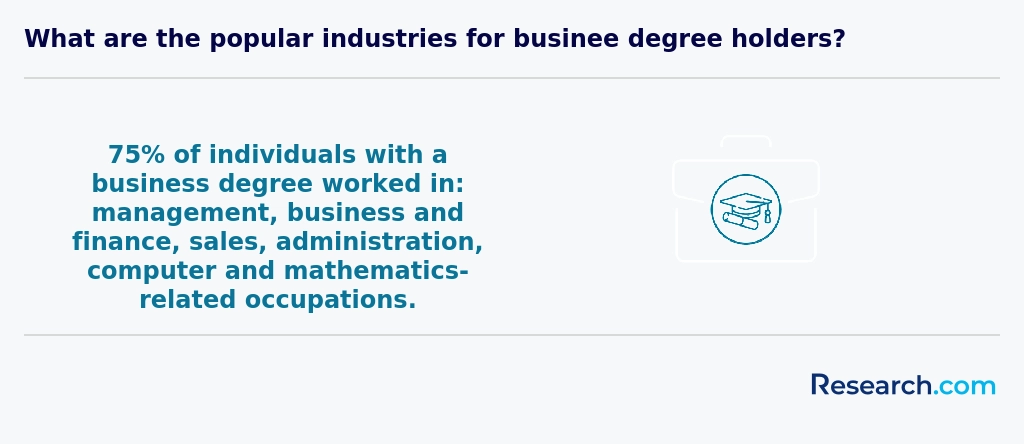
Graduates with a business degree in Springfield enjoy a wealth of career opportunities tailored to the city's dynamic economy. Many find fulfilling roles in management and administration at local companies, where they lead teams and innovate solutions to boost efficiency. Springfield business degree job prospects also shine in retail, with marketing and sales positions flourishing due to the city's strong retail trade sector. Picture a recent graduate from one of Springfield's popular colleges who started as a project coordinator and quickly advanced to operations supervisor, enjoying daily challenges and team leadership.
The healthcare sector offers rewarding paths as well, employing business grads in administrative and financial roles that make a real difference in patient care quality. Entrepreneurship thrives too, supported by local startup programs where graduates turn their ideas into successful businesses by applying skills gained at Springfield's universities. Financial services provide stable careers in banking and insurance, with many graduates becoming trusted advisors and analysts.
If you're eager to advance your studies affordably, check out the Most Affordable Online Master's in Business Degree Programs Ranking in Orange Beach, AL to explore flexible options that complement your goals.
The job market for business degree graduates in Springfield is vibrant and full of promise, reflecting a steady growth across key sectors like healthcare, manufacturing, and finance. Graduates from local universities often share how their practical internships and engagement with Springfield's dynamic business community have opened doors to exciting roles in management, marketing, and business operations. Many find themselves thriving in small and medium-sized enterprises where versatile skill sets are highly valued, enhancing their career flexibility and growth.
Springfield's business landscape rewards those with strong data analysis and digital marketing knowledge, common strengths of recent graduates. The city offers ample networking opportunities through local events and the Springfield Chamber of Commerce, empowering students to confidently connect with potential employers. This positive outlook for Springfield business graduate employment opportunities motivates many to pursue practical experience alongside their studies.
With affordable education options at local public universities and community colleges, many students also explore accredited accelerated degree programs online that equip them with competitive skills swiftly, preparing them for a rewarding career in this exciting job market.
2027 Most Affordable Business Degree Programs Ranking in Springfield
Investing in your education is a significant decision that requires careful consideration, and the Research.com team is deeply aware of the importance of making well-informed choices. To support prospective students in Springfield, we have rigorously developed the "2027 Most Affordable Business Degree Programs Ranking in Springfield." Our dedication to quality, credibility, and accuracy is evident in the thorough research and analysis behind this ranking.
We utilized the following reputable data sources to ensure a comprehensive evaluation of business degree programs:
Readers will gain valuable insights into affordable business degree options in Springfield, empowering them to make confident educational decisions. For a detailed explanation of our approach, please visit our Research.com methodology page.


# 4 position
Drury University-College of Continuing Professional Studies
Bachelor of Science in Business Administration

# 5 position
Mission University
Bachelor of Science in Business

Frequently Asked Questions About business
Business degree students in Springfield can maximize their learning experience by engaging actively both inside and outside the classroom. Local universities often connect students with Springfield's diverse business community through internships and cooperative education programs, providing real-world experience that complements academic study. According to the Springfield Chamber of Commerce, over 60% of local businesses prefer hiring interns familiar with practical business environments.
Additionally, students should leverage university resources such as career services, business clubs, and networking events. These opportunities help develop professional skills and contacts essential for career growth. Exploring local case studies and participating in community projects also enhance understanding of regional economic trends.
The business field in Springfield is evolving, with several emerging niches gaining momentum. One key area is sustainable business practices, as local companies increasingly prioritize environmental impact. According to the Springfield Chamber of Commerce, demand for sustainability experts grew by 15% in 2023.
Another growing niche is data analytics and business intelligence. Businesses seek graduates skilled at interpreting data to make strategic decisions. The University of Missouri-Springfield reports a 20% rise in enrollment for analytics courses.
Additionally, entrepreneurship and innovation management attract students interested in launching startups within Springfield's expanding tech ecosystem.
Specializations in healthcare management are also important, reflecting Springfield's large healthcare sector growth.
Graduates with a business degree in Springfield can strengthen their job market readiness by gaining practical experience through internships and cooperative education programs, which local universities and employers often offer. According to Springfield's Workforce Development Board, over 60% of interns convert to full-time employees within six months. Networking is crucial; attending local business events and joining professional organizations such as the Springfield Chamber of Commerce can open doors to job opportunities. Enhancing digital skills, like proficiency in data analysis and business software, increases employability, as noted in the 2023 Springfield Economic Report. Additionally, participating in career services helps refine resumes and interview skills.
Employers in Springfield increasingly value business degree graduates who demonstrate strong analytical and communication skills. According to the Springfield Chamber of Commerce 2023 report, 78% of local businesses prioritize candidates with critical thinking abilities to solve complex problems effectively.
Additionally, proficiency in data analysis and familiarity with digital tools like Excel and Tableau are highly sought after. Local healthcare and manufacturing sectors particularly emphasize these competencies.
Teamwork and leadership skills also rank high; 65% of Springfield employers consider these essential for career growth. Adaptability and understanding of business ethics complete the top skills employers seek, reflecting the evolving economic landscape of the region.
Finding internships in Springfield related to a business degree involves multiple strategies. Start by visiting career services at local colleges such as Drury University and Missouri State University-West Plains. These offices often partner with regional employers to provide internship listings. According to the Springfield Chamber of Commerce, key industries include finance, healthcare, and manufacturing, sectors often seeking business interns.
Students should also explore opportunities via online platforms like Handshake or LinkedIn, filtering for Springfield-based companies. Networking events hosted by local business groups can connect students directly with potential employers. Additionally, the Missouri Department of Economic Development offers resources and databases to identify internship openings within the state.
Engaging with Springfields's small businesses and startups can provide hands-on experience, especially in areas like marketing and project management. In 2023, about 65% of Springfield business undergraduates reported internships before graduation, boosting job prospects significantly (National Association of Colleges and Employers).
A business degree significantly enhances career mobility and advancement opportunities in Springfield. Employers in the region increasingly value candidates with formal business education, citing improved management skills and strategic thinking as key benefits. According to Springfield's Chamber of Commerce 2023 report, graduates with business degrees have a 25% higher chance of promotion within three years compared to those without such credentials.
Additionally, local companies in finance, healthcare, and manufacturing prefer hiring business degree holders for leadership roles. The degree also opens pathways to diverse industries, boosting career flexibility. Networking through Springfield's academic institutions further supports professional growth and job placement.
Studying for a business degree in Springfield equips students with interdisciplinary skills essential for today's diverse job market. Business programs in Springfield often integrate courses from fields such as economics, information technology, and communications, enabling students to approach problems from multiple perspectives. According to the U.S. Census Bureau, Springfield's economy includes growing sectors like healthcare and manufacturing, demanding managers who understand both business principles and technical domains.
This interdisciplinary approach helps graduates collaborate effectively across departments, improving decision-making and innovation. Additionally, partnerships between Springfield colleges and local industries offer practical experience, further preparing students for multifaceted roles. Data from the Springfield Chamber of Commerce highlights a 12% increase in interdisciplinary job openings, underscoring the value of such degrees.
Choosing between a thesis and a non-thesis business degree program in Springfield depends on your career goals and learning preferences. Thesis programs typically appeal to students interested in research, academia, or specialized roles requiring strong analytical skills. Completing a thesis involves conducting original research under faculty guidance, which can be beneficial if you plan to pursue a doctoral degree.
Non-thesis programs often focus on practical skills through coursework and internships. These are ideal for students aiming to enter the workforce quickly or advance in business roles without a research emphasis. According to data from Springfield's Chamber of Commerce, employers value both formats equally but prioritize practical experience for most business positions.
Consider program duration and costs as well; thesis programs may take longer and sometimes have additional fees related to research. In Springfield, local universities offer flexible options, so review curricula and speak with academic advisors to choose the path aligning with your professional aspirations.
Students based in Springfield who want to study business abroad have several practical options within the US higher education system. Many institutions offer partnership programs with foreign universities, allowing students to spend a semester or a year overseas while earning credits toward their degree. These opportunities often arise from Springfield's local colleges, such as Missouri State University, which has exchange agreements with European and Asian business schools.
Additionally, Springfield students can enroll directly in international business programs offered by US universities that emphasize global markets and cross-cultural management. According to data from the Institute of International Education, nearly 40% of US business undergraduates engage in study abroad experiences, underscoring the popularity and value of these programs.
Financial aid and scholarships for study abroad are also available to Springfield students, making these international academic experiences more accessible. Resources like the Benjamin A. Gilman International Scholarship specifically support students from all states, including Missouri, to explore business education globally.
Springfield offers several part-time job opportunities that effectively complement business degree education. Positions such as administrative assistants, retail managers, and marketing interns allow students to apply classroom knowledge in real-world settings. In 2023, the Springfield Chamber of Commerce reported a 7% increase in retail and marketing jobs, reflecting local business growth.
Additionally, many students find part-time roles in financial services or customer relations at local banks and credit unions. These jobs help develop essential skills like client communication and financial analysis. According to the U.S. Bureau of Labor Statistics, part-time work in these sectors in Springfield has grown steadily over the past five years.
Working in local startups or nonprofit organizations also provides experience in project management and business development, critical for business students aiming to enhance their resumes. These roles bridge theoretical knowledge and practical skills needed for future leadership positions.
Business students in Springfield have access to a variety of networking opportunities that can enhance their professional development. Local universities often organize career fairs, connecting students with representatives from Springfield's diverse business community. For example, Drury University and Missouri State University offer events where students meet employers in finance, marketing, and management sectors.
Additionally, Springfield hosts several professional organizations like the Springfield Chamber of Commerce, which frequently holds networking mixers and seminars designed for young professionals and students.
Students can also benefit from internships with local companies, providing real-world experience and face-to-face networking possibilities, a key factor in hiring according to the U.S. Bureau of Labor Statistics.
Alumni networks play a vital role for business degree students in Springfield by providing valuable connections and mentorship opportunities. These networks often include graduates working in local companies, which helps students access internships and job openings that may not be widely advertised. According to the Springfield Chamber of Commerce, over 65% of local businesses prefer hiring candidates recommended through alumni or professional networks.
Moreover, alumni can offer practical advice about career paths and industry trends specific to Springfield's business environment. Networking events and online platforms enable students to build relationships that support career growth and professional development.
Customizing your business degree program in Springfield allows you to align education with your specific career goals. Many institutions offer flexible curriculum options, including concentrations such as finance, marketing, or entrepreneurship. Elective courses enable deeper knowledge in areas relevant to local industries, such as manufacturing and healthcare services, which are prominent in Springfield according to the Springfield Regional Economic Partnership.
Internships and cooperative education programs with Springfield businesses provide practical experience and networking opportunities. Additionally, some schools offer online or hybrid courses to accommodate working professionals. Academic advisors in Springfield's colleges help tailor course plans to fit future career paths, optimizing your learning journey for job market demands in the city and surrounding regions.
Business students in Springfield often face challenges related to balancing academic workload with part-time jobs, as many rely on employment to support their studies. According to the Springfield Chamber of Commerce, about 40% of college students work while enrolled. This dual demand can impact study time and academic performance.
Another typical difficulty is accessing quality internships within the local market, which, while diverse, is competitive due to Springfield's moderate size and regional economy. Limited networking opportunities also pose a challenge, constraining practical exposure to business environments.
Finally, tuition affordability remains a concern despite available scholarships. The Missouri Department of Higher Education reports that average annual tuition for public business programs in Springfield is around $9,000, which can be a barrier for many students.
With a business degree in Springfield, graduates can pursue several recognized professional certifications that enhance career opportunities. Common certifications include the Certified Public Accountant (CPA) for those interested in accounting, and the Project Management Professional (PMP), valuable across multiple industries.
Other popular options are the Certified Management Accountant (CMA) and the Financial Risk Manager (FRM), both respected credentials in finance. In Springfield's growing business market, these certifications can boost earning potential and job prospects.
The Springfield Chamber of Commerce reports that businesses increasingly prefer candidates with professional certifications, linking them to higher productivity and leadership skills. Many local institutions also offer preparatory courses aligned with these certifications.
When applying to a business program in Springfield, it is crucial to tailor your application to highlight relevant skills and experiences. Admissions committees prioritize candidates who demonstrate leadership, analytical thinking, and a clear understanding of business principles. Including specific examples of teamwork or managing projects enhances your profile.
Standardized test scores like the GMAT or GRE may still play a role for competitive programs, although many Springfield schools now offer test-optional policies. Check each school's requirements carefully.
Strong letters of recommendation from professors or employers who know your business acumen can significantly strengthen your application. Craft a compelling personal statement focused on your career goals and why a Springfield program fits your ambitions.
According to the Springfield Chamber of Commerce, local business growth has increased 5% annually, emphasizing the value of regional business connections included in your application narrative.
Global perspectives on a business career emphasize the increasing importance of international experience and cultural awareness. In the U.S., including Springfield, business degrees often incorporate global case studies and encourage internships abroad. According to the U.S. Bureau of Labor Statistics, careers in global business sectors are projected to grow by 8% through 2032, reflecting strong demand.
Springfield's business community benefits from its connections to multinational companies and trade networks, encouraging graduates to develop skills in global markets. Universities here offer programs teaching global supply chain management, international marketing, and cross-cultural communication, essential for today's workforce.
Students pursuing business degrees in Springfield are advised to focus on language proficiency and adaptability. Such skills enhance employability in global firms headquartered in or near the region, such as those reported by the Springfield Regional Chamber of Commerce.
Gaining practical experience while studying for a business degree in Springfield is accessible through multiple channels. Many local colleges and universities offer internship programs that connect students with businesses in the Springfield metro area, including finance, marketing, and management sectors. According to the Springfield Chamber of Commerce, over 65% of local businesses have internship opportunities for students.
Additionally, cooperative education (co-op) programs blend classroom learning with paid work experience, allowing students to earn credits while gaining industry knowledge. Participating in student-run organizations and business competitions also hones practical skills. Partnering with Springfield's numerous startups and established companies enables students to apply theory to real-world projects.
Choosing the right concentration within a business degree program in Springfield begins with understanding local industry demands. According to the Springfield Chamber of Commerce (2023), sectors like healthcare management, finance, and logistics are growing rapidly in the area. Students should consider concentrations that align with these fields to increase job prospects.
It is also important to assess your personal interests and strengths. Concentrations such as marketing or entrepreneurship offer different skill sets and career paths, so selecting one that matches your goals is essential.
Finally, research the curriculum and faculty expertise offered by Springfield colleges to ensure quality education tailored to your chosen concentration.
- 2027 Most Affordable Business Degree Programs Ranking in Conway
- 2027 Most Affordable Business Degree Programs Ranking in Kansas City
- 2027 Most Affordable Business Degree Programs Ranking in Little Rock
- 2027 Most Affordable Business Degree Programs Ranking in Wichita
- 2027 Most Affordable Business Degree Programs Ranking in Denton
- 2027 Most Affordable Business Degree Programs Ranking in Dallas
- 2027 Most Affordable Business Degree Programs Ranking in Dubuque
- 2027 Most Affordable Business Degree Programs Ranking in West Lafayette
- 2027 Most Affordable Business Degree Programs Ranking in Louisville
- 2027 Most Affordable Business Degree Programs Ranking in Indianapolis
See What Experts Have To Say About Studying Business
Read our interview with Business experts

Ingrid S. Greene
Business Expert
Clinical Assistant Professor of Management
Loyola Marymount University

David W. Stewart
Business Expert
Emeritus President's Professor of Marketing
Loyola Marymount University


- Networking Tips for Business Students: Building a Foundation for Success https://londonsba.org.uk/blog/networking-tips-for-business-students-building-a-foundation-for-success/
- Professional Business Certifications to Boost Your Career in 2025 https://www.business.com/articles/best-business-certifications/
- How Long Does It Take to Get a Business Administration Degree? - Team Academy https://teamacademy.nl/how-long-does-it-take-to-get-a-business-administration-degree/
- The Seven Biggest Challenges Faced by Student Entrepreneurs https://venturewell.org/blog/five-biggest-challenges/
- 8 Best Places to Study Abroad for Business [+ How to Choose] https://www.semesteratsea.org/study-abroad-for-business/
- 1. Online registration https://moderna.edu.pl/majors/management/bachelor-of-management/business-management/
- 6 best courses to study abroad for international students https://students.studygroup.com/blog/courses-to-study-abroad
- Why Alumni Networks Matter in Business School: 7 Reasons https://europe.ceibs.edu/article/why-alumni-networks-matter-business-school
- Enterprise project challenge https://barclayslifeskills.com/help-others/lessons/enterprise-project-challenge/
- The Biggest Challenges for Business School Students | EU Business School https://www.euruni.edu/blog/the-biggest-challenges-for-business-school-students/


