
2027 Best Business Degree Programs Ranking in San Francisco

Co-Founder and Chief Data Scientist
Navigating the best business degree programs in San Francisco can be overwhelming. This article presents the 2027 Best Business Degree Programs Ranking in San Francisco, developed by the experienced Research.com team of data scientists. Their detailed analysis aims to help students like you make informed decisions about which programs truly stand out.
Whether you're starting your academic journey or considering a career shift, understanding the top programs available can boost your confidence. Earning a business degree opens doors to exciting opportunities, and this guide highlights the options worth your time and effort.
Key benefits of getting business degree in San Francisco
- Business degree graduates in San Francisco can expect competitive salaries, with roles like Business Development Executive earning a mean annual wage of $83,190 and Business Analyst positions averaging $112,950.
- Graduates from popular local universities often pursue diverse careers, including consulting, marketing, and finance, providing strong opportunities for growth and personal fulfillment.
- Obtaining a business degree online offers flexibility and convenience, allowing students to balance work and study, as demonstrated by many successful online graduates from well-known San Francisco institutions.
- 2027 Best Business Degree Programs Ranking in San Francisco
- What can I expect from business degree in San Francisco?
- Where can I work with business degree in San Francisco?
What can I expect from business degree in San Francisco?
The average cost of pursuing a business degree in San Francisco is noticeably higher than many other regions, largely due to the city's elevated cost of living. Graduates from prominent universities often reflect on the financial commitment as substantial but worthwhile, especially given the access to unparalleled industry connections and dynamic internship opportunities. Tuition alone can range significantly, with some programs exceeding national averages by several thousand dollars annually.
Despite the steep prices, many students find that scholarships, grants, and tailored financial aid options ease the burden. For example, attending well-known institutions in San Francisco offers not only strong academic instruction but also invaluable mentorship from alumni networks deeply embedded in the local economy.
One common narrative among graduates is that the investment pays off through swift employment in competitive sectors like fintech or venture capital, often leveraging internships with local startups or established firms. This practical exposure, combined with theoretical grounding, justifies the cost and contributes to a fulfilling educational experience in the city's vibrant business ecosystem.
Where can I work with business degree in San Francisco?
With a business degree from universities like San Francisco State or University of San Francisco, graduates find themselves immersed in a vibrant job market rich with opportunity. Many have transitioned smoothly into tech companies, taking roles in product management or marketing at firms that shape the Bay Area's innovation landscape. Their ability to connect business insights with technology development often sets them apart in this competitive environment.
Others embrace careers in finance, stepping into positions as financial analysts or portfolio managers at local banks and investment firms where competitive salaries reflect the high standards of the city. Graduates share how their internships in San Francisco's financial district helped them gain practical experience, boosting both confidence and career prospects.
The diversity of options also includes consulting, healthcare administration, and retail management-fields that appreciate the strategic skills honed during their studies. Many remember collaborating on real-world projects that prepared them to tackle complex business challenges in these industries, proving that a business degree here opens many fulfilling doors.
Graduates from business programs in San Francisco, such as those from the University of San Francisco or San Francisco State University, often discover strong earning potential early in their careers. For example, many business analysts in the city earn a mean annual salary around $112,950, according to recent Bureau of Labor Statistics data. This figure reflects not only the city's competitive job market but also the premium placed on analytical skills combined with business knowledge.
One graduate shared how their internship at a local tech startup led to a full-time role offering a salary near $85,000 as a financial analyst, aligning well with regional expectations. While roles like business development executive average around $83,190, students also find opportunities to boost earning power by specializing or pursuing MBAs.
Living in San Francisco means balancing considerable salaries with high living costs, but many find that the rich network of startups and established companies creates rewarding pathways. The dynamic environment here helps graduates translate their degree into meaningful, well-paid careers.
- Tuition for business bachelor's programs in San Francisco ranges from $40,000 to $60,000 per year at private schools and $10,000 to $20,000 for in-state public university students.
- Living expenses in San Francisco average around $25,000 annually, adding significantly to the total cost of education.
- Job growth for business and financial operations roles is expected to increase by 10% over the next decade in the metropolitan area.
- Starting salaries for business graduates typically range from $65,000 to $75,000, with mid-career salaries exceeding $120,000.
- Accredited programs, especially those with AACSB accreditation, usually have higher tuition but offer better career opportunities and employers connections.
- Internships and partnerships with local startups, financial firms, and tech companies provide valuable work experience and networking opportunities.
Completing a business degree in San Francisco commonly takes about four years for undergraduates following a traditional full-time path, as observed by many graduates from local institutions like San Francisco State University and the University of San Francisco. These students often describe the experience as a rewarding investment in their future, despite the city's demanding pace and higher cost of living.
Some graduates shared that accelerated programs enabled them to finish in three years by balancing intensive coursework and summer classes. Conversely, part-time students juggling jobs often extended their studies closer to six years. These flexible options reflect San Francisco's dynamic lifestyle, allowing students to tailor their education to personal and financial realities.
At the graduate level, full-time MBA students from nearby programs typically complete their degrees in two years, which provides a focused and immersive environment. Part-time or executive MBAs can stretch to three years, which many alumni appreciate for accommodating professional responsibilities while steadily advancing their careers.
San Francisco’s business programs stand out for their strong ties to leading Bay Area companies, ensuring students gain real-world experience before graduation. Established partnerships with firms like Salesforce, Uber, and local fintech startups offer structured internship pipelines, where students work on live projects, develop professional networks, and receive mentorship from industry experts. These opportunities not only enhance classroom learning but also improve job placement rates: recent graduates report that 85% secured full-time roles within six months of completing internships, underscoring the value of these experiential learning components. Beyond internships, many institutions host corporate-sponsored case competitions and hackathons in collaboration with venture capital firms and accelerators. Participants tackle strategic challenges-such as market entry plans for emerging tech ventures-and receive feedback from C-suite executives. This immersive environment fosters entrepreneurial thinking and resilience, critical skills for today’s competitive job market. Students exploring flexible or cost-effective alternatives may also be interested in our Low Cost Online Master’s in Business Degree Programs Ranking in Washington, DC, which highlights programs designed to deliver high-quality industry engagement at an accessible price point. To maximize these partnerships, proactive students are encouraged to attend on-campus networking events and leverage career centers for tailored internship matching. By integrating academic rigor with hands-on experiences, San Francisco’s top business degree programs cultivate adaptable professionals ready to lead in diverse industries-from tech innovation to sustainable ventures-making internship and partnership engagement a cornerstone of your educational investment.
Choosing between an online business degree and a traditional on-campus program in San Francisco often comes down to how you want to experience your education. Graduates from San Francisco State University frequently recall how attending classes in person allowed them to build strong local networks through career fairs and guest lectures right in the city's bustling business scene. These in-person moments helped them connect with startups and established companies nearby, turning friendships into internships.
Conversely, alumni of online programs appreciate the flexibility to study around demanding work schedules or family life. One graduate shared how completing coursework remotely freed them to focus on career advancement while receiving the same accredited education. This balance is especially valuable for professionals juggling multiple responsibilities without sacrificing quality.
Financially, many find online programs have lower tuition fees and no commuting costs, whereas on-campus tuition at public universities typically runs about $7,000 per year for in-state students, offering direct access to San Francisco's professional ecosystem. The choice ultimately reflects individual priorities-whether immersion in a dynamic campus environment or the convenience of remote learning.
The average cost of a business degree in San Francisco typically centers around a median total expense of approximately $53,884. Graduates from well-known institutions in the city often reflect on this figure, recognizing how it encompasses both tuition and essential living expenses. For instance, students pursuing business at San Francisco's prominent public universities might find their overall costs significantly influenced by whether they are in-state or out-of-state, with in-state students benefiting from lower tuition rates but still facing a considerable financial commitment.
Many graduates recount balancing the excitement of immersive business education with the reality of steep living expenses, which in San Francisco can range widely. The city's vibrant economic landscape enriches the educational experience but also adds to daily costs. This delicate balance is key in understanding San Francisco business degree total expenses, especially when considering that private programs command higher tuition, sometimes reaching beyond $60,000 annually. Yet, the value derived from these experiences often motivates students to manage their finances wisely and seek avenues such as scholarships or employer tuition assistance.
For those prioritizing affordability, exploring the cheapest business programs in California might offer practical alternatives without sacrificing quality. Graduates often emphasize that careful planning and awareness of the full financial picture help transform the substantial investment into a rewarding journey toward a successful business career.
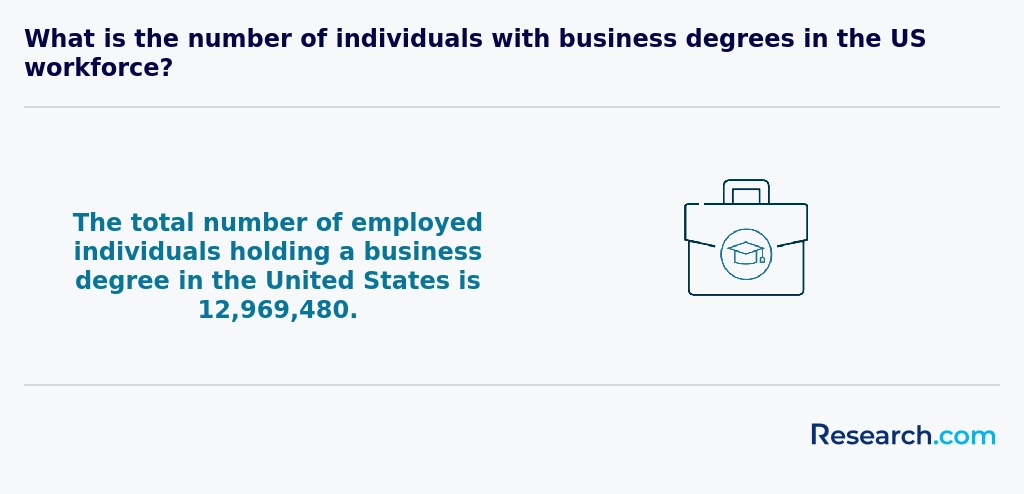
Understanding the return on investment (ROI) for a business degree in San Francisco is critical for making an informed educational choice. By comparing total program costs against post‐graduation earnings, students can estimate how long it will take to recoup their investment and maximize long‐term financial gains. Average Costs and Earnings
- Total Program Cost: Bachelor’s degrees average $120,000–$140,000; MBAs range from $80,000 to $100,000 in tuition and fees.
- Starting Salary: Business graduates in SF earn an average of $75,000 for entry‐level roles; MBA holders report starting salaries around $115,000.
- Payback Period: On average, bachelor’s graduates recover costs in 4–5 years, while MBA graduates see payback in 3–4 years due to higher initial salaries. Top Programs by Estimated ROI 1. University of San Francisco (USF): Strong alumni network and high job placement rates reduce payback to under four years. 2. San Francisco State University (SFSU): Competitive tuition and solid starting salaries create a 4.5-year ROI. 3. Golden Gate University (GGU): Flexible pacing and robust career services yield an estimated 4-year payback. Maximizing Your ROI Students seeking to accelerate their ROI should explore accelerated MBA tracks. For example, our quick mba programs offer condensed curricula, allowing graduates to enter high‐earning roles sooner. Additionally, leveraging internships in tech and finance hubs, applying for merit-based scholarships, and networking through campus career services can further shorten the payback period and enhance long‐term earnings potential.
Students pursuing business degrees in San Francisco often find relief through a variety of financial aid options that reflect the city's unique educational landscape. Many graduates from San Francisco State University and the University of San Francisco share how federal aid via FAFSA was their gateway to grants like the Pell Grant, easing tuition burdens without the stress of repayment. These federal programs also enabled some to work part-time through work-study, balancing valuable job experience alongside their studies.
California's Cal Grants and Middle Class Scholarship stand out as pivotal for local students, offering thousands in assistance especially to those attending public universities nearby. It's common to hear from former students how these funds transformed their ability to focus more on learning and less on finances.
Moreover, merit-based scholarships tailored to business disciplines at San Francisco institutions often reward those demonstrating leadership and entrepreneurial spirit, making early application and strong academics particularly rewarding. Local organizations, such as the San Francisco Chamber of Commerce, add yet another layer, often providing scholarships to committed future business leaders eager to contribute to the Bay Area economy.
When considering a business degree program in San Francisco, CA, affordability is a key factor that can significantly influence one's decision. Prospective students often find themselves weighing the costs of tuition, additional fees, and living expenses against the potential benefits of pursuing a degree in this vibrant city. For those seeking the most affordable options, researching cheapest business programs in California can be a valuable first step. This research can help identify programs that offer a balance between quality education and financial accessibility, making it easier for students to achieve their academic and professional goals without shouldering an unmanageable financial burden. By exploring these affordable options and understanding the various financial aid opportunities available, students can make informed decisions about their educational paths, ensuring they embark on a journey that leads to both personal and professional success.
Enrolling in a business degree program in San Francisco starts with meeting clear academic prerequisites that set the foundation for success. Graduates from local institutions often recall how their strong high school GPA, usually around 3.0 or higher, paired with thoughtful personal statements, opened doors to competitive undergraduate business programs. Some universities here still value SAT or ACT scores, though many are shifting to test-optional policies, which has eased the pressure for several applicants.
At the graduate level, especially for MBA candidates, holding a bachelor's degree and having two to five years of work experience in the city's dynamic business environment become crucial. Alumni often share how this practical experience aligned with rigorous coursework made their education feel relevant and empowering. Additionally, preparing for the GMAT or GRE is common, though some San Francisco programs appreciate professional achievements enough to waive these exams.
International students understand the importance of English proficiency tests like TOEFL or IELTS to communicate effectively in collaborative settings typical of local schools. Demonstrating familiarity with math or economics, when required, has also helped peers feel confident stepping into specialized business fields.

As San Francisco continues to be a hub for innovation and technology, emerging industry trends are redefining the landscape for business professionals. With the rapid adoption of artificial intelligence, data analytics, and digital transformation, today's business programs are evolving to equip students with the competencies needed for tomorrow’s challenges. Modern curricula now emphasize skills in tech integration, sustainable business practices, and global market strategies, ensuring that graduates are prepared to navigate an ever-changing economic environment. Local companies are increasingly seeking graduates who not only understand core business concepts but are also agile in applying technology to solve complex problems. This shift is evidenced by a growing demand for professionals who can cross traditional boundaries between business, technology, and innovation. As you explore your academic and professional options, consider how these emerging trends might influence long-term career success. For a deeper insight into this evolving market, learn more about what is the highest paying business major and how specific specializations align with future industry needs. Keeping an eye on industry trends and innovations can help you make an informed decision when choosing a business program, ensuring that your education remains relevant in a dynamic marketplace. This forward-thinking approach not only enhances your career prospects but also empowers you to be a catalyst for change in a high-paced global economy.
Business degree programs in San Francisco consistently include core courses such as accounting, finance, marketing, management, and business law, forming the backbone of a solid business education. Graduates from universities like San Francisco State University often share how accounting classes taught them to interpret financial statements in real-world contexts, enabling confident budget management during internships at local startups.
Marketing courses frequently explore digital strategies and consumer behavior, reflecting the city's vibrant tech and entrepreneurial culture. Many students find these lessons invaluable when launching campus projects or contributing to innovative campaigns at incubators. Management courses focus on leadership and strategic thinking, skills that graduates recall using effectively in team-based consulting projects with Bay Area companies.
Electives on entrepreneurship and information systems resonate strongly with those aiming to thrive in San Francisco's fast-paced markets, where innovation and agility are essential. Analytical classes in statistics and data analytics further prepare students to make informed decisions-graduates often describe using these skills to analyze market trends during their roles at tech firms.
Within San Francisco's vibrant business education scene, students often choose specializations that align closely with the city's dynamic economy. Business degree specializations in San Francisco frequently include Finance, a popular choice given the city's impressive financial sector, where graduates find rewarding roles in banks, venture capital firms, and fintech startups. Many alumni from renowned universities recount how their finance focus opened doors to these bustling industries, fueling their ambition and satisfaction.
Marketing stands out as another favored concentration, deeply tied to San Francisco's tech-driven environment. Graduates describe engaging coursework in digital marketing and brand management, often applied directly to tech companies' fast-paced challenges. This connection keeps their experiences relatable and energized, reflecting the city's growth.
San Francisco business degree concentration options also extend to Information Systems Management, Entrepreneurship, and International Business, all shaped by the region's unique business ecosystem. Students appreciate how these programs prepare them for real-world innovation and strategic challenges. For practical insight on choosing the right path, consider exploring what is the highest paying business major.
Choosing the best business degree in San Francisco means focusing on programs that match your career goals and the unique industry landscape here. Graduates from schools like the University of San Francisco often share how their connections to local startups and venture capital firms gave them a real edge. Those pursuing degrees in tech management or entrepreneurship benefit hugely from the city's proximity to Silicon Valley, where innovation thrives.
Affordability is another important consideration. Many students weigh the cost differences between public and private institutions, keeping in mind San Francisco's high living expenses. Finding affordable business degrees San Francisco locals trust involves exploring scholarships, financial aid, and flexible study options like evening or part-time classes.
Students also recommend looking into programs that offer robust internship opportunities, which frequently lead to job offers within the city's vibrant business community. For those eager to advance quickly, quick mba programs available locally can provide intensive learning with practical value.
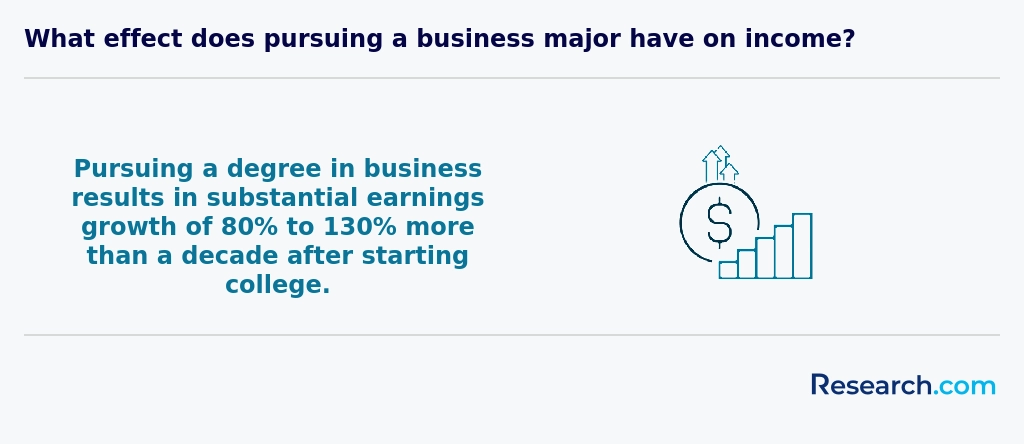
Graduates from San Francisco's top business schools often find their degrees opening doors to diverse career paths, reflecting the city's vibrant economic landscape. Many pursue finance roles-such as financial analysts and managers-drawing on the city's dense network of investment firms. The excitement of joining startups in Silicon Valley's orbit appeals strongly to those with a passion for entrepreneurship and product management, where innovation and risk-taking thrive. Business degree job opportunities in San Francisco extend beyond finance; marketing managers and digital specialists thrive in an environment buzzing with tech-driven companies eager to remain competitive.
Operations and supply chain careers also attract graduates, given San Francisco's role as a crucial port and trade hub. Roles like logistics coordinators and project managers offer real-world challenges that make theoretical knowledge come alive, as past graduates attest. The city's emphasis on data-driven decision-making means business analytics and consulting are other fruitful avenues. Those looking to balance costs may explore options highlighted by Low Cost Online Master's in Business Degree Programs Ranking in Washington, DC, blending affordability with career growth.
Career options with San Francisco business degrees often combine competitive salaries-management roles here can exceed $120,000 annually-with the vibrant culture of a city that prizes innovation and diversity. Graduates frequently describe their experiences as both challenging and deeply rewarding, underscoring why earning a business degree here is a gateway to dynamic opportunities.
The job market for business degree holders in San Francisco is notably vibrant, reflecting the city's stature as a technology and finance powerhouse. Graduates from prominent local universities often share how internships secured through campus partnerships have been pivotal in landing roles quickly, showcasing the value of practical experience alongside academic achievement. Employment opportunities for business graduates San Francisco offer positions like marketing managers earning around $130,000 annually and financial analysts with salaries near $95,000, comfortably above the national averages.
Business students here often find themselves competing yet thriving in sectors spanning from tech startups to venture capital firms, where strategic planning and data analysis skills are in high demand. Those who leverage connections within universities and actively engage in internships report a strong sense of accomplishment and optimism about their career paths. Reflecting on this, many graduates suggest focusing on real-world experience, which often outweighs theoretical knowledge in today's competitive environment.
For those considering enrollment, it's worth exploring options like the top online associate degrees in 6 months to build foundational skills quickly and enter the market with confidence. Understanding the business degree job outlook San Francisco involves recognizing the city's unique blend of opportunity and challenge, where adaptability and networking prove essential.
2027 Best Business Degree Programs Ranking in San Francisco
Investing in your education is a significant decision that can shape your future, and the Research.com team understands the importance of making informed choices. To assist prospective students in San Francisco, we have meticulously crafted the "2027 Best Business Degree Programs Ranking in San Francisco." Our commitment to quality, credibility, and accuracy is reflected in the extensive research and analysis conducted to compile this ranking.
We utilized the following reputable data sources to ensure a comprehensive evaluation of business degree programs:
By exploring this ranking, readers will gain valuable insights into the best business degree programs available in San Francisco, helping them make well-informed decisions about their educational paths. For more details on our methodology, please visit our Research.com methodology page.


# 6 position
Minerva University
Bachelor of Science in Business Administration

# 7 position
Minerva University
Master of Business Administration
# 8 position
Academy of Art University
Bachelor of Business Administration

# 9 position
Academy of Art University
Master of Business Administration
# 10 position
Golden Gate University
Master of Business Administration

Frequently Asked Questions About business
Business degree students in San Francisco can maximize their learning by engaging directly with the city's dynamic economy. San Francisco is a major hub for technology and finance, hosting over 30% of the top U.S. venture capital firms, according to PitchBook 2023 data. Students should seek internships and networking events within these industries to gain practical experience alongside academic knowledge.
Taking advantage of local resources like the San Francisco Chamber of Commerce and business incubators can provide valuable mentorship and real-world insights. Additionally, participating in case competitions and workshops promoted by universities enhances problem-solving skills relevant to the competitive market.
Leveraging San Francisco's diverse economy and innovation-driven environment prepares students for leadership roles after graduation.
The business field in San Francisco is rapidly evolving, with several emerging niches gaining traction. One notable area is tech-driven entrepreneurship, fueled by the region's status as a global technology hub. Startups specializing in fintech, healthtech, and green energy are particularly prominent. According to the San Francisco Chamber of Commerce, fintech firms have grown by over 25% in the past three years.
Another growing niche is sustainable business practices, with companies focusing on environmental, social, and governance (ESG) strategies. Graduates who understand these practices are increasingly sought after. Additionally, data analytics and business intelligence roles are expanding due to the large concentration of tech companies that rely on data-driven decisions.
These niches reflect San Francisco's unique blend of technology and social responsibility, shaping future business education trends in the area.
After completing a business degree in San Francisco, effective preparation for the job market is crucial. Start by leveraging the city's strong network of startups and established companies in finance, technology, and biotech sectors. According to the San Francisco Office of Economic and Workforce Development, over 60% of local businesses actively seek graduates with business skills.
Internships and cooperative education programs offered by many universities provide practical experience. Building professional connections through industry events and alumni networks also increases employment prospects. Additionally, acquiring proficiency in data analytics and digital marketing enhances competitiveness, as these skills are highly valued by San Francisco employers, according to the U.S. Bureau of Labor Statistics.
Familiarity with local labor market trends and continuous learning through certificates can further boost job readiness in this dynamic market.
Employers in San Francisco seek business degree graduates with strong analytical and communication skills. According to a 2023 survey by the San Francisco Chamber of Commerce, 78% of local employers emphasize data analysis proficiency as critical for decision-making roles.
Problem-solving abilities are also highly valued, particularly given the city's dynamic tech and startup environment. Graduates must adapt quickly and demonstrate creative thinking.
Leadership and teamwork are essential due to the collaborative culture in Bay Area companies. Additionally, knowledge of digital marketing and financial literacy enhances a candidate's appeal.
Familiarity with sustainability practices is increasingly important, aligning with San Francisco's focus on green business initiatives.
Finding internships in San Francisco relevant to a business degree involves leveraging local resources and networks. The city hosts numerous Fortune 500 companies and startups, especially in tech, finance, and marketing, creating diverse opportunities. According to the San Francisco Chamber of Commerce, about 40% of internships offered in the Bay Area are within business-related fields.
Students should utilize university career centers, many of which have established partnerships with local employers. Additionally, platforms like LinkedIn, Handshake, and Glassdoor list internship openings specific to San Francisco's business sector. Networking events and professional groups, such as the San Francisco Business Times' workshops, serve as valuable venues for connecting with recruiters and industry professionals.
In San Francisco, earning a business degree significantly enhances career mobility and advancement opportunities. According to the U.S. Bureau of Labor Statistics, professionals with business degrees generally experience higher employment rates and faster job growth, particularly in metropolitan areas like San Francisco.
The city's diverse economy, including thriving tech, finance, and startup sectors, values graduates with skills in management, finance, and marketing. Data from Burning Glass Technologies shows that business-related roles in San Francisco have grown by over 12% since 2018, indicating rising demand.
Additionally, local employers often prefer candidates from accredited programs, linking higher education credentials to better salary prospects and leadership positions. Networking opportunities within San Francisco's business schools also foster career advancement by connecting students to influential industry professionals and organizations.
Studying for a business degree in San Francisco offers unique interdisciplinary preparation due to the city's diverse economic landscape. Students engage with industries like technology, finance, healthcare, and startups, gaining skills that span data analysis, marketing, and strategic management. Many local universities emphasize collaboration across fields such as computer science and design, reflecting San Francisco's role as a hub for innovation.
According to the U.S. Bureau of Labor Statistics, nearly 40% of jobs in San Francisco require skills bridging business and technology. This drives programs to incorporate experiential learning through internships and projects with local companies. As a result, graduates are well-equipped to tackle complex challenges in roles that combine business insight with technical expertise.
Choosing between a thesis and a non-thesis business degree program in San Francisco depends largely on your career goals and learning preferences. Thesis programs emphasize research, typically requiring a substantial written project. This path suits students interested in academic careers or roles demanding strong analytical skills.
Non-thesis programs focus on coursework and practical experience, such as internships or projects. They are often preferred by professionals aiming to enter or advance in San Francisco's dynamic business market quickly.
According to the National Center for Education Statistics, about 60% of US business master's graduates opt for non-thesis tracks, reflecting demand for applied skills. San Francisco's diverse economy and startups often value experiential learning, which non-thesis programs provide.
Budget and time commitment also differ; thesis programs usually require more time and resources. Consulting with advisors about your specific interests remains essential.
Students in San Francisco seeking to study business abroad have several promising options through U.S. universities' international partnerships and exchange programs. Many local institutions, such as the University of San Francisco and San Francisco State University, offer programs that enable students to study at globally recognized schools in Europe, Asia, and Latin America. According to NAFSA: Association of International Educators, California ranks highest in outbound study abroad participation, with San Francisco students particularly interested in programs focused on international business and entrepreneurship.
Students can pursue semester-long exchanges, summer intensive courses, or dual-degree arrangements, often earning credit towards their U.S. degree. Popular destinations include London, Paris, and Hong Kong, where students gain exposure to diverse business environments. These experiences help San Francisco students build vital global networks and develop cross-cultural competencies essential for today's competitive markets.
San Francisco offers numerous part-time job opportunities that can enhance a business degree education. Roles such as marketing assistants, financial analysts, and data entry specialists provide hands-on experience with real-world business challenges. According to the U.S. Bureau of Labor Statistics, the tech and finance sectors in San Francisco have grown steadily, creating demand for business-savvy support staff.
Interning at startups or established firms can expose students to client relations, project management, and economic trends. Additionally, sales associate roles in retail or business development positions allow students to strengthen communication and negotiation skills essential for business careers.
San Francisco offers business students abundant networking opportunities, benefiting from the city's status as a major economic hub. Students can engage with local professional groups such as the San Francisco Chamber of Commerce and meet startup founders from Silicon Valley nearby.
Universities in the area often host career fairs and guest speaker events featuring executives from prominent companies like Salesforce and Wells Fargo. The San Francisco Bay Area also encourages participation in specialized business meetups and industry conferences, providing chances to build relationships and explore internships.
According to the San Francisco Office of Economic and Workforce Development, over 50% of local business graduates secure employment through networking connections, highlighting the importance of these activities in career development.
Alumni networks offer significant advantages to business degree students in San Francisco. These connections provide access to mentorship opportunities with experienced professionals working in the city's thriving industries, such as technology, finance, and startups. According to the National Association of Colleges and Employers, 85% of jobs are filled through networking, highlighting the importance of these relationships.
In San Francisco, where competition is high, alumni networks can open doors to internships and job placements at leading companies headquartered in the area, like Salesforce and Twitter. Additionally, members often share insights about local market trends, enhancing students' practical understanding.
Customizing a business degree program in San Francisco allows students to align their education with specific career goals. Many local universities offer flexible curricula with elective courses, concentrations, or specializations such as finance, entrepreneurship, or technology management. These options enable students to tailor their studies toward industries thriving in San Francisco, including tech, biotech, and finance.
Internships and cooperative education programs with nearby companies provide practical experience and networking opportunities vital in this competitive job market. According to the San Francisco Chamber of Commerce, businesses here actively seek graduates with relevant skills and local experience.
Additionally, students can participate in workshops, seminars, and networking events offered by schools to enhance skills like leadership or data analysis, further customizing their learning path.
Business students in San Francisco often face high living costs as a primary challenge. According to the U.S. Bureau of Labor Statistics, the area's cost of living is approximately 80% higher than the national average, impacting students' budgets. Additionally, competition for internships and job placements is intense, given the city's concentration of tech startups and multinational corporations.
Students must also navigate the pressure of keeping up with rapidly evolving business technologies and industry trends, which requires constant learning beyond the classroom. Limited affordable housing options can affect both focus and well-being during studies.
Moreover, balancing demanding coursework with networking opportunities in a fast-paced city adds to the complexity.
A business degree in San Francisco opens doors to numerous professional certifications that can enhance your career. Common certifications include the Certified Public Accountant (CPA) for those interested in accounting and finance. The Project Management Professional (PMP) is valuable across industries, especially in tech-driven companies prominent in the Bay Area.
Marketing graduates often pursue the Certified Marketing Professional (CMP) credential. For those in financial analysis or investment management, the Chartered Financial Analyst (CFA) is highly respected nationwide. According to the San Francisco Chamber of Commerce, certifications can boost employment prospects by up to 20% in the competitive local market.
Additionally, human resources professionals might target the Professional in Human Resources (PHR) certification. Many local employers in sectors such as technology, finance, and startups value these certifications for advancing leadership roles.
Writing a winning application for a business program in San Francisco requires clear demonstration of your goals and fit with the local business environment. Admissions committees look for candidates who understand the San Francisco economy, which is highly driven by technology, finance, and entrepreneurship. Highlight relevant work experience or internships within these sectors where possible.
Strong essays should explain how a San Francisco-based program aligns with your career objectives. According to the Graduate Management Admission Council, 89% of business schools value applicants who connect their ambitions to regional industry trends.
Be sure to submit competitive GMAT or GRE scores, as top Bay Area programs often require scores in the 70th percentile or above. Lastly, secure letters of recommendation from professionals who can attest to your leadership and analytical skills.
Business careers today are increasingly shaped by global trends and international markets. In San Francisco, a major financial and tech hub, understanding global business practices is essential for success. According to the U.S. Bureau of Labor Statistics, professionals with business degrees benefit from the city's strong ties to Asia-Pacific markets and Silicon Valley innovation.
Many San Francisco business programs emphasize cross-cultural management and global finance. This prepares students to navigate challenges like international regulations and global supply chains. Graduates often pursue roles in multinational firms, startups, or trade organizations, reflecting the interconnected nature of today's economy.
Moreover, earning a business degree in San Francisco provides exposure to diverse networking opportunities, connecting students with global entrepreneurs and investors. This international perspective enhances career prospects far beyond local boundaries.
San Francisco offers numerous opportunities for business students to gain practical experience while earning their degrees. Many universities in the city have established partnerships with local startups and established companies, enabling students to participate in internships and cooperative education programs. According to the National Association of Colleges and Employers, internships improve employment prospects by 60%, making these experiences highly valuable.
Additionally, students can engage in consulting projects or business competitions organized by schools or local business groups. San Francisco's diverse economy, including tech, finance, and biotech sectors, provides a broad range of industries for experiential learning. According to the San Francisco Office of Economic and Workforce Development, over 80% of Bay Area employers offer internship positions annually, reflecting strong industry support for student participation.
Choosing the right concentration within a business degree program in San Francisco requires understanding your career goals and the local economic landscape. The city's strong tech, finance, and entrepreneurship sectors create demand for specializations like technology management, finance, and innovation. According to the San Francisco Chamber of Commerce, technology and financial services contribute over 40% of the region's employment.
Students should also consider concentrations that align with growing industries. For example, data analytics and sustainable business practices are gaining prominence due to evolving market needs and San Francisco's focus on sustainability.
Additionally, researching faculty expertise and internship opportunities at nearby companies can provide practical advantages.
Finally, resources like the U.S. Bureau of Labor Statistics predict continued job growth in business-related fields within California, affirming the importance of an informed concentration choice.
- 2027 Best Business Degree Programs Ranking in Berkeley
- 2027 Best Business Degree Programs Ranking in San Jose
- 2027 Best Business Degree Programs Ranking in Santa Clara
- 2027 Best Business Degree Programs Ranking in Stockton
- 2027 Best Business Degree Programs Ranking in Fresno
- 2027 Best Business Degree Programs Ranking in Reno
- 2027 Best Business Degree Programs Ranking in San Luis Obispo
- 2027 Best Business Degree Programs Ranking in Bakersfield
- 2027 Best Business Degree Programs Ranking in Santa Barbara
- 2027 Best Business Degree Programs Ranking in Pasadena
See What Experts Have To Say About Studying Business
Read our interview with Business experts


David Souder
Business Expert
Senior Associate Dean for Faculty and Research
Michigan State University

David W. Stewart
Business Expert
Emeritus President's Professor of Marketing
Loyola Marymount University

- How to Identify Profitable Business Niches: A Guide for ... https://www.invoiceonline.com/the-entrepreneur-s-handbook/entrepreneurship/business-strategy/how-to-identify-profitable-business-niches-97365
- Tuition and Costs https://www.sfbu.edu/financial-support/tuition-and-costs
- Why Alumni Networks Matter in Business School: 7 Reasons https://europe.ceibs.edu/article/why-alumni-networks-matter-business-school
- Niche Business Ideas: A Guide to Profitable Niche Business Selection - Inar Learn https://inarlearn.com/niche-business-ideas-a-guide-to-profitable-niche-business-selection/
- 1. Online registration https://moderna.edu.pl/majors/management/bachelor-of-management/business-management/
- business degree - Tłumaczenie na polski – słownik Linguee https://www.linguee.pl/angielski-polski/t%C5%82umaczenie/business+degree.html
- 9 Different Types of Business Degrees and Career Paths https://www.umassglobal.edu/blog-news/9-different-types-business-degrees-and-career-paths
- The Biggest Challenges for Business School Students | EU Business School https://www.euruni.edu/blog/the-biggest-challenges-for-business-school-students/
- What is the future of bachelor’s degrees in business? https://www.amba-bga.com/insights/what-is-the-future-of-bachelors-degrees-in-business
- Exploring Different Types of Business Majors https://www.ivywise.com/ivywise-knowledgebase/exploring-different-types-of-business-majors/





