2027 Most Valuable Online Accounting Degree Programs Ranking in Wisconsin

Co-Founder and Chief Data Scientist
Choosing the right accounting degree program can shape your future career and financial success. For students in Wisconsin, finding valuable online options may seem overwhelming. This article presents the 2027 Most Valuable Online Accounting Degree Programs Ranking in Wisconsin, created by the Research.com team of data scientists.
Our goal is to help you make a confident, informed decision about which programs offer the best value. Exploring these options can open doors to rewarding opportunities in accounting and finance.
Investing in an accounting degree is a smart step toward a secure, fulfilling career. Let's guide you through the top programs worth considering.
Key benefits of getting online accounting degree in Wisconsin
- Salary: Graduates with an online accounting degree in Wisconsin can expect competitive earnings, such as a Staff Accountant earning a mean annual wage of $90,780 and a Bookkeeper averaging $49,580 annually. These figures highlight strong financial potential in accounting careers statewide.
- Career paths: A graduate from the University of Wisconsin-Madison, for example, can pursue diverse roles like Tax Preparer, Associate Auditor, or Accounts Payable Clerk, all with solid salary prospects and opportunities for growth. This versatility opens doors to fulfilling accounting careers across industries.
- Online degree benefits: Earning an accounting degree online from institutions like Marquette University provides flexibility and convenience, allowing students to balance work and study effectively. This modern approach offers the same respected credentials as traditional programs with added accessibility.
- 2027 Most Valuable Online Accounting Degree Programs Ranking in Wisconsin
- What can I expect from online accounting degree in Wisconsin?
- Where can I work with online accounting degree in Wisconsin?
What can I expect from online accounting degree in Wisconsin?
When considering the average cost of an online accounting degree in Wisconsin, many graduates from well-regarded institutions like the University of Wisconsin system often reflect on affordability paired with quality. Typically, tuition ranges from around $10,000 to $25,000 for a full bachelor's program, varying by whether the school is public or private and the credit load taken each term. For instance, students from schools such as UW-Madison or Marquette University have shared that investing in a reputable program felt worthwhile, given the comprehensive curriculum and strong CPA exam preparation that these programs provide.
Many students appreciate the flexibility online programs offer, allowing them to balance work and study without sacrificing quality. Graduates often highlight how this flexibility helped them manage costs better, avoiding expenses related to on-campus housing or commuting. Additionally, some Wisconsin colleges offer combined bachelor's and master's tracks, which may increase upfront costs but can save money and time long-term by fulfilling the 150 credit hours needed for CPA licensure within one streamlined program.
Where can I work with online accounting degree in Wisconsin?
Graduates with online accounting degrees from institutions like the University of Wisconsin-Madison and Marquette University often find themselves welcomed into diverse roles across Wisconsin's job market. Many enter public accounting firms, where they apply their skills in auditing, tax preparation, and consulting-fields that are vibrant and growing in the state due to its complex regulatory landscape. These roles bring a rewarding blend of challenge and stability, and graduates often share how real-world projects during their studies made them confident stepping into these positions.
Others embark on careers within Wisconsin's corporate sector, joining companies in manufacturing or healthcare such as Johnson Controls or Epic Systems. Here, their expertise in budgeting and financial reporting is highly valued. Graduates often describe a deep sense of accomplishment when contributing to important decisions that drive business success.
State and local government jobs attract graduates interested in public finance, where understanding Wisconsin's unique tax laws becomes an asset. Many appreciate the meaningful contribution they make to community services and compliance efforts. Additionally, nonprofit organizations provide fulfilling opportunities for handling grants and budgets, often appealing to those motivated by mission-driven work.
The common thread for many alumni is how professional certification, encouraged throughout their online programs, opens doors-giving them confidence and recognition in Wisconsin's competitive accounting field.
Graduates with an online accounting degree in Wisconsin often find rewarding earning opportunities that reflect the state's thriving financial sector. For example, many from esteemed institutions like the University of Wisconsin-Madison or Marquette University start their careers as staff accountants, where the average annual wage sits around $90,780 according to recent BLS data. This solid starting point allows new professionals to feel confident about their financial future while gaining vital experience.
Entry-level roles such as bookkeeper, tax preparer, associate auditor, or accounts payable clerk have mean salaries near $49,580 annually. Graduates who step into these positions appreciate the balance between accessible career entry and steady income, often enhanced by internships or local networking efforts during studies.
As graduates progress, their incomes typically rise, especially when they pursue professional certifications like the CPA. Those who remain in Wisconsin's metropolitan areas such as Milwaukee or Madison frequently benefit from higher wages due to industry demand and urban cost of living. This progression underscores the practical value of Wisconsin's accounting programs and the thoughtful career paths they inspire.
- Wisconsin offers accredited online accounting programs for associate's, bachelor's, and master's degrees that meet CPA licensure requirements.
- Tuition for a bachelor's degree in accounting typically ranges from $10,000 to $30,000 for in-state online students, with public universities generally cheaper than private ones.
- Entry-level accountants in Wisconsin earn between $53,000 and $58,000 annually, while mid-career salaries average around $70,000 and senior roles often exceed $90,000.
- The job market is expected to grow about 4% over the next decade, with strong demand in cities like Milwaukee, Madison, and Green Bay.
- Wisconsin's CPA exam pass rates are near the national average, so programs usually prepare students well for certification.
Completing an online accounting degree in Wisconsin typically takes about two years for an associate degree and around four years for a bachelor's degree when studying full-time. Many students from popular schools like the University of Wisconsin-Madison or Marquette University have found that part-time options offer flexibility, allowing them to balance work and family commitments. This often extends their timeline to five or six years, but it also brings a sense of accomplishment as they can progress at a comfortable pace.
Graduates frequently share how transfer credits from previous studies or completed general education courses dramatically shortened their path, enabling them to finish a bachelor's degree within two years by enrolling full-time in degree completion programs offered at colleges such as UW-Whitewater.
Many Wisconsin institutions follow national accreditation standards, assuring that curriculum quality remains high. With accelerated courses lasting 7 to 8 weeks, students motivated to dedicate more time can celebrate completing their degree sooner, transforming their educational journey into a rewarding, achievable goal.
The primary difference between online and on-campus accounting degrees in Wisconsin is how you experience your education. Graduates from the University of Wisconsin System often recall the vibrant energy of campus life-study groups, in-person lectures, and networking events that naturally foster connections. This face-to-face interaction can be encouraging, especially when preparing for complex topics like taxation or auditing.
On the other hand, those who chose online programs appreciate the flexibility to balance work, family, and studies. Many found the ability to attend classes remotely invaluable, especially with reliable technology and platforms like Canvas helping them stay engaged. However, they also note that arranging local internships or labs sometimes requires extra effort, making proactive planning essential.
Cost-wise, online learners in Wisconsin benefit from slightly lower fees and fewer commuting expenses, which eases financial pressure. Regardless of the format, both paths cover core accounting principles and maintain rigorous standards, ensuring graduates are ready for the growing demand in Wisconsin's accounting field.
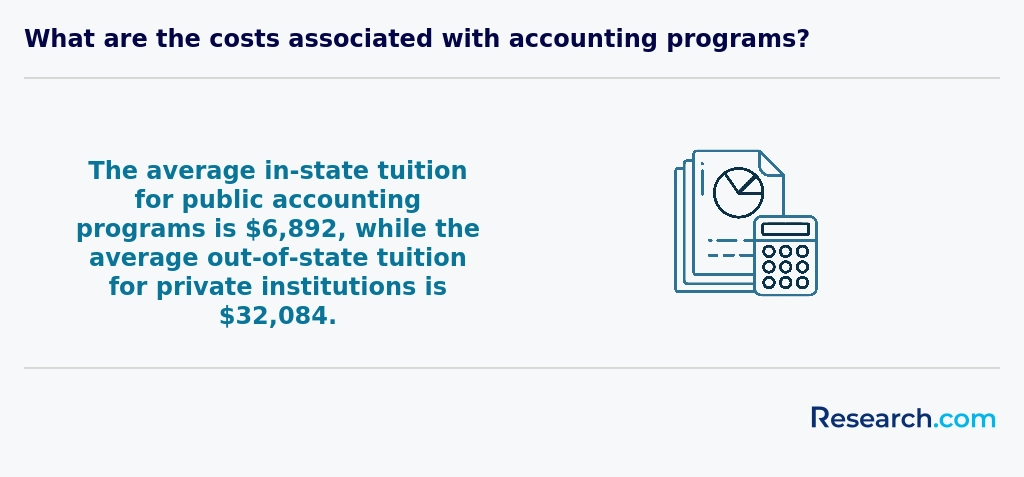
The average cost of an online accounting degree in Wisconsin centers around $45,867, making it a manageable investment for many students. Graduates from several popular universities across the state often reflect on how this cost aligns well with the quality of education received, especially when compared to pricier private options elsewhere. This affordability is one reason why many Wisconsin residents find pursuing an online accounting degree appealing, balancing budget concerns with strong academic programs.
For students seeking affordable online accounting programs Wisconsin offers public university options where tuition per credit hour generally falls between $300 and $550. This range, when multiplied by the typical 120-credit requirement, matches the median total cost figure. Many graduates describe feeling reassured knowing their tuition rates are competitive and transparent, without the surprise of out-of-state fees that on-campus programs sometimes impose. This stability gives students confidence to plan their finances realistically throughout their studies.
Beyond tuition, students often highlight lower additional expenses due to the digital nature of their coursework, with many programs utilizing online textbooks and software to keep costs down. Financial aid and scholarships are also crucial, and those exploring the best options often consult resources like the Wisconsin Educational Guidance Center or look into best ranked online schools to maximize their funding opportunities while pursuing their degrees.
Many online accounting students in Wisconsin find that financial aid is a vital resource, especially at institutions like the University of Wisconsin-Whitewater or UW-Milwaukee. Graduates often recall how completing the FAFSA opened doors to Pell Grants, which can provide up to $7,395, easing the burden of tuition costs significantly.
State-specific aid, such as the Wisconsin Higher Education Grant, is another critical asset for local students. For example, those attending public universities with an average tuition near $10,000 per year have reported how this grant brought much-needed relief, allowing them to focus more on coursework than finances.
Wisconsin's online accounting programs frequently offer merit scholarships that reward dedication and academic excellence, encouraging students to push through challenges. Beyond school aid, many graduates have benefited from employer tuition reimbursement programs, reflecting Wisconsin's supportive business community and the demand for skilled accountants.
In sum, the layered support from federal, state, institutional, and employment-related aid creates a manageable pathway for Wisconsin residents pursuing online accounting degrees.
Enrolling in an online accounting degree program in Wisconsin usually starts with a straightforward but essential step: holding a high school diploma or GED. Graduates from institutions like the University of Wisconsin-Madison or Marquette University often recall how this initial requirement laid a solid foundation for their studies.
Many programs emphasize a strong grasp of mathematics, particularly algebra, as accounting relies heavily on numerical reasoning. A common experience shared by students is the reassurance that early math courses helped them confidently tackle financial statements and budgeting problems later on.
Some colleges may request SAT or ACT scores, though this is becoming less frequent with test-optional policies. For those transferring credits or continuing education, completing introductory accounting or business courses beforehand is beneficial-these preparatory classes align well with Wisconsin's CPA licensing demands, which require 150 semester credits.
This thoughtful sequence ensures you're not just meeting requirements but stepping into the program ready to engage fully and confidently with the material.

Students pursuing an online accounting degree in Wisconsin often share how courses like financial and managerial accounting shaped their confidence in handling real-world business challenges. For instance, graduates from the University of Wisconsin-Madison recall how mastering financial statement analysis helped them advise local businesses on their budgeting strategies with assurance.
Auditing classes bring an added layer of responsibility, teaching them how to scrutinize financial records and ensure strict compliance with state and federal laws, an essential skill emphasized by programs at institutions like Marquette University. These courses create a sense of pride as students learn to protect organizations from financial missteps.
Taxation courses stand out for their focus on both federal regulations and Wisconsin-specific rules, a combination that graduates describe as empowering when navigating the complexities of state tax systems for clients. Coupled with lessons in accounting information systems, these courses equip students with practical tech skills crucial in today's financial environments.
Business law and ethics round out the curriculum, fostering a strong moral compass and legal awareness that alumni say are invaluable in ethical decision-making throughout their careers.
When choosing from the online accounting degree specializations Wisconsin offers, students often find distinct paths that align with both local industry needs and their personal career aspirations. Graduates from popular colleges in the state frequently highlight how studying Tax Accounting helped them confidently navigate Wisconsin's intricate state tax codes, preparing them for roles that demand precision and up-to-date regulatory knowledge. Others who pursued Auditing and Assurance appreciate the hands-on experience they gained, directly applicable to ensuring transparency for Wisconsin businesses, which fosters trust and accountability in regional markets.
Another popular focus is Forensic Accounting, where students develop investigative skills to uncover financial discrepancies-a growing sector given Wisconsin's attention to legal and financial integrity. Managerial Accounting graduates often speak of their enhanced ability to lead budgeting and financial strategy, which proved invaluable in local companies aiming to boost operational efficiency. Finally, Financial Accounting, grounded in GAAP standards, remains a cornerstone for those planning to work in firms adhering to both state and federal requirements. For those weighing their options carefully, reviewing the most affordable online colleges for working adults can offer practical guidance selecting the best program that suits their ambitions and budget.
Exploring Wisconsin accounting degree concentration options helps students tailor their online education to real-world demands, enhancing both their confidence and competitiveness. Each specialization is a doorway to meaningful opportunities, making the journey through accounting degrees both purposeful and rewarding.
Choosing the best online accounting degree in Wisconsin means focusing on programs that satisfy the state's rigorous CPA educational requirements. Graduates from the University of Wisconsin System often recall how their programs seamlessly integrated the necessary 150 semester hours and specialized accounting courses, giving them confidence and clarity when preparing for licensure. Accreditation matters deeply-as AACSB accreditation not only ensures academic quality but also inspires pride in alumni who know their degree holds worldwide esteem.
Affordability plays a key role as well. Many students find value in comparing tuition costs within Wisconsin's public universities while exploring financial aid opportunities. Those who researched discovered resources like the cheapest online bachelor's degree options, easing financial concerns and enhancing long-term investment in their career. Aligning curriculum with evolving industry demands-covering taxation laws, auditing standards, and current accounting software-helps students feel prepared and excited about their future roles in the dynamic accounting field.
Ultimately, the best online accounting degree programs Wisconsin offer also deliver strong support services. Alumni often praise academic advising, career counseling, and internship placement, which made their remote learning journeys feel connected and empowering. These features help turn an online education into a deeply rewarding experience, readying graduates for Wisconsin's thriving accounting job market.

Graduates with an online accounting degree in Wisconsin find a wide array of career paths that align well with the state's economic landscape. Many from popular institutions like the University of Wisconsin-Madison or Marquette University have stepped confidently into roles such as corporate accountants, managing financial operations within Wisconsin's robust manufacturing and service industries. Others have pursued work as tax specialists, navigating both state and federal tax systems, an area that often proves both challenging and rewarding in real-world applications.
Accounting graduates often share how becoming Certified Public Accountants (CPAs) opens doors to positions in public accounting firms or governmental agencies like the Wisconsin Department of Revenue. The practical experience gained helps these professionals feel truly valued and empowered. Roles like auditors and forensic accountants frequently offer engaging opportunities to apply detailed financial knowledge while contributing to regulatory compliance and fraud prevention.
Many students find their interests evolve, with some pursuing financial or budget analyst careers that directly influence corporate strategy or public sector resource management. The blend of strong job prospects and the chance to specialize enables graduates to craft meaningful, stable careers within Wisconsin's economy. For those considering supplementing their skills, exploring dual degree programs can further enhance future opportunities in this field.
The job market for an online accounting degree in Wisconsin offers steady opportunities supported by the state's diverse economy. Graduates from popular Wisconsin universities often share how firms in Milwaukee and Madison actively seek skilled accountants, especially those who hold CPA certifications earned with preparation through their online programs. Employers in manufacturing hubs like Green Bay also value graduates familiar with auditing and financial compliance, reflecting real-world industry needs.
Many graduates appreciate the balance of theory and practical skills gained through their studies, reporting positive experiences when entering positions at healthcare systems requiring budgeting expertise or working in public agencies. This reflects the healthy employment opportunities integral to Wisconsin accounting degree employment opportunities. Salaries typically start at competitive rates, around $65,000 annually, with increases for metropolitan-area positions or advanced credentials.
For those concerned about finances, in-state tuition options for online degrees are a great advantage, often making education affordable. Scholarships and aid further reduce the burden, helping students focus on their goals confidently. Exploring related pathways on the trade school careers list and salaries can also inspire alternative career ideas linked to accounting expertise.
2027 Most Valuable Online Accounting Degree Programs Ranking in Wisconsin
Investing in your education is a significant decision that can shape your future, and the Research.com team understands the importance of making informed choices. To assist prospective students in Wisconsin, we have meticulously crafted the "2027 Most Valuable Online Accounting Degree Programs Ranking in Wisconsin." Our commitment to quality, credibility, and accuracy is reflected in the extensive research and analysis conducted to compile this ranking.
We utilized the following reputable data sources to ensure a comprehensive evaluation of accounting programs:
By exploring this ranking, readers will gain valuable insights into the most valuable online accounting degree programs in Wisconsin, helping them make well-informed decisions about their educational paths. For more details on our methodology, please visit our Research.com methodology page.


# 3 position
Herzing University Online
Bachelor of Accounting

Frequently Asked Questions About accounting
Online accounting degree students in Wisconsin can maximize their learning by actively engaging with their course materials and participating in virtual discussions. Setting a consistent study schedule helps maintain discipline, especially when balancing work or family commitments. Utilizing resources such as tutoring, career services, and networking events offered by Wisconsin institutions enhances practical understanding.
It is also beneficial to seek internships or part-time roles within local accounting firms, as Wisconsin's growing finance sector offers numerous opportunities. According to the Wisconsin Department of Workforce Development, accounting jobs are expected to grow by 7% through 2030, emphasizing the value of practical experience alongside academic learning.
Students should make use of up-to-date software tools taught in their programs, aligning with industry standards. Additionally, joining state-based professional groups, such as the Wisconsin Institute of Certified Public Accountants, can provide mentorship and further learning outside of formal coursework.
The accounting field in Wisconsin is evolving with several emerging niches that offer promising career opportunities. One significant area is forensic accounting, which involves investigating financial fraud and supporting legal cases. Demand for forensic accountants is growing as businesses seek to prevent and detect fraud more effectively.
Another fast-developing niche is environmental accounting, focusing on sustainability reporting, resource management, and compliance with environmental regulations. Wisconsin's growing interest in green business practices supports this trend.
Additionally, technology-driven roles like data analytics and accounting information systems are expanding. According to the Bureau of Labor Statistics, Wisconsin's employment in accounting-related computer roles is expected to grow steadily through 2030, reflecting the increasing importance of tech skills in finance.
After earning an online accounting degree in Wisconsin, preparing for the job market involves several key steps. First, obtaining professional certifications such as the CPA (Certified Public Accountant) can significantly enhance job prospects. Wisconsin requires 150 credit hours and passing the CPA exam for licensure. According to the Wisconsin Department of Workforce Development, accounting jobs are expected to grow by 6% through 2030, signaling steady demand.
Networking plays a vital role; joining organizations like the Wisconsin Institute of Certified Public Accountants offers valuable connections. Gaining practical experience through internships or volunteer roles during studies can also improve employability. Finally, tailoring resumes and LinkedIn profiles for Wisconsin-specific accounting roles is essential to stand out.
Employers in Wisconsin highly value accounting graduates who demonstrate strong technical skills, especially proficiency in accounting software like QuickBooks and Excel. According to the Wisconsin Department of Workforce Development, familiarity with Generally Accepted Accounting Principles (GAAP) and tax regulations is fundamental for success in local accounting roles.
Analytical skills and attention to detail are critical, as accountants must accurately interpret financial data and ensure compliance. Communication abilities also stand out, as professionals often interact with clients and other departments. Wisconsin's growing business sectors require adaptability and problem-solving skills to navigate complex financial situations effectively.
Additionally, knowledge of state-specific tax codes and regulatory updates enhances graduates' employability within Wisconsin's competitive job market.
Finding internships in Wisconsin relevant to an online accounting degree involves targeted research and leveraging local resources. Start by exploring internship programs at major employers in the state, such as the Wisconsin Department of Revenue, regional CPA firms, and financial institutions like Johnson Financial Group. According to the Wisconsin Department of Workforce Development, accounting and auditing jobs are projected to grow by 7% through 2030, increasing internship opportunities.
Networking is crucial. Join state-based organizations like the Wisconsin Institute of CPAs to access exclusive internship postings and attend events. Universities with online programs often partner with local firms, so consult your school's career services for connections. Online job boards, including Handshake and Wisconsin's Job Center, also list local accounting internships.
Obtaining an online accounting degree in Wisconsin can significantly enhance career mobility and advancement opportunities. According to the U.S. Bureau of Labor Statistics, the demand for accountants in Wisconsin is projected to grow by 7% from 2022 to 2032, aligning with the national average. This growth supports increased job openings and advancement potential within the state.
Completing an accredited online program allows students to meet educational requirements for certifications like the Certified Public Accountant (CPA), a key credential recognized by Wisconsin's Department of Safety and Professional Services. Earning a CPA often leads to higher salaries and leadership roles.
Flexible online degrees enable working professionals to gain new skills without pausing their careers, promoting upward mobility in firms ranging from local businesses to regional accounting firms in Milwaukee and Madison.
Studying for an accounting degree in Wisconsin equips students with skills that extend beyond traditional accounting tasks. Wisconsin's online programs often integrate coursework in finance, information systems, and business law, fostering an interdisciplinary approach. This allows graduates to work effectively in roles requiring knowledge of taxation, auditing, and data analysis.
According to the Wisconsin Department of Workforce Development, interdisciplinary skills are increasingly valued in the state's growing accounting sector, which is expected to grow 5% by 2030. Programs also emphasize communication and ethical decision-making, preparing students for collaboration across various business functions.
Many online degrees include practical tools training, such as Excel and QuickBooks, supporting versatility in financial and managerial roles within diverse industries.
Choosing between a thesis and a non-thesis online accounting degree program in Wisconsin depends largely on your career goals and learning preferences. Thesis programs require conducting original research and writing a detailed paper, ideal for students targeting advanced roles or doctoral studies. Non-thesis options focus more on coursework and practical skills, suitable for professionals seeking immediate entry or advancement in accounting roles.
According to the Wisconsin Educational Communications Board, around 65% of accounting graduates enter the workforce directly, favoring non-thesis paths. However, if you aim for specialized fields like forensic accounting or academia, thesis programs can offer a competitive edge.
Students based in Wisconsin who wish to study accounting abroad while pursuing an online degree have several options available. Many US institutions with strong Wisconsin ties offer study-abroad programs or international coursework integrated into their online accounting degrees. These programs allow students to gain global accounting perspectives without leaving the US full-time.
Wisconsin's proximity to Canadian institutions and international business hubs facilitates exchange opportunities. Additionally, some accredited online programs include partnerships with foreign universities, enabling credit transfer and dual degrees. According to the Wisconsin Department of Workforce Development, accounting jobs grew by 5% in recent years, underscoring the value of global experience in this competitive field.
Students pursuing an online accounting degree in Wisconsin can benefit from several part-time job opportunities that enhance their education. Roles such as bookkeeping assistants, tax preparers, and accounts payable clerks are common entry points. According to the Wisconsin Department of Workforce Development, demand for accounting and auditing clerks is expected to grow about 5% through 2030, reflecting steady opportunities in the state.
Working in small business accounting offices or nonprofit organizations offers practical experience in financial reporting and compliance. Many employers in Wisconsin value candidates with familiarity in QuickBooks and Microsoft Excel, skills often taught in accounting programs. Part-time tax preparation jobs during tax season provide hands-on learning and networking in the field.
These roles not only support students financially but also allow them to apply theoretical knowledge practically, building career readiness in Wisconsin's competitive job market.
Online accounting students in Wisconsin have access to various networking opportunities designed to enhance their professional growth. Many state universities offering online programs encourage participation in virtual events, webinars, and student organizations related to accounting.
The Wisconsin Institute of Certified Public Accountants (WICPA) is a key resource. It hosts conferences and local chapter meetings, many of which are increasingly available online. WICPA connects students with experienced professionals and potential employers in the state's accounting industry.
Additionally, online students can tap into alumni networks and LinkedIn groups centered on Wisconsin accounting careers. These platforms help establish local contacts despite remote learning.
According to the U.S. Bureau of Labor Statistics, Wisconsin employed over 27,000 accounting professionals as of 2023, reflecting a strong regional demand and promising networking prospects.
Alumni networks offer valuable benefits to online accounting degree students in Wisconsin by providing access to professional connections and career opportunities. Graduates from Wisconsin institutions often join strong regional networks that include CPAs, financial analysts, and accountants working in key industries statewide.
According to the Wisconsin Department of Workforce Development, accounting jobs in the state are projected to grow by 6% from 2022 to 2032, highlighting the importance of networking for job placement. Alumni connections can help students gain internships, mentorship, and inside information on job openings within local firms.
Moreover, these networks facilitate lifelong learning through events and resource sharing, enhancing skills critical to success in Wisconsin's evolving accounting landscape. This support helps online students feel more connected despite studying remotely.
Students pursuing online accounting degrees in Wisconsin can tailor their programs by selecting electives that align with their career goals. Many institutions offer concentrations such as taxation, auditing, or forensic accounting. This flexibility helps students gain specialized knowledge suited for roles in public accounting, corporate finance, or government sectors.
Additionally, some programs provide options for internships or cooperative education, enabling practical experience in Wisconsin's business environment. According to the Wisconsin Department of Workforce Development, demand for accountants is expected to grow by 7% through 2030, emphasizing the value of customized skills.
Advisors and faculty support also guide students to adjust course plans to match industry certifications like CPA or CMA, enhancing employability in the state's competitive job market.
Online accounting students in Wisconsin often encounter challenges related to balancing rigorous coursework with work and family commitments. Many students juggle full-time jobs, and the demanding nature of accounting subjects requires significant dedication. According to the National Center for Education Statistics, time management remains a common hurdle for online learners nationwide, including Wisconsin.
Another challenge involves limited access to in-person networking and internship opportunities. Wisconsin's accounting job market values practical experience, making it harder for online students to connect locally with employers or mentors.
Additionally, staying motivated in a self-paced environment is difficult; nearly 30% of online students drop out due to isolation or lack of support (Source: Online Learning Consortium).
With an online accounting degree in Wisconsin, graduates can pursue several key professional certifications to enhance their careers. The most prominent is the Certified Public Accountant (CPA) license, which requires meeting state-specific education and experience criteria set by the Wisconsin Board of Accountancy. Becoming a CPA is highly valued, as Wisconsin had over 17,000 licensed CPAs reported in 2023 by the National Association of State Boards of Accountancy (NASBA).
Other notable certifications include the Certified Management Accountant (CMA), focusing on financial management and strategic planning, and the Certified Internal Auditor (CIA), which is valuable for those interested in auditing careers.
These certifications generally demand passing rigorous exams and maintaining continuing education, aligning well with the foundational knowledge gained from an online accounting degree.
When applying to an online accounting program in Wisconsin, start by carefully reviewing each school's admission requirements. Many programs require a minimum GPA of 2.5 to 3.0, along with prerequisite courses in math and business. Highlight your academic strengths and professional experience clearly in your application.
Wisconsin employers value candidates familiar with both national accounting principles and state-specific tax laws. Mentioning any relevant work experience or certifications can strengthen your application. According to the Wisconsin Department of Workforce Development, demand for accountants in the state is expected to grow by 5% through 2030, underscoring the value of a solid application.
Use the personal statement to explain your career goals and why you want to study accounting online. Demonstrating knowledge of Wisconsin's economic sectors, such as manufacturing and finance, and how accounting skills apply can make your application stand out.
The accounting profession is increasingly influenced by global trends, impacting career opportunities for graduates in Wisconsin. Globally, accountants must understand international financial reporting standards (IFRS), which are gradually aligning with U.S. Generally Accepted Accounting Principles (GAAP). This alignment enhances the mobility of accounting professionals across borders.
For Wisconsin students, this means an online accounting degree can open doors to multinational corporations and international firms operating within the state. According to the Wisconsin Department of Workforce Development, the demand for accountants is expected to grow by 6% through 2030, partly due to expanding global business activities.
Mastering global accounting perspectives equips graduates with skills valuable not only locally but in the wider global economy, making online degrees particularly relevant today.
Gaining practical experience while studying for an online accounting degree in Wisconsin is essential for career readiness. Many programs encourage internships at local businesses or accounting firms, even if the coursework is completed remotely. Wisconsin's strong manufacturing and service sectors offer diverse opportunities for students seeking hands-on experience. Additionally, students can participate in virtual internships or remote projects, which have become increasingly common in today's work environment.
Professional organizations like the Wisconsin Institute of Certified Public Accountants (WICPA) also provide networking events and mentorship programs, ideal for practical learning. According to WICPA, students engaging in internships report a smoother transition to full-time roles.
Moreover, online accounting students should seek out software training on industry-standard tools such as QuickBooks and Sage, which employers value highly in Wisconsin's job market.
Choosing the right concentration within an online accounting degree program in Wisconsin depends on your career goals and local job market demands. Popular concentrations include taxation, auditing, forensic accounting, and managerial accounting. According to the Wisconsin Department of Workforce Development, demand for accountants is projected to grow by 6% through 2030, particularly in auditing and tax services.
Consider concentrations that align with certifications like the CPA or CMA, which are highly valued in Wisconsin's accounting field. Research local employers to understand which specialties are most sought after, and review curriculum details to ensure courses meet state licensure requirements.
Additionally, explore whether programs offer flexible schedules and practical learning experiences that can fit your personal and professional life.
- 2027 Most Valuable Online Accounting Degree Programs Ranking in Minnesota
- 2027 Most Valuable Online Accounting Degree Programs Ranking in Iowa
- 2027 Most Valuable Online Accounting Degree Programs Ranking in Illinois
- 2027 Most Valuable Online Accounting Degree Programs Ranking in Michigan
- 2027 Most Valuable Online Accounting Degree Programs Ranking in Indiana
- 2027 Most Valuable Online Accounting Degree Programs Ranking in Missouri
- 2027 Most Valuable Online Accounting Degree Programs Ranking in Ohio
- 2027 Most Valuable Online Accounting Degree Programs Ranking in North Dakota
- 2027 Most Valuable Online Accounting Degree Programs Ranking in Kansas
- 2027 Most Valuable Online Accounting Degree Programs Ranking in Tennessee
See What Experts Have To Say About Studying Accounting
Read our interview with Accounting experts

Yaw M. Mensah
Accounting Expert
Professor and Interim Vice Dean for Strategic Partnerships
Rutgers Business School

John Wermert, Ph.D., CPA
Accounting Expert
Associate Professor of Accounting
Middle Tennessee State University

- Networking events for accountants in 2026 https://www.eagle-education.co.uk/eagle/networking-events-for-accountants-in-2026/
- Accounting Degree Programs in Wisconsin https://www.accounting.com/states/wisconsin/
- Best Online Accounting Degrees in Wisconsin https://www.onlineu.com/degrees/accounting/wisconsin
- Accounting Program at Lakeland University https://lakeland.edu/degrees/accounting
- Jobs you can get with a degree in Accounting https://www.monroeu.edu/academics/undergraduate-programs/school-business-and-accounting/jobs-with-degree-in-accounting
- Mastering the Art of Networking: A Guide for Accounting ... https://www.wscpa.org/blog/607cb669-8d98-427e-8c9b-06129d9297e8:mastering-the-art-of-networking-a-guide-for-accounting-students
- Earn an Online Accounting Degree https://www.oedb.org/rankings/online-accounting-programs/
- Accounting Online Degree Pathway | learndirect https://www.learndirect.com/course/accounting-online-degree
- College Readiness: Connecting with the Alumni Network https://southcoastcf.org/college-readiness-connecting-with-the-alumni-network/
- Why CA Firms Can't Afford to Overlook Alumni Networks https://hoopstr.ai/corporate-resource-center/blog/why-ca-firms-need-to-adopt-corporate-alumni-programs-for-growth-and-success-in-a-changing-industry