2027 Most Valuable Accounting Degree Programs Ranking in Puerto Rico

Co-Founder and Chief Data Scientist
Choosing the right accounting degree program can be a big decision, especially in Puerto Rico where opportunities are growing. This article presents the 2027 Most Valuable Accounting Degree Programs Ranking in Puerto Rico, carefully created by the Research.com team of data scientists.
Our goal is to help you explore programs that offer strong career prospects and real value. Whether you're starting your college journey or considering a change, understanding these rankings can guide you toward a future full of possibilities.
Discover options that align with your goals and feel confident in your next step toward a rewarding accounting career.
Key benefits of getting accounting degree in Puerto Rico
- Accounting graduates in Puerto Rico can expect strong salary potential, with roles like Staff Accountant earning a mean annual wage of $90,780 and a mean hourly wage of $43.65, offering financial stability and growth.
- Career paths for accounting degree holders are diverse, ranging from bookkeeping to auditing, as shown by graduates from the University of Puerto Rico, who find rewarding opportunities in various sectors.
- Online accounting degrees offer flexibility and accessibility, allowing graduates from institutions like Universidad Ana G. Méndez to balance work and study while gaining credentials that open doors to thriving accounting careers.
- 2027 Most Valuable Accounting Degree Programs Ranking in Puerto Rico
- What can I expect from accounting degree in Puerto Rico?
- Where can I work with accounting degree in Puerto Rico?
What can I expect from accounting degree in Puerto Rico?
Students pursuing accounting degrees in Puerto Rico generally find that tuition costs are quite reasonable compared to many mainland institutions. For example, graduates from the University of Puerto Rico (UPR) system, a top choice for accounting studies, often recounted paying around $3,000 to $5,000 per academic year in tuition, making a four-year degree affordable by many standards.
Private colleges tend to charge more, with annual fees sometimes reaching $7,000 or higher. However, many students appreciate that these programs often bundle practical skills with bilingual coursework, helping them navigate both Spanish and English professional materials seamlessly. This focus provides a real advantage when preparing for the CPA exam or entering bilingual work environments.
One graduate shared that the moderate cost allowed them to invest time in internships within local government agencies without excessive financial strain. Such experiences are instrumental in gaining confidence and building a network in Puerto Rico's accounting sectors. Overall, the cost balance and quality of education make Puerto Rico an appealing place for accounting students seeking robust training without overwhelming debt.
Where can I work with accounting degree in Puerto Rico?
Graduates from renowned institutions like the University of Puerto Rico or Universidad del Turabo often find themselves welcomed into a variety of vibrant work environments. Many begin their careers in the bustling offices of certified public accounting firms, including branches of the Big Four. These roles provide hands-on experience in auditing and tax advisory, shaping their skills in ways textbooks cannot fully capture.
Others move directly into corporate accounting positions within Puerto Rico's manufacturing and pharmaceutical sectors. Imagine managing budgets and ensuring regulatory compliance for a major electronics company-this is a reality for many alumni who appreciate the challenge and tangible impact of their work. The local government also offers rewarding opportunities, with agencies such as the Departamento de Hacienda seeking savvy accountants to help maintain fiscal responsibility, especially those who have earned their CPA license.
Nonprofits and educational institutions also benefit greatly from accounting graduates, who bring clarity and sustainability to their financial operations. These diverse career paths reflect a shared enthusiasm among graduates for meaningful work that supports Puerto Rico's economic resilience and growth.
Graduates from accounting programs at institutions like the University of Puerto Rico or Ana G. Méndez University can realistically expect entry-level positions such as bookkeeper, tax preparer, or accounts payable clerk to offer mean annual wages around $49,580 based on U.S. Bureau of Labor Statistics data. Many alumni recall starting their careers in these roles, appreciating the balance between gaining hands-on experience and earning a solid salary early on.
Ambitious graduates aiming for roles like staff accountants may look forward to higher earnings, with mean annual wages near $90,780. This reflects both advanced technical skills and often additional certifications such as the CPA. Mid-career professionals frequently share that the rigorous curriculum and practical training from Puerto Rican universities prepared them well for these opportunities, giving them confidence to negotiate better salaries and responsibilities.
While salaries in Puerto Rico tend to be somewhat lower than the continental U.S., graduates find that the cost of living balances the equation. Many who studied locally express satisfaction in building their career close to home while accessing competitive financial prospects and benefits, especially when joining multinational firms or expanding their credentials.
- Annual tuition for accounting degrees in Puerto Rico ranges from $4,000 to $8,000 at public universities and is higher at private institutions.
- Starting salaries for accounting graduates are typically between $40,000 and $45,000 per year, with experienced accountants earning $55,000 to $70,000 annually.
- The job market is steady, driven by sectors like finance, government, manufacturing, and services, and CPA licensure improves job prospects.
- Programs are accredited by regional accreditors recognized in the U.S., making credits and degrees transferable nationwide.
- Internships are available through university partnerships, and U.S. tax law is used, aiding transition into federal tax-related accounting roles.
Completing an accounting degree in Puerto Rico generally takes about four years of full-time study, a timeline familiar to many graduates from institutions like the University of Puerto Rico or Universidad del Sagrado Corazón. These students often find the structured curriculum-with courses in financial accounting, auditing, and tax law-both challenging and rewarding, providing a clear path forward. Many appreciate the balance between core requirements and specialized classes, which keeps the journey engaging.
For those motivated to move faster, some universities offer accelerated programs or summer courses, allowing students to finish in less than four years. Graduates who pursued these options recall a sense of accomplishment and gained a competitive edge entering the workforce sooner. On the other hand, part-time students balancing jobs or family responsibilities sometimes take longer, but still value the flexible pace Puerto Rican institutions provide.
Additionally, for students aiming at CPA certification, extending studies with a master's or extra credits often adds one to two years, deepening expertise and opening new professional doors. Many find this investment worthwhile, as it aligns well with Puerto Rico's affordable tuition and strong academic programs.
Graduates from San Juan's leading universities often reflect on how online accounting programs in Puerto Rico gave them the flexibility to balance work and family life while progressing steadily toward their degrees. These programs allow students to access course materials anytime, fitting studies around demanding schedules. This freedom is particularly valued by those managing full-time jobs or caregiving responsibilities.
Conversely, alumni of on-campus programs at institutions like the University of Puerto Rico appreciate the rich, face-to-face interactions with professors and peers. Being on campus fosters immediate feedback during discussions and easier access to career services and internships-vital for building local business connections. For many, the structured environment enhances focus and provides a sense of community.
Tuition differences also come into play; on-campus students encounter additional costs such as commuting or housing, while online learners may save there but invest in reliable technology. Those who thrived in either path emphasized the importance of aligning the program choice with their personal learning style and professional goals within Puerto Rico's accounting landscape.
The average cost of an accounting degree in Puerto Rico reflects a balance between affordability and quality education. Graduates from well-known institutions like the University of Puerto Rico often mention how the accounting degree tuition and fees Puerto Rico charges are manageable compared to mainland expenses. With the median in-state total cost around $5,780 and the overall median total cost near $17,450, many students find they can pursue their dreams without overwhelming debt. This creates a positive atmosphere where learners focus more on mastering accounting concepts rather than worrying about funding.
In real-life terms, students attending public universities report spending roughly $4,500 annually on tuition, with additional costs for supplies bringing that up slightly. For example, a graduate who chose a public college explained how these expenses allowed them to work part-time and still cover their essential living costs comfortably. Private institutions, which may charge between $8,000 and $10,000 per year, often draw those looking for a more specialized or intimate learning environment, justifying the higher fees for some aspirants.
When considering the average cost of accounting degree in Puerto Rico, it's important to reflect on both education and lifestyle factors. Living expenses on the island tend to be lower than in major U.S. cities, helping students reduce overall costs. Many have found that attending a university here sparked not only academic growth but also a strong connection to the local business community, boosting confidence and career prospects.
For those unsure about finances, exploring financial aid options or seeking a quickest associates degree pathway may provide valuable solutions tailored to individual needs.
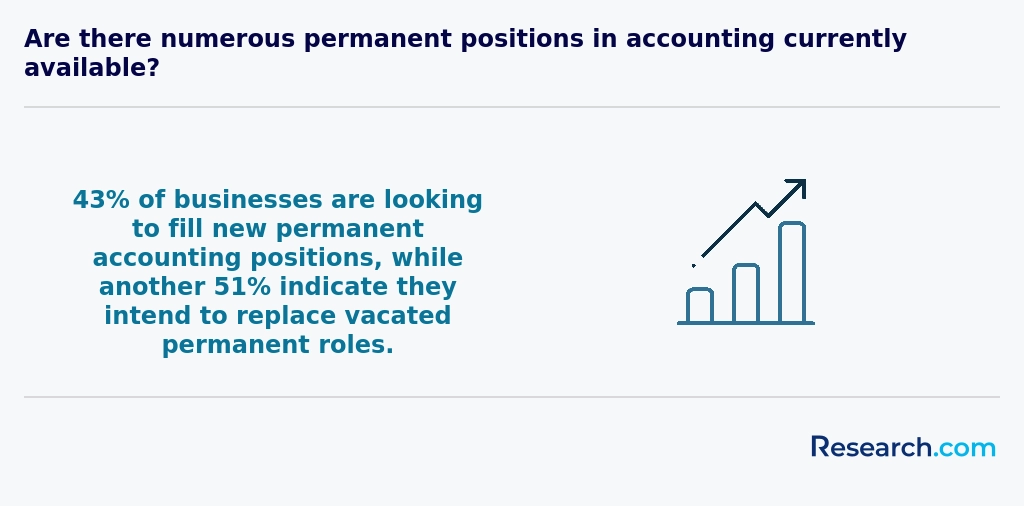
Financial aid for accounting students in Puerto Rico often begins with federal support through FAFSA, unlocking access to Pell Grants and student loans that ease tuition costs at institutions like the University of Puerto Rico. Many graduates recall how Pell Grants, sometimes covering up to $7,395 annually, transformed their college experience, allowing them to focus more on learning than financial worries.
Local aid through ASUME further supports residents attending universities such as Bayamón or Ana G. Méndez, offering scholarships and loans tailored for high-achievers and those in need. Graduates commonly reflect on how these resources provided crucial relief during tight semesters, reinforcing their commitment to succeed.
Beyond government programs, institutional scholarships and work-study opportunities present at these universities bring practical benefits. Accounting students have shared how assistantships not only lowered expenses but also enriched their resumes with valuable experience.
Private scholarships from organizations like the Puerto Rico Society of Certified Public Accountants offer yet another layer of encouragement, inspiring many to pursue impactful careers in accounting on the island with a sense of confidence and hope.
To enroll in an accounting degree program in Puerto Rico, you must first have a high school diploma or its equivalent, such as a GED. This baseline credential is essential and familiar to many graduates who recall the confidence it gave them entering universities like the University of Puerto Rico. Strong academic performance, especially in math, economics, and business classes, sets a solid foundation. Many successful students highlight how these subjects prepared them for the real-world challenges later faced in their coursework.
Standardized tests such as the SAT or ACT remain important, although some institutions have adopted test-optional policies. Graduates often reflect on how submitting competitive scores opened doors at more selective colleges. English proficiency is another key prerequisite, particularly for those whose first language is Spanish. Tests like TOEFL or IELTS are commonly required, helping students succeed in bilingual environments and professional settings.
Finally, personal statements and letters of recommendation provide opportunities for applicants to express passion and commitment, qualities highly valued by admissions committees in Puerto Rico's accounting programs.
Students pursuing accounting degrees in Puerto Rico at institutions like the University of Puerto Rico often find their coursework rich and comprehensive, covering essentials that build both knowledge and confidence. Classes such as Financial Accounting provide a clear framework to prepare and analyze financial statements, a skill graduates recall using daily in real-world job settings.
Managerial Accounting courses sharpen decision-making abilities by teaching how to interpret accounting data internally, which many alumni say helped them advise businesses effectively. Auditing classes feel practical, as students learn to assess financial accuracy-something graduates emphasize as invaluable during their initial career years.
Taxation courses stand out, blending US federal and Puerto Rican tax laws. Graduates often reflect on how mastering this dual system gave them a unique advantage in local firms. Other key subjects like Accounting Information Systems and Cost Accounting enable students to handle financial technology and optimize expenses, making these graduates highly competitive.
Additionally, courses in Business Law, economics, finance, and ethics enrich the program, grounding students in broader contexts that strengthen both understanding and ethical judgment in professional roles.
Accounting degree specializations in Puerto Rico reflect the island's unique intersection of local and U.S. regulations, offering focused paths that prepare students for diverse roles. Graduates from well-known colleges often mention how Financial Accounting emphasizes mastering financial statements and GAAP rules applicable both locally and federally. This specialization feels especially relevant in Puerto Rico's business environment.
Other popular options include Auditing, where students gain hands-on experience with financial record examination, an essential skill sought by public accounting firms and internal audit teams. Taxation is another vital concentration, deeply rooted in Puerto Rico's distinct tax code and incentives-graduates feel confident advising clients on complex corporate and individual tax matters.
Management Accounting develops critical skills in budgeting and cost control, perfectly suiting students who enjoy strategic decision-making roles within companies. Increasingly sought after is Forensic Accounting, which prepares students to investigate fraud and legal disputes, a specialty that graduates find both challenging and rewarding.
Many students appreciate that Puerto Rico accounting program concentration options align with AICPA standards, helping them move smoothly toward CPA licensure. Those seeking broader flexibility might explore what is the easiest online degree to get, often complementing their specialization with distance learning while studying locally.
Choosing the best accounting degree in Puerto Rico means focusing on accreditation and program relevance to the local market. Graduates from popular universities often highlight how programs accredited by bodies like AACSB offer rigorous coursework that directly prepares them for Puerto Rico's CPA licensure requirements, easing their path to certification. Many found value in schools that emphasize bilingual instruction, recognizing that mastering both Spanish and English opens doors to a wider range of employers, from government agencies to multinational firms.
Affordability is a major consideration. Those who attended affordable accounting schools Puerto Rico-based appreciated balancing cost with scholarship opportunities and the chance to participate in internships that provided hands-on experience within the island's unique economic landscape. The programs often include specialized courses in auditing and taxation, reflecting the actual challenges professionals face in Puerto Rico's financial sector.
Some students even explored flexible study paths like accelerated degrees or combined bachelor's and master's options. For those curious about advanced options, programs such as the phd no dissertation online offer alternative routes that fit diverse career goals and learning styles, making educational attainment more accessible and tailored.

Graduates with an accounting degree in Puerto Rico find a diverse landscape of career paths that reflect the island's unique economic and regulatory environment. Many step confidently into public accounting roles such as CPA positions, auditing, or tax consultancy, benefitting from the U.S.-recognized CPA license that expands their service reach both locally and beyond. Those who studied at well-established colleges in Puerto Rico often share how rewarding it feels to contribute directly to organizations navigating the island's complex tax structures and compliance demands. This mixture of challenge and opportunity shapes fulfilling careers.
Corporate accounting roles also attract graduates interested in strategy and financial management. Working in manufacturing facilities or financial institutions, these professionals apply their skills to budgeting, financial analysis, and controls, roles pivotal to company growth. Government accounting offers another solid path where graduates assist with fiscal oversight amid Puerto Rico's evolving public finance needs, which many find offers stability and purpose.
Specialties like forensic accounting or advisory services are increasingly popular, allowing graduates to investigate fraud or optimize tax strategies under U.S. law as applied in Puerto Rico. Many students from top regional programs highlight how practical, real-world training prepares them well for such roles. With accounting career opportunities in Puerto Rico expanding, prospective students can also explore programs at leading online universities, ensuring flexibility alongside rigorous preparation.
The accounting job prospects in Puerto Rico offer a landscape shaped by steady demand and evolving opportunities. Graduates from popular universities and colleges on the island often share how their education provides a solid foundation for careers in accounting within government agencies, local businesses, and large multinational companies. The cost-effectiveness of earning a degree here allows many to graduate with manageable debt, enabling them to explore roles that blend accounting with technology and tax specialization, a vital area given Puerto Rico's unique tax environment.
Graduates frequently describe the rewarding challenge of navigating roles that require both technical accounting skills and a deep understanding of local financial regulations. Many find roles in healthcare, manufacturing, or financial services sectors, where their expertise directly supports organizational growth and regulatory compliance. This mirrors the broader trend in Puerto Rico accounting degree career opportunities, where professionals skilled in CPA certification and technology integration see greater employability and salary potential.
For students considering these pathways, it's helpful to reflect on stories from alumni who have turned their education into diverse careers, illustrating the tangible benefits of pursuing an accounting degree locally. The practical experience gained complements classroom learning and positions graduates well for resilient careers in the local market that align closely with Puerto Rico's economic restructuring efforts. For deeper insights, explore anchors part-time Ph.D. in economics.
2027 Most Valuable Accounting Degree Programs Ranking in Puerto Rico
Investing in your education is a significant decision that can shape your future, and the Research.com team understands the importance of making informed choices. To assist prospective students in Puerto Rico, we have meticulously crafted the "2027 Most Valuable Accounting Degree Programs Ranking in Puerto Rico." Our commitment to quality, credibility, and accuracy is reflected in the extensive research and analysis conducted to compile this ranking.
We utilized the following reputable data sources to ensure a comprehensive evaluation of accounting programs:
By exploring this ranking, readers will gain valuable insights into the most valuable accounting degree programs offered in Puerto Rico, helping them make data-driven decisions for their educational journey. For more details on our methodology, please visit our Research.com methodology page.
# 1 position
Universidad Ana G. Mendez-Gurabo Campus
Master of Science in Accounting
# 2 position
Universidad Ana G. Mendez-Cupey Campus
Master of Accountancy
# 3 position
Universidad Ana G. Mendez-Gurabo Campus
Bachelor of Business Administration in Accounting
# 4 position
Universidad Ana G. Mendez-Carolina Campus
Bachelor in Business Administration with major in Accounting

# 6 position
EDP University of Puerto Rico Inc-San Juan
Bachelor of Science in Accounting

# 8 position
Universidad Ana G. Mendez-Carolina Campus
Master of Science in Accounting
# 9 position
NUC University
Bachelor of Business Administration in Accounting


# 13 position
Universidad Ana G. Mendez-Cupey Campus
Bachelor of Business Administration in Accounting

# 15 position
Pontifical Catholic University of Puerto Rico-Ponce
Bachelor in Accounting

# 18 position
University of Puerto Rico-Aguadilla
Bachelor of Business Administration (Accounting Concentration)

# 20 position
University of Puerto Rico-Rio Piedras
Bachelor of Business Administration in Accounting

Frequently Asked Questions About accounting
Accounting degree students in Puerto Rico can maximize their learning experience by combining strong academic study with practical application. Enrolling in accredited programs recognized by the Council for Higher Education of Puerto Rico ensures a quality education aligned with U.S. accounting standards. Internships with local accounting firms or government agencies provide essential hands-on experience, enhancing comprehension of Puerto Rico's unique tax codes and financial regulations.
Students should also engage with professional organizations such as the Puerto Rico Society of Certified Public Accountants, which offers networking and continuing education opportunities. Utilizing resources from the U.S. Financial Accounting Standards Board (FASB) helps students stay current with evolving accounting principles.
Additionally, proficiency in both English and Spanish is crucial, given Puerto Rico's bilingual business environment.
The accounting field in Puerto Rico is evolving with several emerging niches attracting new professionals. Environmental accounting is growing due to increased regulatory focus on sustainability and corporate responsibility on the island. This niche helps organizations track and report their environmental impact. Additionally, forensic accounting sees rising demand as local businesses and government agencies seek experts to investigate financial fraud and compliance issues.
Another expanding area is technology-driven accounting, including data analytics and cybersecurity for financial data. According to the Puerto Rico Society of CPAs, proficiency in these skills enhances employability. Tax accounting remains critical, especially with the island's unique tax regulations related to federal and local systems.
After completing an accounting degree in Puerto Rico, preparing for the job market involves several key steps. First, gaining relevant experience through internships or part-time positions with local firms can significantly boost employability. Many accounting professionals in Puerto Rico pursue the Certified Public Accountant (CPA) license, which requires passing the Uniform CPA Examination and meeting state-specific education and experience criteria.
Networking is also vital; attending events organized by the Puerto Rico Society of Certified Public Accountants helps build connections with industry professionals. According to the U.S. Bureau of Labor Statistics, demand for accountants in Puerto Rico is projected to grow steadily, making early preparation advantageous.
Employers in Puerto Rico highly value accounting graduates who demonstrate strong technical skills, particularly proficiency in generally accepted accounting principles (GAAP) used across the United States. Knowledge of tax regulations specific to Puerto Rico, including local sales and use taxes, is also essential for compliance roles.
Beyond technical knowledge, communication skills are critical. Accountants must clearly explain financial data to clients or management who may not have a finance background. According to the Puerto Rico Society of CPAs, 78% of employers prioritize candidates with strong interpersonal abilities.
Analytical thinking and attention to detail remain top competencies. Employers expect graduates to accurately analyze financial reports and detect discrepancies efficiently. Familiarity with accounting software like QuickBooks or SAP can enhance job prospects significantly.
Finding internships in Puerto Rico related to accounting degrees involves several practical steps. First, students should explore resources at their university's career services office, which often maintain partnerships with local firms and government agencies.
Accounting students can benefit from connecting with professional organizations such as the Puerto Rico Society of Certified Public Accountants (PRCPA), which offers networking events and internship listings tailored to the accounting industry.
Large accounting firms like Deloitte, EY, KPMG, and PwC have offices in Puerto Rico and often recruit interns. Applying early and preparing a strong resume that highlights accounting coursework and skills is essential.
According to the U.S. Bureau of Labor Statistics and local reports, internships in accounting can improve job prospects by 60% in Puerto Rico's competitive market.
An accounting degree in Puerto Rico significantly enhances career mobility and advancement opportunities within the island's competitive job market. Graduates with this credential are often eligible for roles in public accounting firms, corporate finance departments, and government agencies, where specialized knowledge is highly valued. According to the Puerto Rico Department of Labor, accountants enjoy a projected job growth rate of about 7% through 2030, aligning with national trends.
Possessing an accounting degree also serves as a prerequisite to sit for the Certified Public Accountant (CPA) exam, a respected certification that can boost salary potential and open doors to leadership positions. Employers in Puerto Rico frequently seek candidates with both formal education and CPA licensure.
Moreover, accounting graduates demonstrate skills in financial analysis, compliance, and taxation, making them adaptable to various sectors including manufacturing, tourism, and government finance. This versatility supports long-term career growth and geographic flexibility within the U.S. jurisdiction of Puerto Rico.
Studying for an accounting degree in Puerto Rico equips students with strong technical skills in financial reporting, auditing, and taxation, all aligned with U.S. GAAP and IRS standards. This foundation supports interdisciplinary roles by integrating knowledge from business law, economics, and information systems, areas emphasized in many Puerto Rican universities' curricula.
Programs often include courses on data analytics and ethics, preparing graduates to handle diverse challenges in finance, compliance, and technology-driven environments. According to the Puerto Rico Society of CPAs, nearly 60% of accounting professionals engage in cross-disciplinary projects, highlighting local industry demand for versatile expertise.
Furthermore, Puerto Rico's unique tax status and bilingual environment foster skills beneficial for multinational companies and governmental agencies, broadening career opportunities beyond traditional accounting roles.
Choosing between a thesis and a non-thesis accounting degree program in Puerto Rico depends on your career goals and learning preferences. A thesis track usually involves conducting original research and writing a detailed paper, which can be beneficial if you plan to pursue further study or a research-oriented position.
On the other hand, non-thesis programs focus more on practical coursework and may offer internships or applied projects, ideal for students aiming to enter the workforce quickly. According to the Puerto Rico Council for Higher Education, programs often align with CPA exam requirements, which are essential for licensure in the territory.
Consider your long-term plans: thesis programs often take longer but develop strong analytical skills, while non-thesis options may be faster and more professionally oriented.
Students in Puerto Rico interested in studying accounting abroad have diverse options within the United States higher education system. Many pursue bachelor's or master's degrees on the mainland, benefiting from well-established programs accredited by the Association to Advance Collegiate Schools of Business (AACSB). This accreditation ensures high-quality education recognized nationally and internationally.
Popular destinations include Florida and New York, which host universities with strong accounting departments and connections to major accounting firms. Additionally, students often look for programs offering preparation for the Certified Public Accountant (CPA) exam, a requirement to practice in Puerto Rico, following the Uniform Accountancy Act.
According to the Puerto Rico Board of Accountancy, pursuing education in the mainland can enhance career prospects by expanding networking opportunities and exposure to different regulatory environments.
Part-time job opportunities in Puerto Rico that complement accounting degree education often include roles in bookkeeping, tax preparation, and auditing support. Many students find employment with local CPA firms, which offer practical experience aligned with academic coursework. According to the Puerto Rico Society of Certified Public Accountants, internships and part-time positions in accounting help students apply theoretical knowledge to real-world financial scenarios.
Retail businesses and nonprofits also frequently hire accounting students for roles handling payroll and financial records. Given Puerto Rico's unique tax environment, jobs related to sales tax compliance and municipal finance provide valuable insight into regional regulations.
Additionally, federal agencies with offices on the island, such as the IRS, sometimes offer part-time or seasonal employment, further enriching accounting education with government finance experience.
Accounting students in Puerto Rico benefit from various networking opportunities that support their professional growth. Universities often partner with local chapters of the American Institute of Certified Public Accountants (AICPA) and the Puerto Rico Society of CPAs, offering students access to events, workshops, and conferences.
These organizations provide platforms for students to meet practicing professionals, engage in mentorship programs, and attend job fairs aimed at accounting careers. Additionally, many schools host guest speakers from regional firms and government agencies, helping students connect directly with potential employers.
According to the Puerto Rico State Office of Labor Market Information, accounting remains a high-demand field, making networking essential for internships and job placements in the territory's competitive market.
Alumni networks provide significant advantages for accounting degree students in Puerto Rico. These networks connect students with graduates working in various accounting fields across the island and the mainland United States. Through mentoring, job referrals, and internship recommendations, alumni improve access to practical opportunities beyond the classroom. According to the Puerto Rico Society of CPAs, networking is a key factor in securing entry-level accounting positions locally.
Students benefit from workshops and seminars sponsored by alumni, which focus on regional accounting standards and practices. Given Puerto Rico's unique tax and financial regulations, these connections help students understand practical implications. Access to a strong alumni network can boost students' career growth and professional development in the competitive accounting job market.
In Puerto Rico, customizing your accounting degree to match career goals involves selecting electives and certifications that align with your interests. Many universities offer specialized courses in areas such as forensic accounting, taxation, and auditing. Choosing these options can enhance your expertise in high-demand fields.
Participating in internships or cooperative education programs at local firms provides practical experience and networking opportunities essential in Puerto Rico's competitive job market. Some institutions also facilitate CPA exam preparation, which is important since the CPA license is highly valued by employers.
Stay informed about industry trends via resources like the Puerto Rico Society of CPAs, which publishes reports on regional economic demands and accounting opportunities.
Accounting students in Puerto Rico often face several notable challenges during their studies. One common difficulty is adapting to the rigorous curriculum that mirrors standards set by mainland U.S. institutions, requiring a strong grasp of both local tax codes and Generally Accepted Accounting Principles (GAAP). Limited access to updated resources and technological tools in some public universities can also hinder learning experiences. Additionally, economic constraints for many students affect their ability to afford tuition and materials, especially since Puerto Rico's median household income is below the U.S. average, according to the U.S. Census Bureau.
Language can be another barrier, as coursework and professional exams require proficiency in English and Spanish. Networking opportunities and internships may also be scarce compared to mainland programs, impacting practical experience. Data from the Puerto Rico Society of CPAs shows that lower internship availability limits early career development for students. These factors collectively shape the academic and professional landscape for accounting students on the island.
With an accounting degree in Puerto Rico, graduates can pursue several respected professional certifications recognized across the United States. The most common is the Certified Public Accountant (CPA) license, which requires passing the Uniform CPA Examination and meeting specific education and experience criteria set by the Puerto Rico Board of Accountancy.
Many accountants also aim for the Certified Management Accountant (CMA) designation, which focuses on management accounting and financial strategy. The CMA credential is offered by the Institute of Management Accountants (IMA) and can enhance job prospects in corporate finance roles.
Other valuable certifications include the Certified Internal Auditor (CIA) and the Enrolled Agent (EA) credentials. The CIA is ideal for those interested in internal auditing, while the EA certification allows accountants to represent taxpayers before the IRS.
According to the Puerto Rico Society of CPAs, local demand for these certifications remains strong due to increasing regulatory complexity and business growth on the island.
To write a winning application for an accounting program in Puerto Rico, start by clearly presenting your academic achievements. Highlight your high school GPA or prior college coursework relevant to accounting, as many universities in Puerto Rico require a minimum GPA around 3.0 for competitive programs. Include strong letters of recommendation from teachers or professionals familiar with your quantitative skills. Demonstrating proficiency in English and Spanish is important since coursework may use both languages.
Showcase your motivation by writing a concise, focused personal statement explaining why accounting interests you and how you plan to contribute to the profession in Puerto Rico. Mention any related experience, such as internships or volunteer work in finance or tax preparation.
Finally, be aware that institutions like the University of Puerto Rico follow strict admissions timelines, so submit your complete application well before deadlines to avoid delays. Using official resources such as the Puerto Rico Council on Education can provide updated admission criteria.
Accounting is a globally respected profession, with demand driven by expanding international business and regulatory environments. In the United States, including Puerto Rico, accounting professionals must meet rigorous standards, including CPA certification, to ensure competence and ethical practices. According to the American Institute of CPAs (AICPA), the U.S. Bureau of Labor Statistics projects a 7% growth in accounting jobs from 2021 to 2031, reflecting steady demand.
Puerto Rico, as a U.S. territory, follows the same CPA rules, making degrees from accredited local universities valuable for global and domestic careers. The interconnected global economy requires accountants to understand international financial reporting standards (IFRS) alongside U.S. GAAP principles.
Gaining practical experience while studying for an accounting degree in Puerto Rico is essential for career readiness. Many universities partner with local businesses and government agencies to offer internships, allowing students to apply classroom knowledge in real-world settings. For example, the University of Puerto Rico and Inter American University provide internship opportunities that align with the U.S. accounting standards employers expect.
Additionally, student organizations like the Puerto Rico Society of CPAs offer networking events and mentorship programs, helping students connect with professionals. Participating in these activities can significantly enhance practical skills.
Students may also pursue part-time jobs in accounting firms, leveraging Puerto Rico's strong service sector focused on finance and taxation. This hands-on work experience complements academic learning and supports meeting CPA licensure requirements.
Choosing the right concentration within an accounting degree program in Puerto Rico depends on your career goals and local job market demands. Popular concentrations include auditing, taxation, and forensic accounting. Auditing remains strong in Puerto Rico due to the presence of many multinational firms requiring compliance with U.S. GAAP standards.
Taxation is vital given Puerto Rico's unique tax incentives and its classification as a U.S. territory, affecting both individual and corporate tax practices. According to the Puerto Rico State Department of Education, demand for tax professionals continues to grow as businesses navigate complex regulations.
Forensic accounting is emerging, fueled by increasing fraud detection needs in both public and private sectors. Reviewing course offerings and internship opportunities across institutions can help align your choice with market trends and personal interests.
See What Experts Have To Say About Studying Accounting
Read our interview with Accounting experts

Yaw M. Mensah
Accounting Expert
Professor and Interim Vice Dean for Strategic Partnerships
Rutgers Business School

John Wermert, Ph.D., CPA
Accounting Expert
Associate Professor of Accounting
Middle Tennessee State University

- The Diverse Skills you Gain with an Accounting Degree https://www.accounting-education.org/blog/accounting-degree-diverse-skills/
- How to get into accounting as a graduate https://targetjobs.co.uk/careers-advice/accountancy-banking-and-finance/how-get-accounting-graduate
- What Jobs Can You Get with an Accounting Degree? https://www.mountunion.edu/academics/undergraduate-degrees/accounting/what-jobs-can-you-get-with-an-accounting-degree
- Everything About Bachelor’s in Accounting https://www.allbusinessschools.com/accounting/bachelor-degree-in-accounting/
- What Jobs Can You Do With an Accounting Degree? - Intuit Blog https://www.intuit.com/blog/life-at-intuit/intuit-experts/accounting-degree/
- Know more about thesis vs non- thesis: what is the difference? https://studyfans.com/en/blogs/816
- Skills You Need for a Career Path in Accounting | AIU https://www.aiuniv.edu/degrees/business/articles/top-skills-for-career-in-accounting
- Why Is Accounting So Hard? Understanding Challenges and Misconceptions https://www.glasscubes.com/why-is-accounting-so-hard-understanding-challenges-and-misconceptions/
- Puerto Rico CPA Requirements: Education, Exam & License Guide https://300hours.com/puerto-rico-cpa-requirements/
- Puerto Rico CPA Requirements 2026: Education, Exam & License Guide https://atlascpaindex.com/cpa-requirements/puerto-rico