2027 Most Affordable Online Master's in Accounting Degree Programs Ranking in the South

Co-Founder and Chief Data Scientist
If you're aiming to further your career in accounting without breaking the bank, exploring online degree options is a smart move. This article introduces the 2027 Most Affordable Online Master's in Accounting Degree Programs Ranking in the South, created by the Research.com team of data scientists. It's designed to help you navigate the best programs that balance quality and cost.
Choosing the right degree can open doors to new opportunities and financial growth. Reading this ranking gives you valuable insights to make a confident decision that fits your goals and lifestyle.
Key benefits of getting online accounting degree in the South
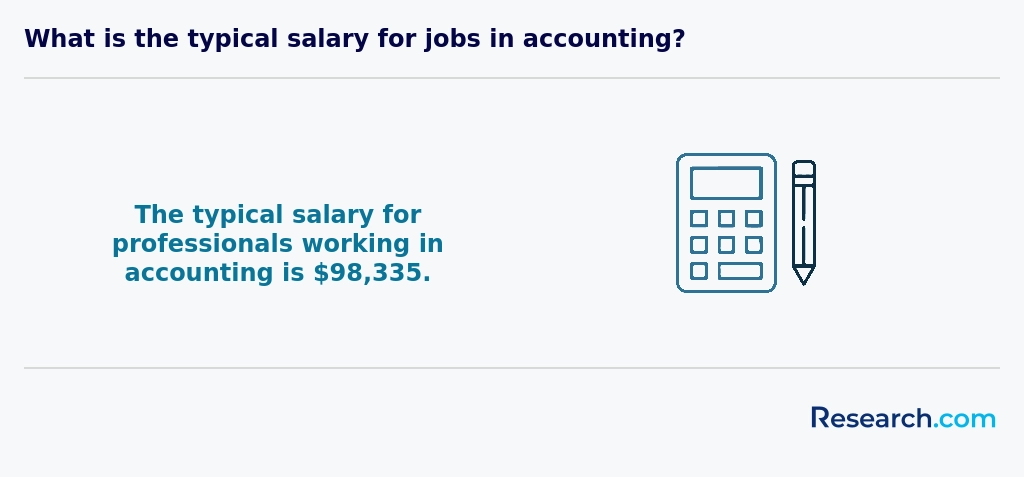
- Salary for accounting degree graduates: Graduates can expect a mean annual wage of around $90,780 in jobs like Certified Public Accountant, Corporate Accountant, or Tax Manager, offering strong financial stability and growth potential.
- Potential career paths: An accounting graduate from a popular Southern university often finds diverse opportunities in auditing, forensic accounting, and management roles within corporations or government agencies.
- Benefits of an online degree: Earning an accounting degree online from a well-regarded Southern university allows flexible scheduling and reduced commuting stress while maintaining quality education and career opportunities.
- 2027 Most Affordable Online Master's in Accounting Degree Programs Ranking in the South
- What can I expect from online accounting degree in the South?
- Where can I work with online accounting degree in the South?
What can I expect from online accounting degree in the South?
The average cost of an online accounting degree in the South generally hovers around $12,000 per year at public universities, making it an affordable option compared to other regions. Many graduates from schools in Texas or Florida recall balancing full-time jobs while taking advantage of in-state tuition rates offered by their universities, which significantly eased financial pressure. This affordability often allows students to focus on mastering core topics like auditing and tax accounting without worrying about overwhelming debt.
Students appreciate the flexibility of asynchronous classes that fit seamlessly into their busy lives, especially those juggling family or work commitments. At universities throughout Georgia and North Carolina, learners gain both theoretical knowledge and practical skills that prepare them for certifications like the CPA, which opens doors in thriving markets such as Atlanta and Charlotte.
From graduates' experiences, the combination of quality education, manageable costs, and strong local job markets makes pursuing an online accounting degree in the South a wise, rewarding investment in their future careers.
Where can I work with online accounting degree in the South?
Graduates with an online accounting degree from Southern universities often find themselves stepping confidently into roles across diverse sectors. Many have shared how their education from institutions known for strong accounting programs prepared them well to enter bustling cities like Atlanta, Dallas, or Miami, where public accounting firms offer dynamic careers in auditing, tax, and advisory services. These cities are not only vibrant but also packed with opportunities for those pursuing CPA certification, a common goal among students.
Others highlight rewarding experiences working in corporate accounting within energy firms or retail companies headquartered in North Carolina or Tennessee. The ability to manage budgets and compliance in real-world settings deepens their professional growth. It's also common to see graduates contributing to government agencies or nonprofits, managing finances that directly impact community services.
The steady growth in accounting jobs here evokes a strong sense of optimism among graduates. They often mention how studying accounting online in the South connects them to regional networks and career paths that feel both accessible and promising.
Graduates from online accounting programs in the South, such as those at the University of North Carolina or Florida State University, often discover promising financial outcomes. Many find themselves starting near $50,000, a figure that quickly rises with experience and certification.
For example, becoming a Certified Public Accountant (CPA) can significantly boost earnings. According to Bureau of Labor Statistics data, CPAs in the South earn an average annual wage near $90,780. This figure aligns closely with related roles like Corporate Accountant, Tax Manager, Auditing Manager, and Forensic Accountant, all showing mean salaries around $90,780. Graduates share that acquiring industry certifications and practical experience in major Southern cities such as Dallas or Miami often leads to these upper-tier salaries.
The combination of a lower cost of living in this region and strong salary potential offers graduates a comfortable and rewarding lifestyle. Many appreciate the balance between career growth and life quality that a Southern accounting career affords.
- The cost of an online bachelor's degree in accounting in the South ranges from $12,000 to $30,000, while master's programs cost between $15,000 and $35,000.
- Entry-level accountants in the South earn about $50,000 to $55,000 annually, with mid-career salaries reaching $75,000 to $90,000 or more.
- Employment for accountants and auditors in Southern states like Texas, Florida, and Georgia is projected to grow by 7% over the next decade.
- Many Southern states have simplified CPA licensure requirements, and online programs often include CPA exam preparation.
- Regional universities frequently offer in-state tuition rates and scholarships for online students, making programs more affordable.
Completing an online accounting degree in the South typically takes about four years for a bachelor's degree when enrolled full-time, reflecting what many graduates from universities like the University of Georgia and Texas A&M have experienced. This timeline feels achievable and structured, especially when balancing studies with work or family commitments. For those pursuing a master's degree online from institutions such as North Carolina State University, the journey often shortens to one or two years, with some accelerated options allowing completion in as little as 12 months.
Many former students appreciate the flexibility Southern schools offer, letting them choose part-time study paths or leverage transfer credits, which can either extend or shorten their timeline. One graduate shared how starting part-time while managing a job added some extra months but brought a rewarding sense of steady progress. Another reflected on the financial benefits of competitive credit-hour rates, which reduced stress and encouraged completion within planned timeframes.
Graduates also highlight the importance of accounting for CPA exam preparation post-degree, understanding this vital step may add up to a year before full certification. This clarity helps keep expectations realistic and fosters a confident, manageable approach to earning the degree while juggling real life.
When pursuing an online accounting degree, one of the most critical factors to consider is accreditation. Accreditation signifies that the program meets specific standards of quality and is recognized by professional bodies in the field of accounting. Students should look for programs accredited by reputable agencies such as the Association to Advance Collegiate Schools of Business (AACSB) or the Accreditation Council for Business Schools and Programs (ACBSP). Accreditation not only ensures that the program provides a high-quality education but also enhances employability and eligibility for certification exams like the Certified Public Accountant (CPA) exam. For instance, graduates from accredited programs often find it easier to secure jobs in prestigious firms or to pursue advanced degrees. Furthermore, accreditation can impact the recognition of credits if a student decides to transfer to another institution. To find the most valuable accounting school in Louisiana, students can visit valuable accounting school in Louisiana to get more information on accredited programs and their benefits.
Graduates from the University of Georgia and Florida State University often reflect on the clear distinction between online and on-campus accounting degrees in the South through their own journeys. On-campus programs offer the tangible energy of face-to-face classes and the chance to connect spontaneously with peers and professors, building relationships during study groups or campus events. This direct interaction can spark motivation and deepen understanding, especially during challenging CPA exam prep workshops.
Conversely, online students from institutions like the University of South Carolina appreciate the ability to access lectures anytime, fitting coursework around family or jobs without the stress of commuting. Many share how the flexibility helped them stay consistent and engaged while balancing life's demands. Cost-wise, they benefit from tuition often 10-30% lower than traditional programs, with no extra expenses like housing or travel.
Both formats in the South meet rigorous standards, but while on-campus learners enjoy rich campus resources, online students are encouraged to seek virtual internships and professional networks actively, cultivating independence that pays off in their careers.
Most Southern online master’s in accounting programs offer Fall, Spring and Summer starts with defined submission windows. To stay on track, note these typical deadlines:
- Fall term: submit by November 1 – December 15
- Spring term: submit by April 1 – May 15
- Summer term: submit by July 1 – July 31
- Gather official transcripts and an updated resume.
- Request two to three letters of recommendation.
- Draft a concise statement of purpose.
- Confirm GRE/GMAT requirements or waiver options.
- Complete the online application portal and pay fees.
- Monitor your application status and verify receipt of materials.
For comparative planning, explore the cheapest accredited online accounting degree programs to align your timeline with affordability.
The average cost of an online accounting degree in the South typically sits around $25,528, with in-state students benefiting from lower tuition averaging about $17,940, while out-of-state learners usually pay closer to $27,709. Graduates from some of the South's well-regarded universities often reflect on how this balance between affordability and quality education made completing their degrees feasible without overwhelming debt. For instance, students enrolled in programs at colleges like those in Georgia or Texas often find that paying per credit hour-ranging between $300 and $600 for in-state learners-makes managing expenses more predictable and accessible.
Many pursuing affordable online master's in accounting programs southern US appreciate flexible scheduling, which allows them to reduce indirect costs such as transportation and housing. These combined financial benefits, paired with scholarships and aid dedicated to accounting students, create meaningful opportunities for those striving to advance their careers. Additionally, graduates note that some institutions maintain flat-rate tuition regardless of residency, providing extra certainty in planning expenses.
In real life, exploring options like the valuable accounting school in Louisiana or similar programs in the region reveals how southern states prioritize cost-effectiveness without sacrificing academic rigor. Many students find themselves motivated by the thought of earning a respected degree while staying financially grounded, an encouraging aspect when considering the average cost of online accounting degree in the South.

Students pursuing online accounting degrees in the South often find that financial aid is not only available but also essential in managing tuition costs. Graduates from well-known Southern institutions like the University of Georgia or Texas A&M frequently mention how federal aid, such as Pell Grants offering up to $7,395 annually, provided a crucial foundation during their studies.
Many of these students also relied on Direct Subsidized Loans, which offered manageable interest rates and flexible repayment schedules, easing financial pressure as they balanced work and study. Others spoke of state-specific scholarships in Georgia and North Carolina, which rewarded academic excellence or financial need and made a real difference in tuition affordability.
Employer tuition assistance is another powerful resource, especially for those already working in accounting or finance fields. This support often covers CPA exam preparation costs, reflecting employers' recognition of continued professional growth. Finally, professional organizations like the AICPA offer scholarships that help dedicated students stay motivated and financially secure throughout their programs.
In today's competitive accounting landscape, supplementing your online master’s degree with extra certifications can significantly boost your credentials and career trajectory. Many professionals find that acquiring specialized certifications, such as the Certified Public Accountant (CPA) or becoming proficient in advanced bookkeeping techniques, not only enhances their technical skills but also makes them more marketable to employers. For example, exploring options like the best bookkeeping certification online can provide you with practical insights that directly translate to improved job performance in roles ranging from financial analysis to management accounting. Moreover, these certifications offer continuous professional development opportunities, ensuring that your knowledge remains current amid evolving industry standards and technological advancements. Integrating additional certifications with your academic accomplishments demonstrates a proactive commitment to lifelong learning and can lead to accelerated career advancement in both public and corporate accounting environments.
Enrolling in an online accounting degree program in the South often starts with holding a bachelor's degree, not necessarily in accounting but ideally with some background in related fields like finance or business. Graduates from well-known Southern institutions have shared how foundational courses in these areas smoothed their transition into advanced accounting topics, boosting confidence as they began their studies.
Most programs expect applicants to submit official transcripts showing a GPA usually between 2.5 and 3.0. For many, this benchmark felt reassuring-a clear signal that they were prepared to handle the academic challenges ahead. Experienced students note that previous work in math or statistics helped them grasp complex concepts more quickly, making their journey less stressful.
- Applicants must complete an application form and pay a fee, often between $50 and $100 depending on the university.
- Letters of recommendation play a crucial role, providing a personal touch to the application by highlighting a candidate's readiness and dedication.
- A thoughtful statement of purpose offers a chance to share passions and career aspirations in accounting, often reflecting deeper motivation.
Reliable technology is vital since online learning at Southern colleges relies heavily on interactive platforms and simulations. Many students felt a sense of accomplishment mastering these tools alongside their coursework, appreciating the flexibility and accessibility it offered.

A strong indicator of an online master’s in accounting program’s effectiveness is its CPA exam pass rate, reflecting both curriculum quality and student support. Leading institutions in the South integrate comprehensive review modules into core courses, ensuring students master the four exam sections-Auditing and Attestation (AUD), Business Environment and Concepts (BEC), Financial Accounting and Reporting (FAR), and Regulation (REG). Many programs partner with reputable review providers, offering practice exams, interactive flashcards, and one-on-one tutoring to boost confidence and reduce exam anxiety. Data from recent cohorts show that top-ranked Southern programs achieve CPA first-time pass rates between 55% and 65%, surpassing the national average of 52%. These outcomes are often the result of dedicated CPA prep courses embedded within the master’s curriculum, regular progress assessments, and access to virtual study groups. For example, students at the University of Alabama report that simulated exam software and weekly live Q&A sessions with faculty were instrumental in reinforcing complex topics like deferred tax assets and revenue recognition. Prospective students concerned about both affordability and exam readiness should explore our Affordable Online Accounting Degree Programs, which balance competitive tuition with structured CPA support. In addition to cost savings, these programs frequently offer financial aid specifically earmarked for CPA review materials, further lowering barriers to licensure. Finally, graduates consistently highlight the impact of mentorship programs, where alumni and accounting professionals provide guidance on time management strategies, ethical case studies, and real-world application of exam concepts. By choosing a program with transparent pass-rate reporting and robust preparatory resources, students can confidently navigate the CPA exam and enhance their professional credibility.
Graduates from well-regarded Southern institutions often reflect on how the core courses in their online accounting programs gave them both confidence and clarity in their career paths. Financial Accounting is typically one of the first courses, where students learn to prepare and interpret financial statements-skills they later use when analyzing company performance or helping small businesses understand their earnings.
Managerial Accounting opens doors to internal business processes, teaching cost analysis and budgeting, which proved invaluable for many graduates landing roles in regional manufacturing firms. Taxation courses delve into federal income tax principles, essential for those aiming to advise businesses or individuals in states like Texas or Florida, where tax regulations can be particularly nuanced.
Auditing offers students a hands-on approach to reviewing financial records, ensuring compliance and sparking interest in public sector positions common in Southern capitals. Accounting Information Systems integrates the tech perspective, preparing students to handle financial data with modern tools.
Beyond these, business law and ethics courses helped graduates understand the professional integrity required, especially in states with rigorous regulatory environments. Including electives like forensic accounting or government accounting gave many an edge in navigating Southern industries, making their education feel practical and immediately applicable.
Online accounting degree programs in the South typically offer specializations that reflect the region's diverse economic landscape and evolving industry needs. Graduates from respected universities often mention how focusing on Taxation or Auditing and Assurance Services equipped them to navigate complex regulatory environments specific to Southern states. These programs prepare students to confidently address real challenges in federal and state tax codes or internal financial controls, enhancing their career readiness.
Other popular tracks include Forensic Accounting, where students develop investigative skills crucial for fraud detection in growing Southern markets like Texas and Florida, and Management Accounting, which supports business decision-making in manufacturing and service sectors prominent across the South. Financial Accounting and Reporting remains a cornerstone specialization, especially at institutions known for their rigorous curriculum aligned with GAAP standards.
Students seeking affordable online accounting specializations in the South find that combining core accounting principles with emerging fields such as data analytics through interdisciplinary tracks adds a competitive edge. For those exploring foundational training, considering the best bookkeeping certification online can also be a valuable stepping stone toward these specialized degrees.
To choose the best online accounting degree in the South, start by verifying accreditation from trusted agencies like SACSCOC. Graduates from universities such as Texas A&M share how this assurance of quality guided their decision, giving them confidence their degree would be respected by employers and certification boards.
Cost is another major factor. Many find that Southern public universities offer competitively priced programs, often ranging between $300 and $600 per credit hour. Those seeking most affordable online accounting degrees in the South often compare schools like the University of Florida and the University of Georgia, appreciating the balance between cost and value.
Curriculum variety also matters. Students who pursued the best online master's in accounting southern US appreciate options to specialize in areas like forensic accounting or taxation, aligning studies with their career goals. Flexibility is key too - asynchronous classes and supportive advisors make juggling work and study manageable, as many alumni attest from their own positive experiences.
Graduates pursuing online accounting careers in the South often find diverse, rewarding opportunities tailored to the region's thriving economy. With universities like the University of Texas and the University of Georgia preparing students, many become Certified Public Accountants (CPAs), meeting strong demand in states rich with corporate headquarters and industries such as manufacturing and service. These graduates experience fulfilling careers, often reporting pride in providing vital financial insights that support business growth.
Beyond public accounting, other paths emerge vividly. Graduates from popular Southern colleges embrace roles as financial analysts who interpret complex data, internal auditors enhancing corporate compliance, or tax specialists simplifying financial obligations for families and businesses. Some even explore forensic accounting, unveiling financial irregularities in sectors like Texas's energy industry or North Carolina's burgeoning tech startups, blending analytical rigor with real-world impact.
Those considering an online accounting degree in the South should explore the Affordable Online Accounting Degree Programs available, recognizing how these programs combine quality education with lower tuition costs while unlocking promising accounting degree job opportunities Southern US students seek.
The job market for online accounting degrees in the South offers encouraging prospects, shaped by dynamic regional economies and growing demand in key industries like finance and healthcare. Graduates from popular Southern universities often share how the flexibility of online programs has allowed them to balance work and study seamlessly, making the pursuit of an accounting degree both practical and rewarding. Career opportunities for accounting graduates in Southern states are bolstered by thriving business centers in Texas, Georgia, and Florida, where firms actively seek qualified accountants with online credentials from accredited institutions.
Many alumni reflect on securing roles in expanding markets, noting that starting salaries between $50,000 and $60,000 provide a strong footing, especially when combined with the relatively affordable cost of earning an online degree locally. This balance of cost and opportunity frequently motivates students exploring options for higher education. Those interested in accelerating their journey may find relevant options by reviewing the best accelerated associate degree programs, which can further enhance timely access to the workforce.
2027 Most Affordable Online Master's in Accounting Degree Programs Ranking in the South
Investing in your education is a significant decision that can shape your future, and the Research.com team understands the importance of making informed choices. To assist prospective students in the South, we have meticulously created the "2027 Most Affordable Online Master's in Accounting Degree Programs Ranking in the South." Our commitment to quality, credibility, and accuracy is reflected in the thorough research and analysis conducted to compile this ranking.
We utilized the following reputable data sources to ensure a comprehensive evaluation of online accounting programs:
By exploring this ranking, readers will gain valuable insights into affordable, high-quality online master's programs in accounting that align with their educational and financial goals. For more details on our methodology, please visit our Research.com methodology page.


# 8 position
University of Maryland Global Campus
Master of Accounting and Financial Management


Frequently Asked Questions About accounting
Online accounting degree students in the South can maximize their learning by actively engaging with their programs' resources. Many Southern universities provide virtual tutoring, discussion boards, and access to professional accounting software, which are essential for skill development. Students should also take advantage of networking opportunities through local accounting chapters of organizations like the American Institute of CPAs (AICPA), which has a strong presence in Southern states.
According to the National Center for Education Statistics, Southern states award roughly 35% of the nation's accounting degrees, highlighting a competitive and resource-rich region. Balancing coursework with internships or part-time roles in regional financial firms can reinforce practical knowledge and improve job prospects.
The accounting field is evolving, with several emerging niches gaining importance, especially in the Southern US. One key area is forensic accounting, which involves investigating financial fraud and disputes. Demand for professionals with these skills is growing due to increasing regulatory scrutiny.
Another expanding niche is sustainability accounting, focusing on environmental and social governance (ESG) reporting. Companies in the South, particularly in sectors like energy and manufacturing, are seeking accountants to help track their ESG goals.
Additionally, technology-driven roles such as data analytics and blockchain accounting are gaining traction. According to the American Institute of CPAs (AICPA), accounting jobs requiring digital literacy are growing at above-average rates, reflecting the South's push towards tech innovation.
After completing an online accounting degree in the South, preparing for the job market involves several key steps. First, obtaining certification like the CPA (Certified Public Accountant) significantly increases job prospects; Southern states require 150 credit hours for CPA eligibility, aligning with most master's programs. Networking is crucial-joining state CPA societies such as the Florida Institute of CPAs or the Texas Society of CPAs can provide valuable connections. Internships or part-time roles during study allow practical experience, which employers highly value. According to the U.S. Bureau of Labor Statistics, accounting jobs in Southern metropolitan areas, like Atlanta and Dallas, are expected to grow by 6% through 2032.
Employers in the South seek accounting degree graduates with a strong foundation in financial reporting, tax regulations, and auditing standards as outlined by the Financial Accounting Standards Board (FASB). Analytical skills are critical, enabling graduates to interpret complex data and support business decision-making.
Communication and teamwork are also highly valued since accountants often collaborate with different departments and clients. According to the National Association of State Boards of Accountancy (NASBA), proficiency in accounting software like QuickBooks and Excel is increasingly requested across Southern states.
Additionally, knowledge of state-specific tax laws in Southern states, such as Texas and Georgia, can give graduates a competitive edge in the regional job market.
Finding internships in the South related to an accounting degree involves leveraging several regional resources. Many Southern universities partner with local businesses and accounting firms to offer internship programs tailored for accounting students. The Southern Regional Education Board reports that institutions in states like Georgia, North Carolina, and Texas have strong ties to firms such as Deloitte and PwC, which often recruit interns.
Utilize career services at your online university, as these offices maintain connections with regional employers and can guide you toward opportunities that fit your area. Additionally, professional organizations like the Georgia Society of CPAs frequently post internships.
Online job platforms and LinkedIn also list Southern-based internships; filtering location and industry narrows your search effectively. According to the Bureau of Labor Statistics, the South has seen increasing demand for accounting professionals, creating growing internship availability.
An online accounting degree significantly enhances career mobility and advancement opportunities in the South. According to the U.S. Bureau of Labor Statistics, accountants in Southern states like Texas, Georgia, and Florida experience steady job growth, with an average increase of 7% projected through 2030. Earning an online degree offers flexibility, allowing professionals to balance work and study while gaining relevant credentials.
Employers increasingly recognize accredited online accounting programs, valuing the technical skills and adaptability these graduates bring. Additionally, certifications such as CPA often require a degree, which boosts eligibility for higher-level positions in firms headquartered in the South's growing financial hubs.
Online accounting degrees in the South offer robust preparation for interdisciplinary roles by integrating core accounting principles with business, technology, and communication skills. Southern universities often emphasize practical applications, preparing students to work effectively across finance, marketing, and management sectors. According to the National Association of State Boards of Accountancy (NASBA), many Southern programs align their curricula with CPA competencies, enhancing versatility.
Students gain expertise in data analysis and financial software, key for roles blending accounting with IT and analytics. Regional economic diversity in the South-ranging from agriculture to manufacturing-also exposes students to varied business contexts.
This interdisciplinary training equips graduates to adapt in dynamic workplaces demanding a mix of analytical and collaborative abilities.
When choosing between a thesis and a non-thesis accounting degree program in the South, consider your career goals first. Thesis programs emphasize research and writing, preparing students for potential doctoral studies or roles in academic and analytical fields. Non-thesis programs, often more practice-oriented, suit those aiming for immediate professional work, such as CPA roles or corporate accounting.
In the Southern US, many online master's programs offer both options, with non-thesis tracks generally shorter and more affordable. According to the National Association of State Boards of Accountancy (NASBA), Southern states maintain strong CPA demand, favoring practical skills from non-thesis programs.
Assess your learning style and future plans carefully before deciding.
Students based in the South seeking to study accounting abroad through online programs have a range of options. Many Southern universities partner with international institutions, offering dual-degree or exchange opportunities that allow for global learning experiences without leaving the region. Online platforms increasingly provide access to curriculum from foreign universities, often with accredited courses recognized by U.S. accounting boards.
According to the National Association of State Boards of Accountancy (NASBA), several Southern schools align their online accounting degrees with international standards, facilitating global career prospects. Students can pursue global accounting certifications alongside U.S.-based degrees, enhancing their competitiveness.
State investment in online education helps lower costs, making study abroad programs and international partnerships more accessible to Southern learners.
Part-time jobs that complement accounting degree education in the South often include bookkeeping, tax preparation, and payroll assistance roles. These positions allow students to apply classroom knowledge practically while balancing their studies. According to the U.S. Bureau of Labor Statistics, bookkeeping and accounting clerk jobs are projected to grow by 7% from 2021 to 2031, reflecting steady demand across Southern states like Texas, Georgia, and Florida.
Additionally, internships at local accounting firms or finance departments provide valuable experience and networking opportunities. Many community colleges and universities in the South actively support connections between students and regional businesses, increasing access to part-time positions aligned with accounting careers.
Online accounting students in the South have various networking opportunities despite geographical distance. Many universities offer virtual career fairs and alumni networking events tailored to remote learners. For example, Southern regional schools often connect students through platforms like Handshake, providing access to internships and job listings specifically in the Southeast.
The Southern Association of Colleges and Schools (SACS) accredits numerous institutions, ensuring recognized credentials that appeal to regional employers. Additionally, online students can join state accounting societies such as the Georgia Society of CPAs or Texas Society of CPAs, which host local meetups and webinars.
Research from the National Association of State Boards of Accountancy highlights that Southern states report a 5% annual growth in accounting job openings, enhancing networking value for students.
Alumni networks play a crucial role for students pursuing online accounting degrees in the South. These connections offer access to experienced professionals working in diverse accounting fields, providing valuable mentorship and career advice. According to the Southern Association of Colleges and Schools Commission on Colleges, active alumni networks enhance job placement rates, especially within regional firms and businesses.
For online students, these networks help bridge the gap created by remote learning, fostering professional relationships through virtual events and social media groups. Alumni can share insights about local job markets, such as in Texas, Florida, and Georgia, which are known for growing accounting sectors, according to the Bureau of Labor Statistics.
Overall, strong alumni connections support networking, internships, and continuing education opportunities tailored specifically to the Southern US accounting environment.
Customizing an online accounting degree program in the South is increasingly accessible due to diverse course offerings. Many Southern universities allow students to select concentrations such as forensic accounting, taxation, or auditing, aligning studies with career goals. For example, programs accredited by the AACSB ensure high standards and specialized options valued by employers. Students can often choose electives or certificate add-ons to deepen expertise in niche areas.
Flexible scheduling and part-time enrollment options support working professionals seeking advancement. According to the Southern Regional Education Board, over 60% of Southern colleges offer at least one specialized online accounting track, enhancing career relevance and employability.
Online accounting students in the South face several common challenges impacting their educational experience. Access to reliable high-speed internet can be limited in rural areas, causing difficulties attending live lectures or submitting assignments on time. According to the Federal Communications Commission, around 22% of Southern households lack broadband internet, compared to the national average of 14%. This digital divide poses a significant barrier for many.
Additionally, balancing work, family, and studies remains a notable hurdle. Many Southern students enroll in online programs while maintaining full-time jobs, increasing stress and time management demands. Furthermore, limited local networking opportunities compared to traditional on-campus programs may affect building professional connections essential for accounting careers.
Finally, some students encounter challenges related to accreditation and program recognition, emphasizing the importance of choosing well-established online degrees recognized by state boards.
With an online accounting degree from a Southern university, you can pursue several key professional certifications to advance your career. The Certified Public Accountant (CPA) license remains the most recognized credential, requiring candidates to meet state-specific education and exam requirements. In Southern states like Texas and Georgia, additional accounting credits through your online program can help fulfill these criteria.
Other notable certifications include the Certified Management Accountant (CMA), which focuses on financial management, and the Certified Internal Auditor (CIA), important for auditing roles. These certifications generally require passing rigorous exams and some professional experience, which your online degree prepares you for.
Investing in any of these credentials can significantly increase job prospects and earning potential in the competitive Southern job market. According to the National Association of State Boards of Accountancy, the demand for CPAs in the South is expected to grow steadily over the next decade.
Crafting a winning application for an online accounting program in the South begins with strong academic credentials. Many Southern universities require a minimum GPA of 3.0, reflecting the competitive nature of accounting degrees. Highlighting relevant work experience or internships can also strengthen your candidacy, as programs seek applicants with practical exposure to finance or business.
Applicants should carefully tailor their personal statements to emphasize commitment to accounting, career goals, and how the program aligns with regional business trends. According to the Southern Association of Colleges and Schools (SACS), demonstrating awareness of local economic sectors like energy and agriculture can be advantageous.
Finally, secure solid recommendation letters from academic or professional contacts who can attest to your analytical skills and work ethic, critical traits for accounting success.
The accounting profession in the United States, including the South, is increasingly influenced by global standards and practices. This is due in part to the widespread adoption of International Financial Reporting Standards (IFRS) in many countries, encouraging US accountants to develop skills relevant abroad. According to the American Institute of CPAs (AICPA), firms in the South are expanding services to international clients, making global competence a valuable asset.
Additionally, online accounting degrees from Southern universities frequently include coursework on global accounting principles and ethics, preparing graduates for careers that may cross borders. The demand for accountants with international expertise is growing, reflecting trends in commerce and regulation worldwide.
Regional labor data from the U.S. Bureau of Labor Statistics shows that accounting jobs in Southern metropolitan areas are projected to grow by 10% through 2030, with many roles requiring knowledge of both US GAAP and international standards. Thus, pursuing an online accounting degree in the South can open doors to diverse, globally-aware career paths.
Gaining practical experience while studying for an online accounting degree in the South is essential for career readiness. Many universities in this region partner with local businesses to offer virtual internships, allowing students to apply accounting principles in real-world settings. According to the Southern Association of Colleges and Schools Commission on Colleges, internships completed during study improve employment prospects by up to 20%.
Additionally, students can participate in remote accounting projects or virtual case studies through their programs. Some schools encourage joining professional organizations such as the Tennessee Society of Certified Public Accountants, which offers networking opportunities and mentorship.
Finally, part-time jobs in bookkeeping or accounting support roles remain an option, especially in economically diverse Southern cities like Atlanta and Charlotte.
Choosing the right concentration within an online accounting degree program in the South requires understanding your career goals and the region's job market. Common concentrations include auditing, taxation, forensic accounting, and management accounting. The Southern economy, with its strong finance, manufacturing, and healthcare sectors, often demands expertise in taxation and auditing.
Research from the Southern Association of Colleges and Schools indicates that programs offering specialized tracks aligned with CPA requirements tend to better support licensure goals. Consider also your preferred industry and salary expectations; for example, tax specialists often earn higher wages in southern metropolitan areas like Atlanta and Dallas.
Lastly, check program accreditation and how concentrations prepare you for certifications such as CPA, CMA, or CFE, which are highly valued in this region's competitive accounting field.
See What Experts Have To Say About Studying Accounting
Read our interview with Accounting experts

John Wermert, Ph.D., CPA
Accounting Expert
Associate Professor of Accounting
Middle Tennessee State University


- Applying for Accounting Graduate School | Accounting.com https://www.accounting.com/resources/graduate-application-guide/
- Online Accounting Associate Degree | Affordable Accounting Degree https://www.uscareerinstitute.edu/online-accounting-associate-degree
- Earn Your BS in Accounting Online at South U https://www.southuniversity.edu/online/degrees-programs/business-and-technology/accounting-bs
- Tips for University Graduates Looking to Land Their First Accounting Job https://www.elby.ca/blog/2022/04/27/tips-for-university-graduates-looking-to-land-their-first-accounting-job/
- 6 accounting niches for your new firm https://www.becker.com/blog/career/accounting-niches-for-your-firm
- What Jobs Can You Do With an Accounting Degree? - Intuit Blog https://www.intuit.com/blog/life-at-intuit/intuit-experts/accounting-degree/
- Why CA Firms Can't Afford to Overlook Alumni Networks: A Key Strategy for Growth and Success https://hoopstr.ai/corporate-resource-center/blog/why-ca-firms-need-to-adopt-corporate-alumni-programs-for-growth-and-success-in-a-changing-industry
- Expectations of accounting students in relation to their ... https://sevenpubl.com.br/anais7/article/download/4780/8840/19578
- 15 Accounting Careers: Undergraduate & Graduate Paths https://www.baypath.edu/news/bay-path-university-blogs/post/15-accounting-careers-undergraduate-graduate-paths/
- Accountancy Placements/Internships | Gradcracker - Careers for STEM Students https://www.gradcracker.com/search/maths-business/accountancy-work-placements-internships