2027 Most Valuable Accounting Degree Programs Ranking in Vermont

Co-Founder and Chief Data Scientist
Choosing the right accounting degree program in Vermont can feel overwhelming, but this article will help clear the path. Here, you'll find the 2027 Most Valuable Accounting Degree Programs Ranking in Vermont, created by the Research.com team of data scientists to guide you toward programs that truly deliver value.
Understanding which programs offer the best opportunities is essential for your future success. Reading this ranking empowers you to make informed decisions and embrace a rewarding career in accounting with confidence and clarity.
Key benefits of getting accounting degree in Vermont
- Salary for accounting degree graduates: Graduates often secure roles like Staff Accountant with a mean annual wage of $90,780 or Bookkeeper positions earning around $49,580, offering strong financial stability in Vermont.
- Potential career paths: Many Vermont accounting graduates find rewarding careers in auditing, tax preparation, or accounts payable, benefiting from a solid foundation provided by well-regarded institutions like the University of Vermont.
- Benefits of online degrees: Earning an accounting degree online, for example from Champlain College, offers flexible learning that fits busy lifestyles while delivering comparable career opportunities and salary potential as traditional programs.
- 2027 Most Valuable Accounting Degree Programs Ranking in Vermont
- What can I expect from accounting degree in Vermont?
- Where can I work with accounting degree in Vermont?
What can I expect from accounting degree in Vermont?
The average cost of earning an accounting degree in Vermont usually falls between $15,000 and $40,000 per year, depending on whether you're attending a public university or a private college. Graduates from popular schools, like the University of Vermont, often share that while the sticker price might seem a bit steep at first, financial aid and scholarships really help ease the burden. One grad mentioned how flexible payment plans and on-campus job opportunities made managing expenses way less stressful.
Many students appreciate that, besides the tuition, Vermont schools often include access to valuable resources like internships and tech workshops, adding real bang for your buck. It feels rewarding knowing that your investment in those courses translates into hands-on experience with the kind of accounting software and business skills employers want. So even if the numbers look intimidating upfront, the practical advantages and support programs make studying accounting in Vermont feel like a genuinely smart and doable choice.
Where can I work with accounting degree in Vermont?
If you're studying accounting in Vermont, you'll find plenty of cool paths to jump into after graduation. Lots of grads from schools like the University of Vermont end up working in public accounting firms, which are all over places like Burlington and Montpelier. These firms handle everything from taxes to audits and consulting, so it's a great way to build solid skills and maybe even chase that CPA license down the road.
Other grads love landing jobs directly with Vermont companies like Keurig Dr Pepper or Burton Snowboards, where they dive into budgeting, financial reports, and keeping the books tight. It's pretty rewarding to work for a company you've actually heard of and see your work impact a business that's right in your backyard.
There's also a bunch of opportunities in the state government or even nonprofits and colleges-places where you can work on financial planning and managing grants, all while giving back to your community. People coming out of Vermont colleges often say it feels great knowing their work really matters here at home.
If you're thinking about an accounting degree in Vermont, you'll be pleased to hear that typical salaries can be pretty solid. Graduates from schools like the University of Vermont or Champlain College often land roles as staff accountants, making around $90,780 a year on average. That's a nice paycheck to start building your career with!
For those stepping into positions like bookkeeper, tax preparer, or associate auditor, expect earnings closer to $49,580 annually. It's a great way to get your foot in the door-many grads share how these roles provide valuable experience and steady income while they pursue certifications like the CPA.
Many Vermont grads appreciate how their salary stretches further thanks to the state's moderate cost of living. One graduate mentioned feeling comfortable renting in Burlington while still saving money thanks to their accounting job. So, your degree here sets you up for a dependable income without feeling pinched.
Overall, accounting careers in Vermont offer a balance of rewarding pay and quality of life that many grads find really satisfying.
- Annual tuition for accounting degrees in Vermont ranges from about $15,000 at public colleges to over $40,000 at private universities.
- Entry-level accounting positions in Vermont offer average annual salaries around $50,000, increasing to $70,000 or more with experience.
- Vermont's job market for accountants is steady, supported by sectors like manufacturing, healthcare, education, tourism, small businesses, and nonprofits.
- Many Vermont accounting programs have regional accreditation and prepare students for the Certified Public Accountant (CPA) exam.
- Meeting Vermont's CPA education requirements usually means completing 150 credit hours, often by combining bachelor's and master's degrees.
- Internships with local businesses and accounting firms are commonly available, providing practical experience and improving job prospects.
If you're aiming to finish an accounting degree in Vermont, most students at places like the University of Vermont or Champlain College wrap it up in about four years. Think of it as a solid, full-time sprint where you take around 120 to 130 credits covering everything from general education to specialized accounting classes. Many Vermont graduates talk about how helpful the structured courses and supportive advisors make hitting that four-year mark feel totally doable.
Now, if you're dreaming bigger-like becoming a CPA-you'll need to tack on about 30 extra credits. That usually means either a master's program or extra undergrad classes, stretching your journey to around five years. Some folks love the accelerated paths available at Vermont schools that let you blend undergrad and grad work, boosting you faster toward your goals.
And if you're juggling work or life, plenty of colleges offer evening or online classes, but just know they typically take a bit longer than the standard four years. So whether you're a full-timer or balancing other commitments, Vermont's accounting programs are built to flex with you.
A thorough Return on Investment (ROI) analysis can help prospective students weigh the upfront costs of an accounting program in Vermont against long-term career earnings. On average, a four-year bachelor’s degree at a public Vermont university carries an in-state tuition of approximately $6,892 per year, totaling about $27,568 in tuition over four years. When factoring in fees, textbooks, and living expenses, the total cost of attendance often reaches $35,000–$40,000. In contrast, online programs may offer lower tuition but can incur additional technology or proctoring fees. Graduates’ mean starting salary for Staff Accountant positions in Vermont is $86,740 annually, equivalent to roughly $7,230 per month before taxes. Assuming a conservative 3% annual salary growth and a 4% annual increase in cost of living, Vermont graduates typically recoup their educational investment within 3–4 years of full-time employment. After this break-even point, the ROI accelerates, making the investment in a local accounting degree highly profitable over the course of a 30-year career span. For students seeking cost-effective alternatives, our neighboring state offers some of the most budget-friendly programs nationwide. See our comprehensive Inexpensive Accounting Degree Programs Ranking in South Dakota to compare tuition rates and projected ROI. Pairing this information with Vermont program outcomes can guide financially savvy decisions. When evaluating ROI, also consider scholarship opportunities and work-study options that can reduce net costs. By leveraging federal grants, state aid, and institutional scholarships, many students lower their net price by 20–30%, which can shorten the payback period by up to a year. Factoring in mentorship, alumni networking, and successful CPA exam pass rates further enhances the overall value, transforming an accounting degree in Vermont into a strong long-term investment.
If you're thinking about getting an accounting degree in Vermont, the biggest difference between online and on-campus programs is all about how you learn. Online programs give you the freedom to study from anywhere-perfect if you're juggling work, family, or living far from schools like the University of Vermont or Champlain College. Many online students love how they can fit classes into their busy lives without the stress of commuting.
On-campus programs, meanwhile, offer that classic college vibe. Graduates often talk about how much they enjoyed face-to-face time with professors and getting involved in accounting clubs or internships right on campus. It's a great way to build connections and have a structured schedule if you thrive on routine.
Cost wise, online options can be a bit cheaper since you save on housing and transport, but in-person programs bring more hands-on experiences and networking that some find priceless. Either way, Vermont schools keep the quality high, so it really comes down to what fits your lifestyle best!
Developing long-term success in the accounting field goes beyond earning your degree-it requires continuous professional growth and proactive networking. In today’s ever-evolving financial landscape, leveraging mentorship programs, industry workshops, and targeted professional development opportunities can significantly enhance your career trajectory. Many successful graduates emphasize the importance of securing meaningful internships and engaging in hands-on projects early on, which not only build practical skills but also expand your professional network. To further boost your career, consider seeking specialized training, additional certifications, and leadership opportunities once you step into the workforce. Effective networking-with peers, alumni, and industry experts-can open doors to promising job offers and insightful career advice. For valuable resources and career opportunities, explore our accounting description section, where actionable tips and success stories provide inspiration and guidance for your professional journey. Staying updated on industry trends, such as technological advancements in finance and regulatory changes, also plays an essential role in your ongoing development. By integrating continuous learning with practical experience, you’ll be well-positioned to capitalize on emerging opportunities and achieve lasting success in the competitive world of accounting.
When it comes to the average cost of accounting degree programs in Vermont, students often find a wide range depending on residency and school choice. Graduates from popular schools like the University of Vermont share that in-state students typically see total expenses around $33,454, which makes pursuing an accounting degree a bit more affordable if you're a Vermont resident. Out-of-state students, on the other hand, face a steeper price tag often nearing $63,687. This difference highlights how your residency status can really impact your final bill.
You'll also hear from graduates of private colleges like Norwich University or Saint Michael's College, where tuition and fees push the overall cost higher, sometimes aligning with the upper range around $63,687 or more. What's great though is many Vermont schools offer solid financial aid packages to help ease these costs, so don't let sticker shock hold you back. That's why it's smart to look into aid options and even check out the most affordable accounting schools in Vermont to find a balance between quality education and cost.
Adding up tuition, textbooks, supplies, and living expenses, the total expenses for accounting degrees in Vermont 2027 can feel like a big number, but many graduates tell stories of managing costs with scholarships and smart budgeting. Thinking of joining their ranks? It's definitely doable with the right planning and resources.
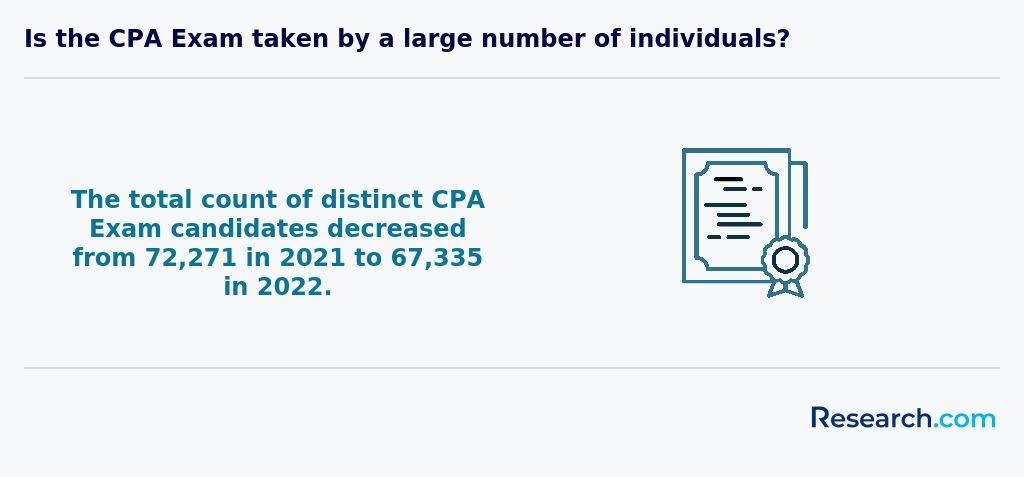
When it comes to paying for an accounting degree in Vermont, there's a lot of good news. Students often start by filling out the FAFSA to tap into federal aid like Pell Grants, which can cover thousands of dollars without needing repayment. Graduates from schools like the University of Vermont share how these grants made a big difference in easing their financial stress.
Then, there's state aid through the Vermont Student Assistance Corporation (VSAC). VSAC has some great programs like the Vermont State Grant and the Non-Degree Grant for adult learners, helping locals get extra support. Champlain College students often mention how VSAC's scholarships helped them focus more on studying and less on worries about bills.
Many Vermont colleges also have their own scholarships, often merit-based, that reward hard work and good grades in accounting. Plus, work-study gigs on campus or part-time jobs let you gain real-world accounting experience while bringing in some cash. And don't forget, groups like the Vermont Society of CPAs sometimes offer scholarships that connect students directly to the accounting community.
All these options together really make earning your accounting degree here more doable and less overwhelming.
When considering an accounting degree in Vermont, one of the most critical factors for prospective students is the financial aspect. Understanding the costs associated with pursuing an accounting degree, as well as the potential financial returns, is essential for making informed decisions. Students should research not only the tuition fees but also other expenses such as textbooks, technology, and living costs. For those looking for affordable options, exploring the most affordable accounting schools in Vermont can be a practical first step. Additionally, many institutions offer financial aid, scholarships, and work-study programs to help mitigate the costs. By carefully planning and considering these financial factors, students can navigate their educational journey more effectively, ensuring that their investment in an accounting degree yields the best possible returns.
If you're thinking about starting an accounting degree in Vermont, there are a few key things you'll need to have in place before applying. Most schools, like the University of Vermont or Champlain College, will expect you to have finished high school or something similar, like a GED. That's the basic ticket in.
Math skills are a big deal here-graduates often mention how important algebra and geometry were for handling accounting classes. Some programs even suggest a little background in economics or business, which makes sense since those subjects connect closely to the real-world side of accounting.
You might hear that test scores like the SAT or ACT still matter, especially at more competitive Vermont schools. While some colleges have gone test-optional, having solid scores can definitely boost your chances. Community colleges generally keep things a bit more relaxed, focusing on placement tests to find your level before diving into accounting courses.
Also, some programs will want to know a bit about why you're excited about accounting-think letters of recommendation or a personal statement where you can share your goals. This is super helpful because it shows you're serious and ready for the challenge.

After completing your accounting degree, pursuing professional certifications such as the CPA, CMA, CIA, or CFE can significantly enhance your credentials and open doors to specialized roles. In Vermont, the CPA is especially valued; candidates must complete 150 credit hours, pass four rigorous exams, and fulfill a year of supervised experience. The CMA credential, offered by the Institute of Management Accountants, focuses on management accounting skills and requires two exams and two years of professional experience. Similarly, the CIA (Certified Internal Auditor) and CFE (Certified Fraud Examiner) designations support careers in auditing and forensic accounting. Investing in these credentials not only boosts your earning potential-often by 20% or more-but also equips you with advanced knowledge in ethics, financial analysis, and risk management. Many graduates report faster career progression and greater job satisfaction after certification, with some roles listed among the top paying jobs with accounting degree specifically requiring or preferring candidates with these professional designations. Continuing education through seminars, webinars, and graduate certificates helps you stay current with industry standards, regulatory changes, and emerging technologies like AI-driven analytics. When selecting programs, look for those accredited by AACSB or AICPA-affiliated providers to ensure quality and recognition. By strategically planning your certification path alongside your degree, you can maximize return on investment and position yourself as a knowledgeable expert in the competitive accounting field.
If you're diving into an accounting degree in Vermont, expect to tackle courses that really gear you up for the real world. Students from places like the University of Vermont often share how starting with basics like Financial Accounting and Managerial Accounting gave them a solid grip on preparing financial statements and making smart business decisions.
As you move forward, you'll get into Intermediate and Cost Accounting, which is where things get more detailed and exciting. Many grads mention how learning GAAP standards here felt like unlocking a new level, preparing them for public accounting roles.
- Auditing
- Taxation
- Accounting Information Systems
- Business Law
- Finance
- Ethics in Accounting
Plus, Vermont schools focus a lot on technology skills, so you'll get hands-on experience with tools like QuickBooks and Excel. Veterans of these programs often say that mastering these courses gave them confidence stepping into internships or CPA prep, making the whole accounting journey feel doable and worth it.
If you're diving into an accounting degree in Vermont, you'll find a variety of specializations to choose from depending on what sparks your interest. For example, many graduates from popular Vermont colleges get really into tax accounting, which is perfect if you're someone who loves decoding tax regulations and helping businesses or individuals save money-kind of like being the go-to tax whiz in your circle. Another crowd favorite is forensic accounting, where you focus on sniffing out financial fraud and digging into legal cases, which definitely adds a detective vibe to your daily grind.
Some students love management accounting, helping companies with budgeting and financial strategy, while others lean toward cost accounting, working on keeping expenses in check to boost profits. Plus, with Vermont schools adopting tech-savvy courses, you might end up specializing in accounting information systems, making you the expert on how tech supports the whole accounting process.
Many grads say these Vermont programs really prepare you well by offering accounting degree specializations in Vermont that match local and national job demands. If you want to explore career paths further, check out this accounting description to get a good feel for what's out there.
It's all about picking what feels right for you and diving deep into that focus.
When picking the best accounting degree programs in Vermont, start by checking if the school is AACSB-accredited-graduates from these programs often feel more confident walking into interviews knowing employers recognize their credentials. Many grads from popular colleges share how courses in auditing and taxation really prepared them for real-world challenges, especially when paired with local internships. This hands-on experience is a game-changer, helping you build connections within Vermont's business community.
Cost is a big deal too; affordable accounting colleges in Vermont can save you stress down the line. Many students found that balancing tuition with living expenses was simpler when they considered part-time or online options some schools offer, giving them the flexibility to work while studying. Plus, strong career services at these schools often lead to exciting opportunities in Vermont's steady accounting job market.
If you're curious about which roles might pay well after graduation, check out this guide on top paying jobs with accounting degree to get a clearer picture of your potential future.
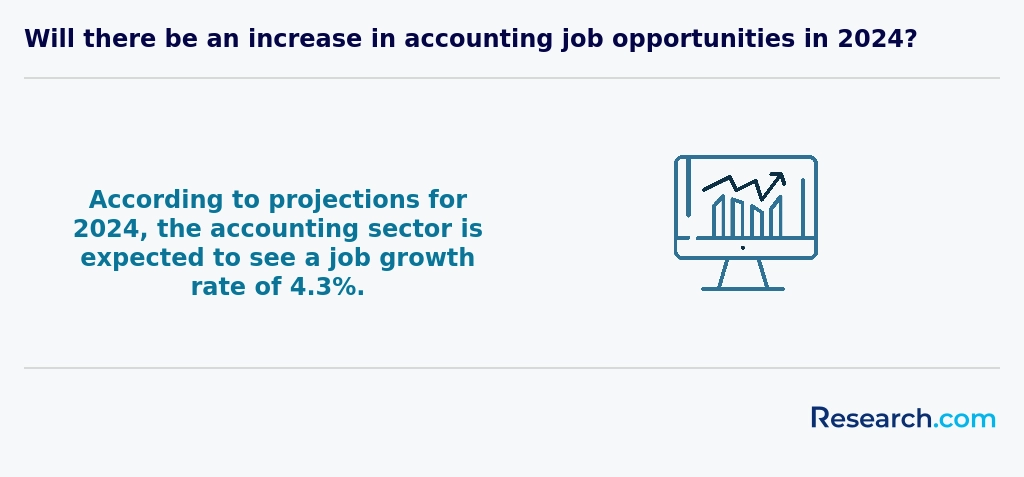
If you're studying accounting in Vermont, you've got plenty of exciting career paths to consider. Graduates from popular schools here often dive into public accounting roles, becoming CPAs who handle everything from auditing to tax advisory. It's a solid choice that stays in demand thanks to the ever-changing tax laws and the need for clear financial insight.
Others find themselves in corporate accounting, working as financial analysts or management accountants, helping companies budget and plan smartly. Imagine yourself in a cozy office in Burlington, crunching numbers that shape real business decisions-many Vermont grads love that hands-on vibe.
Accounting degree job prospects Vermont also include government gigs, where you'd manage public funds and help local or state agencies keep everything above board. Plus, smaller businesses and nonprofits around Vermont offer roles that mix bookkeeping, payroll, and tax filing-perfect if you want that close-knit community feel.
It's worth noting the cost of studying here too-Vermont's public colleges charge between $15K and $25K per year, a worthwhile investment given these solid career opportunities. For a smart start, check out the Inexpensive Accounting Degree Programs Ranking in South Dakota to compare options-you might find some affordable alternatives that still get you where you want to go.
All in all, if you're serious about an accounting degree in Vermont, these paths offer a friendly mix of challenge and opportunity you're likely to enjoy.
The accounting job market in Vermont is looking pretty steady and promising for grads. Many Vermont colleges offer solid accounting programs where students often get hands-on experience working with local businesses or nonprofits. Graduates commonly find roles that involve everything from tax prep to managing budgets at small companies or even state agencies. This variety keeps things interesting and helps build diverse skills. If you're wondering about accounting jobs in Vermont 2027, the growth rate matches the national average, meaning steady opportunities for new accountants.
Many graduates from Vermont's popular schools share how their internships in healthcare or manufacturing sectors really set them up to succeed. With salaries starting around $50,000 and growing to over $90,000 with experience or certifications like the CPA, it's a rewarding path. Plus, the chance for remote or hybrid work linked to nearby hubs like Boston makes it more flexible. If you want to speed up your degree and jumpstart your career, checking out the fastest bachelors degree options can be a smart move. The Vermont accounting degree job outlook clearly favors those ready to jump in and make an impact.
2027 Most Valuable Accounting Degree Programs Ranking in Vermont
Investing in your education is a significant decision that can shape your future, and the Research.com team understands the importance of making informed choices. To assist prospective students in Vermont, we have meticulously crafted the "2027 Most Valuable Accounting Degree Programs Ranking in Vermont." Our commitment to quality, credibility, and accuracy is reflected in the extensive research and analysis conducted to compile this ranking.
We utilized the following reputable data sources to ensure a comprehensive evaluation of accounting degree programs:
By exploring this ranking, readers will gain valuable insights into the most valuable accounting degree programs available in Vermont, helping them make informed decisions about their educational paths. For more details on our methodology, please visit our Research.com methodology page.


Frequently Asked Questions About accounting
Accounting degree students in Vermont can maximize their learning experience by engaging actively with both academic and professional opportunities. Enrolling in accredited programs, such as those accredited by the AACSB, ensures access to rigorous coursework aligned with industry standards. Students should seek internships within Vermont's strong finance sector, including firms in Burlington and Montpelier, to gain practical experience and networking connections.
Utilizing campus resources like tutoring centers and accounting clubs often enhances understanding of complex topics. According to the Vermont Department of Labor, accounting jobs in the state are projected to grow by 6% through 2030, highlighting the value of specialized skills such as tax preparation and auditing. Participating in CPA exam prep courses early also supports long-term success in certification pursuits.
The accounting field is evolving, creating new opportunities for professionals in Vermont. One emerging niche is forensic accounting, which involves investigating financial crimes and fraud. According to the Bureau of Labor Statistics, demand for forensic accountants is expected to grow by 16% nationwide through 2032, driven by increased regulatory scrutiny.
Another growing area is environmental accounting, where specialists analyze the financial impact of environmental policies and sustainability efforts. Vermont's emphasis on green industries supports this trend.
Additionally, technology-driven roles like accounting information systems managers are becoming crucial. With more businesses adopting digital platforms, expertise in software and data analytics is highly valued.
These niches represent promising pathways for Vermont students seeking versatile accounting careers.
After earning an accounting degree in Vermont, graduates should focus on building practical experience alongside their academic credentials. Internships with local firms provide hands-on opportunities, helping students develop skills and professional networks. According to the Vermont Department of Labor, accounting jobs in the state are expected to grow by 6% through 2030.
Obtaining certifications like the CPA (Certified Public Accountant) strengthens job prospects. Vermont requires 150 credit hours and passing the Uniform CPA Exam to become licensed.
Networking through Vermont's accounting associations and attending job fairs at institutions such as the University of Vermont further supports employment goals.
Employers in Vermont highly value accounting graduates who demonstrate strong analytical and problem-solving skills. According to the Vermont Department of Labor, nearly 70% of accounting firms in the state prioritize candidates with proficiency in financial reporting and data analysis.
Technical skills, such as expertise in accounting software like QuickBooks and Excel, are essential. Additionally, familiarity with Generally Accepted Accounting Principles (GAAP) remains a fundamental requirement.
Communication skills are also critical. Employers expect graduates to clearly explain financial information to non-accounting professionals, an ability that improves teamwork and client relations.
Finally, ethical judgment and attention to detail are frequently emphasized, given the importance of accuracy and compliance in accounting roles across Vermont.
Finding accounting internships in Vermont involves several targeted strategies for students pursuing this degree. Start by exploring campus career centers at Vermont colleges such as the University of Vermont and Champlain College, which often partner with local accounting firms. Networking events, career fairs, and accounting clubs on campus provide valuable connections. Additionally, the Vermont Society of Certified Public Accountants (VSCPA) offers resources and internship listings specific to the state's accounting industry.
Online job platforms like Handshake and LinkedIn also list internships targeted to Vermont students. According to the U.S. Bureau of Labor Statistics, internships greatly improve job placement rates for accounting graduates in New England.
An accounting degree in Vermont significantly enhances career mobility and advancement opportunities within the state's financial sector. According to the Bureau of Labor Statistics (2023), Vermont employs over 4,000 accountants and auditors, with a projected growth rate of 6% through 2031, slightly above the national average. Holding a degree often increases eligibility for higher-level roles such as financial analyst, internal auditor, or tax consultant, especially in Vermont's growing sectors like agriculture, manufacturing, and public administration. Additionally, earning an accounting degree provides the educational foundation required to pursue the Certified Public Accountant (CPA) credential, which is highly valued by employers and linked to increased salary potential and leadership positions in Vermont's job market.
Studying for an accounting degree in Vermont equips students with skills that extend beyond traditional bookkeeping and financial reporting. Vermont's programs emphasize interdisciplinary learning by integrating business, information technology, and regulatory knowledge. This approach is essential as accounting roles increasingly demand familiarity with data analytics, compliance, and strategic management.
Many Vermont institutions align their curricula with state workforce needs, fostering collaboration between accounting and fields like finance, law, and computer science. According to the Vermont Department of Labor, jobs requiring combined skill sets in accounting and technology are projected to grow faster than average through 2030.
This prepares graduates for diverse roles such as forensic accounting, audit management, and financial consulting, where knowledge across disciplines is critical to success.
When choosing between a thesis and a non-thesis accounting degree program in Vermont, students should consider their career goals and learning preferences. Thesis programs typically involve conducting original research and writing a detailed paper, which can benefit those aiming for academic roles or doctoral studies. Non-thesis options focus more on coursework and practical skills, often preferred by professionals targeting immediate entry into public accounting or corporate positions.
According to the Vermont Higher Education Agency, about 40% of accounting graduates pursue non-thesis tracks, aligning with local industry demands.
Additionally, thesis programs often require more time, sometimes extending a degree by a semester or more, whereas non-thesis programs may be faster and more flexible for working adults.
Understanding these differences helps prospective students select programs that match both their timeline and career aspirations.
Students in Vermont interested in studying accounting abroad have several pathways through US higher education institutions offering international study programs. Many Vermont colleges with accounting degrees, like the University of Vermont, participate in exchange programs with European and Asian universities, allowing students to complete part of their coursework overseas while earning credits toward their degree.
Additionally, some programs include internship opportunities in global accounting firms, enhancing practical experience abroad. According to the Vermont Agency of Education, approximately 10% of business students engage in study abroad programs, often choosing accounting-related destinations in the UK or Canada.
Federal student aid can often be applied to these programs, but students should confirm eligibility early. Overall, Vermont-based students benefit from growing institutional support for global accounting studies aligned with US accreditation standards.
Students pursuing accounting degrees in Vermont have several part-time job opportunities that directly complement their education. Popular roles include bookkeeping assistant, tax preparer, and payroll clerk positions, often available in local small businesses and accounting firms. These jobs provide hands-on experience with financial statements, tax regulations, and payroll systems, aligning well with academic coursework.
Additionally, Vermont's growing sectors such as agriculture and tourism offer seasonal accounting roles, helping students understand industry-specific accounting practices. According to the Vermont Department of Labor, accounting-related employment in the state is expected to grow by 6% through 2028, highlighting stable job prospects for students.
Internships with state agencies or nonprofit organizations also provide valuable exposure to public sector accounting. These opportunities help develop skills in budget management and compliance reporting while students continue their studies.
Accounting students in Vermont have access to several valuable networking opportunities that can enhance their career prospects. Many universities, such as the University of Vermont and Champlain College, host accounting clubs and student chapters of national organizations like the American Institute of CPAs (AICPA). These groups often organize workshops, guest speaker events, and career fairs tailored to accounting majors.
Additionally, Vermont's small business community offers students chances to connect through internships and local chapters of statewide professional associations like the Vermont Society of Certified Public Accountants (VSCPA). The VSCPA provides mentoring programs, conferences, and networking events specifically for accounting students.
These opportunities, combined with Vermont's close-knit professional community, make it easier for students to build relationships with experienced professionals and potential employers.
Alumni networks play a crucial role in supporting accounting degree students in Vermont by providing access to professional connections and career opportunities. Graduates from Vermont's accounting programs often join these networks, which help current students find internships and jobs through referrals and mentorship. According to the Vermont Higher Education Collaborative, nearly 60% of accounting students secure employment within six months of graduation, often citing alumni contacts as a key factor.
These networks also offer guidance on CPA exam preparation and insights into local industry trends. Engagement with alumni can enhance a student's understanding of Vermont's business environment, which includes many small to mid-sized firms requiring specialized accounting skills.
Participation in alumni events and online groups fosters long-term professional relationships that benefit students well beyond their academic years.
Customizing an accounting degree program in Vermont allows students to align their education with specific career goals. Many Vermont institutions offer flexible curricula where students can choose electives in areas such as forensic accounting, tax preparation, or auditing. These specializations prepare graduates for diverse roles within the accounting field.
Internships and cooperative education opportunities with local Vermont firms also play a key role in customization. By engaging directly with businesses in industries like finance or nonprofits, students gain practical experience tailored to their interests.
Additionally, Vermont's accounting programs often integrate preparation for CPA licensure, important for advancing in public accounting careers. The Vermont Board of Accountancy requires 150 semester hours to qualify, so many students elect to pursue a master's degree or additional credits alongside their bachelor's.
According to the Vermont Department of Labor, demand for accountants remains steady, encouraging programs to focus on data analytics and technology skills relevant to local employers.
Accounting students in Vermont often face several challenges during their degree programs. One significant issue is the rigorous curriculum that demands strong analytical and quantitative skills. Courses typically cover complex topics such as taxation, auditing, and financial reporting, which require consistent study and practice.
Additionally, limited local internship opportunities can hinder practical experience. Vermont's smaller business environment means fewer large accounting firms compared to urban centers, making it harder for students to gain hands-on training. According to the Vermont Department of Labor, competition for internships in finance-related fields remains high.
Another challenge is meeting the requirements for CPA licensure, which include passing a demanding exam and completing specific educational credits. Students must plan carefully to fulfill both academic and professional standards, which can extend time and cost.
With an accounting degree in Vermont, graduates can pursue several professional certifications to enhance their careers. The most recognized certification is the Certified Public Accountant (CPA) credential, which requires passing the Uniform CPA Exam and meeting Vermont's state-specific education and experience requirements.
Other valuable certifications include the Certified Management Accountant (CMA), focusing on financial management and strategy, and the Certified Internal Auditor (CIA), which is ideal for those interested in auditing roles.
According to the Vermont Board of Accountancy, over 1,200 CPAs hold licenses in the state, reflecting strong professional demand.
These certifications typically require ongoing education, ensuring accountants stay current with evolving standards and practices.
To write a winning application for an accounting program in Vermont, start by highlighting your strong quantitative skills and relevant coursework, such as mathematics or economics. Vermont's leading schools value applicants with a GPA above 3.0, especially in core subjects. Include clear reasons for choosing accounting, emphasizing your career goals in areas like auditing or tax preparation, which align with Vermont's growing financial sector.
Provide detailed information about any internships or work experience, as practical knowledge strengthens your application. Schools also appreciate well-crafted personal statements that demonstrate your commitment to ethical practices in accounting, a key focus per Vermont Board of Accountancy guidelines.
Lastly, ensure all application materials are error-free and submitted before deadlines, typically between November and January for fall enrollment in Vermont institutions. Use official transcripts and strong letters of recommendation to support your candidacy.
Accounting careers in the United States, including Vermont, are increasingly influenced by global standards and practices. Many accounting professionals engage with international accounting frameworks such as IFRS, which coexist with US GAAP, reflecting a globalized business environment. According to the American Institute of CPAs, over 80% of Vermont's accounting firms serve clients with cross-border transactions, demanding familiarity with diverse accounting rules.
The Bureau of Labor Statistics reports steady growth in the accounting sector, with job opportunities expected to rise by 7% nationally through 2031. Vermont's emphasis on ethical standards and continuing education aligns with global trends promoting transparency and accuracy in financial reporting. This global perspective enhances the value of Vermont accounting degrees by preparing graduates for both domestic and international roles.
Gaining practical experience while pursuing an accounting degree in Vermont is essential for student success. Many Vermont institutions encourage internships with local businesses, government agencies, and accounting firms. For example, the Vermont Department of Labor reports that internships increase the likelihood of employment by nearly 20% within six months of graduation.
Students can also join accounting clubs or participate in case competitions available at colleges such as the University of Vermont. Additionally, cooperative education programs, or co-ops, combine classroom learning with paid work experience, allowing students to build professional networks during their studies.
Volunteer opportunities with nonprofit organizations in Vermont can further enhance practical skills. These experiences help apply accounting principles in real-world contexts, preparing students for careers in public accounting, corporate finance, or government roles.
Choosing the right concentration within an accounting degree program in Vermont involves understanding your career goals and the specific demands of the local job market. Common concentrations include auditing, taxation, and forensic accounting. According to the Vermont Department of Labor, demand for tax professionals and auditors is expected to grow by 7% through 2030, aligning with national trends.
Students should consider programs that offer internships or partnerships with Vermont firms, as these provide practical experience and networking opportunities. Researching faculty expertise and course offerings will also help identify a concentration that fits your interests and strengths.
- 2027 Most Valuable Accounting Degree Programs Ranking in Connecticut
- 2027 Most Valuable Accounting Degree Programs Ranking in Delaware
- 2027 Most Valuable Accounting Degree Programs Ranking in Kentucky
- 2027 Most Valuable Accounting Degree Programs Ranking in Indiana
- 2027 Most Valuable Accounting Degree Programs Ranking in Georgia
- 2027 Most Valuable Accounting Degree Programs Ranking in Illinois
- 2027 Most Valuable Accounting Degree Programs Ranking in Alabama
- 2027 Most Valuable Accounting Degree Programs Ranking in Arkansas
- 2027 Most Valuable Accounting Degree Programs Ranking in Minnesota
- 2027 Most Valuable Accounting Degree Programs Ranking in Louisiana
See What Experts Have To Say About Studying Accounting
Read our interview with Accounting experts


John Wermert, Ph.D., CPA
Accounting Expert
Associate Professor of Accounting
Middle Tennessee State University

- Expectations of accounting students in relation to their ... https://sevenpubl.com.br/anais7/article/download/4780/8840/19578
- Accountants of the Future https://www.deloitte.com/us/en/programs/center-for-controllership/blogs/future-of-accounting-profession.html
- Accounting Degree Program Guide | Accounting.com https://www.accounting.com/degrees/overview/
- What Jobs Can You Do With an Accounting Degree? - Intuit Blog https://www.intuit.com/blog/life-at-intuit/intuit-experts/accounting-degree/
- Vermont CPA Exam Cost 2026: The 5 Critical Fees https://www.superfastcpa.com/vermont-cpa-exam-cost/
- Why CA Firms Can't Afford to Overlook Alumni Networks: A Key Strategy for Growth and Success https://hoopstr.ai/corporate-resource-center/blog/why-ca-firms-need-to-adopt-corporate-alumni-programs-for-growth-and-success-in-a-changing-industry
- 5 accounting certifications without a degree | Becker https://www.becker.com/blog/career/5-accounting-certifications-you-can-earn-without-a-degree
- College Readiness: Connecting with the Alumni Network - Community Foundation https://southcoastcf.org/college-readiness-connecting-with-the-alumni-network/
- Everything About Bachelor’s in Accounting https://www.allbusinessschools.com/accounting/bachelor-degree-in-accounting/
- How to get into accounting as a graduate https://targetjobs.co.uk/careers-advice/accountancy-banking-and-finance/how-get-accounting-graduate