2027 Most Affordable Online Master's in Accounting Degree Programs Ranking in Massachusetts

Co-Founder and Chief Data Scientist
Choosing the right online master's in accounting degree program can shape your future career and financial success. For students in Massachusetts, navigating affordable and quality options is key to making a smart investment in education.
Our article presents the 2027 Most Affordable Online Master's in Accounting Degree Programs Ranking in Massachusetts, developed by the Research.com team of data scientists. This carefully crafted ranking helps you identify programs that balance cost and quality to fit your goals.
Reading this guide will empower you to confidently choose a program that opens doors to growth and achievement in accounting.
Key benefits of getting online accounting degree in Massachusetts
- Graduates with an online accounting degree in Massachusetts can expect competitive salaries, with roles like Certified Public Accountant and Tax Manager earning a mean annual wage of $90,780 and $43.65 per hour.
- Career paths include Corporate Accountant, Auditing Manager, and Forensic Accountant, offering diverse opportunities to apply skills learned at local universities like Boston University.
- Completing an accounting degree online provides flexibility and convenience, allowing graduates to balance studies with work or family, as demonstrated by students from Northeastern University's online programs.
- 2027 Most Affordable Online Master's in Accounting Degree Programs Ranking in Massachusetts
- What can I expect from online accounting degree in Massachusetts?
- Where can I work with online accounting degree in Massachusetts?
What can I expect from online accounting degree in Massachusetts?
The average cost of an online accounting degree in Massachusetts varies, but students often find public universities offer the most affordable options, especially for in-state residents. Graduates from well-known institutions like UMass and Suffolk University frequently share how managing tuition costs alongside part-time work made their goals attainable without excessive debt. For many, tuition ranges broadly from around $350 to $700 per credit hour, depending on the school and program structure. This means completing the typical 120 to 150 credit hours required for CPA eligibility could amount to roughly $42,000 to $105,000 in tuition alone.
Students appreciate how flexible online formats at these schools allow them to pace their studies, balancing job and family obligations effectively. One graduate recalled how this flexibility made it easier to maintain steady progress and reduce stress while mastering complex topics like managerial accounting and auditing.
Financial aid and credit transfer policies also play a crucial role; smart planning and thorough research can significantly ease the financial burden and make quality accounting education in Massachusetts genuinely accessible.
Where can I work with online accounting degree in Massachusetts?
Graduates with an online accounting degree in Massachusetts often find themselves stepping confidently into diverse and rewarding career paths. Many who studied at well-regarded institutions like Boston University or Northeastern University share how their education opened doors at prominent public accounting firms, such as Deloitte or PwC, located right in the Boston metro area. Here, they handle audits and tax consultations, gaining valuable hands-on experience early in their careers.
Others move into corporate accounting roles within Massachusetts-based giants like General Electric or Biogen, where they analyze budgets and ensure compliance-tasks that feel both challenging and gratifying. These positions not only offer growth but also allow graduates to contribute meaningfully to major industries driving the state's economy.
The appeals of working in government agencies also resonate, especially for those passionate about public service and transparency. Many graduates find fulfillment working with municipal finance departments, managing public funds with integrity.
Accounting alumni from local universities appreciate the chance to support nonprofits too, managing donations and grants in hospitals and charities. The variety of opportunities in Massachusetts helps graduates feel confident about their future with an online accounting degree.
Graduates with an online accounting degree from well-known Massachusetts institutions such as Northeastern University or the University of Massachusetts Amherst often find that their earnings reflect both the quality of their education and the robust job market. For roles like Certified Public Accountant, Corporate Accountant, or Tax Manager, mean annual wages hover around $90,780, according to the latest U.S. Bureau of Labor Statistics data. This level of compensation offers reassurance to students balancing work and study, knowing their efforts will pay off.
Early career accountants typically start near $55,000 to $65,000, stepping into junior roles that build essential skills. Over time, holding certifications like the CPA and gaining experience can elevate income closer to or even beyond the $95,000 mark, especially in thriving metro areas like Boston.
Graduates often share the satisfaction of accessing leadership positions such as Auditing Manager or Forensic Accountant, roles that the data shows also command near $90,000 annually. The steady demand within Massachusetts' financial sectors means that an online degree, paired with dedication, can create a promising, fulfilling career path.
- Undergraduate online accounting programs in Massachusetts cost between $15,000 and $20,000 per year at public institutions and $30,000 to $45,000 at private colleges.
- Graduate accounting degrees, like master's programs, typically range from $25,000 to $40,000 annually.
- Starting salaries for accounting graduates in the state average between $55,000 and $65,000 per year.
- Mid-career accountants earn around $80,000 to $90,000, while senior-level professionals can make over $100,000.
- Job growth for accountants and auditors in Massachusetts is expected to increase by about 7% through 2030.
- Most employers prefer graduates from AACSB or ACBSP accredited programs and many students pursue CPA licensure after graduation.
Completing an online accounting degree in Massachusetts typically reflects a blend of ambition and flexibility. Graduates from well-regarded institutions like Northeastern University or Boston University often share how the standard four-year timeline for a bachelor's degree can feel both challenging and rewarding. Many find that pursuing their degree full-time allows a steady pace, while others appreciate the freedom to accelerate their studies and finish in about three years by taking extra courses.
For those enrolled in master's programs, such as at UMass Amherst's online offerings, completion usually takes between one and two years. Full-time study often results in finishing within 12 to 18 months, but part-time students balance work and study, extending their journey to two years or more without losing motivation.
This variation in duration is shaped by factors like transfer credits or course load decisions, making the experience deeply personal. Many students reflect positively on the ability to tailor their progress around work or family life, underscoring Massachusetts' supportive learning environments.
Graduates from Massachusetts institutions like the University of Massachusetts Amherst often reflect on how the online accounting degree's flexibility enabled them to juggle family commitments while advancing their careers. Completing coursework remotely through a user-friendly system allowed them to learn at their own pace without the stress of daily commutes, which many found liberating.
On the other hand, alumni from Northeastern University who attended on-campus programs share how the structured environment and face-to-face interaction deepened their understanding. Being physically present in classrooms offered valuable networking moments with peers and professors, fostering a supportive community that some say is hard to replicate online.
Both formats prepare you for the CPA exam, yet those on campus benefit from direct access to mentoring and review sessions. In Massachusetts, online students appreciate the balance of quality education with the convenience of remote study, especially when programs meet state licensure requirements.
Choosing between these paths often comes down to your personal lifestyle and learning preferences, with each offering a distinct but equally rewarding accounting journey.
The average cost of an online accounting degree in Massachusetts typically centers around $25,500, reflecting a balanced median tuition figure for students pursuing their credentials within the state. Graduates from well-known institutions often remark on how this investment felt reasonable compared to the quality of education they received, especially when considering the flexibility of online learning formats. For instance, students opting for programs at popular universities like the University of Massachusetts system found the tuition manageable alongside part-time work, making the experience rewarding both academically and financially.
Massachusetts residents generally benefit from lower tuition rates at public universities, which can significantly reduce the burden on state-based students. This aspect makes an affordable online master's in accounting Massachusetts an achievable goal for many prospective students balancing career and family commitments. Graduates often share stories of leveraging these cost advantages while using employer tuition reimbursement programs, which helped ease the financial strain and motivated completion.
When exploring program options, one graduate highlighted how attending a private college offering an online accounting degree posed a higher price tag but was offset by personalized support and networking opportunities that boosted career prospects. Still, others appreciated the ability to spread out costs by enrolling part-time. To find the best financial fit, it's wise to examine specific schools carefully and compare tuition along with other expenses.
Prospective students looking for affordable programs might explore the affordable accounting schools in Massachusetts to make informed decisions tailored to their budgets and career goals. This strategy helps ensure that pursuing an accounting degree does not compromise financial stability while opening doors to future professional success.

To become a licensed CPA in Massachusetts, you must satisfy these core requirements:
- Education: Complete 150 semester hours with at least 24 credit hours in accounting, 24 in business, and 3 in ethics.
- Uniform CPA Exam: Pass all four sections (Auditing, Business Environment, Financial Accounting, Regulation) within an 18-month window.
- Ethics Exam: Finish the AICPA’s professional ethics course and exam.
- Experience: Gain one year (2,000 hours) of supervised accounting work under a licensed CPA.
- Application: Submit official transcripts, exam scores, experience verification, and pay fees to the Massachusetts Board of Public Accountancy.
Choosing an online accounting degree that covers these requirements can streamline your path to licensure.
Many students pursuing an online accounting degree in Massachusetts find that federal financial aid through FAFSA forms the backbone of their funding strategy. Graduates from schools like Northeastern University often recall how these loans and grants provided crucial support, making the rigorous coursework more manageable without overwhelming debt. The advantage lies in federal loans' typically lower interest rates and flexible repayment plans, which are especially valuable when juggling work and studies.
Massachusetts residents benefit from state-specific programs as well. For instance, several students attending the University of Massachusetts system share how the MASSGrant helped ease some financial burden despite the high tuition costs common in the state. The Massachusetts Office of Student Financial Assistance (OSFA) assigns these need-based grants that, while more limited at the graduate level, still offer meaningful relief for many.
Institutional scholarships from colleges-including merit- and need-based awards-are often game-changers. Graduates remember applying directly to schools' financial aid offices to uncover these hidden gems, which sometimes come tailored for online or accounting-specific programs.
Moreover, scholarships from professional organizations such as the Massachusetts Society of Certified Public Accountants (MSCPA) encourage aspiring accountants by recognizing academic and professional promise. Employer tuition reimbursement also plays a key role for working students, allowing them to grow in their careers with less financial stress.
In today’s dynamic accounting landscape, obtaining a professional certification can be as pivotal as earning a degree. Beyond the comprehensive curriculum of online accounting programs, certifications such as the CPA and CMA validate your expertise and open doors to advanced career opportunities. In particular, specialized certifications can set you apart in niche areas of finance and accounting. For instance, many professionals bolster their skill set by pursuing a bookkeeping certification texas, which not only refines practical skills but also demonstrates a commitment to continuous learning and professional growth. Certifications enhance your marketability, often leading to faster career progression and higher earning potential. By integrating academic knowledge with industry-recognized credentials, you build a robust portfolio that meets the evolving demands of employers and strengthens your professional reputation.
To enroll in an online accounting degree program in Massachusetts, completing a bachelor's degree is often the fundamental requirement. Graduates from well-regarded institutions like Boston University and Northeastern University frequently share that having a solid undergraduate foundation, particularly in accounting or related fields such as finance, eased their transition into graduate studies. Many programs expect transcripts reflecting coursework in principles of accounting, financial reporting, and managerial accounting-skills that prove essential when balancing demanding assignments and real-world projects.
Strong quantitative skills also stand out among prerequisites. Those who have taken courses in statistics or mathematics report feeling more confident when handling complex financial data and analytics. Applicants often need a competitive GPA-around 3.0 or higher-and some programs may look for GRE or GMAT scores unless applicants demonstrate significant professional experience.
Experience in bookkeeping or financial analysis also carries weight. Professionals working while studying appreciate that this background helps them connect theory to practice, making learning both rewarding and applicable. Letters of recommendation further enhance applications by painting a clear picture of readiness and determination, traits often highlighted by students from prominent Massachusetts universities balancing work and study.
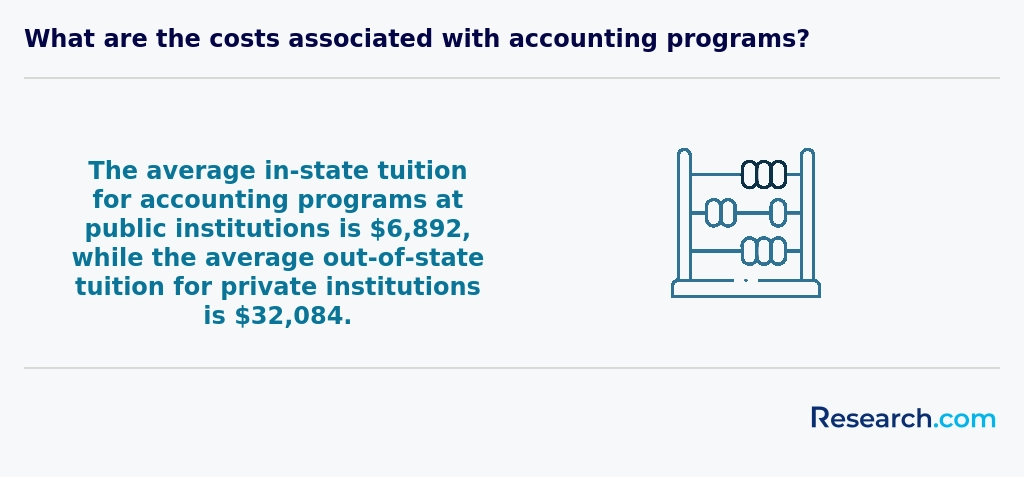
For students considering alternatives to traditional online accounting degrees in Massachusetts, exploring affordable accounting schools in Massachusetts can provide valuable insights into cost-effective educational pathways. This option allows students to access quality education at a lower cost, making it an attractive choice for those who want to pursue a career in accounting without incurring significant debt. By researching these alternatives, prospective students can make informed decisions about their educational investments and find a program that aligns with their career aspirations and financial realities.
Online accounting degrees in Massachusetts commonly include a core set of courses that build a solid foundation while reflecting the state's unique economic environment. Graduates from institutions like Boston University and Northeastern often describe how courses such as Financial Accounting and Managerial Accounting helped them grasp everyday business challenges, from preparing budgets for small startups to evaluating financial statements for larger corporations.
These programs emphasize practical skills by including Auditing and Taxation courses, where students engage with real Massachusetts tax scenarios, understanding both federal and state complexities. Accounting Information Systems courses stand out, allowing students to become comfortable with the software tools used by local firms, which is essential given the tech-driven finance sector in Boston.
Many find the inclusion of Business Law and Ethics particularly valuable, as these classes provide insight into regulatory environments and professional integrity-skills graduates report using daily in their early careers. For example, those studying at UMass Amherst note that Cost Accounting and advanced electives like forensic accounting open doors to specialized positions in competitive markets.
Overall, these courses prepare students to meet Massachusetts's CPA requirements while equipping them with adaptable, in-demand expertise.
Online accounting degree specializations Massachusetts programs commonly offer include Taxation, Auditing, Forensic Accounting, Financial Accounting, Management Accounting, and Governmental Accounting. Graduates from prominent Massachusetts colleges often share how choosing Taxation helped them navigate state tax complexities and boosted their confidence in securing roles within local firms. Others highlight that focusing on Forensic Accounting provided them with skills to unravel financial fraud cases prevalent in Boston's financial district, making their work deeply engaging and impactful.
Those pursuing accounting master's concentration options Massachusetts value programs that emphasize Management Accounting, helping them excel in budgeting and strategic financial planning-essentials for corporate leadership roles. Many students appreciate how these specializations align with the state's expanding sectors, such as healthcare and technology. Additionally, incorporating some foundational courses can complement areas like bookkeeping certification texas, adding practical value.
Reflecting on experiences from online learners, selecting the right specialization is more than academic-it is about shaping a career path tuned to Massachusetts's dynamic economy and job market demands, blending expertise with local relevance.
Choosing the best online accounting degree in Massachusetts means prioritizing accreditation from agencies like AACSB, which graduates from well-regarded institutions often highlight as pivotal in gaining employer trust. Many share how a program's curriculum, especially when it includes Massachusetts-specific tax laws and business regulations, made their transition into local firms smoother and more confident. Flexibility is key, too, as asynchronous courses allow balancing work and family, a common challenge for online learners here.
Cost is frequently a decisive factor. With Massachusetts institutions typically priced higher, comparing tuition carefully helps, especially when exploring financial aid or employer assistance. Some graduates found it invaluable to review online accounting degree cost details early to plan effectively.
Support services also enhance the experience-academic advising and virtual networking with local accounting professionals create a community that bolsters motivation and career growth. Alumni outcomes, particularly CPA exam pass rates and job placements, offer practical insights that many have leaned on when making their choice.
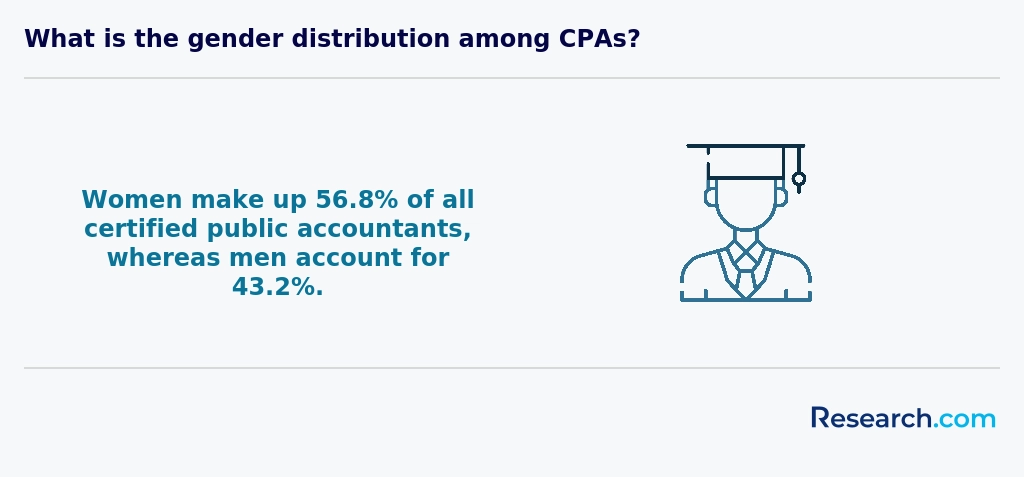
Graduates earning an online accounting degree in Massachusetts find themselves well-positioned to explore diverse career paths tailored to the state's robust financial landscape. Many successfully pursue Certified Public Accountant (CPA) roles, meeting Massachusetts's stringent 150-credit-hour education requirement through reputable online programs offered by respected local institutions such as Boston University and Northeastern University. These graduates often express a sense of accomplishment as they step into roles with a median wage of about $85,000, reflecting strong demand.
Others share their rewarding experiences as financial analysts or management accountants, where their education helps them translate complex data into strategic business decisions within Massachusetts's thriving sectors like healthcare and technology. The appeal of positions such as internal auditor, tax accountant, or forensic accountant grows steadily as these roles offer opportunities to make meaningful impacts on organizations' financial health and compliance.
For those curious about finding cost-effective routes into the profession, many turn to curated resources like the Most Affordable Online Bachelor's in Accounting Degree Programs Ranking in the South to identify programs balancing quality and affordability. The varied accounting career opportunities Massachusetts presents truly mirror the diverse ambitions of its graduates, inspiring confidence and professional growth.
The job market for those holding an online accounting degree in Massachusetts is notably strong, reflecting the state's vibrant economy and demand across diverse sectors. Graduates from well-known institutions often share how their training prepared them for roles in public accounting firms or corporate departments throughout Boston and its surrounding areas. This direct connection to a professional environment enhances their confidence when applying skills in real-world scenarios, proving particularly valuable in Massachusetts accounting degree employment outlook.
Many graduates find opportunities not only in traditional finance companies but also in nonprofit organizations and government agencies, where their expertise plays a critical role in managing budgets and ensuring compliance. The steady projected growth of accounting careers in Massachusetts encourages students to pursue advanced credentials, and some even explore dual graduate degrees to broaden their options and increase earning potential. These experiences often create a feeling of readiness and excitement about building a lasting career in the region.
2027 Most Affordable Online Master's in Accounting Degree Programs Ranking in Massachusetts
Investing in your education is a significant decision that can shape your professional future, and the Research.com team recognizes the importance of making well-informed choices. To support prospective students in Massachusetts, we have carefully developed the "2027 Most Affordable Online Master's in Accounting Degree Programs Ranking in Massachusetts." Our dedication to quality, credibility, and accuracy is demonstrated through thorough research and analysis conducted during the ranking's creation.
We utilized the following reputable data sources to ensure a comprehensive evaluation of online accounting programs:
By reviewing this ranking, readers will gain valuable insights into affordable and credible online master's degree options in accounting within Massachusetts, enabling them to make informed decisions about their educational investment. For further information on how this ranking was created, please visit our Research.com methodology page.


Frequently Asked Questions About accounting
Online accounting degree students in Massachusetts can maximize their learning experience by actively engaging with their coursework and utilizing local professional resources. Massachusetts is home to a vibrant financial sector, including firms in Boston, which offers numerous virtual networking opportunities and internships suited for remote learners. Joining state-specific organizations, such as the Massachusetts Society of Certified Public Accountants (MSCPA), can provide valuable workshops and mentorship.
Students should also leverage online platforms that offer interactive tools, simulations, and real-world case studies to strengthen practical skills. According to the Bureau of Labor Statistics, Massachusetts has a strong demand for accountants, growing faster than the national average, making practical experience crucial.
Consistency in study habits and timely communication with professors further enhance understanding, while aiming for CPA exam eligibility through accredited programs can open more career doors.
The accounting field is evolving, with several emerging niches gaining importance, especially for students seeking online accounting degrees in Massachusetts. One notable area is forensic accounting, where professionals analyze financial data to detect fraud and financial crimes. According to the Massachusetts Society of CPAs, demand for forensic accountants is growing steadily in the state.
Another expanding niche is environmental accounting, which focuses on tracking environmental costs and sustainability reporting. This aligns with Massachusetts' commitment to green business initiatives. Additionally, the rise of data analytics in accounting is creating new roles that require expertise in both finance and technology.
These niches reflect broader industry trends, emphasizing specialized skills to meet changing business needs.
After completing an online accounting degree in Massachusetts, preparing for the job market involves several practical steps. Start by obtaining relevant certifications such as the CPA (Certified Public Accountant), which is highly valued. Massachusetts requires 150 credit hours and passing the Uniform CPA Exam to become licensed.
Gain experience through internships or entry-level positions to build practical skills. According to the Massachusetts Executive Office of Labor and Workforce Development, demand for accountants in the state is expected to grow by 6% from 2022 to 2032.
Networking is crucial; join professional organizations like the Massachusetts Society of CPAs to connect with employers.
Finally, tailor your resume and practice interview skills focusing on accounting software commonly used in Massachusetts firms, such as QuickBooks and Sage Intacct.
Employers in Massachusetts highly value accounting graduates who demonstrate strong technical skills. Mastery of GAAP (Generally Accepted Accounting Principles) and familiarity with accounting software such as QuickBooks and Excel are essential. Analytical skills also play a critical role, as professionals must interpret complex financial data accurately.
Communication abilities are important because accountants often explain financial information to non-experts. Additionally, problem-solving skills and attention to detail help prevent costly errors. According to the Massachusetts Department of Higher Education, graduates with proficiency in data analytics and regulatory knowledge are more competitive in the local job market.
Finally, ethical judgment remains a top priority due to strict state and federal compliance requirements in finance and accounting sectors.
Finding internships in Massachusetts relevant to an accounting degree involves strategic research and networking. Students should begin by exploring listings on state-specific platforms such as the Massachusetts Internship Program (MIP) or Career Central offered by MassHire.
Many online accounting degree providers partner with local firms, so contacting your program's career services can reveal exclusive opportunities. Additionally, large firms like Deloitte, PwC, and EY maintain offices in Boston and regularly offer internships to accounting students.
LinkedIn and Handshake are essential for connecting with employers and alumni networks in Massachusetts. According to the Bureau of Labor Statistics, the demand for accountants in Massachusetts is projected to grow by 7% from 2022 to 2032, increasing internship availability.
Participation in professional organizations such as the Massachusetts Society of CPAs also supports internship placement by offering job boards and networking events tailored to accounting careers.
Obtaining an online accounting degree in Massachusetts can significantly enhance career mobility and advancement opportunities. The state's robust economy includes numerous accounting firms and corporate headquarters, driving demand for skilled accountants. According to the U.S. Bureau of Labor Statistics, Massachusetts had over 40,000 employed accountants and auditors in 2023, with a projected job growth of 6% through 2030, indicating steady opportunities.
Online degrees offer flexibility, allowing working professionals to upskill without interrupting their careers. Graduates often qualify for roles such as financial analysts, auditors, and controllers, which typically offer higher salaries and leadership potential. Employers in Massachusetts increasingly recognize accredited online degrees, which align with CPA licensure requirements post-graduation, further supporting career advancement.
Studying for an online accounting degree in Massachusetts fosters interdisciplinary skills crucial for today's dynamic job market. Massachusetts institutions emphasize integrating accounting with data analytics, finance, and information technology. This approach aligns with the demands outlined by the Massachusetts Department of Higher Education, which highlights accounting graduates' increasing need to handle cross-functional tasks.
Programs often include coursework in business law, economics, and ethical decision-making, enabling students to understand diverse organizational functions. According to the National Association of State Boards of Accountancy, nearly 60% of accounting roles now require familiarity with related fields like management and technology. This blend equips graduates to work effectively in teams across departments such as finance, IT, and compliance.
Massachusetts' strong business ecosystem, including firms in finance and biotech sectors, further encourages interdisciplinary competence through practical, real-world applications embedded within curricula.
Choosing between a thesis and a non-thesis online accounting degree program in Massachusetts depends on your career goals and learning style. Thesis programs require original research and a written dissertation, ideal for those considering doctoral studies or research roles. Non-thesis paths focus on practical skills and coursework, better suited for professionals seeking immediate application in accounting jobs.
Massachusetts offers various options, with the Massachusetts Department of Higher Education noting rising demand for accountants with strong analytical skills. A thesis can enhance your expertise, but non-thesis programs often have shorter completion times.
Consider accreditation and curriculum alignment with CPA requirements in Massachusetts when deciding your path.
Students in Massachusetts seeking online accounting degrees with international exposure can explore several options that blend global perspectives with US accreditation. While fully abroad online programs are limited, many Massachusetts universities offer study abroad partnerships or short-term residencies as part of their accounting graduate curriculum. For example, programs may include virtual exchanges or summer sessions with partner institutions overseas, allowing students to gain international accounting knowledge without leaving Massachusetts.
Additionally, online degrees accredited by bodies like AACSB or ACBSP maintain rigorous US standards while discussing global accounting regulations. According to the Massachusetts Department of Higher Education, 30% of accounting students engage in such global learning components, reflecting a growing trend. This hybrid approach helps students meet CPA requirements both locally and internationally.
Students pursuing online accounting degrees in Massachusetts can benefit from various part-time job opportunities that align with their studies. Common roles include bookkeeping assistant, tax preparer, and accounting clerk positions. These jobs offer practical experience in managing financial records and understanding tax regulations. According to the Massachusetts Executive Office of Labor and Workforce Development, accounting and auditing clerks earned a median wage of $23.40 per hour in 2023.
Internships with local accounting firms or finance departments of businesses in Boston and Worcester provide valuable exposure to real-world accounting tasks. Additionally, roles in payroll processing or accounts payable/receivable can strengthen essential skills relevant to professional accounting careers.
Online accounting students in Massachusetts benefit from a variety of networking opportunities tailored to their field. Many universities offering online degrees provide virtual events, webinars, and alumni networks to connect students with industry professionals. Additionally, Massachusetts has strong professional organizations like the Massachusetts Society of Certified Public Accountants (MSCPA), which hosts regular events, workshops, and mentorship programs. These platforms allow online students to engage with local accounting professionals despite geographical barriers.
The state's robust financial sector also offers internship and job fairs that welcome remote learners. According to the U.S. Bureau of Labor Statistics, Massachusetts employs over 50,000 accountants and auditors, emphasizing a well-established network for career growth.
Alumni networks provide valuable benefits for online accounting degree students in Massachusetts by fostering professional connections. Graduates from these programs often gain access to a community of experienced accountants and financial professionals who can offer mentorship and career guidance.
Massachusetts is home to a robust accounting job market, with the Bureau of Labor Statistics projecting a 7% growth in accounting positions statewide through 2030. Alumni networks facilitate job placement by connecting students to local firms and organizations seeking qualified accountants.
Furthermore, these networks support continuing education and professional development, which are essential for maintaining licenses like the CPA. Through alumni events and online groups, students can stay updated on state-specific accounting regulations and industry trends.
Customizing an online accounting degree program in Massachusetts allows students to align their studies with specific career goals. Many universities provide flexible concentrations such as forensic accounting, taxation, or auditing. This lets students focus on skills that match local job market demands.
Massachusetts offers resources like the Massachusetts Society of Certified Public Accountants, which can guide students on certifications relevant to the state. Additionally, some programs include options for internships or capstone projects, facilitating practical experience tailored to career interests.
By selecting electives, certificates, or part-time pacing, students can build a personalized curriculum that supports both immediate job prospects and long-term professional growth.
Online accounting students in Massachusetts often face several challenges unique to the remote learning environment and the state's regulatory context. Time management is a common issue, as students must balance coursework with jobs or family responsibilities. Networking opportunities, crucial in accounting careers, can feel limited without in-person interactions.
State-specific accounting regulations, such as preparation for the Massachusetts CPA exam, require local knowledge that some programs may not fully address. Additionally, access to practical experiences like internships can be more difficult to secure remotely.
According to the Massachusetts Board of Public Accountancy, the demand for licensed accountants remains strong, increasing competition among graduates.
With an online accounting degree, graduates in Massachusetts can pursue several respected professional certifications to enhance their careers. The most prominent credential is the Certified Public Accountant (CPA) license, regulated by the Massachusetts Board of Public Accountancy. Earning the CPA requires meeting specific education credits, typically 150 semester hours, passing the Uniform CPA Exam, and acquiring relevant work experience.
Other valuable certifications include the Certified Management Accountant (CMA), which focuses on financial management and strategy, and the Certified Internal Auditor (CIA), recognized nationally for internal auditing expertise. These certifications often require a bachelor's degree and passing comprehensive exams.
According to the Massachusetts Society of CPAs, obtaining such credentials significantly increases job prospects and salary potential within the state's competitive accounting job market.
Writing a winning application for an online accounting program in Massachusetts begins with understanding state-specific requirements and program expectations. Many Massachusetts institutions seek applicants with a strong foundation in mathematics and prior coursework in accounting or finance.
Highlight relevant professional experience, especially roles involving financial analysis or bookkeeping, as employers in the state value practical skills alongside academic credentials. According to the Massachusetts Department of Higher Education, applicants who demonstrate clear career goals tied to accounting tend to stand out.
Personal statements should address why you chose this field and how the online format suits your needs. Include references from supervisors or professors familiar with your accounting abilities. Be sure to meet all deadlines and submit official transcripts to align with Massachusetts schools' admission standards.
An accounting career offers strong global relevance, with professionals needed worldwide to manage finances, ensure compliance, and guide business decisions. In the United States, including Massachusetts, accountants often engage with international standards like IFRS alongside domestic GAAP rules. This dual familiarity enhances career opportunities both locally and abroad. According to the U.S. Bureau of Labor Statistics, accounting jobs are expected to grow by 7% nationally from 2021 to 2031, reflecting steady demand.
Massachusetts hosts many multinational corporations, increasing the need for accountants skilled in cross-border financial practices. Online accounting degrees here often emphasize global accounting principles, preparing graduates for diverse roles. Institutions such as the Massachusetts Society of CPAs highlight a growing focus on technology and globalization in accounting education.
Gaining practical experience while studying for an online accounting degree in Massachusetts is essential for career readiness. Many Massachusetts institutions encourage students to pursue internships with local accounting firms. These internships often provide exposure to tax preparation, auditing, and financial analysis.
Additionally, some programs include virtual simulations and case studies to develop hands-on skills remotely. Joining student chapters of professional organizations, such as the Massachusetts Society of CPAs, offers networking and volunteer opportunities.
According to the Bureau of Labor Statistics, Massachusetts employed over 45,000 accountants in 2023, highlighting abundant local opportunities to apply classroom knowledge in real-world settings.
Choosing the right concentration within an online accounting degree program in Massachusetts depends on your career goals and the state's job market. Common specializations include taxation, auditing, forensic accounting, and managerial accounting. Massachusetts has a strong demand for tax professionals, particularly in Boston, where many firms seek specialists knowledgeable in both state and federal tax codes.
Consider your interests: if you enjoy analyzing financial records for fraud, forensic accounting might be ideal. For those drawn to leadership, managerial accounting can lead to roles in budgeting or strategic planning. The Massachusetts Department of Labor highlights that auditing and tax experts tend to have higher employment rates in the region.
Review the curriculum offered by programs carefully to ensure it aligns with licensure requirements for CPA certification in Massachusetts, which often influences concentration choices.
- 2027 Most Affordable Online Master's in Accounting Degree Programs Ranking in Connecticut
- 2027 Most Affordable Online Master's in Accounting Degree Programs Ranking in New York
- 2027 Most Affordable Online Master's in Accounting Degree Programs Ranking in New Jersey
- 2027 Most Affordable Online Master's in Accounting Degree Programs Ranking in Pennsylvania
- 2027 Most Affordable Online Master's in Accounting Degree Programs Ranking in Michigan
- 2027 Most Affordable Online Master's in Accounting Degree Programs Ranking in Illinois
- 2027 Most Affordable Online Master's in Accounting Degree Programs Ranking in Florida
- 2027 Most Affordable Online Master's in Accounting Degree Programs Ranking in Missouri
- 2027 Most Affordable Online Master's in Accounting Degree Programs Ranking in Kansas
- 2027 Most Affordable Online Master's in Accounting Degree Programs Ranking in Texas
See What Experts Have To Say About Studying Accounting
Read our interview with Accounting experts

Yaw M. Mensah
Accounting Expert
Professor and Interim Vice Dean for Strategic Partnerships
Rutgers Business School

John Wermert, Ph.D., CPA
Accounting Expert
Associate Professor of Accounting
Middle Tennessee State University

- 5 accounting certifications without a degree | Becker https://www.becker.com/blog/career/5-accounting-certifications-you-can-earn-without-a-degree
- Skills You Need for a Career Path in Accounting | AIU https://www.aiuniv.edu/degrees/business/articles/top-skills-for-career-in-accounting
- How to get into accounting as a graduate https://targetjobs.co.uk/careers-advice/accountancy-banking-and-finance/how-get-accounting-graduate
- 2025 Most Popular Online Accounting Degrees in Massachusetts https://www.onlineu.com/degrees/accounting/massachusetts
- Must-Have Skills for Accounting & Finance Graduates Entering Singapore’s Competitive Job Market https://www.lsbf.edu.sg/blog/accountancy-and-finance/must-have-skills-for-accounting-finance-graduates-entering-singapores-competitive-job-market
- Trainee Accountant Cover Letter Example https://www.kickresume.com/en/help-center/trainee-accountant-1-cover-letter-sample/
- Accountancy Placements/Internships | Gradcracker - Careers for STEM Students https://www.gradcracker.com/search/maths-business/accountancy-work-placements-internships
- Jobs you can get with a degree in Accounting | Monroe University https://www.monroeu.edu/academics/undergraduate-programs/school-business-and-accounting/jobs-with-degree-in-accounting
- Guide to Transition into an Accounting Career https://teach.com/online-ed/business-degrees/online-masters-accounting/how-to-transition-to-an-accounting-career/
- Accountant Cover Letter Example https://www.careertoolbelt.com/professions/accountant/cover-letter-example/