2027 Most Affordable Online Master's in Accounting Degree Programs Ranking in Michigan

Co-Founder and Chief Data Scientist
Choosing the right online master's program in accounting can feel overwhelming, especially with so many options available in Michigan. This article presents the 2027 Most Affordable Online Master's in Accounting Degree Programs Ranking in Michigan, carefully crafted by the Research.com team of data scientists to help you make an informed decision.
Whether you're looking to advance your career or enter the accounting field with confidence, this ranking highlights affordable programs that deliver value. Exploring these options can bring you closer to achieving your professional goals with less financial stress.
Key benefits of getting online accounting degree in Michigan
- Graduates with an online accounting degree in Michigan can expect competitive salaries, with roles like Certified Public Accountant or Tax Manager earning a mean annual wage of $90,780 and an hourly wage of $43.65.
- An accounting degree opens doors to diverse careers such as auditing, forensic accounting, and corporate finance, illustrated by successful alumni from the University of Michigan who have built rewarding careers across various industries.
- Choosing an online accounting degree offers flexibility for working adults and easy access to quality education, as seen with graduates from Michigan State University who balance studies and work while advancing their careers efficiently.
- 2027 Most Affordable Online Master's in Accounting Degree Programs Ranking in Michigan
- What can I expect from online accounting degree in Michigan?
- Where can I work with online accounting degree in Michigan?
What can I expect from online accounting degree in Michigan?
The average cost of an online accounting degree in Michigan varies depending on the institution type. Public universities in the state tend to offer more affordable tuition rates, often ranging between $10,000 and $15,000 for the entire program. For example, many graduates from well-known public universities appreciate the financial accessibility combined with a high level of academic rigor. These programs help them balance studies with work without burdening them with excessive debt.
In contrast, private institutions typically charge higher tuition, sometimes exceeding $25,000, but often provide more personalized support and networking opportunities. Graduates from private colleges frequently highlight the value of small class sizes and close faculty engagement, which enriches their learning experiences.
Financial aid is widely available across Michigan's institutions. Many students utilize federal loans, grants, and scholarships targeted at business and accounting majors, easing the financial commitment. This mix of moderate tuition and aid makes pursuing an online accounting degree in Michigan both practical and rewarding.
Where can I work with online accounting degree in Michigan?
Graduates with an online accounting degree from institutions like the University of Michigan or Michigan State University often find themselves well-prepared for diverse career avenues within the state. Many secure positions in public accounting firms located in Detroit or Grand Rapids, engaging in auditing, tax preparation, and consulting work. These roles frequently encourage obtaining CPA certification, reflecting industry standards and boosting employability.
Corporate accounting roles in major Michigan companies such as Ford Motor Company and General Motors also attract graduates, offering careers in financial analysis, budgeting, and internal auditing. Personal accounts from alumni reveal fulfilling experiences balancing complex financial data to support these large enterprises, which helps foster a sense of achievement and career stability.
State and local government agencies present additional opportunities where accounting professionals oversee public funds and ensure compliance with governmental accounting requirements. Moreover, Michigan's expanding healthcare sector increasingly relies on accountants to navigate intricate billing and reimbursement systems, providing graduates with dynamic, impactful job prospects.
Many graduates appreciate the option to work remotely or in hybrid settings, reflecting a flexible job market that accommodates modern work-life balance aspirations, especially prevalent since the pandemic. This versatility allows students from anywhere in Michigan to build rewarding careers aligned with their lifestyle preferences.
Graduates with an online accounting degree in Michigan can expect competitive earnings, typically around $90,780 annually for roles such as Certified Public Accountant, Corporate Accountant, Tax Manager, Auditing Manager, and Forensic Accountant. This figure aligns with salary data from the U.S. Bureau of Labor Statistics, highlighting steady professional demand within the state.
Many graduates from well-known institutions like Central Michigan University and Michigan State University report starting salaries near $50,000 to $60,000, with steady growth as they gain experience and certifications. Mid-career professionals often reach or exceed the $90,000 mark, especially if they obtain credentials such as the CPA.
Working in metropolitan areas such as Detroit or Ann Arbor further enhances earning potential, reflecting higher living costs and concentrated financial sectors. Alumni express satisfaction in quickly securing well-paying positions in finance, government, or corporate accounting after completing their online programs, appreciating the flexibility and recognition these degrees provide in Michigan's stable job market.
- Online accounting degrees in Michigan are offered by accredited institutions with flexible fully online or hybrid programs covering financial accounting, auditing, taxation, and managerial accounting.
- The cost for a bachelor's degree online ranges from $20,000 to $35,000 for in-state students, while master's programs typically cost between $25,000 and $40,000.
- Entry-level accountants in Michigan earn about $57,000 per year, with median salaries rising to around $77,000 as experience grows.
- Michigan's job market for accounting roles is expected to grow by 4% over the next decade, providing opportunities in forensic accounting, tax preparation, and financial analysis.
- Many programs prepare students to meet Michigan's CPA exam requirements, including the need for 150 credit hours and specific accounting and business courses.
Completing an online accounting degree in Michigan generally spans two to four years, depending on the degree level and enrollment status. Graduates from Michigan State University and the University of Michigan-Flint report that a traditional bachelor's degree usually takes about four years of full-time study, aligning with statewide standards. Part-time students, who often balance work and family commitments, may take closer to six years, adjusting their pace to suit their personal schedules.
Many online learners appreciate the flexibility of programs at institutions like Central Michigan University, where accelerated options enable highly motivated students to finish in as little as three years. Transfer credits from community colleges can also reduce the timeline, allowing those with previous coursework to advance more quickly toward graduation.
For those pursuing a master's degree in accounting online, such as the Master of Accountancy at Lawrence Technological University, the typical duration is around 18 to 24 months of full-time study. This flexibility helps accommodate working professionals aiming to advance their careers without sacrificing income or responsibilities.
When considering the next steps in pursuing an online accounting degree in Michigan, it's essential to weigh the various factors that influence your decision, such as affordability, program reputation, and career outcomes. For those looking to minimize expenses, exploring the cheapest accounting programs in Michigan can be a strategic move. This approach not only helps you manage your financial investment but also ensures you're getting the most value out of your education. Furthermore, focusing on programs that offer a blend of theoretical knowledge and practical skills can significantly enhance your employability upon graduation. By taking a meticulous and informed approach to selecting an online accounting program, you can set yourself up for success in the accounting field, navigating the complexities of financial regulations, auditing, and financial analysis with confidence.
Choosing between online and on-campus accounting degrees in Michigan often comes down to personal circumstance and learning preference. Graduates from Central Michigan University's on-campus program frequently highlight the value of direct, face-to-face interaction with professors and peers, which creates immediate feedback and a strong campus community. This environment helps students develop discipline through scheduled classes and in-person networking opportunities at local career fairs and faculty events.
Conversely, graduates from online accounting programs appreciate the flexibility to manage coursework around work and family commitments. Many online students enrolled through Michigan State University share that virtual discussion forums and remote career services successfully compensate for the lack of physical presence, enabling them to build connections despite distance. The cost difference is also significant; online programs often reduce fees by eliminating campus facility charges, making education more affordable while maintaining accreditation standards recognized by the Higher Learning Commission.
Both formats deliver rigorous instruction in accounting principles, auditing, and ethics required for Michigan licensure, yet the learning experience and social interactions vary to suit each student's lifestyle and career goals.
Choosing a program with the right accreditation ensures your online master’s is recognized by employers and meets Michigan Board of Accountancy standards. Look for:
- AACSB (Association to Advance Collegiate Schools of Business) accreditation for rigorous research and faculty quality
- ACBSP (Accreditation Council for Business Schools and Programs) for teaching excellence and student outcomes
- Regional accreditation (e.g., Higher Learning Commission) to validate overall institutional quality
Verify that your curriculum aligns with Michigan’s 150‐semester‐hour requirement for CPA licensure and covers core exam topics-like auditing, financial reporting, taxation and ethics. Confirm the school holds state authorization to educate Michigan residents online.
For budget-friendly, accredited options that satisfy CPA eligibility, explore our cheapest online accounting degree.
The average cost of an online accounting degree in Michigan typically varies based on residency status and institution type. For in-state students attending well-regarded universities known for their accounting programs, such as those in the University of Michigan system or Michigan State University, the median total cost is approximately $20,947. This in-state tuition advantage makes pursuing an accounting degree more affordable and accessible for Michigan residents compared to out-of-state alternatives.
Graduates from these programs often reflect positively on their investment, noting how the cost aligned well with the quality of education and career preparation they received. Many appreciated that in-state tuition rates significantly eased their financial burden while still providing rigorous coursework and networking opportunities with industry professionals. The median total cost for out-of-state students hovers near $25,987, which, while higher, still remains competitive when compared to national averages for similar degrees.
Master's degree seekers looking for an affordable online master's in accounting Michigan tuition typically falls within a range that reflects both public and private school options but tends to remain below $30,000 in total, balancing quality and cost effectively. Students often choose programs that offer accelerated paths or flexible schedules, enabling timely graduation and reducing overall expenses.
Prospective students should carefully evaluate tuition rates, fees, and financial aid opportunities when selecting their program. Those interested in cost-efficient paths might explore the cheapest accounting programs in Michigan to maximize value while achieving their educational goals.

Many prospective accounting professionals pursue the Certified Public Accountant (CPA) credential as a key milestone in their careers. Online master’s in accounting programs in Michigan typically include the 30–36 graduate credits needed to meet the 150-credit-hour threshold required by most state boards. Here’s how these programs-and your study plan-align with CPA requirements: 1. Educational Prerequisites • Core coursework in financial accounting, managerial accounting, auditing, taxation, and ethics directly corresponds to the CPA Exam’s four sections: Auditing and Attestation, Financial Accounting and Reporting, Regulation, and Business Environment and Concepts. • Electives such as Forensic Accounting or Accounting Information Systems can strengthen your expertise in specialized exam topics. 2. Integrated Exam Review Support • Many programs offer partnerships with leading review providers, granting complimentary or discounted access to CPA review courses, practice exams, and flashcards. • Faculty-led workshops and mock exams ensure you receive targeted feedback on weak areas, boosting your confidence on exam day. 3. Exam Scheduling and Compliance • Online curricula often guide you through state board registration, scheduling your exam windows, and navigating uniform CPA licensing requirements across jurisdictions. • Career services can connect you with mentor networks of recent graduates who share insights on successful study strategies. 4. Continuing Professional Education (CPE) • After licensure, maintaining your CPA requires ongoing CPE credits. Many Michigan institutions extend alumni discounts on master’s‐level courses or host webinars to fulfill annual requirements. For students exploring cost-effective options beyond Michigan’s borders, check out our Inexpensive Accounting Degree Programs Ranking in Columbus, OH. This resource highlights programs that balance affordability with comprehensive CPA exam preparation, helping you chart a clear path to licensure and career advancement.
Students pursuing an online accounting degree in Michigan commonly access financial aid through federal programs such as Pell Grants, Direct Unsubsidized Loans, and Grad PLUS Loans by completing the FAFSA. For many, this federal aid forms the backbone of funding, enabling enrollment at notable institutions like Central Michigan University or Western Michigan University with manageable loan options.
Michigan residents can also benefit from state-specific scholarships, including the Michigan Competitive Scholarship and the Tuition Incentive Program. These supports often make a significant difference, especially for those transferring from community colleges to well-known universities like Michigan State University, where graduates report feeling relief and motivation thanks to this targeted aid.
Institutional scholarships and assistantships are widespread at Michigan's colleges offering online accounting programs. Students frequently report excitement and increased confidence when awarded merit-based or need-based assistance tailored to accounting career interests.
Additionally, professional organizations such as the Michigan Association of CPAs provide scholarships, making education more attainable. Employer tuition reimbursement programs further ease financial burdens, especially for working professionals advancing their degrees.
Enrolling in an online accounting degree program in Michigan typically begins with holding a high school diploma or equivalent, such as a GED, especially for undergraduate tracks. Many students from institutions like Wayne State University or Central Michigan University find that demonstrating solid math skills through courses like algebra or statistics greatly enhances their admissions prospects. While standardized test requirements vary, several programs have adopted test-optional policies that ease entry for motivated applicants.
For graduate-level programs, such as a master's in accounting offered by Michigan State University, candidates usually must have completed a bachelor's degree. Graduates often share that degrees in business or economics provide a helpful foundation, although some programs accept diverse academic backgrounds provided foundational courses in financial and managerial accounting are completed.
Aligning with Michigan's CPA licensure rules is crucial. The state mandates 150 semester hours including accounting and business courses. Many online programs are designed with these CPA requirements in mind, ensuring students feel confident and well-prepared when applying for certification.
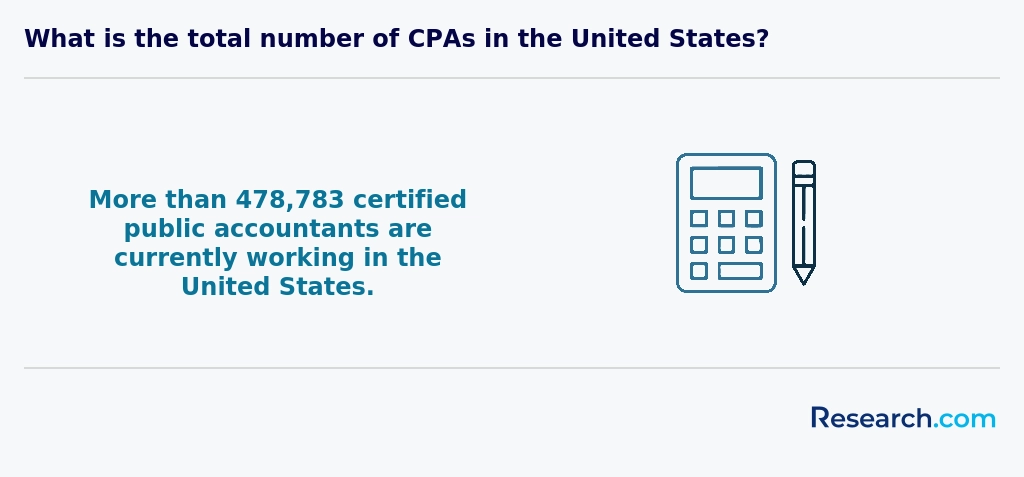
Accreditation is a critical marker of quality for online master’s in accounting programs in Michigan, ensuring that your degree meets rigorous academic standards and aligns with state licensure requirements. Regional accreditation by bodies such as the Higher Learning Commission (HLC) guarantees institutional credibility, while specialized program accreditation from the Association to Advance Collegiate Schools of Business (AACSB), the Accreditation Council for Business Schools and Programs (ACBSP), or the International Accreditation Council for Business Education (IACBE) confirms that coursework is tailored to industry best practices. State boards of accountancy typically require 150 semester hours for CPA eligibility, and accredited programs often embed these additional credits into their curriculum-covering advanced auditing, taxation, and ethics modules that directly support CPA exam content. Before enrolling, verify that your chosen program’s accreditation status is recognized by the Michigan Board of Accountancy, and confirm transfer policies if you’ve previously completed graduate or undergraduate credit elsewhere. Beyond CPA licensure, accreditation enhances employer confidence and can streamline the path to other certifications such as the Certified Management Accountant (CMA) or Certified Internal Auditor (CIA). When comparing affordability, remember that cost-effective programs can still maintain high standards-Research.com offers insights into cheap online bachelor’s degree accounting options that complement your graduate studies and help you meet foundational credit requirements efficiently. By prioritizing accreditation and licensure alignment, you’ll maximize both the value and recognition of your online accounting degree.
Online accounting degree programs in Michigan typically include a comprehensive set of courses designed to build both foundational knowledge and practical skills relevant to the accounting profession. Students learn Financial Accounting, which involves preparing and analyzing financial statements-skills that graduates often find directly applicable when reviewing reports for local businesses or nonprofits in Michigan.
Managerial Accounting courses focus on internal decision-making processes such as budgeting and cost analysis, which many Michigan-based graduates have noted as critical when working in corporate finance roles.
Courses in Taxation cover federal tax rules and planning strategies, equipping students to navigate complex tax environments, something especially valuable for those serving Michigan's robust small business community.
Other vital subjects include Auditing, teaching compliance and risk assessment, and Accounting Information Systems, emphasizing technology's role in securing financial data. Graduates from schools like Central Michigan University or Wayne State University often highlight how these courses helped them confidently handle real-world scenarios post-graduation.
Additional classes in Business Law and Ethics in Accounting ensure students understand the regulatory environment and maintain high professional standards, essential qualities for success within Michigan's competitive job market.
Michigan's online accounting degree programs typically include specializations designed to meet diverse career ambitions. Graduates from institutions like Michigan State University and the University of Michigan report gaining valuable expertise in forensic accounting, taxation, auditing, financial analysis, and managerial accounting. Forensic accounting concentrates on detecting fraud and financial crimes-a skill highly sought after in Michigan's manufacturing and financial sectors. Taxation specialization covers intricate federal, state, and local tax laws essential for navigating Michigan's complex tax systems, aligning with the interests of professionals aiming for high-demand roles in tax planning and compliance. Many students pursuing auditing appreciate its focus on financial statement examination and regulatory adherence, crucial in both public accounting and government roles across Michigan. Others highlight financial analysis and managerial accounting tracks for their practical applications in corporate budgeting and strategic decision-making. Those interested in Michigan affordable accounting master's concentrations can also explore reputable online options to advance without heavy financial burdens. Additionally, students seeking foundational knowledge may find the best bookkeeping certificate program a complementary resource for career progression.
When selecting the best online accounting degree in Michigan, prioritize programs with regional accreditation such as from the Higher Learning Commission. Graduates from universities in Michigan frequently emphasize how accreditation ensured their degrees were recognized by local employers and met CPA licensure standards-crucial since Michigan requires 150 credit hours for certification.
Consider affordability without sacrificing quality. Many students balance budgets by exploring options like the cheap online bachelor's degree accounting programs available at state universities. Total cost including fees and materials should be compared alongside financial aid opportunities to avoid unexpected expenses.
Experienced graduates recall that curriculum relevance matters most; successful programs cover essential topics like financial reporting, auditing, and tax accounting while incorporating flexible schedules for working professionals. Michigan's competitive accounting job market rewards those familiar with updated software such as QuickBooks or Excel and prepared for CPA exams.
Additionally, schools with strong career services and robust alumni networks in Michigan offer invaluable support securing internships and employment. Thus, when researching best online accounting degree programs Michigan offers, ensure the institution's reputation and student support match your career goals and personal needs.
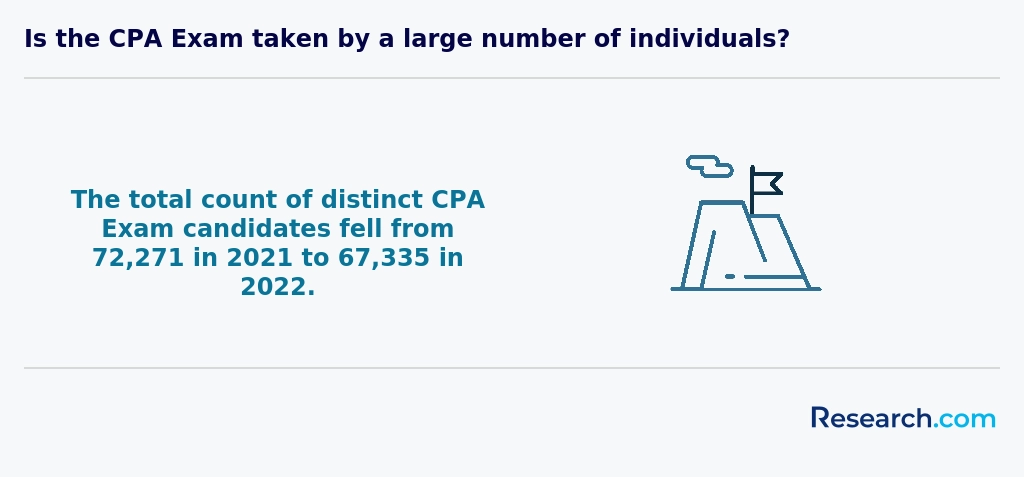
Graduates with an online accounting degree in Michigan find diverse career paths in both the public and private sectors. Common roles include public accountants providing auditing and tax services, corporate accountants managing finances in Michigan's industrial and commercial hubs like Detroit and Grand Rapids, and government accountants ensuring compliance and transparency in state agencies. Many graduates from popular Michigan universities report rewarding experiences transitioning into auditing and forensic accounting, where their skills help uncover financial discrepancies and support legal investigations.
Online accounting degree career options Michigan also extend to tax examiners and consultants, who assist clients in navigating complex state and federal tax regulations. Alumni from well-regarded Michigan colleges emphasize how their programs prepare them to meet the evolving needs of local businesses and government bodies alike, fostering confidence and professional fulfillment in their roles.
For prospective students concerned with affordability, exploring Inexpensive Accounting Degree Programs Ranking in Columbus, OH can offer valuable insight into cost-effective education options, complementing Michigan's robust job market for accounting jobs for online graduates in Michigan.
The job market for graduates holding an online accounting degree in Michigan reflects robust opportunities across diverse industries. As Detroit, Ann Arbor, and Grand Rapids expand beyond traditional automotive roles, demand increases in finance, healthcare, and technology sectors. Graduates from prominent Michigan institutions often find rewarding positions in public accounting, corporate finance, and government auditing, benefiting from a state workforce of about 47,000 accountants with growth matching the national average.
Many students report positive outcomes, citing practical skills gained through their programs that are immediately applicable in real-world settings. This steady demand means that pursuing an online accounting degree job market Michigan offers remains highly relevant. Salaries average around $68,000 statewide, with metropolitan areas typically offering higher wages reflecting local economic strengths.
Recognizing the value of affordable education, prospective students often seek programs with reasonable tuition that align with career goals. Those interested in accelerating their studies might explore the fastest online undergraduate degrees for working adults to enhance their credentials efficiently and enter Michigan's accounting career opportunities online degree landscape confidently.
2027 Most Affordable Online Master's in Accounting Degree Programs Ranking in Michigan
Investing in your education is a significant decision that can shape your future, and the Research.com team understands the importance of making informed choices. To assist prospective students in Michigan, we have meticulously crafted the "2027 Most Affordable Online Master's in Accounting Degree Programs Ranking in Michigan." Our commitment to quality, credibility, and accuracy is reflected in the extensive research and analysis conducted to compile this ranking.
We utilized the following reputable data sources to ensure a comprehensive evaluation of accounting programs:
By exploring this ranking, readers will gain valuable insights into affordable and high-quality online Master's in Accounting programs in Michigan, helping them make informed educational decisions. For more details on our methodology, please visit our Research.com methodology page.


Frequently Asked Questions About accounting
Online accounting degree students in Michigan can maximize their learning by actively engaging with both coursework and practical experiences. Utilizing virtual office hours and discussion boards helps maintain close contact with instructors and peers, essential for understanding complex accounting principles.
Students should also seek internships or part-time roles with Michigan-based accounting firms, since the state's accounting job market is robust, with over 10,000 professionals working in public accounting as per the Michigan Association of CPAs. This hands-on experience supplements theoretical knowledge.
Moreover, leveraging resources from the Michigan Society of Certified Public Accountants can enhance networking and professional development opportunities.
The accounting field in Michigan is evolving, with several emerging niches gaining prominence. One key area is forensic accounting, which combines accounting with investigative skills to detect fraud and financial misconduct. Demand for forensic accountants in Michigan has risen alongside increased regulatory scrutiny and corporate governance requirements.
Another growing niche is environmental accounting, reflecting Michigan's focus on sustainable business practices. Professionals in this area help organizations measure and report environmental costs and impacts.
Technology-driven roles, such as data analytics and cybersecurity accounting, are also expanding. According to the Michigan Association of CPAs, firms are increasingly seeking accountants proficient in advanced data tools to enhance decision-making and protect sensitive information.
After completing an online accounting degree in Michigan, preparing for the job market involves several key steps. First, obtain relevant certifications such as the CPA license, which is highly valued in Michigan's accounting field. The Michigan Board of Accountancy requires 150 credit hours and passing the Uniform CPA Exam. Networking is also essential; joining local chapters of the Michigan Association of CPAs or attending accounting events increases job opportunities.
Practical experience matters. Internships or part-time roles during study improve skills and resumes. According to the Michigan Department of Labor, accounting jobs are expected to grow by 7% through 2030. Staying updated with software like QuickBooks and Excel is beneficial for Michigan employers.
Employers in Michigan seek accounting graduates who demonstrate strong analytical and technical skills. Proficiency in accounting software such as QuickBooks and Microsoft Excel remains essential. The Michigan Department of Licensing and Regulatory Affairs highlights the importance of understanding Generally Accepted Accounting Principles (GAAP) for compliance and reporting accuracy.
Communication skills are highly valued, as accountants must clearly explain complex financial data to clients and stakeholders. Problem-solving abilities and attention to detail are critical, especially as Michigan businesses face evolving tax laws and regulatory demands.
Additionally, many employers prefer candidates with knowledge of Michigan-specific tax codes and business regulations, supported by certifications like the CPA license, which remains a benchmark for professional competency in the state.
Finding internships in Michigan relevant to an online accounting degree requires targeted research and networking. Start by consulting Michigan-based professional organizations such as the Michigan Association of CPAs, which often list internship opportunities tailored for accounting students. Universities offering accounting programs typically provide career services that connect students with local firms. The Michigan Department of Labor and Economic Opportunity's website also offers resources on available internships in finance and accounting sectors throughout the state.
Large cities like Detroit and Grand Rapids host the majority of accounting firms offering internships, ranging from small local businesses to branches of national corporations.
Students should utilize LinkedIn and specialized job portals to find part-time or remote internships, especially important when studying online. According to the Bureau of Labor Statistics, accounting roles in Michigan have a steady demand, indicating a strong internship market in 2024.
Obtaining an online accounting degree in Michigan significantly enhances career mobility and advancement opportunities. Many employers in Michigan value candidates who hold specialized degrees, as these programs provide essential skills in financial reporting, auditing, and tax regulation.
According to the Michigan Department of Labor and Economic Opportunity, the demand for accountants and auditors in the state is projected to grow by 7% through 2030, faster than the national average. This growth creates openings not only for entry-level roles but also for leadership positions.
Additionally, an online accounting degree allows working professionals in Michigan to balance education with job commitments, making career shifts or promotions more attainable. Completing a degree online from accredited institutions also qualifies graduates to pursue the Certified Public Accountant (CPA) license, a critical credential in Michigan's accounting field.
Studying for an online accounting degree in Michigan equips students with skills that extend beyond traditional accounting. The curriculum often includes courses in finance, information systems, business law, and management, fostering an interdisciplinary approach.
This broad education prepares graduates for roles requiring collaboration across departments, such as financial analysis, auditing, and compliance. According to the Michigan Association of CPAs, nearly 70% of accounting professionals engage in cross-functional teams, highlighting the value of interdisciplinary training.
Michigan universities also emphasize technological proficiency, teaching accounting software and data analytics to meet the evolving business environment's demands.
When choosing between a thesis and a non-thesis online accounting degree program in Michigan, consider your career goals and learning preferences. A thesis option typically involves original research and a substantial writing project, preparing students for roles in academia or research-focused careers. In contrast, non-thesis programs focus more on coursework and practical skills, appealing to those aiming for direct entry into accounting practice or professional certifications like the CPA.
According to the Michigan Association of Certified Public Accountants, practical experience is highly valued, which may make non-thesis paths more attractive to many working professionals. However, if you plan to pursue a PhD or teaching, a thesis track is beneficial.
Additionally, thesis programs often require more time-usually an extra semester or two-so evaluate your schedule and resources carefully. Both options must meet accreditation standards, such as those from AACSB, ensuring quality education in Michigan's competitive job market.
Students based in Michigan who wish to study accounting abroad while pursuing an online degree have several pathways available. Many U.S. universities with strong online accounting programs offer study-abroad options or international partnerships, allowing students to complete part of their coursework overseas without interrupting their online studies.
Specific programs affiliated with Michigan institutions may provide access to global campuses or internships in countries with robust accounting industries, such as Canada or the United Kingdom. According to the Michigan Economic Development Corporation, international business connections continue to grow, reflecting opportunities for accountants with global experience.
Additionally, students can benefit from professional certifications recognized worldwide, like CPA or ACCA, which enhance employment prospects internationally after completing online degrees. This flexibility enables Michigan-based students to explore international accounting perspectives without relocating full-time.
Students pursuing online accounting degrees in Michigan have several part-time job options that complement their education and build practical skills. Many find work as accounting clerks or bookkeepers in local businesses, gaining firsthand experience with financial record keeping. According to the U.S. Bureau of Labor Statistics (BLS), Michigan's accounting clerk positions pay an average hourly wage of around $18, which helps students support themselves while learning.
Internships or assistant roles in public accounting firms are also common, providing exposure to tax preparation and auditing practices. Nonprofit organizations and small companies in Michigan often seek part-time assistants to help with budget tracking and payroll tasks. These experiences strengthen resumes and improve job prospects after graduation.
Online accounting students in Michigan benefit from multiple networking opportunities that enhance their academic and professional growth. Many universities offering online programs connect students with local chapters of the Michigan Association of Certified Public Accountants (MICPA), which hosts events, workshops, and mentorship programs. These opportunities allow students to engage with industry professionals and peers despite remote learning.
Michigan's robust accounting job market, which includes over 30,000 accountants and auditors as reported by the Bureau of Labor Statistics in 2023, provides practical networking grounds through virtual career fairs and alumni networks. Students can also participate in online forums and student organizations affiliated with their institutions, fostering valuable connections statewide.
Alumni networks play a crucial role in supporting online accounting degree students in Michigan. These networks connect current students with graduates who have practical experience in the state's accounting industry. This connection can open doors to internships, job opportunities, and mentoring, which are vital in a competitive field. According to the Michigan Association of CPAs, networking significantly increases employment prospects for accounting graduates within the state.
Furthermore, alumni often share industry insights and resume advice tailored to Michigan's accounting market. Given the presence of major accounting firms and businesses in cities like Detroit and Grand Rapids, this localized support is particularly valuable. For online students, these networks bridge the gap between remote learning and real-world career growth.
Customizing an online accounting degree in Michigan allows students to align their studies with specific career goals. Many universities offer elective courses focusing on areas such as taxation, auditing, or forensic accounting, helping learners gain expertise in preferred fields.
Additionally, some programs provide options to pursue certificates alongside the degree, enhancing skills in financial analysis or managerial accounting. Michigan's growing demand for accountants skilled in both traditional accounting and emerging technologies means courses in data analytics and accounting software are increasingly valuable.
Students should also consider programs that prepare for the CPA exam, a critical credential in Michigan's accounting job market. According to the Michigan Association of CPAs, candidates equipped with specialized knowledge tend to perform better and secure more advanced positions.
Online accounting students in Michigan often face challenges related to balancing rigorous coursework with personal and professional responsibilities. Many students work full-time jobs while studying, which can create time management difficulties. According to the Michigan Department of Education, about 60% of online students report stress linked to juggling work and studies. Additionally, students sometimes experience limited access to in-person networking opportunities, which are crucial in a field like accounting where professional connections are valuable.
Another common issue is staying motivated and engaged in a virtual environment. Without face-to-face interaction, some students struggle with feelings of isolation and lower accountability. Technical challenges, such as unreliable internet or unfamiliarity with specialized accounting software, can also impede progress. These factors underscore the importance of strong self-discipline and access to robust support services for online learners in Michigan.
With an online accounting degree in Michigan, graduates can pursue several respected professional certifications to enhance their careers. The Certified Public Accountant (CPA) license is the most common and valued credential, requiring 150 credit hours and passing the Uniform CPA Exam. Michigan's Board of Accountancy oversees CPA licensure, ensuring compliance with state-specific requirements.
Other notable certifications include the Certified Management Accountant (CMA), which focuses on financial management and strategy, and the Certified Internal Auditor (CIA), ideal for those interested in auditing roles.
Obtaining these certifications often leads to higher salaries and expanded job opportunities in Michigan's robust business environment, supported by research from the Michigan Association of CPAs.
Writing a winning application for an online accounting program in Michigan requires clear focus on academic and professional qualifications. Highlight your undergraduate GPA and relevant coursework, especially in accounting and finance, since competitive programs often look for applicants with at least a 3.0 GPA. Including work experience in accounting or related fields can significantly strengthen your profile.
Michigan's job market for accountants is growing, with a 7% expected increase between 2020 and 2030, according to the U.S. Bureau of Labor Statistics. Emphasize your career goals aligned with this demand. Strong letters of recommendation from professors or employers familiar with your skills are crucial.
Finally, craft a concise personal statement explaining why you want to study accounting online and how it fits with your career plans in Michigan's diverse economy.
Accounting careers in Michigan reflect broader global trends emphasizing adaptability and cross-cultural competence. Professionals with accounting degrees often engage in international financial reporting standards (IFRS), which are increasingly important as businesses operate worldwide. The Michigan Department of Licensing and Regulatory Affairs highlights that 65% of Michigan accountants work with multinational clients or companies, underscoring this global influence.
US-trained accountants, including those educated online in Michigan, benefit from a foundation in GAAP (Generally Accepted Accounting Principles), but understanding IFRS is crucial for global practice. The demand for accountants familiar with both standards increases opportunities abroad and with international firms based in Michigan's growing global trade sectors.
Gaining practical experience while studying for an online accounting degree in Michigan is crucial for career readiness. Many Michigan universities with online programs encourage students to participate in internships at local accounting firms or businesses. These internships often provide hands-on learning in financial reporting, auditing, and tax preparation.
The Michigan Association of CPAs offers resources and networking opportunities that can help students connect with professionals for mentorship or part-time roles. Additionally, some programs incorporate virtual simulations and case studies to develop real-world skills.
Students should also explore volunteering for nonprofits or campus business clubs, which often seek help with bookkeeping and tax assistance.
When choosing a concentration within an online accounting degree program in Michigan, start by considering your career goals. Common concentrations include auditing, taxation, and financial accounting. Michigan's demand for tax professionals is growing, partly due to complex state tax codes as noted by the Michigan Department of Treasury. Investigate programs that align with certifications you might pursue, such as CPA licensure, which requires specific accounting credits recognized by the Michigan Board of Accountancy.
Also, review curriculum details to ensure courses cover skills valued by Michigan employers, like forensic accounting or managerial accounting. Look for programs with faculty experienced in regional business practices. Finally, examine job placement rates and alumni success in Michigan's accounting sector to gauge program effectiveness.
- 2027 Most Affordable Online Master's in Accounting Degree Programs Ranking in Illinois
- 2027 Most Affordable Online Master's in Accounting Degree Programs Ranking in Pennsylvania
- 2027 Most Affordable Online Master's in Accounting Degree Programs Ranking in Missouri
- 2027 Most Affordable Online Master's in Accounting Degree Programs Ranking in New York
- 2027 Most Affordable Online Master's in Accounting Degree Programs Ranking in New Jersey
- 2027 Most Affordable Online Master's in Accounting Degree Programs Ranking in Connecticut
- 2027 Most Affordable Online Master's in Accounting Degree Programs Ranking in Massachusetts
- 2027 Most Affordable Online Master's in Accounting Degree Programs Ranking in Florida
- 2027 Most Affordable Online Master's in Accounting Degree Programs Ranking in Kansas
- 2027 Most Affordable Online Master's in Accounting Degree Programs Ranking in Colorado
See What Experts Have To Say About Studying Accounting
Read our interview with Accounting experts


Yaw M. Mensah
Accounting Expert
Professor and Interim Vice Dean for Strategic Partnerships
Rutgers Business School

- Skills You Need for a Career Path in Accounting | AIU https://www.aiuniv.edu/degrees/business/articles/top-skills-for-career-in-accounting
- How to Choose an Accounting Specialization https://freemannews.tulane.edu/2025/11/03/how-to-choose-an-accounting-specialization
- Earn an Online Accounting Degree | OEDb.org https://www.oedb.org/rankings/online-accounting-programs/
- Accounting Work Experience in London | Guaranteed work experience https://www.kbmtr.co.uk/accounting-work-experience.php
- College Readiness: Connecting with the Alumni Network - Community Foundation https://southcoastcf.org/college-readiness-connecting-with-the-alumni-network/
- 15 Accounting Careers: Undergraduate & Graduate Paths https://www.baypath.edu/news/bay-path-university-blogs/post/15-accounting-careers-undergraduate-graduate-paths/
- Are accounting students overloaded and under-supported? https://www.studentvoice.ai/blog/accounting-students-challenges-with-workload-and-support/
- The Diverse Skills you Gain with an Accounting Degree https://www.accounting-education.org/blog/accounting-degree-diverse-skills/
- Accounting Associate in Applied Science - Online | Lake Michigan College https://www.lakemichigancollege.edu/academics/applied-business/accounting-online
- Accountants of the Future https://www.deloitte.com/us/en/programs/center-for-controllership/blogs/future-of-accounting-profession.html