2027 Best Online Clinical Research Management Programs for Clinical Data Manager Roles

Co-Founder and Chief Data Scientist
Transitioning into a clinical data manager role can be daunting for professionals with unrelated undergraduate degrees, especially when balancing work and life commitments.
Finding an accredited and flexible educational pathway that builds relevant skills without requiring relocation or full-time attendance becomes essential. Many candidates struggle with identifying programs that offer comprehensive training while accommodating their schedules and career goals.
This article examines the best online clinical research management programs designed for aspiring clinical data managers, focusing on flexibility, accreditation, and curriculum. It aims to guide prospective students in selecting programs that effectively prepare them for successful industry entry and advancement.
Key Things You Should Know
- Online clinical research management programs in 2026 emphasize data analytics and regulatory compliance to prepare students for evolving clinical data manager roles.
- Graduates with specialized online training see a 15% higher employment rate in clinical data management compared to general life sciences degrees.
- Top programs offer flexible pacing, align with FDA guidelines, and integrate real-world software like SAS and Medidata for hands-on experience.
What is clinical research management and how do online programs prepare clinical data managers?
Online clinical research management programs for clinical data managers focus on developing essential skills like data integrity, regulatory compliance, and project coordination. These programs teach how to manage clinical databases, interpret complex datasets, and use specialized software to ensure accurate data capture throughout clinical trial phases such as screening, treatment, and follow-up.
Training also covers Good Clinical Practice (GCP), patient safety, and quality assurance, preparing students to work effectively with multidisciplinary teams.
Such programs provide flexibility for working professionals and comprehensive knowledge of regulatory frameworks including the FDA and ICH guidelines. For example, Drexel's online MS in Clinical Research Organization and Management requires 36 credits at $1,412 per credit, totaling about $50,832 before additional fees.
The investment reflects the program's emphasis on advanced clinical data management skills that are valuable to pharmaceutical firms, biotech companies, and research institutions where data management impacts trial outcomes and regulatory approval.
Key benefits of online clinical research management include:
- Mastery of clinical trial phases and documentation standards
- Training in electronic data capture systems and data validation
- Compliance with FDA, ICH, and other regulatory frameworks
- Ability to design and implement quality control plans
Programs prepare clinical data management professionals through practical coursework and real-world applications, ensuring data integrity and success in managing clinical research projects.
For those interested in further advancing their healthcare education, exploring online PharmD programs can be a complementary pathway.
Which online clinical research management degrees best support clinical data manager careers?
Online clinical research management degrees for clinical data manager careers offer comprehensive coursework in data analytics, regulatory compliance, and project management.
Leading programs emphasize hands-on experience with electronic data capture systems and clinical trial software, equipping graduates with skills essential for managing clinical data effectively. Specialized master's tracks in clinical trial management or health informatics foster expertise in clinical databases and quality assurance.
When choosing a program, prioritize accreditation by recognized bodies like the Association of Clinical Research Professionals (ACRP) or the Society of Clinical Research Associates (SoCRA), as these ensure curricula aligned with industry standards.
Programs that provide internships or partnerships with the industry deliver valuable real-world experience critical for career growth in clinical research management.
Affordability plays a significant role; online master's in clinical research programs average around $35,055, much lower than the typical two-year master's cost of $59,440 at public institutions, enabling working professionals to access quality education without excessive debt.
Flexible scheduling and asynchronous coursework help students balance work while earning their degree. Top programs include modules on clinical data management, biostatistics, and regulatory affairs, preparing students for advancing clinical data manager roles.
Consider also exploring related paths like the online MBA operations management for broader management skills supporting clinical research careers.
These best online clinical research management programs supporting clinical data manager roles blend technical proficiency, regulatory knowledge, and practical experience, giving graduates a competitive advantage in the growing clinical research field.
How do online and campus clinical research management programs compare for data manager training?
Online and campus clinical research management programs offer distinct advantages for data manager training. Online programs provide flexibility for working professionals, allowing study without relocation or career interruption.
For instance, ASU Online requires just six months of related clinical research experience for admission, catering to those actively employed in the field. This flexibility aligns with the needs of many individuals comparing clinical research management education formats for data management careers.
Campus programs deliver hands-on learning with in-person labs and direct access to university resources. These settings benefit students who prefer immersive environments and value real-time interaction with peers and instructors. However, campus options often demand full-time commitment and relocation, which might not fit all lifestyles.
Both formats cover essential topics such as data management principles, regulatory compliance, and clinical trial monitoring. Online courses may include virtual simulations and remote database access, while campus programs emphasize face-to-face mentoring and collaboration.
Students should match their learning preferences and schedule demands to the suitable program type. Those weighing online versus campus clinical research management programs for data manager training should also explore alternative fields and degrees.
For example, many consider affordable options like a construction management degree online to broaden career paths within management disciplines.
What accreditation should online clinical research management programs have for clinical data roles?
Accredited online clinical research management programs for clinical data manager roles in the United States must hold recognition from reputable bodies to ensure quality education and industry relevance.
The best recognized accreditation for clinical research management degrees in the USA comes from the Accreditation Council for Business Schools and Programs (ACBSP) or the Commission on Accreditation of Allied Health Education Programs (CAAHEP). Joint accreditation from these organizations ensures curriculum rigor and compliance with healthcare and research standards.
Programs certified by the Society of Clinical Research Associates (SOCRA) or the Association of Clinical Research Professionals (ACRP) further enhance value by incorporating clinical research-specific competencies. These certifications confirm alignment with clinical trial management, data integrity, regulatory compliance, and ethical guidelines essential for success.
Employers now prioritize candidates trained in programs emphasizing Good Clinical Practice (GCP) guidelines from the U.S. Food and Drug Administration (FDA) and the International Council for Harmonisation (ICH). Accreditation alone is insufficient without a focus on GCP standards, data quality control, and federal privacy rules like HIPAA.
Choosing an accredited online clinical research management program addresses concerns about employability and eligibility for industry certification exams, which are vital for career advancement. With industry demand increasing fast, an accredited degree is a strategic investment.
Prospective students can also explore options such as a human resource management masters degree online to complement their skill sets.
What degrees and prerequisites do you need to become a clinical data manager?
Candidates aiming to become clinical data managers typically hold a bachelor's degree in life sciences, nursing, public health, pharmacy, or health information management. Degrees in biology, biochemistry, or health sciences also provide a solid foundation. Essential knowledge includes clinical research processes, medical terminology, and data management principles.
Key prerequisites include coursework or experience in statistics, computer science, and regulatory compliance. Proficiency with database management systems and programming languages such as SQL, SAS, or R is highly valued for managing clinical trial data and ensuring adherence to FDA and ICH-GCP guidelines.
For working professionals, earning a master's degree in clinical research management, public health, or related fields offers a competitive edge and is often required for advancement. Programs like Wake Forest's online clinical research management emphasize efficient, cost-effective training that supports timely market access for innovative treatments.
Certifications such as Certified Clinical Data Manager (CCDM) or credentials from the Society for Clinical Data Management demonstrate expertise and enhance qualifications. Gaining hands-on experience through internships or clinical trial work is crucial for understanding real-world data workflows.
Prospective clinical data managers should focus on life sciences degrees combined with strong technical data skills, alongside advanced degrees or certifications for career growth.
What courses and skills do clinical research management programs teach for data management?
Clinical research management programs provide specialized training critical for managing data in clinical trials. Core coursework covers study design, trial protocols, data collection techniques, and regulatory compliance, ensuring data accuracy and integrity.
Students gain hands-on experience with electronic data capture systems, data quality assurance, and validation-key components for successful trial outcomes.
Proficiency in statistical software such as SAS, R, or Python is emphasized to analyze complex datasets effectively. Understanding of Good Clinical Practice (GCP) and FDA regulations prepares students to meet ethical and legal standards in clinical data oversight.
Risk management and data security are essential topics, addressing patient confidentiality and data breach prevention. Programs often include case studies based on real clinical trials, developing problem-solving skills within regulatory frameworks.
Advanced offerings focus on leadership and project management skills needed to lead data teams and coordinate multidisciplinary research. For example, WashU's Master of Science in Clinical Research Management requires 6 units of core courses, demonstrating a targeted curriculum for mid-career professionals.
Graduates emerge ready to handle study coordination, regulatory challenges, advanced analytics, and ethical governance confidently. This comprehensive training prepares professionals to navigate the complex demands of clinical data management.
What are typical admission requirements for online clinical research management programs?
Most online clinical research management programs require applicants to hold at least a bachelor's degree, ideally in health sciences, biology, nursing, or related fields. Programs may accept degrees from broader disciplines if candidates can demonstrate foundational knowledge in research methods or statistics.
Work experience is often critical; many programs prefer 1 to 2 years in clinical or research-related roles such as clinical research coordinator, data analyst, or other healthcare positions focused on protocol management or regulatory compliance.
Applicants typically need to provide transcripts, letters of recommendation, and personal statements outlining their career goals and motivation for pursuing clinical research management. For international students, proof of English proficiency through tests like TOEFL or IELTS is essential.
Some accredited programs align admission criteria with preparation for certification exams such as SOCRA or ACRP. These certifications generally require around 1000 hours of relevant experience, highlighting the importance of practical skills and hands-on learning.
Basic technical skills, including familiarity with data management software and clinical trial systems, are frequently expected. Additionally, prerequisite coursework in ethics, research design, or pharmacology and interviews might be required before full admission.
Meeting these admission requirements helps prospective students build a strong foundation for advancing their careers in clinical research management, blending theoretical knowledge with real-world application.
How long do online clinical research management degrees take and what do they cost?
Online clinical research management degrees generally take 12 to 24 months to complete, influenced by program format and student pace. Many master's programs designed for working professionals offer part-time options, often requiring about two years, while accelerated or full-time tracks can shorten this to around one year.
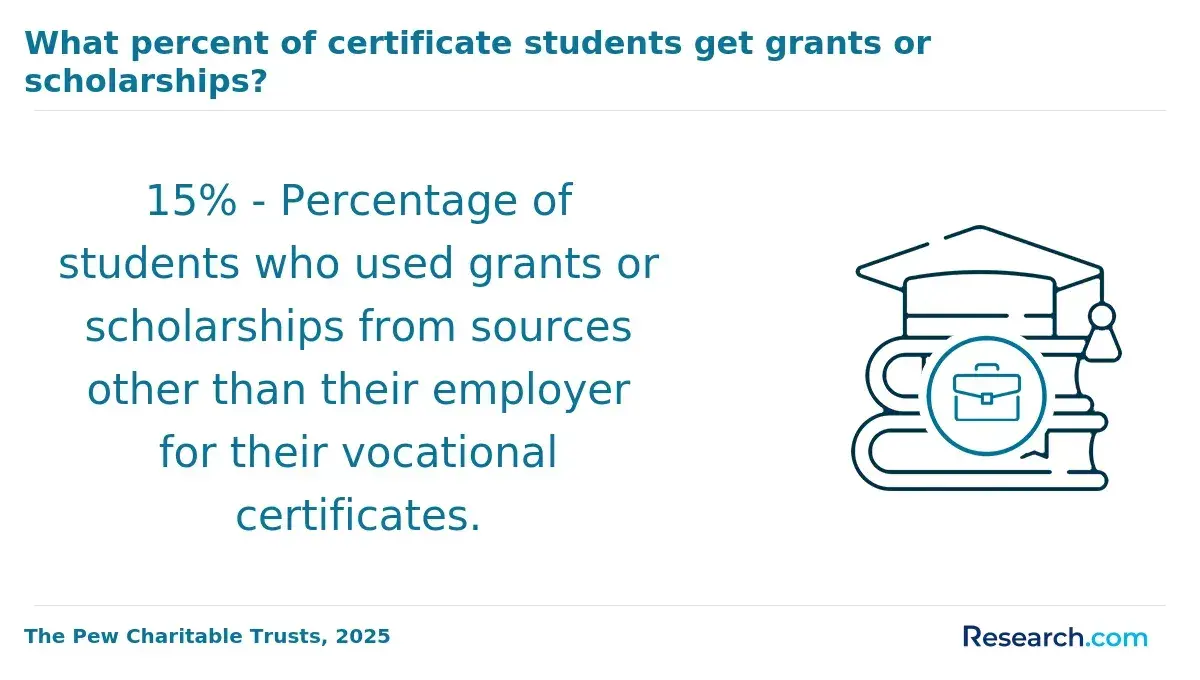
Certificate programs are usually shorter, lasting 6 to 9 months, and focus on specific skills without the commitment of a full degree. Flexibility is essential, especially for working adults balancing career and education. Institutions like Rutgers highlight adaptable schedules, though exact completion rates remain limited based on recent data.
Tuition costs vary significantly depending on the type of credential and the school. For graduate clinical research management programs, total tuition can range from $15,000 to over $45,000. Public universities often offer lower rates for in-state students, sometimes under $20,000, while private schools frequently exceed $30,000.
Certificate programs tend to be more affordable, typically between $5,000 and $10,000, but they usually don't provide the same career advancement opportunities as full degrees. Additional expenses may include textbooks, software, and exam fees.
What salaries and career advancement can clinical data managers expect with these degrees?
Clinical data managers with degrees in clinical research management typically start with salaries between $65,000 and $85,000 annually. Mid-career professionals can expect earnings from $90,000 to $110,000, while senior or management roles, especially in pharmaceutical companies or contract research organizations (CROs), often exceed $120,000.
Salary growth is closely tied to advanced education, specialized certifications, and hands-on experience managing complex clinical trials and data systems.
Career progression generally moves from clinical data coordinator or analyst positions to data manager roles, then on to senior management or director jobs. Pursuing a Master of Science in clinical research management or similar advanced degrees enhances qualifications for leadership roles focused on regulatory compliance, data quality, and team supervision.
For instance, programs like UNT Health's MS in Clinical Research Management emphasize translational medicine and regional health ecosystems, which foster valuable local industry connections.
Certifications such as the Certified Clinical Data Manager (CCDM) can boost earnings by 10-20%. Developing expertise in electronic data capture (EDC) software and regulatory standards like FDA 21 CFR Part 11 is essential for maintaining competitiveness in the field.
Prospective students should prioritize programs that cultivate relationships with pharmaceutical networks and translational medicine initiatives, as strong regional ties and networking often match or exceed formal credentials in advancing careers.
Are certifications needed for clinical data managers and which programs help you qualify?
Certifications are not legally mandatory for clinical data managers but significantly enhance job prospects and validate expertise. Employers increasingly seek candidates with recognized credentials to confirm proficiency in data management standards, regulatory compliance, and essential software tools.
The Certified Clinical Data Manager (CCDM) credential from the Society for Clinical Data Management (SCDM) is the most respected certification in the field. It assesses knowledge in study design, data collection, validation, and regulatory requirements.
Other useful certifications include the Association of Clinical Research Professionals' (ACRP) Certified Clinical Research Coordinator (CCRC) and Certified Clinical Research Professional (CCRP), which cover broader clinical research skills beneficial for those managing data teams.
Programs preparing students for CCDM certification often emphasize biostatistics, clinical trial processes, and software like SAS or Oracle Clinical. Specialized online graduate certificates or master's degrees in clinical research management or clinical data management from universities with established health sciences divisions commonly offer these courses.
Choosing programs with integrated exam preparation for CCDM or similar certifications helps advance careers and qualify for better-paying roles. Job-market data highlight that Clinical Research Directors can earn up to $122,400 annually, while Clinical Research Scientists may reach $119,980, underlining the value of certification and formal education in earning potential.
Other Things You Should Know About Clinical Research Management
Professionals in clinical research management often encounter challenges related to regulatory compliance, maintaining data integrity, and managing complex study timelines. Ensuring accurate and timely reporting while coordinating among multiple stakeholders can be difficult. Additionally, adapting to evolving technologies and data standards requires continuous learning and flexibility.
Technology plays a crucial role in clinical research management by streamlining data collection, monitoring, and analysis processes. Electronic data capture systems and clinical trial management software increase efficiency and reduce errors. Familiarity with these tools is essential for clinical data managers to handle large datasets and ensure compliance with regulatory requirements.
Clinical data managers can advance into roles such as senior data manager, project manager, or clinical operations leader. With experience, they may also move into regulatory affairs, quality assurance, or data science within the clinical research field. Continuing education and specialized certifications enhance prospects for leadership and higher-responsibility positions.
In 2027, notable online programs for prospective clinical data managers include those offered by the University of Florida, Drexel University, and Johns Hopkins University. These programs provide a comprehensive curriculum focused on data management, regulatory compliance, and effective project management, making them ideal for emerging professionals in the field.
References
- Clinical data management: 7 powerful facts you must know https://pharmaeducenter.com/blog/clinical-data-management/
- Clinical Data Management Training & Certification (CDM) | Placement Supported | BCRI https://www.bcri.in/clinical-data-management-training/
- Clinical Data Manager Career Roadmap Essential Steps and Salaries 2025 https://ccrps.org/clinical-research-blog/clinical-data-manager-career-roadmap-essential-steps-and-salaries-2025
- Certification https://scdm.org/certification/
- ACRP Certification https://acrpnet.org/certification
- Career Guide for Clinical Data Manager (CDM) https://www.iddcrinstitute.com/post/career-guide-for-clinical-data-manager-cdm