2027 Online Clinical Research Management Degrees With Pharmacovigilance Career Alignment

Co-Founder and Chief Data Scientist
Many professionals with degrees in unrelated fields face challenges entering the clinical research management sector, especially when aiming for roles in pharmacovigilance. Without targeted education, transitioning can seem overwhelming due to the specialized regulatory knowledge and safety monitoring required. Access to flexible, accredited online programs that integrate pharmacovigilance training remains limited but crucial for career pivots. This article explores accredited online clinical research management degrees aligned with pharmacovigilance careers, offering guidance on program selection, curriculum relevance, and career outcomes to assist applicants navigating this specialized educational pathway.
Key Things You Should Know
- Online clinical research management degrees in 2026 increasingly integrate pharmacovigilance training, addressing safety monitoring for 95% of post-market drug surveillance roles.
- Programs often include real-world case studies and regulatory compliance updates reflecting 2024 FDA pharmacovigilance guidelines, essential for career readiness.
- Employment projections show a 12% growth in clinical research management jobs aligned with pharmacovigilance skills through 2030, highlighting strong market demand.
What is an online clinical research management degree and how does it connect to pharmacovigilance careers?
An online clinical research management degree benefits students by preparing them to oversee clinical trials and medical research studies ensuring new treatments and drugs are tested safely. The program covers key areas such as regulatory compliance, ethical conduct, data analysis, and project management. Graduates often find opportunities in healthcare institutions, pharmaceutical companies, and contract research organizations where research oversight is critical.
Career pathways from clinical research management to pharmacovigilance are closely connected through their shared emphasis on drug safety and patient protection. Pharmacovigilance professionals monitor and evaluate adverse drug effects post-market. Those trained in clinical research management have a strong grasp of study protocols and regulatory frameworks, which aids in interpreting safety data and reporting adverse drug reactions. For instance, clinical research managers skilled in trial monitoring can transition smoothly into pharmacovigilance roles focused on safety signal detection and FDA compliance.
Employment growth for medical scientists, a key career option for clinical research management graduates, is projected at 11% from 2022 to 2032, outpacing average job growth. Many programs offer electives in pharmacovigilance, biostatistics, or regulatory affairs to better align students' skills with these expanding roles. Practical training in electronic data capture and regulatory guidance from agencies like the FDA or EMA enhances readiness for pharmacovigilance careers.
Those interested in advancing their expertise may explore further education options such as a PhD healthcare degree. This step can open additional leadership and research opportunities within clinical research management and pharmacovigilance fields.
How do online clinical research management programs compare with campus-based options for flexibility and outcomes?
Online clinical research management programs vs campus-based flexibility highlights a key advantage of asynchronous coursework, allowing students to study at their own pace without geographic or scheduling constraints. This flexibility supports working professionals and students balancing other commitments, improving completion rates compared to rigid campus attendance requirements.
Comparing outcomes of online and campus clinical research management degrees shows similar certification pass rates and employment success when programs are accredited and well-designed. Quality online offerings include live virtual labs, interactive case studies, and direct access to instructors, ensuring practical learning aligned with industry needs. Prospective students should also consider the level of institutional support and networking opportunities, which can vary widely.
The growing importance of pharmacovigilance careers aligns closely with clinical research management education. The pharmacovigilance market is expanding rapidly, with increasing regulatory demands fueling demand for trained professionals. Online programs that incorporate pharmacovigilance modules provide timely, industry-relevant content, while campus degrees may offer more extensive research opportunities.
Evaluating accreditation, curriculum relevance, and experiential learning options is essential when choosing an online clinical research management degree. For students seeking flexible options with strong career alignment, exploring programs including those related to construction management degree online accredited can provide insights into quality online education models.
Which accreditations and institutional approvals should online clinical research management degrees have in the U.S.?
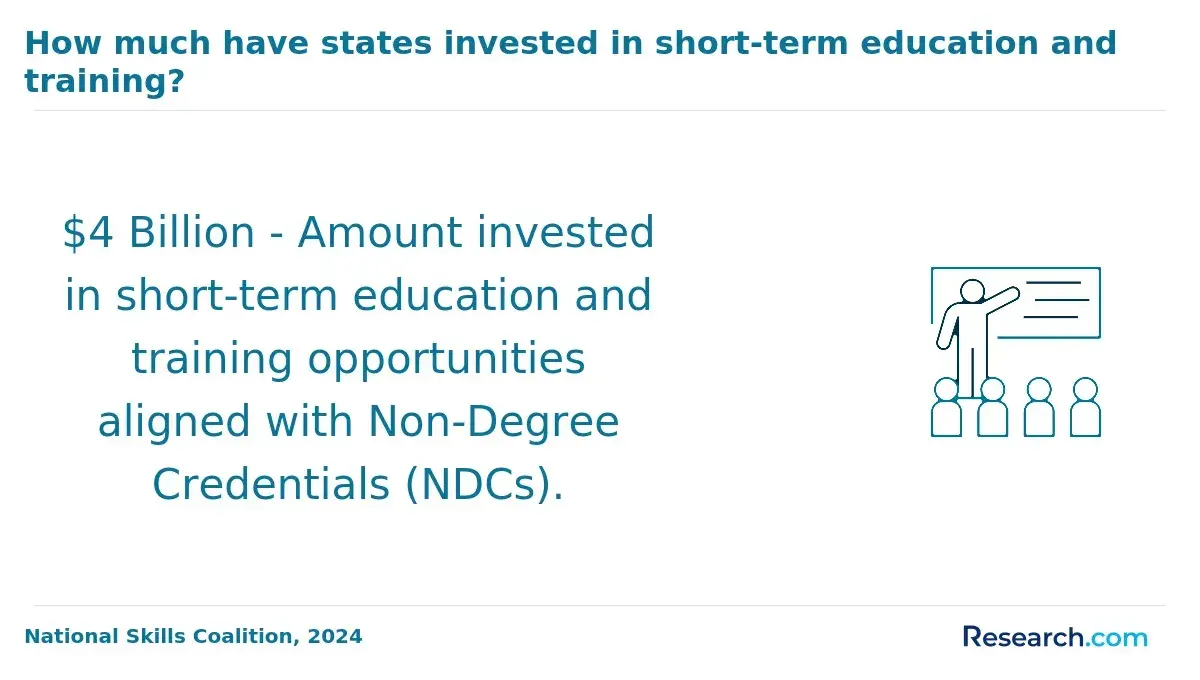
Online clinical research management degrees in the U.S. must hold regional accreditation recognized by the U.S. Department of Education or the Council for Higher Education Accreditation (CHEA). Such regional institutional approvals for U.S. online clinical research management programs ensure that the institution meets rigorous academic standards, which is critical for federal financial aid eligibility and employer recognition. Examples include accreditation from bodies like the Middle States Commission on Higher Education or the Southern Association of Colleges and Schools Commission on Colleges.
While program-specific accreditation is less common, certifications from organizations like the Association of Clinical Research Professionals (ACRP) and the Society of Clinical Research Associates (SOCRA) add value by demonstrating industry alignment. Degree programs that incorporate curriculum frameworks from the Joint Task Force for Clinical Trial Competency are preferable for career readiness. Additionally, state authorization is an essential institutional approval to legally provide education to students residing in various states, so verifying appropriate licenses is important to avoid enrollment or credential issues.
Considering the clinical trials market's expected growth-from $60.6 billion to $92.3 billion-accredited degrees enhance employability and prepare graduates for roles in clinical research and pharmacovigilance across expanding study pipelines. Prospective students might also explore related fields through programs like a bachelor of project management online to broaden their qualifications in healthcare project oversight.
What levels of clinical research management degrees prepare you for pharmacovigilance roles?
Degrees at the bachelor's, master's, and doctoral levels in clinical research management degree programs for pharmacovigilance careers equip students with knowledge tailored to different roles within drug safety and clinical trials. A bachelor's degree offers foundational skills in clinical trial processes, adverse event reporting, and regulatory compliance, preparing graduates for entry-level positions like clinical research coordinators.
Master's programs build on this foundation, emphasizing clinical trial oversight, risk management, and statistical analysis, which are crucial for advanced pharmacovigilance roles such as clinical trials managers. These positions generally require a master's or equivalent experience to lead safety protocols and pharmacovigilance teams.
Doctoral degrees are designed for those seeking leadership in pharmacovigilance research, policy influence, or development of new safety assessment methods. PhD holders often engage in complex data analysis and supervise drug safety surveillance programs.
Salary data from Drexel University, based on O*NET and PayScale, highlight strong earning potential: clinical research coordinators earn a median of $161,180 annually, clinical data managers $112,590, and clinical trials managers $113,070. These figures reflect the value of advanced degrees and specialized expertise.
Prospective students should weigh their career goals carefully, balancing coursework and practical training in safety data management and regulatory standards within advanced clinical research management education pathways for pharmacovigilance roles. For those combining interests, exploring a hotel and restaurant management degree online may offer complementary skill sets in management and logistics.
What core courses and specializations in these programs best support a pharmacovigilance career path?
Core courses that best support a pharmacovigilance career within online clinical research management degrees emphasize drug safety, regulatory affairs, and data analysis. Key subjects include pharmacovigilance principles, adverse event reporting, clinical trial monitoring, and regulatory compliance. Mastery of FDA regulations, ICH guidelines, and global safety standards equips professionals to manage drug safety surveillance and risk effectively.
Electives or specializations in biostatistics and epidemiology prepare students to analyze safety data rigorously, a vital skill for signal detection and risk assessment in pharmacovigilance. Training in medical writing and health informatics enhances the communication of safety findings and the management of extensive safety databases.
Courses in clinical trial design and project management develop skills for coordinating safety activities within research frameworks. Ethics and human subjects protection coursework highlights the importance of patient safety and regulatory adherence. Practical components such as case-based learning or internships focused on real-world safety monitoring connect theory with practice.
Drexel University's MS in Clinical Research Organization and Management charges approximately $1,412 per credit for 36 credits, totaling around $50,800. This investment supports access to mid-six-figure salaries in clinical research management roles, including pharmacovigilance.
Students seeking to advance in this evolving field should select programs offering comprehensive pharmacovigilance coursework integrated with regulatory and data analysis training tailored to current drug safety demands.
What are typical admission requirements and prerequisite backgrounds for online clinical research management programs?
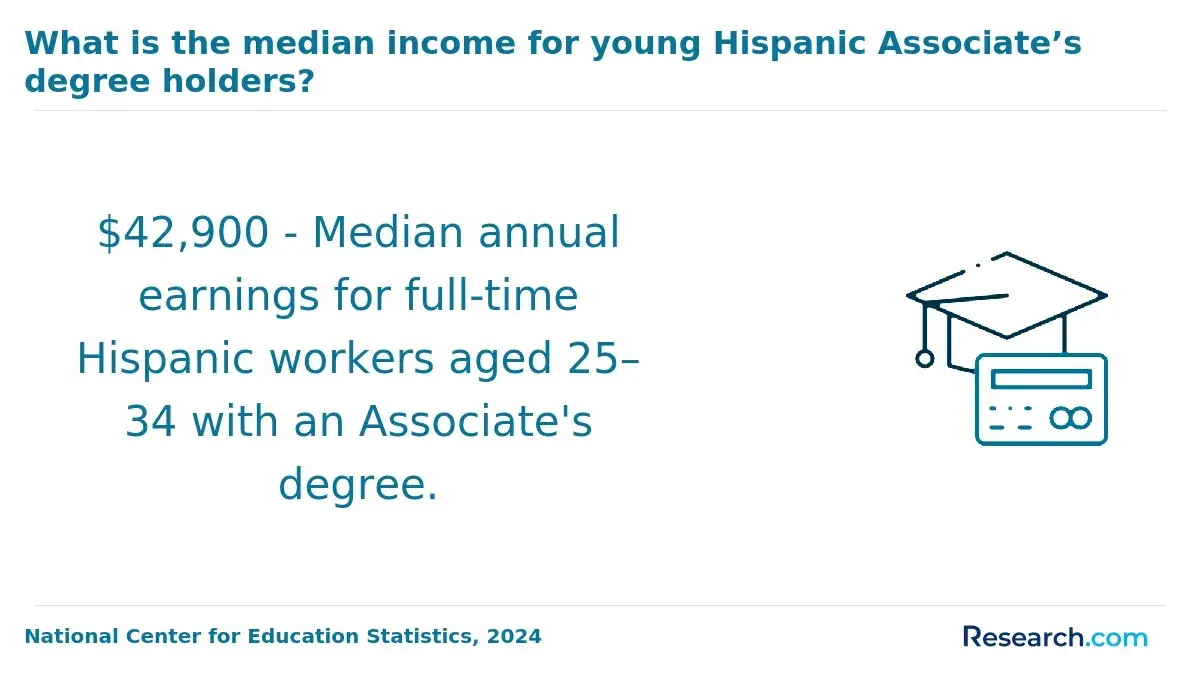
Admission to online clinical research management programs generally requires a bachelor's degree from an accredited institution. Preferred degrees include health sciences, nursing, life sciences, pharmacy, or related fields that build foundational knowledge for clinical trials and pharmacovigilance. Applicants with business, public health, or other degrees may be considered if they have relevant healthcare or clinical experience.
Prerequisite coursework often covers biology, chemistry, statistics, and research methodologies. Those without this background may need to complete foundational classes first. Many programs value hands-on experience in clinical research coordination, regulatory affairs, healthcare data management, or pharmacovigilance to ensure familiarity with clinical trial settings.
Admissions committees look for strong written statements demonstrating career goals, understanding of trial processes, and interest in decentralized trial models. Letters of recommendation from supervisors or academic mentors serve to validate relevant skills and commitment. Some programs may request standardized test scores such as the GRE, though this is increasingly uncommon.
With decentralized and hybrid trials projected to represent over 50% of trial starts by the late 2020s, proficiency with digital trial platforms and remote patient monitoring technologies is increasingly important. Highlighting remote work experience and digital literacy can enhance admission chances.
How long do online clinical research management programs take and what do they typically cost?
Online clinical research management programs usually take 12 to 24 months, depending on the degree and format. Certificate and diploma courses often last about a year part-time, while master's degrees require around two years of full-time or flexible study. Accelerated options can shorten some certificate courses to nine months, ideal for experienced professionals targeting skills in pharmacovigilance and regulatory affairs.
Costs vary significantly based on the institution and program scope. Certificate programs generally range from $4,000 to $10,000, appealing to early-career professionals or those seeking specialization. Master's degrees typically cost between $20,000 and $50,000, reflecting comprehensive advanced training. Many schools offer payment plans, scholarships, or employer tuition assistance to help manage expenses.
Given the rise in individual case safety reports (ICSRs) and the related workload on case processing and signal detection teams, programs with strong pharmacovigilance training are increasingly valuable. Students should look for courses emphasizing safety data management and regulatory compliance to enhance career opportunities.
When selecting a clinical research management program, consider:
- Program length and pacing options.
- Tuition and available financial aid.
- Curriculum focus on up-to-date pharmacovigilance content.
Balancing these factors will support career goals and employability in this growing field.
What entry-level and advanced job titles can graduates pursue in clinical research and pharmacovigilance?
Graduates with online clinical research management degrees focused on pharmacovigilance can access a dynamic range of entry-level and advanced job opportunities. Early roles often include Clinical Research Coordinator, Clinical Data Associate, Pharmacovigilance Associate, Drug Safety Specialist, and Clinical Trial Assistant, which emphasize trial logistics, data integrity, and drug safety monitoring.
As professionals gain experience, they may progress to positions such as Clinical Research Associate, Pharmacovigilance Officer, Safety Scientist, Regulatory Affairs Specialist, and Clinical Project Manager. These advanced roles require expertise in trial execution, safety signal detection, risk assessment, and regulatory submissions. Seasoned experts often move into leadership roles like Pharmacovigilance Manager or Director of Clinical Operations, managing global safety initiatives and complex clinical trial strategies.
New graduates typically undergo 1-2 years of targeted upskilling and practical exposure to become fully job-ready, according to guidance from the Skills Gap & Upskilling Needs in Clinical Research and PV Industry report. Engaging in hands-on academic programs and internships is essential for building real-world competencies.
Employers value candidates capable of efficient adverse event reporting, data monitoring, and regulatory documentation. Choosing roles with strong training and increasing responsibilities can help bridge the experience gap and enable career growth from operational support positions to strategic leadership in clinical research and pharmacovigilance.
What salary ranges and job outlook can you expect in clinical research management and pharmacovigilance?
Salary ranges in clinical research management vary widely depending on position and experience. Entry-level clinical research coordinators (CRCs) earn between $50,000 and $70,000 annually. More experienced professionals, such as senior CRCs or clinical research associates (CRAs), typically see salaries from $70,000 to $95,000. Project managers in this field can earn between $95,000 and $130,000, reflecting their leadership roles.
Pharmacovigilance careers follow a similar path, with specialists starting around $60,000, and senior roles surpassing $110,000, especially within pharmaceutical companies or contract research organizations (CROs).
Career advancement often follows a structured path: Clinical Research Coordinator → Senior CRC → Clinical Research Associate (CRA) → Project Manager. This progression offers increasing salary potential and opportunities in project leadership, regulatory compliance, or quality assurance.
The outlook for clinical research management and pharmacovigilance remains strong due to growth in pharmaceutical and biotech sectors, higher regulatory demands, and ongoing clinical trials. The U.S. Bureau of Labor Statistics projects a 9% growth rate in life sciences-related roles through 2030.
To maximize employability and salary growth, professionals are encouraged to pursue certifications like Certified Clinical Research Professional (CCRP) and specialized training in pharmacovigilance.
How can you evaluate and choose a reputable online clinical research management program aligned with your goals?
Accreditation is paramount when selecting an online clinical research management program. Regional accreditation confirms the program's adherence to rigorous academic standards, which employers value and often require for certifications such as the Regulatory Affairs Certification (RAC) or those from the Society of Clinical Research Associates (SoCRA). Ensuring your program aligns with these industry standards strengthens your qualifications in pharmacovigilance and regulatory affairs.
A strong curriculum offers comprehensive coverage of regulatory compliance, clinical trial design, data analysis, and pharmacovigilance principles. Programs incorporating emerging topics like AI, automation, and data analytics will prepare you for the evolving landscape of clinical research management. Expert insights predict that AI will reshape routine tasks, including medical coding, while careers focusing on analytical and decision-making abilities, especially in pharmacovigilance, are expected to grow significantly.
When evaluating programs, consider faculty expertise and institutional partnerships with healthcare providers, research centers, and pharmaceutical companies. Opportunities for internships or practicum enhance practical skills and professional networks. Flexibility through part-time or asynchronous formats benefits working professionals balancing education and career.
Review graduate outcomes, including job placement rates and alumni roles in pharmacovigilance or clinical trial leadership. Factor tuition costs against available financial aid, recognizing that higher fees may correlate with stronger industry connections and career support. These criteria collectively guide a well-informed decision toward advancing your career in clinical research management aligned with pharmacovigilance.
Other Things You Should Know About Clinical Research Management
Effective clinical research management professionals need strong organizational and project management skills to coordinate multiple studies simultaneously. Attention to detail is critical for ensuring regulatory compliance and accurate data collection, while communication skills are vital for collaborating with research teams, sponsors, and regulatory agencies.
Graduates with a clinical research management degree often have foundational knowledge applicable to pharmacovigilance, especially in safety monitoring and regulatory standards. However, many employers prefer or require supplementary training or certification in pharmacovigilance to demonstrate specialized expertise in drug safety and adverse event reporting.
Clinical research management degrees in 2027 incorporate regulatory knowledge through comprehensive courses on FDA regulations, ICH guidelines, and global compliance standards. Programs typically include modules on ethical considerations, data integrity, and legal responsibilities, ensuring graduates are well-prepared for the regulatory challenges in pharmacovigilance.
References
- Conducting and Monitoring Clinical Trials - Online https://www.kozminski.edu.pl/en/programs/postgraduate-programs/conducting-and-monitoring-clinical-trials-online
- Clinical research career: 7 top roles, salaries & GCP guide https://pharmaeducenter.com/blog/clinical-research-career/
- How to Choosing the Right Contract Research Organization https://clinmax.com/choosing-contract-research-organization/
- Right Educational Path for a Career in Clinical Research https://medipharmsolutions.com/blog/choosing-the-right-educational-path-for-a-career-in-clinical-research/
- How to Become a Pharmacovigilance Manager Career Steps and Skills https://ccrps.org/clinical-research-blog/how-to-become-a-pharmacovigilance-manager-career-steps-and-skills
- 9 Powerful Pharmacovigilance and Clinical Research Courses https://whitecoatwrites.com/pharmacovigilance-and-clinical-research-courses/
- Online vs. On-Campus Clinical Research Courses: Which is Right for You? https://www.pharmiweb.com/press-release/2024-10-23/online-vs-on-campus-clinical-research-courses-which-is-right-for-you
- Virtual Postgraduate Certificate in Clinical Trial Management | Parexel Academy https://www.parexel-academy.com/virtual-postgraduate-certificate-in-clinical-trial-management/
- Salary Trends for Clinical Research Managers (CRMs) https://www.clinlabstaffing.com/salary-trends-for-clinical-research-managers-crms
- Getting Started in Clinical Research - ACRP https://acrpnet.org/career-center/getting-started-in-clinical-research