2027 Clinical Research Management Specializations for Regulatory Careers

Co-Founder and Chief Data Scientist
Professionals entering the regulatory field often encounter confusion about which clinical research management specialization aligns best with evolving compliance demands. Without clear direction, candidates risk pursuing paths that lack growth or relevance. The complexity of regulations and varied roles complicate decision-making for those transitioning from unrelated undergraduate backgrounds. This uncertainty can delay career progress and reduce competitive advantage in a demanding job market. This article explains key clinical research management specializations relevant to regulatory careers and offers guidance on selecting flexible, accredited programs designed to help prospective students and professionals pivot efficiently into this expanding industry.
Key Things You Should Know
- Regulatory specializations in clinical research management focus on compliance with FDA, EMA, and ICH guidelines, crucial for 70% of clinical trials conducted in the U.S. and Europe by 2025.
- Graduates with expertise in regulatory affairs enjoy a 15% salary premium over general clinical research roles, reflecting growing industry demand in biopharma and medical devices.
- Advanced skills in electronic regulatory submissions and quality assurance are increasingly essential, as 80% of regulatory processes transitioned to digital platforms by early 2025.
What is clinical research management and how do regulatory-focused specializations fit into this field?
Regulatory specializations within clinical research management play a crucial role in ensuring clinical trials comply with FDA, EMA, and other regulatory standards. Professionals in these roles manage submissions, monitor trial conduct, and maintain documentation to support regulatory inspections while safeguarding participant safety.
These clinical research management roles in regulatory affairs are vital for navigating diverse regulatory frameworks that change by trial phase and location. For example, regulatory affairs specialists prepare Investigational New Drug (IND) applications, while compliance officers enforce Good Clinical Practice (GCP) compliance throughout trials. This expertise involves interpreting policies, assessing risks, and ensuring quality control to facilitate successful trial approval and execution.
The job market reflects growing demand for regulatory-focused knowledge. In 2025, the U.S. posted approximately 6.6 million clinical research jobs but only filled 5.7 million, creating a shortfall near 1 million roles, according to the Society for Clinical Research Sites using CareerBuilder data. This gap highlights a competitive advantage for candidates skilled in regulatory compliance who help reduce project delays and risks.
Students and graduates should pursue coursework in regulatory affairs, risk management, and clinical trial regulations. Certifications such as the Regulatory Affairs Certification (RAC) and training in FDA submissions are valuable. Hands-on experience with electronic Trial Master Files (eTMF) and Clinical Trial Management Systems (CTMS) further enhances employability. Those exploring alternative career paths in the life sciences may find resources on how to become a pharmaceutical sales rep.
Which clinical research management specializations best prepare students for regulatory affairs careers?
Specializations within clinical research management that best prepare students for regulatory affairs careers emphasize regulatory compliance, quality assurance, and clinical trial oversight. Programs focusing on regulatory frameworks such as FDA regulations, ICH-GCP guidelines, and drug development processes equip students with essential knowledge to navigate complex regulatory environments. Concentrations in regulatory affairs, biostatistics, and clinical data management help develop skills in reviewing submissions, managing documentation, and ensuring adherence to legal standards. These areas represent the best clinical research management paths for regulatory careers.
Training should include key areas like:
- Regulatory strategy and policy interpretation
- Clinical trial protocol design and monitoring
- Risk management and audit preparation
- Good Clinical Practice (GCP) and ethical considerations in research
Quality assurance specializations complement regulatory expertise by focusing on process validation and compliance auditing. Experience with electronic regulatory submission systems and clinical trial management software is highly beneficial. Practical exposure to inspection processes by regulatory bodies further strengthens preparation for roles requiring critical documentation and analysis.
The demand for regulatory affairs professionals remains high. The Society for Clinical Research Sites reports 1 job seeker for every 35 open positions in regulatory roles within the U.S. clinical research workforce, highlighting significant employment opportunities for well-trained candidates.
Students interested in advancing through clinical research management education can also explore options such as an accelerated construction management degree online to diversify skills.
What degrees and certificates lead to regulatory careers in clinical research management?
Bachelor's and advanced degrees in life sciences, health sciences, nursing, pharmacy, or public health form the primary educational foundation for regulatory careers in clinical research management. Entry-level roles typically require a Bachelor of Science in biology, chemistry, or related fields, while management and specialized regulatory positions often demand a master's degree in clinical research, regulatory affairs, or health administration.
Professional certifications play a critical role in advancing careers. The Regulatory Affairs Certification (RAC) is highly valued for professionals navigating FDA regulations and international guidelines. Certifications like Certified Clinical Research Professional (CCRP) and Certified Clinical Research Coordinator (CCRC) demonstrate expertise in clinical trial coordination and regulatory compliance, key elements in certified clinical research management programs for regulatory professionals.
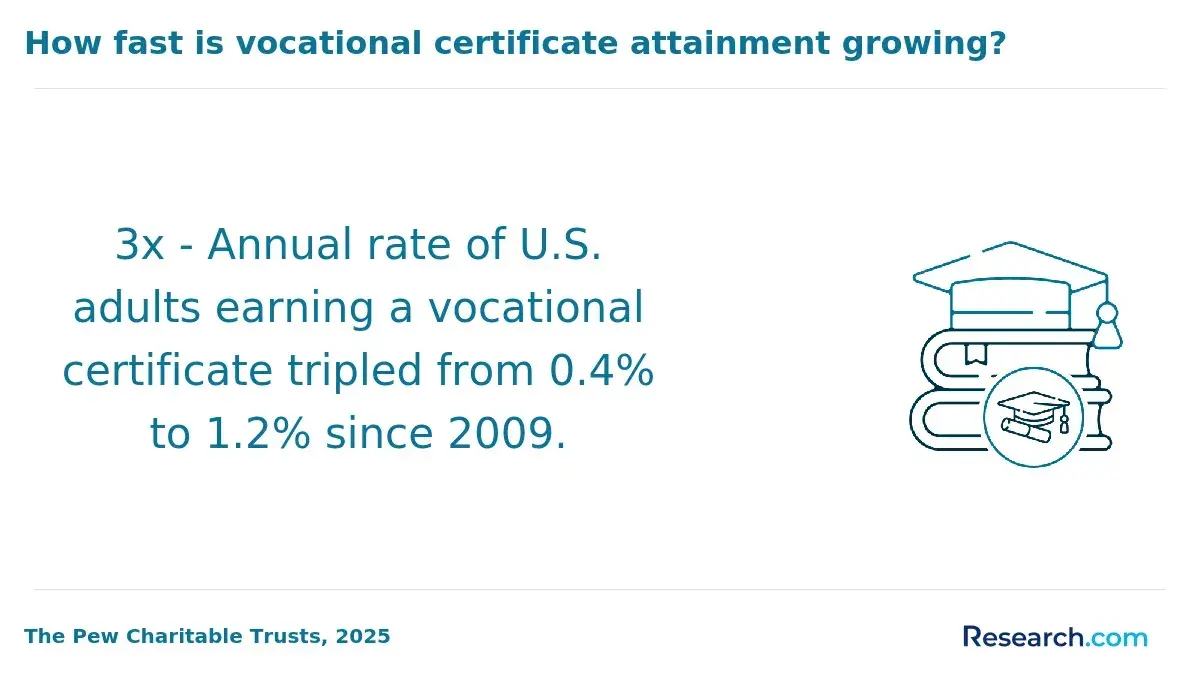
Universities and professional bodies offer specialized certificates focusing on areas such as Good Clinical Practice (GCP), FDA submissions, and ethical standards. These short-term programs allow working professionals to gain targeted knowledge without pursuing full degrees.
Combining a scientific background with regulatory expertise offers a competitive edge. For instance, nurses with clinical experience who earn regulatory certificates can efficiently move into clinical trial management roles. According to the Society for Clinical Research Sites 2025 workforce analysis, median salaries for clinical research coordinators reached $82,000, with compensation rising 40-60% since before the pandemic.
For those interested in advancing project leadership skills alongside clinical research management, obtaining a project manager bachelor degree can further enhance career prospects.
How do online and campus clinical research management programs compare for regulatory training?
Online clinical research management programs for regulatory training offer flexibility for working professionals by providing access to interactive case studies, video lectures, and virtual labs that simulate real regulatory environments. These self-paced programs demand strong time-management skills but increasingly include live regulatory seminars and virtual internships to bridge experiential gaps. In contrast, campus versus online clinical research management education benefits include direct interaction with faculty and peers, hands-on practicums, and access to research facilities. Campus programs often integrate workshops on FDA guidelines, compliance, and clinical data management tools, facilitating immediate feedback and networking opportunities.
Both online and campus formats thoroughly cover essential regulatory concepts such as Good Clinical Practice (GCP), IRB processes, and documentation standards necessary for effective clinical trial oversight. Some students find campus programs better suited for mastering complex protocol writing and FDA audit procedures due to face-to-face instruction.
Employment prospects reinforce the value of robust training: clinical data manager roles are projected to grow 33.9% from 2018 to 2028, ranking among the fastest-growing positions in clinical research management careers according to Wake Forest University's data.
Prospective students should carefully assess program accreditations, faculty expertise, and internship opportunities, which vary between formats. For those exploring options, resources like the online masters degree in human resource management can offer insights into structuring study plans aligned with career goals.
What courses and skills are emphasized in regulatory-focused clinical research management curricula?
Regulatory-focused clinical research management programs develop expertise in FDA regulations, Good Clinical Practice (GCP), and International Conference on Harmonisation (ICH) standards. Students master skills in regulatory document preparation, submission strategies, and risk management for drugs, biologics, and medical devices.
Curricula cover the regulatory approval process, including Investigational New Drug (IND) applications, New Drug Applications (NDA), and Biologics License Applications (BLA). Ethics and human subject protection coursework helps navigate informed consent and Institutional Review Board (IRB) procedures. Training in electronic submissions via the Electronic Common Technical Document (eCTD) format prepares students for current regulatory environments.
Key competencies include interpreting complex regulatory texts, drafting clear reports, and managing projects with a focus on problem-solving. Practical experiences such as internships, case studies, and regulatory submission simulations reinforce learning.
According to MassBioEd's workforce analysis, regulatory roles have grown by 65%, reflecting expansion across multiple product sectors. Advanced programs address emerging areas, including strategies for breakthrough therapies and real-world evidence.
Professionals equipped with these skills support clinical teams in securing product approvals while maintaining compliance under evolving regulations, making regulatory knowledge essential for career growth in clinical research management.
What accreditation and institutional approvals should regulatory-focused clinical research programs have?
Accreditation and institutional approvals are essential for clinical research management programs to ensure educational quality and regulatory compliance. Programs accredited by the Commission on Accreditation of Allied Health Education Programs (CAAHEP) or endorsed by the Association of Clinical Research Professionals (ACRP) offer assurance that their curriculum is relevant and rigorous. This accreditation confirms alignment with current ethical and regulatory standards, preparing students effectively for roles in clinical trial oversight and regulatory affairs.
Equally important is institutional approval from regional bodies such as the Middle States Commission on Higher Education or the Southern Association of Colleges and Schools Commission on Colleges (SACSCOC). These approvals guarantee institutional integrity and educational effectiveness, both critical for licensure eligibility and recognition by employers.
Curricula typically align with key regulatory frameworks, including FDA regulations (21 CFR Parts 11 and 312), ICH-GCP guidelines, and HIPAA compliance. Many programs also hold specialized approvals from institutions like the National Institutes of Health (NIH) or partner with clinical sites, enhancing hands-on learning opportunities.
Career prospects in clinical research management roles such as clinical trial assistants and research associates show projected growth of approximately 19% in regions like North Carolina and Virginia. Choosing a program with recognized accreditations and approvals can improve career entry and advancement, as reflected in workforce data from Duke CTSI.
What are typical admission requirements for clinical research management programs with regulatory tracks?
Admission to clinical research management programs with regulatory tracks typically requires a bachelor's degree in fields like biology, health sciences, nursing, pharmacy, or public health. Applicants often need coursework or experience in biomedical sciences, statistics, or healthcare compliance, alongside a minimum GPA around 3.0 on a 4.0 scale to demonstrate academic readiness.
Relevant internships or professional experience in clinical settings, regulatory affairs, or research administration enhance applications. Many programs ask for personal statements outlining interest in regulatory compliance, plus letters of recommendation from academic or professional contacts.
Some programs require GRE scores, though many waive this for candidates with strong professional backgrounds. Proficiency in regulatory guidelines such as FDA regulations, Good Clinical Practice (GCP), or International Conference on Harmonisation (ICH) standards is advantageous but not mandatory.
Skills in project management and ethics are frequently evaluated, reflecting their importance in regulatory roles. Specialized tracks or elective courses focused on regulatory affairs may be available, requiring clear alignment with career goals in compliance and policy.
Regulatory affairs specialists in clinical research management earn an average U.S. salary of $101,080, with a job growth projection of 8.2% from 2018 to 2028, according to Wake Forest University's Clinical Research Management career outcomes data.
How long do regulatory-focused clinical research programs take, and what do they typically cost?
Regulatory-focused clinical research programs vary in length from 6 months for certificate programs to 2 years for master's degrees. Certificate programs provide foundational knowledge in regulatory compliance and are ideal for professionals aiming to quickly enter compliance roles. More comprehensive degrees, such as a Master of Science in Clinical Research Management specializing in regulatory affairs, offer in-depth education on FDA regulations, IRB review processes, and international compliance standards.
Costs vary widely based on program duration, institution type, and format. Certificate programs typically range from $2,000 to $8,000. Online or part-time master's programs can cost between $20,000 and $60,000, with public universities charging around $25,000 and private institutions often exceeding $50,000.
Additional expenses include study materials, certification exam fees like those for Regulatory Affairs Certification, and potential opportunity costs due to time away from work. Some programs also incorporate internships or practicum components that demand extra time commitment.
The financial investment often aligns with earning potential. Duke CTSI's clinical research workforce analysis shows that technical data roles in regulatory fields can surpass $100,000 in salary after 5 to 8 years of experience. This highlights the value of pursuing advanced, specialized training in regulatory clinical research.
What regulatory career paths, job titles, and salaries can graduates of these specializations expect?
Graduates specializing in clinical research management with a focus on regulatory careers can find diverse roles across the U.S., including Regulatory Affairs Specialist, Compliance Manager, Clinical Trial Regulatory Coordinator, and Regulatory Affairs Associate. With experience, advancing to senior roles like Regulatory Affairs Director or Strategy Lead is achievable.
Salaries vary by experience and employer type: entry-level positions typically offer $60,000 to $80,000 annually, mid-level roles range from $80,000 to $110,000, and senior positions can exceed $130,000. These figures reflect differences across pharmaceutical companies, contract research organizations, and healthcare institutions.
A growing number of professionals enter regulatory fields without prior biopharma experience. MassBioEd notes this share rose from about 2% to nearly 10%, signaling expanded access for graduates coming directly from clinical research management programs.
Key strategies for career growth include early familiarity with FDA regulations, submission procedures, and electronic regulatory systems. Developing expertise in areas like drug safety reporting or medical device compliance can boost employability. Networking and earning certifications such as the Regulatory Affairs Certification (RAC) are also highly beneficial.
Focused knowledge in clinical research regulations equips graduates for roles demanding precision in documentation, risk management, and cross-department collaboration, essential qualities in regulatory affairs careers.
How do certifications and professional credentials strengthen regulatory careers in clinical research management?
Certifications and professional credentials play a crucial role in advancing regulatory careers in clinical research management by validating expertise and commitment to industry standards. Employers increasingly seek candidates with formal qualifications such as ICH-GCP certification or specialized clinical research training, reflecting a tightening skills gap driven by more complex, technology-integrated trials. Entry-level positions now often require these credentials to ensure readiness for evolving regulatory demands.
Recognized certifications distinguish professionals in a competitive job market and demonstrate updated knowledge of regulatory requirements. For instance, credentials like Regulatory Affairs Certification (RAC) or Certified Clinical Research Professional (CCRP) provide essential skills in protocol compliance, safety monitoring, and ethical standards necessary for regulatory submissions and audits.
Certified individuals gain access to advanced roles demanding in-depth understanding of FDA regulations, international guidelines, and risk-based monitoring enhanced by AI and automation. These credentials often lead to higher salaries and increased employer trust by signaling reduced training needs and greater reliability.
Additionally, certification exam preparation hones critical abilities such as regulatory strategy, accurate documentation, and adaptive problem-solving in dynamic trial environments. This targeted training addresses subtle regulatory complexities often missed by general education programs.
Without certification, career progression may slow, with limitations in pursuing specialized roles like regulatory affairs manager or compliance officer. Credentials provide measurable proof of expertise and help meet rising employer expectations amid growing trial complexity and regulatory scrutiny.
Other Things You Should Know About Clinical Research Management
In 2027, a specialization in Clinical Research Management equips individuals with essential skills such as data analysis, understanding of global regulations, and mastery of ethical considerations. These competencies are vital for navigating complex regulatory environments and ensuring compliance in clinical trials.
Patient safety is a central focus in clinical research management through strict adherence to Good Clinical Practice (GCP) guidelines and thorough monitoring of adverse events. Regulatory professionals work closely with Institutional Review Boards (IRBs) and Data Safety Monitoring Boards (DSMBs) to maintain ethical standards and protect participant well-being throughout the study.
Technology enhances clinical research management by streamlining data collection, monitoring, and regulatory submissions. Electronic data capture (EDC) systems, clinical trial management systems (CTMS), and regulatory information management tools improve compliance, reduce errors, and facilitate faster decision-making processes essential for regulatory affairs.
One common challenge is keeping up with frequently changing regulations across different countries and regions, which requires continuous education and vigilance. Additionally, balancing the need for rapid trial progress with stringent compliance demands can create pressure on regulatory professionals managing clinical research projects.
References
- Clinical Regulatory Specialist Career Pathway Steps and Skills https://ccrps.org/clinical-research-blog/clinical-regulatory-specialist-career-pathway-steps-and-skills
- Careers https://www.worldwide.com/careers/
- Introduction to Regulatory Affairs in Clinical Research - Aura Health https://aurahealth.ch/introduction-to-regulatory-affairs-in-clinical-research/
- Clinical research career: 7 top roles, salaries & GCP guide https://pharmaeducenter.com/blog/clinical-research-career/
- How to get a job in regulatory affairs | Proclinical Recruitment Blogs https://www.proclinical.com/blogs/2021-2/how-to-get-a-job-in-regulatory-affairs
- Clinical Research Management (MS – online) - Biomedical Science Graduate Programs https://school.wakehealth.edu/education-and-training/graduate-programs/clinical-research-management-ms
- Guide: How to progress your Regulatory Affairs career - Carrot Recruitment https://www.carrotrecruitment.com/guide/how-to-progress-your-regulatory-affairs-career/
- How to Start a Career in Clinical Research: Tips for Freshers - clinogenesisresearchinstitute https://clinogenesis.com/how-to-start-a-career-in-clinical-research-tips-for-freshers/
- Exploring Specializations in Clinical Research: Finding Your Niche - Drug Safety and Pharmacovigilance Course https://medipharmsolutions.com/blog/exploring-specializations-in-clinical-research-finding-your-niche/
- The Crucial Role of Regulatory Specialists in Clinical Research: Safeguarding Compliance and Advancing Innovation https://www.jclinical.org/full-text/the-crucial-role-of-regulatory-specialists-in-clinical-research-safeguarding-compliance-and-advancing-innovation