2027 Clinical Research Careers Most Resilient to Automation

Co-Founder and Chief Data Scientist
Many professionals face uncertainty as automation reshapes numerous industries, threatening job stability and long-term career growth. Those considering a shift into clinical research management often worry which roles will remain secure amid increasing reliance on technology. Understanding which positions are most resilient to automation helps individuals make informed decisions about education and career development.
This article explores the clinical research careers least vulnerable to automation while highlighting key skills and pathways. It aims to guide prospective students and professionals in selecting roles that promise stability and growth in the evolving healthcare landscape.
Key Things You Should Know
- Careers in clinical research management show high resilience to automation, with 68% of roles requiring uniquely human skills such as ethical decision-making and complex patient interaction.
- The demand for clinical research management professionals is projected to grow 12% from 2024 to 2030, outpacing many other healthcare-related fields.
- Advanced data interpretation and regulatory compliance skills remain critical, making clinical research management less susceptible to AI replacement despite increasing automation in healthcare.
What clinical research careers are most resilient to automation and why are they in demand?
Positions like clinical research associates (CRAs) and research coordinators continue to be highly resistant to automation due to their need for complex judgment, interpersonal communication, and regulatory compliance oversight.
The Association of Clinical Research Professionals found that 70% of organizations face "moderate to severe" shortages in these roles, with turnover rates nearly double those in other clinical operations. This highlights the high demand clinical research management roles maintain in the industry.
CRAs oversee site performance, protocol adherence, and patient safety, requiring advanced decision-making beyond the capacity of automated systems. Research coordinators focus on patient recruitment, informed consent, and data integrity, involving empathy and negotiation skills vital in varied clinical settings.
Other positions, such as regulatory affairs specialists and medical monitors, also resist automation because of their reliance on nuanced regulatory interpretation and medical expertise.
Automation tools mainly support basic data entry and reporting but cannot replace the human skills essential for relationship management and ethical decision-making.
For those interested in clinical research careers resistant to automation, building regulatory knowledge, patient interaction skills, and adaptability is crucial. Prospective students looking to enhance their qualifications might consider pursuing a pharmacy degree online to complement their expertise and career growth.
How is clinical research management changing with AI, and which human skills remain essential?
Artificial intelligence is reshaping clinical research management by automating routine tasks like data entry, patient scheduling, and trial compliance monitoring.
Despite these improvements, over 80% of U.S. clinical research sites report difficulty hiring and retaining clinical research coordinators (CRCs), with nearly 60% attributing delays or failed trial enrollment to coordinator shortages. This underscores a continuing need for human expertise to manage complex trial workflows alongside AI integration.
Essential human skills in clinical research management include strategic decision-making, ethical judgment, and interpersonal communication.
Coordinators interpret AI-generated data to detect anomalies or patient safety issues algorithms might miss. Strong problem-solving remains vital when unexpected protocol deviations arise, requiring tailored actions beyond automation.
Leadership and cultural competence are increasingly important as managers oversee multidisciplinary teams and work closely with sponsors, regulators, and patients.
While technical proficiency with data systems and AI tools is necessary, human oversight ensures data integrity and compliance with evolving regulations. Patient advocacy and empathy continue to define successful careers, areas where AI offers limited support.
Prospective students should develop a hybrid skill set combining AI literacy with leadership and ethical reasoning. Exploring career paths within clinical research management may also involve understanding how much does it cost to become a pharmacist, which can offer useful insights into healthcare professions.
What education and degrees are required to enter automation-resilient clinical research careers?
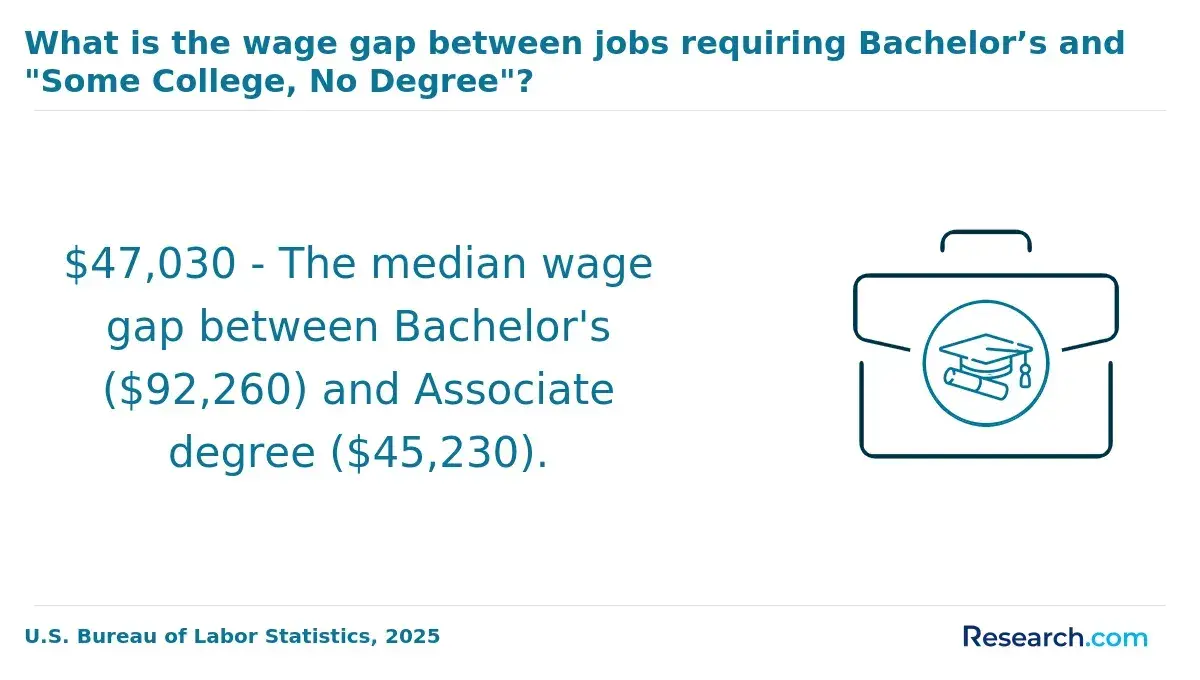
Automation-resistant clinical research careers require specialized education focused on health sciences, data management, and leadership. A bachelor's degree in nursing, public health, biology, or healthcare administration provides foundational knowledge in medical terminology, research protocols, and regulatory compliance.
Many students pursue an online construction management bachelors degree when exploring healthcare-related administration paths that emphasize project and operations management skills relevant to clinical settings.
For more advanced roles, especially in clinical data leadership and project oversight, a master's degree or higher is typically expected. Programs such as a Master of Science in Clinical Research, Health Informatics, or Healthcare Administration develop expertise in data analysis, regulatory affairs, and management strategies.
Certifications like Certified Clinical Research Professional (CCRP) or Project Management Professional (PMP) enhance qualifications by validating proficiency in managing complex clinical trials and teams.
Relevant continuing education and training in emerging technologies, biostatistics, and electronic data capture systems are crucial to maintain adaptability against automation.
Practical experience through internships or clinical trial coordination roles prepares candidates for critical problem-solving tasks that cannot be easily automated. Considering education requirements for automation-resistant clinical research careers, these hands-on opportunities play a vital role.
Degrees needed for resilient clinical research jobs in the US increasingly emphasize interdisciplinary skills. Medical and health services managers are projected to grow 28% over the decade, more than triple the 3.1% average for all occupations. This highlights strong demand for professionals equipped to handle health data and compliance amid advancing automation.
Which clinical research management roles involve the most complex judgment and patient interaction?
Clinical research management roles with complex decision making typically involve clinical project managers and clinical trial managers who lead study design and oversight. These positions demand balancing regulatory compliance, patient safety, and study integrity while continuously adapting to ethical challenges that arise during trials.
Extensive patient interaction is another key aspect of these clinical research management positions, where managers engage diverse participant populations to address concerns, secure informed consent, and customize protocols. This fosters trust and helps maintain retention, which is vital to successful outcomes.
Specialized roles include oncology trial managers managing complex treatments and supporting patients facing serious illnesses, and cardiovascular trial managers leading multidisciplinary teams amid evolving medical guidelines. Such variations require tailored expertise and judgment.
A recent workforce brief noted sponsor and CRO vacancies for clinical project and trial managers have risen by about 20% since 2020. Despite growing use of AI in operational tasks, human judgment remains essential for these leadership roles due to the complexity of patient interactions and ethical decision-making.
Prospective professionals should develop strong interpersonal skills, regulatory knowledge, and mastery of risk assessment. Gaining an online masters degree in mental health counseling can further equip candidates for these challenges and support success in clinical research management positions requiring extensive patient interaction.
How do online clinical research management programs compare with campus options for career preparation?
Online clinical research management programs provide flexibility for working professionals or those outside major educational hubs, often matching the core curriculum of campus programs, including regulatory compliance, study design, and ethics.
However, campus programs typically offer more hands-on experiences like labs, internships, and face-to-face mentorship, which are crucial for skills such as clinical trial monitoring and site management.
Employers prefer candidates with practical experience, and campus programs usually integrate this through partnerships with medical institutions for real-world exposure. Online students may access virtual simulations but often must find local internships independently, with varying availability and quality.
Choosing between online and campus formats depends on a student's need for direct interaction versus flexibility. Accredited online programs can effectively prepare students for roles in regulatory affairs, a field growing at 9-10% annually with low automation risk, as reported by the Society for Human Resource Management.
Regardless of format, students should verify program accreditation, internship support, and faculty expertise. Preparation for industry certifications like Certified Clinical Research Professional (CCRP) remains essential for roles requiring complex decision-making, which are less vulnerable to automation than documentation-heavy positions.
What should students look for in accredited clinical research management programs in the United States?
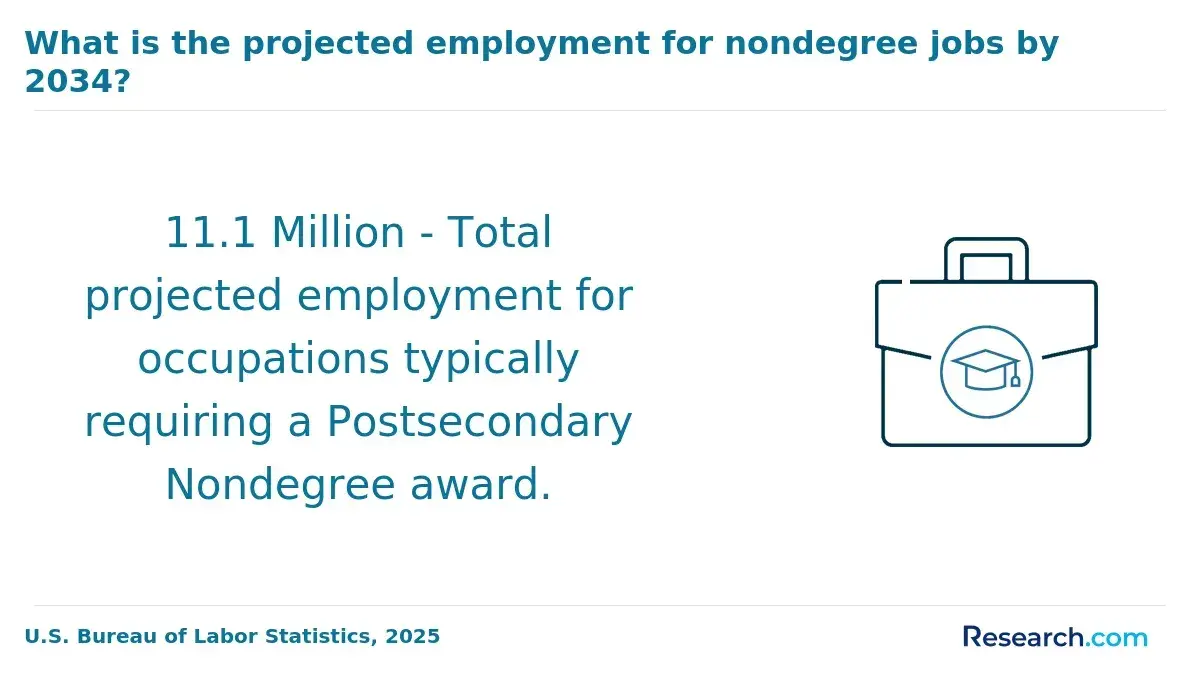
Students pursuing accredited clinical research management programs in the United States should focus on curricula that cover regulatory compliance, quality assurance, and trial auditing-areas that remain highly resistant to automation.
Emphasizing FDA regulations, Good Clinical Practice (GCP), and risk management equips students with essential human oversight skills that AI cannot replicate.
Accreditation from reputable organizations like the Association for Clinical Research Training (ACRT) or the Commission on Accreditation of Allied Health Education Programs (CAAHEP) guarantees program quality and enhances industry recognition. Practical training components such as internships with research institutions or health agencies offer valuable hands-on experience and networking opportunities.
Given that the top 10 AI-resistant jobs, including compliance and quality-focused health roles, have a median projected growth rate of 17% compared to 3.1% for all occupations, concentrating on these areas is critical.
Students should also prioritize programs that teach data management and the use of emerging clinical trial software, blending digital proficiency with regulatory expertise.
Additional factors to consider include flexible course delivery options-online, hybrid, or in-person-and strong career services supporting placement in clinical or pharmaceutical research sectors. Programs integrating ethics, biostatistics, and project management provide a versatile skill set, enhancing employability in diverse clinical research environments.
Employer Confidence in Online vs. In-Person Degree Skills, Global 2024

What core courses and practical experiences best prepare graduates for automation-resilient roles?
Core courses that prepare graduates for automation-resilient roles in clinical research include pharmacovigilance, regulatory affairs, data analytics, and biostatistics.
These areas develop critical skills needed to interpret complex safety data and assess risk-tasks less likely to be fully automated. Hands-on experience with adverse event reporting systems and safety signal detection reinforces theoretical learning and practical application.
The global volume of safety reports has increased by 10-15% annually since 2020, highlighting the importance of proficiency in processing and analyzing these reports. Human insight remains essential for evaluating nuanced clinical data and making informed decisions on drug safety, often surpassing current automation capabilities.
Clinical rotations or internships in pharmacovigilance departments expose students to real-world case evaluations and regulatory compliance. Mastering electronic data capture (EDC) systems and standard clinical trial monitoring protocols enhances job readiness.
Training in statistical software such as SAS or R, along with expertise in medical coding vocabularies like MedDRA, supports effective signal detection and safety database management. Communication skills are also vital for translating technical data clearly to regulatory agencies and interdisciplinary teams.
Graduates who combine knowledge of emerging AI tools with critical thinking show greater adaptability. This blend of technical proficiency and clinical judgment ensures resilience against automation pressures and secures a competitive position in clinical research management careers.
What are typical salaries and earning trajectories for resilient clinical research management careers?
Entry-level roles in clinical research management, such as clinical research coordinators and junior data managers, typically earn between $70,000 and $90,000 annually.
With five to seven years of experience, especially in trial design, regulatory oversight, or advanced data management, salaries can increase to $100,000-$130,000. Senior clinical research managers and biostatisticians often see earnings from $140,000 to $180,000, with biostatistics and data science fields experiencing rapid growth.
The U.S. Bureau of Labor Statistics projects a 31% increase in jobs for statisticians and data scientists over the next decade, driven by demand for complex data interpretation and innovative trial methods.
Clinical research managers with skills in AI-driven analytics, programming, data modeling, or regulatory compliance are positioned for significant salary growth and leadership roles.
Certifications such as the Certified Clinical Research Professional (CCRP) or Certified Clinical Research Manager (CCRM) enhance marketability and pay potential. Employment within pharmaceutical companies or contract research organizations generally offers higher salaries compared to academic or hospital settings.
Director-level positions, which involve multi-site trial management and strategic oversight, typically exceed $200,000, underscoring the value of managerial judgment in increasingly automated environments.
What is the job outlook for clinical research managers and related roles as automation expands?
Despite advances in automation, clinical research managers remain vital to the success of clinical trials. Technology has improved administrative tasks like trial feasibility assessments and outreach, but essential management duties require human expertise in judgment, adaptability, and regulatory compliance.
Notably, about 80% of clinical trials still miss their original enrollment targets, underscoring the continued demand for skilled professionals to lead recruitment, retention, and problem-solving efforts.
These roles involve coordinating multidisciplinary teams, ensuring adherence to regulatory standards, and navigating study protocol changes due to unexpected challenges. Important tasks that support job resilience include:
- Designing recruitment strategies tailored to diverse participant populations.
- Managing contracts and vendor relationships.
- Maintaining data quality and protocol compliance amid evolving clinical environments.
- Addressing trial delays or enrollment shortfalls with effective leadership.
For those entering this field, education focused on project management, regulatory affairs, and data interpretation enhances career prospects.
Experience with digital tools is valuable but complements rather than replaces the need for leadership in trial execution. The complexity of clinical trials guarantees ongoing opportunities for clinical research managers who balance technological tools with nuanced human insight.
How can prospective students choose a reputable clinical research program aligned with future-proof careers?
Choosing a clinical research management program requires careful evaluation of accreditation and industry recognition. Programs accredited by respected bodies like the Association of Clinical Research Professionals (ACRP) or the Society of Clinical Research Associates (SOCRA) ensure rigorous training that aligns with evolving industry standards and is valued by employers.
Curricula should focus on in-demand skills including regulatory compliance, data management, and advanced clinical trial design. Programs incorporating hands-on experience with electronic data capture, patient safety protocols, and adherence to FDA and ICH guidelines better prepare students for resilient careers.
Specialized pathways in emerging fields such as oncology, gene therapy trials, and digital health monitoring offer growth potential in areas resistant to automation due to their complexity.
Prospective students should also consider programs that provide strong connections to healthcare providers, pharmaceutical companies, and research institutions to gain practical experience and networking advantages.
According to National University's analysis of BLS data, nurse practitioner employment is projected to increase by 52% over a decade, reflecting a rise in multidisciplinary care roles including clinical research. Programs that integrate training aligned with these expanding roles enhance graduate employability and resilience.
Finally, verify faculty expertise, alumni success, and that the curriculum evolves with industry trends. Selecting a program addressing real workforce demands helps secure positions less vulnerable to automation and promotes long-term career stability.
Other Things You Should Know About Clinical Research Management
Clinical research managers must navigate an evolving regulatory landscape, including FDA guidelines and international standards like ICH-GCP. Ensuring all study protocols and documentation comply with these regulations requires meticulous attention to detail and frequent audits. Non-compliance can lead to study delays, legal consequences, and patient safety risks.
Team leadership is critical in clinical research management as managers coordinate diverse teams, including investigators, coordinators, and data specialists. Effective leadership enhances communication, resource allocation, and problem-solving within projects. Strong leaders help maintain study timelines and ensure protocol adherence, which is essential for successful trial outcomes.
Clinical research managers rely on tools like electronic data capture (EDC) systems, clinical trial management systems (CTMS), and electronic medical records (EMR) integration. These technologies streamline data collection, monitor patient enrollment, and track compliance. Proficiency with these tools improves efficiency and data accuracy in managing complex trials.
References
- Skills That Will Matter Most In The Age Of Automation https://www.theemploymentlawsolicitors.co.uk/news/2026/03/07/skills/
- Exploring the Future: Why Choose Applied Clinical Research as Your Career Path https://bayrivercolleges.ca/why-choose-applied-clinical-research-as-your-career-path/
- AI’s Impact on the Future of Clinical Trials | HCRI https://hcrnetwork.com/ais-incoming-impact-on-the-clinical-trial-space/
- Clinical Research Project Manager Overview https://ccrps.org/clinical-research-blog/clinical-research-project-manager
- Clinical Research Roles: PI, CRC, CRA & PM Explained | IntuitionLabs https://intuitionlabs.ai/articles/key-clinical-research-roles
- Clinical Research Careers in 2026: Roles, Salaries & Scope https://clinilaunchresearch.in/blog/clinical-research-careers/
- How to become a Clinical Research Associate (CRA) https://careers.iconplc.com/blogs/2024-11/how-to-become-a-clinical-research-associate-cra
- Jobs AI Can't Replace: AI Resistance Scoring for 30 Occupations (Original Research) https://careery.pro/research/jobs-ai-cant-replace
- How to Choose the Best Career to Study: A Practical Guide for Future Students https://urbeuniversity.edu/blog/how-to-choose-the-best-career-to-study-a-practical-guide-for-future-students