2027 Clinical Research Careers That Reward Strong Project Management Skills

Co-Founder and Chief Data Scientist
Professionals from diverse backgrounds often struggle to transition into clinical research roles that demand strong project management skills. Navigating complex regulatory requirements, coordinating cross-functional teams, and ensuring timely study completion require a unique blend of expertise rarely covered in unrelated undergraduate degrees. This mismatch can delay career pivots or limit advancement opportunities.
Understanding how project management competencies apply within clinical research settings is essential for success. This article will explore specific clinical research careers that value these skills, highlighting practical pathways and strategies to facilitate a smooth and strategic transition into this growing field.
Key Things You Should Know
- Strong project management skills in clinical research careers improve trial efficiency, with 68% of successful projects completed on time in 2025, according to industry reports.
- Effective coordination of multidisciplinary teams enhances data integrity and regulatory compliance, critical in navigating evolving FDA and EMA guidelines.
- Demand for professionals combining clinical research management expertise with project leadership is projected to grow by 12% through 2028, reflecting expanding biotech and pharmaceutical sectors.
What clinical research careers rely most on strong project management skills?
Careers in clinical research requiring project management expertise often include roles such as clinical project managers, clinical trial managers, and regulatory affairs managers. These positions demand overseeing complex studies, coordinating diverse teams, and ensuring full regulatory compliance. Clinical project managers focus on managing study timelines, budgets, and resource allocation, making strong project management skills crucial for success.
Top clinical research management roles with project coordination also include clinical trial managers, who handle daily trial operations, scheduling, and risk management. They work closely with investigators, site staff, and vendors, addressing logistical issues promptly. Regulatory affairs managers rely on project management to prepare documentation methodically, track milestones, and facilitate audits.
Efficient project management in clinical research helps professionals anticipate delays, adapt to protocol changes, and sustain high-quality standards. Tools like Gantt charts or specialized software enable project leaders to monitor progress and identify bottlenecks early. Strong communication and leadership are essential when managing multidisciplinary teams across various locations.
The demand for clinical project managers continues to grow, with the U.S. Bureau of Labor Statistics projecting a 28% employment increase from 2022 to 2032 for medical and health services managers, which includes these professionals. This rate far surpasses the average for all occupations, underscoring the stable career prospects for those with proficient project management abilities in clinical research. Many seeking advancement pursue advanced degrees, such as a PhD in healthcare management online, to enhance their expertise and leadership opportunities.
How does clinical research project management fit into the broader clinical trials process?
Clinical research project management roles in clinical trials are crucial for orchestrating the complex processes that ensure studies run efficiently and comply with regulatory standards. Project managers coordinate diverse teams such as clinical research associates, investigators, and regulatory affairs specialists to oversee study planning, site selection, patient recruitment timelines, budget control, and risk management.
The integration of clinical research project management within trial phases helps maintain adherence to protocols and Good Clinical Practice (GCP) standards. Managers facilitate communication across internal departments and external partners to keep milestones-like patient enrollment, data collection, and monitoring visits-on schedule. They also anticipate and resolve challenges such as site noncompliance or enrollment delays that could threaten study success.
These professionals often use specialized project management tools and industry-specific software to track progress and produce reports for sponsors and regulatory bodies. Their expertise bridges operational logistics and scientific objectives while managing financial and temporal constraints to safeguard data integrity throughout the trial lifecycle.
Strong project management skills are reflected in compensation levels within clinical research. The 2024 Clinical Research Salary & Employee Satisfaction Survey by ACRP notes that U.S. clinical research associates earn a median total compensation near $115,000, with top earners exceeding $150,000, underscoring the demand for skilled clinical trial managers.
Those interested in this career path can learn more about related healthcare professions and educational routes, including how to become a pharmacist, which shares transferable skills relevant to clinical project management.
What education and degrees prepare you for clinical research project management roles?
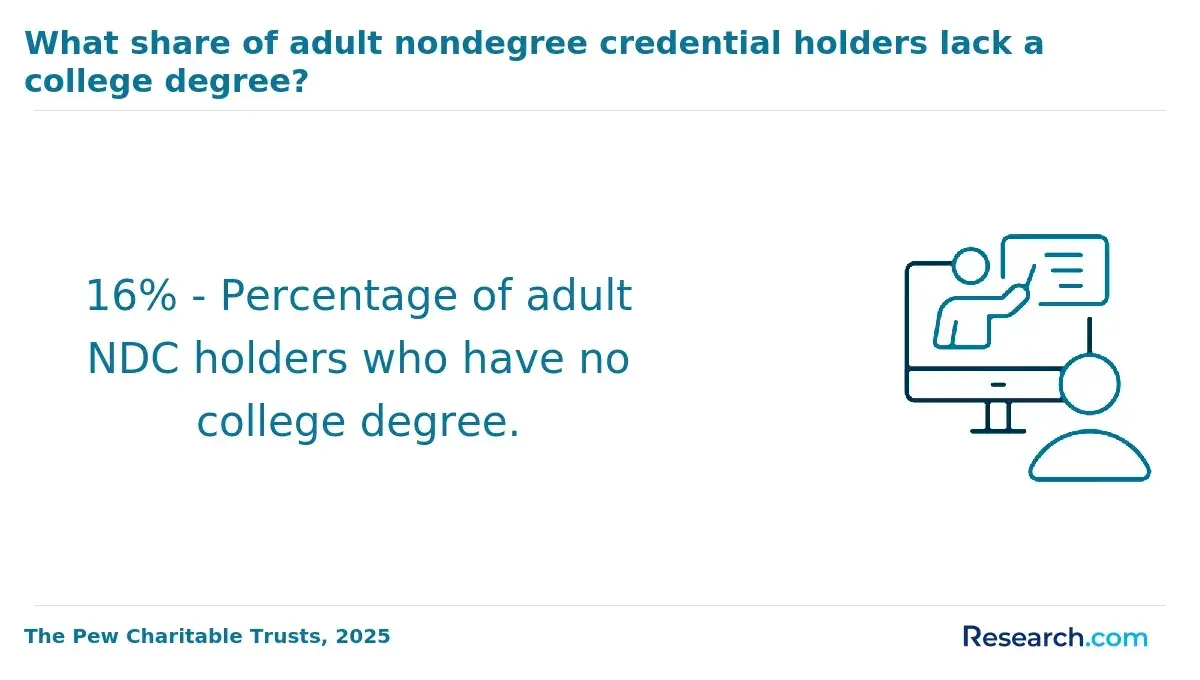
Degrees in life sciences, health sciences, nursing, pharmacy, or public health lay a strong foundation for clinical research project management education requirements. Typically, a bachelor's degree in biology, biochemistry, or healthcare administration is the minimum credential. However, advancing to senior roles increasingly demands specialized graduate education such as master's degrees in clinical research, public health (MPH), or healthcare management.
Certifications like the Certified Clinical Research Professional (CCRP) and Project Management Professional (PMP) enhance employability by validating expertise in clinical research operations and project oversight. These credentials are highly regarded among employers and support readiness for managing complex trials.
Critical knowledge areas include regulatory guidelines such as ICH-GCP and proficiency with electronic data capture systems. Graduate programs often incorporate coursework on risk management, budgeting, and stakeholder communication to equip candidates for fast-paced clinical research environments.
Hands-on experience-through internships or roles as clinical research coordinators-is essential for building skills in managing trial timelines, resource allocation, and cross-functional teams. This practical exposure directly supports degrees for clinical research project managers in the US.
Industry data show nearly 70% of clinical trial managers have overseen portfolios with at least a 20% increase in trial volume over three years, emphasizing the need for strong project oversight skills. For those exploring related fields, programs like masters in construction management offer an alternative management education path.
How do online clinical research management programs compare to campus-based options?
Online clinical research management programs offer flexibility that campus-based options typically cannot match. These programs enable students to continue working while studying, which is crucial given the industry's growth fueled by electronic data capture (EDC), real-world data integration, and decentralized trials. This growing demand highlights the importance of timely and accessible education in this field.
Campus-based programs provide direct faculty access, on-site resources, and networking opportunities, benefiting students seeking immersive experiences and hands-on training. They often include lab work or in-person internships, making them ideal for those new to the field or looking for formal mentorship.
Conversely, online clinical research management programs advantages include modular schedules and asynchronous content delivery, accommodating varying time zones and professional commitments. These programs use digital simulation tools and virtual collaboration to mimic real-world project management, suiting independent learners and working professionals focused on regulatory compliance and risk management.
Both formats cover core competencies such as clinical trial design, regulatory guidelines, budgeting, and team coordination. Prospective students should evaluate:
- Program accreditation and industry recognition
- Availability of practicum or internship opportunities
- Balance between theoretical knowledge and practical skills
- Cost differences, including commuting and housing expenses for campus programs
The difference between campus-based and online clinical research management education largely depends on learning styles, career stage, and professional needs. For those seeking efficient pathways, exploring an accelerated hospitality degree online may provide useful insights into streamlined online learning models relevant across disciplines.
Which accreditations and approvals should clinical research management programs have in the U.S.?
Accreditation is a critical factor for clinical research management programs in the U.S., ensuring they meet educational quality and industry standards. The Commission on Accreditation of Allied Health Education Programs (CAAHEP) is a leading accreditor, particularly for programs training clinical research coordinators. The Association of Clinical Research Professionals (ACRP) also grants program approval, confirming alignment with evolving industry standards and regulatory requirements.
Accredited or approved programs typically deliver rigorous training in project management, regulatory compliance, and ethics. Graduates benefit by enhancing their eligibility for certifications such as the Certified Clinical Research Professional (CCRP) and Project Management Professional (PMP), which are highly valued in clinical research management careers.
Additional approval from the Society of Clinical Research Associates (SoCRA) further validates program quality, especially for those pursuing regulatory affairs roles. These programs emphasize expertise in good clinical practice (GCP), FDA regulations, and advanced clinical trial management skills.
With rising regulatory complexity, workforce data reveal that over 80% of regulatory affairs professionals in clinical development have seen salary growth in recent years. Strong accreditation equips students to navigate this environment and positions them for increased earning potential.
What core courses and skills do clinical research management degrees typically include?
Degrees in clinical research management combine essential scientific, regulatory, and project management skills needed to oversee clinical trials and ensure compliance. Core coursework often includes clinical trial design, biostatistics, medical ethics, and regulatory affairs. These areas build a strong foundation for navigating FDA regulations, Institutional Review Board (IRB) protocols, and Good Clinical Practice (GCP) guidelines.
Programs emphasize hands-on skills such as budgeting, risk assessment, and timeline coordination. Students typically gain experience with industry-standard software for data management and reporting, essential for leading cross-functional teams effectively. Communication and leadership training prepare graduates to engage stakeholders across sponsors, clinical sites, and regulatory bodies.
Pharmacovigilance and drug safety are vital specializations emerging within clinical research management. The pharmacovigilance market is expanding rapidly, with spending growing annually by over 10% through 2030, highlighting demand for specialists in adverse event reporting, signal detection, and risk management strategies.
Practical skills often developed include designing monitoring plans, managing clinical supply chains, and analyzing trial data integrity. Proficiency with project scheduling tools and compliance documentation is critical for addressing challenges like protocol deviations and regulatory audits.
What admission requirements and prior experience help you enter these programs?
Admission to clinical research management careers often requires a bachelor's degree in life sciences, nursing, pharmacy, or similar fields. Applicants with experience in healthcare, research coordination, or regulatory roles have an advantage. Roles such as clinical trial coordinators, research assistants, or data analysts provide valuable hands-on experience. Certifications like Certified Clinical Research Professional (CCRP) or Project Management Professional (PMP) strengthen applications by showcasing relevant knowledge and leadership.
Graduate programs, especially master's degrees focused on clinical research management, commonly request academic transcripts and detailed professional histories demonstrating skills in biostatistics, epidemiology, and research ethics. Many require 1-3 years of direct involvement in clinical trial or project management within medical or pharmaceutical settings. Internships or volunteer roles in Institutional Review Boards (IRBs) or study sites further improve admission chances.
Specialized roles such as medical writers focus on clinical and regulatory documentation. Over 60% in this area specialize in regulatory and trial documentation, earning on average 20% more than general scientific writers. This emphasizes the value of combining clinical research knowledge with strong project management and communication skills.
Applicants should highlight measurable achievements in managing trial documentation, regulatory submissions, or coordinated research activities. Demonstrated leadership, compliance adherence, and familiarity with tools like electronic data capture (EDC) systems or clinical trial management systems (CTMS) also enhance competitiveness.
How long do clinical research management programs take, and what do they cost?
Programs in clinical research management vary in length based on credential type and format. Certificate programs targeted at working professionals usually take 6 to 12 months and focus on regulatory compliance, project coordination, and data management. Associate degrees typically require about two years, while bachelor's degrees take around four years of full-time study. Master's degree programs last 1 to 2 years, offering advanced training in trial design, leadership, and biostatistics.
Costs also vary widely depending on the institution and program format. Certificate options range from $3,000 to $10,000, presenting an affordable path for professionals seeking to upskill quickly. Associate and bachelor's degrees usually start near $20,000 and can surpass $60,000 at private colleges. Master's programs often cost between $30,000 and $80,000. Online programs may lower tuition but sometimes add fees for technology or materials.
For example, a 12-month online clinical research management certificate might cost approximately $7,500 and prepare students for project management roles. In contrast, a traditional four-year bachelor's degree demands more time and investment but offers broader career options.
The job outlook supports this investment, with health-related biostatistics roles projected to grow by about 30% from 2022 to 2032 according to the U.S. Bureau of Labor Statistics. Graduates equipped with strong project management and data skills will be well positioned to lead clinical trial initiatives and advance research efforts.
What salaries, advancement paths, and leadership opportunities exist in clinical research management?
Salaries in clinical research management vary widely based on role, experience, and employer, generally ranging from $70,000 to over $150,000 per year. Entry-level project managers typically earn between $70,000 and $90,000, while senior managers and directors can earn upwards of $130,000. Specialized roles like quality assurance (QA) or Good Clinical Practice (GCP) compliance specialists often command higher pay due to the critical regulatory demands of these positions. A 2024 inspection trends review revealed that more than 50% of FDA and EMA clinical trial inspection findings involve quality systems and GCP compliance deficiencies, underscoring the high value of expertise in these areas.
Career advancement usually starts in positions such as clinical research coordinator or project manager and progresses to senior project manager, clinical operations lead, and eventually director or vice president roles. Leadership positions demand strong project management skills alongside demonstrated ability to handle budgets, timelines, and cross-functional teams with solid regulatory knowledge.
Professionals aiming to maximize career growth often pursue certifications like PMP (Project Management Professional) or specialized clinical research compliance credentials. Opportunities exist across pharmaceutical companies, contract research organizations, and academic research centers. For instance, GCP compliance specialists may advance to QA manager or director roles, overseeing global compliance programs. Those with expertise in risk management or clinical trial auditing can move into strategic roles focused on quality improvement and regulatory readiness.
What certifications and professional organizations support clinical research project managers?
Certifications play a vital role in advancing careers in clinical research project management by verifying expertise and offering continuing education. The Project Management Professional (PMP) from the Project Management Institute is highly respected, showcasing strong leadership skills relevant to clinical research environments. For those focused specifically on clinical trials, the Certified Clinical Research Professional (CCRP) credential from the Society of Clinical Research Associates (SOCRA) emphasizes regulatory compliance and study oversight.
Site-level coordinators benefit greatly from the Certified Clinical Research Coordinator (CCRC) certification by the Association of Clinical Research Professionals (ACRP). This credential demonstrates proficiency in participant recruitment, data handling, and protocol adherence.
Professional memberships in organizations like ACRP and SOCRA provide valuable benefits including industry updates, professional networking, and specialized training. Given high turnover rates-over 20% annually among clinical research coordinators worldwide-there is strong demand for credentialed project managers to improve study efficiency and reduce vacancies.
Additional certifications such as the Certified Clinical Research Associate (CCRA) and Regulatory Affairs Certification (RAC) enhance knowledge of clinical operations and regulatory frameworks. Aligning certifications with career objectives across sponsor, site, or CRO roles is essential for maximizing growth and opportunities in clinical research management.
Other Things You Should Know About Clinical Research Management
In 2027, technology proficiency is crucial in clinical research management. It ensures efficient data handling, compliance with regulatory standards, and improves coordination among global teams. Familiarity with clinical trial management systems and electronic data capture platforms streamlines operations and enhances decision-making, making it an essential skill for project managers.
Effective communication is vital for clinical research management because it ensures all stakeholders-including sponsors, investigators, regulatory bodies, and study teams-are aligned. Clear, timely communication reduces errors, facilitates problem-solving, and supports successful trial execution.
Yes, clinical research managers can work across various therapeutic areas, such as oncology, cardiology, or neurology. While specific knowledge of the disease area can enhance management effectiveness, strong project coordination and regulatory skills are largely transferable between therapeutic fields.
References
- How to Become a Clinical Project Manager | CCRPS https://ccrps.org/clinical-research-blog/how-to-become-a-clinical-project-manager
- Clinical Trial Project Management - Gsap - Gsap https://gsapglobal.com/clinical-trial-project-management-gsap/
- First Academic Program In Clinical Research Accredited https://mrctcenter.org/clinical-trial-competency/first-academic-program-in-clinical-research-accredited/
- Clinical Research Associate (CRA) Career Path https://pathologylabtraining.co.uk/biomedical-sciences/cra-careers
- Career Paths Beyond CRA — What’s Next in Clinical Research? https://www.pharmiweb.jobs/article/career-paths-beyond-cra-what-s-next-in-clinical-research-
- MS in Clinical Research Management https://www.unthealth.edu/college-of-biomedical-and-translational-sciences/degree-programs/ms-in-clinical-research-management.html
- Clinical Trials Management: CROs’ Important Role https://clinmax.com/clinical-trials-management-cros-role/
- Clinical Trial Project Management | PPD https://www.ppd.com/what-is-a-cro/clinical-trial-project-management/
- The Strategic Role of Clinical Project Management in Successful Clinical Trials https://curexbio.com/the-strategic-role-of-clinical-project-management-in-successful-clinical-trials/
- Clinical Trials Management (US & EU) Professional Certification Program https://www.biopharmainstitute.com/course/GCP00A1