2027 Online Clinical Research Management Degrees With Regulatory Career Alignment

Co-Founder and Chief Data Scientist
Professionals from unrelated fields often face uncertainty when seeking to transition into clinical research management roles, particularly without clear guidance on regulatory alignment.
The complexity of healthcare regulations and trial protocols demands specific knowledge that many degree programs fail to emphasize adequately. This gap can stall career advancement or entry into the industry, causing frustration and wasted resources.
Industry demand calls for flexible, accredited online programs that combine clinical research management foundations with regulatory expertise. This article explores such degree options, focusing on how they address these challenges and help prospective students navigate a strategic career pivot.
Key Things You Should Know
- Online clinical research management degrees offer flexible, accessible education options, with enrollment rising over 18% from 2024 to 2025 as demand grows in the healthcare sector.
- Programs focus on regulatory compliance, equipping students with knowledge of FDA guidelines and ethical standards essential for clinical trial oversight.
- Graduates often pursue careers in clinical operations and regulatory affairs, where median salaries surpass $90,000, reflecting strong industry demand through 2026.
What is an online clinical research management degree and how does it support regulatory-focused careers?
An online clinical research management degree program provides specialized training essential for regulatory careers, focusing on FDA regulations, Institutional Review Board (IRB) processes, Good Clinical Practice (GCP), and data management. Graduates gain expertise to serve as regulatory affairs specialists, clinical trial managers, compliance officers, and quality assurance coordinators who ensure clinical trials meet legal and ethical standards.
The curriculum often includes regulatory frameworks, biostatistics, clinical trial design, and risk management. Students learn to navigate complex healthcare regulations, such as the Code of Federal Regulations (CFR) Title 21. For example, regulatory affairs specialists ensure that submissions comply with FDA guidelines, while clinical research managers oversee multi-site trials adhering to these standards.
This integration of knowledge helps those pursuing online clinical research management degree programs for regulatory careers to meet industry demands effectively.
Affordability is critical for many. According to the National Center for Education Statistics, the average total tuition for an online master's in clinical research at the most affordable accredited programs was $35,055, which is over 40% less than the $59,440 average tuition at public institutions for master's degrees.
This cost advantage makes these degrees accessible for working professionals seeking advancement without disrupting their careers.
Hands-on learning through virtual labs, case studies, and capstone projects allows practical application of regulatory knowledge. Many programs offer certificates in regulatory affairs or compliance.
Online learning also provides flexibility, enabling students to maintain industry connections while gaining credentials valued by pharmaceutical companies, contract research organizations, and government agencies.
For those interested in related fields, there are also online PharmD programs that complement regulatory career paths.
How do online clinical research management programs compare with campus-based options for flexibility and quality?
Online clinical research management degree programs offer unmatched flexibility, especially for professionals balancing work and personal commitments.
Asynchronous coursework allows students to study anytime without relocating or commuting, which is essential for many who pursue their degrees part-time while working full-time in healthcare or pharmaceutical roles.
Quality comparison of campus vs online clinical research management programs shows both maintain rigorous accreditation standards and relevant curricula. Online programs often incorporate advanced technologies like virtual simulations and interactive modules that mimic clinical trial environments.
Conversely, campus-based programs provide hands-on access to physical research facilities and real-time clinical experiences, benefiting students seeking direct practical training.
The industry demands continuous professional development, with global clinical trial spending growing at around a 5-6% CAGR through 2030. This trend highlights the value of flexible, up-to-date education that adapts quickly to regulatory changes.
Online options frequently update content rapidly, enabling professionals to upskill without pausing their careers.
Working professionals should consider whether programs offer strong mentorship, clear ties to regulatory career paths, and real-world application opportunities. Certification support and networking resources also vary widely, impacting career success.
Those interested might explore options such as an operations management degree to complement their clinical research management expertise.
Which accreditation and institutional approvals should online clinical research management degrees have in the United States?
Online clinical research management degrees in the United States must have accreditation from agencies recognized by the U.S. Department of Education or the Council for Higher Education Accreditation (CHEA).
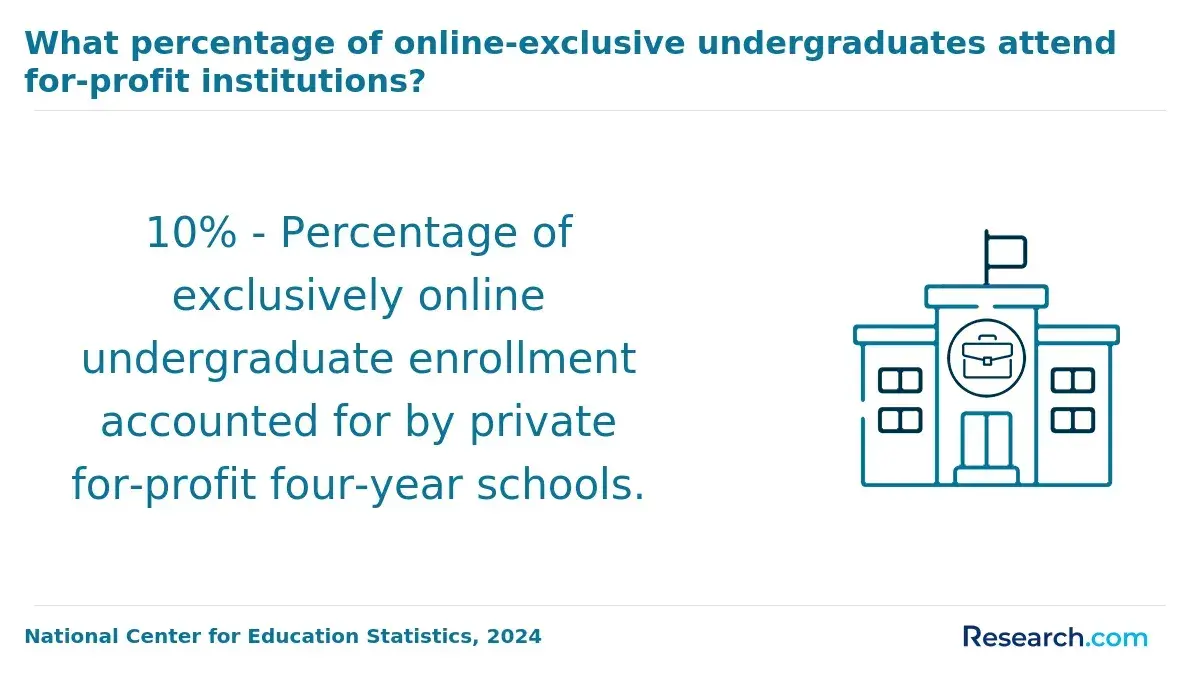
Regional accreditation, such as from the Middle States Commission on Higher Education or the Southern Association of Colleges and Schools Commission on Colleges, verifies that institutions meet rigorous academic standards, which is crucial for federal financial aid and credit transferability.
Institutional approvals and regulatory compliance for US clinical research management programs also require state education department authorization, ensuring programs are legally authorized to enroll residents and meet local requirements.
Programmatic accreditation relevant to health or research, like the Association for Clinical Research Training (ACRT) or endorsements from the Society of Clinical Research Associates (SOCRA), further validates curriculum quality and industry alignment.
Employers increasingly prefer graduates from accredited programs, as these credentials support eligibility for advanced certifications and align with regulatory demands. Graduates from unaccredited or only nationally accredited schools may encounter employment challenges.
The U.S. Bureau of Labor Statistics projects a 10% employment growth for medical scientists, a role closely tied to clinical research, between 2022 and 2032, signaling demand for well-qualified professionals.
Prospective students should verify accreditations through the U.S. Department of Education and confirm programmatic endorsements, especially if considering a project management degree online as complementary education.
What regulatory, GCP, and compliance skills do online clinical research management curricula typically cover?
Online clinical research management regulatory compliance training covers essential regulatory knowledge and skills aligned with Good Clinical Practice (GCP) standards.
These programs focus on U.S. Food and Drug Administration (FDA) regulations, International Council for Harmonisation (ICH) guidelines, and Health Insurance Portability and Accountability Act (HIPAA) requirements. Students gain expertise in protocol development, adherence monitoring, and ensuring patient safety alongside data integrity.
Curricula in clinical research management programs GCP standards coverage include clinical trial documentation, regulatory submissions such as Investigational New Drug (IND) applications, and compliance management.
Key areas involve identifying deviations, conducting audits, preparing inspection materials, and overseeing informed consent procedures that emphasize participant rights and ethical oversight. Risk management and corrective action planning also form vital components.
Practical, scenario-based learning helps students tackle real-world regulatory challenges, including Institutional Review Board (IRB) communications and safety reporting. Some courses may offer specialized training on clinical trial site management or sponsor oversight roles, supporting various career tracks within clinical research.
Mastering these competencies can significantly enhance career prospects. Average salaries for master's-level clinical research management roles range from $52,840 for Clinical Research Coordinators to $122,400 for Clinical Research Directors, with Clinical Trial Managers earning about $108,970.
Individuals seeking quality education might also explore options like this online hospitality management program for comparative insights in related fields.
What are the admission requirements and prior experience needed for online clinical research management degrees?
Admission requirements for online clinical research management degrees generally include a bachelor's degree from an accredited institution, ideally in biology, nursing, or health sciences. Most programs expect a minimum GPA around 3.0 on a 4.0 scale and sometimes require GRE scores, though waivers are common for those with relevant professional experience.
Applicants often benefit from prior healthcare or research experience, such as roles as a clinical research coordinator, data analyst, or regulatory affairs assistant. Typically, three years of related work or internships can enhance an application by showing familiarity with clinical trials, regulatory compliance, and data management.
Some programs admit students conditionally without experience but with strong academics, supplemented by preparatory coursework.
Professional certifications like Certified Clinical Research Professional (CCRP) or Certified Clinical Research Coordinator (CCRC) strengthen candidates' profiles by demonstrating regulatory knowledge and practical skills. A well-crafted statement of purpose should highlight experience with clinical protocols, ethical standards, and project management.
Financially, online degrees offer significant advantages. The National Center for Education Statistics reports the average two-year master's cost at nonprofit private institutions as $85,400, while affordable online clinical research master's programs average only $35,055. This stark difference makes online education more accessible without sacrificing quality.
Prospective students should carefully balance academic qualifications, experience or certifications, and the cost-efficiency and flexibility that online programs provide for advancing careers in regulatory and clinical research fields.
How long do online clinical research management programs take and what do they typically cost?
Online clinical research management programs typically vary from 12 to 24 months, depending on the degree level and course load.
Certificate or professional development courses can take as little as 6 months, while master's degrees usually require 18 to 24 months. Part-time study options are available, offering flexibility for working professionals, and some accelerated tracks exist, although they are less common.
Costs range widely across institutions: certificate programs often start around $2,000 to $5,000, whereas bachelor's or master's degrees typically cost between $15,000 and $50,000. Tuition depends on the institution's prestige, program format, and residency status.
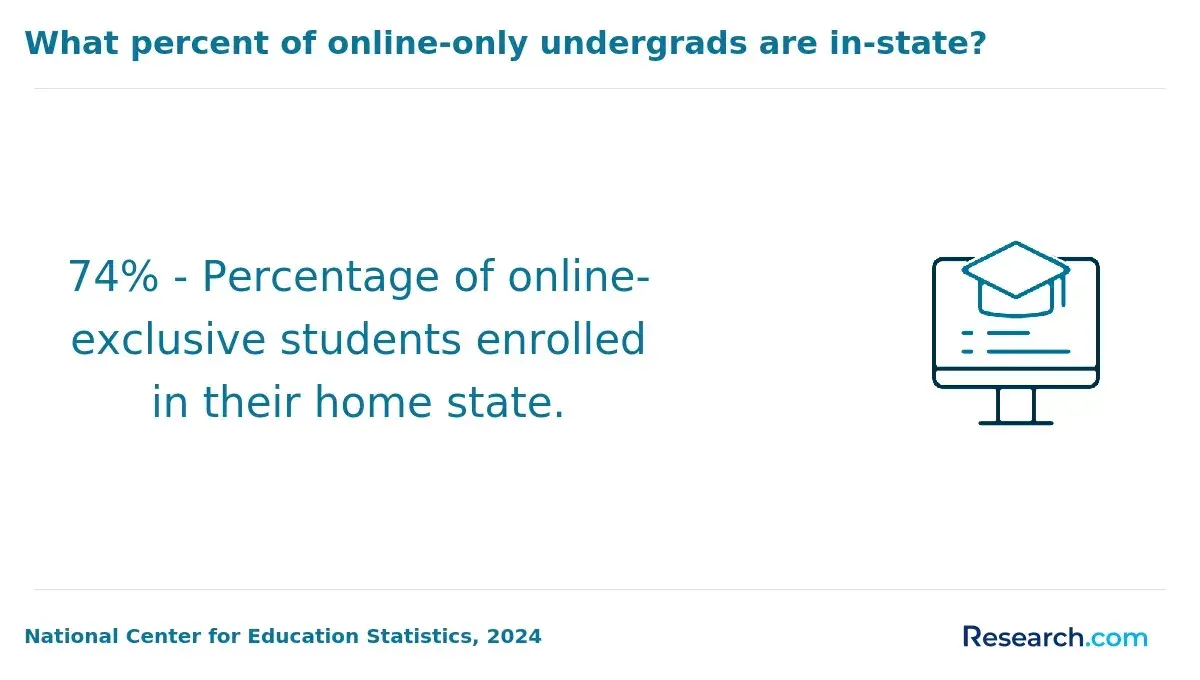
Public universities tend to have lower rates for in-state students, while private and specialized online schools are at the higher end. Financial aid, scholarships, and employer tuition reimbursement can help offset expenses.
Programs aligned with regulatory careers prepare students to manage the growing complexity of FDA, EMA, and global guidelines.
Growing industry regulations have increased average job posting durations for clinical research roles to 37-41 days, reflecting higher demand and competition for candidates with regulatory expertise.
Employer Confidence in Online vs. In-Person Degree Skills, Global 2024

What are the main regulatory and compliance career paths you can pursue with this degree?
Graduates with an online clinical research management degree have access to several vital regulatory and compliance career paths essential to clinical trials.
One key role is clinical research associate (CRA), who monitors trial sites to ensure compliance with protocols, regulations, and Good Clinical Practice (GCP) standards. CRAs play a central role in protecting participant safety and ensuring data integrity through audits and careful review of documentation.
Clinical data management is another important area, where professionals oversee data collection, validation, and cleaning, ensuring databases meet FDA and international regulatory standards.
According to workforce data cited by the Source, clinical data managers earn an average annual salary of $112,590, highlighting the value of expertise in data quality within regulated trials.
Other compliance-focused careers include quality assurance specialists who audit trial processes to verify regulatory adherence and manage risk, and regulatory affairs specialists who handle trial applications, Investigational New Drug submissions, and IRB approvals.
These roles demand thorough knowledge of FDA and global regulations to ensure smooth trial execution.
Additional positions such as risk management coordinators and compliance officers develop policies aligned with shifting regulatory landscapes. Graduates should consider certifications like Certified Clinical Research Professional (CCRP) or Regulatory Affairs Certification (RAC) to boost career prospects in these regulatory tracks.
What salary ranges and advancement opportunities exist in regulatory and clinical research management roles?
Salary ranges in clinical research management roles depend heavily on experience, position, and employer type. Entry-level clinical research coordinators typically earn between $55,000 and $75,000 annually.
Clinical research associates, who require more specialized skills, command salaries ranging from $70,000 to $95,000. Mid-level regulatory affairs specialists earn approximately $80,000 to $110,000, while senior regulatory managers and directors can earn over $140,000.
Career advancement often follows a path from coordinator to senior associate or specialist roles, progressing to leadership positions such as project manager, regulatory affairs director, or clinical operations head.
Success depends on mastering FDA and EMA regulatory guidelines, proficiency in clinical trial management systems, and strong cross-functional leadership skills.
Certifications like Regulatory Affairs Certification (RAC) or Certified Clinical Research Professional (CCRP) improve promotion chances and salary potential. The U.S. labor market includes about 1,260,000 research scientists and 111,000 medical scientists, but only roughly 5,400 clinical research coordinators and 13,000 clinical research associates, highlighting a niche with high demand and competitive pay.
Employers span pharmaceutical companies, contract research organizations, and academic medical centers. Senior roles may also lead to regulatory consultancy or executive management. Prospective students should align their education with these salary bands and advancement opportunities to target rewarding careers.
Are there professional certifications or credentials that complement a clinical research management degree for regulatory careers?
Professional certifications significantly enhance a clinical research management degree for regulatory career paths by validating specialized knowledge and boosting employability. Key credentials include the Certified Clinical Research Professional (CCRP) from the Society of Clinical Research Associates (SOCRA) and the Certified Clinical Research Coordinator (CCRC) offered by the Association of Clinical Research Professionals (ACRP).
These certifications demonstrate expertise in regulatory compliance, clinical trial operations, and ethical standards, addressing employer demands for practical skills.
Regulatory-specific certifications such as the Regulatory Affairs Certification (RAC) by the Regulatory Affairs Professionals Society (RAPS) provide targeted mastery of FDA regulations, international guidelines, and product development, critical for success in regulatory affairs roles within clinical research.
Obtaining these credentials requires documented clinical research experience, passing rigorous exams, and ongoing education to stay current with evolving regulations. Maintaining certifications supports career growth and longevity in this dynamic field.
Additional credentials like Good Clinical Practice (GCP) training and Human Subject Protection (HSP) are often required by employers and institutional review boards, reinforcing essential regulatory knowledge. Pursuing these enhances qualifications for roles such as clinical trial monitors, regulatory specialists, and compliance managers.
The average annual wage for a Clinical Research Scientist in 2024 was $119,980, surpassing many general healthcare master's roles and highlighting the competitive compensation linked to combining a clinical research management degree with key professional certifications in a demanding regulatory environment.
How can prospective students evaluate and choose a reputable online clinical research management program aligned with regulatory careers?
When evaluating online clinical research management programs, prioritize accreditation from recognized organizations such as the Association to Advance Collegiate Schools of Business (AACSB) or the Commission on Accreditation of Allied Health Education Programs (CAAHEP) to ensure educational quality and industry recognition.
The curriculum should address updated regulatory frameworks including FDA guidelines, Good Clinical Practice (GCP), and international standards to reflect the evolving demands of regulatory careers. Focus on programs integrating AI, decentralized trials, and electronic data capture, which are vital for modern clinical research.
Look for offerings that include practical case studies, internships, or partnerships with regulatory agencies to gain valuable hands-on experience. Faculty expertise in regulatory affairs or clinical trial oversight is essential to establish instructional credibility.
Review outcomes such as job placement rates in regulatory roles and typical salaries, noting that Clinical Trial Managers earn an average annual salary of $108,970, highlighting the importance of managing technology-enabled studies under changing regulations.
Flexible program formats like asynchronous or part-time options accommodate working professionals. Confirm if programs prepare students for certifications such as the Certified Clinical Research Professional (CCRP), which enhances employability. Also, investigate alumni networks and mentorship opportunities that support career advancement in regulatory environments.
Other Things You Should Know About Clinical Research Management
In 2027, clinical research managers encounter challenges like staying updated on rapidly changing regulations, ensuring compliance across international sites, managing complex documentation for regulatory submissions, and maintaining communication with diverse stakeholders to prevent delays and ensure successful studies.
Clinical research management programs often cover data management and biostatistics fundamentals, as accurate data collection and analysis are essential to study integrity and regulatory compliance. Understanding how to manage clinical trial data supports decision-making, reporting, and adherence to federal guidelines within research protocols.
Yes, professionals in clinical research management are typically expected to complete continuing education to stay current with evolving regulations, technologies, and best practices. Various organizations offer workshops, webinars, and certification renewal credits to support ongoing professional development.
Clinical research managers must navigate complex regulatory frameworks, handle protocol amendments, and ensure compliance with Good Clinical Practice standards. They also face challenges in coordinating multidisciplinary teams, managing timelines, and resolving issues related to data quality and participant safety throughout trial phases.
References
- Basics on Regulatory Requirements in Clinical Research - eLearning https://eccrt.com/basics-on-regulatory-requirements-in-clinical-research-elearning/
- Right Educational Path for a Career in Clinical Research https://medipharmsolutions.com/blog/choosing-the-right-educational-path-for-a-career-in-clinical-research/
- Online vs Hybrid vs Campus Learning in Healthcare: Which Is Right for You? https://www.edumed.org/articles/online-vs-hybrid-vs-campus/
- MS in Clinical Research Management https://www.unthealth.edu/college-of-biomedical-and-translational-sciences/degree-programs/ms-in-clinical-research-management.html
- Top Clinical Research Certifications to Boost Your Career https://ccrps.org/clinical-research-blog/top-clinical-research-certifications-to-boost-your-career
- Getting Started in Clinical Research - ACRP https://acrpnet.org/career-center/getting-started-in-clinical-research
- Online vs. On-Campus Clinical Research Courses: Which is Right for You? https://www.pharmiweb.com/press-release/2024-10-23/online-vs-on-campus-clinical-research-courses-which-is-right-for-you