2027 Best Online Clinical Research Management Degrees for Clinical Project Leadership

Co-Founder and Chief Data Scientist
Transitioning into clinical project leadership without a background in clinical research management poses significant challenges. Many face uncertainty about how to acquire the necessary knowledge and credentials while balancing current commitments. The complexity of clinical trials demands expertise in regulatory compliance, data integrity, and effective team coordination. Without formal education tailored to these needs, professionals often struggle to advance. This article explores the best online clinical research management degrees designed for working individuals aiming to lead clinical projects. It highlights flexible, accredited programs that equip students with skills to confidently manage clinical research and advance their careers.
Key Things You Should Know
- Online clinical research management degrees for 2026 emphasize leadership skills to meet rising demand, with the clinical research industry expecting a 9% job growth through 2032.
- Programs increasingly offer specialization in clinical project leadership, integrating regulatory compliance, data management, and team coordination to prepare graduates for senior roles.
- Accredited online degrees provide flexible learning and often include practical internships or collaborative projects to enhance real-world clinical trial management experience.
What is an online clinical research management degree?
An online clinical research management degree prepares students to lead clinical trials and research projects in healthcare and pharmaceuticals. These programs cover regulatory compliance, clinical trial design, data management, and ethical standards. Graduates gain the skills necessary to manage research teams, budgets, and timelines while ensuring adherence to Good Clinical Practice (GCP) guidelines. Options include certificates, bachelor's, and master's degrees, suitable for various career stages from entry-level coordinators to senior research managers.
Online clinical research management degree programs offer flexible learning tailored to professionals in healthcare, pharmaceutical companies, and research organizations. Through virtual labs, case studies, and interactive modules, students develop real-world decision-making skills essential for effective project leadership.
Career growth in this field is strong. The U.S. Bureau of Labor Statistics projects a 28% growth in employment for medical and health services managers, including many clinical research roles, adding approximately 144,700 new jobs from 2022 to 2032. Professionals in this sector often face challenges such as regulatory changes and coordinating multi-site trials, highlighting the value of skills like risk management, quality control, and team leadership taught in clinical research management degree online courses.
Prospective students should consider accredited programs offering experiential learning to gain practical readiness. This preparation is vital for those aspiring to lead clinical projects while ensuring scientific integrity and regulatory compliance. For insights on related career paths and earning potential, understanding the pharmaceutical rep salary can also be beneficial.
Which accreditation matters for clinical research management programs?
Regional accreditation from recognized U.S. bodies such as the Middle States Commission on Higher Education or the Southern Association of Colleges and Schools is essential for clinical research management program accreditation standards. This ensures institutions meet high academic criteria and that their degrees are valued by employers and licensing boards. Additionally, programmatic accreditation from organizations like the Association of Clinical Research Professionals (ACRP) or the Society of Clinical Research Associates (SoCRA) validates clinical research relevance and regulatory compliance.
Programs combining regional and programmatic accreditation offer quality education with practical training designed for clinical trial operations and project leadership. ACRP-accredited curricula focus on Good Clinical Practice (GCP) and study management skills, which are crucial in advancing a career in this field. Candidates from accredited clinical research management degrees in the US attract employer preference due to their strong foundational knowledge and ethical research practices.
The 2024 ACRP "Clinical Research Workforce" report highlights that clinical project managers in the U.S. earn a median base salary of $146,000, with graduate degree holders earning about 19% more, emphasizing the value of accredited graduate programs. Prospective students should confirm institutional and programmatic accreditation to qualify for certification exams and enhance career opportunities.
Many students also investigate degree options, including exploring online masters healthcare management programs, which can complement clinical research management education for broader career prospects.
How do online and campus-based clinical research programs compare?
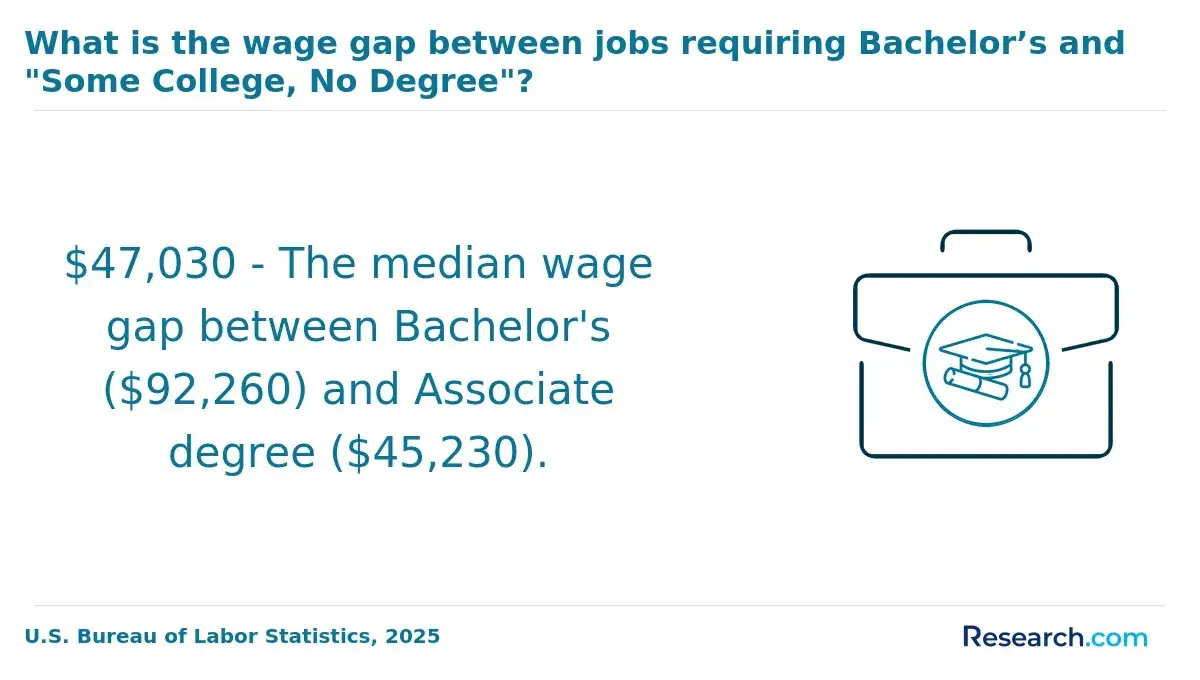
Online clinical research management degrees versus campus programs show comparable outcomes, with no notable difference in education quality or career advancement. A Wiley University Services survey reports 42% of online graduate students earned a promotion or salary increase while enrolled, and 86% experienced positive career effects within a year of program completion. Such data reflects growing employer acceptance of online credentials as equal to traditional ones.
Traditional campus programs provide hands-on opportunities like lab work and face-to-face networking, valuable for students wanting direct interaction and local industry ties. Meanwhile, online formats offer flexibility for working professionals balancing employment and education. They often include virtual simulations, group projects, and discussion forums that simulate in-person collaboration. These differences between online and traditional clinical project leadership education help students select the best fit for their needs.
Both program types maintain rigorous curricula focused on regulatory policies, trial management, and leadership skills necessary for clinical project leadership roles. Professionals aiming to advance careers without relocating or disrupting work may prefer online options. Immersive environments and immediate campus resources appeal more to those seeking on-site experiences.
Prospective students should consider work-life balance, learning preferences, and career goals. Interest in best online health information management degree CAHIIM accredited programs can offer further guidance on accredited online education tailored to healthcare fields.
What courses are included in a clinical research management curriculum?
Curricula for clinical research management degree courses online cover a wide range of essential topics designed to prepare students for leadership roles in clinical trials. Key courses often include clinical trial design and methodology, teaching the framework for developing and conducting studies. Regulatory affairs and compliance focus on FDA regulations, Good Clinical Practice, and ethical standards to ensure trials meet legal requirements.
Clinical project leadership curriculum content emphasizes skills in budgeting, team coordination, resource allocation, and risk management tailored to clinical settings. Additionally, students learn data management and biostatistics to analyze and interpret clinical data effectively. Pharmacology and drug development courses provide insight into therapeutic agents and the drug approval process.
Many programs offer advanced topics such as health economics, outcomes research, medical writing, and elective courses in global clinical trials, preparing graduates for a variety of challenges in international research environments. A 2024 report from EducationData.org highlights a 53% earnings premium within five years post-graduation despite average student loan debt around $58,000, indicating a strong return on investment for these degrees.
For those exploring related fields, an online hospitality management degree can also provide valuable management skills transferable across industries.
What admission requirements do online clinical research programs usually have?
Applicants to online clinical research management programs typically need a bachelor's degree from an accredited institution, often in fields like biology, nursing, or health sciences. Some programs accept diverse academic backgrounds but require prerequisites such as coursework in statistics, biology, or research methods. A minimum GPA of around 3.0 on a 4.0 scale is commonly expected to demonstrate academic competence.
In addition to educational qualifications, candidates must often submit letters of recommendation, a statement of purpose outlining career objectives, and a resume or CV that highlights relevant experience. Many programs favor applicants with professional experience in healthcare, research coordination, or clinical trial settings. This aligns with findings from a 2024 ACRP skills gap survey, which revealed that 72% of clinical research employers struggle to find candidates with strong project management and leadership skills, while 63% cite insufficient regulatory and quality management expertise.
Interviews may be part of the admissions process to evaluate communication skills and critical thinking. International students usually need to provide proof of English proficiency, such as TOEFL or IELTS scores. Requirements vary across certificate, master's, and doctoral levels, so thorough review of each program's admissions guidelines is essential. Many programs also expect foundational knowledge of clinical trial processes and regulations to prepare students for industry demands.
How long does an online clinical research management degree take?
Online clinical research management degree programs generally take between 18 months and three years to complete, depending on enrollment status and program design. Full-time students typically finish within 18 to 24 months, while part-time learners-often working professionals-may take closer to three years. Many programs offer flexible pacing and asynchronous coursework to accommodate busy careers.
Program length varies due to credit requirements and elective selections. Master's degrees usually demand 36 to 42 credits, delivered through semesters or accelerated modules. Some schools include summer sessions or accelerated tracks, which can shorten the time needed. Specializations, such as regulatory affairs or project leadership, might extend the study period but enhance professional expertise.
Data from Drexel University's online MS in Clinical Research Organization and Management reveal that over 80% of students are working professionals with at least two years of clinical research experience, highlighting the focus on mid-career advancement. Prospective students should consider:
- Credit requirements and transfer credit policies
- Part-time study options
- Course availability and scheduling
- Prior learning assessments that may reduce coursework
Expect a minimum of 18 months for full-time study, with flexibility extending to three years for part-time learners pursuing online clinical research management degrees.
How much do online clinical research management degrees cost?
Online clinical research management degrees range widely in cost, generally between $10,000 and over $50,000 for full graduate programs. Data from the U.S. Department of Education's College Scorecard highlights a notable tuition gap: public universities offer graduate programs in health and clinical sciences with median annual costs about 41% lower than private nonprofit institutions. This difference can greatly influence the return on investment for students pursuing these degrees.
Public universities often have lower tuition due to state subsidies, making them a more budget-friendly choice for quality education without excessive debt. For instance, in-state tuition at public schools can be as low as $8,000 annually, while private nonprofit institutions typically charge $20,000 or more each year.
Additional expenses include fees, textbooks, and technology requirements for online programs, adding several hundred to a few thousand dollars yearly. Some clinical research management programs offer accelerated tracks or stackable certificates, which provide flexible pricing and may reduce total tuition.
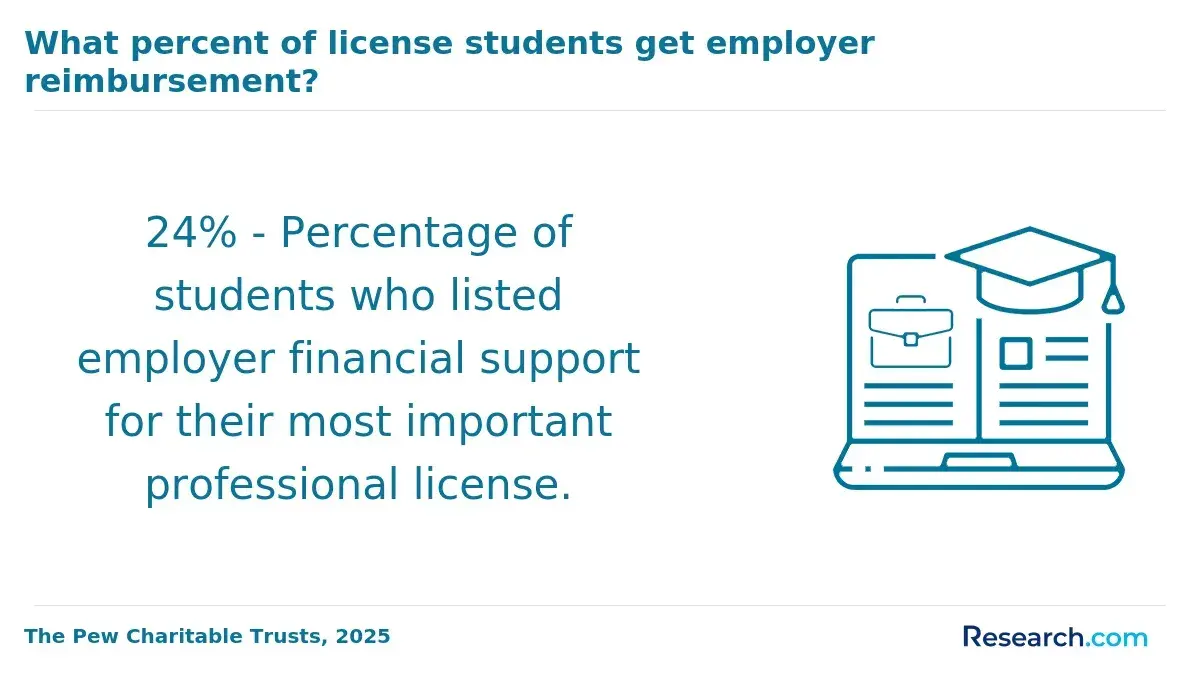
Financial aid options-such as scholarships, employer tuition reimbursement, and federal loans-are important to explore for lowering overall costs. Comparing total program expenses alongside potential career earnings aids in selecting the most suitable degree path.
What jobs can clinical research management graduates pursue?
Graduates with an online clinical research management degree can access a wide range of impactful careers in healthcare and pharmaceuticals. Typical roles include clinical project manager, responsible for planning and overseeing clinical trials while ensuring regulatory compliance, and clinical operations lead, who manages site coordination and trial schedules.
Other opportunities feature clinical research coordinator, who handles daily study procedures at research sites, and regulatory affairs specialist, focusing on adherence to FDA and international standards. Data managers are essential for maintaining trial data accuracy, while quality assurance auditors confirm alignment with protocols and Good Clinical Practice (GCP).
Additional positions include medical science liaison, bridging the gap between pharmaceutical companies and healthcare providers, and biostatistician, analyzing data to evaluate treatment outcomes. Those interested in drug development may pursue clinical trial monitor roles, involving site visits and performance assessments.
The clinical trials market is projected to increase from $65.5 billion in 2023 to $105.3 billion by 2030, growing at a 7.0% compound annual growth rate (CAGR). This expansion drives demand for skilled professionals adept at cross-functional team coordination, regulatory complexity, and accelerated timelines. New graduates armed with strong management skills can contribute to innovative areas like digital trial management and patient recruitment strategies.
What salary can clinical research managers expect?
In the United States, clinical research managers earn between $85,000 and $140,000 annually, influenced by experience, location, and employer size. Entry-level positions start near $85,000, while experienced managers overseeing multiple trials or large teams often earn above $130,000. Metropolitan areas and pharmaceutical industry leaders tend to offer salaries at the higher end of this range.
Certification plays a crucial role in salary and career growth. According to the Association of Clinical Research Professionals (ACRP) 2024 data, holders of ACRP certification earn 15-20% more on average than non-certified peers and enjoy 30% higher promotion rates. This reflects stronger recognition and advancement opportunities within project management, budgeting, and regulatory compliance.
Key benefits of certification and professional development include:
- Access to leadership roles with complex responsibilities
- Higher earning potential-over $130,000 for certified managers with 5+ years' experience
- Improved career advancement and job security
Job seekers should evaluate employer support for continuing education and credentialing as part of their career planning. Prioritizing educational credentials offers a strategic path to maximize compensation and success in clinical research management careers.
Which certifications support a career in clinical project leadership?
Certifications significantly enhance career prospects in clinical research management by proving expertise in project oversight, regulatory compliance, and trial coordination. The Project Management Professional (PMP) credential from the Project Management Institute is highly regarded for developing advanced skills in managing complex clinical trial timelines and cross-functional teams. The Society of Clinical Research Associates (SOCRA) offers the Certified Clinical Research Professional (CCRP) certification, which validates knowledge of clinical trial regulations, ethical standards, and data integrity crucial for leadership roles.
The Association of Clinical Research Professionals (ACRP) provides specialized certifications like Certified Clinical Research Coordinator (CCRC) and Certified Clinical Research Associate (CCRA), helping professionals demonstrate competence in site and study management. The Regulatory Affairs Certification (RAC) is another prominent credential for those focused on compliance and navigating evolving FDA and global guidelines.
Emerging trends emphasize decentralized and hybrid clinical trials, with over 50% of new interventional studies incorporating these models. Certifications or training focused on remote site management, virtual trial operations, and digital platforms-such as electronic data capture (EDC) systems and telemedicine coordination-are increasingly valuable.
Employers prefer candidates holding multiple certifications, such as PMP combined with CCRP or ACRP credentials, to lead multi-site trials in today's dynamic, digital clinical research environment.
Other Things You Should Know About Clinical Research Management
Effective communication, strong organizational abilities, and attention to detail are crucial skills for clinical research management professionals. Leadership skills help guide teams through complex projects, while knowledge of regulatory requirements ensures compliance. Analytical thinking and problem-solving skills also support the successful oversight of clinical trials and study protocols.
Clinical research management plays a vital role in maintaining patient safety by ensuring adherence to ethical standards and regulatory guidelines during trials. Managers oversee data monitoring and risk assessments to identify and address any adverse events promptly. Their work helps protect participants and maintain the integrity of the clinical research process.
Challenges in clinical research management often include navigating complex regulatory environments and managing diverse stakeholder expectations. Budget constraints and recruitment difficulties can affect project timelines. Additionally, ensuring data quality and managing technology platforms require continuous attention to maintain project accuracy and efficiency.
In 2027, top universities offering the best online degrees for clinical research management include Johns Hopkins University, Drexel University, and George Washington University. These programs are recognized for their rigorous curriculum, experienced faculty, and strong networking opportunities in the field of clinical project leadership.
References
- What is Clinical Research Training? | CCRPS https://ccrps.org/clinical-research-blog/what-is-clinical-research-training
- ACRP Certification https://acrpnet.org/certification
- Online vs Hybrid vs Campus Learning in Healthcare: Which Is Right for You? https://www.edumed.org/articles/online-vs-hybrid-vs-campus/
- How Do Online and Offline Clinical Research Courses Compare? - Clinical Research Courses FAQ | VIARES https://viares.com/blog/clinical-research-courses-faq/how-do-online-and-offline-clinical-research-courses-compare/
- Why Professional Accreditation Matters in Clinical Research https://professionals.iaocr.com/blogs/news/why-professional-accreditation-matters-in-clinical-research
- Medvarsity https://www.medvarsity.com/blog/career-opportunities-msc-clinical-research
- From Academia to Clinical Research: Q+A https://www.medpace.com/careers/blog/from-phd-to-clinical-research/
- Clinical Project Leader Qualifications, Skills & Experience https://jobs.parexel.com/en/Project-Leader-qualifications-experience-skills
- Certified Clinical Research Project Manager (CCRP) https://charteredcertifications.com/learning/courses/ccrp
- Curriculum Overview - Master's Program in Clinical Research Management https://school.wakehealth.edu/education-and-training/graduate-programs/clinical-research-management-ms/curriculum