2027 Best Online Master's in Clinical Research Management for Promotion Into Research Leadership

Co-Founder and Chief Data Scientist
Professionals with unrelated undergraduate degrees often face challenges breaking into clinical research management leadership roles due to industry-specific knowledge gaps and limited credentials. Many find that advancing without formal education tailored to clinical research can stall career growth and reduce competitive advantage in leadership selections. Flexible, accredited online programs offer a practical solution by providing targeted expertise and management skills without the need to pause employment.
This article explores the best online master's programs in clinical research management designed to equip career changers with the credentials and knowledge needed to successfully transition into research leadership positions.
Key Things You Should Know
- Online master's programs in clinical research management increasingly emphasize leadership skills to meet a 15% projected job growth in clinical research management roles through 2031.
- Most 2026 curricula integrate regulatory knowledge with data analytics, crucial for managing complex clinical trials and ensuring compliance with FDA and global standards.
- Graduates often see salary increases averaging 20%, with leadership positions in pharmaceutical and biotech sectors demanding advanced clinical research management expertise.
What is an online master's in clinical research management and who is it best for?
An online master's in clinical research management programs prepares professionals for leadership roles managing clinical trials, ensuring regulatory compliance, and supervising research teams. The curriculum typically covers clinical protocol development, biostatistics, regulatory affairs, and ethical considerations, equipping students to handle the entire lifecycle of clinical studies in healthcare, pharmaceuticals, and academic research settings.
The best candidates for clinical research management degrees include healthcare practitioners, scientists, and research coordinators seeking advancement into managerial or executive roles. Current clinical research associates, study coordinators, and data managers often pursue this degree to enhance project oversight and regulatory expertise. It also benefits graduates in life sciences or health sciences aiming to specialize in clinical study management while benefiting from the flexibility of online learning.
The average total tuition for affordable online master's in clinical research programs is $35,055, much lower than the average cost of master's programs at public institutions ($59,440) and private nonprofit schools ($85,400). This affordability broadens access for professionals seeking career growth without excessive debt.
Students should focus on programs that offer practical training in study design, regulatory submissions, and leadership skills. Graduates are well-prepared to address challenges such as patient recruitment, data integrity, and coordination of multi-site trials essential to complex research environments.
For those interested in related advanced degrees, exploring online PharmD programs can provide further opportunities in pharmaceutical sciences and clinical research.
How do online clinical research management master's programs work compared with campus options?
Online clinical research management master's program structure offers significant flexibility through asynchronous lectures and digital resources, enabling students to progress at their own pace while balancing work and personal commitments. These programs often include live webinars or virtual meetings to encourage interaction, paralleling campus experiences. Practical training typically involves virtual simulations, case studies, and remote research projects, with some programs partnering with clinical sites for local internships to provide hands-on experience.
Differences between online and campus clinical research management degrees include access to on-site labs and clinical trials on campus, benefiting those seeking immersive environments, while online students gain adaptability and broad access to current regulatory and technological advancements. The growth in clinical trials spending, projected to reach $78.3 billion by 2030, emphasizes the rising demand for skilled professionals and drives program updates to align with industry standards.
Prospective students should carefully evaluate program accreditation, faculty expertise, and networking opportunities such as live case competitions and professional workshops available in online formats. For those comparing options, examining an accelerated construction management degree might also provide insight into similar flexible, industry-aligned education models.
Which accreditation and quality standards should online clinical research management programs meet?
Online clinical research management programs must meet strict accreditation standards to ensure quality and credibility. Regional accreditation by recognized U.S. agencies like the Higher Learning Commission (HLC) or Middle States Commission on Higher Education (MSCHE) confirms that institutions meet rigorous academic and administrative requirements. Additionally, quality assurance criteria for online clinical research management degrees often include specialized accreditation or endorsements from industry bodies such as the Association for Clinical Research Training (ACRT) or alignment with the Society of Clinical Research Associates (SoCRA) guidelines.
The curriculum's relevance is critical, covering key areas like regulatory affairs, clinical trial design, data management, ethics, and project leadership. Programs that integrate practical case studies or collaborate with health organizations enhance real-world skills and employer appeal. Faculty expertise is another vital factor; instructors should have substantial clinical research experience, including leadership roles or involvement in regulatory advancements, with curricula updated to reflect evolving FDA regulations and Good Clinical Practice (GCP) standards.
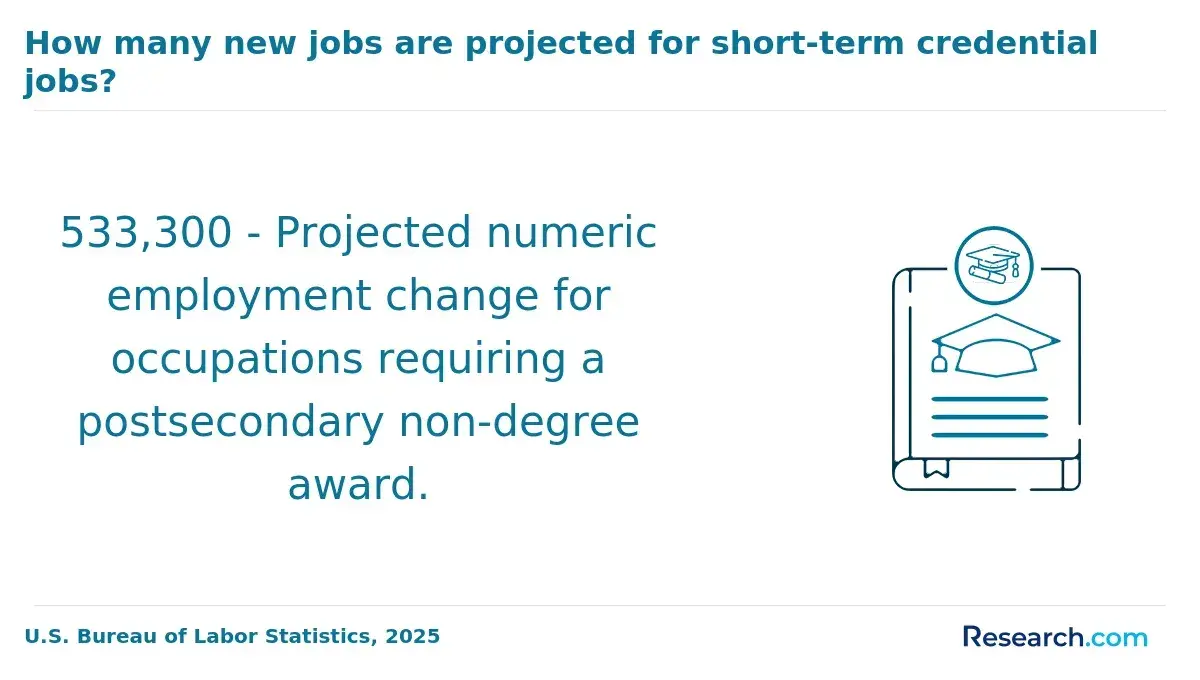
Graduates of online clinical research management programs enter a field projected to grow 28% from 2022 to 2032, adding about 144,700 new jobs, per U.S. Bureau of Labor Statistics data. Selecting accredited, high-quality programs helps students stay competitive within this expanding job market. For those also interested in related fields, options like a health information management degree online offer alternative pathways in healthcare administration.
What courses and specializations are typically included in a clinical research management master's curriculum?
A clinical research management master's degree courses typically combine essential core subjects and specialized tracks to prepare students for leadership in research and regulatory compliance. Core coursework often covers clinical trial design, research ethics, regulatory affairs, biostatistics, and data management to ensure effective and ethical study oversight.
Specializations in clinical research management programs commonly include:
- Regulatory affairs and compliance with FDA and global standards
- Project management focused on clinical trial execution
- Health informatics and data analysis for managing extensive datasets
- Pharmaceutical development and drug safety surveillance
- Leadership and organizational skills within research settings
Practical components such as internships or capstone projects enhance skills in budgeting, team coordination, and stakeholder communication-key for research leadership roles. Many programs also integrate courses on emerging technologies like electronic data capture and decentralized clinical trials, reflecting industry trends.
A strategic emphasis on compliance and quality assurance equips graduates to manage risk and uphold study integrity. Considering the median annual wage for medical and health services managers is $110,680, with top earners surpassing $209,990, specializing in clinical research management opens pathways for career growth in healthcare and pharmaceuticals. Those exploring career advancement may wonder is a project management degree worth it, as project management expertise is integral to clinical research success.
What are the typical admission requirements for an online master's in clinical research management?
Admission to an online master's in clinical research management typically requires a bachelor's degree from an accredited institution, often in life sciences, nursing, pharmacy, public health, or healthcare administration. A minimum GPA of around 3.0 on a 4.0 scale is usually expected, though some programs accept lower GPAs when paired with additional qualifications or relevant experience. Applicants must provide official transcripts to verify their academic background.
Professional experience in clinical research, healthcare, regulatory affairs, or trial coordination is highly valued, often ranging from 1 to 3 years. This experience demonstrates familiarity with research protocols and regulatory matters. Some programs may waive this requirement for applicants with strong academic records or certifications related to clinical research. Standardized tests like the GRE are less commonly required but may still be requested by certain schools.
Applicants often submit a personal statement outlining career goals and motivation, along with two or three letters of recommendation that highlight academic and professional potential. International students must typically prove English proficiency through TOEFL or IELTS scores.
The demand for clinical research leadership is growing, with a 30% increase in registered clinical studies on ClinicalTrials.gov, underscoring the need for candidates with leadership skills and strategic vision aligned to this field's expansion.
How long does an online clinical research management master's take and what does it cost?
An online master's in clinical research management generally takes about two years for full-time students. Accelerated options can reduce this to 12-18 months, while part-time enrollment, common among working professionals, may extend the timeline to three or more years depending on scheduling flexibility. Programs typically include core courses, electives, and a capstone or practicum to provide hands-on experience.
Tuition costs vary widely. The average annual tuition for master's programs at public institutions is approximately $29,720. However, more affordable online clinical research master's programs noted by BestColleges average about $17,500 per year, leading to a total around $35,000 for two years. Additional fees for technology, course materials, or clinical placements may apply, so requesting a detailed cost breakdown is important.
When evaluating programs, consider factors like accreditation, faculty expertise, and career support services. Accelerated tracks may have higher per-credit costs but allow faster entry into leadership roles, improving return on investment. Part-time options offer flexibility to balance professional and academic commitments, though studies take longer.
Financial aid, scholarships, and employer tuition reimbursement help reduce expenses. Careful assessment of program length, cost, and outcomes can guide prospective students toward selecting a clinical research management master's degree that fits their career goals and budgets.
What leadership and advanced career roles can this degree prepare you for in research?
Graduates with an online master's degree in clinical research management can pursue leadership and specialized roles in the research industry that focus on clinical trial oversight, regulatory compliance, and strategic project management. Key advanced career options include clinical research manager, responsible for directing multi-site trials with attention to protocol adherence and data integrity, and regulatory affairs director, who handles complex FDA and international regulations.
Other opportunities include project manager roles that coordinate teams and budgets for large studies and clinical operations director positions overseeing trial execution and resource allocation. Quality assurance managers focus on maintaining compliance with Good Clinical Practice (GCP) standards. Executive leadership roles such as director of clinical development or chief clinical officer involve managing broad research portfolios and aligning operational goals.
Professionals with practical experience and an advanced degree are equipped to address challenges like accelerating trial timelines without sacrificing data quality and managing adaptive trial designs that require regulatory negotiation. Many graduates also transition into consultancy roles advising sponsors or CROs on protocol optimization and risk management.
Drexel University's online MS in clinical research organization and management charges $1,412 per credit for 2026-2027, with a base tuition of about $50,832 for the 36-credit program before fees and aid. This investment reflects the high level of expertise and leadership training the program offers graduates.
What salary ranges and earning potential can graduates in clinical research management expect?
Graduates with a master's degree in clinical research management can anticipate starting salaries between $70,000 and $90,000 annually. Mid-level roles often earn from $95,000 to $130,000, while senior leadership positions-such as director of clinical operations or research program manager-command salaries ranging from $140,000 to $180,000 or more, varying by institution and location. Pharmaceutical companies and contract research organizations typically offer higher pay than academic or nonprofit research settings.
Salary growth closely aligns with expertise in trial design, regulatory affairs, and data management. Over 50% of master's programs emphasize these areas, preparing graduates for leadership roles that merit top compensation.
Certifications like Certified Clinical Research Professional (CCRP) or Project Management Professional (PMP) can boost earnings by 10-20%, especially with hands-on experience. Those managing multi-site clinical trials or diverse teams achieve the highest premiums. Geographic hubs with substantial biotech or pharmaceutical activity-such as Boston, San Francisco, and Washington D.C.-also present stronger salary opportunities.
Advancement depends on skills in compliance oversight, budgeting, and strategic planning. Rapid growth in these sectors enhances earning potential, making regulatory expertise and effective data management essential for securing top-tier roles and compensation.
What is the job outlook for clinical research managers and research leaders in the U.S.?
The demand for clinical research managers and research leaders in the U.S. is expected to remain strong through 2026, driven by the increasing complexity of clinical trials, stricter regulations, and growth in pharmaceutical and biotechnology sectors. Employment for medical and health services managers, including clinical research managers, is projected to grow about 28% between 2021 and 2031, significantly faster than the average for all occupations.
Advanced degrees paired with relevant experience are highly valued. Many online clinical research management master's programs require applicants to have at least 2 years of relevant professional experience. This mid-career focus stems from the need for professionals capable of managing complex projects, leading multidisciplinary teams, and navigating regulatory compliance.
Typical responsibilities include overseeing clinical trial protocols, managing budgets, ensuring data integrity, and working with regulatory bodies. Experienced managers frequently move into leadership roles such as director of clinical operations or research program director, which offer increased salaries and broader duties.
Industries hiring clinical research managers include pharmaceutical companies, contract research organizations (CROs), academic medical centers, and government agencies. Professionals who maintain certifications and gain expertise in areas like decentralized trials and real-world evidence analysis enhance their career prospects.
How can you choose a reputable online clinical research management program aligned with your goals?
Accreditation is a crucial factor when selecting an online clinical research management program, as it ensures the curriculum meets recognized academic standards valued by employers and licensing bodies. Review the curriculum carefully to confirm it includes essential topics like regulatory compliance, clinical trial operations, data management, and leadership. Programs offering practical experiences such as internships or research projects can provide valuable real-world preparation.
Faculty expertise is another key consideration. Instructors actively involved in current clinical research or leadership roles bring updated industry insights. Look for programs incorporating digital tools and decentralized trial methodologies, reflecting current trends in the field.
Align program outcomes with your career goals. Aspiring leaders should prioritize courses on management, ethics, and strategic planning, while those interested in regulatory affairs should seek strong regulatory science content. Flexibility is important, especially for working professionals; part-time options, asynchronous classes, and career support services enhance the learning experience.
The demand for clinical research managers continues to grow, fueled by an expanding global clinical trials market projected to increase from $60 billion in 2023 to $84 billion by 2030 with a 5-6% CAGR. This growth emphasizes the need for leaders skilled in managing complex, technology-driven research environments.
Other Things You Should Know About Clinical Research Management
Effective clinical research management requires strong project management skills, including planning, budgeting, and scheduling. Attention to detail is critical to ensure compliance with regulatory requirements and data integrity. Communication and leadership abilities are also essential for coordinating multidisciplinary teams and maintaining relationships with stakeholders.
Clinical research management ensures that clinical trials are conducted efficiently, ethically, and in compliance with regulatory standards. By overseeing study protocols and data collection, clinical research managers help generate reliable results that support the development of new treatments and therapies. Their role is vital in bridging scientific innovation with patient care improvements.
An online Master's in Clinical Research Management provides flexibility for professionals aiming for leadership roles. In 2027, such programs emphasize skills in regulatory compliance, budget management, and team leadership, preparing graduates to effectively oversee clinical trials and contribute to innovative healthcare solutions.
Yes, professionals with expertise in clinical research management can transition into executive roles such as healthcare administration, regulatory affairs, or pharmaceutical product development. Their knowledge of clinical processes and regulatory compliance equips them to oversee broader operational functions in healthcare and life sciences organizations.
References
- Top 25 Clinical Research and Clinical Research Management Master's Degree Programs - Healthcare Management Degree Guide https://www.healthcare-management-degree.net/best/clinical-research-clinical-research-management-masters-programs/
- Clinical Research Quality Assurance Explained | CCRPS https://ccrps.org/clinical-research-blog/clinical-research-quality-assurance
- Clinical Research Management (MS – online) - Biomedical Science Graduate Programs https://school.wakehealth.edu/education-and-training/graduate-programs/clinical-research-management-ms
- Quality Management in Clinical Research https://researchreadytraining.co.za/quality-management-in-clinical-research-1-day/
- How to Choosing the Right Contract Research Organization https://clinmax.com/choosing-contract-research-organization/
- Right Educational Path for a Career in Clinical Research https://medipharmsolutions.com/blog/choosing-the-right-educational-path-for-a-career-in-clinical-research/
- Growing into leadership as an academic https://www.academictransfer.com/en/blog/growing-into-leadership-as-an-academic/
- Clinical Research Associate (CRA) Career Path https://pathologylabtraining.co.uk/biomedical-sciences/cra-careers
- Clinical Research Manager https://www.abpi.org.uk/careers/job-case-studies/clinical-research-manager/
- Top 5 Online Master’s In Clinical Research Of 2021 | GradSchoolHub.com https://www.gradschoolhub.com/best/online-masters-in-clinical-research/