2027 Best Online Clinical Research Management Degrees for Pharmacovigilance Careers

Co-Founder and Chief Data Scientist
Facing the challenge of entering pharmacovigilance without prior experience or a directly related degree can feel overwhelming. Professionals seeking a career pivot often struggle to find flexible, accredited programs that balance rigorous training with practical applicability.
The complexity of clinical trial oversight and drug safety demands specialized knowledge that most generalist degrees lack. This article outlines the best online clinical research management degrees tailored to pharmacovigilance careers. It aims to guide prospective students through program options designed to equip them with essential skills and credentials, enabling a successful transition into this vital healthcare sector.
Key Things You Should Know
- Online clinical research management degrees increasingly emphasize pharmacovigilance, addressing growing industry demand for drug safety specialists with regulatory knowledge and data analysis skills.
- Programs often combine coursework in clinical trial operations, adverse event reporting, and FDA regulations, preparing graduates for roles in drug safety monitoring and risk assessment.
- The Bureau of Labor Statistics projects a 9% growth in clinical research-related occupations through 2031, highlighting strong job prospects for graduates with focused pharmacovigilance expertise.
What is a clinical research management degree for pharmacovigilance careers?
A clinical research management degree for pharmacovigilance careers provides specialized training to oversee drug safety through clinical trials and post-market monitoring. Focus areas include drug safety regulations, adverse event reporting, risk management, and data analysis to improve patient outcomes. Graduates learn to manage clinical protocols while ensuring regulatory compliance with agencies like the FDA and EMA.
Students in clinical research management programs in pharmacovigilance develop skills to interpret clinical data and identify safety risks affecting public health. Their coursework typically covers pharmacology, biostatistics, clinical trial design, and regulatory affairs. Practical experience might involve analyzing real-world drug safety data to assess potential hazards, vital for pharmacovigilance roles.
Programs often offer electives or concentrations dedicated to drug safety and post-marketing surveillance. Emphasis on project management prepares students to coordinate multidisciplinary teams and meet reporting deadlines. With the pharmacovigilance market valued at $10.1 billion and expected to grow to $17.3 billion by 2031 at a 7.8% CAGR, career prospects are promising.
Graduates can pursue careers such as drug safety associate, clinical research coordinator, or pharmacovigilance officer. Advanced training also opens opportunities in regulatory affairs and quality assurance. Prospective students interested in the best online pharmacy school may find valuable options to advance their careers in this evolving field at best online pharmacy school.
Which accreditation matters for online clinical research programs?
Regional accreditation recognized by the U.S. Department of Education or the Council for Higher Education Accreditation (CHEA) is crucial for any online clinical research management program accreditation. This type of accreditation ensures the institution adheres to strict academic and administrative standards, which enhances graduate employability and facilitates credit transfer and eligibility for federal financial aid.
Beyond institutional accreditation, program-specific accreditations from bodies such as the Association of Clinical Research Professionals (ACRP) or the Society of Clinical Research Associates (SOCRA) add significant value by aligning coursework with industry standards in pharmacovigilance and clinical trials management. While specialized certifications complement a degree, regional accreditation remains the foundation for professional recognition and career advancement.
Employers prefer candidates from accredited programs because of the rigor and compliance training these programs provide. The U.S. Bureau of Labor Statistics projects a 28% growth in medical and health services manager roles, including clinical research managers, highlighting the increasing demand for qualified professionals.
Students should confirm both institutional accreditation and relevant certifications before enrolling as programs without proper accreditation may hinder licensure and career prospects. For those seeking related studies, consider exploring online accelerated project management degree programs, which can complement clinical research skills in managing healthcare projects.
Choosing the best accreditations for clinical research management degrees maximizes professional trust and future opportunities in this rapidly expanding field.
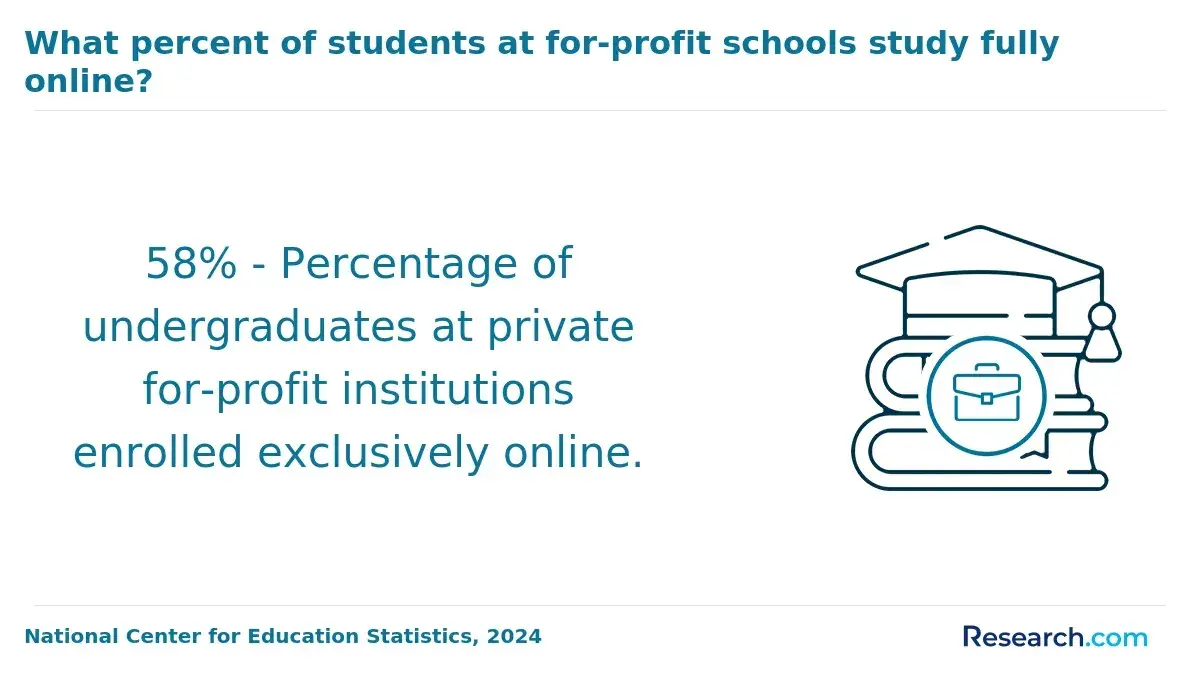
Are online or campus programs better for working adults?
Online clinical research management programs for working adults provide essential flexibility, allowing students to balance coursework with full-time jobs and family responsibilities. These programs often offer asynchronous courses that let students progress at their own pace, which is ideal for those managing demanding schedules.
However, synchronous virtual sessions and cohort models can enhance peer interaction, though they may reduce scheduling flexibility. This balance is critical given that clinical research scientists earn an average annual wage of $119,980, while directors make about $122,400, emphasizing the financial benefit of advancing education without interrupting income.
When comparing campus vs online clinical research management degrees for professionals, campus options provide direct faculty access, hands-on lab experiences, and stronger local networking opportunities. These benefits support building industry connections and practical skills.
Hybrid programs blend online convenience with some in-person engagement, which might appeal to adults seeking a more tailored experience. Career services and internship placements differ too: campus programs often offer on-site experiences, while many top online programs now provide virtual internships and remote project collaborations.
For professionals considering further education, exploring related fields can also be useful. For example, some might find value in expanding their skill set through construction management courses, which share project management principles applicable in clinical settings.
What coursework appears in pharmacovigilance-focused programs?
Pharmacovigilance coursework in clinical research management programs centers on developing expertise in drug safety, regulatory requirements, and data analysis. Core topics cover adverse event reporting, risk management strategies, and adherence to pharmacovigilance regulations such as FDA and EMA guidelines. Students gain skills in monitoring and preventing drug-related risks through training in signal detection techniques and safety database management.
Key pharmacovigilance subjects in online clinical research management degrees often include foundational courses in clinical trial design and drug development to provide context for safety monitoring. Biostatistics and epidemiology training enables accurate interpretation of safety data and the design of post-marketing surveillance studies. Informatics and database management help students navigate software essential for tracking adverse events and submitting reports.
Programs also emphasize global regulatory compliance, preparing graduates to work with international safety standards. Coursework in risk communication and medical writing builds abilities to document and present safety findings effectively. Ethical considerations related to patient safety form a vital part of the curriculum, frequently reinforced through case studies, internships, or capstone projects.
Given the high cost of advanced education, tuition for a two-year master's degree at public institutions averages $59,440, while online options can reduce this to about $35,055.
Comparing curriculum rigor alongside cost is critical when selecting a program tailored to pharmacovigilance careers. For professionals considering further education, exploring an online master's degree in mental health counseling may also offer relevant clinical research management opportunities and flexible learning options.
What admission requirements do these degree programs usually ask for?
Admission to online clinical research management degrees focused on pharmacovigilance careers generally requires a bachelor's degree in relevant fields such as life sciences, nursing, pharmacy, or healthcare administration. Programs often seek applicants with foundational knowledge in biology, chemistry, or medical terminology.
Some master's programs impose a minimum GPA, commonly around 3.0, and may request letters of recommendation, a statement of purpose, and relevant experience in clinical or pharmaceutical settings.
Applicants without direct healthcare backgrounds can boost their eligibility by completing prerequisite courses in pharmacology or clinical research methods. Professional certifications, like a pharmacovigilance certificate, might provide advanced standing or waive introductory courses, speeding up program completion.
Standardized tests such as the GRE are increasingly optional but still required by some schools. International applicants must submit verified transcripts and prove English proficiency through TOEFL or IELTS scores. Computer literacy and preparedness for online learning environments are also evaluated.
Career outcomes vary significantly by credentials: graduates with a bachelor's plus a pharmacovigilance certificate may earn $55,000 to $95,000 annually as entry-level drug safety associates, while those with an MD and the certificate can command $200,000 to $300,000 as medical directors. These figures align with data shared by Loyola University Chicago referencing Glassdoor and Paysa for 2025-2026.
How long does an online clinical research management degree take?
The duration of online clinical research management degrees varies by level and program structure. Associate degrees usually take about 2 years of full-time study, while bachelor's degrees require 3 to 4 years. Master's programs typically last 18 to 24 months, with some accelerated options reducing this to 12 months.
Many programs offer part-time enrollment to accommodate working professionals, often extending completion time by one to two years. Flexible pacing options help students balance coursework with career and personal commitments.
Program formats can affect completion time:
- Accelerated tracks or competency-based models allow faster progression by demonstrating mastery of coursework.
- Research-intensive or thesis-driven degrees may take longer due to additional requirements.
Core coursework includes pharmacovigilance, clinical trial regulations, and data management to meet market demands. The global pharmacovigilance contract outsourcing segment is projected to grow at a CAGR of 8.2% from 2024 to 2031 (SkyQuest, 2024), increasing the need for professionals with up-to-date, flexible education.
Prospective students should consider programs offering modular learning and flexible schedules that align with career timelines, especially for working professionals seeking specialized expertise.
What do online clinical research management degrees cost?
The cost of online clinical research management degrees varies widely based on institution type, program length, and credential level. For U.S. students, tuition for full degree programs generally ranges from $10,000 to over $40,000. Public universities typically charge between $10,000 and $25,000 for in-state students, with out-of-state fees increasing to about $30,000. Master's programs often cost between $20,000 and $40,000, depending on the school's reputation and curriculum.
Certificate and postgraduate certificate programs in clinical research management, especially those focused on pharmacovigilance, usually cost between $3,000 and $10,000. These shorter programs offer a practical option for professionals aiming to enhance their expertise in drug safety without pursuing a full degree.
Financial aid, scholarships, and employer tuition reimbursement programs can help offset these costs. Given the demanding nature of pharmacovigilance work-highlighted by the European Medicines Agency's report that EudraVigilance contains over 26 million suspected adverse reaction reports-qualified clinical research management professionals remain essential. This workload, with more than 2 million new safety reports annually, underscores the value of specialized training.
When selecting programs, students should consider accreditation, the flexibility of online formats, faculty experience, and industry connections. Many schools also offer tuition payment plans or early registration discounts that increase affordability.
Which jobs can pharmacovigilance graduates pursue?
Pharmacovigilance graduates often find roles focused on drug safety and regulatory compliance within healthcare and pharmaceutical sectors. Typical job titles include drug safety associate, pharmacovigilance specialist, clinical safety scientist, and regulatory affairs officer. These roles involve monitoring adverse drug reactions, managing safety data, and supporting regulatory submissions.
Risk management professionals develop strategies to reduce patient risks related to pharmaceuticals, while clinical research management roles such as clinical trial safety monitor or medical reviewer require pharmacovigilance expertise to ensure safety standards are met.
Additional career paths include medical writing, preparing safety reports for regulatory agencies, and data analysis, where professionals use real-world evidence and safety databases to detect potential drug risks quickly.
Experienced pharmacovigilance professionals may advance to leadership roles like pharmacovigilance manager or director, overseeing safety departments and coordinating with global regulatory bodies. Employment opportunities exist within contract research organizations (CROs) and pharmaceutical companies, including remote positions.
Training costs can influence career entry points; for example, Loyola University Chicago offers a fully online 12-credit pharmacovigilance certificate priced at $1,345 per credit hour, totaling $16,140 (Loyola University Chicago, 2025-2026 tuition), reflecting the investment needed to gain these specialized skills.
What salary can pharmacovigilance professionals expect?
Salaries for pharmacovigilance professionals in the U.S. vary widely, influenced by experience, education, and specific roles. Entry-level positions typically earn between $60,000 and $75,000 annually, while mid-career specialists see salaries from $80,000 to $110,000. Senior roles such as pharmacovigilance managers or directors often exceed $130,000, particularly within pharmaceutical companies and specialized contract research organizations.
The rapid growth of registered clinical trials-from about 399,500 in early 2022 to over 486,000 recently-has increased demand for experts in drug safety monitoring, adverse effect reporting, and regulatory compliance. This trend pushes salary levels higher and expands career opportunities.
Typical job titles and salary ranges include:
- Drug Safety Associate: $60,000-$80,000
- Pharmacovigilance Scientist/Specialist: $75,000-$110,000
- Pharmacovigilance Manager: $110,000-$140,000+
Advanced degrees in clinical research management, pharmacology, or related fields enhance earning potential. Certifications such as the DIA's Pharmacovigilance Certificate also have a positive impact. Location and employer type-whether biotech firms, pharmaceutical companies, or CROs-significantly influence pay, with metropolitan areas generally offering higher salaries to offset living costs.
For those pursuing careers in clinical research management and pharmacovigilance, continuous education and management experience can unlock six-figure salaries. The expanding clinical trial landscape ensures sustained demand for qualified professionals in this field.
Which certifications help pharmacovigilance career advancement?
Certifications play a crucial role in advancing careers in pharmacovigilance by validating expertise in safety and regulatory compliance. Notable credentials include the Drug Safety and Pharmacovigilance Certification (DSPC) from the Society of Pharmacovigilance, which confirms proficiency in adverse event reporting and regulations.
The Certified Pharmacovigilance Professional (CPP) credential emphasizes clinical safety data analysis and risk management. These certifications signal competence to employers and often lead to promotions and salary growth.
Specialized certificates such as Good Pharmacovigilance Practices (GVP) and Regulatory Affairs provide essential knowledge of FDA, EMA, and global compliance standards. Certifications for Clinical Research Associates (CRA), while broader, benefit pharmacovigilance professionals moving into clinical safety monitoring.
Online education options have expanded access to these programs, with US graduate enrollment in distance education growing by 33% from 2019 to 2023 (National Center for Education Statistics, IPEDS distance education data updated 2024).
When selecting certifications, consider:
- Recognition by regulatory bodies and employers
- Emphasis on safety reporting and risk assessment
- Relevance to current and future job roles
- Availability of online study formats
Maintaining certifications involves periodic renewal through continuing education, ensuring professionals keep pace with evolving pharmacovigilance regulations and technologies.
Other Things You Should Know About Clinical Research Management
Key skills for clinical research management include strong organizational abilities, attention to detail, and effective communication. Professionals must also understand regulatory compliance, data management, and project coordination to oversee clinical trials successfully. Analytical thinking and problem-solving skills are critical when addressing issues that arise during studies.
Clinical research management ensures that clinical trials adhere to safety protocols and regulatory requirements, which directly supports pharmacovigilance activities. By managing trial data and adverse event reporting accurately, it helps in early identification of drug safety concerns. This coordination between research management and pharmacovigilance improves patient safety and drug monitoring.
Professionals in clinical research management can advance to leadership roles such as clinical project manager, director of clinical operations, or pharmacovigilance manager. Gaining experience and additional certifications often lead to higher-level responsibilities involving oversight of multiple studies or departments. Some also move into regulatory affairs or medical affairs roles within pharmaceutical companies.
A clinical research management degree equips students with skills in protocol development, data analysis, and regulatory compliance, vital for pharmacovigilance careers. Graduates learn to monitor drug safety, report adverse effects, and ensure compliance with regulations, thereby enhancing drug safety protocols and patient safety initiatives.
References
- How to Land a Career in PV? | CCRPS https://ccrps.org/clinical-research-blog/s6ftdroah3r8ck3l4ya9pnhbt32omt
- Clinical Research Certification or Accreditation – Which One Should I https://professionals.iaocr.com/blogs/news/clinical-research-certification-or-accreditation-which-one-should-i-choose
- What Are the Benefits of Online Education for Adult Learners? https://www.straighterline.com/blog/self-paced-what-are-the-benefits-of-online-education-for-adult-learners
- Pharmacovigilance Courses - LS Academy https://lsacademy.com/en/course_topics/farmacovigilanza-en/
- 5 Best Pharmacovigilance Remote Courses for 2025 - J&J Consulting Group- FDA Regulatory Compliance https://jjccgroup.org/pharmacovigilance-training-online-courses/
- Answering 8 Common Questions About Grad School Requirements https://www.umassglobal.edu/blog-news/answering-8-common-questions-grad-school-requirements
- 9 Powerful Pharmacovigilance and Clinical Research Courses https://whitecoatwrites.com/pharmacovigilance-and-clinical-research-courses/
- Pharmacovigilance training your way https://who-umc.org/education-and-training/self-paced-online-courses/
- Careers Overview - Clinical Research Management (MS) https://school.wakehealth.edu/education-and-training/graduate-programs/clinical-research-management-ms/careers-overview