2027 Online Clinical Research Management Degrees With Site-Side Career Alignment

Co-Founder and Chief Data Scientist
Professionals with degrees unrelated to healthcare often struggle to find accredited, flexible education options that align directly with site-side roles in clinical research. Navigating diverse program formats and ambiguous course relevance complicates the transition into clinical research management. Many miss opportunities for efficient skill acquisition that matches employer expectations, delaying career progression and affecting job readiness.
This article examines online degree programs tailored to clinical research management, focusing on how curricula map to site-based career functions. It aims to guide prospective students in selecting programs that effectively prepare them for practical, on-site responsibilities in the industry.
Key Things You Should Know
- Online clinical research management degrees in 2026 emphasize practical site-side skills, aligning coursework with industry demands for patient recruitment and regulatory compliance.
- Programs reported 15% enrollment growth from 2024 to 2025, reflecting rising demand for clinical trial coordinators amid expanding U.S. biotech and pharmaceutical sectors.
- Graduates typically achieve 20% higher placement rates on clinical research teams when curricula incorporate hands-on site management and technology-focused training.
What is an online clinical research management degree and how does it prepare site-side professionals?
An online clinical research management degree programs for site-side professionals equip students with essential skills to oversee clinical trials at study sites effectively. These programs cover key topics like regulatory compliance, participant recruitment, data management, and ethical standards. Graduates are trained to manage budgets, timelines, and multidisciplinary teams, which are critical to the success of clinical trials conducted on-site.
The coursework typically includes studies in Good Clinical Practice (GCP), research design, biostatistics, and drug development. This foundation supports site-based careers such as clinical research coordinators, site managers, and regulatory specialists who work directly where trials occur. For example, a site manager trained through such a degree can implement tailored monitoring strategies and quality assurance protocols specific to their research environment.
Online formats offer flexibility for working professionals by allowing real-time application of coursework at trial sites. Programs often include case studies and simulations reflecting current industry challenges to boost readiness for site-specific decision-making. With global clinical trial registrations rising by 28%-from 38,579 in 2020 to 49,437 in 2024-there is increasing demand for skilled site-side management professionals.
Graduates gain competencies that streamline communication between sponsors and on-site staff, handle regulatory audits, and ensure participant safety. This degree is ideal for career advancement within clinical research sites, focusing on leadership and compliance knowledge needed in a rapidly expanding field. Students interested in pharmaceutical fields might also explore an online PharmD for complementary expertise.
How do online clinical research management programs compare with campus-based options for site roles?
Online clinical research management programs for site roles can effectively match campus-based clinical research management degrees when they emphasize practical trial operations and relevant clinical skills. According to NC State Online & Distance Education labor market analysis, 87.87% of U.S. Clinical Research Manager job postings required "clinical research" skills, and 69.85% required "clinical trials" skills, underscoring the importance of hands-on experience in site roles.
The emphasis on practical trial operations and relevant clinical skills is crucial for online programs to align with the requirements of Clinical Research Manager job postings.
Programs that combine simulated trial management, virtual labs, and case studies replicate much of the experiential learning offered on campuses. They also provide flexibility for working professionals and students in remote areas. However, it is important to verify if the online curriculum includes internships, clinical site exposure, or partnerships with hospitals or research centers to gain practical site experience.
Campus-based degrees generally offer direct access to clinical environments, essential for developing nuanced skills like protocol adherence, data collection, and patient interaction. Yet, some hybrid online programs now provide these opportunities through collaborations, narrowing this difference.
Prospective students should carefully review accreditation, faculty expertise, employer connections, and program alignment with labor market demands such as trial software proficiency and regulatory compliance. Some students may also explore related fields, such as the best 2-year construction management degree online, to expand career options in management disciplines.
What accreditation and program quality standards matter most for online clinical research management degrees?
Accreditation standards for online clinical research management degrees play a vital role in ensuring programs meet recognized educational quality. Regional accreditation from agencies like the Higher Learning Commission (HLC) or Middle States Commission on Higher Education (MSCHE) confirms that degrees uphold rigorous academic criteria valued by employers and licensing boards.
Additionally, specialized recognition by industry bodies such as the Association of Clinical Research Professionals (ACRP) or the Society of Clinical Research Associates (SoCRA) signals strong alignment with professional standards, an aspect crucial to quality criteria for online clinical research management programs.
Curriculum content is another key factor, emphasizing a balance of regulatory knowledge, trial design, and project management skills. Programs should comply with Good Clinical Practice (GCP) guidelines and FDA standards, preparing students for certifications like the Certified Clinical Research Professional (CCRP).
Quality programs also ensure online formats provide practical experiences, including virtual simulations or remote internships, bolstering career readiness through expert faculty mentorship and current industry technology access.
Choosing accredited programs is essential, as verified education quality influences hiring managers, especially in a field with significant financial incentives. Clinical research managers earn an average U.S. salary of $151,631, with 75% earning above $127,114, according to NC State Online & Distance Education. Prospective students may also explore options like the cheapest online construction management degree for comparative insights in related fields.
What are the typical admission requirements for an online clinical research management bachelor's or master's?
Admission criteria for online clinical research management degree programs in the United States typically combine academic achievements, standardized test scores, and relevant experience. For bachelor's degrees, applicants generally need a high school diploma with a GPA around 2.5 to 3.0, along with foundational coursework in biology, chemistry, or statistics. While some programs may request SAT or ACT scores, many have adopted test-optional policies.
Master's programs usually require a completed bachelor's degree from an accredited institution, ideally in health sciences, biology, nursing, or business, with an undergraduate GPA of at least 3.0. Applications often include letters of recommendation, a statement of purpose, and a resume showing clinical or healthcare-related work or volunteer experience.
Demonstrating proficiency in research methods and statistics is important, reflecting the field's focus on operational leadership and scientific inquiry. GRE scores may be requested but are frequently waived based on prior coursework or professional experience.
A recent labor market analysis by NC State Online & Distance Education showed that 85.66% of clinical research manager postings required general research skills and 63.83% required management skills, emphasizing the value of both academic rigor and practical experience. Those exploring related studies might also consider online clinical mental health counseling programs as alternative pathways within healthcare.
How long do online clinical research management degrees take and what do they cost?
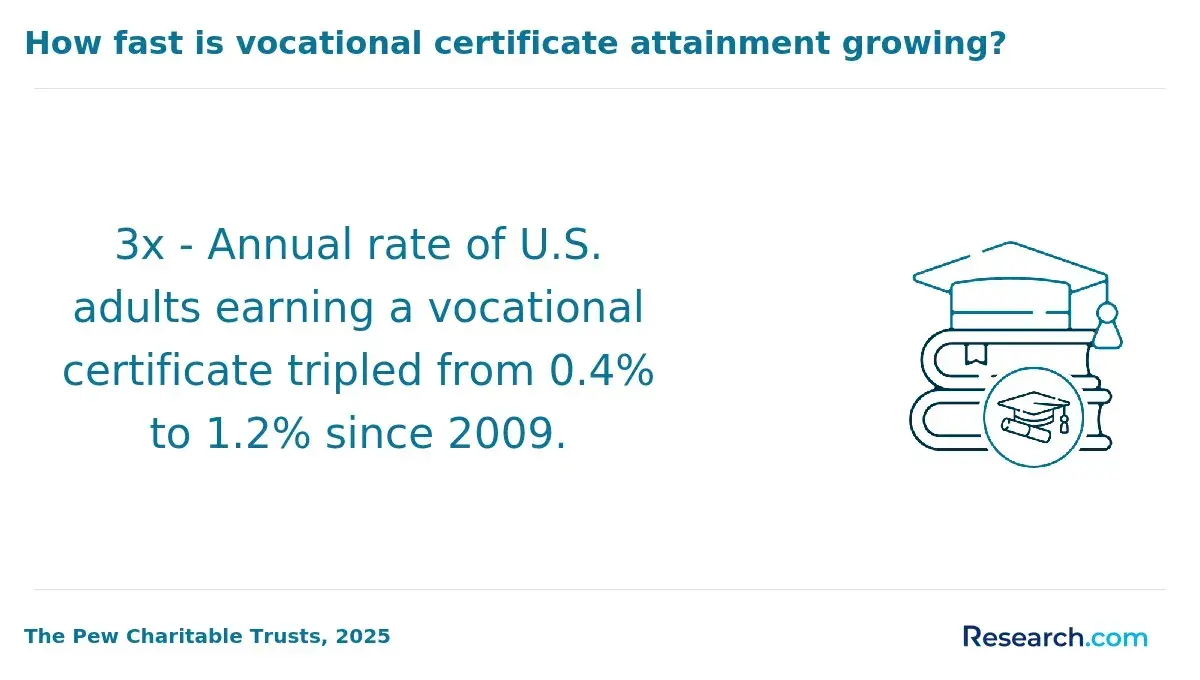
Online clinical research management degrees vary significantly in duration and focus, catering to diverse career goals. Certificate programs and associate degrees typically take 1.5 to 2 years of part-time study, ideal for entry-level site roles such as Clinical Research Coordinator (CRC).
Bachelor's degrees usually span 3 to 4 years full-time, offering a comprehensive foundation for positions like Clinical Research Associate (CRA) or Project Manager. Master's degrees, often pursued online by working professionals, require about 1.5 to 2 years and emphasize advanced skills such as data management and regulatory compliance.
Costs reflect program length and institution type:
- Certificates and associate degrees range from $5,000 to $15,000
- Bachelor's degrees cost between $20,000 and $60,000
- Master's degrees range from $15,000 to $40,000
Choosing a degree that aligns with specific site-side roles is vital. For instance, Clinical Data Managers benefit from programs focused on data analysis and electronic data capture, a field projected to grow 33.9% from 2018 to 2028 according to Wake Forest University School of Medicine. This growth rate surpasses many other clinical research careers, highlighting the value of specialized training in data management competencies.
What core courses and practicum experiences are included in online clinical research management curricula?
Clinical research management programs online commonly cover essential courses such as regulatory compliance, research ethics, study design, data management, and project leadership. Students gain knowledge of FDA regulations, Institutional Review Board (IRB) protocols, and Good Clinical Practice (GCP) guidelines. Courses in biostatistics and epidemiology sharpen skills needed to analyze clinical trial data and interpret patient population trends.
Hands-on practicum experiences often include supervised internships or capstone projects with research institutions, hospitals, or pharmaceutical firms. These placements emphasize study site management, trial monitoring, patient recruitment, and maintaining data integrity. Some programs also provide virtual simulations or remote collaborations with ongoing clinical trials to support online learners.
Curriculum variations may introduce specialized topics like medical terminology, healthcare informatics, and drug development processes. Advanced training frequently incorporates leadership development and budget management to prepare students for managerial roles. Practical projects might involve creating study budgets, coordinating research teams, or managing compliance documentation.
Labor market data underscores the importance of education: over the past year, 78.53% of clinical research manager job listings required or preferred a bachelor's degree, while 45.79% specified a master's degree (NC State Online & Distance Education labor market analysis). This trend highlights how advanced degrees enhance competitiveness for site-side positions.
Which site-side careers can an online clinical research management degree lead to?
Graduates with an online clinical research management degree are well-prepared for several vital site-side roles within clinical trials. Common positions include clinical research coordinators, who handle participant recruitment, data collection, and regulatory compliance on-site. Clinical research associates (CRAs) often oversee study progress, monitor data quality, and ensure protocol adherence during site visits.
Other career paths include regulatory affairs specialists, who ensure trials comply with legal and ethical standards, and clinical trial managers, who plan, budget, and supervise trial operations at research locations. Data managers or clinical data coordinators also play a crucial role by maintaining the accuracy and integrity of collected trial data.
Project management roles in clinical settings are another option, requiring coordination of activities and communication among trial stakeholders. These positions demand a strong understanding of trial protocols and regulatory frameworks.
Financial data reflects a solid return on investment. For example, Drexel University's online MS in Clinical Research Organization and Management charges $1,412 per credit for 36 credits. According to Drexel University College of Medicine, clinical data managers earn an average salary of $112,590 annually.
Enhancing career prospects often involves certifications such as the Certified Clinical Research Professional (CCRP) or Project Management Professional (PMP), which increase employability and salary potential within site-based trial roles.
What salary ranges and job outlook can graduates expect in clinical research site roles?
Graduates focusing on site-side roles in clinical research management, such as clinical research coordinators (CRC) or study coordinators, typically start with salaries between $55,000 and $75,000 annually. Mid-level professionals with added certifications and experience can earn from $75,000 up to $95,000. Site managers and those with supervisory duties may exceed $100,000, depending on location and institution, reflecting U.S. market data from industry surveys.
The demand for site-based clinical research roles remains strong due to ongoing industry growth and the increasing complexity of trials. According to the CCRPS 2025 Clinical Research Workforce Report, over 70% of clinical research professionals began their careers in site-side roles, highlighting these positions as key entry points into the field.
Opportunities vary across settings like academic medical centers, private research facilities, and pharmaceutical-sponsored sites. Professionals in metropolitan areas with active biotech and pharmaceutical sectors generally earn higher salaries. Obtaining credentials such as the Certified Clinical Research Coordinator (CCRC) can improve job prospects and earning potential.
Career advancement often moves from CRC positions toward study management or regulatory roles. Familiarity with electronic data capture systems and regulatory compliance also supports career growth and increased compensation.
Are certifications like ACRP or SOCRA needed with an online clinical research management degree?
Certifications like ACRP (Association of Clinical Research Professionals) and SOCRA (Society of Clinical Research Associates) are not mandatory for entering the clinical research management field with an online degree, but they markedly improve career opportunities, especially for site-side positions. These credentials validate expertise and adherence to industry regulations, which employers highly value for roles involving patient safety, trial oversight, and regulatory compliance.
Professionals holding an online clinical research management degree who pursue ACRP or SOCRA certification often gain a competitive advantage. These certifications can be essential or preferred for roles such as clinical research coordinators or regulatory affairs managers, the latter earning an average salary around $101,080 with an 8.2% job growth rate from 2018 to 2028, according to data from the Wake Forest University School of Medicine using BLS and PayScale sources.
Certification signals commitment to evolving ethical standards and regulations, frequently resulting in higher starting salaries and improved long-term advancement. While those focusing on non-regulatory roles such as data management might not require certification immediately, it still enhances professional credibility.
Consider these practical tips:
- Obtain ACRP or SOCRA certification after completing your online degree to boost job prospects.
- Review job listings carefully, as many prefer or require certification.
- Choose certifications aligned with your career goals in site management, monitoring, or regulatory affairs due to different certification paths.
How can prospective students choose a reputable online clinical research management program aligned with site work?
Prospective students should focus on accredited online clinical research management programs that emphasize site-side work skills crucial for today's job market. Regional or specialized accreditation assures program quality and recognition across the U.S., an important factor given that 3,027 Clinical Research Manager positions were posted nationwide last year, yet only 119 in North Carolina, according to NC State Online & Distance Education labor market analysis.
Selecting a program aligned with a geographically flexible workforce is essential.
When choosing a program, consider key aspects such as:
- Comprehensive curriculum covering site monitoring, regulatory compliance, patient recruitment, and data management that reflects on-site responsibilities.
- Hands-on learning opportunities through virtual lab simulations, internships, or clinical site partnerships that build practical site management skills.
- Faculty expertise featuring active industry professionals or researchers who provide up-to-date knowledge on site operations.
- Graduate outcomes highlighting employment rates and alumni placement in site-based roles to ensure career relevance.
- Flexible scheduling and robust academic support for online students balancing clinical rotations or remote site duties.
Evaluate program preparation with case studies, project-based assessments, and instruction on regulatory frameworks like FDA and ICH-GCP guidelines. Technical training in electronic data capture (EDC) and site performance metrics is also vital for site efficiency. Prioritizing programs with strong site-side competencies ensures graduates remain competitive nationally, meeting evolving clinical research industry demands and expanding career prospects.
Other Things You Should Know About Clinical Research Management
Successful professionals in clinical research management site roles need strong organizational and communication skills to coordinate between study sponsors, investigators, and regulatory bodies. Attention to detail is crucial for ensuring compliance with protocols and managing data quality. Additionally, proficiency with electronic data capture systems and an understanding of Good Clinical Practice (GCP) guidelines are essential.
Clinical research management involves ensuring that studies conducted at a site adhere to regulatory standards such as those enforced by the FDA and Institutional Review Boards (IRBs). Site managers must oversee informed consent processes, proper documentation, and timely reporting of adverse events to maintain compliance and protect participant safety.
Yes, while site roles are a primary focus, a clinical research management degree also prepares graduates for positions in sponsor companies, contract research organizations (CROs), regulatory agencies, and academic research institutions. The skills gained, such as project management and regulatory knowledge, are widely applicable across the clinical research industry.
References
- Top Positions for Clinical Research Career Success https://ccrps.org/clinical-research-blog/top-positions-clinical-research-career-success-guide
- CCRC vs CCRP Certification Guide for CRCs | The CRC Toolkit https://thecrctoolkit.com/pages/crc-certification-guide
- MS in Clinical Research Management https://www.unthealth.edu/college-of-biomedical-and-translational-sciences/degree-programs/ms-in-clinical-research-management.html
- Quality Management in Clinical Research https://researchreadytraining.co.za/quality-management-in-clinical-research-1-day/
- Clinical Research Management (MS – online) - Biomedical Science Graduate Programs https://school.wakehealth.edu/education-and-training/graduate-programs/clinical-research-management-ms
- How Do Online and Offline Clinical Research Courses Compare? - Clinical Research Courses FAQ | VIARES https://viares.com/blog/general/how-do-online-and-offline-clinical-research-courses-compare/
- Top 25 Clinical Research and Clinical Research Management Master's Degree Programs - Healthcare Management Degree Guide https://www.healthcare-management-degree.net/best/clinical-research-clinical-research-management-masters-programs/
- How to Start a Career in Clinical Research https://www.hyperec.com/blog/how-to-start-a-career-in-clinical-research/
- How to forge a career in clinical research | ICON news and blogs https://careers.iconplc.com/blogs/2022-11/how-to-forge-a-career-in-clinical-research