2027 Best Online Master's in Clinical Research Management With Clinical Data Management Tracks

Co-Founder and Chief Data Scientist
Many professionals with unrelated undergraduate degrees struggle to enter the clinical research management field due to a lack of specialized education and flexible learning options. Balancing work, life, and career change ambitions often limits the ability to pursue traditional programs. This challenge worsens when seeking expertise in clinical data management, a critical skill set within clinical research.
Without targeted training, transitioning effectively remains difficult. This article explores top online master's programs offering clinical research management with clinical data management tracks. It provides insights into accredited, flexible options designed to help learners successfully pivot their careers and gain industry-relevant skills.
Key Things You Should Know
- Online master's programs in clinical research management with clinical data management tracks integrate regulatory knowledge, data analytics, and project management, preparing students for leadership roles in clinical trials.
- Recent 2025 data shows a 15% job growth in clinical research management fields, driven by increased pharmaceutical R&D and digital data needs.
- Flexible online formats offer working professionals access to updated curricula aligned with FDA and ICH guidelines, essential for data integrity and compliance in clinical studies.
What is an online master's in clinical research management with a clinical data management track?
An online master's degree in clinical research management with clinical data management track offers specialized training combining the core elements of clinical research with expertise in data oversight. This advanced program prepares students to manage clinical trials effectively by focusing on regulatory compliance, study design, data collection, and analysis.
Students gain practical skills in electronic data capture systems, data standards such as CDISC, and FDA regulatory frameworks to ensure data accuracy and security.
The clinical research management master's program with data management specialization is ideal for professionals pursuing leadership roles in pharmaceutical companies, healthcare institutions, or research organizations. Graduates typically work as clinical data managers, study coordinators, or compliance officers, where their ability to maintain data integrity is critical for trial success and regulatory adherence.
Applicants often hold bachelor's degrees in health sciences or related fields. The online format provides flexibility for working professionals balancing career demands while enhancing expertise with industry-relevant tools and knowledge. Many accredited programs also offer virtual labs or internships for hands-on experience.
The U.S. Bureau of Labor Statistics projects a 17% growth in clinical research jobs for medical scientists from 2021 to 2031, underscoring strong career opportunities. Prospective students may also explore related fields through PharmD online programs to expand their qualifications and career paths.
How do online clinical research management master's programs compare with on-campus options?
Online clinical research management master's programs offer notable advantages over traditional on-campus degrees, especially for those balancing work or family responsibilities. They typically provide asynchronous coursework, allowing students greater flexibility without relocating or disrupting their careers. This is particularly beneficial for students comparing online clinical research management master's programs vs on-campus benefits, as online options can better suit demanding schedules.
However, on-campus programs often provide more hands-on training, networking events, and face-to-face interaction with faculty and peers, which help build professional relationships essential in clinical research.
Hybrid programs sometimes merge these strengths by combining online theory with occasional on-site residencies or labs. Differences between online and traditional clinical research management degrees are evident here, particularly in practical experience availability and networking opportunities.
The curriculum in online and campus-based programs generally covers clinical trial design, regulatory affairs, and data management. Many online tracks now focus on clinical data management, meeting industry demand-the global clinical data management systems market is expected to reach $7.6 billion by 2030, driven by more clinical trials and eClinical solutions.
Prospective students should confirm program accreditation, faculty expertise, and practical training options like internships or capstones, which are more common on campus but also arranged through partnerships in online programs.
Employer recognition, especially in the U.S., varies by region and organization, so researching local preferences is important. For those interested in a career path requiring specific credentials, reviewing pharmacist education requirements can provide useful guidance.
Which accreditations and program approvals should these online master's degrees have?
Accredited online master's in clinical research management programs play a crucial role in ensuring academic quality and professional readiness. Institutional accreditation typically comes from agencies recognized by the U.S. Department of Education or the Council for Higher Education Accreditation, with regional accreditations like the Middle States Commission on Higher Education or the Higher Learning Commission being widely accepted.
Programmatic accreditation specific to clinical research adds further assurance. Organizations such as the Association for Clinical Research Training (ACRT) and the Society of Clinical Research Associates (SOCRA) endorse programs that meet rigorous standards.
Many programs also align their curriculum with JAC-ICH GCP guidelines, improving preparation for certification exams. Prospective students seeking online master's degrees with clinical research management program approvals should verify state authorization to ensure legal compliance and access to financial aid in their state of residence.
Accreditation significantly impacts career prospects in clinical research. Employers prefer graduates from accredited programs because they demonstrate mastery of complex clinical data management and regulatory compliance. The median annual salary for clinical research associates in the U.S. is approximately $102,000, with higher earnings possible. Lack of proper accreditation can limit certification eligibility and career growth in pharmaceuticals and research organizations.
Cost is also an important consideration when exploring degree options. For a detailed comparison, see construction management degree cost as a benchmark in online program affordability.
What admissions requirements and prior experience are needed for these online master's programs?
Admissions requirements for online master's in clinical research management programs, especially those with clinical data management tracks, generally include a bachelor's degree from an accredited institution in fields like health sciences, biology, or nursing. A minimum GPA of around 3.0 on a 4.0 scale is commonly expected.
GRE scores might be required, although some programs waive this for candidates with significant work experience or advanced degrees. These admission criteria for online master's in clinical research management in the US emphasize both academic achievements and relevant experience.
Prior healthcare experience is highly valued. Typically, 1 to 3 years of work in clinical research, healthcare settings, pharmaceutical companies, or data management improves your chances. Some programs accept students with limited professional history but require demonstrated quantitative skills and scientific aptitude through coursework in statistics, epidemiology, or research methods.
Applicants must submit a statement of purpose outlining career goals and how the specialization supports them, along with recommendation letters from academic or professional supervisors highlighting relevant skills. International students need to provide proof of English proficiency via TOEFL or IELTS. Accredited programs expect familiarity with data management tools or clinical trial regulations, sometimes offering conditional admission with foundational courses for those lacking background.
Graduates benefit financially; data show master's holders in health-related fields earn a 26% higher median wage than bachelor's degree holders. For professionals considering further education, exploring options like a sport management degree online can provide broader career flexibility.
What coursework and clinical data management training do students complete in these programs?
Master's programs in clinical research management with clinical data management tracks offer comprehensive coursework that builds expertise in trial design, regulatory compliance, and data handling. Core classes generally cover clinical trial methodology, biostatistics, research ethics, and regulatory affairs. These essential subjects ensure students grasp study protocols, informed consent, and proper documentation standards.
Specialized training in clinical data management focuses on the collection, validation, and analysis of clinical trial data. Key skills include using electronic data capture (EDC) systems, data cleaning methods, and database design. Coursework often features Clinical Data Interchange Standards Consortium (CDISC) formats to ensure compliance with regulatory submissions.
Practical experience through projects or internships may involve designing case report forms (CRFs), crafting data management plans, and executing quality assurance checks.
Programs emphasize proficiency in tools like SAS and R for statistical analysis while covering data privacy regulations such as HIPAA. Graduates learn to tackle issues like data inconsistency, missing data, and protocol deviations, alongside risk-based monitoring and data auditing techniques vital for data integrity.
With clinical trials increasing from about 280,000 in 2015 to over 480,000, these skills align with growing industry demand. Many programs also include project management and team coordination training to prepare students for leadership roles in clinical operations.
How long do online clinical research management master's programs take and how are they structured?
Online master's programs in clinical research management usually take 18 to 36 months to complete, depending on enrollment status and program design. Full-time students often finish within two years, while part-time options extend up to three years or more to accommodate working professionals. Many programs feature flexible pacing, making it easier to balance coursework with employment.
Curricula typically include core and elective courses on clinical trial design, regulatory affairs, data management, and research ethics. A specialized clinical data management track emphasizes data acquisition, database design, validation, and statistical analysis, preparing graduates to manage complex clinical datasets.
Instruction mostly occurs through asynchronous online modules, complemented by occasional synchronous sessions or virtual labs to encourage interaction. Some programs also incorporate capstone projects or practicums for hands-on experience.
Key program features include:
- Sequential courses progressing from foundational concepts to advanced clinical data management
- Access to digital tools and regulatory compliance software
- Thesis and non-thesis track options tailored to career goals
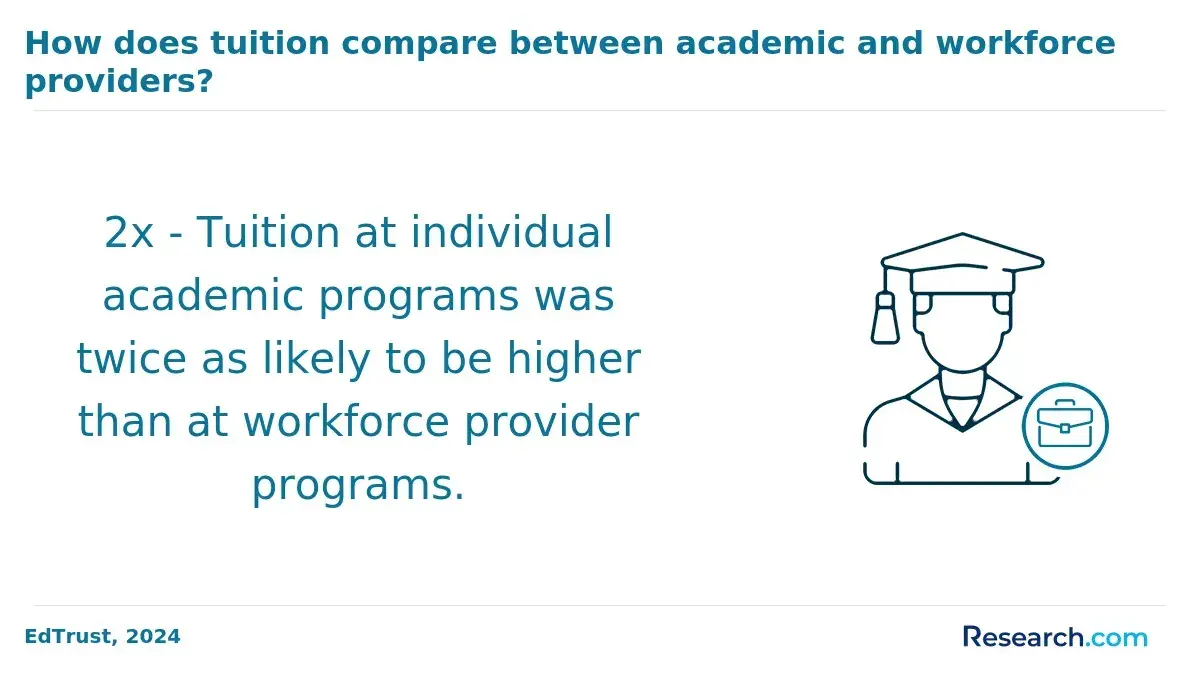
Financially, these online degrees present clear advantages. BestColleges' clinical research degree analysis shows that the average tuition at the most affordable online master's programs is $35,055, compared to $59,440 for graduate programs at public institutions. Lower tuition and flexible scheduling make these programs attractive to professionals aiming to advance in clinical research management without interrupting their careers.
What are the typical tuition costs, fees, and financial aid options for these online degrees?
Tuition for online master's degrees in clinical research management with clinical data management tracks varies widely, typically between $20,000 and $50,000 for the entire program. Public universities often provide more affordable options, especially for in-state students, with costs from $400 to $700 per credit hour.
Private institutions usually charge higher rates, ranging from $800 to $1,500 per credit hour. Additional fees for technology, lab access, and student services can add $500 to $2,000 to the total cost.
Financial aid plays a crucial role for students balancing work and study. Federal loan programs such as Stafford and Grad PLUS loans offer foundational support. Scholarships and grants targeted at healthcare and research fields help reduce expenses. More than 76% of students in online graduate health programs work full time, making employer tuition reimbursement a common and valuable resource.
Flexible enrollment options, including part-time study and flat-rate tuition per semester, allow students to manage costs while maintaining income. Prospective students should also verify if clinical data management tracks require special software or materials, as these may increase total expenses.
Early application for financial aid, understanding refund policies, and timely communication with program advisors can maximize the use of available resources. Being well-informed helps candidates plan effectively for earning an online master's in clinical research management.
What careers can graduates pursue in clinical research and clinical data management?
Graduates with a master's in clinical research management and clinical data management can pursue specialized roles across healthcare and pharmaceuticals. Typical positions include clinical research coordinators, who manage study operations and regulatory compliance; clinical trial managers, overseeing trial planning and execution; and data managers, ensuring clinical data accuracy. Demand is growing for biostatisticians and clinical data analysts as data-driven decision-making becomes central.
Technology integration has expanded careers in real-world evidence analytics and data science. Professionals in these fields analyze extensive datasets from electronic health records and patient registries to generate clinical insights. It's projected that over 60% of new clinical research master's programs globally will incorporate training in data science or real-world evidence analytics, per GlobalData's 2024 market analysis.
Other roles include regulatory affairs specialists making sure trials comply with FDA and international standards, pharmacovigilance officers monitoring drug safety, and clinical project managers coordinating multidisciplinary teams. Opportunities also exist in medical writing and scientific communications, translating technical data for broader audiences.
- Careers focus on operational management or technical data analysis, depending on interests and industry needs.
- Employers seek expertise in data platforms, regulatory knowledge, and project leadership.
- Certifications like Certified Clinical Research Professional (CCRP) can enhance career advancement and credibility.
What salary ranges and job outlook can clinical research management graduates expect?
Graduates with a master's degree in clinical research management, especially those focusing on clinical data management, typically start with salaries between $70,000 and $90,000 annually. As professionals gain experience and industry certifications like ACRP or SOCRA, salaries often rise to $100,000-$130,000. Senior roles, such as clinical research managers or data directors at larger organizations, may exceed $150,000 per year.
The job market remains robust due to growing demand for clinical trials and data analytics in drug development and medical device evaluation. The U.S. Bureau of Labor Statistics forecasts a 10% growth in clinical research-related occupations over the next decade, which is faster than average for all fields.
Certification plays a crucial role in boosting earning potential and career growth. Certified professionals report average salaries 12-15% higher than those without credentials, particularly for roles involving clinical trial coordination and regulatory oversight.
Key factors that enhance job prospects include expertise in protocol development, regulatory compliance, data integrity, and familiarity with electronic data capture (EDC) systems and FDA regulations.
- Starting salaries: $70,000-$90,000
- Experienced salaries: $100,000-$130,000
- Senior-level salaries: above $150,000
- Growth rate: 10% from 2024 to 2034
- Certification salary boost: 12-15%
How can prospective students evaluate and choose a reputable online clinical research management program?
When choosing an online clinical research management program, verify that it holds accreditation from recognized organizations such as the Commission on Collegiate Nursing Education (CCNE) or the Accreditation Council for Pharmacy Education (ACPE). Accreditation confirms the program meets industry standards and is valued by employers.
Examine the curriculum carefully. A strong program includes topics like regulatory compliance, trial management, biostatistics, and clinical data management, especially for specialized tracks. Look for a good balance between theory and practical application, including internships or capstone projects, which are essential for developing real-world skills.
Faculty expertise and industry connections are critical. Professors actively engaged in clinical research or leadership roles enhance learning and networking opportunities. Consider alumni career outcomes since over 40% of clinical operations director and senior trial management roles start from coordinator or associate positions, highlighting program impact on career advancement.
Flexibility in pacing and part-time options is important for working professionals. Also, assess the technology platforms used for delivering courses to ensure an engaging and accessible experience. Finally, review tuition costs alongside available financial aid to align your education goals with your budget.
Other Things You Should Know About Clinical Research Management
Successful clinical research management professionals need strong organizational and leadership skills to oversee research teams and projects effectively. Attention to detail and proficiency in regulatory compliance ensure studies meet legal and ethical standards. Additionally, analytical abilities and communication skills are vital for interpreting data and collaborating with stakeholders.
Clinical data management is a specialized area within clinical research management focused on collecting, validating, and managing data from clinical trials. It supports the overall research process by ensuring data accuracy and integrity, which is critical for regulatory submissions and scientific conclusions. Professionals trained in both areas are well-prepared to handle complex data workflows alongside project oversight.
Students should learn systems used for electronic data capture and trial oversight, especially Oracle Clinical, Medidata Rave, REDCap, and SAS. Many programs also expect familiarity with Good Clinical Practice documentation, data validation workflows, query management, and basic database concepts used in regulated clinical trials.
Yes, continuing education opportunities include workshops, webinars, and specialized courses focusing on emerging regulations, data technologies, and advanced management techniques. Many professional organizations offer these programs to help practitioners stay current with industry changes. Ongoing education is crucial in clinical research management to maintain certifications and adapt to evolving best practices.
References
- Salary Trends for Clinical Research Managers (CRMs) https://www.clinlabstaffing.com/salary-trends-for-clinical-research-managers-crms
- Best Online Master’s Degree Programs in 2025: Explore Top Grad Schools https://www.onlinemastersdegrees.org/best-programs/
- Top 25 Clinical Research Master's Programs Globally (2026 Rankings) https://ccrps.org/clinical-research-blog/top-25-clinical-research-masters-programs-globally-2026-rankings
- Clinical Data Management Training & Certification (CDM) | Placement Supported | BCRI https://www.bcri.in/clinical-data-management-training/
- Clinical Research Careers in 2026: Roles, Salaries & Scope https://clinilaunchresearch.in/blog/clinical-research-careers/
- Cost of Online Education vs. Traditional Education [2025]: Comparison https://educationdata.org/cost-of-online-education-vs-traditional-education
- Top 25 Clinical Research and Clinical Research Management Master's Degree Programs - Healthcare Management Degree Guide https://www.healthcare-management-degree.net/best/clinical-research-clinical-research-management-masters-programs/
- Career Opportunities in Clinical Research & Data Management https://pharmaconnections.in/career-in-clinical-research-clinical-data-management/
- How to Select a Clinical Trial Management System https://www.advarra.com/blog/how-to-select-a-clinical-trial-management-system/
- MS in Clinical Research Management https://www.unthealth.edu/college-of-biomedical-and-translational-sciences/degree-programs/ms-in-clinical-research-management.html