2027 Best Online Clinical Research Management Degrees for Sponsor-Side Trial Careers

Co-Founder and Chief Data Scientist
Many professionals with unrelated degrees face challenges breaking into sponsor-side trial roles due to a lack of targeted educational credentials. Without specialized training, navigating the complexities of clinical trial oversight, regulatory compliance, and data management can be daunting. A flexible, accredited program that bridges this knowledge gap offers a viable path for career pivoting. This article explores top online clinical research management degrees designed for sponsor-side trial careers, focusing on program flexibility, accreditation, and relevance to industry demands to help prospective students make informed decisions aligned with career advancement goals.
Key Things You Should Know
- In 2026, sponsor-side trial careers increasingly demand expertise in clinical research management, with a 12% job growth rate projected through 2030 according to the U.S. Bureau of Labor Statistics.
- Top online degrees emphasize regulatory compliance, data analytics, and project oversight, critical for managing complex clinical trials efficiently and meeting FDA standards.
- Programs accredited by recognized bodies like SOCRA or ACRP enhance employability, as 78% of employers prefer candidates with certified clinical research management education.
What is an online clinical research management degree and how does it prepare you for sponsor-side trial roles?
An online clinical research management degree benefits for sponsor-side careers by equipping students with expertise to lead clinical trials, including planning, budgeting, compliance, and maintaining data integrity. These programs emphasize regulatory frameworks such as FDA guidelines and ICH-GCP standards, ensuring graduates are prepared to manage protocols and uphold ethical standards. Coursework covers trial design, project management, biostatistics, and risk assessment, allowing students to handle vendor selection and coordinate effectively with contract research organizations (CROs).
This degree also prepares professionals for critical pharmaceutical trial roles, enhancing skills in monitoring trial progress, managing timelines, and addressing challenges like patient recruitment and adverse event reporting. Students gain practical insights into evaluating operational efficiency and maintaining sponsor objectives, which are essential for positions in biotech and pharma companies. Training in data management and electronic systems further strengthens the ability to oversee trial data integrity and regulatory submissions.
The global clinical trials market is projected to reach $111.9 billion by 2030, expanding at a CAGR of 5.7% from 2024 to 2030. This growth increases demand for specialized sponsor-side managers who understand both scientific and operational complexities. Graduates often become clinical trial managers, study coordinators, or project leads responsible for clinical trial operations and compliance.
Practical experience is incorporated through virtual internships or case studies, enabling candidates to manage complex budgets, multidisciplinary teams, and sponsor-CRO relationships. This focused training creates adaptable career pathways leading clinical trial projects from a sponsor standpoint. For those interested in related advanced studies, exploring an online PharmD can complement clinical research management knowledge effectively.
Which online clinical research management programs are best for building sponsor-side pharmaceutical and biotech careers?
Top online clinical research management programs for sponsor-side pharmaceutical careers emphasize regulatory knowledge, project oversight, and data analytics. These programs prepare students to manage clinical trials, compliance, and team coordination essential to sponsor organizations. Leading programs align curricula with industry standards such as ICH-GCP guidelines and FDA regulations, ensuring graduates can navigate complex trial approvals and stakeholder communications effectively.
Universities with strong ties to pharmaceutical industries or biotech hubs provide practical case studies and internships, critical for building sponsor-side expertise. Programs offering specialized courses in drug development pipelines, clinical data management, and trial monitoring help develop skills relevant to sponsor-side roles. Master's degrees with concentrations in clinical research management or regulatory affairs are especially valued by employers.
For working professionals, part-time or asynchronous formats offer flexibility while covering trial budgeting, vendor management, and risk assessment strategies. Certifications like Certified Clinical Research Professional (CCRP), offered alongside degrees, can enhance employability within sponsor organizations. Those seeking the best clinical research management degrees for biotech sponsor-side jobs should consider programs that balance regulatory training with hands-on industry experience.
Employment of medical and health services managers, including clinical research managers, is projected to grow 28% from 2022 to 2032, adding about 144,700 new jobs in the U.S., much faster than the average for all occupations, according to the Bureau of Labor Statistics. Prospective students might also explore a related degree in healthcare management to broaden their career opportunities in this expanding field.
How do you choose an accredited online clinical research management program that employers will respect?
Choose accredited online clinical research management programs recognized by employers that hold accreditation from respected regional or national bodies like the Council for Higher Education Accreditation (CHEA) or the U.S. Department of Education. Such credentials enhance employer confidence by ensuring the curriculum covers vital areas including trial design, regulatory compliance, and data management.
Look for the top online clinical research management degrees for sponsor-side careers, offering specialized courses in clinical trial budgeting, site management, and sponsor monitoring. Programs associated with professional organizations such as the Society of Clinical Research Associates (SoCRA) or the Association of Clinical Research Professionals (ACRP) often provide training aligned with industry standards.
Flexibility is key, especially for working professionals. Programs offering asynchronous coursework, practical projects, or internships with pharmaceutical companies or contract research organizations add real-world value and improve hiring prospects.
Faculty qualifications matter; seek programs with instructors who have leadership roles or active sponsor-side experience. Their insight goes beyond textbooks and equips students to manage clinical trials effectively.
Training that prepares for certifications like the Certified Clinical Research Professional (CCRP) or Certified Clinical Research Associate (CCRA) enhances job market competitiveness. For those considering comparable fields, exploring construction management degrees online can also offer career growth opportunities.
Professionals with master's-level clinical research training can access roles where clinical trial managers earn an average of $108,970 and clinical research directors $122,400 annually, underscoring the importance of choosing respected programs that open doors to these higher-paying jobs.
What admission requirements and prior experience are needed for online clinical research management degrees?
Admission requirements for an online clinical research management degree often include a bachelor's from an accredited institution, preferably in life sciences, nursing, public health, or healthcare administration. Programs may accept other disciplines but often require prerequisite courses in biology, chemistry, or statistics. Most expect a minimum GPA of 3.0, with competitive applicants exceeding this.
Prior professional experience for clinical research management programs is highly valued, especially for master's degrees. One to three years in clinical trials, regulatory affairs, or healthcare settings strengthens applications. Internships or certifications like CCRA (Certified Clinical Research Associate) or SOCRA (Society of Clinical Research Associates) can also improve admission chances.
The GRE is increasingly optional but may still be requested. Letters of recommendation and personal statements should highlight academic skills, relevant work experience, career goals in sponsor-side trial roles, and readiness to handle clinical research complexities.
Average tuition for affordable online clinical research master's programs is around $35,055, lower than the typical two-year master's at public institutions, which average $59,440. Applicants should verify specific program requirements and consider flexible options if balancing work and study.
Students interested in healthcare education pathways might explore a sport management degree online as an alternative or complementary option within health-related fields.
How do online clinical research management programs compare with on-campus options for flexibility, networking, and outcomes?
Online clinical research management programs offer flexibility that suits working professionals balancing education and jobs. Coursework is often asynchronous, allowing students to manage deadlines and avoid relocation or commuting. This flexibility aligns with the fact that over 70% of clinical research professionals work in professional, scientific, and technical services, including sponsors and CROs, who usually require continued employment while advancing their credentials, according to ACRP's workforce analysis.
Networking differs between online and on-campus formats. On-campus programs provide face-to-face interaction with faculty, industry guest speakers, and peers, fostering stronger immediate connections. Online programs rely on virtual events, discussion forums, and occasional regional meetups, requiring more self-motivation to build relationships. Prospective students targeting sponsor-side roles should carefully consider a program's industry ties, mentorship options, and alumni network.
Graduation rates and employment outcomes are similar between accredited online and on-campus programs. Employers increasingly accept online degrees if paired with relevant experience or internships. Programs that offer targeted curriculum on sponsor-side trial management, industry certifications, and practical case studies enhance career readiness. Virtual simulations and remote projects help bridge the gap between online learning and real-world demands.
Choosing a program depends on flexibility needs versus hands-on and networking opportunities, crucial for career growth within the dominant sponsor-side clinical research sector.
What courses and skills do online clinical research management students typically study for sponsor-side work?
Online clinical research management programs for sponsor-side roles focus on mastering regulatory compliance, study design, and project oversight. Core subjects often include clinical trial management, biostatistics, and Good Clinical Practice (GCP), which are essential for navigating complex regulations. According to a Tufts Center for the Study of Drug Development survey, 88% of sponsor companies consider increasing regulatory complexity a top-three driver for hiring specialized clinical research operations staff.
Students develop skills in interpreting guidelines from agencies like the FDA and EMA, ensuring protocols meet strict standards. Training in data management and monitoring emphasizes maintaining data integrity and participant safety, key responsibilities for sponsor-side professionals.
Project management competencies cover budgeting, timelines, and vendor coordination, reflecting the management of external research sites and contract research organizations (CROs). Risk assessment and mitigation strategies prepare students to handle potential disruptions effectively.
The curriculum highlights ethics and informed consent, equipping students to uphold participant rights according to international standards. Communication skills are strengthened to facilitate coordination across teams, stakeholders, and regulatory bodies.
Additional training areas include pharmacovigilance, medical writing, and clinical quality assurance, preparing graduates for diverse sponsor duties ranging from trial initiation to regulatory submissions.
Many programs incorporate practical experience through case studies, simulations, or internships, helping students meet real-world sponsor challenges in a dynamic industry.
How long do online clinical research management degrees take and what do they cost?
Online clinical research management degrees vary in length, typically requiring 12 to 24 months to complete depending on program design and enrollment status. Accelerated certificate programs can be finished in as little as six months, while master's degrees often take 18 to 24 months. Part-time options allow working professionals to balance education with job responsibilities, extending completion timelines.
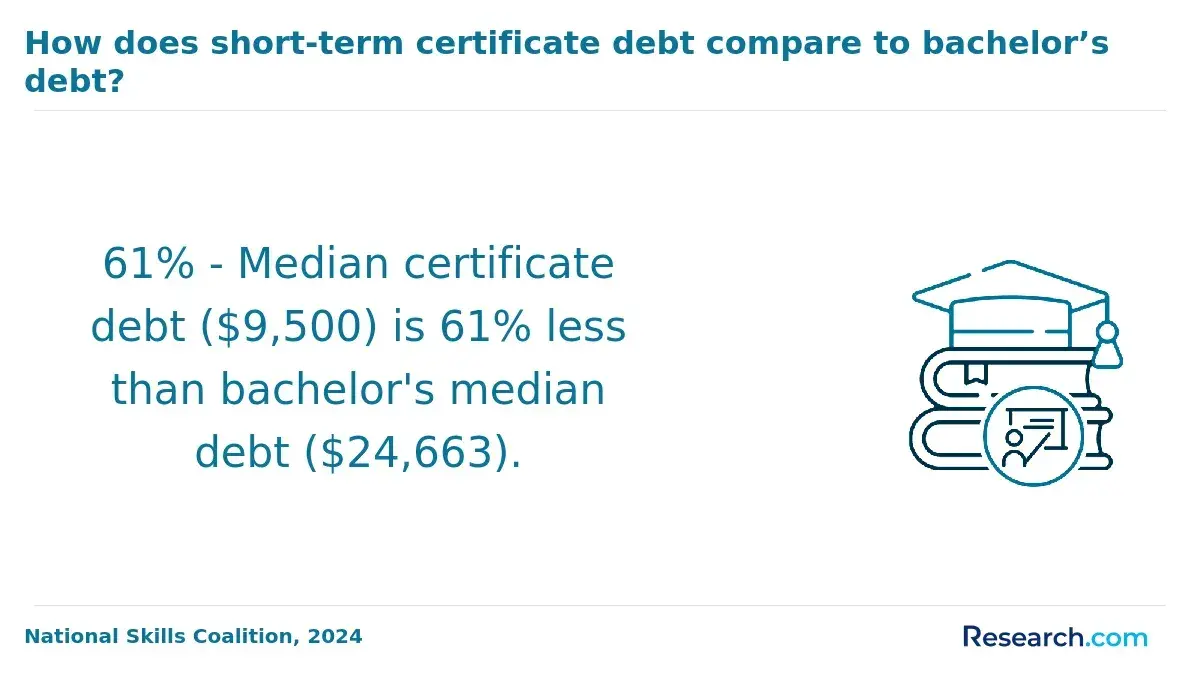
Costs differ significantly based on degree level and whether the institution is public or private. Certificates usually range from $3,000 to $10,000, offering affordable entry points for career changers or foundational study. Bachelor's and master's programs have wider price ranges, generally from $15,000 to $50,000. Private online programs tend to be more expensive, though some public universities provide lower in-state tuition rates.
Financial aid and employer tuition reimbursement are valuable resources to reduce expenses. With 64% of sponsor and CRO clinical operations staff working remotely or in hybrid roles, online programs fit well with their schedules, providing flexibility and asynchronous coursework for those balancing full-time jobs. Students should also evaluate program accreditation, relevant curriculum, and alumni success. Programs offering industry certifications alongside degrees can enhance employment prospects in this evolving field.
What sponsor-side careers can you pursue with an online clinical research management degree?
Careers in clinical research management focus on overseeing clinical trials funded by pharmaceutical, biotechnology, and medical device companies. Key roles include clinical trial managers who ensure regulatory compliance while managing budgets, timelines, and multiple sites. Clinical research associates monitor trial progress and verify data accuracy, often working directly with global investigational sites. Clinical project managers handle strategic planning, vendor coordination, and lead cross-functional teams.
The global nature of clinical research is growing, with over 55% of industry-sponsored trial sites now outside North America and Western Europe. This trend increases demand for professionals skilled in multinational regulations, global trial logistics, and cultural considerations.
Additional critical roles include regulatory affairs specialists managing complex approval processes and data managers ensuring data integrity and compliance. Expertise in patient recruitment, risk management, and familiarity with electronic data capture systems and Good Clinical Practice guidelines enhance employability.
Employers seek candidates able to lead diverse, remote teams and solve challenges promptly in a dynamic global research environment. These positions offer paths to senior management or consultancy roles in clinical operations, providing fulfilling career advancement opportunities.
What salaries and advancement opportunities can clinical research management graduates expect in sponsor-side roles?
Graduates entering sponsor-side trial roles in clinical research management can expect starting salaries generally between $70,000 and $90,000 annually. With gained experience, mid-level professionals often earn $95,000 to $120,000, while senior managers or directors can exceed $140,000. Salary ranges depend on factors like company size, therapeutic area, and geography, with larger pharmaceutical hubs offering higher pay.
Career advancement is significant for those who develop expertise in trial design, regulatory compliance, and stakeholder coordination. Promotions may lead to positions such as clinical trial manager, project lead, or portfolio director. Pursuing certifications like the ACRP's Certified Clinical Research Professional (CCRP) can accelerate progression and salary growth. Nearly 40% of new clinical research pros come from mid-career transitions, often using targeted certificates or master's programs to move into sponsor-side roles.
Key factors for success include:
- Strategic oversight and budget management skills
- Adaptability to regulatory changes
- Experience managing global, diverse teams
- Specialization in emerging areas like oncology or gene therapy
Networking within professional organizations and staying current with industry trends support sustained career growth.
Are certifications like ACRP or SOCRA needed with an online clinical research management degree for sponsor-side jobs?
Certifications such as ACRP (Association of Clinical Research Professionals) and SOCRA (Society of Clinical Research Associates) are not strictly required for sponsor-side clinical research management jobs when holding an online degree in clinical research management. However, these credentials significantly boost professional credibility and marketability. Employers often see ACRP and SOCRA certifications as evidence of specialized knowledge, commitment to industry standards, and ongoing professional development.
For roles in project management, study coordination, or regulatory affairs on the sponsor side, having one or both certifications can distinguish candidates in a competitive job market. Drexel University's market analysis highlights steady growth in online MS in Clinical Research Organization and Management programs amid a clinical research workforce of approximately 1.26 million professionals.
Certifications complement an academic degree by emphasizing practical skills related to Good Clinical Practice (GCP), ethical standards, and trial execution. While some entry-level positions accept a degree alone, mid-level and senior roles increasingly prefer or require certification. Certain companies and government entities also prioritize certified candidates during hiring and contract awards.
Many professionals pursue certification alongside or following their online degree to meet evolving employer expectations and career advancement goals. These certifications entail continuing education to keep skills and knowledge current with regulatory changes and industry trends.
Other Things You Should Know About Clinical Research Management
One of the primary challenges is navigating complex regulatory requirements to ensure compliance across multiple jurisdictions. Sponsor-side clinical research managers also face difficulties coordinating among diverse stakeholders, including clinical sites, regulatory bodies, and vendors, which requires strong communication and project management skills.
Technology has significantly streamlined data collection, trial monitoring, and reporting processes in clinical research management. Sponsor-side managers increasingly rely on electronic data capture systems, risk-based monitoring tools, and cloud-based platforms to improve trial efficiency and data accuracy.
In 2027, top online clinical research management programs emphasize skills for sponsor-side careers. Universities like George Washington University and Drexel University offer programs focusing on operational management and regulatory affairs, tailored to the sponsor side, enabling students to effectively oversee clinical trials.
Yes, ongoing education is important to keep pace with evolving regulations and industry standards. Many sponsor-side employers encourage or require certifications renewal, workshops, and training programs to maintain competencies in clinical trial management and regulatory compliance.
References
- Importance of Clinical Research Certification | CCRPS https://ccrps.org/clinical-research-blog/the-importance-of-clinical-research-certification
- Getting Started in Clinical Research - ACRP https://acrpnet.org/career-center/getting-started-in-clinical-research
- Clinical research career: 7 top roles, salaries & GCP guide https://pharmaeducenter.com/blog/clinical-research-career/
- Clinical Research Associate (CRA) Career Path https://pathologylabtraining.co.uk/biomedical-sciences/cra-careers
- CBTS Masters of Science Clinical Research Management Online Yr 1 https://www.unthealth.edu/tuition-and-fees/cbts-tuition-and-fees/cbts-masters-of-science-clinical-research-management-online-year-1.html
- What Sponsors, CROs and Sites Each Do | Clinical Research Explained | ICON news and blogs https://careers.iconplc.com/blogs/2026-2/understanding-roles-in-a-clinical-trial
- How Do Online and Offline Clinical Research Courses Compare? - Clinical Research Courses FAQ | VIARES https://viares.com/blog/general/how-do-online-and-offline-clinical-research-courses-compare/
- Online vs. On-Campus Clinical Research Courses: Which is Right for You? https://www.pharmiweb.com/press-release/2024-10-23/online-vs-on-campus-clinical-research-courses-which-is-right-for-you
- Program Overview https://www.socra.org/certification/certification-program/program-overview/
- Acrpnet https://www.acrpnet.org