2027 Online Clinical Research Management Degrees With Strong Documentation and Reporting Training

Co-Founder and Chief Data Scientist
Professionals entering clinical research management without strong documentation and reporting skills often face compliance issues and project delays. These challenges can hinder career progress and affect study integrity. Comprehensive training in regulatory standards and data management is essential for managing clinical trials efficiently and ensuring accurate records. This article explores notable online clinical research management degrees that emphasize practical documentation and reporting expertise. It aims to guide prospective students toward programs that prepare them to meet industry demands and advance their careers with confidence and compliance.
Key Things You Should Know
- Online clinical research management degrees in 2026 increasingly emphasize documentation and reporting skills, critical for regulatory compliance and audit readiness in drug and device trials.
- Programs often integrate training on electronic data capture systems and best practices, aligning with updated FDA and ICH guidelines effective from 2024-2025.
- Graduates with documented reporting expertise see a 15% higher job placement rate in clinical trial coordination and management roles nationwide, reflecting employer demand.
What is an online clinical research management degree with a focus on documentation and reporting?
An online clinical research management degree with documentation focus equips students with the skills to manage crucial data and reporting tasks in clinical trials. This specialization highlights precise data collection, regulatory compliance, and creating clear reports that advance medical research and protect patient safety.
Students engage with industry-standard software, such as electronic data capture (EDC) and clinical trial management systems (CTMS), which streamline tracking trial progress and adverse events. Training also emphasizes preparing submissions for regulatory bodies like the FDA and IRBs, ensuring adherence to Good Clinical Practice (GCP) guidelines.
Graduates often work in roles that maintain data integrity and confidentiality while tailoring reports for sponsors, regulators, and healthcare providers. Clinical research management programs emphasizing reporting training prepare students for these challenges with a focus on accuracy and compliance.
The U.S. Bureau of Labor Statistics projects a 10% growth in employment for medical scientists from 2022 to 2032, translating to approximately 11,600 new jobs. This growth signals a rising need for professionals who excel in managing complex documentation and reporting in clinical research.
For students interested in related fields, exploring educational pathways like online pharmacy school programs can offer complementary expertise and career opportunities.
How do online clinical research management programs compare to on-campus options for flexibility and quality?
Online clinical research management programs offer greater flexibility than on-campus options, making them ideal for working professionals and non-traditional students balancing employment or personal commitments. These programs often feature asynchronous coursework, allowing learners to access lectures and assignments on their own schedules without sacrificing educational rigor. This flexibility is a key factor when comparing online clinical research management programs vs on-campus flexibility.
Questions often arise about the quality comparison of online and on-campus clinical research management degrees, particularly regarding credibility and depth of practical training. Leading online programs address these concerns by integrating comprehensive documentation and reporting modules aligned with current industry standards. According to an FDA analysis, poor recordkeeping ranks among the most frequent deficiencies cited in clinical investigator warning letters, emphasizing the need for training focused on accuracy and regulatory compliance.
Top-tier programs include interactive case studies, simulations, and mentorship from industry professionals while requiring detailed submission of monitoring and auditing reports to simulate real-world challenges. On-campus courses may provide more hands-on labs and face-to-face feedback but often lack the scheduling adaptability many students require.
Prospective students seeking practical skills might also explore related fields; one option is an online bachelor's in construction management, which similarly balances flexibility with industry-focused training.
Which accreditations and approvals should online clinical research management degrees have in the United States?
Online clinical research management degree accreditation in the United States typically requires recognition from bodies such as the Council for Higher Education Accreditation (CHEA) or the U.S. Department of Education. Regional accreditation from organizations like the Middle States Commission on Higher Education or the Higher Learning Commission ensures that programs meet rigorous quality standards and that degrees are widely accepted by employers and licensing boards. Additionally, programmatic accreditation from the Association for Clinical Research Education (ACRE) or the Association of Clinical Research Professionals (ACRP) confirms alignment with industry standards, especially concerning documentation and reporting training.
Approved clinical research management programs recognized by US regulatory bodies often include coursework adhering to Good Clinical Practice (GCP) guidelines. Since accreditation alone may not cover GCP training, students should verify if programs integrate GCP-certified courses approved by established clinical research institutions. Recognition by the FDA or other clinical trial oversight organizations adds further credibility, preparing graduates to navigate federally compliant documentation and auditing environments.
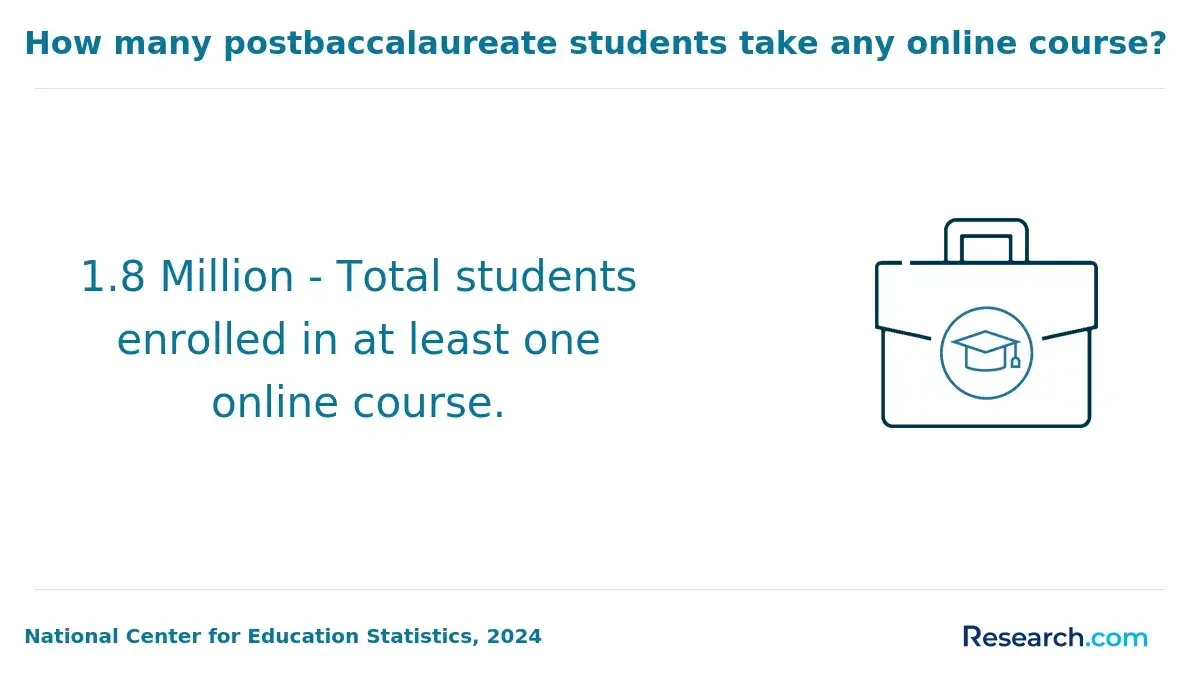
A survey from the National Center for Education Statistics found that 58% of graduate students in health professions took at least one distance/online course, with those in fully online programs equally likely to be employed full-time while studying. This highlights the value of flexible, accredited options that blend academic rigor with practical experience, ideal for those seeking to advance in clinical research careers.
Students interested in exploring flexible pathways can consider online construction management courses as an example of accessible program formats that align with demanding careers.
What core courses teach documentation, reporting, and regulatory writing in clinical research management programs?
Core courses in clinical research management regulatory writing training cover essential skills in documentation, reporting, and compliance to uphold data integrity throughout clinical trials. These often include Regulatory Affairs and Compliance, focusing on FDA regulations, Good Clinical Practice (GCP), and ethical documentation standards. Students learn to produce accurate case report forms (CRFs) and develop audit-ready documentation.
Clinical Data Management courses teach proper source documentation and data collection protocols, addressing common pitfalls that can lead to regulatory observations. Training includes managing electronic data capture systems to ensure consistent, verifiable records meeting quality assurance standards. Clinical Trial Monitoring classes emphasize documenting patient visits and adverse events following regulatory guidelines, enhancing practical skills for compliance.
Regulatory Writing and Scientific Communication classes build expertise in drafting study protocols, informed consent forms, and final study reports for Institutional Review Boards (IRBs), sponsors, and regulatory bodies. These courses train students to translate complex clinical trial data into clear and concise regulatory submissions, a key component of clinical research management programs documentation and reporting courses.
According to the FDA ORA Form 483 observation trend report, over 40% of inspection observations cited deficiencies in source documentation, CRF completion, or data integrity. Programs integrating hands-on exercises for protocol adherence and document audits better prepare students to avoid common compliance failures and increase clinical trial quality.
Those interested in advancing their career as a clinical research manager may also consider pursuing a project manager degree, which complements skills gained in clinical research management programs.
What admission requirements and prior experience do online clinical research management degrees typically expect?
Applicants to online clinical research management degrees generally need a bachelor's degree in biology, nursing, public health, healthcare administration, or a related field. Prior experience in clinical research or healthcare settings is highly valued, especially in roles like clinical trial coordinators, research assistants, or healthcare practitioners. Such experience highlights familiarity with medical terminology, regulatory guidelines, research protocols, and ethical considerations.
Admissions often include minimum GPA requirements around 3.0 on a 4.0 scale. While GRE scores are less commonly required, letters of recommendation from professionals familiar with the applicant's clinical work and personal statements detailing career goals strengthen applications. Candidates without direct clinical research experience may qualify if they have strong analytical or healthcare backgrounds, supported by coursework in research methods or biostatistics.
certifications such as CCRC (Certified Clinical Research Coordinator) can enhance applications, especially for part-time or online learners. According to the Bureau of Labor Statistics, epidemiologist employment is expected to grow by 30% from 2022 to 2032, with a median annual wage of $103,650 as of May 2022. Programs focus on developing skills in documentation, reporting, and data management to prepare students for these high-demand roles.
How long do online clinical research management programs take, and what do they cost?
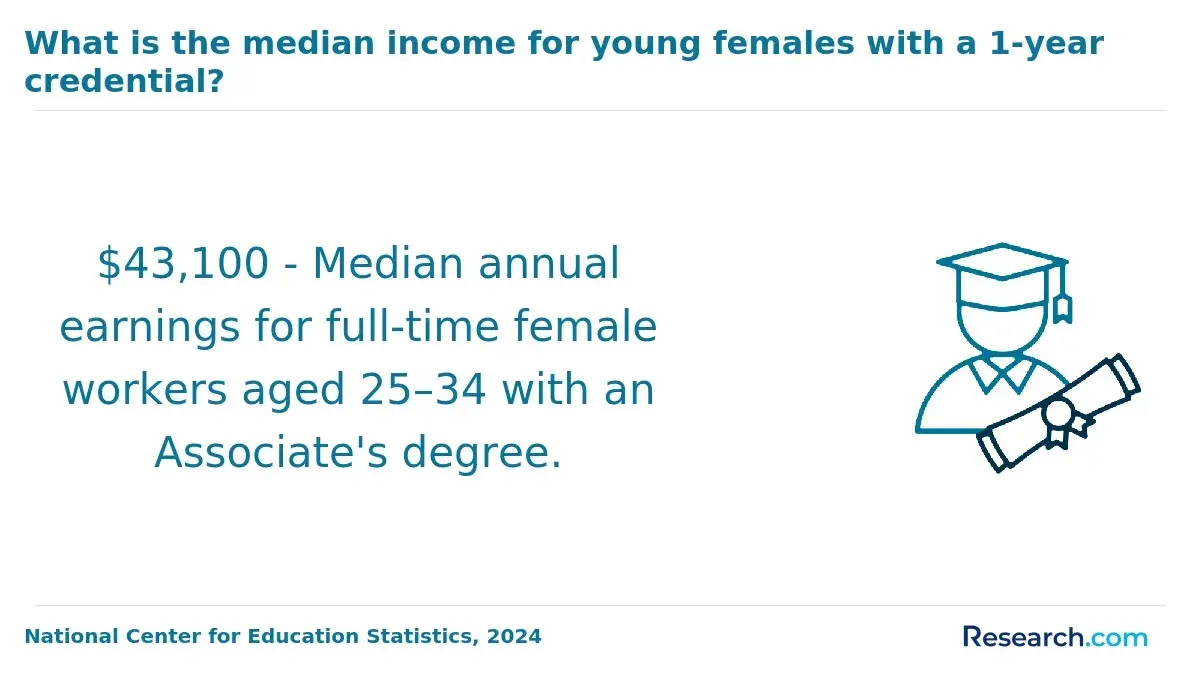
Online clinical research management programs vary in duration and cost, typically requiring one to two years to complete. Certificate or post-bachelor's diploma options offer focused training in documentation and reporting and can be completed in about 12 months. Master's degrees provide a more comprehensive curriculum with deeper specialization opportunities, generally taking 18 to 24 months. Part-time enrollment extends these timelines, offering flexibility for working professionals.
Costs depend on the program and institution. Certificate and diploma programs usually range from $5,000 to $15,000, while master's degrees often cost between $20,000 and $50,000. Additional fees may apply for clinical internships or capstone projects, which enhance practical experience but increase total expenses.
Accelerated programs combine intense coursework and projects to allow completion within 12 to 18 months, ideal for students balancing full-time jobs. Traditional part-time programs may extend up to three years, accommodating learners seeking a slower pace.
The median annual wage for medical and health services managers, including clinical research and clinical trials managers, was $110,680, with top earners exceeding $209,990, according to the U.S. Bureau of Labor Statistics. Prospective students should weigh program length, format, and costs against their career goals to prepare well for high-responsibility roles in clinical research management.
What careers can graduates pursue in clinical research management, documentation, and regulatory reporting roles?
Graduates with degrees in clinical research management focusing on documentation and regulatory reporting can pursue diverse roles in healthcare and pharmaceutical industries. Key positions include clinical research coordinators who manage trial protocols and ensure compliance with regulations, clinical data managers responsible for collecting and securing trial data, and regulatory affairs specialists who prepare and submit documentation to agencies such as the FDA.
Additional career paths include project managers overseeing clinical trials, coordinating teams, and meeting deadlines, as well as quality assurance managers who audit documentation and processes to ensure compliance with Good Clinical Practice (GCP). Compliance officers monitor evolving regulations and risk strategies, while medical and health services management roles offer broader organizational leadership opportunities for graduates integrating clinical research expertise.
Salary data from Georgetown University's Master's in Clinical Research Management online program suggests tuition costs around $56,000-$60,000. Graduates often earn median annual wages exceeding $110,000 in medical and health services management positions, making program investment financially prudent with a payback period of about five years.
Career progression commonly begins with entry-level roles such as clinical trial assistants, advancing to supervisory positions involving complex documentation and regulatory submissions. Expertise in federal and international regulations positions graduates to maintain research integrity, regulatory compliance, and efficient study operations.
What is the salary potential and job outlook for clinical research managers and related documentation roles?
The salary potential for clinical research managers in 2026 remains strong, reflecting their essential role in maintaining compliance and quality in clinical trials. According to the U.S. Bureau of Labor Statistics, the median annual salary ranges from $90,000 to $130,000, influenced by factors such as experience, education, and location. Those specializing in documentation and regulatory compliance can earn at the higher end, driven by the increasing complexity of Good Clinical Practice (GCP) requirements.
Job prospects in clinical research management and related documentation roles are positive, supported by growth in pharmaceutical, biotechnology, and medical device sectors. The FDA enforcement trends review from 2024 showed a 25% rise in warning letters related to GCP and documentation issues between 2018 and 2023, underscoring demand for skilled professionals who can manage rigorous documentation and reporting protocols effectively.
Employers seek candidates who are proficient with electronic data capture systems and regulatory audits. Documentation-focused roles, including clinical documentation specialists or compliance officers, typically earn between $75,000 and $110,000, with opportunities for higher pay through certifications or management duties.
Professional certifications such as the Certified Clinical Research Professional (CCRP) and Regulatory Affairs Certification (RAC) often enhance salary potential and career advancement. Gaining expertise in documentation and reporting not only improves employability but also helps mitigate regulatory risks that can delay trials or result in penalties.
Do you need certification for clinical research management roles, and which credentials value documentation skills?
Certification is a valuable asset in clinical research management, enhancing employability and professional credibility even though it is not universally required. Employers favor candidates with certifications like the Certified Clinical Research Professional (CCRP) and the Association of Clinical Research Professionals (ACRP) Advanced Certified Clinical Research Coordinator, as these credentials emphasize mastery of documentation standards and regulatory compliance.
Skills in managing electronic systems are increasingly critical. A 2024 survey by the Tufts Center for the Study of Drug Development found that 76% of mid-to-large biopharmaceutical companies use eSource or eClinical documentation systems in some trials, with more than 60% planning to expand their use soon. Certifications that focus on electronic data management tools help professionals stay current with these industry shifts.
Additional programs such as the Society of Clinical Research Associates (SoCRA) certification highlight Good Clinical Practice (GCP) guidelines and accurate record-keeping, aligning with the evolving FDA and ICH regulations. Employers typically advance individuals who demonstrate expertise in maintaining trial data integrity and preparing regulatory submissions.
Practical experience with platforms like Medidata Rave or Oracle Clinical combined with certification strengthens qualifications for roles that require rigorous oversight of trial documentation and reporting.
How can prospective students evaluate and choose a reputable online clinical research management program?
Accreditation from recognized organizations like the Commission on Collegiate Nursing Education (CCNE) or the Council on Education for Public Health (CEPH) is essential when selecting an online clinical research management program. This ensures the curriculum meets industry standards and that credits can transfer if necessary. Programs should feature strong training in documentation, reporting, regulatory compliance, data management, and biostatistics to equip students with skills valued by employers.
Evaluate faculty expertise by examining their professional backgrounds and research involvement, which can provide valuable, up-to-date insights. Robust student support services such as career counseling, internship placements, and access to research databases add significant value. Practical experience through internships or capstone projects in clinical documentation offers a competitive advantage.
Flexibility in program delivery and pacing should accommodate your schedule while maintaining engagement via interactive formats. Consider graduation rates, student feedback, and alumni employment outcomes, emphasizing success in clinical research roles.
Wage data from BestColleges' overview shows that epidemiologists earn a median annual wage of $78,520, with the top 10% surpassing $123,430. These figures highlight the benefit of programs that emphasize advanced research, analysis, and reporting skills, boosting earning potential in clinical research management careers.
Other Things You Should Know About Clinical Research Management
Internships or practical experiences are often recommended in 2027 online clinical research management programs. These opportunities provide hands-on learning that complements coursework by allowing students to apply theoretical knowledge in real-world situations, enhancing their expertise in documentation, reporting, and overall management practices.
Technology plays a critical role by streamlining data collection, storage, and reporting through electronic data capture systems and clinical trial management software. Automation and digital tools improve accuracy, facilitate compliance audits, and enable real-time monitoring, all of which enhance overall project management efficiency.
The U.S. Food and Drug Administration (FDA) is the primary regulatory body overseeing clinical trials and compliance in clinical research management. Additionally, the Office for Human Research Protections (OHRP) and Institutional Review Boards (IRBs) help ensure the protection of study participants and ethical conduct throughout the research process.
References
- Medical University of GdaÅsk https://old.mug.edu.pl/74743.html
- Clinical research career: 7 top roles, salaries & GCP guide https://pharmaeducenter.com/blog/clinical-research-career/
- Online vs. On-Campus Clinical Research Courses: Which is Right for You? http://prsync.com/fusion-technology-solutions/online-vs-on-campus-clinical-research-courses-which-is-right-for-you-4308774/
- How to Select a Clinical Trial Management System https://www.advarra.com/blog/how-to-select-a-clinical-trial-management-system/
- How to Become a Clinical Project Manager | CCRPS https://ccrps.org/clinical-research-blog/how-to-become-a-clinical-project-manager
- Evaluating the Role of the Regulatory Writer - ACRP https://acrpnet.org/2019/11/12/evaluating-the-role-of-the-regulatory-writer
- Course: Improve your regulatory medical writing https://www.atriumcph.com/courses-and-programmes/course/Essentials-and-Innovations-in-Medical-Writing/56871
- Clinical Research Management (MS – online) - Biomedical Science Graduate Programs https://school.wakehealth.edu/education-and-training/graduate-programs/clinical-research-management-ms
- Salary Trends for Clinical Research Managers (CRMs) https://www.clinlabstaffing.com/salary-trends-for-clinical-research-managers-crms
- How To Become A Clinical Research Project Manager - Integrity Clinical Compliance https://integrityclinicalcompliance.com/how-to-become-a-clinical-research-project-manager/