2027 Clinical Research Management Specializations for Sponsor-Side Trial Careers

Co-Founder and Chief Data Scientist
Many professionals with unrelated undergraduate degrees struggle to identify practical specializations that align with sponsor-side trial roles in clinical research management. The challenge lies in navigating a crowded field where specialization impacts career trajectory and job opportunities. Employers increasingly seek candidates who can quickly contribute to overseeing trial logistics, compliance, and data integrity from a sponsor's perspective.
Without clear guidance, transitioning into these roles can appear daunting and unfocused. This article explores key specializations within clinical research management for sponsor-side trials and provides insight on how targeted education can streamline career shifts and enhance employability in this competitive sector.
Key Things You Should Know
- Specializations in clinical research management for sponsor-side trial careers in 2026 emphasize regulatory compliance, data analytics, and project leadership to meet evolving FDA and ICH guidelines effectively.
- Employment in sponsor-side roles is projected to grow by 9% through 2030, driven by increased outsourcing and complexity in trial management, highlighting skills in risk-based monitoring and vendor coordination.
- Advanced training in digital tools, biostatistics, and patient recruitment strategies is critical, with 70% of employers prioritizing candidates familiar with decentralized clinical trials and electronic data capture systems.
What is clinical research management and how do sponsor-side specializations shape trial careers?
Clinical research management roles in sponsor-side trials are crucial for the planning, coordination, and execution of clinical trials in pharmaceutical, biotechnology, and medical device companies. These sponsor-side clinical research management career pathways emphasize responsibilities like study design, regulatory compliance, data integrity, and budget oversight. Professionals ensure trials meet strict regulatory standards while managing timelines and costs, which is essential for successful drug development and approval.
Specializations within clinical research management include project management, regulatory affairs, data management, and clinical operations. For instance, project managers monitor milestones and deadlines, while regulatory affairs specialists handle FDA submissions and compliance. Each role demands knowledge of Good Clinical Practice (GCP) and FDA regulations.
Salary data highlights the value of this field: in 2025, the average U.S. clinical research manager earned $107,336 annually, reflecting demand for experts capable of managing complex, multinational trials. For those pursuing education, certifications such as Certified Clinical Research Professional (CCRP) or Project Management Professional (PMP) are valuable. Students may explore relevant programs like online pharmacist programs to build a strong foundation.
Challenges in this profession include balancing evolving regulatory demands with sponsor priorities and adapting to digital trial technologies. Specialties in areas such as oncology or cardiology require trial managers to develop therapeutic expertise alongside core management skills.
Which clinical research management specializations are most in demand on the sponsor side?
On the sponsor side of clinical research management, several specializations are currently in high demand. Clinical trial managers play a central role, overseeing trial execution, budgets, and team coordination. According to CCRPS, U.S.-based clinical trial managers earned between $115,000 and $145,000 in 2025, highlighting the strong demand for these professionals.
Regulatory affairs specialists focus on ensuring compliance with FDA and international standards, securing timely approvals to avoid costly delays. Their knowledge of global regulatory frameworks is especially valued in multi-regional studies. Risk management experts analyze trial risks and develop mitigation strategies, working closely with trial managers and legal teams to protect sponsors while maintaining data integrity. This area is a key focus within sponsor-side clinical research management career paths.
Experts in data monitoring and clinical data management ensure data quality and adhere to protocol endpoints, with skills in electronic data capture (EDC) systems and adaptive trial designs enhancing their employability. Additional roles gaining prominence include patient recruitment strategists and site relationship managers, who address critical operational challenges such as enrollment and site compliance.
Those exploring clinical research management roles should also understand the financial landscape; for example, professionals interested in the pharmaceutical sector may want to review information about how to become a pharmacist salary as part of broader career planning.
What degree levels and academic pathways prepare you for sponsor-side clinical research management?
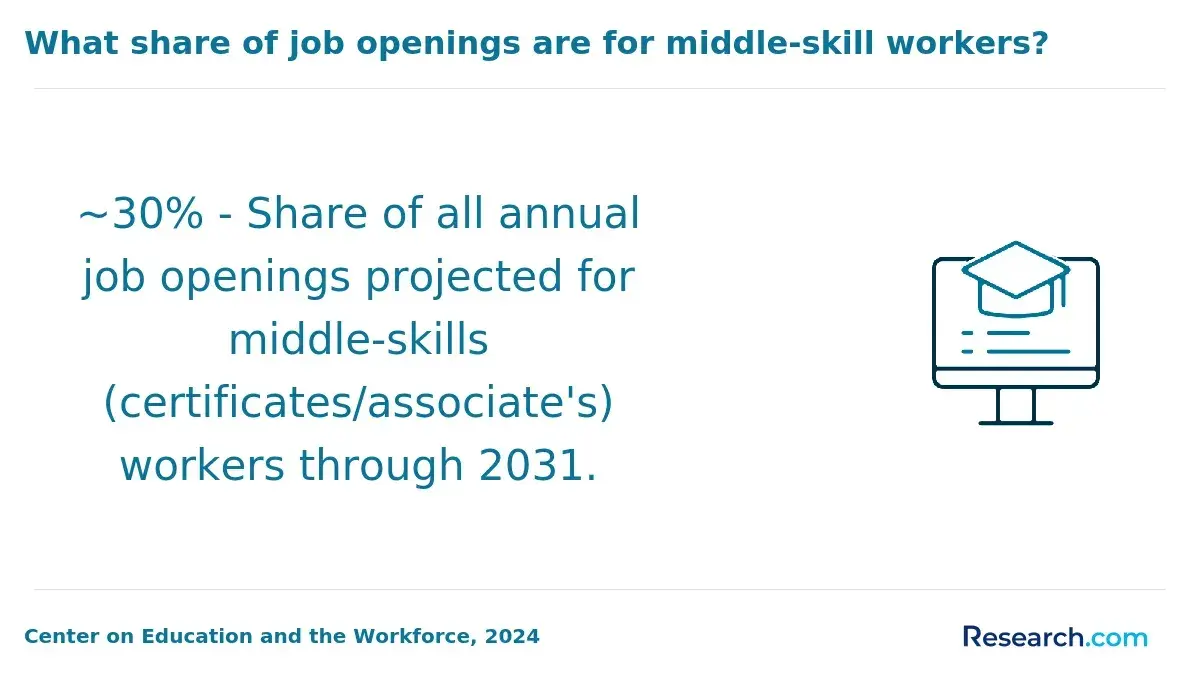
Bachelor's and master's degrees are fundamental academic pathways for clinical research management roles in sponsor-side trials. A bachelor's in life sciences, health sciences, nursing, pharmacy, or related fields lays the foundation, often combining biology, pharmacology, or public health to provide essential clinical trial and regulatory knowledge. Advancement typically requires a master's degree such as a Master of Science (MS) or Master of Public Health (MPH) focused on clinical research, regulatory affairs, or health care management. These programs strengthen leadership, project management, and regulatory compliance skills crucial for managing multi-site trials and interacting with regulatory agencies like the FDA.
Professional certifications, including the Certified Clinical Research Professional (CCRP) and Regulatory Affairs Certification (RAC), further enhance employment prospects. They emphasize clinical trial oversight and regulatory strategy and demand relevant experience paired with academic backgrounds, valued by pharmaceutical and biotechnology sponsors. Specialized regulatory affairs training correlates with median total pay around $165,132 for clinical research managers in this sector.
Additional degree programs for sponsor-side clinical research management careers may involve dual degrees such as MD/MPH or PharmD/MS, blending clinical and managerial expertise. Coursework typically covers clinical trial design, biostatistics, ethical issues, and FDA regulations. Continuous education and workshops help maintain skills amid evolving industry standards.
For those seeking targeted education, a project management degree is an increasingly relevant option to build essential planning and leadership capabilities within clinical research.
How do online clinical research management programs compare with campus options for sponsor-side roles?
Online clinical research management programs versus campus courses for sponsor-side roles offer distinct advantages. Online programs provide flexibility through asynchronous coursework, ideal for professionals balancing work and personal commitments. They increasingly incorporate live virtual labs and collaboration tools to enhance practical learning. Campus courses, however, facilitate direct face-to-face interaction with faculty and peers, which often leads to stronger networking and hands-on training, especially in labs or clinical environments.
Both delivery modes cover critical competencies like study design, regulatory compliance, and data oversight essential for sponsor-side careers. Campus programs may offer greater access to institutional clinical trial networks, internships, and tailored mentorships, supporting career placement. In contrast, online programs can be more accessible and convenient without sacrificing essential sponsor-focused skills, such as quality assurance and vendor oversight.
Prospective students should consider their learning style, work commitments, and need for clinical exposure. Those aiming for clinical data management roles, with average salaries around $91,000 in 2025, should seek programs emphasizing data analytics and biostatistics, available both online and on campus. Accreditation and alignment with sponsor-side expectations remain key factors.
For those exploring education options, an online hospitality management program illustrates how flexible online degrees can be tailored to working students, a relevant model for clinical research management studies as well.
Benefits of online clinical research management education for sponsor-side trial careers include accessibility and adaptability while maintaining preparation in regulatory trends and practical skills.
What coursework and skills are emphasized in sponsor-side clinical research management specializations?
Sponsor-side clinical research management demands expertise in regulatory, financial, and strategic aspects of overseeing clinical trials. Key coursework includes regulatory affairs, clinical trial design, data management, biostatistics, and pharmacovigilance, preparing students to navigate FDA regulations, Good Clinical Practice (GCP), and compliance standards essential for sponsor oversight.
Advanced studies focus on project management and contract negotiation, critical for managing vendor and clinical site collaborations. Candidates develop strong analytical and leadership skills, learning risk management and quality assurance protocols to identify trial risks and implement corrective actions. Training on audit processes equips future managers to conduct internal and external compliance audits aligned with sponsor requirements.
Technology proficiency is emphasized, especially in electronic data capture (EDC) systems and clinical trial management systems (CTMS), which support data integrity and efficient study timelines. Ethical considerations and trial budgeting are also core components, ensuring legal compliance and financial viability.
Practical experience through internships and case studies enhances problem-solving skills with real-world application. Quality assurance clinical research managers in manufacturing earned a median total pay of $149,342 in 2025, highlighting the strong industry demand for expertise in regulatory compliance and quality management. Industry data from Glassdoor confirm the value of these competencies in advancing sponsor-side careers.
What admission requirements and prior experience do clinical research management programs typically expect?
Admission to clinical research management programs usually requires a bachelor's degree in a health-related field like biology, nursing, pharmacy, or public health. Many programs favor candidates with prior clinical research experience, such as roles as a clinical research coordinator or data manager. Advanced programs often require a master's degree, especially for leadership positions or specialized tracks.
Applicants typically submit a resume highlighting relevant experience, which can include internships, clinical trial coordination, regulatory compliance, or patient recruitment. Letters of recommendation from professionals familiar with the applicant's research or healthcare background are commonly requested. Although standardized tests are less frequently required, some institutions may still ask for scores.
Knowledge of Good Clinical Practice (GCP) guidelines and regulatory bodies like the FDA or IRB boards enhances applications. Certifications like Certified Clinical Research Professional (CCRP) or Clinical Research Coordinator (CRC) credentials provide a competitive edge, demonstrating a strong foundation and commitment to the profession.
For career changers, many programs offer evening or online formats that emphasize industry experience over formal education. Leadership and project management skills are highly valued for sponsor-side trial management, where oversight of complex logistics and vendor coordination is essential.
According to CCRPS data, clinical research associates in North America earn between $85,000 and $110,000 on average. This salary reflects the importance of adequate education and hands-on experience in advancing within the field.
How long do clinical research management programs take, and what do they typically cost?
Clinical research management programs vary in length from 6 months to 2 years, depending on the type and format. Certificate programs designed for working professionals often take 6 to 12 months, while master's degrees usually last 18 to 24 months. Part-time and online study options provide flexibility for those balancing work and education.
Costs range widely. Certificate programs typically cost between $3,000 and $8,000, whereas master's degree programs can total $20,000 to over $50,000. Public universities usually offer lower tuition for in-state students, while private institutions tend to be more expensive. Additional expenses may include books, software licenses, and travel for on-campus sessions.
Financial planning should consider expected career outcomes. According to Glassdoor, the median total pay for clinical research managers in the management and consulting industry is $113,843. This reinforces strong earning potential after certification or degree completion.
What salaries, career ladders, and leadership opportunities exist in sponsor-side clinical research management?
Salaries in sponsor-side clinical research management reflect the significant responsibilities these roles entail. Pharmacovigilance clinical research managers earn a median total compensation of around $103,153, highlighting the value of safety monitoring and risk assessment expertise. Entry-level salaries typically range from $60,000 to $75,000 in clinical trial coordination or project support. Mid-level managers can anticipate earnings between $90,000 and $110,000, while senior management roles often exceed $130,000, especially in high-demand therapeutic areas.
Career progression usually starts with roles such as clinical trial associate or coordinator, moving up to clinical project manager and then to senior or director-level positions. Growth opportunities include global project management, regulatory affairs, and specialties like pharmacovigilance or data management. Obtaining advanced certifications, such as the Certified Clinical Research Professional (CCRP) from the Association of Clinical Research Professionals (ACRP), can accelerate advancement.
Leadership positions require managing cross-functional teams, developing clinical strategies, and ensuring regulatory compliance. Skills in portfolio and clinical operations leadership, business acumen, effective communication, and risk mitigation are vital for success. Mentorship programs and leadership training within sponsor organizations also support advancement toward executive roles such as Director of Clinical Development or Vice President of Clinical Operations.
Are certifications or professional credentials required or recommended for sponsor-side clinical research managers?
Professional certifications are highly recommended for advancing a career in sponsor-side clinical research management. Although not legally required, credentials like the Certified Clinical Research Professional (CCRP) from the Society of Clinical Research Associates (SoCRA) and the Certified Clinical Research Coordinator (CCRC) or Certified Clinical Research Associate (CCRA) offered by the Association of Clinical Research Professionals (ACRP) serve as proof of expertise in key areas such as regulatory compliance, project oversight, and study design.
These certifications can lead to higher-paying positions and increased responsibilities. For example, clinical research managers with a focus in biostatistics within nonprofits and NGOs earn a median total pay of $104,358, according to Glassdoor data. As employers place more value on candidates who can manage complex data and regulatory environments, such credentials become vital.
Advanced certifications and continued education-like PMP in project management and Good Clinical Practice (GCP)-help managers stay updated with evolving industry standards. Sponsor-side managers often oversee regulatory submissions and cross-functional teams, requiring proven leadership and compliance skills.
How can prospective students evaluate accredited, reputable clinical research management programs in the U.S.?
Accreditation by recognized agencies like the Commission on Collegiate Nursing Education (CCNE) or the Association to Advance Collegiate Schools of Business (AACSB) is essential when selecting clinical research management programs in the U.S. This ensures the curriculum aligns with industry standards and often includes preparation for certifications such as the Certified Clinical Research Professional (CCRP) or Project Management Professional (PMP), which can boost employability and salary prospects.
Faculty expertise plays a critical role. Programs led by instructors actively engaged in clinical research or holding leadership roles demonstrate a curriculum connected to current industry demands. Hands-on training opportunities, including internships or collaborations with research sponsors or contract research organizations, provide invaluable real-world experience.
Graduates' job placement, especially in sponsor-side trial roles, is a key indicator of program quality. Clinical research project managers in North America earn between $105,000 and $145,000, according to ccrps.org, highlighting the importance of programs linked to employers offering competitive salaries.
The curriculum should offer a balanced focus on clinical operations, regulatory compliance, data management, and project leadership. Prospective students are advised to request detailed course information to confirm these elements.
Consider program flexibility as well, including part-time, online, or hybrid formats that accommodate working professionals.
Other Things You Should Know About Clinical Research Management
Clinical research management professionals on the sponsor side often deal with complexities related to regulatory compliance, data integrity, and managing multi-site trials. Ensuring adherence to FDA regulations and Good Clinical Practice guidelines requires rigorous oversight. Additionally, coordinating cross-functional teams and managing timelines and budgets are common challenges.
Technology proficiency is increasingly critical in sponsor-side clinical research management. Managers must be familiar with electronic data capture systems, clinical trial management software, and data analytics tools. These technologies support efficient trial monitoring, risk assessment, and streamlined communication among stakeholders.
In 2027, clinical research management specializations focus on fostering cross-functional collaboration by integrating advanced project management tools and interdisciplinary leadership training. These enhancements ensure that roles from different departments communicate effectively, crucially improving trial efficiency and outcomes in sponsor-side settings.
Sponsor-side clinical research management places strong emphasis on patient safety and ethics by overseeing informed consent processes and adverse event reporting. Managers ensure studies meet ethical guidelines set by Institutional Review Boards and regulatory bodies. Protecting participant rights and well-being throughout the trial is a fundamental responsibility.
References
- Clinical Site Manager - Sponsor Dedicated https://careers.iconplc.com/job/clinical-site-manager-sponsor-dedicated-in-greece-jid-35788
- Single Sponsor European Clinical Trial Manager - 2-3 days a week in Uxbridge in London, POST-LON - Syneos Health https://www.syneoshealth.com/clinical-corporate-careers/jobs/17461227-single-sponsor-european-clinical-trial-manager-2-3-days-a-week-in-uxbridge
- Clinical Trial Manager Career Roadmap: Essential Steps and Salary Guide https://ccrps.org/clinical-research-blog/clinical-trial-manager-career-roadmap-essential-steps-and-salary-guide
- Certification process for clinical research sites - Bio Research Partner https://bioresearchpartner.com/certification-process-for-clinical-research-sites/
- Clinical Research Associate (CRA) Career Path https://pathologylabtraining.co.uk/biomedical-sciences/cra-careers
- How Much Does It Typically Cost to Take a Clinical Research Course? - Clinical Research Courses FAQ | VIARES https://viares.com/blog/general/how-much-does-it-typically-cost-to-take-a-clinical-research-course/
- Clinical Research Skills for Associates (CRAs) and Coordinators (CRCs) https://clinicaltrialpodcast.com/25-soft-skills-to-boost-your-clinical-research-career/
- How to Become a Clinical Research Coordinator or Trial Manager https://www.mhaonline.com/faq/how-do-i-become-a-clinical-research-coordinator
- Clinical Research Career Ladder: Roles, Promotions, and Typical Timelines https://bayrivercolleges.ca/clinical-research-career-ladder-roles-promotions-timelines/