2027 Clinical Research Salary by State Report

Co-Founder and Chief Data Scientist
Prospective professionals often struggle to determine where to launch or advance a career in clinical research management due to wide salary variation across states. Without clear data, decisions on relocation or job applications can lead to missed financial opportunities or unmet career expectations.
Understanding regional pay differences is crucial for planning a sustainable career pivot, especially for those transitioning from unrelated fields. This article examines clinical research salary trends by state, offering detailed insights to guide informed decisions and maximize earning potential in the evolving job market.
Key Things You Should Know
- The national average salary for clinical research roles in 2026 varies significantly by state, with California, Massachusetts, and New York offering top wages above $95,000 annually.
- States with major pharmaceutical hubs or research universities consistently see higher clinical research salaries, reflecting localized demand and investment in Clinical Research Management education and industry.
- Entry-level positions in Clinical Research Management average around $60,000, while senior roles can exceed $120,000, indicating strong career growth potential driven by ongoing healthcare innovation.
What is the average clinical research salary by state in the United States?
The average clinical research salary by state in the United States varies widely due to factors such as regional demand, cost of living, and the presence of local healthcare and biotechnology industries. Nationally, Clinical Research Coordinators earn a median salary of $63,639, while Clinical Research Associates have a median of $94,981, according to Salary.com data summarized by Clinical Research Fastrack.
States with major pharmaceutical and biotech hubs like California, Massachusetts, and New York typically offer salaries above these medians. For instance, Clinical Research Associates in California often earn more than $100,000 due to a high concentration of research institutions.
Conversely, smaller healthcare markets in parts of the Midwest and South usually feature lower salaries, with Clinical Research Coordinators frequently earning less than $60,000.
Clinical research salary trends across US states reflect not just geography but also experience, certification status, and education. Professionals holding certifications such as CCRC or CCRP generally command higher wages.
Employers in states with a higher cost of living adjust salaries accordingly, so candidates should consider local economic conditions carefully.
Those pursuing clinical research management careers-and even students looking to advance their education-may benefit from exploring a doctorate in healthcare administration to position themselves for advancement in this competitive field.
Which states offer the highest and lowest clinical research salaries and why?
The highest clinical research salaries in the U.S. concentrate in states with major pharmaceutical, biotechnology, and healthcare hubs. Clinical Research Associates nationally earned between $95,000 and $115,000 according to CCRPS's 2025 Clinical Research Salary Report, making the U.S. a global leader in this field.
States offering the highest salaries include California, Massachusetts, and New York, where dense networks of research institutions and large healthcare markets drive wages upward. For instance, California's Bay Area hosts many biotech firms that compete for skilled researchers.
In contrast, states with the lowest clinical research salaries and reasons are often those with limited healthcare infrastructure and fewer clinical trials.
Mississippi, Arkansas, and West Virginia typically offer below-average pay, with entry-level roles starting near $60,000 due to reduced demand and budget constraints. Lower living costs partly explain these wage differences.
Professionals seeking higher pay should consider relocation to high-paying states or remote positions connected to top research centers. Developing specialized skills in regulatory compliance, data management, or project management may also improve earnings in lower-paying areas. Salary gains in metropolitan hubs usually correspond with higher living expenses.
Students and professionals pursuing careers in clinical research management can explore the fastest online master's in healthcare administration programs to enhance credentials and marketability across regions.
How do clinical research salaries compare across major metropolitan and rural areas?
Clinical research salary differences between metropolitan and rural regions are influenced greatly by cost of living and regional demand. Metropolitan hubs like Boston and San Francisco offer higher nominal salaries, with entry-level Clinical Research Coordinators often earning above $60,000 annually.
However, these gains are frequently offset by elevated housing and transportation expenses, reducing overall financial benefit.
Conversely, states such as North Carolina and Virginia provide a more favorable salary-to-cost-of-living ratio. According to Duke CTSI, entry-level Clinical Research Coordinators in these states generally start between $50,000 and $60,000, enabling greater disposable income and financial stability compared to high-cost urban areas.
This difference in average clinical research compensation in urban versus rural areas is vital for those managing finances early in their careers.
Rural communities tend to offer lower absolute salaries but benefit from reduced living costs and a slower pace of life. Opportunities may be more limited, centered in smaller healthcare systems or university research centers. Prospective clinical research professionals should consider these factors:
- Salary-to-cost-of-living ratio in the target location.
- Availability and diversity of clinical research opportunities.
- Career advancement potential in metropolitan versus rural settings.
- Quality of life and personal preferences regarding urban versus rural living.
Students and professionals seeking to advance their credentials can also explore specialized programs tailored to their needs. For example, those interested in health information can pursue a CAHIIM accredited health information management degree online to enhance their expertise and career prospects within clinical research management.
What education and degrees are required for clinical research management careers?
A bachelor's degree in life sciences, nursing, pharmacy, or related health fields typically forms the educational foundation for clinical research management careers in the United States. Degrees in biology, biochemistry, public health, or health administration also align well with the necessary knowledge base.
Educational requirements for clinical research management careers in the United States often extend to a master's degree, especially for leadership roles. Many employers seek candidates holding advanced degrees in clinical research, health sciences, or healthcare-focused business administration.
Professional certifications like the Certified Clinical Research Professional (CCRP) or Regulatory Affairs Certification (RAC) further validate expertise and improve career prospects.
Gaining relevant experience through internships or research assistant roles enhances practical understanding of clinical trial protocols, regulatory frameworks, ethical standards, and project management tools.
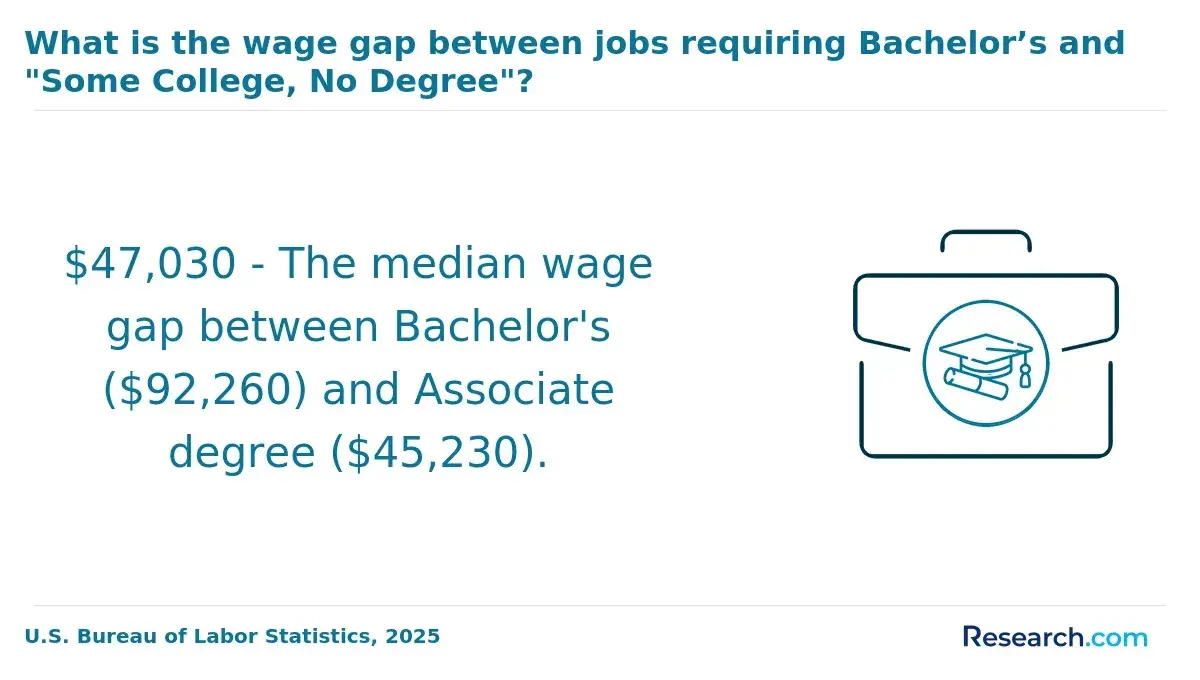
Salary data highlights the importance of education and experience. For instance, Duke CTSI reports that in Virginia, entry-level Regulatory Affairs Coordinators earn between $46,000-$53,000. After several years, median salaries rise to about $62,000, marking a 25-35% salary increase tied to growing expertise and advanced qualifications.
For those seeking to advance in clinical research management, exploring online masters programs in human resource management can broaden leadership and organizational skills critical to career growth.
How do online clinical research management programs compare to campus-based options?
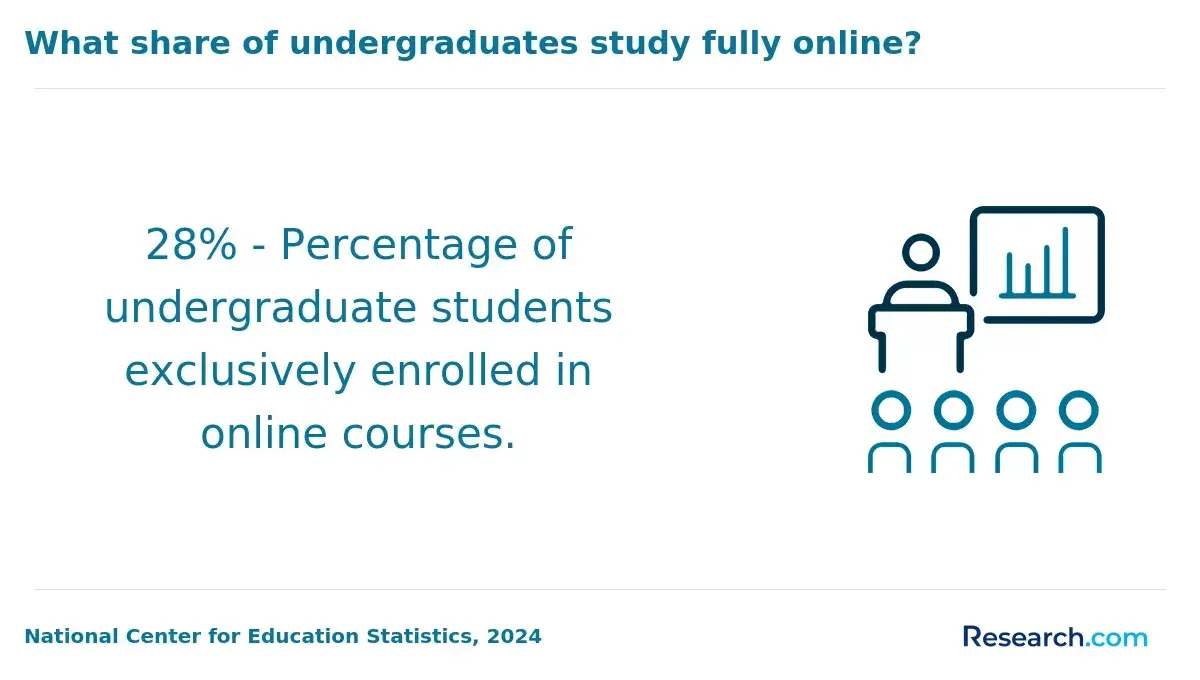
Online clinical research management programs offer flexible learning schedules that often suit working professionals or those with other commitments. They cover key subjects like regulatory compliance, clinical trial design, and patient recruitment strategies, matching campus-based curricula in content.
However, campus programs generally provide more hands-on opportunities and direct interaction with faculty and peers, which enhance networking and practical skill development.
Many online options incorporate virtual simulations and collaboration tools, but access to in-person internships or clinical site visits can be limited. For those targeting advanced roles, such as senior Clinical Research Associates, programs with strong practicum and real-world experience components are essential, as this experience heavily impacts career growth.
Salary data supports the importance of advanced expertise, with CCRPS's 2025 salary report showing average earnings exceeding $120,000 for senior clinical research associates in North America. This highlights the benefit of comprehensive training whether completed online or on campus.
When selecting a program, consider accreditation, faculty expertise, and clinical site connections. Students interested in leadership or specialized roles might gain more from campus programs offering research labs or hospital partnerships.
Online programs deliver foundational knowledge and convenience, while campus options provide greater immersion and networking opportunities-both key in competitive markets.
What accreditation should clinical research management programs have in the United States?
Accreditation plays a crucial role in clinical research management programs across the United States, ensuring students receive quality education aligned with industry standards.
Reputable accreditations from regional bodies like the Middle States Commission on Higher Education (MSCHE), New England Commission of Higher Education (NECHE), or the Southern Association of Colleges and Schools Commission on Colleges (SACSCOC) validate a program's academic rigor and career readiness.
Specialized accreditation, such as from the Accreditation Council for Clinical Research Education (ACCRE), focuses specifically on clinical research training quality. Programs with ACCRE accreditation typically deliver comprehensive coursework covering crucial topics including regulatory compliance, clinical trial design, patient safety, and data management.
These accreditations matter to employers, who prioritize hiring graduates with verified competence, improving job opportunities and salary potential.
For example, the CCRPS report on the "Top 10 Highest Paying Clinical Research Jobs in 2025" highlights a 12% median salary increase for clinical research associates between 2023 and 2025, with even higher growth for trial managers and medical monitors.
Prospective students should carefully verify program accreditation to avoid costly investments in unaccredited programs that could hinder certification eligibility from organizations like the Society of Clinical Research Associates (SoCRA) or the Association of Clinical Research Professionals (ACRP).
What is the typical curriculum in a clinical research management degree or certificate?
A clinical research management degree or certificate develops expertise in overseeing clinical trials, regulatory compliance, and project management.
Core subjects include research design, biostatistics, and ethical issues in human subjects research. Students gain knowledge on managing clinical trials from initiation to closeout, including protocol development, informed consent, and data management.
Programs cover regulatory frameworks such as FDA regulations, Good Clinical Practice (GCP), and ICH guidelines. Additional coursework addresses healthcare laws, risk management, and quality assurance to prepare professionals for compliance challenges.
Practical skills taught include budgeting, resource allocation, team leadership, and project management strategies, which help ensure trials meet deadlines and budgets. Some programs offer specialization tracks like drug development or device trials tailored to particular clinical research sectors.
Bachelor's degrees provide foundational knowledge, while certificate programs offer focused study in areas like regulatory affairs, monitoring, or data management, often using case studies and simulations. According to an ACRP workforce analysis, the median advertised salary for clinical research roles is $63,104, exceeding the U.S. average salary-highlighting the value of specialized education.
How long do clinical research management programs take and what do they cost?
Programs in clinical research management typically range from 12 to 24 months, depending on the credential pursued. Certificate programs usually take about one year and emphasize core skills like regulatory compliance, trial design, and project coordination.
Associate degrees or bachelor's completion programs may last closer to two years, covering broader topics such as biology, ethics, and data analysis. Master's degrees generally span two years, offering advanced knowledge, leadership development, and specialization opportunities.
Costs differ significantly by program type and institution. Certificate programs often cost between $5,000 and $15,000. Associate and bachelor's programs are priced from $20,000 to $50,000, while master's degrees range from $30,000 to $70,000. Online options can provide more flexibility and sometimes lower overall expenses, but they require strong self-discipline and time management skills.
Students should prioritize program accreditation and curriculum relevance. Employers value hands-on experience alongside academic qualifications, so combining coursework with internships or practicum placements boosts job readiness and earning potential.
Salary disparities in clinical research management highlight the value of education investment. According to CCRPS's 2025 global report, North America leads in pay, with principal investigators earning $190,000-$220,000 and medical monitors $160,000-$200,000. This regional variation underscores promising career returns in well-developed markets.
What entry-level and advanced job titles exist in clinical research management?
Entry-level roles in clinical research management typically include Clinical Research Coordinator, Clinical Trial Assistant, Study Coordinator, and Regulatory Affairs Associate. These positions focus on supporting study operations, managing participant recruitment, maintaining documentation, and ensuring protocol compliance.
Advanced job titles include Clinical Research Manager, Clinical Project Manager, Director of Clinical Operations, and Clinical Research Monitor. These senior roles involve overseeing multiple studies, directing cross-functional teams, and ensuring broad regulatory adherence.
Specialized roles within clinical research management include Clinical Data Manager, who emphasizes data integrity and database oversight, and Biostatistician, responsible for statistical analysis critical to trial outcomes. Project Managers also play a key role by handling budgeting, timelines, and resource management, differentiating from coordinators who focus on daily trial operations.
Compensation trends indicate a growing demand for oversight and data-centric roles, driven by the rise of decentralized trials. Salaries for Clinical Research Managers and Data Managers have risen faster than entry-level roles due to increased responsibilities and complexity.
Aspiring professionals can enhance career advancement by obtaining certifications such as Certified Clinical Research Professional (CCRP) and Project Management Professional (PMP). Familiarity with decentralized trial protocols and remote management tools is increasingly valuable, and understanding state-specific demand can help target better job opportunities.
Which certifications and professional licenses can boost clinical research salaries by state?
Certifications and professional licenses play a crucial role in determining clinical research salaries by state, often creating significant pay gaps. The Certified Clinical Research Professional (CCRP) credential, offered by the Society of Clinical Research Associates (SOCRA), enhances earning potential by validating advanced knowledge and adherence to industry standards.
Similarly, the Association of Clinical Research Professionals (ACRP) offers respected certifications such as the Certified Clinical Research Coordinator (CCRC) and Certified Clinical Research Associate (CCRA), which often lead to higher salaries nationwide.
States with thriving pharmaceutical industries, including California and Massachusetts, tend to reward certified professionals with increased salaries due to greater demand and the complexity of clinical trial protocols.
Combining a Registered Nurse (RN) license with clinical research certification is another way to boost compensation, especially in states like New York and Texas with robust healthcare sectors. This blend of clinical expertise and research knowledge typically results in more advanced roles and better pay.
Advanced credentials such as the Certified Principal Investigator (CPI) are linked to even greater salary growth for professionals who lead clinical trials, often commanding top-tier wages in competitive markets.
Employers increasingly seek candidates with these credentials to ensure regulatory compliance and maintain quality standards, directly impacting salary scales.
According to a report by ACRP, the monthly job postings for the clinical research workforce grew at a 9.3% compound annual rate between 2016 and 2019, highlighting ongoing demand and reflecting salary increases tied to certification across all states through the mid-2020s.
Other Things You Should Know About Clinical Research Management
The 2027 Clinical Research Salary by State Report highlights varying salary trends across the U.S., with states like California and Massachusetts offering higher pay due to robust research sectors. It reveals the significant role of geographic location in influencing salary opportunities in clinical research management.
Experience significantly influences salary growth in clinical research management. Professionals with several years of experience typically command higher salaries due to enhanced expertise in trial design, regulatory compliance, and team leadership. Advanced experience also often leads to managerial or director-level positions, which come with greater compensation.
Salaries in clinical research management vary by industry, with pharmaceutical and biotechnology companies generally offering higher pay compared to academic or nonprofit research organizations. The demand for drug development and innovation in these industries drives competitive salaries and additional incentives.
Geographic location affects factors like cost of living, availability of research institutions, and local healthcare infrastructure, all influencing salary levels beyond state averages. Urban centers with major medical research hubs often offer more opportunities and higher pay, whereas rural areas may have fewer positions and lower compensation.
References
- Top Clinical Research Certifications to Boost Your Career https://www.clinicalscienceresearchsolutions.com/post/top-clinical-research-certifications-guide
- Clinical Research Career Ladder: Roles, Promotions, and Typical Timelines https://bayrivercolleges.ca/clinical-research-career-ladder-roles-promotions-timelines/
- Clinical Research Associate Salary (June 2026) | NSH https://jobs.nsh.org/salary/clinical-research-associate
- Masters in Clinical Research Overview | CCRPS https://ccrps.org/clinical-research-blog/masters-in-clinical-research
- Clinical Research Associate Salary (June 2026) | NYSCHP https://careers.nyschp.org/salary/clinical-research-associate
- Clinical Research Associate (CRA) - Salary, How to Become, Job Description & Best Schools https://www.onlinedegree.com/careers/medical-healthcare/clinical-research-associate-cra/
- How to Start a Career in Clinical Research https://www.hyperec.com/blog/how-to-start-a-career-in-clinical-research/
- Getting Started in Clinical Research - ACRP https://acrpnet.org/career-center/getting-started-in-clinical-research
- Clinical Research Coordinator Salary Guide: Complete Compensation Analysis By State & Experience in Indiana at Ccrps | Apply now! â StudySmarter â Talents https://talents.vaia.com/companies/ccrps/clinical-research-coordinator-salary-guide-complete-compensation-analysis-by-state-experience-38139001/
- Clinical Research Salary in the United States (2026 Career Guide) https://prorelixeducation.com/clinical-research-salary-in-the-united-states-2026-career-guide/