2027 Online Clinical Research Management Degrees With Real-World Regulated Research Case Studies

Co-Founder and Chief Data Scientist
Many professionals with unrelated undergraduate degrees face challenges breaking into the clinical research management field due to a lack of practical experience with regulated research protocols. This gap often hinders career transitions despite strong academic credentials. Employers increasingly seek candidates familiar with real-world regulatory environments and case studies, not just theory. Flexible online degree programs that incorporate hands-on, regulated research examples offer a viable solution for career changers aiming to meet industry standards.
This article explores current online clinical research management degrees that integrate practical case studies, helping readers identify programs that prepare them effectively for regulated research roles.
Key Things You Should Know
- Online clinical research management degrees in 2026 emphasize hands-on experience through real-world regulated research case studies, enhancing practical understanding of compliance and trial oversight.
- Programs integrate current FDA and ICH-GCP guidelines, reflecting a 15% increase in demand for graduates skilled in managing regulatory complexities within clinical trials.
- Data from 2024 shows online learners in this field benefit from flexible schedules and accelerated paths, with 60% securing roles within six months post-graduation.
What is an online clinical research management degree with real-world regulated research case studies?
An online clinical research management degree programs with real-world case studies blend theoretical knowledge with practical insights. These programs prepare students to manage clinical trials while adhering to federal regulations such as FDA guidelines and Good Clinical Practice (GCP). Real-world case studies enable learners to explore challenges like protocol development, patient recruitment issues, data management, and audit readiness, reflecting the complexities faced in pharmaceutical companies, contract research organizations, and academic medical centers.
Regulated clinical research training online with practical case applications often covers project management, regulatory affairs, biostatistics, and ethics. For instance, students may review incidents involving improper adverse event reporting and create corrective action plans aligned with regulatory standards. This hands-on approach builds critical problem-solving skills needed for effective clinical research operations.
Online programs offer flexibility for working professionals by combining asynchronous coursework with virtual teamwork on case analyses. Many curricula include clinical trial management system (CTMS) software training to enhance technology skills crucial for data integrity and audit trails. The growing demand for clinical research managers is clear, with employment projected to increase 28% from 2022 to 2032, reflecting expanding opportunities in healthcare management.
Those seeking to broaden their career options might also explore resources on how to get into pharmaceutical sales, a complementary path within the pharmaceutical industry.
How do online clinical research management programs compare with campus-based options for flexibility and quality?
Online clinical research management programs offer notable flexibility compared to campus-based options, especially benefiting working professionals and those with family commitments. These programs allow asynchronous access to coursework and case studies, which supports continuous professional development without requiring a break from employment.
This flexibility aligns well with the clinical trials market, which Global Market Insights forecasts will grow from about $73 billion in 2023 to over $123 billion by 2032 due to increased outsourcing and regulatory demands. Incorporating the keyword online clinical research management programs flexibility comparison, students can better evaluate how well a program fits their lifestyle and career goals.
In terms of quality differences between online and campus-based clinical research management degrees, online programs increasingly match the rigor of traditional studies by integrating real-world case studies compliant with Good Clinical Practice (GCP) standards.
Several accredited programs collaborate with hospitals or contract research organizations (CROs) to offer virtual or local experiential learning opportunities, ensuring students face actual regulatory challenges. Although campus programs may still provide in-person networking and lab experiences, many online options include interactive simulations and live webinars featuring industry experts.
For those seeking more detailed information on related degree options, exploring an accelerated construction management degree online may provide useful insights into flexible online education models.
Choosing between online and campus formats depends on individual learning preferences and circumstances. Online clinical research management degrees increasingly offer a balance of flexibility and practical experience, making them a viable choice aligned with industry demands.
Which accreditation and regulatory standards should online clinical research management degrees meet?
Online clinical research management degree accreditation standards require regional accreditation by agencies recognized by the U.S. Department of Education or the Council for Higher Education Accreditation (CHEA). This ensures programs meet academic quality benchmarks and offer transferable credits. Additionally, regulatory compliance requirements for clinical research management programs include alignment with certifications from organizations like the Association of Clinical Research Professionals (ACRP) and the Society of Clinical Research Associates (SOCRA), which validate expertise in protocol design, data management, and regulatory adherence.
Programs must also incorporate standards from regulatory bodies such as the U.S. Food and Drug Administration (FDA) and follow International Conference on Harmonisation Good Clinical Practice (ICH-GCP) guidelines. These frameworks emphasize human subject safety, ethical concerns, and rigorous trial monitoring necessary for managing research studies. Coursework covering Institutional Review Board (IRB) processes and Health Insurance Portability and Accountability Act (HIPAA) compliance further equips students to handle legal and ethical challenges.
Graduates adhering to these standards benefit from strong job prospects; medical and health services managers earn a median wage of $110,680, with certain sectors in pharmaceutical manufacturing exceeding $175,000. Those seeking related educational paths may find, for example, a project management degree valuable for broader leadership skills within clinical research settings.
What courses and case-study experiences are typically included in an online clinical research management curriculum?
Online clinical research management courses with practical case studies typically cover regulatory frameworks, research design, data management, and ethics. Core classes include clinical trial methodology, Good Clinical Practice (GCP) guidelines, biostatistics, and pharmacovigilance, helping students grasp regulatory environments shaped by agencies like the FDA and emphasizing patient safety and data integrity.
Regulated research case study experiences in clinical research management programs often involve managing adverse event reports, navigating Institutional Review Board (IRB) approvals, and ensuring compliance during site monitoring visits. Students analyze challenges such as trial enrollment, protocol deviations, risk assessment, budgeting, contract negotiation, and stakeholder communication in multi-site trials to understand operational complexities.
Data handling labs provide hands-on experience with clinical databases and Electronic Data Capture (EDC) systems, focusing on data validation and query resolution. Ethics-focused cases promote critical thinking regarding informed consent and patient confidentiality compliance risks.
Arizona State University notes that its fully online Master of Science in Clinical Research Management enrolls professionals from more than 20 U.S. states and multiple countries, with over 70% of students employed full-time while studying. This demonstrates the need for curricula balancing advanced theory and flexible, case-based learning tailored for working adults. Those interested in related fields might also explore an online hospitality degree as an alternative career path.
What are the admission requirements and prerequisites for online clinical research management programs?
Admission to online clinical research management programs usually requires a bachelor's degree from an accredited institution, often in fields such as health sciences, biology, or nursing. Applicants must typically maintain a minimum GPA of around 3.0 on a 4.0 scale, demonstrating solid academic performance. Common application materials include official transcripts, letters of recommendation, and a statement of purpose describing career objectives within clinical research management.
Prerequisites often involve college-level courses in biology, chemistry, statistics, or research methodology. Professional experience in healthcare, clinical trials, or research coordination strengthens candidacy, with roles like clinical research coordinator or regulatory compliance officer viewed as valuable preparation. Some programs may also require standardized test scores like the GRE, although this is uncommon. International students usually need to prove English proficiency through exams such as TOEFL or IELTS.
Technical skills, including computer proficiency and familiarity with clinical trial software, can be necessary due to the field's regulated nature. Drexel University's online MS in Clinical Research Organization and Management illustrates the financial investment, charging $1,412 per credit for the 2026-2027 academic year. This amounts to roughly $50,800 for the 36-credit program before additional fees, reflecting the resources devoted to regulatory training and practical case studies.
How long do online clinical research management degrees take and what do they cost?
Online clinical research management programs vary in duration based on level and format, typically between 12 and 24 months. Certificate and diploma options often require about a year, ideal for professionals seeking targeted regulatory knowledge. Associate and bachelor's degrees usually extend to two years or more, providing a broader curriculum. Master's degrees typically take 18 to 24 months, combining advanced specialization with practical case studies.
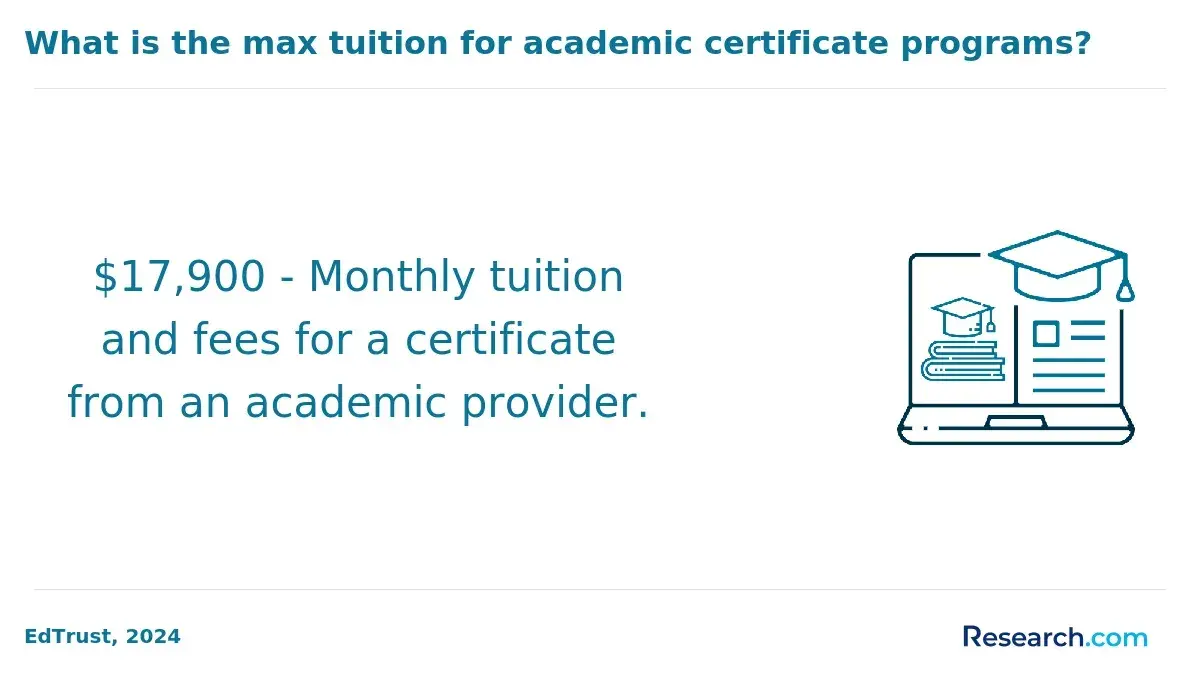
Costs depend on the type of institution and program depth. Tuition for online certificates ranges from $3,000 to $8,000, associate degrees between $10,000 and $20,000, and bachelor's degree programs from $15,000 to $40,000. Master's degrees tend to be the most expensive, with tuition spanning $20,000 to $50,000. Many students reduce costs through financial aid or employer tuition reimbursement programs.
Programs increasingly incorporate contemporary regulatory requirements, especially following the U.S. Food and Drug Administration's update to Good Clinical Practice guidance ICH E6(R3). This crucial change affects over 40,000 FDA-regulated clinical trials, emphasizing the value of coursework that includes up-to-date case studies aligned with evolving standards.
When selecting a program, consider flexibility, accreditation, and practical training elements. Accelerated options serve those needing quick entry into the workforce, while comprehensive degrees prepare students for leadership roles. Accreditation enhances credibility and job prospects within regulated research.
What careers can you pursue with an online clinical research management degree?
Graduates with an online clinical research management degree can access diverse roles in healthcare and pharmaceuticals, spanning clinical, regulatory, and operational fields. Key positions include clinical research coordinator, who manages trial activities and recruitment, and clinical research associate, responsible for monitoring studies and maintaining protocol compliance.
Other promising careers are clinical project manager, overseeing multiple trials, and regulatory affairs specialist, ensuring adherence to FDA and other regulations. Data managers analyze clinical data, while quality assurance auditors verify regulatory standards. Entry-level jobs like research or trial assistant offer valuable experience.
Employers highly value hands-on experience such as clinical trial case studies or simulation exercises. A 2024 survey by the Association of Clinical Research Professionals (ACRP) reports that applicants with this practical experience are 40% more likely to be job-ready than those with classroom-only training. Examples include simulations of regulatory inspections and patient consent processes, which build skills for regulatory challenges and managing multi-site trial logistics.
With industry trends moving toward decentralized and virtual trials, career opportunities now include roles in digital data capture and remote participant management. Professionals skilled in both traditional site-based and innovative virtual trials are particularly sought after.
What salary ranges and earning potential exist for clinical research management professionals?
In the U.S., salaries for clinical research management professionals range broadly, from about $70,000 for entry-level positions up to $130,000 for experienced managers. Senior leaders and those specializing in complex or niche areas, such as oncology or rare diseases, can earn more than $150,000 annually. This reflects the high demand and complexity involved in managing trials within these fields.
Key factors influencing earnings include:
- Specialization, with oncology trials comprising roughly 45% of industry-sponsored research activity, driving higher compensation.
- Geographic location and employer type, where large pharmaceutical companies and research organizations in metropolitan areas typically offer better pay than smaller or academic settings.
- Additional certifications and experience, especially in regulated research protocols, budgeting, and cross-functional coordination.
For those pursuing further education, clinical research management degrees that integrate real-world regulated research case studies-particularly focused on oncology and rare diseases-offer clear advantages in both expertise and salary prospects. Employers value demonstrated ability in managing complex clinical trial protocols, which supports career growth.
Considering the evolving landscape of clinical trials, professionals who build specialized knowledge and practical skills in regulated research environments are positioned to achieve higher earning potential in this competitive field.
How do online clinical research management degrees support eligibility for industry certifications?
Online clinical research management degrees align closely with the core competencies required by certifying bodies like SOCRA (Society of Clinical Research Associates) and ACRP (Association of Clinical Research Professionals). These programs use regulated research case studies that reflect real industry challenges, preparing students to meet the rigorous standards necessary for certification. Graduates gain proficiency in key areas such as Good Clinical Practice (GCP), regulatory compliance, trial monitoring, and data management.
Certification organizations typically require documented education covering both foundational and advanced clinical research topics. Degree programs offer structured modules on trial design, patient safety, ethics, and regulatory standards consistent with FDA and ICH guidelines. Importantly, exposure to decentralized and hybrid trial models is becoming critical. According to Deloitte's 2024 life sciences outlook, over 30% of new phase II and III trials will use these models by 2027, up from under 10% pre-pandemic.
Knowledge of emerging trial methodologies and digital tools gives candidates a competitive advantage, as many programs incorporate these innovations. Hands-on case studies also enhance critical thinking and decision-making skills, boosting readiness for certification exams.
Online clinical research management degrees support certification eligibility by:
- Covering essential topics including GCP, regulatory compliance, and ethics aligned with certifier requirements
- Providing practical experience with decentralized and hybrid trial settings aligned with evolving industry trends
- Utilizing real-world case studies to develop skills necessary for certification success
How can prospective students evaluate and choose a reputable online clinical research management program?
When selecting an online clinical research management program, prioritize accreditation from recognized bodies like the Association of Clinical Research Professionals or regional agencies. Accreditation validates that the program meets industry standards and is valued by employers.
The curriculum should reflect current regulatory requirements, including updates such as the FDA's E6(R3) guidance on Good Clinical Practice (GCP). Programs incorporating real-world regulated research case studies help students gain practical insights into compliance and quality assurance.
Experiential learning opportunities, for example, virtual simulations or partnerships with clinical research organizations, are essential. These experiences connect theory with practice and better prepare graduates for leadership roles.
Faculty credentials matter-seek programs taught by active professionals in clinical research management to ensure education stays aligned with evolving industry trends.
Graduate outcomes offer useful indicators. According to the Association of Clinical Research Professionals (ACRP) 2024 Workforce & Salary Survey, experienced clinical research professionals moving into leadership roles such as clinical trial manager or director see average salary increases of 25-35% over senior coordinator positions.
Comparing tuition against potential salary gains can reveal program value. Flexible scheduling and support services are also important for working professionals balancing education and employment.
Connecting with current students or alumni provides firsthand perspectives on program strengths and limitations, helping to make informed decisions aligned with career goals.
Other Things You Should Know About Clinical Research Management
Successful clinical research management professionals need strong organizational and communication skills to coordinate complex projects and diverse teams effectively. Attention to detail and proficiency in regulatory compliance are critical, as managing study protocols and data integrity directly impact research validity. Additionally, analytical thinking and problem-solving abilities help navigate challenges that arise during clinical trials.
Technology is integral to modern clinical research management education, with programs teaching the use of electronic data capture systems, clinical trial management software, and regulatory submission platforms. Hands-on experience with these tools prepares students to manage data efficiently and ensure accuracy during clinical trials. Familiarity with virtual collaboration technology is also common to support remote research teams.
Yes, many clinical research management professionals pursue continuing education through workshops, certification renewal, and specialized training in emerging research methodologies or regulatory updates. Professional organizations often offer webinars and conferences that help maintain industry knowledge and compliance skills. Lifelong learning is important to adapt to evolving clinical research standards and technologies.
References
- How to Select a Clinical Trial Management System https://www.advarra.com/blog/how-to-select-a-clinical-trial-management-system/
- Exciting science careers in Clinical Research | ICON news and blogs https://careers.iconplc.com/blogs/2020-2/exciting-science-based-careers-in-clinical-research
- How to Start a Career in Clinical Research https://www.hyperec.com/blog/how-to-start-a-career-in-clinical-research/
- Getting Started in Clinical Research - ACRP https://acrpnet.org/career-center/getting-started-in-clinical-research
- Clinical Research Management (MS – online) - Biomedical Science Graduate Programs https://school.wakehealth.edu/education-and-training/graduate-programs/clinical-research-management-ms
- Free Online Clinical Research Courses | CCRPS https://ccrps.org/clinical-research-blog/free-online-clinical-research-courses
- Decoding Salaries in Clinical Research | ClinSkill https://www.clinskill.com/decoding-salaries-in-clinical-research/
- Clincademy - Clinical Research Training Courses https://www.clincademy.com/
- Clinical Research Careers in 2026: Roles, Salaries & Scope https://clinilaunchresearch.in/blog/clinical-research-careers/