2027 Best Online Bachelor's in Clinical Research Management With Good Clinical Practice Coursework

Co-Founder and Chief Data Scientist
Many working professionals with unrelated undergraduate degrees face challenges breaking into clinical research management due to the specialized knowledge required, especially in Good Clinical Practice standards. Without formal education tailored to the industry's regulatory and operational demands, job seekers struggle to demonstrate relevant expertise.
This gap often limits career advancement or entry into clinical trials oversight roles. This article examines the best online bachelor's programs that include Good Clinical Practice coursework, offering flexible, accredited pathways designed to equip students with essential skills and improve employability in clinical research management.
Key Things You Should Know
- Online bachelor's programs in clinical research management with good clinical practice coursework prepare students for regulatory compliance and ethical standards in clinical trials, reflecting FDA and ICH guidelines updated in 2024.
- Graduates from these programs often see a 15% higher employment rate within 12 months compared to general healthcare degrees, driven by growing demand for skilled clinical research coordinators.
- Programs emphasize hands-on training via virtual labs and internships, crucial for mastering protocol development, patient safety, and data integrity in clinical research environments.
What is an online bachelor's in clinical research management with Good Clinical Practice training?
An online bachelor's degree in clinical research management with Good Clinical Practice (GCP) training integrates essential management skills with specialized knowledge of ethical standards and regulatory compliance for clinical trials.
This bachelor's program in clinical research management including good clinical practice training prepares students to oversee participant safety, data integrity, protocol adherence, and documentation, all within GCP guidelines set by authorities like the FDA and ICH.
Core courses cover clinical trial design, regulatory affairs, biostatistics, and research ethics. GCP training focuses on informed consent, monitoring, and quality assurance to ensure responsible research conduct. Graduates develop the expertise to work as clinical trial managers, research coordinators, or compliance officers within pharmaceutical companies, contract research organizations (CROs), or academic institutions.
The online format offers flexibility for those balancing work or other responsibilities. Employment growth for medical and clinical laboratory technologists and technicians is projected at 11% from 2022 to 2032, highlighting demand for skilled professionals trained in clinical research management and GCP standards.
Prospective students seeking advanced education in healthcare may explore programs such as a doctorate healthcare administration to further expand their career opportunities in the field.
How does an online clinical research management bachelor's compare to a campus-based program?
An online clinical research management bachelor's degree offers unmatched flexibility compared to campus programs, allowing working professionals and non-traditional students to complete coursework asynchronously.
This format accommodates diverse schedules without sacrificing content quality, making it ideal for those currently employed in healthcare or pharmaceutical sectors seeking to advance their careers. The differences between online and traditional clinical research management degrees include the mode of delivery and access to resources.
Campus-based programs provide hands-on experiences with on-site laboratories, face-to-face mentorship, and networking opportunities, which are essential for mastering practical skills and adhering to Good Clinical Practice (GCP) standards.
However, many online programs now include virtual simulations and live sessions to mimic these benefits. Employers place a high value on GCP knowledge as the global clinical research market grows steadily, projected to reach $92.6 billion by 2030 at a 6.1% CAGR from 2023.
Financially, online degrees often reduce costs related to commuting and housing, though campus programs may offer stronger career services and local internships vital for gaining real-world experience in clinical trials. When considering between online clinical research management bachelor's vs campus program, personal circumstances, learning preferences, and professional goals are key factors.
For those exploring flexible education options, exploring related fields like construction management degrees online can provide insight into quality online offerings and how asynchronous learning is evolving across disciplines.
Which accreditation and institutional approvals should these online programs have in the United States?
Online bachelor's programs in clinical research management in the United States require recognized accreditation and institutional approvals to ensure quality education and credible credentials.
Regional accreditation by bodies like the Middle States Commission on Higher Education or the Southern Association of Colleges and Schools Commission on Colleges confirms that institutions meet rigorous academic standards. This impacts credit transfer, eligibility for federal financial aid, and recognition by employers.
Institutional approvals for U.S. clinical research management programs often include endorsements from professional organizations such as the Association of Clinical Research Professionals (ACRP) or the Society of Clinical Research Associates (SoCRA). Though no single agency accredits clinical research programs exclusively, affiliation with these groups demonstrates adherence to industry ethics and standards.
State higher education boards or licensure bodies may also provide additional approvals relevant to clinical research careers.
Programs must incorporate good clinical practice principles to comply with federal guidelines for ethical, safe clinical trials. Such accreditation facilitates access to internships, practical training, and employment opportunities.
Cost is a significant consideration. Affordable online clinical research programs average around $35,055, about 41% less than the $59,440 average cost for a two-year master's at public universities. Prospective students may also explore options like a construction management degree, which can provide insights into managing complex projects effectively.
What Good Clinical Practice standards and regulations are covered in the typical curriculum?
Online bachelor's degree programs in clinical research management integrate Good Clinical Practice regulations in North American clinical research management programs. Students master GCP standards from the International Council for Harmonisation (ICH), which assure ethical conduct, participant safety, and data integrity throughout clinical trials.
United States curricula cover key regulatory standards including FDA rules under 21 CFR Parts 11, 50, 54, and 312, as well as the Common Rule for human subjects research. Coursework emphasizes protocol design and compliance, reflecting that about one-third of FDA warning letters cite protocol noncompliance.
Training also addresses site monitoring, informed consent, adverse event reporting, and rigorous recordkeeping, highlighted by 20% of inspection findings relating to documentation deficiencies. Students learn to maintain source documents and audit trails to pass regulatory inspections effectively.
Additional topics include investigational product handling, site management, regulatory submissions, and the roles of ethical review boards and investigator responsibilities. Some programs offer advanced modules on electronic data capture and risk-based monitoring, while others compare FDA and EMA regulatory differences.
For professionals balancing work and study, a human resource management masters degree online program might complement clinical research careers. These comprehensive curricula prepare graduates to mitigate regulatory risks and uphold trial quality across diverse settings.
What are the common admission requirements for online bachelor's programs in clinical research management?
Admission for online bachelor's programs in clinical research management generally requires a high school diploma or GED. Most programs expect a minimum GPA around 2.5 to 3.0 on a 4.0 scale to confirm academic readiness. Applicants must submit official transcripts and, though test-optional policies are growing, some schools may still request SAT or ACT scores.
Additional materials often include letters of recommendation and a personal statement to showcase motivation and understanding of clinical research ethics. Relevant healthcare work experience can enhance an application but is not mandatory. Many programs require prerequisite courses in biology, chemistry, or statistics to ensure foundational knowledge.
Transferring students need transcripts and must satisfy credit transfer criteria. International applicants typically prove English proficiency through IELTS or TOEFL. Some programs highlight Good Clinical Practice coursework, benefiting those with prior clinical trial regulation or ethics training.
Graduates in this field enter well-paid roles; Indeed's data reports a U.S. national average salary of $137,719 annually for clinical research scientists. Meeting these admission and preparation standards helps ensure career advancement and success in clinical research management roles.
How long do these online programs take to complete, and what do they cost?
Online bachelor's programs in clinical research management generally take three to four years to complete full-time. Part-time options can extend the timeline to five or six years, providing flexibility for working professionals.
Program length depends on credit requirements, transfer policies, and the possibility of accelerating through summer or intersession courses. Some programs allow students to balance employment with education effectively.
Costs vary widely, typically ranging from $30,000 to $60,000 for the entire degree. Public universities usually offer lower tuition, especially for in-state students, with per-credit-hour fees between $200 and $400. Private or specialized institutions may charge $500 to over $700 per credit hour.
Additional expenses such as lab fees, technology access, and clinical practicum costs should also be evaluated. Students must also consider the following:
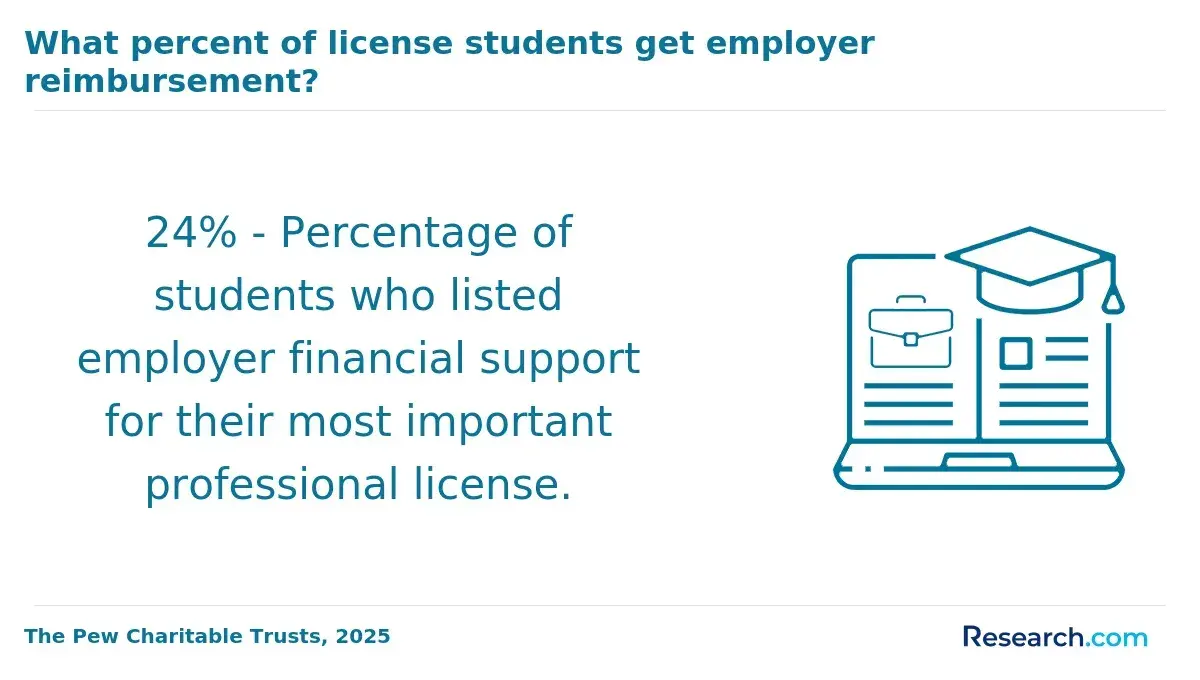
- Financial aid, scholarships, and employer tuition reimbursement programs help reduce expenses.
- Reviewing program accreditation and curriculum quality is essential.
- Programs emphasizing good clinical practice coursework may have higher tuition but provide enhanced regulatory and practical training.
According to data from Online Learning Outcomes and Student Satisfaction in Clinical Research Programs, more than 80% of online students feel their education equips them with career-relevant skills equal to or better than traditional formats.
This supports the effectiveness of online clinical research management degrees in preparing students for industry roles.
What clinical research and regulatory affairs careers can this bachelor's degree prepare you for?
A bachelor's degree in clinical research management combined with coursework in good clinical practice prepares graduates for varied roles in clinical research and regulatory affairs.
Key career options include clinical research coordinator, clinical trial manager, and regulatory affairs specialist. These roles demand a strong grasp of protocol adherence, ethical guidelines, and documentation procedures.
Other career paths exist in pharmaceutical companies, contract research organizations (CROs), and academic medical centers, focusing on data management, quality assurance, and pharmacovigilance. For instance, clinical data managers ensure data integrity and reporting accuracy, while quality assurance auditors monitor compliance with regulatory requirements.
Knowledge of good clinical practice standards is crucial for managing informed consent, institutional review board (IRB) protocols, and handling deviations while protecting participant safety and data validity.
Programs such as Drexel University's online MS in Clinical Research Organization and Management reflect the value of this expertise, charging $1,412 per credit for the 2026-2027 academic year. This pricing underscores the specialization needed for these advanced roles.
Graduates often work in settings requiring precision, regulatory insight, and ethical vigilance. Opportunities for advancement include positions like clinical project manager or director of regulatory affairs by building solid foundational skills and industry knowledge.
What salary ranges and advancement opportunities exist for clinical research management graduates?
Salaries in clinical research management vary widely based on experience, role, and location. Entry-level positions like clinical research coordinators or associates typically earn between $60,000 and $75,000 annually.
Mid-level managers with clinical trial oversight or certification can expect $80,000 to $95,000, while senior roles such as clinical project managers or directors often exceed $100,000, reflecting increased responsibilities and leadership duties.
Career advancement is strongly linked to experience, education, and mastery of Good Clinical Practice (GCP) standards. Progression often moves from site management or monitoring toward clinical operations leadership or quality assurance.
Earning certifications such as Certified Clinical Research Professional (CCRP) or Certified Clinical Research Coordinator (CCRC) frequently accelerates promotions.
Employers across pharmaceutical firms, contract research organizations (CROs), and academia value continuous professional development. Advanced degrees can open doors to higher-level management and regulatory affairs roles.
According to BestColleges, the average two-year master's degree costs $85,400 at nonprofit private institutions compared to $59,440 at public institutions, an important consideration for prospective students seeking strong qualifications.
Combining hands-on experience with coursework in regulatory compliance and GCP prepares graduates for upward mobility in this competitive field, balancing education costs against potential salary growth.
Are industry certifications or professional credentials needed in addition to this bachelor's degree?
Online bachelor's degrees in clinical research management typically provide the essential foundation for entering the field, but additional industry certifications can significantly improve job prospects and career advancement. While a bachelor's degree is often the minimum requirement for many roles, certifications like the Certified Clinical Research Professional (CCRP) or credentials from the Association of Clinical Research Professionals (ACRP) are highly valued by employers.
These certifications demonstrate expertise in good clinical practice (GCP), regulatory compliance, and ethical research procedures, which are critical in roles such as clinical trial coordination and regulatory affairs. Some positions, especially in pharmaceutical companies or contract research organizations (CROs), may require certification alongside the degree.
Entry-level jobs often accept candidates with just a bachelor's degree, particularly when combined with practical experience or internships. However, obtaining recognized credentials can open doors to higher salaries and leadership roles. Graduates should carefully evaluate specific career goals and employer expectations to decide when pursuing certifications will offer a competitive edge.
Key benefits of professional credentials include:
- Verification of GCP knowledge and regulatory standards
- Improved marketability within the clinical research industry
- Access to advanced career opportunities and potential salary increases
Assessing credentials after completing an online bachelor's in clinical research management supports long-term career development in an evolving job market.
How can you evaluate and choose a reputable online clinical research management program?
Begin by verifying that an online clinical research management program holds regional accreditation, ensuring academic standards and employer recognition. Review the curriculum carefully for comprehensive Good Clinical Practice (GCP) coursework aligned with FDA and ICH guidelines.
Programs incorporating decentralized and hybrid trial designs are particularly valuable, as these areas are growing rapidly with a projected 6.1% CAGR through 2030, increasing demand for graduates skilled in digital and remote GCP-compliant trial management.
Seek programs featuring remote monitoring technologies and current data management tools to reflect evolving industry practices. Faculty expertise matters. Look for instructors actively engaged in clinical trials or regulatory affairs. Opportunities for internships, networking, and partnerships with clinical research organizations can provide essential hands-on experience.
Flexibility is key if balancing studies with work or personal commitments; prioritize options like part-time study and asynchronous course delivery. Examine graduation metrics such as job placement rates in clinical research roles and certification pass rates for credentials like the Certified Clinical Research Professional (CCRP).
Finally, evaluate tuition and fees against curriculum value and career support services. Programs that integrate advancing digital trial methodologies and maintain strong industry connections typically offer better long-term career prospects.
Other Things You Should Know About Clinical Research Management
Successful clinical research management professionals must have strong organizational and communication skills, as they coordinate study teams and manage protocols. Critical thinking and problem-solving abilities are vital for ensuring compliance with regulatory standards and addressing trial challenges. Additionally, proficiency with data management and familiarity with Good Clinical Practice guidelines are key competencies in this field.
Several universities offer online bachelor’s programs with Good Clinical Practice coursework. Among them, Arizona State University and George Washington University are known for their comprehensive courses in clinical research management, focusing on regulatory and ethical standards essential for patient safety and effective clinical trials.
The primary regulatory agencies are the U.S. Food and Drug Administration (FDA) and the Office for Human Research Protections (OHRP). The FDA enforces standards on drug, device, and biologic trials, while OHRP ensures the protection of human subjects in federally funded research. Clinical research managers must maintain compliance with guidelines set forth by these and other relevant bodies.
Clinical research management coordinates the planning and execution of clinical trials that are essential for evaluating the safety and efficacy of new drugs. By managing study design, participant recruitment, data collection, and regulatory submissions, these professionals help ensure trials are scientifically sound and adhere to regulatory standards. Their work facilitates the successful approval and marketing of pharmaceutical products.
References
- Top 25 Clinical Research and Clinical Research Management Master's Degree Programs - Healthcare Management Degree Guide https://www.healthcare-management-degree.net/best/clinical-research-clinical-research-management-masters-programs/
- Clinical Research Career Ladder: Roles, Promotions, and Typical Timelines https://bayrivercolleges.ca/clinical-research-career-ladder-roles-promotions-timelines/
- ICH Good Clinical Practice E6(R3) https://globalhealthtrainingcentre.tghn.org/ich-good-clinical-practice/
- Accreditation for Online EdD Programs - OnlineEdDPrograms.com https://www.onlineeddprograms.com/resources/accreditation
- Clinical Research Associate (CRA) Career Path https://pathologylabtraining.co.uk/biomedical-sciences/cra-careers
- 7 Reasons to Start a Career in Clinical Research https://ccrps.org/clinical-research-blog/7-reasons-why-you-should-get-into-clinical-research