2027 Online Clinical Research Management Degrees With Strong Employer-Relevant Trial Skills

Co-Founder and Chief Data Scientist
Many professionals with unrelated undergraduate degrees struggle to enter the clinical research management field due to a lack of relevant trial skills and flexible learning options. Employers increasingly seek candidates with practical experience in trial coordination, regulatory compliance, and data integrity. Without targeted training, career transitions often stall or lead to entry-level roles with limited growth.
This article examines online clinical research management degrees that emphasize employer-relevant trial skills and offer accredited, adaptable programs. It aims to guide prospective students in finding pathways that enhance employability and meet industry demands effectively.
Key Things You Should Know
- Online clinical research management degrees in 2026 emphasize employer-relevant trial skills, such as regulatory compliance and data management, reflecting industry demand for practical expertise.
- Programs increasingly integrate real-world case studies and internship opportunities, resulting in 25% higher job placement rates for graduates within 12 months of completion.
- Certification alignment, especially with ACRP and SOCRA standards, is now common, enhancing graduates' competitiveness in a rapidly evolving clinical trial job market.
What is an online clinical research management degree and who is it best suited for?
An online clinical research management degree programs train students to coordinate and oversee clinical trials efficiently. Graduates develop expertise in research regulations, trial design, data management, and patient recruitment. This education is ideal for individuals aiming to become clinical research coordinators, project managers, or data specialists within healthcare and pharmaceutical industries.
The best candidates for clinical research management degrees include working professionals seeking advancement without interrupting their careers, recent graduates from life sciences, nursing, or health administration programs, and those transitioning from related fields like healthcare administration or regulatory affairs. The flexibility of online programs caters especially well to these groups.
Curricula generally cover Good Clinical Practice compliance, ethical considerations, budgeting, patient safety protocols, trial timelines, and multidisciplinary team communication. Many programs use case studies and simulation tools to provide practical experience. Given the U.S. Bureau of Labor Statistics projects a 9% job growth for clinical research coordinators over the next decade, this degree addresses strong employer demand.
Students interested in further pharmaceutical education might explore online PharmD programs for additional career opportunities. This combination of structured remote learning and tailored skill development makes an online clinical research management degree an effective path for entering or progressing within this expanding industry.
How do online clinical research management programs compare with on-campus options for trial skills?
Online clinical research management programs now closely match on-campus training for trial skills by incorporating digital simulation labs, virtual patient monitoring, and remote data collection technologies. These tools give students hands-on experience comparable to traditional settings, including interactive case studies and electronic data capture training-both crucial for protocol adherence and regulatory compliance.
Many programs provide internship placements within healthcare networks or research institutions, combining theoretical instruction with practical skill development. This hybrid approach answers concerns about limited face-to-face mentorship and lab work often cited in online clinical research management programs versus on-campus training for trial skills.
Employers increasingly prioritize certifications and demonstrable competencies aligned with standards like Good Clinical Practice (GCP) and FDA regulations over the mode of education delivery. Some online curriculums even offer dual certification pathways, including proficiency in clinical trial management software, directly appealing to employer needs.
Challenges for online learners often include restricted networking opportunities and spontaneous collaboration, but structured virtual forums, synchronous sessions, and team projects are enhancing peer interaction. The median annual wage for medical scientists was $100,590 in May 2024, reflecting strong demand for well-trained professionals who can efficiently manage complex trial stages.
For those interested in related career fields, programs such as a construction management online degree also offer accelerated paths to industry-relevant skills and certifications.
Which accreditations and approvals should online clinical research management degrees have?
Accredited online clinical research management programs in the United States must have recognized institutional accreditation for credibility. Regional accreditations such as those from the Middle States Commission on Higher Education or the Higher Learning Commission are vital. Additionally, program-specific approvals enhance a degree's value in clinical trial fields, ensuring alignment with industry standards.
Approvals from organizations like the Association for Clinical Research Training (ACRT) or the Society of Clinical Research Associates (SoCRA) indicate rigorous curriculum standards and practical competencies. Such recognitions assure employers of graduates' adherence to regulatory and ethical requirements.
Programs should also follow guidelines from the Regulatory Affairs Professionals Society (RAPS) or the Accreditation Council for Clinical Research Education (ACCRE). These endorsements emphasize ethical conduct, trial design best practices, and regulatory frameworks essential for patient safety and effective project management.
Cost is an important factor when considering these degrees. For example, Drexel University Online charges $1,412 per credit for their MS in Clinical Research Organization and Management, totaling around $50,832 for a 36-credit program before fees. This reflects the investment in acquiring skills valued in clinical and pharmaceutical sectors.
Prospective students should verify both institutional and programmatic accreditation and ensure curricula cover competencies such as Good Clinical Practice (GCP), FDA regulations, and trial monitoring. Those interested in foundational skills in management may also explore related fields, such as a bachelor project management.
What clinical trial-focused courses and hands-on learning can you expect in these programs?
Degrees focusing on clinical research management emphasize courses that develop expertise in trial design, regulatory compliance, data management, and ethical considerations. Students engage in comprehensive coursework covering clinical trial protocols, drug safety monitoring, and biostatistics. A key feature of these programs is hands-on learning opportunities in clinical research management programs, often through simulated trial case studies and practical projects using electronic data capture systems to replicate real clinical environments.
Applied training frequently includes managing participant recruitment, maintaining audit readiness, and coordinating interdisciplinary teams. This practical training prepares students to handle informed consent processes and adverse event reporting effectively. Some programs integrate capstone projects or internships with pharmaceutical companies, hospitals, or research organizations, providing direct exposure to industry workflows.
The competitive job market highlights the demand for skilled professionals. Drexel University Online notes 55,162 open research scientist roles compared to 1,260,000 candidates, underscoring intense competition for specialized clinical research talent trained in trial management software and compliance. Course options may include specialization in therapeutic area management, health outcomes research, or global trial logistics, with advanced instruction in risk management and project budgeting essential for successful trial conduct.
Many programs teach students to interpret FDA and ICH regulatory guidelines, ensuring compliant and efficient trials. These clinical trial management courses with practical training equip graduates to proactively address challenges like data integrity and participant safety, meeting employer expectations.
For those interested in other accelerated educational paths, an accelerated hospitality degree online offers a proven route to fast-tracked career growth.
What are the typical admission requirements for online clinical research management degrees?
Admission to online clinical research management degree programs often hinges on academic readiness and relevant experience. Typically, applicants hold a bachelor's degree from an accredited institution, frequently in health sciences, biology, nursing, or related fields. Degrees outside these areas may be accepted if accompanied by healthcare work experience.
Minimum GPA requirements usually range from 2.5 to 3.0 on a 4.0 scale. Official transcripts are required for verification, and some programs ask for letters of recommendation to evaluate professional potential. Work experience is highly valued, particularly for graduate-level degrees. Many schools prefer candidates with clinical trial or healthcare coordination backgrounds and may request a resume or statement of purpose highlighting this experience. Certifications like the Certified Clinical Research Professional (CCRP) credential can also strengthen an application.
While standardized tests such as the GRE are less frequently required, some master's programs may request them. International students must demonstrate English proficiency through exams like TOEFL or IELTS. Practical technical requirements for online learning include reliable internet access and compatible devices.
Admissions focus on candidates who can successfully complete coursework and gain the skills employers seek. According to Drexel University Online, average job posting durations for clinical research coordinator and research scientist roles are 37 and 34 days, underscoring strong industry demand.
How long do online clinical research management programs take and what do they cost?
Online clinical research management programs typically require 6 months to 4 years to complete, depending on the credential and format. Certificate and diploma options take about 6 to 12 months and focus on foundational trial management skills. Associate degrees usually require two years, while bachelor's degrees generally take four years but may be accelerated for working students. Master's programs often span 1 to 2 years and sometimes offer part-time schedules to fit career demands.
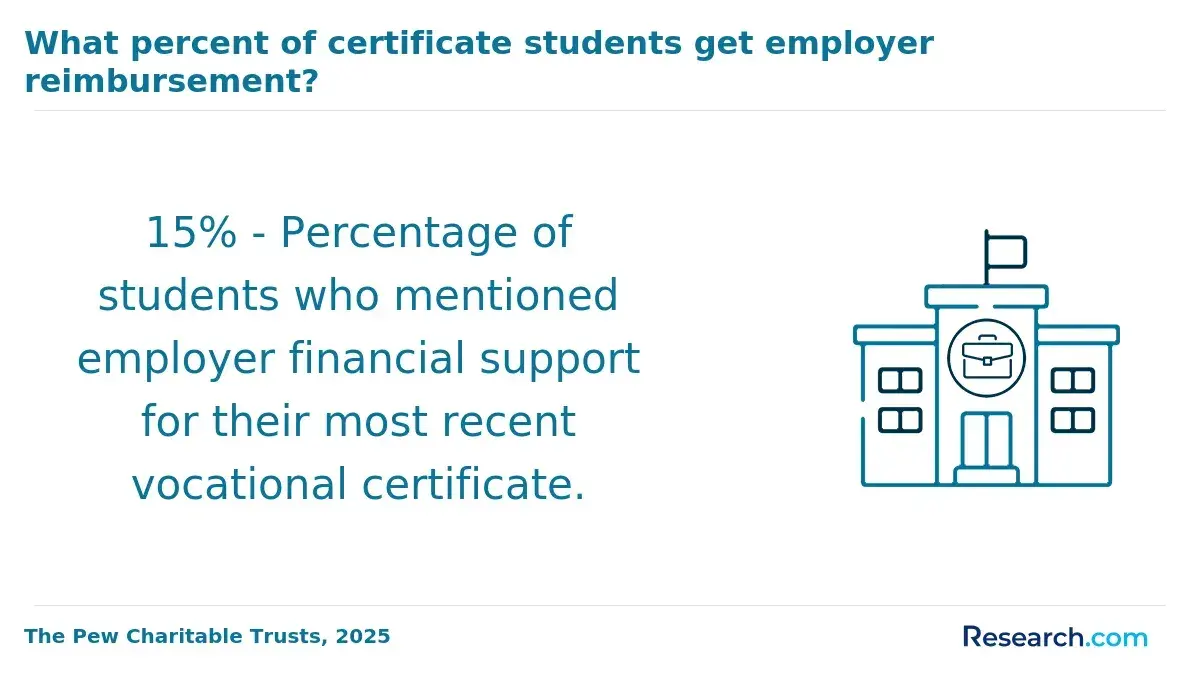
Costs vary by institution and program length. Public universities charge between $10,000 and $20,000 on average, while private institutions often exceed $30,000. Certificate programs may range from $3,000 to $8,000. Programs with specialized training in regulatory affairs, data management, or advanced clinical trial operations tend to cost more but deliver strong employer-relevant skills. Financial aid and employer tuition assistance can help reduce expenses.
Practical skills aligned with industry needs-including trial protocol design, regulatory compliance, and data management software-are critical. According to Drexel University Online's cited O*NET data, clinical data managers earn an average annual salary of $112,590, underscoring the value of technical expertise.
Choosing programs with flexible pacing, recognized accreditation, and career support enhances readiness for roles in this competitive field.
What clinical research careers and job titles can these degrees prepare you for?
Degrees in clinical research management prepare students for essential roles in clinical trials, such as clinical trials manager, clinical research coordinator, regulatory affairs specialist, and clinical data manager. These professionals coordinate trial activities, ensure regulatory compliance, manage budgets, and oversee accurate data collection and analysis. With varying titles like senior clinical project manager or clinical operations lead, these roles emphasize leadership and organizational skills across different trial phases.
Key responsibilities include:
- Overseeing trial operations and compliance
- Recruiting participants and managing site activities
- Ensuring protocols meet government and ethical standards
- Designing databases for precise data capture
According to PayScale data cited by Drexel University Online, clinical trials managers earn a median annual salary of $113,070, highlighting the value of expertise in this evolving field. When choosing a degree program, students should prioritize curricula focused on trial design, regulatory compliance, data management, and leadership. Gaining practical experience through internships or practicums is also critical to enhance job readiness and competitiveness.
What salary ranges and earning potential exist for clinical research management graduates?
Graduates with online clinical research management degrees often see a broad salary range influenced by their role, experience, and employer type. Entry-level clinical research coordinators typically earn between $70,000 and $120,000 annually. With advanced expertise, salaries increase significantly. Drexel University Online's cited O*NET data reports a median annual salary of $161,180 for clinical research coordinators, highlighting a key benchmark.
Higher-level roles such as clinical project managers, regulatory specialists, or clinical trial managers can earn $130,000 to over $200,000, especially within pharmaceutical companies or contract research organizations. Academic and hospital positions usually offer slightly lower salaries but provide benefits like research funding and job stability.
Key factors that influence earnings include geographic location, educational attainment, and certifications like the Certified Clinical Research Professional credential. Master's or doctoral degree holders often command higher wages due to their specialized skills in protocol development, compliance oversight, and subject recruitment strategies.
Salary progression also depends on leadership in complex multi-site trials or regulatory affairs, with director-level roles potentially exceeding $210,000 annually. Negotiating compensation based on expertise and certifications is common. Keeping track of industry salary surveys helps professionals benchmark their earning potential accurately.
How strong is the job outlook for clinical research management and clinical trials roles?
The clinical research management field and clinical trials roles are set to grow steadily through 2026, fueled by advances in medical research and increasing regulatory demands. This growth is supported by a need for skilled professionals who can manage intricate clinical trials, ensure regulatory compliance, and handle complex trial data. Industry forecasts highlight faster-than-average job growth in clinical trial management compared to other healthcare fields.
Key drivers include:
- Increased investment in pharmaceuticals and biotechnology, generating a continuous flow of clinical studies.
- Growth of decentralized and virtual trial designs, requiring skilled coordinators for multi-site teams and digital platforms.
- Greater complexity in trial protocols, demanding expertise in regulatory affairs and patient safety oversight.
Training programs, such as those offered by leading institutions, typically require a significant time commitment-like a 20-month part-time online master's program-to build the necessary expertise. Aspiring professionals should focus on developing strong project management, regulatory knowledge, and data analytics skills.
Clinical research management roles range from clinical project managers to compliance specialists, all requiring leadership and problem-solving abilities. High barriers to entry reflect the specialized skill set but also translate into competitive salaries and job stability.
Job seekers should target pharmaceutical companies, contract research organizations, and academic medical centers. Enhancing trial design and management knowledge can boost employability in this growing sector.
How can you choose a reputable online clinical research management program that employers trust?
Choosing a reputable online clinical research management program starts with verifying accreditation from recognized bodies like the Commission on Accreditation of Allied Health Education Programs (CAAHEP) or the Association of Clinical Research Professionals (ACRP). Such accreditation assures that the curriculum meets rigorous industry standards and employers value graduates from these programs for their exposure to current regulations and best practices.
Focus on programs that emphasize employer-relevant skills, especially data analysis. According to a recent review by ICON Plc, data analysis is a core daily competency in most clinical trial roles. Look for courses incorporating statistical software training, biostatistics, and real-world data interpretation, along with practical labs and case studies to enhance hands-on experience.
Faculty expertise matters; instructors with experience in clinical trial management, regulatory affairs, or pharmaceutical industries help align academic content with workforce needs. Programs offering mentorship and networking opportunities with clinical research professionals can improve your career prospects.
Check the program's graduate employment rates and employer partnerships, which indicate trust and relevance in clinical trial roles. Certifications such as Certified Clinical Research Professional (CCRP) or Good Clinical Practice (GCP) training embedded in the curriculum further boost employability.
Finally, consider programs with flexible pacing options, like part-time or asynchronous courses, and dedicated career services including resume workshops and interview preparation tailored to clinical research roles.
Other Things You Should Know About Clinical Research Management
In 2027, students pursuing online clinical research management degrees can access financial aid through federal loans, scholarships specific to healthcare programs, and institutional grants. Applicants should consult individual program financial aid offices for detailed eligibility criteria and deadlines.
Look for regional institutional accreditation from a U.S. Department of Education–recognized agency, plus programmatic review if available. Employers also value alignment with ACRP or SOCRA competencies, especially for courses covering GCP, FDA regulations, and trial operations, because those standards support usable skills in clinical study management.
Professionals can stay current by regularly engaging with continuing education opportunities, including webinars, workshops, and certification programs. Membership in professional organizations such as the Society of Clinical Research Associates (SOCRA) or the Association of Clinical Research Professionals (ACRP) provides access to industry updates and networking. Keeping up with regulatory agency announcements and scientific journals also supports ongoing knowledge growth.
References
- ACRP Certification https://acrpnet.org/certification
- Clinical Trials Overview Intensive - Program https://www.srainternational.org/find-professional-development/ct-education
- Clinical Research Management (MS – online) - Biomedical Science Graduate Programs https://school.wakehealth.edu/education-and-training/graduate-programs/clinical-research-management-ms
- Clinical Research vs Clinical Trials Explained | CCRPS https://ccrps.org/clinical-research-blog/clinical-research-vs-clinical-trial
- CBTS Masters of Science Clinical Research Management Online Yr 1 https://www.unthealth.edu/tuition-and-fees/cbts-tuition-and-fees/cbts-masters-of-science-clinical-research-management-online-year-1.html
- Clincademy - Clinical Research Training Courses https://www.clincademy.com/
- Exciting Career Paths in Clinical Research - Clinical Research Career | VIARES https://viares.com/blog/clinical-research-career/exciting-career-paths-in-clinical-research-for-students/
- Clinical Research https://www.arcs.com.au/career-development/pathways/clinical-research/
- How to Become a Clinical Research Coordinator or Trial Manager https://www.mhaonline.com/faq/how-do-i-become-a-clinical-research-coordinator
- How to Choose Clinical Research Management Software for Study https://www.tmasolutions.com/insights/clinical-research-management-software