2027 Online Clinical Research Management Degrees With Strong Regulatory Affairs Training

Co-Founder and Chief Data Scientist
Professionals aiming to switch careers often face challenges finding online degrees that combine comprehensive clinical research management training with strong regulatory affairs expertise. Many programs focus solely on theory, leaving graduates unprepared for real-world compliance demands. This gap creates obstacles in securing roles that require navigating complex FDA regulations and international guidelines confidently.
Identifying flexible, accredited options that equip students with both practical and regulatory knowledge becomes essential for career pivoters seeking advancement in this competitive field. This article explores top online clinical research management degrees with robust regulatory affairs components to guide readers toward informed educational choices.
Key Things You Should Know
- Online clinical research management degrees in 2026 emphasize strong regulatory affairs training, ensuring graduates understand FDA, ICH, and HIPAA compliance essential for clinical trial oversight.
- Programs increasingly incorporate real-world case studies and interactive platforms to reflect 2024-2025 industry advances, with an average job placement rate exceeding 85% within six months.
- Demand for professionals skilled in both clinical research and regulatory affairs is projected to grow 12% by 2030, driven by expanding biotech and pharmaceutical sectors.
What is an online clinical research management degree with a regulatory affairs focus?
An online clinical research management degree with regulatory affairs specialization trains professionals to oversee clinical trials while ensuring compliance with complex healthcare laws and guidelines. Programs focus on coordinating research protocols, managing data integrity, and preparing regulatory submissions to agencies such as the FDA. Coursework typically covers clinical trial design, regulatory frameworks, quality assurance, and ethical considerations in protecting human subjects.
Students enrolled in clinical research management programs focused on regulatory compliance gain knowledge to navigate evolving pharmaceutical, biotechnology, and medical device industry standards. Key skills include understanding Good Clinical Practice (GCP) guidelines and preparing documentation like Investigational New Drug (IND) applications. These competencies are critical for maintaining trial integrity and patient safety.
Many programs offer flexible online formats to accommodate working professionals, often incorporating case studies, internships, or capstone projects that simulate real-world compliance challenges. Variations include certificate paths emphasizing regulatory affairs or broader degrees blending research management with clinical leadership.
The U.S. Bureau of Labor Statistics projects a 28% growth in medical and health services managers over a decade, highlighting the increasing need for experts proficient in both clinical research and regulatory requirements. Professionals seeking further advancement can explore options such as a healthcare MBA to build leadership skills and sector knowledge.
How do online clinical research management programs compare with campus-based options?
Online clinical research management programs offer unmatched flexibility for working professionals or those balancing other commitments. These programs use interactive platforms, virtual labs, and real-time case studies to closely simulate on-site experiences, ensuring rigorous training in regulatory affairs.
Campus-based degrees provide direct access to lab facilities, networking events, and face-to-face mentorship, which enhance hands-on skills and immediate collaboration. This comparison of online and traditional clinical research management education highlights that both formats cover essential competencies like study design, regulatory compliance, and data management.
Online programs often feature asynchronous coursework, allowing students to progress at their own pace-ideal for those with busy schedules or frequent relocations.
Campus degrees tend to have more structured timelines and easier internship access through local research centers or hospitals, beneficial early in a career. Employer partnerships and certification preparation vary by format; many online programs prepare students for certifications such as Certified Clinical Research Professional (CCRP), whereas campus programs may connect students directly to institutional research trials.
Drexel University reports that clinical research managers earn an average of $161,180, clinical data managers $112,590, and clinical trials managers $113,070 annually, indicating strong earning potential for graduates. For those exploring advanced education options, considering related paths like an operations management MBA can also expand career opportunities.
Which accreditation and regulatory standards should these online programs meet?
Online clinical research management programs must meet rigorous accreditation standards to ensure strong regulatory affairs training and industry relevance. Regional accreditation, such as from the Middle States Commission on Higher Education (MSCHE) or the Southern Association of Colleges and Schools Commission on Colleges (SACSCOC), confirms institutional quality and transferability of credits.
Specialty accreditation or endorsements by organizations like the Association of Clinical Research Professionals (ACRP) or the Regulatory Affairs Professionals Society (RAPS) further strengthen curricula by aligning with current regulatory compliance requirements for clinical research management degrees.
Key regulatory standards include adherence to FDA regulations, Good Clinical Practice (GCP) guidelines, and the International Council for Harmonisation (ICH) standards. Programs should also cover U.S. laws like HIPAA to protect patient confidentiality and data security, essential for ethical clinical trials.
According to UC Berkeley Extension, global regulatory affairs employment has expanded enough that many life science companies now maintain entire regulatory departments, with job titles ranging from regulatory affairs associate to global regulatory affairs lead, reflecting sustained growth in demand. This underscores why comprehensive training in evolving compliance frameworks is crucial for career readiness.
Prospective students seeking a project management degree online often find overlapping skills useful in clinical research management contexts.
Overall, strong online clinical research management program accreditation standards should prepare graduates for diverse roles by ensuring practical competency and up-to-date regulatory knowledge in a competitive job market.
What core courses and regulatory affairs training do these degrees typically include?
Online clinical research management degrees with a regulatory affairs focus typically include core courses covering clinical trial design, drug development, biostatistics, and research ethics. These programs integrate training on regulatory frameworks such as FDA regulations, Good Clinical Practice (GCP), and International Council for Harmonisation (ICH) guidelines, which are essential for managing compliance, safety reporting, and documentation in clinical research.
Key regulatory affairs training components in clinical research management degrees often include:
- Regulatory submission preparation and review
- Risk management and quality assurance in clinical trials
- Clinical trial monitoring and auditing techniques
- Pharmacovigilance and post-market surveillance
- Ethical considerations and Institutional Review Board (IRB) processes
These courses aim to develop skills for interpreting complex regulatory environments and applying them to real-world clinical scenarios. For example, they often cover FDA Investigational New Drug (IND) applications, preparing students to manage essential regulatory submissions for trial initiation.
Drexel University workforce data shows about 13,000 potential clinical research associates in the U.S. labor pool but 1,506 open CRA positions by direct employers, remaining open a median of 34 days. This highlights an ongoing demand for professionals with strong regulatory affairs expertise.
Many programs emphasize hands-on experience in regulatory documentation and communication with agencies through case studies and practicums. Prospective students seeking advanced skills may also explore a master's degree in human resource management online to complement their clinical research management education.
What admission requirements and prior experience do online clinical research management programs expect?
Applicants to online clinical research management programs typically need a bachelor's degree from an accredited institution, with preferred majors including health sciences, biology, or nursing. However, candidates from diverse academic backgrounds may qualify if they show relevant experience or foundational knowledge.
Admissions often require official transcripts, letters of recommendation, and a statement of purpose outlining career goals. Programs emphasizing regulatory affairs may expect prior experience in clinical trials, healthcare compliance, or research administration. This experience can be gained through internships, clinical employment, or certifications like Certified Clinical Research Professional (CCRP) or Regulatory Affairs Certification (RAC).
Some programs request standardized test scores such as the GRE, but many are waiving this to accommodate working or nontraditional students. For those without direct experience, bridge courses or prerequisites help build essential skills.
Part-time online learners should confirm technical requirements, including steady internet and familiarity with learning management systems, critical for interactive regulatory affairs training. According to the National Center for Education Statistics, about 40.5% of U.S. graduate students were enrolled exclusively in distance education, with health professions among the largest groups, highlighting the growing acceptance of online clinical research and regulatory education.
How long do online clinical research management degrees take and what do they cost?
Online clinical research management programs vary in length based on the credential type, with certificates typically completed in under two years, bachelor's degrees taking about 2 to 4 years depending on transfer credits, and master's degrees requiring 1.5 to 2.5 years of study. Certificate programs often focus on regulatory affairs and compliance, making them suitable for working professionals seeking specialized knowledge.
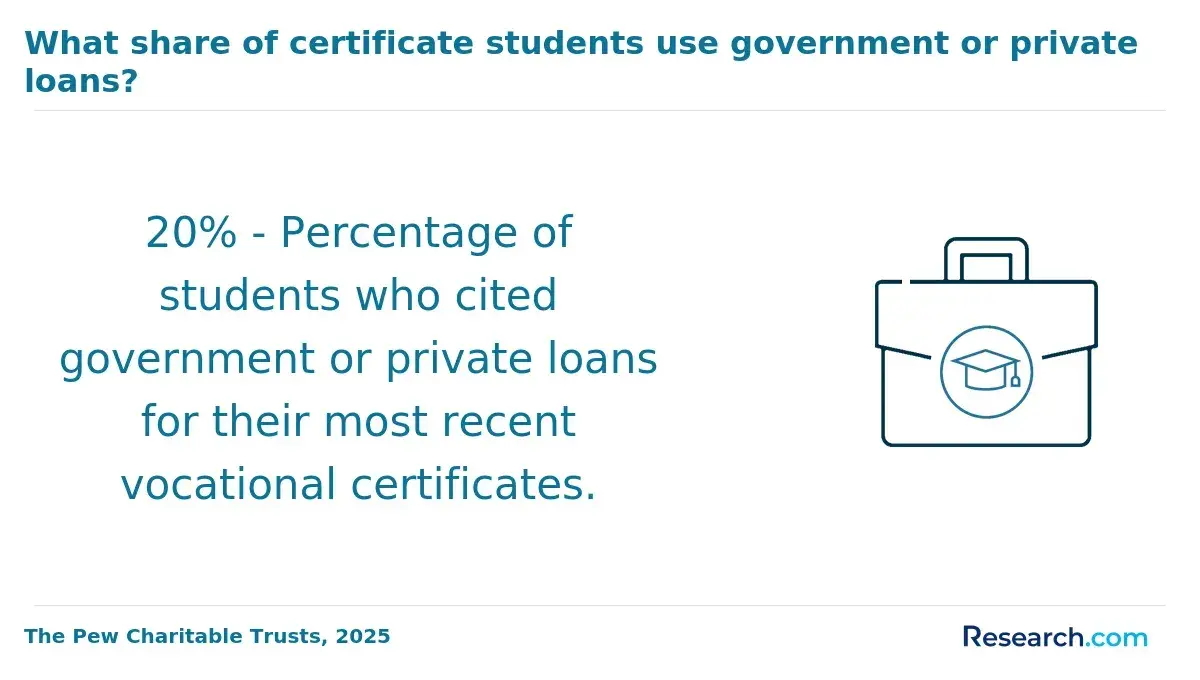
Costs differ widely across institutions: certificate programs usually range from $5,000 to $15,000, bachelor's degrees from $20,000 to $50,000, and master's degrees between $25,000 and $60,000. Financial aid or employer reimbursement may be available for those already employed in related fields.
A recent analysis by Deloitte highlights that the average drug development cycle exceeds 10 years, with regulatory review and compliance being major contributors to late-stage timelines. This underscores the importance of regulatory affairs expertise in clinical research management programs to help accelerate drug approval and market entry.
Prospective students should evaluate program flexibility and curriculum depth, ensuring coverage of key regulatory frameworks such as FDA guidelines, ICH standards, and Good Clinical Practice (GCP) compliance to meet industry needs effectively.
What careers can graduates pursue in clinical research management and regulatory affairs?
Graduates with degrees in clinical research management and regulatory affairs have diverse career paths focusing on compliance with complex clinical trial regulations. Roles include clinical research coordinator, who manages trial activities at research sites, and clinical trial manager, responsible for overseeing multi-site study operations, timelines, and budgets. Regulatory affairs specialists handle submissions to agencies like the FDA to ensure ethical and legal standards are met.
Other career options involve project management in pharmaceutical or biotech companies developing new drugs or medical devices. Quality assurance auditors verify compliance with good clinical practice (GCP) and maintain data integrity. Professionals with regulatory expertise may also serve as compliance officers or policy advisors, interpreting changing global laws that impact multinational trials.
Registered clinical studies grew by over 14% in two years, surpassing 480,000 worldwide, increasing demand for skilled professionals able to navigate diverse regulatory frameworks. Employers such as industry leaders, government agencies, contract research organizations (CROs), and academic institutions seek graduates who combine practical experience in trial design, data management systems, and regulatory submissions.
Key challenges include adapting to evolving regulations, minimizing compliance risks, and ensuring participant safety in dynamic trial environments. Building experience in these areas enhances employability in a competitive global landscape.
What salary ranges and advancement opportunities exist in clinical research and regulatory roles?
Salaries in clinical research and regulatory roles vary widely based on experience, education, and specific job functions. Entry-level clinical research coordinators generally earn between $50,000 and $70,000 annually.
Mid-career professionals, such as clinical research associates, typically see salaries ranging from $70,000 to $90,000. Advanced roles like regulatory affairs managers or clinical project managers often earn above $100,000, with some senior positions reaching $130,000 or more depending on employer size and responsibilities.
Career advancement often involves gaining expertise in regulatory affairs alongside leadership skills. Individuals starting as clinical research specialists may transition into regulatory affairs by learning about FDA guidelines, Good Clinical Practices (GCP), and drug development policies. This can lead to positions such as regulatory affairs specialist or compliance manager.
Higher education plays a critical role in upward mobility. For example, Drexel University's online MS in Clinical Research Organization and Management costs $1,412 per credit, plus a $125 annual online fee, offering a useful benchmark for online graduate programs. Such advanced degrees strengthen qualifications for regulatory strategy and clinical research leadership roles.
Certifications like the RAC (Regulatory Affairs Certification) and practical experience in clinical trial design or quality assurance enhance career prospects. Employers increasingly value hybrid roles blending clinical research oversight with compliance and regulatory knowledge.
- Target programs that integrate management and regulatory affairs
- Pursue certifications to boost regulatory expertise
- Gain practical experience in clinical trial and quality assurance
Are certifications like RAC or ACRP important, and how do programs prepare students?
Certifications like the Regulatory Affairs Certification (RAC) and the Association of Clinical Research Professionals (ACRP) credential are essential for professionals advancing in regulatory affairs roles. These credentials confirm expertise in regulatory compliance, ethical standards, and clinical trial oversight, often required by employers, especially for positions involving regulatory submissions, quality assurance, and product lifecycle management.
Academic programs focused on regulatory affairs typically include coursework aligned with certification preparation. Key classes cover FDA regulations, Good Clinical Practice (GCP), submission procedures, and quality systems. This helps students meet certification exam eligibility, facilitating their move into regulatory careers.
Many programs use case studies, mock audits, and project-based learning to simulate regulatory challenges. This practical approach enhances skills in documentation, risk assessment, and communication across disciplines.
A survey by the Regulatory Affairs Professionals Society (RAPS) reports that 37% of regulatory affairs professionals transitioned from clinical research, nursing, or laboratory backgrounds, underscoring how clinical foundations paired with regulatory training advance careers. Choosing programs with strong exam support, including review sessions and current content, improves certification success and employability.
- Focus on certification readiness through specialized coursework
- Hands-on learning with real-world regulatory scenarios
- Supportive resources for certification exam success
- Career pathways enhanced by combining clinical and regulatory expertise
How can prospective students evaluate and choose a reputable online clinical research program?
Prospective students choosing an online clinical research program should prioritize accredited institutions recognized by bodies such as the Accreditation Council for Pharmacy Education (ACPE) or regional accreditors. Accreditation confirms the program meets essential standards for certification and licensure readiness. A robust curriculum typically covers regulatory affairs, including FDA regulations and ICH-GCP guidelines, alongside core clinical research management topics.
Innovations like AI-enabled analytics are reshaping clinical trials, with reports indicating up to a 15% reduction in protocol amendments and 10-20% shorter trial timelines. Programs emphasizing data science, regulatory compliance, and emerging technologies equip graduates to meet evolving industry needs effectively.
Faculty expertise and industry connections are vital. Instructors actively involved in clinical research or regulatory agencies offer practical insights and valuable networking. Opportunities for internships or partnerships with research institutions enhance hands-on learning experiences.
Working professionals benefit from fully online programs that provide both synchronous and asynchronous learning formats, balancing flexibility with student engagement. Reviewing graduate outcomes, such as job placement and certification exam pass rates (e.g., SOCRA or ACRP), helps gauge program effectiveness.
Prioritizing programs that integrate AI, data science, and regulatory affairs ensures competitive career prospects and alignment with future clinical research demands.
Other Things You Should Know About Clinical Research Management
In 2027, successful clinical research management requires strong analytical skills to assess complex data, effective communication abilities for stakeholder engagement, and comprehensive knowledge of regulatory guidelines. Problem-solving and adaptability are also crucial to navigate the evolving landscape of clinical trials and regulations.
Regulatory affairs training equips clinical research management professionals with knowledge of federal and international guidelines, helping them navigate complex compliance landscapes. This training ensures that clinical trials meet ethical and legal requirements, which protects patient safety and maintains data integrity. Understanding regulatory submissions and approval processes also streamlines study timelines and reduces risks.
Hands-on experience through internships, clinical trial site work, or entry-level roles in pharmaceutical or biotechnology companies greatly complements an academic degree. Such experience builds practical skills in patient recruitment, data collection, and monitoring, which are essential for effective management. It also provides exposure to the operational challenges of clinical studies and regulatory inspections.
Yes, organizations such as the Association of Clinical Research Professionals (ACRP) and the Society of Clinical Research Associates (SoCRA) offer valuable resources for networking, continuing education, and certification. Membership provides access to industry updates, conferences, and training materials, which help members stay current with evolving regulatory requirements and best practices.
References
- How to Become a Regulatory Affairs Specialist - Education & Certification https://www.mhaonline.com/faq/how-do-i-become-a-regulatory-affairs-specialist
- CBTS Masters of Science Clinical Research Management Online Yr 1 https://www.unthealth.edu/tuition-and-fees/cbts-tuition-and-fees/cbts-masters-of-science-clinical-research-management-online-year-1.html
- ACRP Certification https://acrpnet.org/certification
- Top 5 Reasons to Consider a Career in Regulatory and Clinical Research Management - MassBio https://www.massbio.org/news/recent-news/top-5-reasons-to-consider-a-career-in-regulatory-and-clinical-research-management/
- Regulatory Affairs https://www.arcs.com.au/career-development/pathways/regulatory-affairs/
- How to get a job in regulatory affairs | Proclinical Recruitment Blogs https://www.proclinical.com/blogs/2021-2/how-to-get-a-job-in-regulatory-affairs
- 2025 Clinical Research Workforce Report https://ccrps.org/clinical-research-blog/2025-clinical-research-workforce-report
- How to Pass the ACRP Certification Exam: A Practical Guide https://clinicaltrialpodcast.com/acrp-certification-exam/