2027 Clinical Research Management Specializations That Build the Most Transferable Trial Skills

Co-Founder and Chief Data Scientist
Professionals from unrelated fields often face challenges when entering clinical research management due to its specialized skill requirements. Identifying which specializations offer the most transferable trial skills is critical for a smooth transition.
Without this insight, career changers may struggle to choose programs that align with industry demands and hinder their employability. This article analyzes various clinical research management specializations to highlight those that build versatile and in-demand skills. It aims to guide readers toward educational paths that enhance their value and adaptability within the clinical trial landscape.
Key Things You Should Know
- Specializations in regulatory affairs, data management, and patient recruitment offer the most versatile skills transferable across diverse clinical trial settings in 2026.
- The demand for professionals with expertise in decentralized trials and digital health technologies has increased by 35% since 2024, reflecting evolving industry priorities.
- Strong foundations in compliance and ethical oversight remain essential, with 78% of employers valuing multi-disciplinary skill sets for managing complex trials effectively.
What is clinical research management and how do its key specializations differ?
Clinical research management involves coordinating clinical trials to ensure compliance with regulatory standards while meeting scientific and operational goals. Key specializations focus on distinct trial phases, roles, or therapeutic areas, each building transferable skills valuable across various settings. These clinical research management key specializations include:
- Clinical trial management, emphasizing study planning, execution, and monitoring with skills in project management and regulatory compliance.
- Clinical research associates (CRA), who concentrate on site monitoring and data verification, developing acute attention to detail and regulatory documentation expertise.
- Data management specialists, focusing on trial data integrity and statistical analysis, with skills that transfer well to biostatistics or health informatics.
- Regulatory affairs specialists, who oversee submissions to agencies like the FDA, mastering legal compliance and policy interpretation.
The differences between clinical research management roles reflect diverse skill sets and career outcomes. For example, CRAs often progress into quality assurance or regulatory affairs, while data managers may pivot to health informatics. According to the U.S. Bureau of Labor Statistics, clinical research associates and trial managers earned a median salary of approximately $144,957, with top earners making over $228,000, highlighting the economic value of specialized skills in this field.
Prospective students and professionals interested in advancing within this industry can enhance their qualifications through programs such as online pharmacy school programs, which complement career growth in healthcare research environments.
Which clinical research management specializations build the most transferable trial skills?
Data management and regulatory affairs lead clinical research management specialties with the most transferable trial skills, offering expertise crucial throughout clinical trials. Clinical data management focuses on data collection, validation, and database design, with job openings rising by almost 94% between 2019 and 2023, highlighting the growing value of data-driven capabilities in trial planning and execution.
Regulatory affairs specialization trains professionals in compliance with FDA regulations, IRB protocols, and international guidelines, ensuring that trials meet legal and ethical requirements globally. Those aiming for top clinical research management roles for versatile trial experience will also benefit from skills in project management, which encompasses budgeting, resource allocation, and communication - essential for leading multi-site or global studies.
Pharmacovigilance adds further transferable skills focused on safety monitoring and adverse event reporting across therapeutic areas.
Prospective students should seek programs integrating training in:
- Electronic data capture systems and database management
- Regulatory documentation and submissions
- Project planning software and leadership skills
- Safety assessment and risk management protocols
Focusing on these areas equips graduates with versatile competencies in demand by sponsors, CROs, and healthcare organizations. For those interested in advancing project leadership, pursuing a quickest online project management degree can accelerate career growth within clinical research management.
How do clinical operations, monitoring, and project management roles compare for skill transferability?
Clinical operations, monitoring, and project management roles each build distinct yet overlapping skills that vary in transferability within clinical research management. Clinical operations professionals gain expertise in site selection, budgeting, and resource allocation.
These strategic competencies are valuable in regulatory affairs and quality assurance, where understanding trial logistics and compliance is crucial. For example, budgeting skills acquired in operations help manage regulatory submission costs effectively.
Monitors develop proficiency in protocol adherence, data integrity, and on-site problem-solving. These direct trial oversight skills transfer well to pharmacovigilance and clinical auditing roles, which require detailed knowledge of source documentation and regulatory standards.
Their experience tracking patient safety data supports smooth transitions into safety reporting and risk management functions. Such monitoring roles transferable skills in clinical research management often appeal to detail-oriented candidates focused on compliance.
Project management emphasizes coordination across disciplines, timeline management, and stakeholder communication. This expertise cultivates leadership and troubleshooting abilities relevant to clinical team leadership, vendor management, and regulatory project planning. Project managers' capacity to balance timelines and deliverables aligns with the growing demand for professionals skilled in navigating complex regulatory environments.
The practical differences mean clinical operations suits those seeking broader business strategy skills; clinical monitoring fits those detail-oriented in compliance; and project management benefits those pursuing leadership roles.
Global regulatory affairs employment in pharmaceuticals and medical devices is projected to grow at 8-10% annually through 2030, creating expanding opportunities. For individuals interested in advancing their expertise within clinical research management, pursuing a health information technology degree can provide a strong foundation to leverage these transferable skills effectively.
What degree levels and academic pathways lead into high-impact clinical research management specialties?
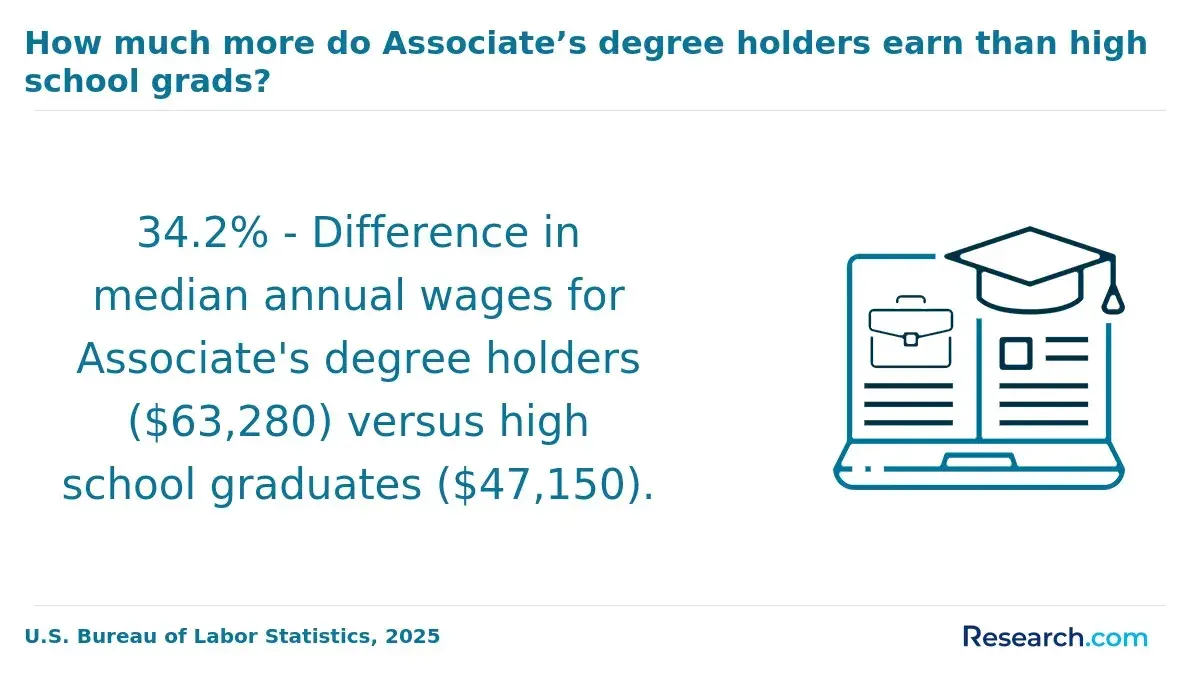
Effective academic pathways for clinical research management careers in the United States commonly begin with a bachelor's degree in life sciences, public health, nursing, or pharmacy. These degrees provide essential foundations in biology, pharmacology, and healthcare systems, preparing graduates for roles in clinical trial coordination and monitoring.
Many then advance to specialized master's programs concentrating on clinical research management, regulatory affairs, or pharmacovigilance, which emphasize skills in trial design, compliance, and data analysis.
Professional master's degrees such as a Master of Science in Clinical Research Management or Clinical Trial Management are particularly valued for their practical focus and industry alignment. These programs typically include coursework in biostatistics, ethics, and project management, enhancing a graduate's ability to oversee complex clinical trials.
For those pursuing senior roles, doctoral degrees in clinical research or related fields offer leadership opportunities and expertise in innovative trial methodologies and drug safety assessment.
The global pharmacovigilance market is expected to grow from approximately $11.6 billion in 2024 to $18.7 billion by 2030 with a compound annual growth rate of around 8.1%, highlighting the rising demand for drug safety and risk management expertise. This growth reinforces the advantage of degrees focused on pharmacovigilance, regulatory science, and risk management within clinical research management academic pathways in the United States.
Additionally, certification programs in clinical data management, good clinical practice (GCP), and regulatory affairs improve job readiness. Prospective students and professionals should also consider opportunities to gain hands-on experience with clinical trial software, regulatory documentation, and cross-functional teamwork.
For those interested in combining athletic passions with education, accredited online sports degrees may offer flexible alternatives while pursuing clinical research management.
How do online and campus clinical research management programs differ for specialized training?
Campus and online clinical research management programs differ mainly in training methods and specialization focus. Campus offerings often include hands-on experiences such as access to physical trial sites, direct protocol observation, and in-person mentorship. These settings enable immersive skill-building in patient recruitment, regulatory compliance, and site monitoring through simulations and lab exercises.
Students specializing in regulatory affairs benefit from campus programs due to direct interactions with institutional review boards and compliance audits.
Online clinical research management programs prioritize flexibility and technical depth, leveraging virtual labs and software simulations. These programs often cover advanced data management and biostatistics, preparing students for roles in trial design and data interpretation.
The global clinical trial biostatistics and data management market is expected to reach approximately $8.5 billion by 2030, growing at 7-8% annually, reinforcing the value of strong quantitative and remote collaboration skills. Candidates focused on informatics or data monitoring benefit particularly from online access to diverse datasets and cloud-based platforms.
Prospective students should weigh factors such as experience requirements, technical skills, and networking opportunities. Campus programs suit those who thrive in structured, supervised environments, while online options appeal to professionals balancing work and study with a need for robust technical training in emerging clinical trial technologies.
Which core courses and practicum experiences most strongly develop cross-functional trial competencies?
Core courses in clinical research management develop vital skills in protocol design, regulatory affairs, data management, and medical writing. Protocol design trains students to create scientifically sound and ethical trials, improving project planning and problem-solving abilities.
Regulatory affairs education focuses on FDA guidelines, IRB processes, and ensuring compliance to navigate trial approvals and audits efficiently. Training in data management includes the use of collection tools and statistical software, vital for maintaining data integrity and analyzing trial results.
Hands-on practicum experience solidifies these skills through real-world exposure to clinical trial operations, monitoring, and medical writing. Participating in monitoring visits enhances a trial manager's capacity to detect protocol deviations and apply corrective measures across sites.
Direct involvement in drafting clinical study reports and regulatory submissions sharpens communication accuracy. The global medical writing market is expected to grow by about 9-10% annually, from $3.5 billion to over $6 billion by 2030, driven by clinical-trial documentation, according to Precedence Research. This growth underscores the increasing importance of accurate communication skills in the field.
Examples of high-impact practicum activities include:
- Drafting informed consent and case report forms integrating regulatory and ethical standards
- Collaborating on trial timelines and budget forecasts with multidisciplinary teams
- Conducting quality assurance audits to ensure sponsor and CRO compliance
Programs combining theory with frequent supervised practicum ensure graduates gain versatile skills, preparing them for dynamic roles requiring adaptability across trial functions and supporting long-term career growth.
What accreditation and industry standards should specialized clinical research management programs meet?
Clinical research management programs must adhere to rigorous accreditation and industry standards to ensure graduates gain relevant and transferable skills. Accreditation from respected organizations such as the Association of Clinical Research Professionals (ACRP) or the Society of Clinical Research Associates (SOCRA) confirms the quality and ethical integrity of the curriculum.
Compliance with Good Clinical Practice (GCP) guidelines set by the International Council for Harmonisation (ICH) is essential, guaranteeing that trainees are proficient in clinical trial design, monitoring, data integrity, and patient safety.
Programs should also provide instruction on FDA regulations and 21 CFR Part 11, which govern electronic records and signatures. These components reflect the critical data management skills needed in the field. Emphasizing clinical trial quality assurance and compliance is vital due to the field's strong growth outlook, with an expected global market value approaching $3 billion and an 8% CAGR through 2030, according to MarketsandMarkets.
Hands-on learning through partnerships with clinical sites or industry organizations gives students real-world experience in compliance audits, risk management, and corrective action planning. Core competencies such as regulatory documentation, adverse event reporting, and informed consent processes must be integrated into coursework and practical training.
These comprehensive programs prepare students for diverse roles within pharmaceutical, biotechnology, and contract research organizations, enhancing employability across the clinical research landscape.
What admission requirements, program length, and costs are typical for these specializations?
Admission to clinical research management programs usually requires a bachelor's degree in life sciences, health sciences, nursing, or related fields. Some programs also consider applicants with professional healthcare experience combined with certifications. A GPA between 2.5 and 3.0 is common, while advanced certificates or master's degrees may require prior coursework in subjects such as biostatistics, regulatory affairs, or research methodology.
Many programs prefer candidates who have clinical or laboratory experience to strengthen practical skills.
Program duration varies by credential:
- Certificate programs typically take 6 to 12 months and focus on skill development for working professionals
- Associate and bachelor's degrees span 2 to 4 years, covering trial design, monitoring, and compliance
- Master's degrees last 18 to 24 months with an emphasis on leadership, ethics, and project management
Costs fluctuate widely depending on program type and institution:
- Certificate programs range from $2,000 to $8,000
- Associate and bachelor's degrees range from $10,000 to $40,000, influenced by residency and school type
- Master's programs generally cost between $20,000 and $60,000
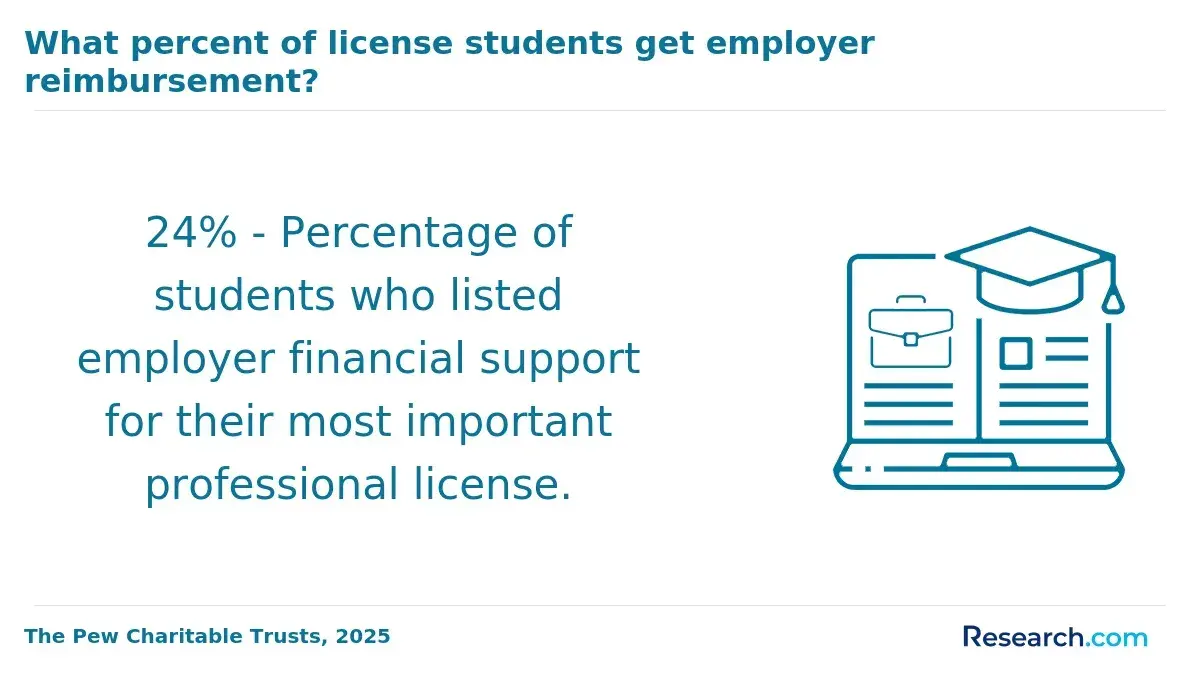
Financial aid and employer sponsorships are common to help offset expenses. Employment for clinical research coordinators and related clinical technologists is expected to grow by about 5-7% from 2024 to 2030, a rate faster than average according to projections from the U.S. Bureau of Labor Statistics and industry sources.
What career outcomes, job titles, and advancement paths align with each specialization?
Specializations within clinical research management guide professionals toward diverse career paths, equipping them with essential skills to handle evolving trial landscapes. Expertise in decentralized clinical trials (DCTs) prepares individuals for roles like DCT project manager or remote monitoring specialist, responding to a market projected to exceed $30 billion by 2030 with a 15-16% CAGR, as noted in a 2024 Grand View Research report.
Professionals focusing on regulatory compliance often advance to positions including regulatory affairs manager or clinical compliance officer, mastering FDA guidelines and global standards to enhance trial integrity and patient safety. Data management and biostatistics experts typically pursue roles such as clinical data managers or trial analytics leads, developing skills in data integrity and software that support leadership in data science and clinical operations.
Project management specialists frequently become clinical project managers or operations directors, utilizing budgeting, leadership, and cross-functional coordination skills for executive roles. Patient recruitment and site management professionals evolve into patient liaison managers or site operations leads, refining stakeholder communication and site management, which benefits broader public health outreach.
Each path develops versatile professionals prepared to navigate complex clinical trial environments. For those seeking formal education and career support in this field, resources offer valuable insights on program offerings and career trajectories within clinical research management.
How do salaries and job outlook compare across major clinical research management specialties?
Salaries and job prospects in clinical research management vary widely across specialties, influenced by technical skills, regulatory knowledge, and advancements like artificial intelligence (AI). Project managers overseeing clinical trials earn median salaries between $90,000 and $130,000 annually, reflecting their essential role in coordinating studies.
Regulatory affairs managers, experts in FDA and global compliance, often command salaries from $95,000 to $140,000 due to the increasing complexity of trial approvals. Data managers and biostatisticians typically earn between $85,000 and $125,000, driven by the rising importance of data analytics in trial management.
The integration of AI into clinical trials is expected to grow from about $1.6 billion to nearly $10 billion by 2032, expanding demand for professionals skilled in AI and machine learning applied to trial design and analysis. This growth supports career expansion, especially for roles blending clinical operations with informatics, enhancing both salaries and job stability.
Entry-level clinical trial coordinators start between $60,000 and $75,000, with substantial increases possible through experience and certification. Job seekers should also consider geographic location, employer type-such as pharmaceutical companies, contract research organizations (CROs), or academic settings-and industry trends to make informed decisions.
Other Things You Should Know About Clinical Research Management
Leadership positions in clinical research management require strong communication, strategic planning, and team coordination skills. Understanding regulatory requirements and risk management is also critical to ensure compliance and trial integrity. Additionally, leaders should be adept at budgeting and resource allocation to maintain effective study progress.
Technology plays a significant role by streamlining data collection, management, and analysis through electronic data capture systems and clinical trial management software. It enhances real-time monitoring and facilitates communication across multi-site studies. Adaptability to new digital tools is essential for professionals seeking to remain competitive in clinical research management.
Common challenges include navigating complex regulatory environments, managing diverse stakeholder expectations, and maintaining participant recruitment and retention. Budget constraints and timeline pressures frequently require balancing study quality with operational efficiency. Effective problem-solving and flexibility are key traits for managing these issues successfully.
References
- Why Professional Accreditation Matters in Clinical Research https://professionals.iaocr.com/blogs/news/why-professional-accreditation-matters-in-clinical-research
- Clinical research career: 7 top roles, salaries & GCP guide https://pharmaeducenter.com/blog/clinical-research-career/
- Clinical Research Skills for Associates (CRAs) and Coordinators (CRCs) https://clinicaltrialpodcast.com/25-soft-skills-to-boost-your-clinical-research-career/
- How Do Online and Offline Clinical Research Courses Compare? - Clinical Research Courses FAQ | VIARES https://viares.com/blog/general/how-do-online-and-offline-clinical-research-courses-compare/
- The Skillset That Shapes a Clinical Trial Manager https://clinilaunchresearch.in/blog/skills-for-clinical-trial-manager/
- Exploring Specializations in Clinical Research: Finding Your Niche - Drug Safety and Pharmacovigilance Course https://medipharmsolutions.com/blog/exploring-specializations-in-clinical-research-finding-your-niche/
- Why Choose a Clinical Research Course? | CCRPS https://ccrps.org/clinical-research-blog/why-clinical-research-course-is-a-preferred-choice-for-many-students
- Comprehensive Guide to Clinical Trial Management: Phases, Technology, and Trends https://www.clinicalleader.com/topic/clinical-trial-management
- Specialisations in Clinical Research: Finding Your Niche | ICON news and blogs https://careers.iconplc.com/blogs/2025-7/specialisations-in-clinical-research-finding-your-niche