2027 Clinical Research Roles Growing Fastest in Pharma and Biotech

Co-Founder and Chief Data Scientist
Many professionals with degrees outside life sciences face uncertainty when seeking career growth in pharma and biotech. The rapid expansion of clinical research roles demands expertise not commonly taught in unrelated fields.
Without clear guidance, identifying viable pathways to enter this specialized sector can be daunting. Understanding where the highest demand lies enables strategic career shifts that align with industry needs.
This article explores the fastest-growing positions within clinical research roles and identifies flexible, accredited educational routes designed to help individuals successfully transition and secure roles that drive innovation in pharma and biotech.
Key Things You Should Know
- Employment in clinical research roles is projected to grow by over 15% through 2026, driven by expanding pharma and biotech pipelines requiring more skilled professionals.
- The rise in complex clinical trials and personalized medicine has increased demand for clinical research management expertise to ensure regulatory compliance and operational efficiency.
- U.S. investment in biotech research surpassed $120 billion in 2025, fueling job growth and attracting graduates to clinical research management careers with competitive salaries.
Which clinical research roles in pharma and biotech are growing the fastest right now?
Clinical research scientist roles are among the fastest growing clinical research positions in pharmaceutical and biotechnology sectors, with employment for medical scientists projected to increase by 10% from 2023 to 2033, according to the U.S. Bureau of Labor Statistics. This growth rate outpaces the average for all occupations, driven by rising demand for experts who design, conduct, and analyze clinical trials.
Other rapidly expanding roles include clinical research coordinators, data managers, and regulatory affairs specialists. Coordinators ensure trial site compliance and participant safety, which becomes increasingly crucial as clinical trials grow more complex.
Data managers focus on handling expanding digital data volumes with accuracy and security, while regulatory affairs specialists ensure protocols meet FDA and global standards amid rising international trial activities.
Employers favor candidates skilled in adaptive trial designs, real-world evidence integration, and decentralized clinical trials, reflecting a shift toward technology-driven research. Roles blending clinical knowledge with data analytics or informatics offer notable advantages.
Students and professionals pursuing clinical research management education should build interdisciplinary skills such as biostatistics, regulatory science, and digital health to enhance employability. Gaining hands-on experience through internships or trial involvement strengthens candidacy.
Those interested can explore PharmD online programs for flexible study options that support these growing fields. Understanding these trends helps candidates target educational paths and certifications aligned with pharma and biotech employers' evolving needs.
What does a clinical research management career in pharma and biotech involve day to day?
A career in clinical research management within pharma and biotech centers on coordinating and overseeing clinical trials to meet rigorous regulatory, scientific, and ethical standards. Professionals focus daily on managing study protocols, monitoring patient recruitment, and ensuring compliance with FDA and international regulations.
This role involves collaboration with clinical research associates, data managers, and principal investigators to address operational challenges and safeguard data quality. These daily tasks and role of clinical research management professionals in pharma and biotech also include supervising budgeting and resource allocation to keep trials on schedule and within financial limits.
Strong communication skills are essential, as clinical research managers liaise between sponsors, contract research organizations, and clinical sites, resolving issues like delayed enrollment or adverse event reporting. They also plan site initiation visits and monitor patient consent processes, demanding precise attention to regulatory timelines and documentation.
Employing project management tools helps track milestones, analyze interim data, and prepare regulatory submissions while managing risks to avoid protocol deviations or audit concerns.
IQVIA reported that its research and development solutions segment generated $8.0 billion in revenue, underscoring the high demand for skilled professionals capable of managing complex, large-scale trial operations. Individuals in this field balance strategic planning with hands-on problem solving, lead cross-functional teams, and adapt to evolving trial designs.
Key skills include proficiency in electronic data capture systems, understanding good clinical practice guidelines, and interpreting clinical data metrics that influence drug development decisions.
Prospective students considering advancing their careers might explore online MBA programs comparison to strengthen management and operational expertise essential for success in clinical research management.

What education and skills are required to qualify for in-demand clinical research roles?
Qualifying for in-demand clinical research roles requires a solid combination of formal education, technical proficiency, and hands-on experience. Most positions, such as clinical research coordinators and medical scientists, require at least a bachelor's degree in life sciences, nursing, pharmacy, or related fields.
Advanced clinical research management education requirements often include a master's degree or doctorate, particularly in Clinical Research Management, public health, or biomedical sciences.
Essential skills for clinical research management careers include understanding clinical trial protocols, regulatory compliance, patient recruitment, and data management. Familiarity with Good Clinical Practice (GCP) guidelines and FDA regulations is critical.
Proficiency in electronic data capture systems, statistical software, and project management tools supports the management of complex trials and data analysis.
Soft skills such as communication, attention to detail, and problem-solving are necessary for working with multidisciplinary teams and study participants. Practical experience gained through internships, certifications like Certified Clinical Research Professional (CCRP), or training in human subjects protection greatly enhances job prospects.
For instance, clinical research coordinators oversee daily trial operations requiring technical knowledge and organizational skills, while medical scientists prioritize study design and data interpretation, demanding advanced research expertise. Individuals interested in related fields might also consider pursuing a health information technology degree to complement their qualifications.
Salary data highlight the value of these qualifications: medical scientists earned a median annual wage of $100,890 in May 2024, underscoring the professional and financial benefits of specialized education and skills in clinical research roles.
Which degrees best prepare you for clinical research management in pharma and biotech?
The best educational background for clinical research management roles in pharma and biotech includes degrees in life sciences, healthcare, and business. A bachelor's or master's in biology, biochemistry, nursing, pharmacy, or public health gives essential scientific knowledge for drug development and clinical trials.
For higher-level roles, qualifications in healthcare administration, clinical research, or an MBA focused on healthcare management strengthen leadership, budgeting, and regulatory compliance abilities.
Key competencies develop through degrees such as:
- Biological sciences for understanding drug mechanisms and clinical protocols
- Public health or epidemiology to grasp patient populations and regulations
- Healthcare or clinical research administration to manage project coordination and logistics
- Business or MBA programs for financial oversight and team leadership
Clinical trial project manager positions require multidisciplinary skills, balancing scientific, regulatory, and operational demands. Companies like Johnson & Johnson investing billions in R&D highlight the importance of fiscal expertise alongside scientific knowledge.
Combining degrees or certifications in project management, regulatory affairs, or quality assurance boosts career prospects. Employers also value practical experience from internships or volunteering in clinical environments.
Familiarity with FDA regulations and Good Clinical Practice (GCP) guidelines is critical and often integrated into specialized programs. Prospective students may explore online clinical mental health counseling programs to complement their education.
Degrees merging scientific understanding with leadership and regulatory knowledge best prepare candidates for clinical research management degrees for pharma careers.
How do online clinical research management programs compare with campus-based options?
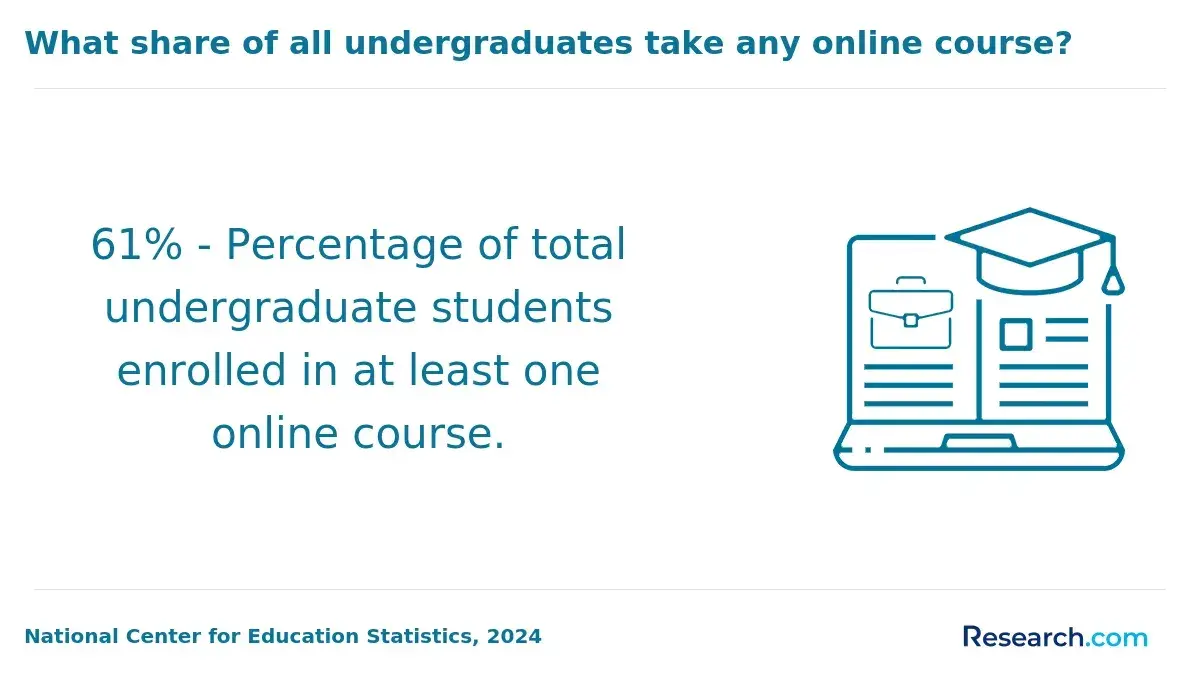
Online clinical research management programs provide flexibility unmatched by many campus-based options, ideal for professionals or students juggling multiple commitments. These programs often offer asynchronous learning, enabling access to lectures and materials anytime, supporting varied schedules.
Conversely, campus programs emphasize in-person networking and hands-on experiences like laboratory work or direct collaboration with clinical trial teams, which some students find crucial for skill development.
Curricula of online programs increasingly incorporate interactive case studies, virtual simulations, and real-world project work. Students in these online programs may participate in remote data monitoring exercises that mimic actual clinical trial workflows.
Meanwhile, campus-based programs commonly provide more opportunities for on-site clinical placements or internships, essential for building professional connections and understanding regulatory environments firsthand.
When choosing between these formats, consider your learning style, career objectives, and available resources. The rising demand for data-centric roles in clinical research, evidenced by ICON's reported 2024 revenue of $8.0 billion, reflects strong industry focus on outsourced and technology-driven work.
Online programs emphasizing data analytics and electronic data capture tools can better prepare students for these evolving market needs.
Balancing flexibility with practical exposure is key, and verifying program accreditation and industry partnerships ensures graduates meet hiring standards in pharmaceutical and biotech sectors.
What should you look for in accreditation and quality for clinical research programs?
Accredited clinical research management programs ensure graduates are well-prepared for the industry's complex regulatory environment. Seek programs recognized by established accreditation bodies such as the Association of Clinical Research Professionals (ACRP) or the Society of Clinical Research Associates (SOCRA).
These accreditations confirm that the curriculum covers essential regulatory requirements, including FDA guidelines, Good Clinical Practice (GCP), and Institutional Review Board (IRB) processes.
The U.S. Food and Drug Administration's receipt of over 10,000 new drug applications and supplements in fiscal year 2024 highlights the intense demands on regulatory professionals. Quality programs offer hands-on experience through internships or collaborations with pharmaceutical and biotech companies, helping students develop skills in data management, compliance monitoring, and documentation.
Additional markers of quality include faculty who bring current industry expertise and curricula updated to reflect advancements in clinical trial design and regulatory affairs. Training in emerging technologies such as electronic data capture (EDC) systems and clinical trial management software (CTMS) is also essential for modern clinical research management.
The best programs equip graduates to manage complex regulatory reviews efficiently and ethically, meeting the high standards expected by regulatory agencies and industry alike.
What coursework and practicum experiences are typical in clinical research management programs?
Typical coursework in clinical research management programs covers study design, regulatory affairs, biostatistics, and project management. Students gain a thorough understanding of Good Clinical Practice (GCP) guidelines, FDA and ICH compliance regulations, and the ethics of human subjects research.
Programs also emphasize data management, safety reporting, and quality assurance procedures essential for effectively overseeing clinical trials.
Practicum experiences are vital for building operational expertise. Internships at pharmaceutical companies, contract research organizations (CROs), or hospital research units provide hands-on exposure to patient recruitment, monitoring visits, documentation audits, and cross-functional coordination.
Some programs collaborate with industry leaders like PPD, now part of Thermo Fisher Scientific, whose extensive infrastructure supports clinical trials worldwide with Thermo Fisher's 2024 revenue reaching $42.88 billion.
Key practicum activities include managing trial timelines, budget oversight, vendor interactions, and risk mitigation. Students often participate in protocol development and train site staff on compliance.
Role-playing exercises simulate challenges such as adverse event reporting and protocol deviations, preparing graduates for immediate workplace responsibilities.
Programs vary by focus; some emphasize global trial management and regulatory harmonization, while others prioritize oncology or rare disease research. Choosing accredited programs with industry partnerships and certification opportunities (e.g., SOCRA or ACRP) strengthens readiness for roles in clinical operations with leading organizations.
What are the salary ranges and earning potential for clinical research professionals?
Clinical research professionals in the U.S. earn between $60,000 and $130,000 annually, influenced by role, experience, and education. Entry-level clinical research coordinators start around $60,000 to $75,000, while experienced clinical research associates and monitors earn $80,000 to $110,000. Management roles such as project managers or directors often exceed $120,000 due to their leadership responsibilities overseeing trials and teams.
Biostatisticians are in high demand, with salaries typically ranging from $90,000 to $140,000. Their critical role in data analytics throughout clinical trials contributes to this earning potential. Employment for statisticians is projected to grow 11% from 2023 to 2033, faster than the average for all occupations according to the U.S. Bureau of Labor Statistics.
Earnings vary based on employer type. Large pharmaceutical and biotech companies tend to offer higher compensation compared to academic or government research positions. Specialized skills such as regulatory knowledge, data management, and decentralized trial experience boost salary prospects.
Certifications like Certified Clinical Research Professional (CCRP) or Certified Clinical Research Coordinator (CCRC) can enhance salary potential. Combining clinical expertise with biostatistics or data science skills further increases market value and career opportunities.
What is the job outlook for clinical research careers in the pharmaceutical and biotech industries?
The demand for clinical research careers within the pharmaceutical and biotech sectors continues to expand due to rising R&D investments, increasingly complex trials, and stringent regulatory demands. Key positions such as clinical research associates, data managers, and regulatory affairs specialists are projected to experience steady growth.
Pharmacovigilance roles, responsible for drug safety monitoring, are especially critical. The FDA's FAERS database processed over 2.2 million adverse event reports, highlighting this field's importance in post-market surveillance.
Professionals entering clinical research management should consider roles like:
- Clinical research coordinators overseeing trial sites and patient enrollment.
- Data analysts ensuring data accuracy and trial integrity.
- Pharmacovigilance officers managing safety data and compliance.
- Regulatory affairs managers handling submissions and approvals.
Certifications such as CCRP (Certified Clinical Research Professional) and RAC (Regulatory Affairs Certification) improve employability in these competitive areas. Expertise in electronic data capture (EDC) systems and familiarity with centralized monitoring technology are increasingly valuable.
Moreover, decentralized clinical trials are creating opportunities in remote patient monitoring and digital data collection, emphasizing the need for professionals adaptable to technological advancements.
For those seeking to build a career in clinical research management, focusing on these evolving roles and required skills will be essential for long-term success and advancement.
How do certifications and professional credentials impact advancement in clinical research management?
Certifications and professional credentials significantly enhance career prospects in clinical research management by validating expertise and demonstrating commitment to industry standards. Employers commonly require certifications like Certified Clinical Research Professional (CCRP) or Project Management Professional (PMP) for mid-to-senior roles, ensuring proficiency in regulatory compliance, study design, and leadership.
These credentials prepare professionals to manage complex study portfolios and lead cross-functional teams. Leadership roles demand skills such as strategic oversight, risk management, and resource allocation, which are central to many formal credentialing programs.
AstraZeneca's substantial $5.5 billion investment in R&D reflects the sector's growing emphasis on strong clinical strategy and portfolio leadership, underscoring the value of well-qualified managers.
Credentials provide practical benefits including:
- Greater eligibility for senior positions like Clinical Trial Manager or Director of Clinical Operations
- Enhanced networking opportunities through professional organizations
- Potential salary increases of up to 20%, based on industry surveys
Selecting credentials aligned with career goals is essential. Clinical study leaders may prefer Certified Clinical Research Coordinator (CCRC) or CRA certifications, while those targeting portfolio management often pursue project management credentials. Continuous education demonstrates adaptability amid a constantly evolving regulatory landscape.
Other Things You Should Know About Clinical Research Management
Clinical research management professionals often navigate regulatory complexities and ensure compliance with evolving guidelines such as FDA and ICH standards. They must also coordinate multidisciplinary teams, manage budgets, and oversee timelines to ensure successful trial completion while maintaining high data integrity and patient safety.
Technology plays a critical role in clinical research management, streamlining data collection, monitoring, and reporting processes through electronic data capture and clinical trial management systems. Advances in digital tools also support remote monitoring and decentralized trials, enhancing flexibility and efficiency in managing clinical studies.
Clinical research management professionals design and implement patient recruitment strategies to meet enrollment targets within given timelines. They collaborate with sites, use data analytics, and manage outreach programs to optimize recruitment efforts while ensuring ethical considerations and informed consent protocols are rigorously followed.
In 2027, roles such as clinical data analyst, regulatory affairs specialist, and clinical research coordinator are experiencing significant growth. These positions leverage advancements in technology, emphasizing data analysis, compliance, and efficient trial management to meet the evolving demands of the pharma and biotech industries.
References
- ACRP Certification https://acrpnet.org/certification
- Clinical Research Certification or Accreditation – Which One Should I https://professionals.iaocr.com/blogs/news/clinical-research-certification-or-accreditation-which-one-should-i-choose
- Life Sciences Careers 2026: Top Hiring Trends & Roles to Advance Your Career | EPM Scientific https://www.epmscientific.com/en-us/industry-insights/career-advice/life-sciences-careers-2026-top-hiring-trends
- 2025 Clinical Research Workforce Report https://ccrps.org/clinical-research-blog/2025-clinical-research-workforce-report
- International Accrediting Organization for Clinical Research Purpose and Impact https://www.iaocr.com/en/iaocr-purpose-and-impact
- Online vs. On-Campus Clinical Research Courses: Which is Right for You? https://www.pharmiweb.com/press-release/2024-10-23/online-vs-on-campus-clinical-research-courses-which-is-right-for-you