2027 Best Online Clinical Research Management Degrees for Biotechnology Trial Careers

Co-Founder and Chief Data Scientist
Professionals with degrees outside of healthcare often find it challenging to enter the biotechnology trial field due to complex regulatory and operational requirements. Many struggle to locate flexible, reputable education programs that accommodate their schedules and provide industry-relevant skills.
This gap hinders career pivots into clinical research management roles essential for advancing medical innovations. Navigating the multitude of online degree options can be overwhelming without clear guidance on accreditation and curriculum quality.
This article examines top online clinical research management degrees tailored for aspiring biotechnology trial professionals, offering clarity on program strengths and helping readers make informed educational choices to successfully transition into the industry.
Key Things You Should Know
- Online clinical research management degrees in 2026 emphasize regulatory knowledge and biotechnology trial applications, reflecting a 12% job growth forecast through 2030 by the U.S. Bureau of Labor Statistics.
- Programs increasingly integrate hands-on training with virtual labs and AI tools, enhancing skills critical for managing complex biotech clinical trials efficiently and compliantly.
- Tuition varies widely; average online program costs range from $15,000 to $45,000, while scholarships and employer tuition reimbursement help offset expenses for working professionals.
What is an online clinical research management degree for biotechnology trials and who is it best for?
An online clinical research management degree for biotechnology trials equips students to oversee clinical studies involving gene therapies, biologics, and diagnostic innovations. Designed for professionals aiming to work in biotech firms, pharmaceutical companies, or contract research organizations, these programs blend clinical trial design, regulatory compliance, ethical standards, and data management specific to biotechnology.
Such programs emphasize essential skills including protocol development, participant recruitment, quality assurance, and adherence to FDA and international regulations like ICH-GCP and FDA 21 CFR Part 11. Emerging topics often include personalized medicine and adaptive trial methodologies crucial to managing biotech research effectively.
Prospective students may be life sciences graduates pivoting to research coordination, healthcare professionals advancing into management, or working professionals seeking flexible options. Those interested in the best online clinical research management programs for biotechnology careers will find opportunities for practical experience through internships or capstone projects tailored to biotech trials.
The global clinical trials market, valued at approximately $68.2 billion in 2024, is expected to grow at a 6.5% CAGR through 2030, underscoring increasing demand for skilled clinical research managers. Students should look for programs that offer training with industry-standard software and regulatory knowledge to meet these needs.
For professionals exploring related roles, understanding the pharmaceutical sales rep salary and career paths can provide additional perspective on biotech sector opportunities.
How do online clinical research management programs compare with on-campus options for biotech careers?
Online clinical research management programs versus traditional on-campus degrees for biotechnology careers offer distinct advantages depending on a student's needs. Online options provide greater flexibility and accessibility, which is beneficial for working professionals or those unable to relocate.
These programs typically include the same core curriculum and accreditation standards, ensuring graduates are well-prepared for the industry. However, on-campus degrees often excel in providing hands-on lab experiences and stronger networking opportunities with faculty and peers, which some students find essential for biotech trial careers.
The growing emphasis on biotechnology in drug development highlights the importance of clinical research management education tailored to this field. Biotechnology companies now drive over 70% of molecules in the global drug development pipeline, making specialized skills in biotech trial design, regulatory affairs, and data management increasingly valuable.
Both online and on-campus curricula adapt to these trends, helping students build relevant expertise. For professionals evaluating the benefits of online clinical research management education for biotech trial professionals, factors such as the following are key considerations:
- On-campus programs may offer stronger local biotech industry connections for internships and clinical placements.
- Dedicated technology and simulation labs available on campus support mastery of critical bioinformatics tools.
- Online cohorts utilize virtual forums and speaker series to foster networking despite the lack of in-person interaction.
- Online programs often reduce costs related to housing and commuting and allow asynchronous pacing.
Accreditation and faculty expertise are crucial regardless of delivery mode. Partnering with biotech firms enhances program credibility and employability. Prospective students should look for programs with proven placement rates in biotech clinical trials and coursework aligned with evolving regulatory landscapes.
Those considering timelines may also want to explore resources on how long does it take to become a pharmacist, as a related healthcare career pathway.
Which accredited schools offer the best online clinical research management degrees in the United States?
Several accredited U.S. schools offer top-tier online clinical research management degrees in the United States designed for careers in biotechnology trials. The University of Southern California (USC) features a Master of Science in Clinical Research Administration focused on regulatory affairs, trial design, and project management for biotech clinical trials.
Johns Hopkins University provides an online certificate in clinical research management that appeals to working professionals seeking specialized knowledge without committing to a full degree. This coursework emphasizes ethics, compliance, and trial monitoring, essential for biotechnology clinical studies.
The University of Florida's online Master of Science in Clinical and Translational Science develops leadership skills in clinical trial management, emphasizing biostatistics and research methodology. This program is ideal for those pursuing roles in biotech firms or academic research.
The George Washington University offers a fully online Master's in Clinical Research Administration, integrating project management, regulatory knowledge, and applied research techniques aligned with FDA regulations and biotech industry needs.
Employment growth for medical and health services managers, including clinical research managers, is projected at 28% from 2022 to 2032 with about 144,700 new jobs anticipated, according to the U.S. Bureau of Labor Statistics. Prospective students should consider accredited online degrees from reputable universities to compete effectively in the biotechnology trial sector.
For those interested in foundational education, earning a bachelor's degree in project management is a valuable step toward advanced clinical research management roles.
What accreditation and program quality standards should online clinical research management degrees meet?
Accreditation is crucial for online clinical research management programs to ensure quality and industry relevance. Regional accreditation from entities such as the Middle States Commission on Higher Education or the Southern Association of Colleges and Schools guarantees institutional credibility.
Additionally, specialized accreditation from organizations like the Association for Clinical Research Training (ACRT) or the Society of Clinical Research Associates (SoCRA) confirms that programs meet strict quality assurance criteria for online clinical research management degrees.
These programs align with key standards set by the National Institutes of Health (NIH) and the International Conference on Harmonisation's Good Clinical Practice (ICH-GCP), which emphasize ethical conduct, patient safety, and data integrity. Curriculum components often include regulatory affairs, clinical trial design, biostatistics, and project management, which are vital for career preparation.
Practical experiences, such as internships or capstone projects with biotech companies or research institutions, enhance student readiness for the workforce. Graduates benefit from better employability, with median annual salaries for medical and health services managers reaching $110,680, and clinical research managers frequently earning above this benchmark, according to the U.S. Bureau of Labor Statistics.
Strong programs feature faculty with active clinical research experience and industry connections, offering valuable networking and current practice insights.
Those interested in expanding their skills can also explore related roles by reviewing project management degree jobs, which complement clinical research management careers effectively.
What courses and specializations are typically included in an online clinical research management curriculum?
Online clinical research management programs provide essential knowledge in research design, ethics, regulatory compliance, and project management critical to biotechnology and clinical trial careers. Core courses often include clinical trial protocol development, biostatistics, data management, and clinical operations, equipping students to design trials, manage clinical data accurately, and adhere to regulatory standards such as FDA and ICH-GCP guidelines.
Specializations allow students to focus on areas like regulatory affairs, biopharmaceutical project management, or clinical data analytics.
For example, regulatory affairs tracks emphasize drug approval processes and compliance, while analytics options teach statistical software and interpretation of clinical outcomes. Additional electives may cover patient safety, healthcare law, and quality assurance.
Practical learning through case studies or virtual simulations supplements theory, prepping students for real-world challenges such as managing multisite trials and ethical dilemmas. Capstone projects or internships offer opportunities to apply skills in professional settings.
Career prospects improve with advanced education. Workers with a master's degree in health and medical administrative services earn a median annual salary of about $91,000, which is roughly 30-35% higher than those holding only a bachelor's degree in related fields.
Such data from the U.S. Census and Current Population Survey highlights the advantage of advanced training for leadership roles in clinical research settings.
What are the admission requirements and prerequisites for online clinical research management programs?
Admission requirements for online clinical research management programs commonly include a bachelor's degree from an accredited university, often in health sciences, life sciences, nursing, or related areas.
Applicants without a directly relevant degree may need to complete prerequisite courses such as biology, chemistry, or statistics before enrollment. Some programs also require standardized tests like the GRE, especially competitive ones.
Typical application materials include official transcripts, letters of recommendation, and a personal statement outlining career goals and relevant experience. Prior work experience in clinical settings, research labs, or healthcare administration, usually ranging from one to three years, can strengthen an application.
Prerequisite coursework often involves subjects like biology, anatomy, pharmacology, and research methodology to prepare students for the scientific and regulatory content ahead. Given the digital learning environment, basic computer skills may also be necessary.
Applicants should check with their specific programs as admission criteria vary. Some institutions offer conditional admission or bridge courses if prerequisites are unmet.
Over 60% of U.S. graduate students in health and related fields now take at least one online course, with more than one-third enrolled primarily or exclusively online, highlighting growing acceptance of remote learning formats. This increase expands accessibility for prospective clinical research management students across diverse backgrounds and locations.
How long do online clinical research management degrees take and how much do they cost?
Online clinical research management degrees typically take 18 months to 3 years to complete, depending on program type and credential level. Certificate programs can be finished in under two years, making them suitable for professionals seeking targeted training without committing to a full degree.
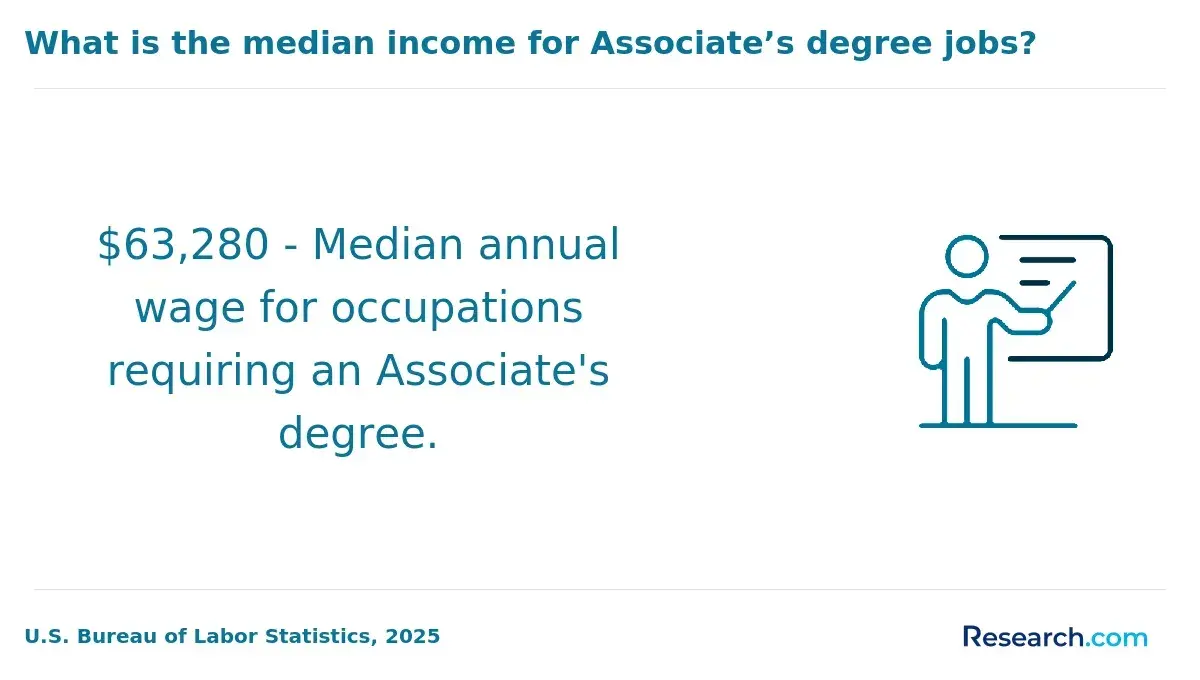
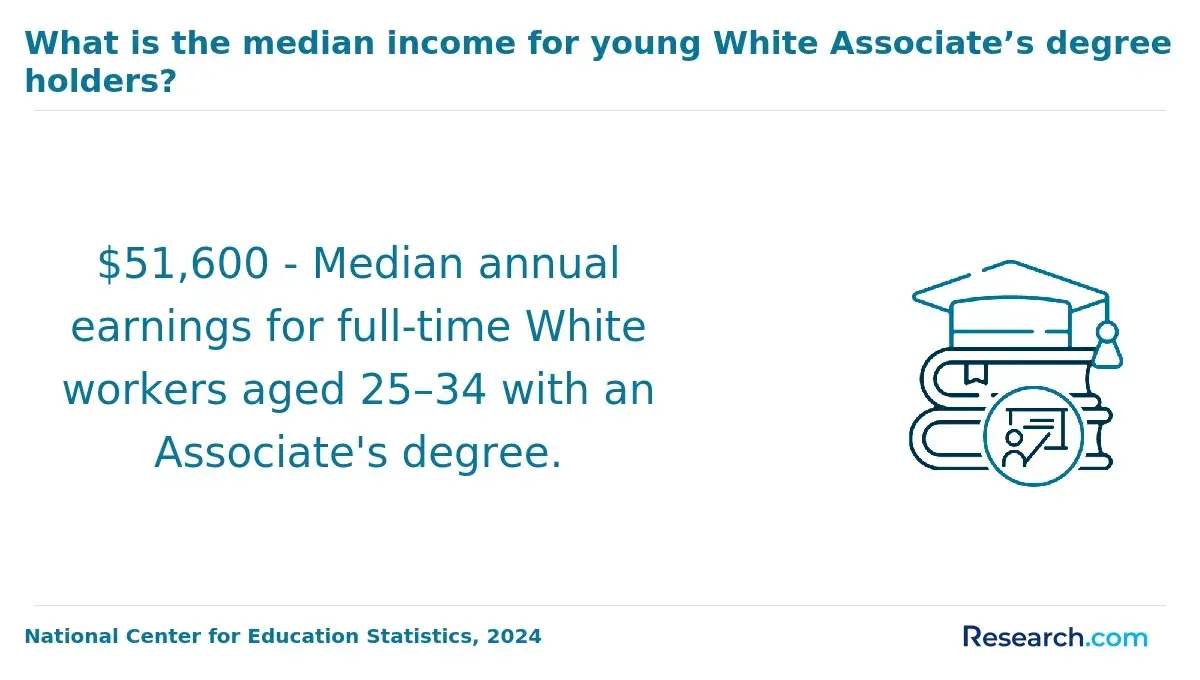
Associate and bachelor's degrees generally require 2 to 3 years, while master's degrees often need 1.5 to 2 years beyond a bachelor's, though part-time options can extend these timelines for flexibility.
Costs vary: certificate programs range from $5,000 to $15,000 in total tuition. Associate and bachelor's degrees usually cost between $15,000 and $40,000, while master's programs often fall between $20,000 and $50,000 or more, influenced by factors like institution prestige and residency status.
Workforce data from Drexel University indicates strong demand in this field, with 10-14% job growth expected by 2026 and thousands of new Clinical Research Coordinator and Clinical Research Associate roles opening. Nearly 350 employers compete for qualified candidates, emphasizing the value of accredited programs that align with industry certifications.
Consider factors such as accreditation, practical training, and accelerated options to reduce time and cost. Employer tuition assistance is also a helpful resource. Balancing these elements with workforce trends can help students effectively prepare for careers in clinical research management.
What clinical research and biotechnology trial careers can you pursue with this degree?
Graduates with a degree in clinical research management for biotechnology trials can pursue careers essential to drug development and regulatory compliance.
Key roles include clinical trial manager, who coordinates protocols, timelines, and budgets; clinical research associate, responsible for monitoring trials and guideline adherence; and regulatory affairs specialist, managing agency submissions such as to the FDA. Other opportunities include data manager, ensuring the integrity of clinical data, and quality assurance specialist, overseeing process compliance.
Additional career paths involve biostatisticians analyzing trial data to support safety and efficacy, medical writers preparing clinical study reports, and project managers leading teams in contract research organizations (CROs). Pharmacovigilance roles focus on monitoring and reporting adverse drug reactions during and after clinical trials.
The pharmaceutical and biotechnology industries invest heavily in R&D, exceeding $260 billion, which expands opportunities beyond traditional pharma companies. Many roles are now offered by CROs and outsourcing vendors, reflecting growing demand for professionals who manage complex, multi-site trials (Evaluate Pharma / IQVIA).
Prospective students should align career choices with their strengths, whether science-driven, such as clinical research scientist, or management-focused, like clinical operations director. Employers seek candidates combining scientific knowledge with project management and regulatory expertise to navigate evolving therapeutic landscapes effectively.
What salary ranges and job outlook can graduates expect in clinical research management?
Starting salaries for clinical research management graduates typically range from $65,000 to $85,000 annually, influenced by experience, location, and employer type. Mid-career professionals earn between $90,000 and $120,000, while senior managers and directors, especially in biotechnology and pharmaceutical sectors, can make $130,000 to $160,000 or more.
Positions at contract research organizations (CROs) and large medical centers often come with competitive compensation reflecting regulatory and project oversight responsibilities.
The U.S. Bureau of Labor Statistics projects a 10% employment growth in this field through 2032, driven by rising investment in drug development, biotechnology trials, and expanding clinical studies worldwide. Graduates skilled in regulatory compliance, data management, and patient recruitment have a clear advantage.
Educational costs affect access to careers in this sector. For example, Drexel University offers online graduate clinical research tuition at $706 per credit for the 2026-2027 academic year, half the $1,412 per credit charged on-campus. This pricing makes online programs more accessible for working professionals.
Graduates should consider program costs against potential salaries, balancing affordability with flexibility. Earning relevant certifications can enhance both job security and earning potential in this highly regulated industry.
Are certifications like ACRP or SOCRA needed after an online clinical research management degree?
Certifications such as ACRP (Association of Clinical Research Professionals) and SOCRA (Society of Clinical Research Associates) are not mandatory after earning an online clinical research management degree, but they play an important role in advancing a biotechnology trial career.
These certifications validate expertise and dedication to industry standards, which many employers prefer or require for senior roles, particularly in regulatory oversight, quality assurance, or project leadership.
With decentralized clinical trials (DCTs) accounting for 25-30% of new interventional trial starts and growing rapidly, proficiency in technology-driven and remote trial management is essential. Certifications ensure professionals are well-versed in electronic data capture, patient engagement technology, and evolving regulatory compliance.
ACRP certification emphasizes regulatory knowledge and practical skills closely aligned with current clinical practices, enhancing employability and salary prospects. SOCRA certification targets advanced monitoring and auditing capabilities, appealing to those focused on clinical oversight or sponsor roles.
Employers often seek candidates with these credentials to reduce training efforts and confirm qualifications in a competitive market. Entry-level roles are accessible without certification, but career advancement typically depends on obtaining one or both credentials.
Students and professionals should consider these certifications based on their career goals, especially if seeking leadership or specialized roles in biotech trials.
Other Things You Should Know About Clinical Research Management
Key skills include strong analytical abilities to interpret complex data, effective communication to collaborate across multidisciplinary teams, and an understanding of regulatory compliance to navigate legal requirements. Organizational skills and problem-solving capabilities are also crucial to managing trial timelines and resolving issues.
Working at clinical research sites provides practical knowledge of trial operations, patient interactions, and protocol adherence. This hands-on experience is highly valued by employers and can accelerate career advancement by enhancing problem-solving skills and understanding of regulatory requirements.
Technology plays a significant role by streamlining data collection, ensuring compliance, and facilitating remote monitoring of clinical trials. Tools like electronic data capture systems and clinical trial management software improve accuracy and efficiency in managing trial workflows.
Many online clinical research management programs include or recommend internships or practical training to provide real-world experience. These opportunities help students apply theoretical knowledge and develop professional networks within the biotechnology and clinical research industries.
References
- CBTS Masters of Science Clinical Research Management Online Yr 1 https://www.unthealth.edu/tuition-and-fees/cbts-tuition-and-fees/cbts-masters-of-science-clinical-research-management-online-year-1.html
- Program Overview https://www.socra.org/certification/certification-program/program-overview/
- Clinical research career: 7 top roles, salaries & GCP guide https://pharmaeducenter.com/blog/clinical-research-career/
- Clinical Research Associate (CRA) Career Path https://pathologylabtraining.co.uk/biomedical-sciences/cra-careers
- Why Choose a Clinical Research Course? | CCRPS https://ccrps.org/clinical-research-blog/why-clinical-research-course-is-a-preferred-choice-for-many-students
- ACRP vs. SOCRA: A Guide to Clinical Research Certification | IntuitionLabs https://intuitionlabs.ai/articles/acrp-vs-socra-certification