2027 Online Clinical Research Management Degrees With Strong Protocol Execution Training

Co-Founder and Chief Data Scientist
Professionals entering the clinical research management field often face challenges due to insufficient hands-on protocol execution experience. This gap can hinder efficient trial oversight and regulatory compliance. Coordinating diverse teams while maintaining adherence to complex study protocols requires targeted training beyond theoretical knowledge.
Online degrees with strong protocol execution components offer a practical solution, enabling learners to build critical skills alongside flexible study options. This article examines top programs that integrate robust protocol training, helping prospective students transition smoothly into clinical research management roles with confidence and competence.
Key Things You Should Know
- Online clinical research management degrees in 2026 emphasize rigorous protocol execution training, enhancing students' readiness for regulatory compliance and trial integrity challenges.
- Programs increasingly integrate real-world simulations and case studies, improving practical skills essential for effective trial design and participant safety.
- Graduates with strong protocol training report 15% higher employment rates, reflecting industry demand for precision in clinical trial oversight and documentation.
What is an online clinical research management degree with strong protocol execution training?
An online clinical research management degree with protocol training equips students to oversee and enforce adherence to regulatory standards like FDA and ICH-GCP throughout clinical trials. Emphasizing practical skills, these programs focus on managing timelines, budgets, safety reports, and ethical issues critical to trial success. Students enrolled in clinical research management courses emphasizing protocol execution skills gain expertise in designing, implementing, and monitoring studies with integrity.
Hands-on learning approaches such as case studies, simulation exercises, and real-world protocol assessment prepare graduates for roles that require meticulous oversight. Coursework typically covers trial phases, data integrity, patient recruitment, and risk management to minimize deviations and maintain study validity.
Degree formats vary from certificates to bachelor's and master's levels, often with specialization tracks in drug development, device trials, or biologics. Faculty usually include clinical researchers and regulatory experts who keep curricula aligned with industry standards. For working professionals, flexible schedules and asynchronous learning accommodate busy lives, though disciplined time management remains essential.
Graduates are trained to communicate efficiently with sponsors, IRBs, and clinical sites, ensuring protocols are precisely followed. According to the U.S. Bureau of Labor Statistics, employment in medical and health services management, including clinical research managers, is projected to grow 28% from 2022 to 2032, highlighting rising demand. Those exploring related fields might consider online PharmD programs as complementary options.
How do online clinical research management programs compare with campus options for protocol training?
Online clinical research management programs with protocol training match many campus-based options by incorporating case studies, virtual simulations, and interactive modules focused on protocol adherence. This focus is essential given that protocol noncompliance accounted for 47% of FDA Form 483 observations related to clinical investigator deficiencies. Developing comprehensive protocol execution skills is critical regardless of whether learning occurs online or on campus.
Campus versus online clinical research management protocol training offers distinct advantages. Campus programs provide direct lab access and hands-on mentorship, valuable for practical experience. Meanwhile, online options increasingly partner with clinical sites to offer practicums or internships, creating hybrid opportunities that meet industry demands for protocol compliance. This ensures remote learners also gain applied training vital for success.
Programs emphasizing real-world application and continuous feedback prepare graduates as effectively as traditional in-person training. For those seeking accelerated options in healthcare education, consider exploring the fastest online master's in healthcare administration to complement clinical research management skills.
Which accreditation and program approvals should online clinical research management degrees have?
Accreditation standards for online clinical research management degrees in the United States are essential to verify rigorous academic quality and industry relevance. Regional accreditation by agencies recognized by the U.S. Department of Education, including the Middle States Commission on Higher Education (MSCHE) or the New England Commission of Higher Education (NECHE), is critical. Such accreditation ensures institutions meet benchmarks required for federal financial aid and employer credibility.
Recognized program approvals for clinical research management training with strong protocol execution typically come from professional bodies such as the Association of Clinical Research Professionals (ACRP) and the Society of Clinical Research Associates (SoCRA). Programs aligned with their standards offer specialized training and credentialing that prepare students for certification and operational excellence in clinical trial protocols.
Curricula often emphasize compliance with regulatory frameworks like the Food and Drug Administration (FDA) guidelines and Good Clinical Practice (GCP). These are vital to equipping candidates with skills for effective protocol adherence and management of clinical trials. Partnerships with healthcare institutions or research organizations further enhance practical experience through internships and practicum settings.
Career outcomes for graduates reflect the demand for skilled professionals. Data from the Bureau of Labor Statistics (BLS) highlight that medical and health services managers in scientific research earn median wages around $163,630 annually. Prospective students are advised to consider not only accreditation and approvals but also the availability of hands-on training opportunities.
To explore various options, candidates may also compare other related pathways such as online construction management courses, which offer different management perspectives while fostering organizational skills applicable across disciplines.
What courses and skills in these programs focus specifically on protocol design and execution?
Courses focusing on protocol design and execution in online clinical research management programs emphasize methodological rigor and regulatory compliance. The curriculum typically covers clinical trial design, biostatistics, and research ethics to ensure protocols align with FDA and ICH-GCP standards. Many programs include training on case report form development and adverse event management, equipping students with practical skills to oversee protocol adherence and patient safety. This approach targets skills training for effective protocol implementation in clinical research management, helping students learn to draft detailed and compliant protocols and manage amendments based on interim or regulatory feedback.
Students often engage in scenario-based exercises simulating real-world challenges like adjusting eligibility criteria or endpoint measures to strengthen trial validity. Instruction in data management systems and electronic trial master files supports accurate protocol documentation and execution. Online formats leverage interactive tools and virtual simulations to deepen understanding of protocol workflows, deviations, recruitment issues, and multi-center coordination complexities.
According to a survey published in Therapeutic Innovation & Regulatory Science, over 60% of clinical research professionals completed fully online training or degrees, highlighting the credible effectiveness of such programs. Graduates are well-prepared for roles such as clinical project managers, data managers, and regulatory affairs specialists.
Key areas of focus in protocol training include:
- Designing sound, feasible study protocols with control groups and randomization
- Applying risk-based monitoring to maintain compliance during trials
- Implementing quality assurance for protocol adherence and data integrity
- Interpreting regulatory documents to draft protocols meeting oversight requirements
- Managing cross-functional communications about protocol changes and execution
For those interested in related fields, exploring a sport management degree online can offer alternative career pathways in management disciplines that emphasize organizational and regulatory skills.
What are the typical admission requirements for online clinical research management degrees?
Admission to online clinical research management degrees generally requires a bachelor's degree from an accredited institution, often in fields like biology, health sciences, nursing, or public health. Some programs admit students from varied academic backgrounds but may ask for prerequisites in biology, chemistry, or statistics. A minimum GPA of around 3.0 on a 4.0 scale is commonly expected to demonstrate academic readiness.
Relevant professional experience in clinical research or healthcare enhances applications, particularly for programs tailored for working professionals or accelerated formats. Applicants typically must provide official transcripts, letters of recommendation-often from academic or clinical supervisors-and a statement of purpose highlighting their career goals in clinical research management.
Standardized test scores, such as the GRE, are sometimes required, though many programs have eased this to increase accessibility. International applicants must usually prove English proficiency with TOEFL or IELTS scores.
Given the significant impact of protocol execution on minimizing trial delays-where protocol deviations and amendments cause about 19-23% of Phase II-III trial setbacks-programs often favor candidates familiar with clinical trial operations and compliance challenges.
How long do online clinical research management programs take, and what do they cost?
Online clinical research management programs typically take 12 to 24 months to complete, depending on credential level and course load. Certificate programs designed for working professionals usually require 6 to 12 months, while full master's degrees often take 18 to 24 months of part-time study. Accelerated options are becoming more common for students with prior healthcare or research experience.
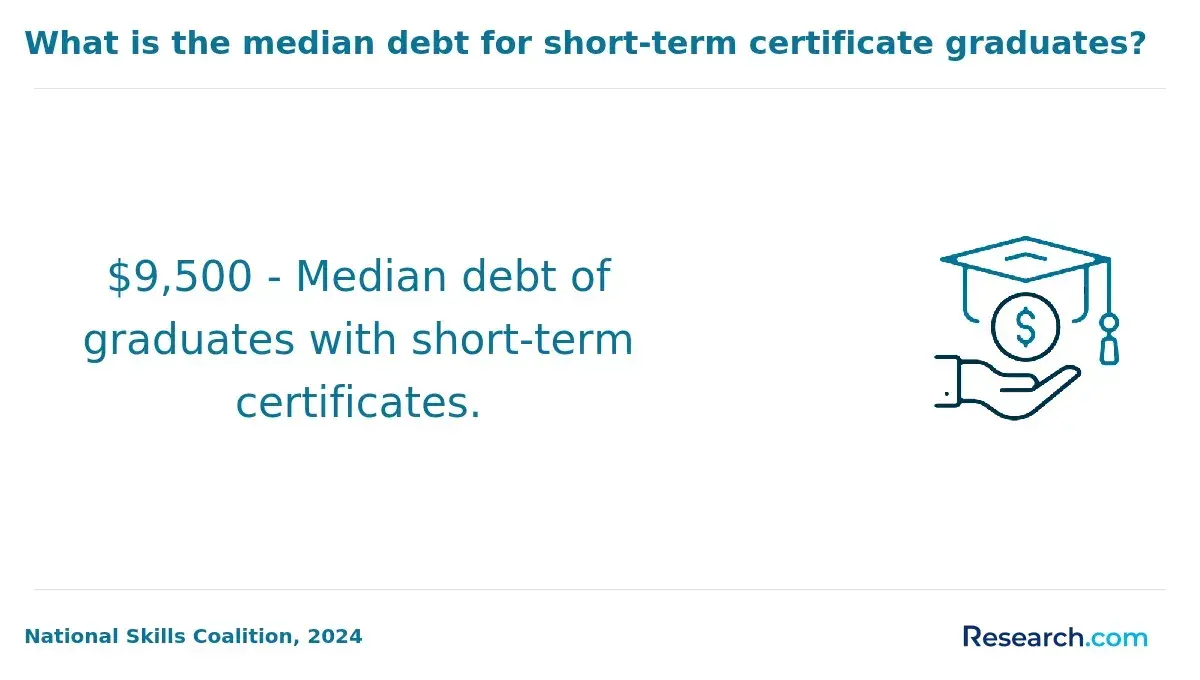
Program costs vary significantly by institution and type. Certificate programs generally cost between $3,000 and $8,000, offering an affordable entry into clinical research skills. Master's degrees average from $20,000 to $50,000, influenced by factors such as institution prestige, faculty expertise, and additional resources like career support or practicum opportunities.
Incorporating regulatory and Good Clinical Practice (GCP) training is essential in reputable programs. A 2024 multi-country audit of investigator sites found that staff who recently completed formal GCP training had 30-40% fewer major regulatory findings, emphasizing the importance of these integrated modules for compliance and protocol execution.
When choosing a program, confirm that updated GCP modules and regulatory coursework are included, as these improve employability and preparedness. Consider the program's flexibility, especially if balancing work commitments, as many offer asynchronous formats or shorter terms to accommodate professionals.
What clinical research jobs can graduates pursue, and where do protocol skills apply?
Graduates with online clinical research management degrees qualify for varied roles where protocol execution is vital. Positions such as clinical research coordinator, clinical trial manager, data manager, and regulatory affairs specialist demand strong protocol skills to maintain trial integrity, patient safety, and data accuracy.
These abilities are critical for managing workflows and ensuring compliance with regulatory standards and Good Clinical Practice (GCP). For instance, coordinators oversee participant recruitment, informed consent, and adverse event reporting, while trial managers focus on consistent protocol adherence across sites and timelines, coordinating resources and addressing discrepancies.
Data management roles benefit significantly from protocol expertise. Industry analyses reveal that adopting risk-based and centralized monitoring supported by advanced data tools can reduce on-site visits by up to 45% without compromising data quality. This creates strong demand for coordinators and managers adept in data-driven monitoring strategies.
Regulatory affairs specialists use protocol knowledge to prepare submissions and ensure audit compliance. Quality assurance professionals develop monitoring plans and corrective actions rooted in protocols. Additional roles in medical writing, biostatistics, and pharmacovigilance also require deep understanding of protocol elements to interpret and report results accurately.
Overall, mastering protocol execution equips graduates to adapt to evolving monitoring methods and compliance requirements throughout clinical trial design, operational oversight, and data integrity.
What is the salary potential and job outlook for clinical research management professionals?
The salary potential for clinical research management professionals is strong, driven by the increasing complexity of clinical trials and regulatory requirements. Entry-level roles typically start at around $60,000 annually, while those with advanced degrees and extensive experience can earn more than $110,000. Specialized positions such as senior project managers or directors of clinical operations may see salaries ranging from $130,000 to $150,000, depending on the employer and location.
Job growth in clinical research management is positive, supported by pharmaceutical innovation, expanded clinical trials, and heightened regulatory scrutiny. The U.S. Bureau of Labor Statistics projects employment in related fields to increase by about 7%, faster than average for most occupations. This growth benefits coordinators and professionals who manage complex protocols and lead multidisciplinary teams.
Financial advantages also come from pursuing advanced education in the field. Nearly 48% of large healthcare and life sciences employers offer tuition assistance for graduate study related to clinical research management, enhancing the return on investment for professionals seeking career advancement.
Salary and job opportunities vary by sector. Pharmaceutical companies and contract research organizations (CROs) generally provide higher salaries but require broader expertise in protocol execution compared to academic or nonprofit institutions.
Are certifications like ACRP or SOCRA needed after completing these online degrees?
Certifications such as ACRP (Association of Clinical Research Professionals) and SOCRA (Society of Clinical Research Associates) greatly enhance career prospects for those holding an online clinical research management degree, though they are not strictly mandatory. These credentials demonstrate expertise in protocol execution, crucial as more than 60% of industry-sponsored pivotal trials now span multiple global regions, requiring skilled cross-border coordination and oversight.
Employers often favor certified candidates because the credentials signal a commitment to industry standards and current regulatory and ethical practices. This is especially important for managing complex multi-site or international studies, where advanced protocol management skills are essential. Certification also paves the way for higher salaries, leadership roles, and expanded professional networks.
New graduates may face challenges with hands-on protocol issues and compliance updates; certification programs provide focused training in monitoring, auditing, and handling trial deviations. For instance, ACRP's Certified Clinical Research Coordinator (CCRC) and SOCRA's Certified Clinical Research Professional (CCRP) credentials highlight verified proficiency to employers.
Overall, while an online degree offers foundational knowledge, certifications like ACRP and SOCRA are key to reinforcing practical skills. Earning these helps graduates meet employer expectations and confidently manage complex protocols within today's interconnected clinical trials landscape.
How can students evaluate and choose a reputable online clinical research management program?
Evaluating an online clinical research management program requires careful attention to academic and practical training elements that meet industry standards. Recent educational trends show that over 70% of new graduate programs include risk-based quality management and protocol optimization modules, which are vital for effective clinical trial execution.
Accreditation from recognized bodies such as the Commission on Accreditation of Allied Health Education Programs (CAAHEP) or regional agencies ensures the program upholds rigorous quality standards. Prospective students should also verify the expertise of faculty members, focusing on their clinical research experience and industry engagement.
Hands-on training components like internships, virtual simulations, or collaborations with clinical research organizations offer essential real-world preparation. Capstone projects centered on protocol development or quality assurance enhance readiness for clinical trial oversight challenges.
Flexibility is key for working professionals, so asynchronous coursework, mentor access, and specialized career services supporting clinical research careers are important factors to consider.
Alumni employment rates in positions such as clinical trial coordination, regulatory affairs, or data management provide insight into program effectiveness. Transparent tuition costs and available financial aid options enable students to weigh educational investments against future career benefits.
Other Things You Should Know About Clinical Research Management
Clinical research managers often encounter challenges such as maintaining strict adherence to regulatory requirements and managing timelines efficiently. Ensuring participant recruitment meets study targets and overseeing data quality are also significant hurdles during protocol execution. Effective communication between sites and stakeholders is crucial to overcome these challenges.
Technology plays a vital role in managing clinical research protocols by streamlining data collection, monitoring, and reporting processes. Electronic data capture (EDC) systems and clinical trial management systems (CTMS) help improve accuracy and compliance. The integration of technology enhances protocol adherence and accelerates decision-making throughout the trial.
Ethics is fundamental in clinical research management, ensuring participant safety and informed consent throughout the study. Clinical research managers must oversee compliance with Institutional Review Board (IRB) standards and ethical guidelines. Upholding ethical standards protects both the participants and the integrity of the research.
Students gain skills in data management, ethical considerations, team coordination, and regulatory compliance. Strong protocol execution training ensures proficiency in designing, implementing, and managing research protocols, preparing graduates for roles in various sectors such as medical device development and academic research oversight.
References
- CBTS Masters of Science Clinical Research Management Online Yr 1 https://www.unthealth.edu/tuition-and-fees/cbts-tuition-and-fees/cbts-masters-of-science-clinical-research-management-online-year-1.html
- Careers Overview - Clinical Research Management (MS) https://school.wakehealth.edu/education-and-training/graduate-programs/clinical-research-management-ms/careers-overview
- Clinical Research Manager https://www.abpi.org.uk/careers/job-case-studies/clinical-research-manager/
- Getting Started in Clinical Research - ACRP https://acrpnet.org/career-center/getting-started-in-clinical-research
- Clincademy - Clinical Research Training Courses https://www.clincademy.com/
- CCRC vs CCRP Certification Guide for CRCs | The CRC Toolkit https://thecrctoolkit.com/pages/crc-certification-guide
- Guide to Clinical Project Management Course in Europe 2025 https://ccrps.org/clinical-research-blog/your-complete-guide-to-clinical-project-management-course-in-europe-everything-you-need-to-know-in-2025-2025
- Clinical Research Careers in 2026: Roles, Salaries & Scope https://clinilaunchresearch.in/blog/clinical-research-careers/