2027 Online Clinical Research Management Degrees With Trial Operations Coursework

Co-Founder and Chief Data Scientist
Many professionals face challenges transitioning into clinical research management without a background in healthcare or life sciences. Navigating regulatory requirements, trial operations, and data management demands specific knowledge that traditional degrees may not cover.
Online programs with trial operations coursework provide flexible training to build these essential skills while balancing existing careers. This article explores available accredited online clinical research management degrees that emphasize trial operations, helping readers identify suitable programs to effectively advance their careers in this vital industry sector.
Key Things You Should Know
- Online clinical research management degrees with trial operations coursework equip students with skills in regulatory compliance, patient recruitment, and data analysis crucial for efficient clinical trials.
- Enrollment in these programs grew by 12% in 2025 due to increasing demand for qualified professionals in the expanding $69 billion U.S. clinical research industry.
- Programs typically offer flexible schedules and industry-aligned curricula, preparing graduates for roles including clinical trial coordinators, research associates, and regulatory affairs specialists.
What is an online clinical research management degree with trial operations coursework?
An online clinical research management degree with trial operations coursework trains students to effectively oversee clinical trials by focusing on core project management principles in medical and pharmaceutical research.
Emphasis is placed on regulatory compliance, participant safety, and data integrity throughout the trial lifecycle. Essential subjects include clinical trial design, monitoring, budgeting, risk management, and ethical considerations.
Clinical research management online degrees focusing on trial operations coursework offer practical training in managing study timelines, working with Institutional Review Boards (IRBs), ensuring FDA regulation adherence, and coordinating among sponsors, investigators, and study sites. This hands-on approach prepares graduates to handle real-world challenges such as recruitment delays, protocol amendments, and ensuring data quality assurance.
Programs vary widely, from master's degrees to certificates or bachelor's pathways, appealing to entry-level professionals and those advancing in clinical research careers.
Many accredited online options offer asynchronous learning and virtual simulations, balancing studies with professional commitments. For related fields, exploring an online pharmacy school can also be beneficial.
Cost is a significant factor. The average total tuition for the most affordable online master's programs in clinical research is about $35,055, compared to approximately $59,440 for a typical two-year degree at public institutions (BestColleges). This cost difference highlights savings potential without compromising educational quality.
Knowing the scope of trial operations coursework within these programs helps students align their education with careers in clinical project management, regulatory affairs, or research coordination roles, providing a foundation for success in today's competitive healthcare research environment.
How do online clinical research management programs compare with on-campus options?
Online clinical research management degree vs on-campus programs differ primarily in delivery and experiential components. Online programs offer flexibility with asynchronous coursework, ideal for working professionals or those managing family obligations.
However, some online options may lack hands-on laboratory or trial operation experiences found in traditional settings, which is an important consideration for students wanting practical skills.
Differences between online and traditional clinical research management courses also include access to faculty, research facilities, and networking. On-campus students benefit from face-to-face interaction, internships, and connections with local industry, which can enhance job placement.
That said, some online hybrid programs now include trial operations practicums or clinical site partnerships to address this gap.
Both formats maintain accreditation and cover essential topics such as regulatory affairs, data management, trial design, and biostatistics, preparing graduates to manage trials effectively under Good Clinical Practice (GCP) guidelines.
Employment prospects remain strong, with U.S. job growth for medical scientists projected at 10% from 2022 to 2032, reflecting robust demand for clinical research professionals.
Prospective students should assess their learning style, need for hands-on experience, and schedule flexibility when choosing between formats. Exploring specific offerings, including trial coursework and internships, will guide informed decisions.
Those interested in related fields might also consider the best construction management schools as a comparative example of program flexibility and structure.
Are online clinical research management degrees respected and properly accredited in the U.S.?
Online clinical research management degrees with U.S. accreditation are respected by employers, especially when offered by institutions recognized by regional or national accrediting bodies. Accreditation confirms that programs meet academic and professional standards tailored to industry needs.
Students should verify accreditation status through the U.S. Department of Education or the Council for Higher Education Accreditation (CHEA) before enrolling.
Many online clinical research management programs are aligned with industry organizations such as the Association of Clinical Research Professionals (ACRP) or the Society of Clinical Research Associates (SoCRA). This enhances graduate readiness for certifications like the Certified Clinical Research Professional (CCRP) and improves employer recognition.
Coursework generally covers trial operations, including study design, regulatory compliance, project management, and data analysis, preparing students for mid-to-senior level roles.
Recent data highlight strong career prospects: clinical data managers earn an average annual salary of $112,590, while clinical trials managers earn about $113,070, according to a Drexel University summary of O*NET and PayScale data.
Prospective students should remain cautious of unaccredited programs or those lacking robust trial operations courses, as these may limit both job and certification opportunities.
For those looking to broaden their skills, exploring options like a cheap project management degree online can complement clinical research management training and enhance career flexibility.
What trial operations and clinical study management courses are typically included in these programs?
Online clinical research management programs offering trial operations coursework cover essential subjects for overseeing clinical trials from initiation through closure.
Core courses include Clinical Trial Design and Management, which focus on protocols, study phases, and regulatory compliance. Regulatory Affairs is critical, emphasizing FDA guidelines, IRB submissions, and Good Clinical Practice (GCP) standards.
Clinical study management courses and training curriculum also highlight Project Management for Clinical Trials, providing skills in budgeting, scheduling, risk assessment, and resource allocation tailored to clinical environments. Data Management instruction teaches clinical data collection, database design, and maintaining data integrity. Safety and Pharmacovigilance modules train students on adverse event reporting and patient safety monitoring.
Some programs incorporate Biostatistics to equip students with analytical tools for evaluating trial outcomes. Ethics in Clinical Research addresses human subject protection and informed consent issues.
Electives may include Clinical Monitoring, focusing on site visits, auditing, and compliance checks, preparing students for real-world challenges such as managing multi-center trials and navigating complex regulations.
Given the specialized knowledge gained, careers in this field offer strong financial rewards, with annual wages for roles like Clinical Research Directors ($122,400) and Clinical Research Scientists ($119,980) being about 2-2.5 times the median U.S. worker earnings. Prospective students might also explore a hospitality management degree online as an alternate path depending on their career goals.
What types of online clinical research management degrees and certificates can students pursue?
Students pursuing online clinical research management degrees or certificates have various options tailored to different career stages and goals. Bachelor's programs often focus on trial design, regulatory compliance, and data management, sometimes offered through related fields such as health sciences or life sciences with a clinical research concentration.
At the graduate level, students commonly choose master's degrees emphasizing leadership in trial operations, risk management, and evolving decentralized trial technologies. Professional and graduate certificates provide targeted skills like clinical trial monitoring, good clinical practice (GCP), and trial data analysis, ideal for working professionals seeking efficient skill upgrades.
Industry trends show over 60% of new Phase II and III trials now include remote or decentralized components, doubling figures since 2019. This shift highlights the importance of knowledge in electronic trial management systems (eTMF), FDA and ICH compliance, and remote patient monitoring methods. Online formats typically combine asynchronous lectures with interactive case studies that mirror real-world challenges.
Choosing between degrees and certificates depends on career goals: degrees offer comprehensive knowledge positioning graduates for higher management roles, while certificates facilitate skill updating or career transitions.
What are the typical admission requirements for online clinical research management programs?
Admission to online clinical research management programs typically requires a blend of academic qualifications, professional experience, and test scores, varying by program level. For bachelor's degree tracks, a high school diploma or equivalent with a GPA around 3.0 or higher is usual.
Coursework in biology, chemistry, or health sciences strengthens applications, and transfer students must submit college transcripts showing completed prerequisites.
At the master's level, applicants should hold a bachelor's degree from an accredited institution, preferably in health sciences, biology, nursing, or pharmacy, with a minimum GPA of 3.0.
Programs often seek one to three years of professional experience in healthcare or clinical research settings. GRE submission policies vary, with some waiving requirements based on prior academic or work achievements.
International applicants must demonstrate English proficiency through TOEFL or IELTS tests. Most programs require letters of recommendation and a statement of purpose that highlights motivation and familiarity with clinical trials. While not always mandatory, certifications like Certified Clinical Research Professional (CCRP) can enhance an application.
With over 1,000 inspection observations related to Good Clinical Practice deficiencies issued by FDA biologics and drug centers recently, candidates with expertise in GCP compliance, trial operations, or regulatory affairs are highly valued. Choosing programs that emphasize these areas improves readiness for evolving industry standards.
How long do online clinical research management programs take, and what do they cost?
Online clinical research management programs typically take 12 to 24 months to complete, varying by study level and enrollment status. Certificate and associate degree programs can often be finished within a year, whereas bachelor's and specialized graduate degrees usually span 18 to 24 months. Part-time options extend timelines but offer flexibility for working professionals.
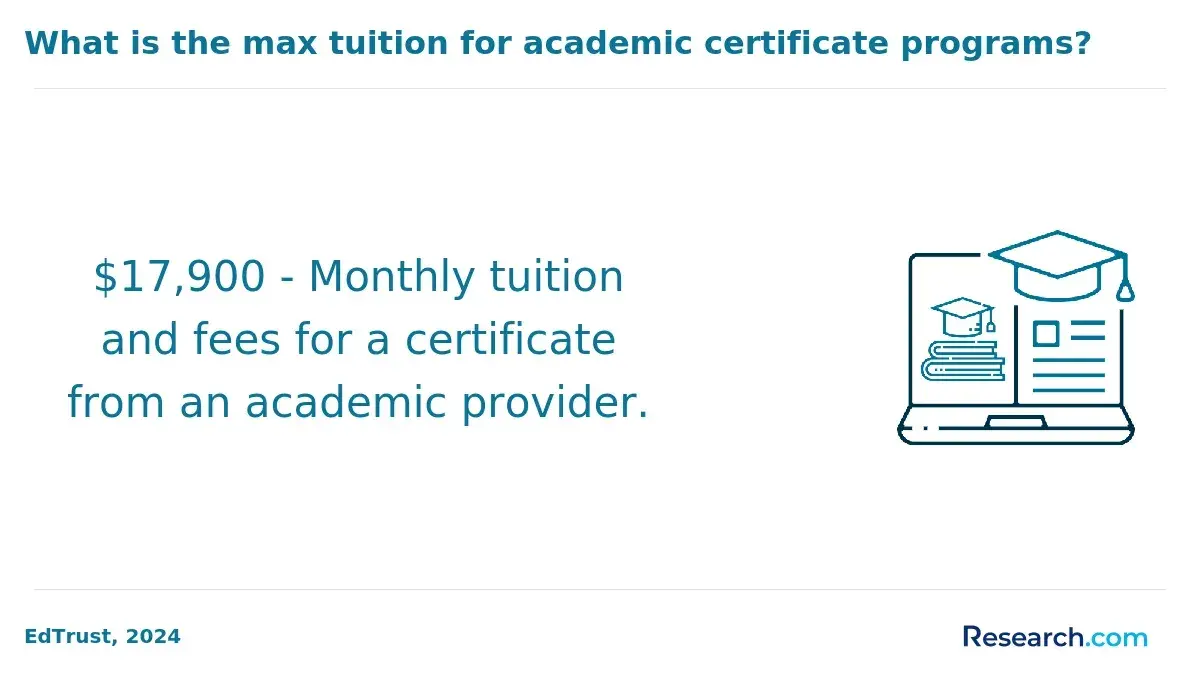
Costs range significantly based on program type and institution. Certificate programs generally cost between $3,000 and $10,000 total, while bachelor's and master's degrees commonly fall between $15,000 and $50,000. Tuition per credit hour may range from $300 to $1,000, helping prospective students estimate total expenses according to required credits.
Price differences reflect program depth, with advanced curricula covering regulatory compliance, clinical trial monitoring, and offering access to databases, simulations, and mentorship. These resources justify higher tuition and longer program durations.
With the global clinical trials market expected to reach approximately $84-85 billion by 2030 and grow at a compound annual growth rate near 6%, investing in comprehensive clinical research management education aligns with expanding career prospects.
Prospective students should evaluate credit requirements, tuition costs, and curriculum rigor to ensure their choice is cost-effective and fits their career goals.
What jobs can graduates get in clinical research operations, and what do those roles involve?
Graduates in clinical research management and trial operations often pursue roles like Clinical Research Coordinator (CRC), Clinical Trial Manager, Clinical Project Manager, and Regulatory Affairs Specialist. These positions play key roles in executing clinical trials while ensuring adherence to study protocols, regulatory standards, and ethical guidelines.
Clinical Research Coordinators handle daily site operations, including patient recruitment, data management, and communication between investigators and sponsors. Trial Managers oversee multiple sites or phases, focusing on timelines, budgets, and team coordination.
Project Managers are responsible for planning, resource allocation, and risk mitigation, while Regulatory Affairs Specialists ensure all documentation complies with FDA or international standards.
Strong organizational skills, knowledge of Good Clinical Practice (GCP), and proficiency with clinical data systems are essential. Entry-level CRC positions provide hands-on experience, while advanced roles demand expertise in protocol development, budget negotiation, and regulatory strategy. Professional certifications such as CCRC or PMP enhance career opportunities.
Over 40% of U.S. graduate students in health-related fields engage in at least one online course, reflecting increased flexibility for working professionals in clinical research operations. Building competencies in compliance, data integrity, and stakeholder communication through coursework and internships is critical for career growth.
What salary ranges and job outlook can graduates expect in clinical research management?
Graduates with degrees in clinical research management can expect salaries usually ranging from $65,000 to $110,000 annually, influenced by experience, location, and employer type.
Entry-level roles such as clinical trial coordinators or research associates typically start near $65,000, while experienced professionals like clinical research managers or trial operations directors often earn above $100,000. Specialized positions managing complex trials or large teams may see compensation exceeding $120,000, especially within major pharmaceutical companies or research hubs.
The job outlook for clinical research-related fields is strong, with the U.S. Bureau of Labor Statistics projecting a growth rate of about 9% through 2032, faster than average for most occupations.
Factors driving this include increased clinical trial activity, evolving regulatory environments, and the growth of personalized medicine. These trends boost demand for skilled trial operations managers who ensure regulatory compliance, patient safety, and data integrity.
Workforce diversity remains a key challenge: racial and ethnic minorities represent less than 20% of principal investigator roles in U.S. clinical trials, despite comprising over 40% of the population. This indicates systemic barriers but also opportunities for minority graduates to assume leadership roles and promote inclusive research.
Students should focus on skills aligned with FDA and NIH guidelines, such as regulatory affairs, project management, and cross-cultural communication, to enhance competitiveness in this dynamic field.
How can students evaluate and choose a reputable online clinical research management program?
Evaluating an online clinical research management program begins with confirming its accreditation. Regionally accredited schools maintain quality standards and enable access to federal financial aid.
Next, review the curriculum to ensure it covers essential topics like clinical trial design, regulatory compliance, and data management, blending theory with practical skills for workforce readiness.
Faculty expertise and industry involvement are important. Programs led by active clinical research professionals provide updated insights and valuable networking opportunities. Check if internships or practicum placements are part of the program, as these significantly enhance hands-on experience and job prospects.
Tuition varies widely but can be substantial. For instance, Drexel University Online charges $1,412 per credit for its online MS in clinical research organization and management, totaling around $50,832 for 36 credits. Careful evaluation of financial aid options and return on investment is critical.
Consider the technology platforms and student support services offered. Programs with robust online resources, accessible faculty, flexible scheduling, and career counseling support working professionals balancing education with other responsibilities.
Lastly, investigate alumni outcomes such as graduation rates, certification exam pass rates, and job placements. Transparent reporting signals program quality and alignment with professional goals in clinical research management.
Other Things You Should Know About Clinical Research Management
Strong organizational and communication skills are crucial for clinical research management professionals to coordinate complex trial operations effectively. Attention to detail and knowledge of regulatory requirements ensure compliance and data integrity. Additionally, proficiency in project management and the ability to work collaboratively with multidisciplinary teams are key to successful study execution.
Trial operations coursework in 2027 online Clinical Research Management degrees is essential in preparing students for real-world challenges. It provides comprehensive knowledge of designing, conducting, and managing clinical trials, ensuring adherence to regulatory standards, and refining skills in ethical decision-making, project management, and data analysis.
Technology increasingly supports clinical research management through electronic data capture systems, trial management software, and remote monitoring tools. These technologies enhance data accuracy, streamline workflows, and facilitate real-time tracking of study progress. Familiarity with relevant digital platforms is becoming a necessary competency for modern clinical research managers.
Yes, clinical research management professionals often progress into leadership positions such as clinical project managers, directors of research operations, or regulatory affairs managers. Career advancement frequently depends on experience, specialized knowledge, and demonstrated success in overseeing complex trials. Advanced degrees and certifications can further enhance promotion opportunities within the field.
References
- MS in Clinical Research Management https://www.unthealth.edu/college-of-biomedical-and-translational-sciences/degree-programs/ms-in-clinical-research-management.html
- Guide to Clinical Project Management Course in Europe 2025 https://ccrps.org/clinical-research-blog/your-complete-guide-to-clinical-project-management-course-in-europe-everything-you-need-to-know-in-2025-2025
- Top Job Opportunities in Clinical Research. - Clinical Research Fastrack https://clinicalresearchfastrack.com/blogs/top-job-opportunities-in-clinical-research/
- Knowledge Guides: Clinical Research Management Program: Program Overview https://libguides.wakehealth.edu/c.php
- ACRP Certification https://acrpnet.org/certification
- Clinical Trial Proj Management Phase 1-4 Best Practices https://www.cfpie.com/course/clinical-trial-project-management-phase-1-4-best-practices
- Clinical research career: 7 top roles, salaries & GCP guide https://pharmaeducenter.com/blog/clinical-research-career/