2027 Best Online Bachelor's in Clinical Research Management for Entry-Level Trial Careers

Co-Founder and Chief Data Scientist
Many individuals with unrelated undergraduate degrees face challenges transitioning into clinical research management roles due to a lack of specialized training and industry knowledge. Entry-level trial careers demand understanding regulatory requirements, study protocols, and effective project oversight, which are not covered in most traditional programs. Identifying flexible, accredited online bachelor's degrees that align with these needs can be overwhelming.
This article explores the best online bachelor's programs designed to equip aspiring professionals with the essential skills and credentials for entry-level positions in clinical research management, providing clear guidance on options that support career shifts efficiently.
Key Things You Should Know
- Online bachelor's programs in clinical research management offer flexible, accredited curriculums that prepare students for entry-level trial roles with a focus on regulatory compliance and data coordination.
- Job growth for clinical research coordinators is projected at 10% through 2031, reflecting an increasing demand in pharmaceutical and healthcare industries.
- Graduates typically start with salaries ranging from $55,000 to $70,000, benefiting from coursework emphasizing clinical trial design, ethics, and patient recruitment strategies.
What is an online bachelor's in clinical research management and who is it best for?
An online bachelor's degree in clinical research management prepares students to oversee clinical trials and research studies by focusing on regulatory compliance, data analysis, patient safety, and project management within medical research settings. Coursework typically includes biology, ethics, statistics, and healthcare regulations, equipping graduates to manage trial operations effectively.
This degree is ideal for individuals pursuing entry-level careers such as clinical research coordinators, clinical trial associates, or regulatory affairs specialists. It also suits healthcare and laboratory professionals looking to transition into research administration without pausing their current employment. The flexibility of online bachelor's in clinical research management programs offers access to education for those balancing work, family, or location challenges.
Applicants often have a strong interest in medical science but may lack direct trial management experience. For instance, nursing professionals or biotechnology graduates can enhance their qualifications with this degree to move into research oversight roles. The program is also relevant to students eager to contribute to drug development or medical technology testing.
With the U.S. Bureau of Labor Statistics projecting an 11% growth in medical scientist jobs from 2024 to 2034, demand for clinical research management roles is rising. Graduates meet employer expectations for regulatory expertise, ethical research conduct, and data integrity. For those interested in further advancement, exploring options like an MBA healthcare management can provide valuable career growth opportunities.
How can an online clinical research management bachelor's prepare me for entry-level trial jobs?
An online clinical research management bachelor's degree for entry-level trial positions provides essential knowledge and practical skills tailored to support clinical studies effectively. Programs focus on clinical trial design, regulatory compliance, data collection, and ethical aspects, with coursework covering Good Clinical Practice (GCP) guidelines and Institutional Review Board (IRB) processes. This foundation ensures trials uphold regulatory standards and participant safety.
Students gain skills in managing trial documentation, coordinating with multidisciplinary teams, and using clinical data management systems. Many programs incorporate case studies and simulated trial projects, enhancing problem-solving and organizational skills needed in dynamic research settings. Such skills gained from an online clinical research management bachelor's for clinical trial careers prepare graduates for roles like clinical research coordinator, data manager, or regulatory affairs associate.
With growing demand for qualified healthcare professionals, this degree improves competitiveness for roles involving patient recruitment tracking, experimental protocol monitoring, and federal regulation adherence. Graduates learn to navigate complex trial phases and communicate with sponsors, investigators, and regulatory bodies efficiently. Salary potential reflects this training's value, with the median wage for medical scientists at $100,590.
Those interested in advancing their healthcare management skills might also explore programs like the quickest online project management degree, which complements clinical research expertise by enhancing leadership and organizational capabilities.
Which online bachelor's in clinical research management are the best for new trial professionals?
Online bachelor's degrees in clinical research management designed for entry-level trial professionals blend foundational coursework with hands-on regulatory and ethical training. Programs offering accelerated pathways to graduate education add notable benefits. For instance, Wake Forest University's online clinical research management bachelor's program lets students start graduate courses in their junior year, enabling completion of a master's degree in as little as one year of full-time study.
Such acceleration shortens the time to advanced credentials, giving new clinical trial careers a competitive edge. Prospective students should seek programs that include:
- Curriculum covering clinical trial design, data management, and Good Clinical Practice (GCP) guidelines
- Opportunities for hands-on experience through virtual labs or local internships
- Experienced faculty with strong industry connections
- Flexible scheduling and asynchronous learning to fit working students' needs
Programs emphasizing regulatory affairs and biostatistics prepare graduates for a wide range of roles-from clinical trial monitors to data coordinators. Specializations in areas like oncology or pharmacovigilance can enhance employability. Evaluating accreditation status and alumni success is critical, as regional accreditation ensures quality education, and proven employment outcomes reflect effective career preparation.
Given rising demand driven by expanding trial activity, selecting a program with clear graduate study pathways and practical skill-building will serve new trial professionals well. Those looking for affordable options might consider exploring the cheapest online construction management degree as a reference point for cost-effective online education alternatives.
What accreditation and program quality standards should online clinical research management degrees meet?
Accreditation remains the foremost indicator of quality in online clinical research management program accreditation standards. Prospective students should prioritize programs accredited regionally by recognized U.S. bodies such as the Higher Learning Commission or the WASC Senior College and University Commission. Such accreditation confirms that institutions meet rigorous academic and operational benchmarks essential for a quality education.
Program-level recognition from specialized organizations further demonstrates quality. Affiliations with the Association of Clinical Research Professionals (ACRP) or the Society of Clinical Research Associates (SoCRA) reflect curricula aligned with industry standards and professional competencies. Programs incorporating U.S. FDA Good Clinical Practice guidelines highlight their commitment to federal clinical trial regulations, which enhances student readiness.
Quality criteria for US online clinical research management degrees include comprehensive curricula covering trial design, regulatory compliance, data management, ethics, and patient safety. Hands-on learning opportunities, such as internships or research partnerships, are vital for developing practical skills and increasing employability.
Graduates support a field driving significant economic activity. For example, North Carolina Central University notes the clinical research sector contributes over $1 billion annually to North Carolina's economy, indicating strong demand for skilled professionals. Students interested in healthcare management may also consider related fields like project management; explore more about project management degree jobs to understand complementary career paths.
- Regional and program accreditation ensuring educational standards
- Industry-aligned coursework with regulatory and ethical training
- Internships and experiential learning opportunities
- Faculty expertise in clinical research
- Certification exam preparation with ACRP and SoCRA
How do online clinical research management programs compare with on-campus options for flexibility and outcomes?
Online clinical research management programs provide flexibility that suits working professionals and those with family commitments by allowing self-paced access to lectures, assignments, and discussions. These programs often share the same curriculum and faculty expertise as traditional on-campus degrees, ensuring educational quality. It is important for students to verify how hands-on components like lab work or internships are facilitated, as some online programs use local partnerships to deliver these experiences.
Employment outcomes for graduates of accredited online and on-campus clinical research management programs closely align when students actively participate in practical experiences. Many online master's graduates secure entry-level trial roles within similar timeframes as their in-person peers, supported by strong accreditation and program reputation.
Cost efficiency is a major advantage of online options. With the average two-year master's degree cost at public institutions around $59,440, online programs often reduce expenses like commuting and housing and provide competitive tuition rates without compromising quality.
Prospective students should carefully evaluate program accreditation, faculty credentials, internship availability, and support services. Requesting data on graduate employment rates and employer connections helps gauge program effectiveness. Choosing a program that fits personal lifestyle and career goals is essential for success in clinical research management trial roles.
What courses and skills are typically included in an online clinical research management curriculum?
Online bachelor's programs in clinical research management offer thorough training in essential topics such as research ethics, regulatory affairs, clinical trial design, and biostatistics. Students gain critical knowledge of protocols like Good Clinical Practice (GCP) and FDA regulations, which are fundamental for compliance and patient safety. Coursework frequently also covers project management, budgeting, and quality assurance, preparing graduates to oversee trial operations efficiently.
Skills development focuses on proficiency with electronic data capture systems, clinical trial management software, and medical terminology. Strong communication and critical thinking abilities are emphasized to facilitate effective collaboration among sponsors, investigators, and regulatory agencies. Practical exercises, including case studies on trial oversight and data auditing, enhance problem-solving skills within regulatory frameworks.
Additional courses in population health and pharmacology help students interpret clinical outcomes and drug actions. Many programs also address challenges in patient recruitment and informed consent, critical aspects of ethical trial participation.
According to BestColleges, the average cost of affordable online clinical research master's programs is $35,055, well below the public-school two-year average. This cost-effective education path, combined with a comprehensive curriculum aligned with industry standards, equips entry-level graduates for careers as clinical trial coordinators, regulatory affairs associates, and data managers.
What are the usual admission requirements, time to completion, and credit-transfer options?
Admission to online bachelor's programs in clinical research management generally requires a high school diploma or GED. Many institutions ask for SAT or ACT scores, though these are increasingly waived for adult or transfer applicants. Candidates typically submit a personal statement and letters of recommendation. Some programs look for foundational science coursework like biology or chemistry, while relevant healthcare or research experience can enhance applications or fulfill prerequisites.
Degree completion spans 3 to 4 years for full-time students. Accelerated pathways, credit for prior learning, or transfer credits can shorten this to about 2 years. Part-time options provide more flexibility, extending time but accommodating working professionals. Programs usually require 120 to 130 credit hours covering core clinical research courses, electives, and general education.
Credit transfer policies vary: many programs accept 30 to 60 credits from accredited colleges. Transfer applicants should confirm course equivalencies before enrollment. Some accept credits from associate degrees, certifications, licenses, or military training, speeding progress. Prior clinical research experience may translate into credit through portfolio assessments or challenge exams.
The career outlook is strong-Campbell University reports nearly 97% of clinical research students are hired within three months post-graduation. This reflects how well program requirements and timelines align with workforce demands, making these degrees a practical investment in a healthcare or research career.
How much do online clinical research management bachelor's programs cost, and what financial aid is available?
Online clinical research management bachelor's programs typically cost between $15,000 and over $50,000 in total tuition. Costs vary based on factors like the institution's prestige, residency status, and program length. Public universities often offer lower in-state tuition rates, generally $300 to $500 per credit, while private schools may charge $600 to $1,200 per credit. Additional fees for technology or lab access can add $1,000 to $3,000 annually.
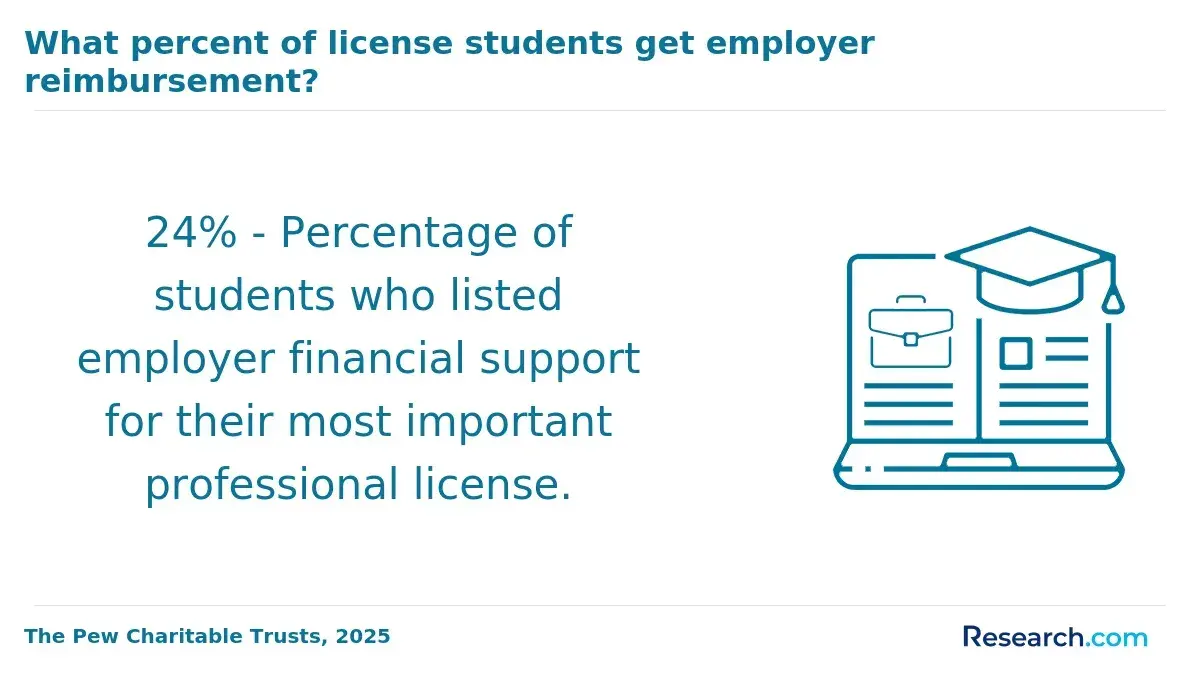
Financial aid is widely available and includes federal Pell Grants, which do not require repayment, and federal student loans with fixed interest rates and income-driven repayment options. Many colleges offer merit-based scholarships based on academic or professional achievements, and some provide need-based grants through FAFSA applications. Employer tuition assistance is another avenue for working professionals pursuing degrees part-time.
Specialized scholarships for clinical research or healthcare fields may be offered by professional organizations, so researching eligibility and deadlines is important. For instance, the University of North Carolina Wilmington's Clinical Research B.S. program supports students applying early for institutional aid. Budgeting should also consider living expenses if not studying fully online or living away from home.
- Explore combining multiple financial aid sources to minimize debt.
- Carefully evaluate tuition, fees, and potential aid before enrolling.
What careers, certifications, and advancement paths can this degree support in clinical trials?
Graduates holding a bachelor's degree in clinical research management often begin their careers as clinical research coordinators, data managers, regulatory affairs specialists, or clinical trial managers. Early roles typically involve coordinating study protocols, managing participant recruitment, and maintaining compliance with regulatory guidelines. This degree offers a versatile foundation for advancement into leadership positions such as project manager, clinical operations director, or quality assurance manager.
Professional certifications like the Certified Clinical Research Coordinator (CCRC), Certified Clinical Research Professional (CCRP), and Regulatory Affairs Certification (RAC) significantly boost career prospects by verifying expertise in study management, ethics, and regulatory compliance. These credentials are highly valued in pharmaceutical companies, contract research organizations, and academic research centers.
The field's interdisciplinary nature allows for career shifts into areas like clinical data analysis, biostatistics, health informatics, or project management. For example, North Carolina Central University's clinical research minor attracts students from diverse backgrounds including biology, nursing, psychology, and business, highlighting the program's broad appeal.
Advancement often depends on combining experience with training in project leadership, protocol development, and clinical safety. Many professionals pursue graduate studies in public health or regulatory science to qualify for senior roles managing multi-site trials or regulatory affairs globally. Continuous education is essential to stay current with evolving FDA regulations and international standards.
Success in clinical research management requires navigating complex regulatory environments, ensuring ethical participant interactions, and developing strong communication skills. Proficiency with clinical trial management systems (CTMS) is also critical. Graduates equipped with these skills can access diverse and expanding career opportunities in the clinical trials industry.
How much do clinical research coordinators and related roles earn, and what is the job outlook?
Clinical research coordinators and related professionals earn salaries that reflect the specialized skills needed to oversee clinical trials efficiently. According to data from the U.S. Bureau of Labor Statistics (BLS), median annual wages typically range from $50,000 to $75,000. Entry-level roles start closer to the lower end, while experienced coordinators or those in high-demand sectors can earn over $85,000. Factors influencing pay include geographic location, employer type, and credentials like certification or advanced degrees.
The job outlook is promising, with BestColleges noting that medical scientist positions-a category encompassing clinical research roles-are expected to grow 10% over the next decade. This rate is classified as much faster than average by the BLS. Growth is driven by advances in pharmaceutical development and medical technology, increasing demand for skilled clinical research management professionals.
Key responsibilities include participant recruitment, data collection, and regulatory compliance. Salaries often increase with qualifications such as the Certified Clinical Research Professional (CCRP) certification or a bachelor's degree focused on clinical research management.
Regional differences matter: urban areas and locations with thriving healthcare industries typically offer higher pay and more job opportunities. Understanding these factors helps job seekers and graduates position themselves effectively within the clinical research management field.
Other Things You Should Know About Clinical Research Management
The top online bachelor's programs in clinical research management for 2027 emphasize regulatory compliance, clinical trial design, and data management. Notable programs may offer industry partnerships, providing students with insights into cutting-edge practices and networking opportunities for advantageous entry into clinical research careers.
Regulatory compliance is critical in clinical research management to ensure participant safety and data integrity. Professionals must be familiar with FDA regulations, Good Clinical Practice (GCP), and Institutional Review Board (IRB) requirements. This knowledge helps avoid costly delays and legal issues during clinical trials.
Effective communication, attention to detail, and strong organizational skills are essential in clinical research management. Project management abilities and teamwork also play a key role in coordinating multi-disciplinary trial teams. These soft skills support smooth trial operations and adherence to protocols.
Many online clinical research management programs incorporate internships or practicum experiences to provide hands-on training. These experiences allow students to apply theoretical knowledge in real trial environments and build professional networks. Some programs may assist with placement, but requirements vary by school.
References
- 7 Strategies for Getting an Entry-Level Clinical Research Job - ACRP https://acrpnet.org/2020/12/08/7-strategies-for-getting-an-entry-level-clinical-research-job
- Curriculum Overview - Master's Program in Clinical Research Management https://school.wakehealth.edu/education-and-training/graduate-programs/clinical-research-management-ms/curriculum
- MS in Clinical Research Management https://www.unthealth.edu/college-of-biomedical-and-translational-sciences/degree-programs/ms-in-clinical-research-management.html
- Top 25 Clinical Research and Clinical Research Management Master's Degree Programs - Healthcare Management Degree Guide https://www.healthcare-management-degree.net/best/clinical-research-clinical-research-management-masters-programs/
- Two new fields of study at the Center for Postgraduate Education MUW https://www.wum.edu.pl/en/Two-new-fields-of-study-at-the-Center-for-Postgraduate-Education-MUW
- How Much Does It Typically Cost to Take a Clinical Research Course? - Clinical Research Courses FAQ | VIARES https://viares.com/blog/general/how-much-does-it-typically-cost-to-take-a-clinical-research-course/
- Career Growth Opportunities in Clinical Research https://medipharmsolutions.com/blog/from-student-to-leader-career-growth-opportunities-in-clinical-research/
- CRC vs CRA: Key Differences | CCRPS https://ccrps.org/clinical-research-blog/clinical-research-coordinator-vs-clinical-research-associate-key-differences
- Breaking Into Clinical Research: Smartest Career Pathways https://taskacademy.org/breaking-into-clinical-research-choosing-the-right-first-role/