2027 Online Clinical Research Management Degrees With Strong Project Leadership Training

Co-Founder and Chief Data Scientist
Professionals from unrelated fields often face challenges when transitioning into clinical research management, especially in mastering project leadership skills essential for overseeing complex trials. Without formal training, managing budgets, timelines, and regulatory compliance can be overwhelming.
Online degree programs with strong project leadership components offer a flexible solution, allowing individuals to gain both theoretical knowledge and practical skills without disrupting their careers. This article evaluates top online clinical research management degrees that emphasize project leadership training, helping prospective students identify programs that best prepare them for leadership roles in the industry.
Key Things You Should Know
- Online clinical research management degrees in 2026 increasingly integrate advanced project leadership modules, reflecting a 28% rise in employer demand for leadership skills by 2025.
- Programs accredited by recognized bodies ensure updated curriculum aligning with evolving FDA and ICH guidelines, vital for compliance and career readiness.
- Flexible online formats cater to working professionals, with 65% of students reporting improved job placement rates within six months of graduation.
What is an online clinical research management degree with a project leadership focus?
An online clinical research management degree with project leadership training equips students with the expertise to efficiently oversee clinical trials and research initiatives while fostering essential leadership skills.
Coursework typically covers clinical trial design, regulatory compliance, biostatistics, and data management, combined with leadership development in team coordination, communication, risk management, and budgeting. Graduates gain the ability to manage complex studies from start to finish, ensuring strict adherence to protocols and ethical standards.
Many clinical research management online programs emphasizing project leadership skills incorporate practical case studies that tackle real-world challenges such as multi-site trial coordination, timeline management, and conflict resolution among stakeholders.
Specialized tracks may include drug development, medical devices, or healthcare research, preparing graduates for roles like clinical project managers, research coordinators, and regulatory affairs specialists.
The U.S. Bureau of Labor Statistics projects 17% employment growth for medical and clinical laboratory technologists and technicians from 2024 to 2034, driven by rising clinical testing and pharmaceutical research demands.
These degrees offer strong career prospects by combining technical knowledge with leadership abilities, bridging gaps between scientific teams, regulatory agencies, and management. Flexible online formats support working professionals enhancing project leadership skills without interrupting their careers.
For those interested in expanding credentials within healthcare fields, resources like pharmacist school online can complement clinical research management studies. This degree aligns with evolving industry requirements by emphasizing comprehensive project oversight and strategic decision-making to advance medical research and innovation.
How do online clinical research management programs compare with campus-based options for working adults?
Online clinical research management programs for working adults offer flexibility and accessibility that campus-based degrees may lack. These programs allow students to maintain full-time employment while advancing their skills, providing immediate opportunities to apply project leadership training in real-world settings.
This adaptability is increasingly important as global clinical trials spending is projected to grow from $48 billion in 2020 to about $87 billion by 2030, driving demand for skilled managers in complex research projects.
The modular coursework and asynchronous learning common in online programs help learners balance jobs, families, and education effectively. Many include practical elements like virtual simulations, project management software training, and remote internships, enhancing leadership competencies essential for clinical trial oversight.
Campus-based clinical research management degrees with project leadership training often focus more on in-person networking and mentorship but require fixed schedules and commuting that can be challenging for working professionals.
Online options also tend to offer specialized tracks in clinical trial design, regulatory compliance, or data management, areas sometimes unavailable at local campuses due to limited resources.
Those aiming for careers in federal agencies, pharmaceutical firms, or contract research organizations find this targeted training valuable. Evaluating program accreditation and industry connections is crucial to ensure credentials that support career advancement.
Prospective students may benefit from considering the fastest online project management degree options to accelerate their path in clinical research management.
Which accreditations should online clinical research management degrees have to be recognized by employers?
Online clinical research management degree accreditation recognized by employers is critical for validating academic quality and regulatory compliance. Key accreditations include the Commission on Accreditation of Allied Health Education Programs (CAAHEP) and the Accreditation Council for Pharmacy Education (ACPE), especially for programs focused on clinical trials or pharmaceutical research.
Regional accreditations, such as those from the Middle States Commission on Higher Education (MSCHE) or the Southern Association of Colleges and Schools Commission on Colleges (SACSCOC), further establish institutional credibility.
Employers highly value programs aligned with online clinical research project leadership certification standards, particularly those preparing students for credentials like the Certified Clinical Research Professional (CCRP) or Certified Clinical Research Coordinator (CCRC).
These certifications demonstrate mastery of Good Clinical Practice (GCP) and FDA regulations, enhancing job readiness.
Relevant accreditations also impact earning potential. According to Drexel University data, clinical research coordinators earn a median salary of $161,180, while clinical data managers and clinical trials managers earn averages of $112,590 and $113,070, respectively. Accredited degrees ensure graduates are competitive for these roles.
Prospective students should verify a program's accreditation and how it integrates project leadership training with certification pathways. For those interested in related fields, exploring online health information management degree programs CAHIIM accredited can provide additional career options.
What core courses and project leadership training are typically included in these online programs?
Online clinical research management core courses with project leadership training provide students with essential expertise in clinical trial design, regulatory compliance, biostatistics, and research ethics.
These programs emphasize protocols such as Good Clinical Practice (GCP), FDA regulations, and Human Subject Protection, equipping graduates to navigate critical regulatory frameworks effectively.
Core classes often include Clinical Trial Operations and Management, Biostatistics and Data Analysis for Clinical Research, Regulatory Affairs and Compliance in Healthcare, Research Ethics and Human Subjects Protection, Pharmacovigilance and Safety Monitoring, and Grant Writing and Budgeting for Clinical Studies.
Project leadership training in clinical research management programs builds skills in team coordination, resource allocation, and risk management specific to clinical settings.
These modules cover Leadership Techniques for Clinical Research Teams, Project Planning and Timeline Management, Quality Assurance and Control in Clinical Trials, Effective Communication Strategies with Stakeholders, Conflict Resolution and Negotiation Skills, and the Use of Clinical Trial Management Software and Tools.
Many programs incorporate case studies and simulations to enhance practical leadership experience. The National Center for Education Statistics reports that graduates of health and medical master's degrees, including clinical research management, earn median salaries 27-30% higher than those with only bachelor's degrees within a few years.
For those interested, some top programs can be found alongside online colleges for hospitality management on specialized education platforms.
What are the admission requirements and prerequisites for online clinical research management degrees?
Admission requirements for online clinical research management degrees vary by school but typically stress academic credentials and relevant experience.
Most programs require a bachelor's degree from an accredited institution, often in health sciences, biology, nursing, pharmacy, or related STEM fields. Some admissions committees may accept applicants with non-science backgrounds if they demonstrate foundational knowledge in biology or research methodology.
Graduate programs commonly expect a minimum GPA between 2.5 and 3.0 on a 4.0 scale, along with letters of recommendation and a statement of purpose detailing professional objectives and research interests. Practical clinical or research experience is highly valued, especially for master's and doctoral studies.
Students without direct healthcare experience might find bridging courses or prerequisite modules to cover clinical research basics. Some programs also accept certifications such as Certified Clinical Research Professional (CCRP) to fulfill experience requirements.
Standardized tests like the GRE are increasingly optional or waived, reflecting a shift toward emphasizing academic history and professional background. Applicants should also be comfortable using online learning platforms and have reliable technology, given the digital nature of these programs.
In the U.S., graduate enrollment exclusively in distance education moved from 36% in fall 2019 to over 53% in fall 2021, with health-related programs growing rapidly, according to the National Center for Education Statistics.
This trend underlines the importance of meeting evolving admission standards that combine academic readiness and technical skills.
How long do online clinical research management programs take, and what do they cost?
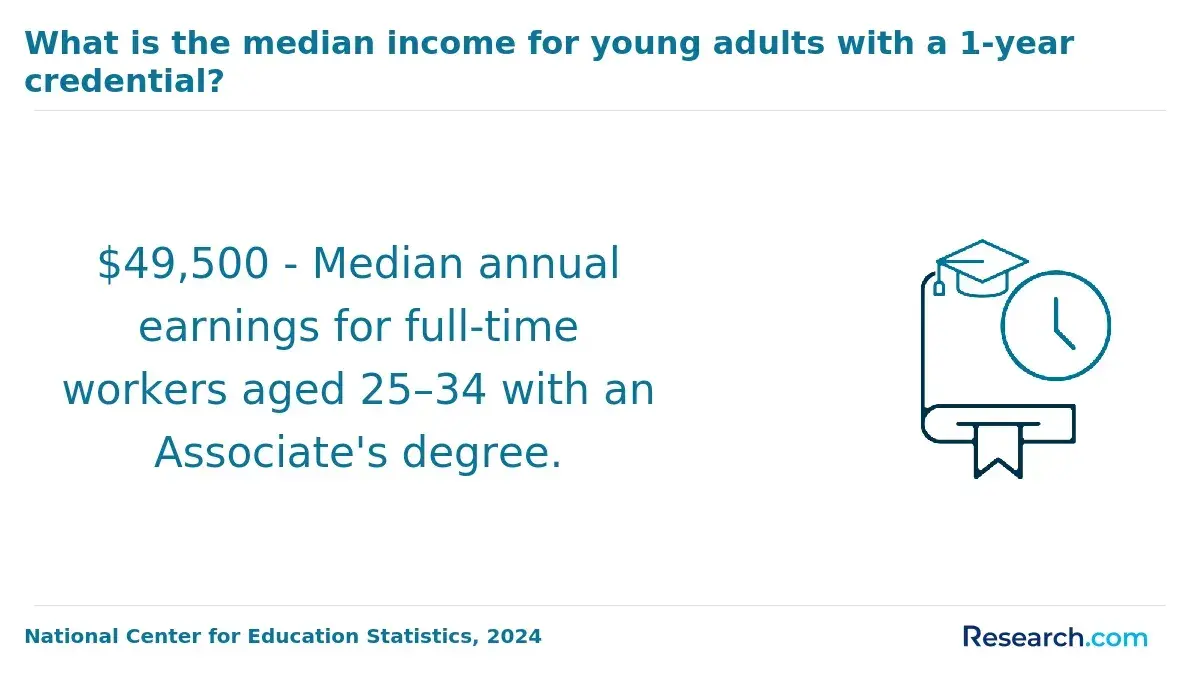
Online clinical research management programs vary in length and cost based on the credential pursued. Certificate courses typically last about one year and focus on regulatory compliance and study coordination skills.
More comprehensive master's degree programs take 18 to 24 months, covering project leadership, strategic management, and advanced methodologies. Accelerated options are sometimes available, allowing completion within 9 to 12 months for those with relevant experience.
Tuition costs range significantly: certificate programs often cost between $5,000 and $15,000, while master's degrees usually fall between $20,000 and $60,000 or more.
Payment structures differ by institution, with some offering semester-based installments and others requiring full upfront payments. Exploring financial aid and employer tuition assistance is advisable, especially since many healthcare organizations support continuing education for workforce development.
Growing demand for project-management expertise in clinical research is reflected by a PMI Talent Gap report, which projects a need for 25 million additional project-management professionals worldwide by 2030.
Key industries driving this demand include healthcare and pharmaceuticals. Programs integrating formal leadership training with clinical research skills can better prepare graduates for evolving industry challenges.
Prospective students benefit from curricula covering risk management, budgeting, team leadership, and regulatory affairs. Aligning program length and costs with one's career objectives is essential for maximizing the return on investment in education.
What clinical research and project management careers can these degrees prepare you for?
Degrees in clinical research management that emphasize project leadership prepare graduates for critical roles in advancing medical science, particularly as clinical trials grow increasingly complex.
Career opportunities include clinical project manager, clinical trial manager, regulatory affairs specialist, clinical operations manager, and clinical data manager. These professionals coordinate multi-site trials, handle budgets, ensure regulatory compliance, and maintain data accuracy.
A report from the Tufts Center for the Study of Drug Development reveals that Phase III clinical trials now involve more than three times the number of endpoints and procedures compared to twenty years ago. This evolution demands leaders skilled at managing numerous operational and regulatory challenges without compromising quality or timelines.
Graduates typically:
- Lead cross-functional teams to meet complex protocol milestones and adjust to regulatory changes.
- Design and implement project plans balancing scientific objectives with operational limits.
- Manage vendor partnerships, site selection, monitoring visits, and audits.
- Interpret and communicate trial data to sponsors, review boards, and regulatory agencies.
- Develop risk mitigation strategies to address unexpected challenges swiftly.
Clinical project managers oversee detailed multi-site procedures, ensuring compliance with FDA rules and international standards. Regulatory affairs specialists keep pace with changing policies to secure approvals and protect trial integrity.
These degrees build leadership expertise essential for navigating the operational, ethical, and administrative demands of modern clinical research.
What salary ranges and advancement opportunities exist in clinical research management and project leadership?
Salary ranges in clinical research management and project leadership in the U.S. generally span from $70,000 to over $150,000 annually, depending on experience, role, and company size.
Entry-level coordinators or associates typically earn between $70,000 and $90,000, while experienced project managers and clinical research managers make $100,000 to $130,000.
Senior leadership roles, such as director or head of clinical operations, can exceed $150,000, sometimes reaching $180,000, especially within large pharmaceutical or biotech firms. Geographic location also influences compensation.
Advancement often follows a clear path: project coordinator to project manager, then to senior manager or director overseeing broader clinical programs. Some professionals branch into regulatory affairs or clinical quality assurance.
Holding certifications like Certified Clinical Research Professional (CCRP) or Project Management Professional (PMP) can accelerate career progression by demonstrating expertise.
Industry studies show significant financial risks tied to trial delays-for example, pivotal Phase III trials can cost sponsors $600,000-$8 million daily if delayed.
Professionals skilled in risk-based planning, regulatory compliance, and cross-functional leadership help mitigate these risks and boost project success. Their ability to optimize resources and strategically align teams makes them highly valued and better compensated.
Developing strong leadership skills in clinical research management positions candidates for promotion and increased responsibility within this competitive, critical field.
Are certifications like ACRP or SOCRA needed after earning this degree, and how do programs help?
Certifications such as ACRP (Association of Clinical Research Professionals) and SOCRA (Society of Clinical Research Associates) are not mandatory after earning an online clinical research management degree but greatly enhance one's professional credibility and job prospects.
Many employers in the sector prefer or require these certifications for leadership roles because of their rigorous standards and focus on ethical research practices.
Online clinical research management programs often incorporate certification preparation directly into their curricula. This includes coursework on Good Clinical Practice (GCP), regulatory compliance, and project management aligned with ACRP and SOCRA standards. Some institutions even provide targeted exam preparation or collaborate with certification bodies to boost student success rates.
For example, Drexel University's online MS in Clinical Research Organization and Management charges $1,412 per credit for 2026-2027 plus a $125 annual online graduate fee, with a curriculum designed to build competencies needed to pass certification exams. This training equips graduates for supervisory and management roles in clinical research.
Graduates should evaluate their career goals and employer expectations. Certification validates expertise beyond the degree, which is crucial for positions involving regulatory submissions and clinical trial coordination. Those aiming for clinical trial management or sponsor-side leadership gain the most from ACRP or SOCRA credentials.
How can prospective students evaluate and choose a reputable online clinical research management program?
Accreditation is a key factor when evaluating online clinical research management programs. Look for recognition from bodies like the Commission on Accreditation of Allied Health Education Programs (CAAHEP) or the Association of Clinical Research Professionals (ACRP) to ensure the curriculum meets industry standards. Course offerings should cover vital leadership skills such as risk management, regulatory compliance, and team coordination.
Faculty expertise greatly influences learning quality. Programs led by instructors actively engaged in clinical research provide valuable real-world insights. Applied leadership training often includes case studies, simulations, or practicum experiences.
Additionally, programs incorporating decentralized clinical trials (DCT) prepare students for growing sectors; the DCT market is expected to nearly double by 2029, with a CAGR close to 15-16%, highlighting expanding leadership roles in remote clinical research.
Delivery formats and flexibility are important, especially for working professionals balancing schedules. Evaluate the technology platforms and student support services to enhance engagement and chances of success. Alumni outcomes like certification rates and career advancement reveal program effectiveness.
Prospective students should contact admissions or current students to clarify the depth of leadership training and the balance between theoretical knowledge and practical application in clinical research project leadership.
Other Things You Should Know About Clinical Research Management
Online clinical research management programs include coursework that covers regulatory standards such as Good Clinical Practice (GCP), FDA regulations, and international guidelines like ICH. Students learn how to ensure trials comply with legal and ethical requirements, which is critical for protecting patient safety and data integrity. Practical training often involves case studies and scenario-based learning focused on compliance challenges.
Yes, many graduates leverage their project leadership skills to move into broader healthcare management roles, including clinical operations, healthcare administration, and quality assurance. The emphasis on project coordination, team communication, and regulatory knowledge makes clinical research management graduates adaptable for leadership positions across healthcare settings.
Technology plays a significant role in clinical research management, with tools for data management, remote monitoring, and electronic health records becoming standard. Familiarity with clinical trial management systems (CTMS) and data analytics software is increasingly important. Online degree programs often integrate training on these technologies to prepare students for the evolving digital landscape of clinical research.
References
- ACRP Certification https://acrpnet.org/certification
- Top 10 Leadership Training Programs for Effective Management in 2025 https://www.eubrics.com/blog/leadership-training-programs
- CBTS Masters of Science Clinical Research Management Online Yr 1 https://www.unthealth.edu/tuition-and-fees/cbts-tuition-and-fees/cbts-masters-of-science-clinical-research-management-online-year-1.html
- How to Become a Clinical Project Manager | CCRPS https://ccrps.org/clinical-research-blog/how-to-become-a-clinical-project-manager
- Top certifications for clinical research: Boost your career and credibility https://www.sermo.com/resources/certifications-for-clinical-research/
- Clinical Research Associate (CRA) Career Path https://pathologylabtraining.co.uk/biomedical-sciences/cra-careers
- Exciting Career Paths in Clinical Research - Clinical Research Career | VIARES https://viares.com/blog/clinical-research-career/exciting-career-paths-in-clinical-research-for-students/
- Clinical Project Manager Certification - Clinical Manager https://app.ccrps.org/courses/Advanced-Clinical-Research-Project-Manager-Certification
- The Top Leadership Training Programs Online - LEADx https://leadx.org/articles/leadership-training-programs-online/
- Candidate Eligibility https://www.socra.org/certification/ccrp-certification-exam/candidate-eligibility/