2027 Best Online Clinical Research Management Degrees for Site Management Careers

Co-Founder and Chief Data Scientist
Professionals aiming to transition into site management roles often face challenges identifying flexible, accredited programs that accommodate those with unrelated undergraduate degrees. Navigating options that blend practical skills with industry standards can be overwhelming, delaying career advancement in clinical research. Employers increasingly demand specialized knowledge in clinical research management alongside hands-on experience, making targeted education essential for success. This article evaluates top online clinical research management degrees designed for site management careers, focusing on programs that offer flexibility, accreditation, and relevance to industry needs. Readers will gain insight into how these programs support a strategic career pivot and professional growth.
Key Things You Should Know
- Online clinical research management degrees in 2026 emphasize regulatory knowledge, data integrity, and leadership skills crucial for site management roles in a $64 billion U.S. clinical trials industry.
- Programs increasingly offer flexible formats and practical training aligned with the FDA's evolving guidelines, preparing students for a projected 10% job growth in clinical trials management through 2030.
- Graduates gain competitive advantages through certifications like SOCRA or ACRP, which 70% of employers prefer when hiring site managers to ensure compliance and quality assurance.
What is an online clinical research management degree for site management careers?
An online clinical research management degree programs for site managers prepares candidates to oversee clinical trials and ensure regulatory compliance. These programs emphasize project coordination, data management, budgeting, and regulatory affairs. Graduates typically manage clinical sites where new treatments are tested, prioritizing patient safety and data integrity.
Many of the best online degrees in clinical research management for site management careers include coursework in research design, biostatistics, ethics, and quality assurance. Specializations such as cancer research management or pharmaceutical trial coordination can help tailor education to specific clinical environments.
Programs often provide flexibility with asynchronous classes, allowing working professionals to balance employment and education. Practical experience is commonly incorporated through virtual simulations or internships at clinical sites.
The U.S. Bureau of Labor Statistics projects a 28% employment growth for medical and health services managers, including clinical research managers, from 2022 to 2032. This reflects rising demand for skilled professionals who ensure trials meet evolving regulatory standards.
Accreditation by bodies like the Association of Clinical Research Professionals is important, along with preparation for certification exams such as the Certified Clinical Research Professional (CCRP). Career roles include site coordinator, clinical trial manager, and regulatory affairs specialist, all requiring effective team leadership and precise documentation.
For those curious about compensation, understanding how much do drug reps make can give insight into related pharmaceutical career paths.
How do online clinical research management programs prepare graduates for site management roles?
Online clinical research management programs for site management careers equip students with essential skills in trial design, patient recruitment, data monitoring, and compliance with FDA regulations and Good Clinical Practice (GCP). Graduates gain expertise in site operations, budgeting, and coordinating teams to ensure trial integrity and participant safety.
Skills gained from online clinical research management degrees for site management often include hands-on experience through case studies and simulations that reflect real-world challenges. Students also learn to use electronic data capture systems and trial management software, preparing them for the growing digitalization of clinical trials.
Since site managers serve as liaisons among sponsors, regulatory agencies, and clinical teams, these programs usually emphasize leadership and communication training. This focus helps professionals coordinate multiple stakeholders and handle logistical complexities in remote or hybrid trial settings.
Labor market data from Burning Glass Institute shows a 120% increase in remote-capable clinical research job postings between 2019 and 2024, highlighting the rising demand for qualified site management professionals with skills gained through flexible online education. Many programs offer specialized tracks like pharmacovigilance or regulatory affairs to enhance career readiness.
For those interested in healthcare alongside management, exploring related fields such as construction management degrees online may provide additional career pathways.

Which accredited schools offer the best online clinical research management degrees?
Several accredited online schools for clinical research management programs offer degrees aimed at preparing students for site management careers. Leading institutions like the University of Southern California, George Washington University, and Northeastern University provide rigorous curricula focusing on regulatory compliance, trial design, and site management skills. These programs typically have regional accreditation from bodies such as the Higher Learning Commission (HLC) or the Southern Association of Colleges and Schools (SACS).
Admission requirements often include a bachelor's degree in a related field, relevant healthcare or research experience, and prerequisite courses in subjects like biology or statistics. A 2024 survey by the Association of Clinical Research Professionals (ACRP) found that 72% of hiring managers favor candidates with formal clinical research education or certification over those with only practical on-the-job training for site management roles.
Some programs feature specialized tracks focusing on site operations, monitoring, or regulatory affairs, enhancing job readiness for specific responsibilities. Flexibility through asynchronous lectures and case-based learning suits working professionals. When choosing a degree, verifying accreditation and curriculum alignment with certifications like ACRP's Certified Clinical Research Coordinator (CCRC) or Certified Clinical Research Professional (CCRP) is essential for improving hiring prospects.
The best online clinical research management degrees for site management also provide comprehensive knowledge that supports career advancement. Those exploring options may find value in comparing with related fields such as online construction management degrees to gauge program structure and delivery methods.
What accreditation and program quality standards matter for online clinical research management?
Accreditation and program quality standards are vital when selecting an online clinical research management program. Regional accreditation from recognized U.S. agencies such as the Higher Learning Commission (HLC) or Middle States Commission on Higher Education (MSCHE) validates an institution's academic quality and credit transferability. Additionally, programmatic accreditation or endorsements from professional organizations like the Association of Clinical Research Professionals (ACRP) or the Society of Clinical Research Associates (SoCRA) ensure curricula meet specialized clinical research management program accreditation standards.
Quality assurance criteria for clinical research management degrees include alignment with Good Clinical Practice (GCP) guidelines, protocol development, and site operations management to address workforce competency gaps. According to an ACRP workforce report, 64% of clinical research site supervisors noted deficiencies in regulatory compliance and study operations skills among new hires. Programs incorporating regulatory frameworks such as FDA regulations and International Council for Harmonisation (ICH) guidelines better prepare students for practical challenges.
Strong programs balance theoretical instruction with hands-on training-covering electronic data capture systems, patient recruitment, and monitoring plans-and are updated regularly to reflect evolving policies. Transparent outcomes data such as graduation rates and certification exam pass rates can indicate program quality. Students seeking guidance on related careers might also explore options like a masters degree in human resource management online for broader organizational roles in clinical research settings.
Ultimately, accreditation confirms graduates possess the essential skills to manage clinical trial sites effectively, making it a crucial factor for prospective students.
What courses and specializations are typically included in clinical research management programs?
Clinical research management programs cover essential regulatory, operational, and scientific topics required for effective site oversight. Coursework usually includes clinical trial design, regulatory compliance, and Good Clinical Practice (GCP) guidelines to align with FDA and international standards. Students also engage in studying research ethics and patient safety, which are critical for managing informed consent and protecting participant rights.
Specializations often emphasize data management, pharmacovigilance, and biostatistics. These areas equip students with skills to handle study data and monitor drug safety effectively. Training in project management and budgeting prepares students for overseeing trial timelines and financial logistics, addressing common challenges in clinical operations. Advanced electives may focus on global clinical trials, highlighting cross-border regulations and multicultural site coordination.
Practical experience is integral, with many programs incorporating case studies, internships, or capstone projects. This hands-on training addresses challenges like patient recruitment, retention strategies, and quality assurance, which entry-level managers must master.
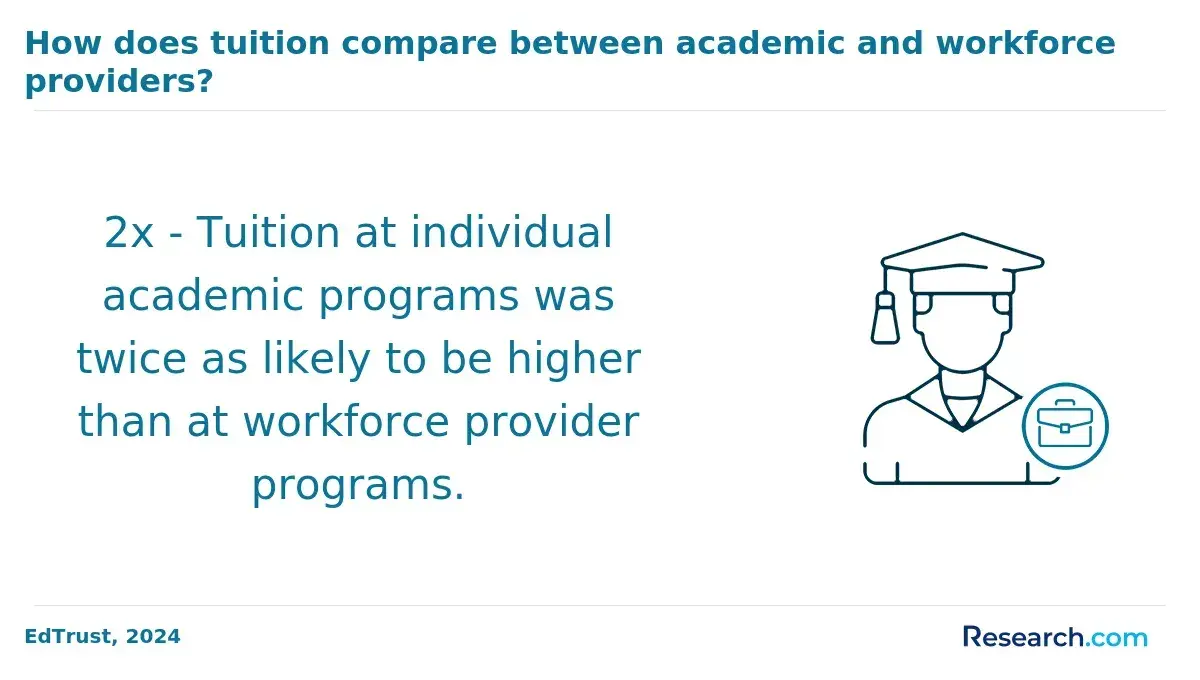
Financial investment varies across programs. For example, Drexel University's online MS in Clinical Research Organization and Management charges $1,412 per credit for the 2026-2027 academic year, totaling over $50,000 before additional fees. Prospective students should weigh curriculum depth and specialization options alongside tuition costs when selecting a program.
How do online clinical research management degrees compare with on-campus options?
Online clinical research management degrees provide flexibility without sacrificing academic rigor, making them well suited for working professionals or those balancing various commitments. Many programs use asynchronous coursework, allowing students to access lectures and study materials anytime, contrasting with the fixed schedules typical of on-campus classes. However, gaining practical, hands-on clinical experience often requires students to pursue local internships or research opportunities, as direct lab or site management activities are less frequent in fully virtual formats.
Accredited online programs typically offer the same qualified faculty and industry connections as their campus counterparts, ensuring relevant curriculum and strong networking paths. Key skills such as regulatory compliance, trial monitoring, and site coordination are taught effectively through case studies, virtual simulations, and peer collaboration tools. Prospective students should look for programs that include live mentorship or fieldwork for essential experiential learning.
The U.S. Bureau of Labor Statistics predicts about 54,700 new jobs for medical and health services managers annually from 2022 to 2032, driven partly by the growth of clinical trials. This demand highlights the need for well-prepared clinical research managers regardless of education format. Choosing between online and on-campus options depends on individual career goals, personal circumstances, and access to practical experience. Online degrees offer accessibility and adaptability, while on-campus programs may provide faster access to direct site interactions.
What are the admission requirements for online clinical research management bachelor's and master's programs?
Admission requirements for online clinical research management bachelor's programs usually include a high school diploma or equivalent with a minimum GPA often between 2.5 and 3.0. Applicants typically submit official transcripts, standardized test scores such as the SAT or ACT-although some programs waive these-and letters of recommendation. Personal statements outlining career goals in site management may also be necessary. Prerequisite coursework in biology, chemistry, or statistics is sometimes preferred to establish foundational knowledge.
Master's programs require a bachelor's degree from an accredited institution, often in biology, health sciences, or nursing, with GPA thresholds commonly between 3.0 and 3.5. Applicants must provide transcripts, resumes or CVs, and recommendation letters emphasizing relevant experience. A statement of purpose detailing professional aims and research interests is often requested. Work experience in clinical research or healthcare is highly recommended and sometimes mandatory, especially for accelerated tracks.
International students may need to demonstrate English proficiency through tests like TOEFL or IELTS. Some master's programs ask for GRE scores, though this is becoming less common. Practical experience via internships or employment in clinical trials or site management roles strengthens applications significantly.
According to ACRP's 2024 Salary and Workforce Report, median salaries in the U.S. are around $75,000 for Clinical Research Coordinators and $115,000 for Clinical Research Managers, highlighting the career's growth potential.
How long do online clinical research management degrees take and what do they cost?
Online clinical research management degrees vary in duration depending on the program and level of study. Certificate and post-bachelor's diploma programs can take 6 to 12 months, while bachelor's degrees usually last four years but may be accelerated online. Master's degrees, common for site management professionals, typically require two years full-time with flexible part-time options extending up to three years, ideal for working students.
Costs depend on institution type and program length. Tuition ranges from around $10,000 for shorter certificates at public universities to over $40,000 for master's degrees at private or specialized institutions. Some programs charge per credit, usually between $400 and $900, so calculating total credits is essential. Additional fees may apply for technology, textbooks, and clinical practicum placements. Many students benefit from financial aid or employer tuition reimbursement.
The CenterWatch 2024 Global Site Landscape Report highlights how more than 40% of clinical research site managers advanced from coordinator roles within five years, underscoring the value of investing in advanced education. This career progression demonstrates robust internal promotion paths offered by employers.
What careers, salaries, and advancement opportunities exist in clinical research site management?
Careers in clinical research management site roles include site manager, clinical research coordinator, and regulatory compliance specialist. These professionals oversee clinical trial operations at investigative sites, ensuring strict adherence to protocols and regulatory standards. Site managers often progress to senior site director or project manager positions, where they may handle multiple sites or collaborate directly with sponsors.
Salaries vary based on experience and location, with clinical research coordinators typically earning between $60,000 and $90,000 annually. Site managers and directors can command salaries from $80,000 up to over $120,000, especially in large or specialized institutions. Advancement often depends on leadership skills, certifications like Certified Clinical Research Professional (CCRP), and experience managing complex trials.
Networking with contract research organizations (CROs), pharmaceutical companies, and institutional review boards is key for career growth and specialization. Management roles focus more on budgeting, staff supervision, and strategic planning rather than hands-on data collection. Some professionals transition into clinical operations management or regulatory affairs.
59% of online graduate students consider job placement and career outcomes data the most crucial factor when choosing clinical research management programs, outweighing cost or institutional ranking. This emphasizes the importance of selecting education providers with strong industry connections and proven alumni success.
Are certifications or professional credentials needed for clinical research site management roles?
Certifications and professional credentials greatly enhance prospects in clinical research site management, though they are not always mandatory. Employers often favor candidates holding credentials such as the Certified Clinical Research Professional (CCRP) or Certified Clinical Research Coordinator (CCRC), as these verify expertise in regulatory compliance, ethical standards, and operational capabilities. Such certifications demonstrate an ability to efficiently manage complex trials while adhering to FDA regulations and maintaining site compliance.
Advanced education also plays a significant role. Data from ACRP's workforce analysis shows professionals with a graduate degree in clinical research earn 18-22% more in site management roles than those with only a bachelor's degree. This combination of certifications and graduate education can provide a competitive edge in hiring and salary negotiations.
Key points to consider include:
- Entry-level managers may leverage certification to replace extensive experience, accelerating advancement.
- Experienced managers benefit from recertification to stay current with evolving regulations and technology.
- Different employers, including sponsors and CROs, may require specialized training beyond basic certification.
Evaluating career goals alongside employer and regional requirements helps candidates decide on appropriate certification programs. These credentials complement both online and traditional clinical research management degrees by increasing readiness for site oversight, risk management, and protocol adherence.
Other Things You Should Know About Clinical Research Management
Strong organizational and communication skills are crucial for clinical research management site roles, as professionals coordinate multiple stakeholders and ensure compliance with protocols. Attention to detail and proficiency in data management systems also help in monitoring patient data and trial progress accurately. Additionally, knowledge of regulatory requirements and problem-solving abilities support effective site operations.
In 2027, top online degrees for clinical research management site careers include those from the University of Maryland Global Campus, Ohio State University, and Drexel University. These programs offer comprehensive curriculum covering regulatory affairs, project management, and site administration.
Clinical research managers often encounter challenges such as patient recruitment and retention, ensuring regulatory compliance, and managing complex trial logistics. Balancing site workload while maintaining data quality and protocol adherence requires effective time management. Additionally, adapting to protocol amendments and coordinating with sponsors and regulatory bodies can be demanding.
Yes, graduates with online clinical research management degrees can pursue advanced roles such as clinical project manager, regulatory affairs specialist, or clinical trials auditor. The foundational knowledge and skills gained support career progression into leadership and oversight positions within pharmaceutical companies, contract research organizations, and academic research centers. Continuing education and certifications further enhance advancement opportunities.
References
- Right Educational Path for a Career in Clinical Research https://medipharmsolutions.com/blog/choosing-the-right-educational-path-for-a-career-in-clinical-research/
- Clinical Trial Site Training Academy & Program | Linical https://www.linical.com/services/clinical-trial-management/training-academy/site-training
- Masters in Clinical Research Overview | CCRPS https://ccrps.org/clinical-research-blog/masters-in-clinical-research
- Quality Assurance, Certification and Accreditations for Clinical Trial Sites https://iaocr.com/services-for-clinical-trial-sites
- What qualifications are needed for clinical trial management positions? | RecQ | Suomen laadukkain lääketeollisuuden rekrytointipalvelu. Tutkijoilta tutkijoille. http://www.recq.fi/en/what-qualifications-are-needed-for-clinical-trial-management-positions/
- Exciting Career Paths in Clinical Research - Clinical Research Career | VIARES https://viares.com/blog/clinical-research-career/exciting-career-paths-in-clinical-research-for-students/
- Clinical Project Manager Certification - Clinical Manager https://app.ccrps.org/courses/Advanced-Clinical-Research-Project-Manager-Certification
- ACRP Certification https://acrpnet.org/certification
- Clinical research career: 7 top roles, salaries & GCP guide https://pharmaeducenter.com/blog/clinical-research-career/
- How to Become a Virtual Clinical Trial Manager | Unitek College https://www.unitekcollege.edu/blog/how-to-become-a-virtual-clinical-trial-manager/