2027 Online Clinical Research Management Degrees With Long-Term Career Stability in Trials

Co-Founder and Chief Data Scientist
Many professionals with degrees in unrelated fields face uncertainty when seeking stable careers in highly specialized industries. The complexity of clinical trials demands expertise that traditional education paths may not cover, creating a barrier for those aiming to enter clinical research management. Additionally, the evolving regulations and technological advancements in trials require up-to-date, flexible training that fits into busy schedules. This article explores accessible, accredited online clinical research management degrees designed for such career changers. It will highlight programs offering long-term stability, helping readers make informed decisions to successfully transition into this critical and growing field.
Key Things You Should Know
- Online clinical research management degrees in 2026 offer flexible learning formats, attracting 45% more U.S. students compared to 2024, reflecting growing demand for remote education.
- The median salary for clinical research managers exceeded $98,000 in 2025, driven by expanding clinical trials and regulatory complexity enhancing job stability.
- Projected job growth for clinical research management roles is 12% through 2030, surpassing many healthcare occupations, fueled by increased pharmaceutical and biotech investments.
What is an online clinical research management degree and who is it best suited for?
An online clinical research management degree equips students to oversee clinical trials while ensuring compliance with regulatory and ethical standards. The curriculum typically includes research design, data management, biostatistics, and regulatory affairs, preparing graduates to handle operational, administrative, and financial facets of clinical trials efficiently.
This degree is ideal for those aiming for healthcare innovation roles without direct patient care. The best candidates for online clinical research management careers include recent graduates with backgrounds in healthcare, biology, nursing, or public health seeking specialization in clinical trials. Working professionals in healthcare or life sciences looking to advance or transition into research coordination also benefit from flexible online programs that accommodate work and personal commitments.
Nurses hoping to expand into clinical trial oversight and laboratory technicians aspiring to become trial managers can use this education to enhance their career mobility. It also suits detail-oriented individuals with strengths in project management, regulatory compliance, and data analysis. Training often covers electronic data capture systems vital for modern clinical investigations.
With the healthcare and social assistance sector projected to produce 45% of all new U.S. jobs through 2032, expertise in clinical research management can open doors in a rapidly growing field. Skilled professionals are in demand to maintain research integrity and facilitate efficient trial completion crucial to drug approval and medical advancements.
For those interested in related fields, exploring PharmD online programs can complement clinical research management education and expand career options.
How do online clinical research management programs work compared with campus-based options?
Online clinical research management programs align closely with campus-based options in curriculum scope, covering clinical trial design, regulatory compliance, and data management to meet industry standards. The key advantage of online programs is their flexibility, allowing asynchronous study that suits working professionals or those restricted by location, which enhances access to education. This flexibility is a notable benefit of online clinical research management education in the United States.
Both formats emphasize hands-on experience, though delivery differs. Online students gain practical exposure via virtual simulations, remote internships, or partnerships with local clinical sites. Campus students benefit from direct access to on-site labs and face-to-face networking, which can foster immediate mentorship and peer collaboration. Online formats often use multimedia tools and digital forums for engagement, helping to accommodate varied learning styles.
Effective time management is crucial for online learners to balance education with other commitments. Students may find it challenging to replicate spontaneous teamwork but benefit from recorded lectures for review. Regardless of format, prospective students should assess program accreditation, mentorship availability, and clinical placement opportunities. Combining online study with in-person industry connections can address some online learning limitations.
A 2024 workforce study of clinical research professionals revealed voluntary turnover dropped from a pandemic peak of 19.1% in FY2021 to 15.5% in FY2024, below the pre-2016 average of 20.3%, reflecting growing field stability.
For those exploring flexible education paths, consider programs like construction management degrees online which exemplify how online learning can combine rigor with convenience.
What accreditation should online clinical research management degrees have for credible careers in trials?
Accreditation is essential for online clinical research management degree accreditation standards to ensure program credibility and employer trust. Degrees accredited by the Council on Education for Public Health (CEPH) or regional agencies approved by the U.S. Department of Education offer recognized academic rigor, especially for programs with a public health focus.
Programmatic accreditation from the Association of Clinical Research Professionals (ACRP) or the Society of Clinical Research Associates (SOCRA) further validates that a degree aligns with industry-specific skills. Graduates from accredited clinical research management programs in the US benefit from enhanced career prospects, as many employers require certification eligibility linked to such credentials.
Certification options, including the Certified Clinical Research Professional (CCRP), are often limited to alumni of accredited programs, emphasizing the importance of proper accreditation to advance professionally. Considering the competitive salaries in the field-with clinical research managers earning an average of $151,631 nationally and $137,429 in North Carolina-selecting an accredited degree is key to maximizing income potential.
Prospective students should also explore recognized specialized programs for further credibility, such as the CAHIIM accredited HIM degree online, which exemplifies strong standards in related health management education.
What are the admission requirements and prior experience needed for clinical research management programs?
Admission criteria for clinical research management programs typically include a bachelor's degree in related fields such as biology, nursing, health sciences, or life sciences. Prior professional experience required for clinical research management degrees often involves roles like clinical research coordinator or clinical trial assistant. Candidates without direct clinical research experience may still qualify by demonstrating relevant skills through internships, volunteer work, or certifications such as the Certified Clinical Research Professional (CCRP).
Many programs also expect foundational knowledge in medical terminology, research ethics, and regulatory compliance. Some master's level programs require a minimum GPA around 3.0 and letters of recommendation from professionals familiar with the applicant's work. Personal statements outlining career goals and clinical trial experience are often requested.
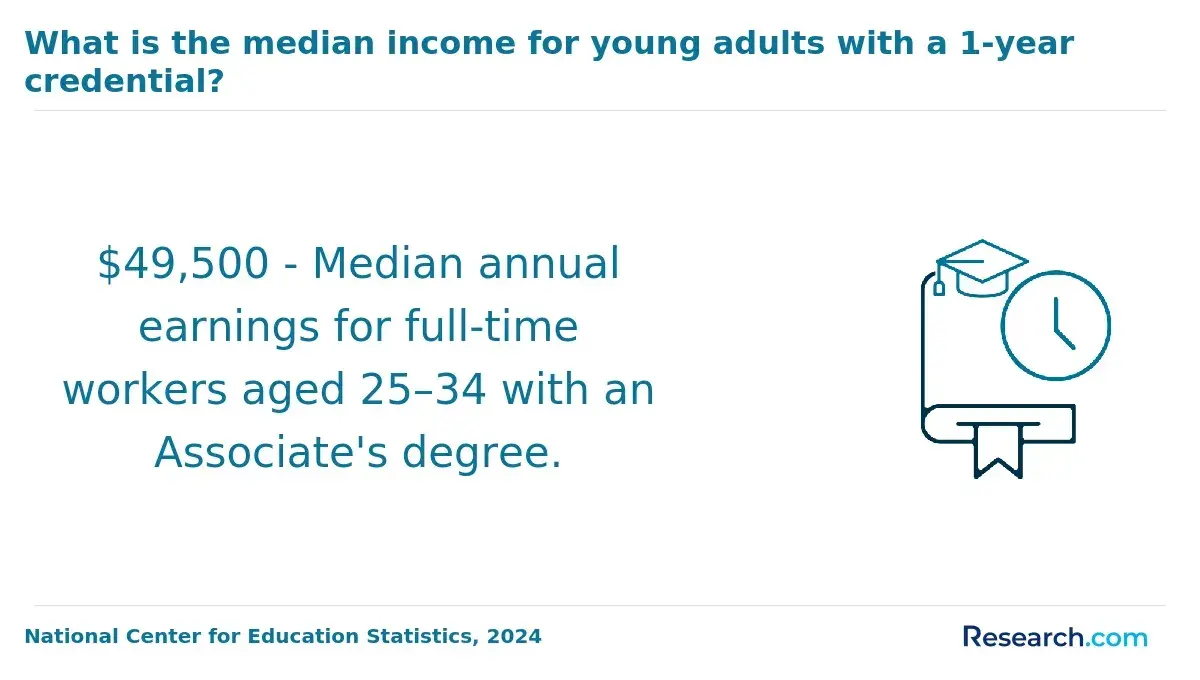
Work experience in entry-level clinical research roles is highly valued, with coordinators earning approximately $50,000 annually. According to Duke's career data, advancing from coordinator to clinical research associate (earning about $70,000) and eventually to project or trial manager with six-figure salaries is achievable within 5-7 years. For those transitioning from healthcare or scientific backgrounds, clinical research management certificates provide a gateway into the field without a full degree. These certificates usually require relevant degrees, professional experience, and sometimes prior coursework in research methodology. Strong project management and leadership skills can enhance applications for managerial tracks.
Students interested in related fields may also explore sports management online programs as alternate career pathways.
What courses and skills are typically covered in an online clinical research management curriculum?
Online clinical research management programs train students to handle the complexities of clinical trials and regulatory standards. Core courses include clinical trial design, biostatistics, research ethics, and regulatory compliance, focusing on adherence to FDA rules and Good Clinical Practice (GCP) guidelines. Students learn to plan, implement, and monitor clinical studies effectively.
Additional training covers data management, pharmacovigilance, and project management. For example, data management courses teach software tools for maintaining trial data accuracy and confidentiality, while project management emphasizes budgeting, resource allocation, and coordinating multi-site trials.
Strong communication skills are developed to liaise with research teams, sponsors, and regulatory authorities. Training also includes informed consent processes and patient recruitment strategies that address ethical challenges and improve enrollment.
Advanced curricula may offer modules on medical writing, statistical programming, and familiarity with electronic data capture (EDC) and clinical trial management systems (CTMS).
Employment of medical scientists, including clinical researchers, is projected to grow 9% through 2033, faster than average. This highlights the value of combining scientific knowledge with practical management skills, preferably through accredited online programs.
How long do online clinical research management degrees take and what do they cost?
Online clinical research management degrees vary in duration depending on the program and level of study. Certificate and diploma programs typically take 6 to 12 months, making them ideal for professionals aiming to quickly enhance their skills. Associate degrees usually require about 2 years, offering foundational knowledge for entry-level roles. Bachelor's degrees range from 3 to 4 years of full-time study, providing comprehensive training suited for diverse clinical trial management careers. Many programs also offer accelerated and part-time options to accommodate different schedules and commitments.
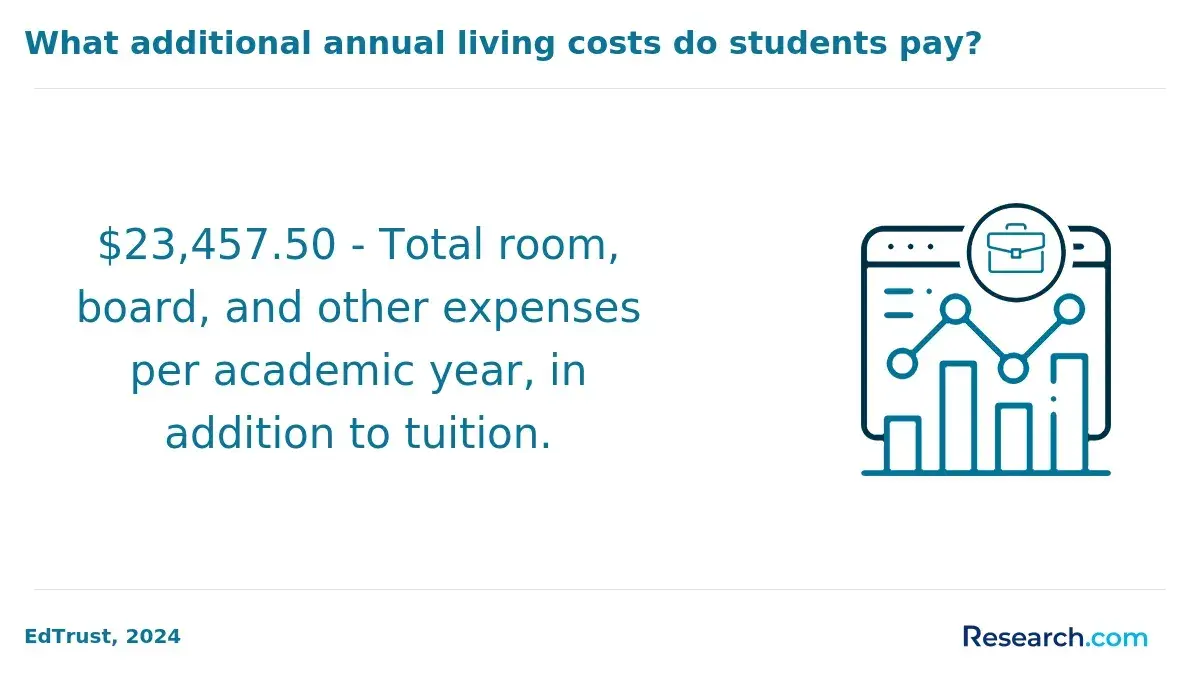
Tuition costs differ widely based on institution type, accreditation, and program length. Certificate programs can cost between $2,000 and $8,000. Associate degrees total around $10,000 to $25,000, while bachelor's degrees at public universities typically range from $20,000 to $60,000. Private universities may charge $30,000 to $90,000 or more. Additional expenses like technology fees, textbooks, and exams should also be considered when planning your budget.
Industry reports indicate the global clinical trials market is expanding rapidly, fueled by strong biotech investments and growth in oncology, rare diseases, and cell- and gene-therapy research. This trend highlights the increasing demand for skilled clinical research management professionals, reinforcing the value of earning a degree in this field for long-term career stability.
What jobs can you get with an online clinical research management degree in clinical trials?
An online clinical research management degree in clinical trials prepares graduates for diverse roles within the clinical research industry. Many become clinical research coordinators, managing daily trial activities, patient recruitment, and compliance at research sites or academic medical centers, which employ 62% of clinical research professionals.
Other career paths include clinical project managers who oversee trial planning, budgeting, and team coordination, mainly within pharmaceutical companies that employ 19% of the workforce. This position requires strong organizational skills and experience handling multiple clinical sites.
Clinical data managers focus on maintaining data integrity throughout trials, often working in contract research organizations (CROs). They must be proficient in databases and regulatory standards such as Good Clinical Practice (GCP).
Additional roles like regulatory affairs specialists, quality assurance analysts, and clinical trial auditors emphasize FDA compliance and international guidelines, primarily in pharmaceutical firms and CROs.
Graduates may also advance to senior leadership roles such as clinical operations director or research compliance officer, overseeing entire clinical trial portfolios and ensuring ethical standards.
Employment opportunities for those with a clinical research management degree span sites, academia, pharmaceutical companies, and CROs, offering stable and varied careers in clinical trials.
What is the salary potential and long-term career stability in clinical research management?
Senior roles in clinical research management offer competitive salaries and strong career stability. Trial Managers typically earn between $90,000 and $130,000 annually, while Principal Investigators command salaries from $120,000 to over $220,000. These figures compare well with other advanced clinical careers, often requiring less extensive clinical training, highlighting an excellent return on educational investment.
Steady demand for clinical trials in pharmaceutical companies, medical device manufacturers, and contract research organizations supports long-term job security. The increasing regulatory complexity and growth in biomedical research create ongoing opportunities for skilled managers.
Career progression and salary growth possibilities include:
- Early-career roles like Clinical Research Coordinators start around $50,000.
- Mid-level management positions often exceed $80,000.
- Advanced certifications and therapeutic area expertise can push salaries into six figures.
Skills gained in project oversight, compliance, and data management are transferable across healthcare and research sectors, further enhancing job prospects. For those serious about advancing in clinical research management, investing in credentials and specialized experience is key to maximizing compensation and career longevity.
Are certifications required after a clinical research management degree, and which ones matter most?
Certifications play a vital role in enhancing career opportunities for those with a clinical research management degree, even though they are not always mandatory. Employers often seek candidates who combine formal education with credentials that validate expertise in research methodologies, leadership, and regulatory compliance. Job-posting data from What Employers Want from Clinical Research Managers highlights that "research" (85.66%), "management" (63.83%), and "leadership" (56.49%) are the most demanded skills for clinical research manager roles in the U.S.
Important certifications include:
- Certified Clinical Research Professional (CCRP) from the Society of Clinical Research Associates (SOCRA), emphasizing clinical trial management, ethics, and regulatory knowledge.
- Certified Clinical Research Coordinator (CCRC) by the Association of Clinical Research Professionals (ACRP), suited for those managing daily clinical trial operations and participant coordination.
- Project Management Professional (PMP), valuable for organizational and leadership abilities essential in overseeing research teams and schedules.
- Regulatory Affairs Certification (RAC), important for roles involving FDA regulations and compliance in clinical trials.
Employers value certifications that demonstrate leadership and practical research skills beyond academic achievements. Aligning certification choices with career goals is crucial-for example, PMP suits team oversight roles, while CCRP or CCRC focus on protocol execution expertise. Maintaining these certifications requires continuing education to stay updated with evolving industry standards.
How can prospective students compare and choose the best online clinical research management program?
When choosing an online clinical research management program, prioritize accreditation from recognized bodies to ensure industry standards and employer respect. Focus on programs offering courses in regulatory affairs, data management, and biostatistics, as these core areas support diverse career opportunities.
Explore specialization options such as clinical data management or clinical trial design to tailor your education toward high-demand roles. Positions like Clinical Data Manager or Clinical Data Scientist can earn between $120,000 and $150,000+ after five years, especially when programs include hybrid or remote learning models that fit varied schedules.
Consider these factors when comparing programs:
- Flexibility of fully online versus hybrid formats
- Internship and partnership opportunities for practical experience
- Faculty expertise and access to mentorship
- Technology platforms that provide engaging, interactive learning
- Job placement rates and alumni success
Evaluate overall cost and financial aid options while balancing potential salary outcomes. This approach aligns education investments with long-term career growth in clinical research management.
Other Things You Should Know About Clinical Research Management
Graduates with clinical research management degrees are typically hired by pharmaceutical companies, biotechnology firms, contract research organizations (CROs), academic medical centers, and government agencies. These organizations manage or oversee clinical trials and require professionals skilled in regulatory compliance, trial design, and data management. Opportunities also exist in nonprofit research institutions and healthcare technology companies involved in clinical research.
Yes, remote work opportunities are increasingly available in clinical research management, especially for roles involving data monitoring, regulatory submissions, and project coordination. The rise of digital trial platforms and virtual monitoring has expanded possibilities for professionals to work from home or other locations. However, some positions may still require site visits or on-site trial oversight, depending on the trial phase and company policies.
To remain current, professionals should pursue continuing education through workshops, seminars, and certifications such as the Certified Clinical Research Professional (CCRP) or Project Management Professional (PMP). Staying updated with regulatory changes, new trial methodologies, and emerging technologies is essential. Many industry organizations and universities offer specialized courses to help clinical research managers maintain expertise and advance their careers.
References
- Clinical Trial Manager Role Overview | CCRPS https://ccrps.org/clinical-research-blog/clinical-trial-manager
- How to Become a Clinical Research Coordinator or Trial Manager https://www.mhaonline.com/faq/how-do-i-become-a-clinical-research-coordinator
- Clinical Research Associate (CRA) Career Path https://pathologylabtraining.co.uk/biomedical-sciences/cra-careers
- MS in Clinical Research Management https://www.unthealth.edu/college-of-biomedical-and-translational-sciences/degree-programs/ms-in-clinical-research-management.html
- Clinical Research Project Manager | VIARES Online Course https://viares.com/product/clinical-research-project-manager/
- Careers Overview - Clinical Research Management (MS) https://school.wakehealth.edu/education-and-training/graduate-programs/clinical-research-management-ms/careers-overview
- Right Educational Path for a Career in Clinical Research https://medipharmsolutions.com/blog/choosing-the-right-educational-path-for-a-career-in-clinical-research/
- Clinical Research jobs | Clinical Research jobs at Thermo Fisher Scientific https://jobs.thermofisher.com/global/en/c/clinical-research-jobs
- Top certifications for clinical research: Boost your career and credibility https://www.sermo.com/resources/certifications-for-clinical-research/