2027 Online Clinical Research Management Degrees With Strong Clinical Data Training

Co-Founder and Chief Data Scientist
Many professionals with degrees unrelated to health sciences struggle to find accredited programs that combine clinical research management with strong clinical data training. This gap often leads to difficulties when transitioning into the clinical research field, where data integrity and regulatory compliance are critical. Without comprehensive data skills, students may face challenges in managing trials efficiently and meeting industry standards.
This article explores top online clinical research management degrees that provide robust clinical data curricula, helping prospective students identify flexible, reputable pathways to launch or advance their careers in this growing field.
Key Things You Should Know
- Online clinical research management degrees in 2026 emphasize comprehensive clinical data training, enhancing students' ability to manage complex trial datasets securely and efficiently.
- Programs increasingly integrate real-world software tools like SAS, R, and electronic data capture systems, reflecting 40% year-over-year growth in such skill demands.
- Completion of accredited online degrees boosts employability, with 68% of graduates securing roles in clinical trial oversight or data management within six months.
What is an online clinical research management degree and who is it best suited for?
An online clinical research management degree programs prepare students to oversee clinical trials and manage clinical data throughout the research lifecycle. These programs develop expertise in trial design, regulatory compliance, and patient safety, combined with specialized skills in clinical data management (CDM), which ensures data accuracy and integrity.
The best candidates for clinical research management online degrees are recent graduates with a bachelor's in biological or life sciences, healthcare professionals, or research coordinators seeking leadership or data oversight roles. Individuals with scientific knowledge but limited formal training in research operations or data systems gain significant advantage through these degrees.
Online formats provide flexibility for working professionals while maintaining rigorous training standards. Many programs emphasize FDA and ICH guideline compliance, and offer practical experience in electronic data capture, data validation, and audit readiness.
The demand for clinical data management professionals underscores the degree's value. These roles typically require a bachelor's degree, with many employers preferring graduate-level education combining life sciences and CDM training. This makes the degree crucial for bridging scientific expertise with operational competence.
Students aiming for careers as clinical trial managers, regulatory specialists, or data coordinators will find this education closely aligned with industry needs. For those considering advanced study, pursuing a PhD in healthcare management online is an option to further enhance qualifications.
How do online clinical research management programs compare with campus-based options?
Online clinical research management programs provide significant flexibility and accessibility compared to traditional campus-based degrees. They are especially suited for working professionals or individuals with personal commitments who want to advance their education without moving or leaving their current jobs. Despite differences in delivery, these programs typically offer the same core curriculum and learning outcomes, including clinical data training in clinical research management education, ensuring students gain vital skills in regulatory compliance and study coordination.
Cost variations are notable; for instance, Drexel University's online MS in Clinical Research Organization and Management charges $1,412 per credit for the 2026-2027 academic year, often reducing expenses like commuting, housing, and fees. Meanwhile, on-campus programs benefit from direct access to physical labs, face-to-face mentoring, and networking within affiliated hospitals or research institutions, which may appeal to students who thrive on immersive environments.
Online programs often use virtual simulations, synchronous sessions, and interactive forums to replicate these experiences effectively. Prospective students should weigh factors such as time flexibility, learning preferences, and career goals. For those seeking adaptable scheduling and comparable academic rigor, online clinical research management programs are a compelling option. For students wanting immediate hands-on mentorship, campus-based degrees remain preferred.
Exploring related fields like a online construction project management degree can also broaden career opportunities within healthcare and research sectors.
What accreditation should online clinical research management degrees have in the United States?
Accreditation is crucial for online clinical research management degree programs in the United States, as it ensures their quality and recognition. Programs must be accredited by bodies recognized by the U.S. Department of Education or the Council for Higher Education Accreditation (CHEA). Regional accreditations like those from the Middle States Commission on Higher Education or the Higher Learning Commission confirm that a program meets strict academic standards, impacting degree value, employability, and eligibility for further certification.
Many accredited clinical data training programs USA offer programmatic accreditation from organizations like the Association for Clinical Research Education (ACRE). Such endorsements verify that training covers vital areas including human subjects protection, clinical trial design, and regulatory compliance. Graduates from these programs are preferred by employers who need assurance of compliance with clinical trial regulations. Additionally, completion of an accredited program is often required to pursue certifications such as Certified Clinical Research Professional (CCRP) or Certified Clinical Research Coordinator (CCRC).
Prospective students should always verify the accreditation status directly on institutional websites and cross-check with the U.S. Department of Education or CHEA databases for legitimacy. For those balancing work and study, Drexel University's online MS in clinical research organization and management typically takes 2 to 3 years to complete, demonstrating flexibility alongside thorough training.
Students considering related fields might also explore options in online construction management, which offers parallel opportunities for professional growth in management disciplines.
What coursework and clinical data training can you expect in these online programs?
Online clinical research management degrees in 2026 combine rigorous coursework with advanced clinical data training in online programs to prepare skilled professionals. Core classes include clinical trial design, regulatory affairs, biostatistics, and research ethics. Students gain knowledge of FDA guidelines, Institutional Review Board (IRB) protocols, and Good Clinical Practice (GCP) standards, all essential for compliance and participant safety.
Training covers clinical data handling through courses on data collection, electronic data capture (EDC) systems, and data management software. Proficiency in statistical tools like SAS, R, or SPSS is often required to ensure accurate analysis and interpretation of clinical datasets. Specialized modules may also focus on adverse event reporting and pharmacovigilance, which are critical in clinical trials.
Hands-on experience through virtual simulations, case studies, and practicum projects teaches students to manage study protocols, monitor trials, and maintain data integrity. Electives might cover therapeutic areas such as oncology or cardiology or emphasize global clinical trials involving diverse populations. The demand for experts is evident: Drexel reports 55,162 open positions for Research Scientist roles and 20,280 for Medical Scientist roles, highlighting the value of strong data management and regulatory expertise.
Students interested in expanding their expertise can explore online masters programs in human resource management to complement their clinical research management online degree curriculum and enhance career flexibility.
What are the typical admission requirements for online clinical research management degrees?
Admission to online clinical research management programs typically requires a bachelor's degree from an accredited college or university. Many programs favor applicants with backgrounds in health sciences, biology, nursing, or related STEM fields, though degrees in other areas may be accepted if complemented by relevant professional experience. A minimum GPA around 2.5 to 3.0 on a 4.0 scale is often required, verified by official transcripts.
Applicants should be prepared to submit a personal statement describing their career objectives and motivation, along with letters of recommendation from professors or supervisors to attest to their skills and reliability.
Some programs mandate professional experience in clinical environments, research coordination, or healthcare roles, especially for advanced certificates or master's degrees, typically asking for one to two years of related work.
Standardized tests like the GRE are increasingly optional but may still be requested by certain institutions to evaluate critical thinking and quantitative abilities. International students usually submit TOEFL or IELTS scores to demonstrate English proficiency.
- Minimum bachelor's degree and GPA requirements
- Personal statements and letters of recommendation
- Relevant professional experience preferred or required
- Possible GRE and English proficiency tests
With demand for clinical research associates strong-Drexel workforce data indicates over 1,500 job openings-meeting these criteria boosts admission chances and aligns with industry needs.
How long do online clinical research management programs take and what do they cost?
Online clinical research management programs typically take 12 to 24 months to complete, with variations based on full-time or part-time enrollment. Certificate options may be finished in as little as six months, while master's degrees often require 18 to 24 months. The length depends on whether the curriculum offers broad clinical data training or focuses more narrowly on project and data management.
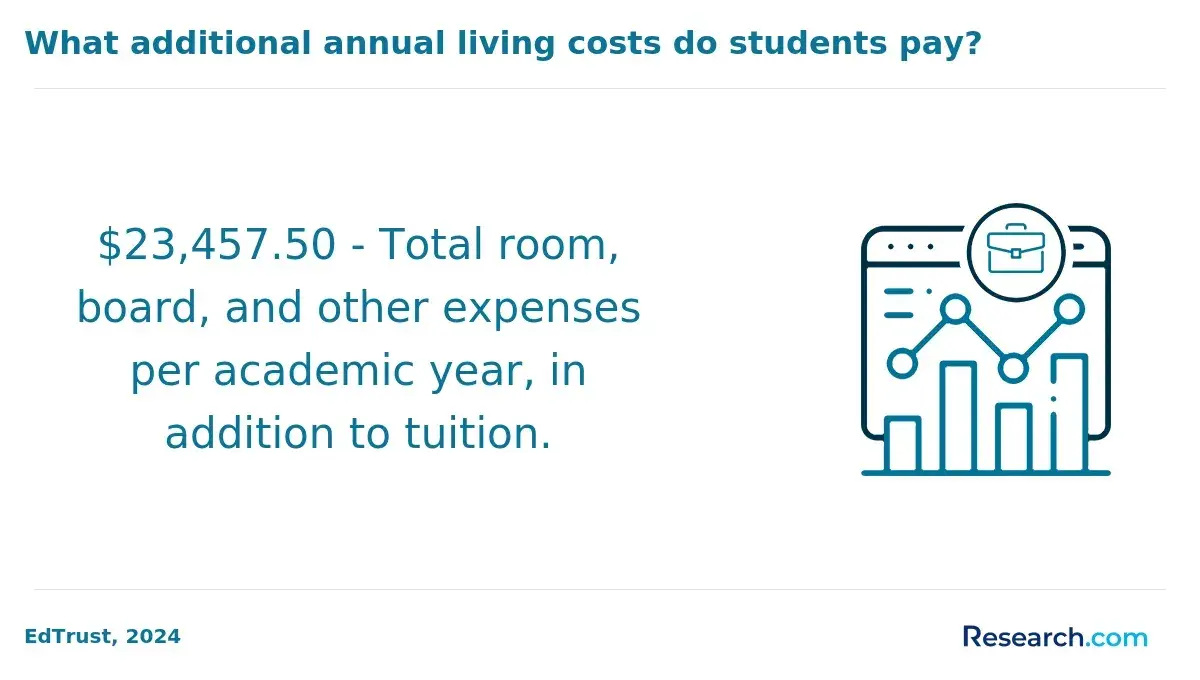
Costs also vary significantly. Certificate programs range from $3,000 to $10,000, ideal for professionals seeking quick entry into clinical data roles. Bachelor's and master's degrees usually cost between $20,000 and $60,000, influenced by factors like institution prestige and public versus private status. Financial aid, employer tuition assistance, and payment plans are commonly available.
Many programs emphasize hands-on skills, including data collection, management systems, and regulatory compliance. Graduates can expect competitive salaries, with clinical data managers earning an average annual pay of around $112,590, according to Drexel University data.
When choosing a program, consider accreditation and curriculum focus. Programs incorporating specialized software training and data analysis can better prepare students for clinical data manager roles, even if they extend beyond a year. Shorter certificates suit those changing careers or enhancing credentials quickly.
What clinical research and data-focused careers can these degrees prepare you for?
Graduates with degrees in clinical research management and strong clinical data expertise can pursue various roles focused on the oversight, analysis, and execution of clinical studies. Key career paths include clinical research coordinator, clinical data manager, clinical trial manager, and regulatory affairs specialist.
Clinical research coordinators act as vital links between research teams and patients, ensuring protocol adherence and data quality. According to Drexel, clinical research coordinators earn a median annual salary of $161,180, signaling the profession's demand and complexity. Clinical data managers handle vast trial datasets by validating data, designing databases, and supporting regulatory and scientific reporting.
Clinical trial managers oversee trial operations from start to finish, managing budgets, timelines, and teams to maintain patient safety and compliance. Regulatory affairs specialists focus on FDA regulations and submission processes to uphold ethical and legal standards. Other opportunities include biostatistician assistants and clinical operations analysts, roles that require analyzing datasets and improving trial protocols.
Opportunities also exist in pharmaceutical and biotechnology sectors, such as medical affairs and drug safety monitoring, which utilize clinical data skills for post-market surveillance and risk assessment. Enhancing expertise with project management or informatics skills can open doors to senior leadership roles influencing study design and data strategy.
These roles demand proficiency in electronic data capture systems and quality control measures, addressing data accuracy and reproducibility challenges prevalent in the industry.
What is the salary outlook for graduates with strong clinical data skills in research management?
The salary outlook for graduates with strong clinical data skills in clinical research management is very promising. Clinical trials managers earn a median annual salary of $113,070, according to Drexel, reflecting the high demand for expertise in clinical data analysis, management systems, and regulatory compliance.
Specializing in clinical data often leads to increased opportunities and higher pay. For example:
- Clinical data specialists involved in trial design and data integrity frequently advance to coordinator roles, with salaries 10% to 20% above entry-level management positions.
- Proficiency in electronic data capture (EDC) tools and regulatory standards like FDA 21 CFR Part 11 opens doors to roles in regulatory affairs or quality assurance, often with better compensation.
- Leadership roles such as clinical data managers or senior project managers can earn over $120,000, particularly in major metropolitan healthcare markets.
Geographic location and industry sector heavily influence salary potential. Those employed at biotechnology hubs or large contract research organizations typically receive higher pay than professionals working in smaller research settings. Maintaining certifications in clinical data management and staying current with database technologies are critical for advancing earning potential.
Strong clinical data skills combined with clinical research management expertise elevate salary ceilings and highlight the important role these professionals play in ensuring trial accuracy and regulatory compliance, essential to successful study outcomes.
Are professional certifications or credentials needed for clinical research management roles?
Professional certifications considerably boost employability and career growth in clinical research management, though not always mandatory. Hiring managers prefer candidates with credentials such as the Certified Clinical Research Professional (CCRP) from the Society of Clinical Research Associates (SoCRA) and the Certified Clinical Research Coordinator (CCRC) from the Association of Clinical Research Professionals (ACRP). These certifications require passing a standardized exam and verifying relevant work experience.
For senior or specialized roles, certifications might be a condition for hiring or promotion, ensuring proficiency in Good Clinical Practice (GCP), ethics, and regulatory compliance. For instance, managing multi-site drug trials demands familiarity with FDA regulations-knowledge confirmed through certification.
While degrees offer foundational knowledge, certifications emphasize practical skills and regulatory frameworks, often pursued after 1-2 years of experience to strengthen resumes and increase earning potential. Drexel reports a median annual salary of $76,966 for clinical research associates, underscoring the financial advantages of professional credentials.
Entry-level professionals should target programs and internships supporting exam preparation, whereas experienced staff benefit from continuing education and renewal to stay updated on evolving clinical research standards. These credentials remain a strategic asset in a competitive field.
How can you choose a reputable online clinical research management program with robust data training?
Selecting a reputable online clinical research management program with robust clinical data training involves careful consideration of several factors. Confirm that the program is accredited by recognized agencies like the Commission on Accreditation of Allied Health Education Programs (CAAHEP) or regional accrediting bodies. Accreditation guarantees adherence to high academic standards and improves employer recognition.
Evaluate if the curriculum thoroughly covers clinical data management elements such as data collection protocols, database design, validation, and regulatory compliance. Strong programs offer practical experience with industry-standard software tools like SAS or Medidata Rave, which are highly valued by employers.
Program length and delivery format are important as well. Many clinical data management diploma programs are designed for completion within 6 to 8 months online, catering to professionals who want accelerated training without long commitments. Faculty expertise also matters; programs led by instructors with active industry or research backgrounds better connect theory to practice.
Additional support services like career counseling, internship placement, and alumni networks can greatly enhance job prospects. Ensure content aligns with FDA and ICH E6 guidelines, which are essential for regulatory compliance in clinical research.
Be transparent about tuition costs and investigate financial aid or employer tuition reimbursement options to find a balance between quality education and affordability.
Other Things You Should Know About Clinical Research Management
Success in clinical research management requires strong organizational and communication skills to coordinate complex trials effectively. Proficiency in data analysis and familiarity with clinical data management software are critical. Additionally, knowledge of regulatory guidelines and ethical standards ensures compliance throughout the research process.
Clinical data training equips students with the ability to collect, manage, and analyze trial data accurately, which is central to clinical research management. This training helps graduates ensure data integrity and supports evidence-based decision-making. Ultimately, it prepares students to handle the increasingly data-driven nature of clinical trials.
Even as graduates face challenges such as adapting to regulatory changes or competition in the job market, the value of a 2027 Online Clinical Research Management Degree with robust clinical data training remains high due to the increasing demand for professionals adept in data management and analysis crucial for clinical trials.
Yes, professionals with robust clinical data expertise can advance into leadership roles such as project manager, clinical operations director, or data management lead. Their skills are highly valued for improving trial efficiency and data quality. Continuing education and professional certifications can further enhance advancement prospects.
References
- Certified Clinical Research Project Manager (CCRP) https://charteredcertifications.com/learning/courses/ccrp
- Top Positions for Clinical Research Career Success https://ccrps.org/clinical-research-blog/top-positions-clinical-research-career-success-guide
- How to Select a Clinical Trial Management System https://www.advarra.com/blog/how-to-select-a-clinical-trial-management-system/
- Virtual Postgraduate Certificate in Clinical Trial Management | Parexel Academy https://www.parexel-academy.com/virtual-postgraduate-certificate-in-clinical-trial-management/
- Clinical Research Careers in 2026: Roles, Salaries & Scope https://clinilaunchresearch.in/blog/clinical-research-careers/
- ACRP Certification https://acrpnet.org/certification
- Introduction to Clinical Data Management for Clinical Researchers https://eccrt.com/introduction-to-clinical-data-management-for-clinical-researchers/
- How to Become a Clinical Trials Manager - Education, Certification & Pay https://www.healthcaredegree.com/administration/clinical-trials-manager
- Online vs. On-Campus Clinical Research Courses: Which is Right for You? https://www.pharmiweb.com/press-release/2024-10-23/online-vs-on-campus-clinical-research-courses-which-is-right-for-you
- How Do Online and Offline Clinical Research Courses Compare? - Clinical Research Courses FAQ | VIARES https://viares.com/blog/general/how-do-online-and-offline-clinical-research-courses-compare/