2027 Best Online Clinical Research Management Degrees for Hospital-Based Research Careers

Co-Founder and Chief Data Scientist
Professionals aiming to transition into hospital-based clinical research management often face challenges finding flexible, accredited programs that accommodate their existing work commitments and diverse academic backgrounds. The complexity of healthcare regulations and trial protocols demands specialized knowledge tailored to clinical environments within hospitals. Identifying degree options that balance theoretical foundations with practical applications can significantly impact career progression. This article explores the best online clinical research management degrees designed for these needs, helping readers pinpoint programs that enhance their expertise and align with their career goals in hospital-based research settings.
Key Things You Should Know
- Online clinical research management degrees offer flexibility, with 65% of U.S. hospital-based researchers citing online education as crucial for advancing their careers in 2025.
- Programs increasingly focus on regulatory compliance, data analytics, and project management, aligning with hospital research teams' growing demand for interdisciplinary skills.
- Graduates report median starting salaries around $78,000, reflecting strong industry needs and growing investment in hospital-based clinical research infrastructure nationwide.
What is an online clinical research management degree and how does it prepare you for hospital-based research careers?
An online clinical research management degree programs in the US prepare students to oversee complex clinical trials and research projects within hospital environments. These programs cover essential topics such as research ethics, regulatory compliance, data management, and study design. Graduates gain skills in participant recruitment, protocol adherence, and coordination between clinicians, statisticians, and regulatory agencies, enabling them to navigate the scientific and administrative challenges crucial to hospital-based research.
Coursework often includes biostatistics, pharmacology, and healthcare informatics, equipping students with the knowledge to interpret trial data and manage clinical investigations effectively. Practical training emphasizes budgeting, quality control, and meticulous documentation-key to meeting strict regulatory standards in hospital settings.
The demand for professionals in this field is strong. According to the U.S. Bureau of Labor Statistics, employment of medical scientists is projected to grow 10% from 2022 to 2032, outpacing many other professions, with about 7,500 annual job openings fueled by increased clinical trials and research initiatives. Hospital-based clinical research management career preparation ensures graduates are ready for roles like clinical research coordinators, compliance officers, and project managers.
Online programs offer flexibility for working professionals seeking to advance without interrupting their employment. For those interested in expanding into leadership or managerial positions, exploring an MBA in healthcare can complement clinical research expertise and accelerate career growth.
Which accredited online clinical research management programs are best for hospital and health system research roles?
Top accredited online clinical research management degrees for hospital careers emphasize regulatory compliance, study coordination, and healthcare management tailored to hospital and health system research roles. Programs from universities with CAHME or CCNE accreditation, such as George Washington University's online Master of Science in Clinical Research Administration and the University of Southern California's Master of Science in Clinical Research Management, offer rigorous curricula integrating healthcare policy, biostatistics, and project management essential for these settings.
Many of the best online clinical research management programs for health system research include specialized tracks in clinical trial management and health system research administration. These prepare graduates for roles like clinical research managers or directors of research compliance, often featuring flexible scheduling and asynchronous formats to accommodate healthcare professionals.
The U.S. Bureau of Labor Statistics reports that the median annual wage for medical and health services managers, including those in clinical research management in hospitals, reached $111,520, with top earners making over $210,000. Prospective students should prioritize programs offering:
- Practical training in hospital compliance and ethical standards
- Access to internships or practicum opportunities within health systems
- Faculty with hospital-based research experience
For an efficient pathway, some may also explore related fields such as an accelerated construction management degree online for insight into managing complex projects. Choosing accredited programs ensures skills are aligned with hospital research demands and employer expectations.
How do online clinical research management degrees compare with on-campus options for quality and outcomes?
Online clinical research management degrees versus on-campus programs quality comparison highlights that many accredited online options now match or exceed traditional programs in rigor and career readiness. These programs often mirror hospital research needs, emphasizing regulatory compliance, data analysis, and clinical trial coordination through virtual simulations and remote internships with research departments.
Outcomes of hospital-based research careers with online clinical research management degrees reveal comparable job placement rates to on-campus graduates, particularly within U.S. teaching hospitals. These hospitals have increased clinical trial activities substantially, driving demand for professionals like clinical research coordinators, regulatory affairs specialists, and compliance managers. Graduates with relevant certifications from online programs meet this demand effectively.
Prospective students should evaluate program accreditation, faculty expertise, and clinical practicum access alongside delivery mode. Online degrees offer flexibility for working professionals to maintain employment during studies without sacrificing learning quality. However, those seeking hands-on experience must ensure the online program provides structured local hospital partnerships or practicum opportunities.
For students interested in related fields, exploring a project manager bachelor degree online can be a valuable option when considering career paths linked to research coordination and management.
What accreditation and professional standards should online clinical research management programs meet in the U.S.?
Accreditation and adherence to professional standards are essential for any online clinical research management program accreditation in the U.S. Regional accreditation from agencies recognized by the U.S. Department of Education-such as the Middle States Commission on Higher Education or the Higher Learning Commission-ensures academic quality and institutional credibility. This recognition is key for employer acceptance and federal financial aid eligibility.
Programs often follow standards set by professional organizations like the Association of Clinical Research Professionals (ACRP) and the Society of Clinical Research Associates (SOCRA). These bodies provide competency frameworks and ethical guidelines incorporated into curriculums to prepare students for certification exams and practical compliance.
While specific program accreditation for clinical research is less widespread, many degrees emphasize compliance with Good Clinical Practice (GCP) training and FDA and ICH regulations. Such alignment equips graduates for careers in hospital-based research that require strict oversight of clinical trials.
Prospective students should also consider whether programs offer clinical practicum opportunities or partnerships with healthcare institutions, enhancing hands-on experience and networking. Comparing total costs is critical; for instance, Drexel University College of Medicine's fully online MS in Clinical Research Organization and Management charges $1,412 per credit for 2026-2027, amounting to about $50,800 for 36 credits before fees, which can be less costly than on-campus options when factoring in living expenses.
For those exploring broader options, reviewing programs like an online hospitality management program may also offer insights into online degree structures and standards.
What courses and specializations are typically included in an online clinical research management curriculum?
Online clinical research management programs train students in essential areas like clinical trial design, regulatory compliance, data management, and ethical standards. Core coursework typically covers clinical trial operations, biostatistics, research methodology, and Good Clinical Practice (GCP) guidelines. These subjects develop skills important for coordinating multi-site trials, maintaining data integrity, and protecting patient safety.
Specializations allow learners to focus on fields such as regulatory affairs, data analytics, or pharmaceutical research. For instance, a regulatory affairs track might emphasize FDA regulations and submission processes, while data management focuses on database design and statistical software use. Electives in healthcare quality improvement and medical writing can broaden career options further.
Practical experience is vital; many programs include internships or project-based work. For example, Arizona State University's online MS in Clinical Research Management requires six months of full-time clinical research work or internship experience, demonstrating the value of combining academic knowledge with real-world exposure.
Leadership and project management training often prepare students to supervise hospital research teams. Communication skills and ethical leadership are important for navigating complex healthcare environments. Graduates are well-positioned for roles such as clinical trial coordinators, research compliance officers, or clinical project managers.
What are the typical admission requirements for online clinical research management bachelor's and master's programs?
Admission to online clinical research management bachelor's programs typically requires a high school diploma or equivalent, official transcripts, and often standardized test scores like the SAT or ACT, though many schools have moved to test-optional policies. Additional requirements may include letters of recommendation, a personal statement, and proof of relevant volunteer or work experience in healthcare or research settings. Some programs also expect prerequisite coursework in biology or chemistry to ensure solid scientific foundations.
Master's programs usually require a completed bachelor's degree from an accredited institution, preferably in related fields such as health sciences, biology, nursing, or public health. A minimum GPA around 3.0 is commonly expected, and some programs request GRE scores, with this requirement gradually declining. Applicants often submit letters of recommendation, a statement of purpose outlining research interests and career goals, and documentation of clinical, research, or regulatory experience.
Work experience in healthcare, clinical trials, or hospital administration significantly enhances admission prospects. Many programs emphasize skills in regulatory science and real-world evidence methods, reflecting current industry trends. A 2024 survey by the Regulatory Affairs Professionals Society found that over 60% of updated clinical research graduate curricula include dedicated coursework in regulatory science and data-focused research methodologies.
Applicants should check specific program requirements carefully. Conditional admission or part-time enrollment options are sometimes available for candidates needing to meet prerequisites or balancing employment. Meeting these criteria is crucial for success in a compliance-intensive clinical research management career.
How long do online clinical research management programs take and what do they cost?
Clinical research management programs typically take between 12 and 24 months for full-time students, depending on degree level and format. Part-time master's programs, often pursued alongside work, usually span around two years. Accelerated tracks allow completion in as little as one year but demand an intensive workload. Some programs also offer flexible, self-paced options extending beyond two years to accommodate working professionals.
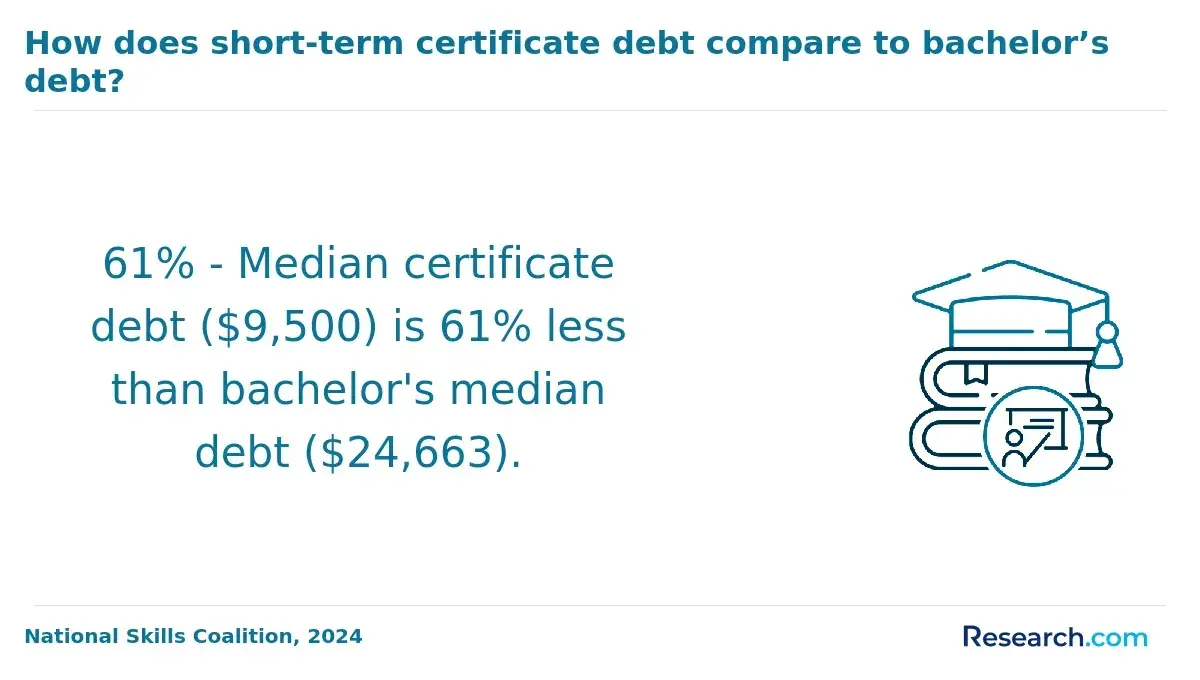
Costs vary widely by institution. Public universities generally charge $15,000 to $30,000 for a master's degree, while private schools may exceed $40,000 to $60,000. Tuition may be charged per credit, ranging from $500 to $1,200, with additional fees for technology and materials. Some hospital employers provide tuition reimbursement or assistance, a valuable benefit to investigate.
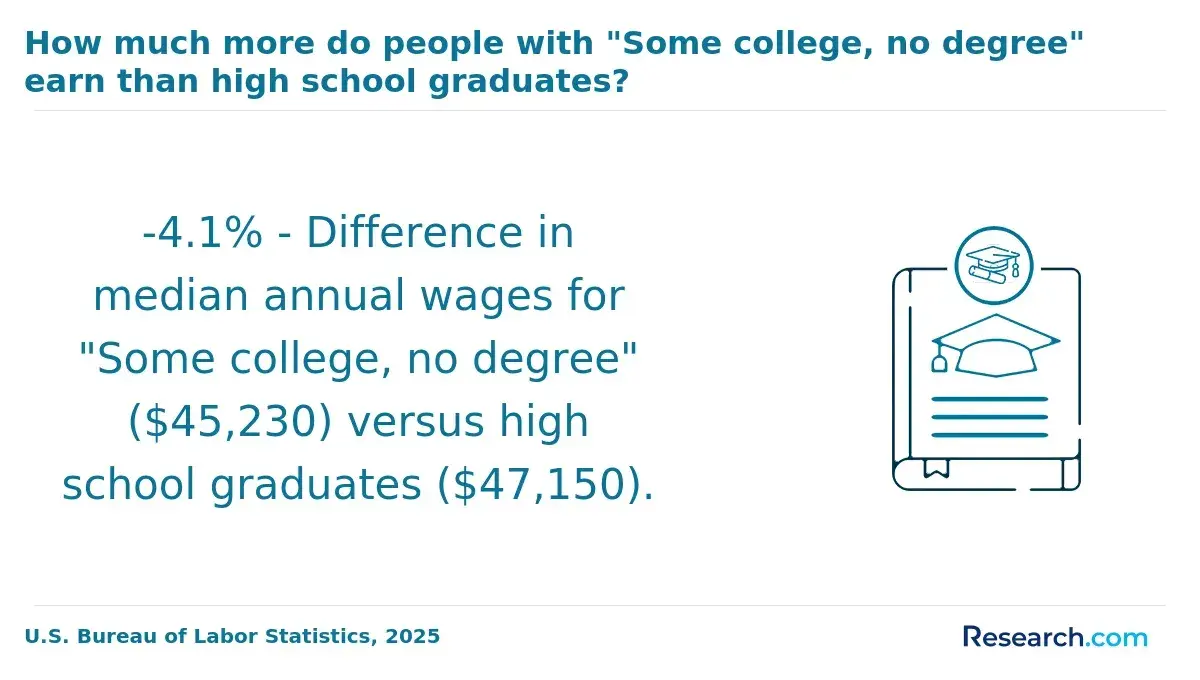
The U.S. Bureau of Labor Statistics highlights a 20-25% higher earning potential for medical and health services managers with graduate-level education in specialized fields such as clinical research management compared to bachelor's degree holders. This underscores the career mobility and return on investment graduate education can offer.
Key factors when choosing a program include duration, costs, accreditation, curriculum alignment with industry standards, and support services like career placement or practicum opportunities to enhance employability.
What clinical research careers in hospitals can you pursue with this degree and what do they pay?
Graduates with an online clinical research management degree can pursue various hospital-based roles, each offering specific responsibilities and salary ranges. Key positions include clinical research coordinators, clinical trial managers, data managers, and regulatory affairs specialists.
Clinical research coordinators handle daily trial operations within hospitals, earning between $60,000 and $85,000 annually depending on factors like experience and location. Clinical trial managers oversee multiple trials and teams, with salaries typically ranging from $90,000 to $130,000.
Data managers ensure the integrity and security of clinical data, earning about $70,000 to $100,000 per year. Regulatory affairs specialists focus on compliance with federal and local regulations, generally making between $75,000 and $110,000. These roles require strong knowledge of protocols, compliance, and data management to protect patient safety and facilitate hospital workflows.
The landscape is shifting as global and remote clinical trials expand rapidly. Over half of Phase II and III trials now involve multiple countries, fueled by decentralized and hybrid trial models growing nearly 60% since 2019. This creates increased demand for clinical research managers skilled in remote monitoring and cross-border compliance.
Professionals adept at managing international trials can earn upwards of $140,000, especially at large academic medical centers or hospitals affiliated with major pharmaceutical companies. Gaining expertise in global clinical research management offers promising career advancement opportunities beyond traditional geographic limits.
What is the job outlook for hospital-based clinical research professionals in the United States?
The hospital-based clinical research professional job market in the U.S. is projected to grow steadily, fueled by advances in medical research and increased regulatory focus on diversity and inclusion. According to the U.S. Food and Drug Administration's 2024 report, there has been a 12% increase in enrollment of racial and ethnic minority participants in industry-sponsored clinical trials between 2020 and 2023, highlighting the need for skilled research managers who design inclusive recruitment strategies and foster community engagement within hospital research settings.
Hospitals seek professionals adept at handling complex trials with diverse patient populations, complying with federal regulations and ethical standards. Those with expertise in culturally competent communication and collaboration with community organizations are highly valued.
Key drivers for job growth include the expansion of precision medicine and personalized therapies relying on hospital-based clinical trials. Research managers familiar with data integration, regulatory submissions, and patient safety protocols will find growing opportunities.
Challenges involve navigating evolving regulations and managing multi-site trials, which require strong project management skills. Increasing proficiency in electronic data capture systems and emerging trial designs such as adaptive trials enhances employability. Hospitals often favor candidates combining clinical knowledge and management training, so pursuing relevant education can strengthen career prospects in clinical research management.
How can prospective students evaluate and choose a reputable online clinical research management program?
Accreditation is critical when selecting an online clinical research management program. Regional accreditation from recognized U.S. agencies ensures credibility, while program-specific credentials, such as those from the Association of Clinical Research Professionals, further strengthen quality assurance. Evaluating the curriculum for thorough coverage of regulatory compliance, research ethics, biostatistics, project management, and increasingly, AI applications and digital trials is essential, especially given AI's potential to reduce clinical trial times by up to 20% and costs by nearly 30%, according to the 2024 Deloitte life sciences outlook.
Prospective students should also examine faculty expertise, particularly involvement in hospital-based research. Programs that provide mentorship, internships, or partnerships with hospitals can offer valuable hands-on experience. Flexibility through asynchronous delivery allows working professionals to balance study and career, while credential type and program length-certificate, bachelor's, or master's-should match individual goals and prerequisites.
Cost and financial aid options significantly affect accessibility. Comparing tuition with outcomes like graduate placement and certification exam pass rates helps gauge return on investment. Robust student support services, including advising and technical help, are vital within online learning environments.
Careful consideration of these factors helps students identify reputable online clinical research management programs suited for hospital research careers.
Other Things You Should Know About Clinical Research Management
Effective clinical research management professionals must have strong organizational skills, attention to detail, and excellent communication abilities. Familiarity with regulatory compliance, data analysis, and project management software is also critical to ensuring research protocols are followed accurately and results are credible.
Yes, many clinical research management professionals progress into leadership roles such as research program directors or clinical trials managers. Additional certifications, advanced degrees, and demonstrated expertise in managing complex studies can significantly improve promotion prospects.
In 2027, top online Clinical Research Management degree programs for hospital-based research careers include those offered by Johns Hopkins University, Drexel University, and Arizona State University. These programs provide comprehensive coursework in clinical research methodologies, ethical practices, and management skills essential for careers in hospital research settings.
Networking and membership in professional organizations such as the Association of Clinical Research Professionals (ACRP) provide vital opportunities for continuing education and career development. These connections help professionals stay current with industry trends and can lead to job openings in hospital-based research.
References
- PCCR - European Society for Translational Medicine (EUSTM) https://eutranslationalmedicine.org/pccr/
- Accreditation – IACCRE – International Accreditation Council for Clinical Research & Education https://iaccre.org/clinical-research-accreditation/
- How to Start a Career in Clinical Research https://www.hyperec.com/blog/how-to-start-a-career-in-clinical-research/
- What Criteria Define the Best Clinical Research Courses? - Clinical Research Courses FAQ | VIARES https://viares.com/blog/general/what-criteria-define-the-best-clinical-research-courses/
- Exploring the Current Clinical Workforce | Society for Clinical Research Sites https://myscrs.org/resources/sites-now/exploring-the-current-clinical-workforce/
- From Academia to Clinical Research: Q+A https://www.medpace.com/careers/blog/from-phd-to-clinical-research/
- Conducting and Monitoring Clinical Trials - Online https://www.kozminski.edu.pl/en/programs/postgraduate-programs/conducting-and-monitoring-clinical-trials-online
- Clinical Research (M.Sc.) https://www.di-uni.de/master/clinical-research
- Virtual Postgraduate Certificate in Clinical Trial Management | Parexel Academy https://www.parexel-academy.com/virtual-postgraduate-certificate-in-clinical-trial-management/
- Clinical Research Society | CCRPS https://ccrps.org/clinical-research-society