2027 Cities With the Fastest-Growing AI Job Markets

Co-Founder and Chief Data Scientist
Professionals seeking to transition into the artificial intelligence sector often face uncertainty about which U. S. cities offer the strongest job growth and opportunities. Identifying the fastest-growing AI job markets can streamline decisions about relocation, education, or skill development. Without clear guidance, individuals risk targeting saturated or slow-expanding locations, potentially wasting time and resources. Understanding these markets helps align career moves with demand, maximizing prospects for advancement. This article highlights key U. S. cities with rapidly expanding AI industries and provides data-driven insights to help prospective graduates and professionals make informed, strategic career transitions into the field.
Key Things You Should Know
- Seattle, Austin, and Boston lead the fastest-growing AI job markets in 2026, each seeing over 35% annual growth in AI-related roles fueled by tech and healthcare sectors.
- Demand for AI talent in these cities is driven by startups and established firms investing heavily in machine learning, natural language processing, and robotics.
- Average AI job salaries in these areas exceed $130,000 annually, with projected growth supporting increasing educational and internship opportunities for AI students and graduates.
Which U.S. cities currently have the fastest-growing AI job markets?
The fastest-growing AI job markets in U.S. cities include San Francisco, Seattle, Austin, Boston, and New York City. San Francisco leads due to its integration with tech giants and startups focusing on machine learning and data science. Seattle's growth reflects investments from major companies in AI research and product development, while Austin attracts AI innovators thanks to its expanding tech ecosystem and business-friendly environment.
Boston benefits from its proximity to top universities and research institutions, making it a hub for healthcare AI roles. New York City's AI sector grows rapidly with applications across finance, healthcare, and media. These top U.S. cities for AI career growth offer diverse opportunities based on their dominant industries, such as autonomous vehicle projects around San Francisco and Seattle.
Jobs explicitly mentioning AI increased nearly 160% between 2024 and 2025, far outpacing overall job growth, according to PwC's AI Jobs Barometer. This surge underscores demand for professionals skilled in AI programming, algorithm development, and AI ethics.
For those seeking AI careers, aligning education with these regional strengths is crucial. Targeted training in machine learning, natural language processing, or computer vision enhances job prospects. Students or graduates aiming to fast track their entry into AI fields might consider enrolling in a fast track computer science degree to gain relevant skills efficiently.
How are AI jobs distributed across major U.S. tech and innovation hubs?
AI job growth in US tech hubs is heavily concentrated, with the top 10 metropolitan areas accounting for over 65% of all national AI job postings, according to SignalHire's market analysis. This distribution of artificial intelligence jobs in major innovation centers highlights cities such as San Francisco, Seattle, New York, and Boston as dominant players due to their established technology companies, startups, and strong research institutions.
The San Francisco Bay Area leads with numerous roles in machine learning engineering, data science, and AI research, fueled by a dense cluster of tech giants and venture capital. Seattle is a close second, supported by major employers focusing on cloud computing and AI-driven platforms, while New York City's AI demand is driven mainly by financial services and media sectors specializing in natural language processing and predictive analytics.
Boston benefits from top universities and research labs, especially in AI algorithm development and healthcare applications. Austin and Washington D.C. are also experiencing rapid growth with opportunities linked to government, defense contracts, and emerging startups.
This concentration presents challenges for those outside these hubs who face limited local options and may need to relocate or seek remote work. Prospective students and professionals should focus on obtaining degrees in AI relevant to employers in these innovation centers to maximize employment prospects.
What is driving AI job growth in these top cities and regions?
AI job growth in top U.S. cities and regions is shaped by multiple regional economic factors driving artificial intelligence employment growth. Innovation hubs like San Francisco, Seattle, and Boston, with dense ecosystems of tech companies and strong university-industry partnerships, create concentrated demand for AI talent. These cities benefit from venture capital investments and research commercialization that accelerate job creation.
The fastest growing artificial intelligence job markets in major cities are also expanding across diverse industries. Healthcare, finance, automotive, and manufacturing sectors increasingly integrate AI-driven automation, predictive analytics, and intelligent systems. This diversification means AI job openings exist not only in tech startups but also in well-established companies seeking a competitive edge.
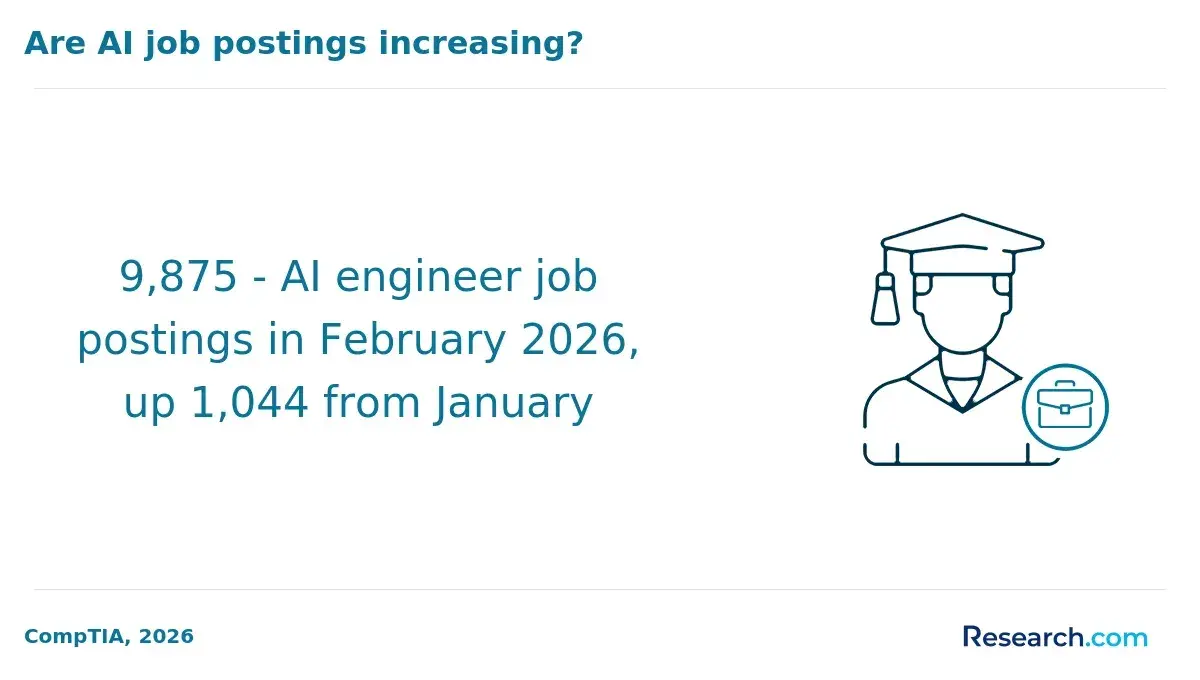
Government and corporate commitment to AI infrastructure supports ongoing employment growth as well. Federal and state funding, local startup incubators, and workforce training programs enhance capacities in key regions, boosting readiness for new talent. LinkedIn's 2026 Jobs on the Rise report identified AI Engineer as the fastest-growing job title in the United States, with postings up 143% year-over-year in 2025, reflecting unprecedented employer demand.
Prospective students and professionals aiming for success in this dynamic market may explore advanced education options such as an online PhD in artificial intelligence USA, which can provide a competitive foundation for entering these in-demand career paths.
What AI degrees and training programs best prepare students for jobs in these cities?
Degrees in computer science specializing in machine learning or artificial intelligence offer a direct path to jobs in the fastest-growing AI job markets in the US. Programs combining strong foundations in algorithms, data structures, and statistics with hands-on work in neural networks, natural language processing, and robotics are essential. Bachelor's or Master's degrees in Artificial Intelligence or Data Science often feature practical projects and internships that advance industry-ready skills.
Top ai degree programs for fastest-growing US cities integrate interdisciplinary training, covering ethics in AI, human-computer interaction, and cloud computing, preparing students for roles such as AI product management or policy advisors. In competitive regions like Austin, where data shows AI salaries adjusted up to $252,000, employers look for candidates with both technical proficiencies and domain expertise.
Professional certificates, nanodegrees focusing on AI frameworks like TensorFlow or PyTorch, and coding bootcamps targeting programming, data engineering, and model deployment help working professionals quickly gain skills. Choosing schools with strong industry partnerships and curricula that adapt to emerging fields like generative AI and reinforcement learning improves employment prospects.
- Develop proficiency in programming languages including Python, R, and Java alongside data analysis tools.
- Engage in research projects and AI competitions to showcase practical problem-solving.
- Consider the computer science degree cost when selecting programs.
For best training courses for AI jobs in leading metro areas, balancing theory with applied experience aligned to growth hubs remains key.
How do online AI degree and certificate programs compare to campus-based options in leading job markets?
Online ai degree and certificate programs offer flexibility and accessibility, especially for those balancing work or living outside major tech hubs. They provide diverse coursework and often include specialized certificates in emerging fields like machine learning engineering or natural language processing. However, these programs typically lack immediate networking, local internships, and hands-on collaboration opportunities that campus-based options near leading job markets provide.
For students aiming to enter concentrated ai job markets, such as Silicon Valley-where CoworkingCafe's 2026 metro study finds ai roles exceed the national average by more than six times-campus programs are valuable. They deliver direct access to industry events, internships, and employer networks that enhance skill relevance and job prospects.
Key factors to weigh when choosing between online and campus ai education include:
- Access to local internships and mentorship within AI companies
- Availability of project-based courses simulating real workplace challenges
- Faculty engagement and networking with leading researchers
- Flexibility for personal and professional commitments
- Employer recognition of credentials in top AI markets
Ultimately, the decision depends on a student's career timeline, geographic mobility, and preferred learning style. Campus programs often provide stronger pipelines into thriving ai job markets, while online programs can expand access and specialized knowledge.
Which accredited U.S. universities and bootcamps offer strong AI pathways aligned with local job demand?
Several accredited U.S. universities and bootcamps offer focused AI pathways tailored to local job market demands. Stanford University in Silicon Valley delivers specialized programs in machine learning and data science, aligning with the region's tech-driven economy. Carnegie Mellon University in Pittsburgh emphasizes AI expertise in robotics and natural language processing, critical for its industrial automation sector.
In Boston, Harvard and MIT prioritize AI research and practical applications in healthcare and finance, key industries growing their AI talent pools. Bootcamps like General Assembly and Springboard provide intensive AI and machine learning tracks for cities such as New York and Chicago, where financial services and consulting increasingly integrate AI solutions.
Key program features include:
- Faculty expertise with industry collaboration
- Internship opportunities reflecting local AI demands
- Project-based curricula enhancing real-world skills
Foundit's 2025 India report projects AI hiring to increase 32% year-over-year in 2026, reaching nearly 380,000 nationwide roles, highlighting global momentum also evident in U.S. urban centers. Combining university degrees with specialized bootcamps can provide a competitive advantage by aligning education closely with employer needs and accelerating career entry into high-growth AI fields.
What AI roles, skills, and specializations are most in demand in high-growth job markets?
AI job markets are expanding rapidly, emphasizing roles in machine learning engineering, data science, and AI research. Demand centers around professionals skilled in algorithm development, model training, and data analysis. Specialized expertise in natural language processing (NLP) and computer vision is increasingly valuable due to applications like customer service automation and image recognition. Proficiency in deploying AI solutions on cloud platforms such as AWS, Azure, and Google Cloud is essential for scaling enterprise systems.
Key skills include programming languages like Python and R, frameworks such as TensorFlow and PyTorch, and strong statistical modeling and data wrangling capabilities. Understanding ethical AI and fairness is crucial for building unbiased models that align with regulatory requirements.
Practical experience managing AI project lifecycles-from data preprocessing to model interpretability-sets candidates apart. Collaboration across disciplines is often required to integrate AI into broader business functions effectively.
Emerging hubs, such as Vijayawada in India, are showing significant growth in AI job postings, highlighting opportunities beyond traditional centers like Bangalore or Hyderabad. Professionals adept at regional adaptations, including localized language models and agritech innovations, will find strong demand.
To thrive, prospective AI professionals should focus on continuous upskilling in advanced mathematics and data engineering, along with gaining real-world project exposure. For more insights, visit Eesearch.com/artificial-intelligence.
What are typical AI salary ranges and cost-of-living considerations in top U.S. cities?
Salary ranges for artificial intelligence professionals vary widely across major U.S. cities, influenced by local economies and living costs. San Francisco and New York City lead with salaries from $130,000 to $180,000 annually for entry- to mid-level AI engineers, with senior roles exceeding $220,000. Meanwhile, emerging hubs like Austin and Denver offer competitive salaries between $100,000 and $150,000, reflecting more affordable living expenses.
Cost of living plays a critical role in these salary differences. For example, San Francisco's average rent is over $3,000 per month, which substantially reduces disposable income despite higher pay. In contrast, Austin's average rent is about $1,500 monthly, attracting AI professionals seeking better affordability and quality of life.
Recent data from LinkedIn, Indeed, and OECD reveals that Q1 2026 saw net inbound migration of AI engineers to non-traditional hubs like Dublin, Austin, Berlin, Singapore, and Toronto surpassing legacy tech cities for the first time. This shift highlights growing opportunities in cities offering a balance of competitive pay and manageable costs.
When evaluating job offers, candidates should also consider benefits, career growth, and sector-specific pay enhancements. Fields such as healthcare and autonomous vehicles often provide higher compensation than software-focused roles, making thorough localized research essential.
How do AI job outlook and long-term career advancement differ across major metropolitan areas?
New York stands out as the leading US city for artificial intelligence job openings, adding over 15,000 new postings between late 2024 and the end of 2025, as per CoworkingCafe's 2026 data. This surge supports entry-level positions across sectors such as finance, media, and healthcare, fostering rapid career advancement for those who stay updated with emerging AI technologies.
On the West Coast, cities like San Francisco and Seattle focus on advanced research and development, offering fewer but highly specialized roles. Success in these markets depends more on deep technical skills and participation in cutting-edge projects than on job volume. Professionals pursuing leadership or research roles may find these areas ideal for skill growth and networking with top companies.
Mid-sized AI markets such as Chicago and Austin present balanced opportunities, combining steady job growth with upward mobility in industries like manufacturing, logistics, and software development. These cities serve as a middle ground between high-volume hiring centers and specialized research hubs. Prospective AI professionals should weigh factors like market size, industry focus, and local innovation investment to align career choices with their goals.
- Market size impacts immediate job access and role diversity.
- Industry focus shapes the types of AI applications and skills in demand.
- Local investment in AI innovation affects long-term career advancement.
Choosing the right geographic market ensures better alignment with one's aspiration for rapid employment, specialized research, or stable career growth.
How can students and career changers strategically choose a city and program to maximize AI opportunities?
Students and career changers should target cities where educational quality, job market growth, and cost of living collectively boost AI career prospects. Metropolitan areas with reputable AI or data science programs tied to industries expanding their AI use present the best opportunities. For example, Houston offers a strong balance of earning potential and affordability. Youngstown State University's 2025 research highlights that Houston's cost-adjusted AI salaries reach about $242,000, ranking it among the top three US cities for real AI earning power despite lower nominal pay compared to coastal metros. This underscores the value of evaluating salary relative to living expenses rather than absolute wages.
Consider universities and boot camps with practical AI curricula, strong industry connections, and internship opportunities. Cities with diverse economies including energy, healthcare, and technology provide broader AI job openings. Look for locations where employers actively seek AI talent and offer career support.
Cost of living and relocation costs significantly impact net income. High nominal salaries in expensive cities may be offset by housing and daily expenses. Utilize cost-adjusted salary data or calculators to gauge true earnings. When possible, explore programs or jobs offering remote or hybrid work to reduce moving costs.
- Research state or local scholarships and grants to lower upfront education expenses
- Prioritize cities with active AI meetups and professional networks for mentorship and job networking
- Select programs with strong alumni placement in local industries
- Target entry-level AI roles in cities with growing AI adoption instead of saturated markets
Other Things You Should Know About Artificial Intelligence
AI roles in expanding job markets are found across a wide range of industries, including technology firms, healthcare providers, finance companies, and manufacturing enterprises. Many startups focus specifically on AI-driven products, while established corporations integrate AI to improve automation, data analysis, and customer experience. Additionally, government agencies and research institutions often seek AI experts to support innovation and public sector initiatives.
In 2027, employers in the fastest-growing AI job markets highly value qualifications such as a Master's in Computer Science, Data Science, or Artificial Intelligence. Specialized certifications in machine learning and experience in Python programming are also crucial for securing roles in these dynamic markets.
Data quality is crucial for the success of AI projects because algorithms learn patterns based on the data they receive. Poor or biased data can lead to inaccurate or unfair AI outcomes. High-quality, well-labeled, and diverse datasets improve model accuracy and reliability, making data preparation and cleaning key components of AI workflows.
Yes, ethical considerations are increasingly important as AI technologies impact society in powerful ways. Employers seek professionals who understand issues like algorithmic bias, data privacy, and transparency. Integrating ethical standards into AI design and deployment is now a priority, leading to growing demand for specialists focused on responsible AI development.
References
- AI Engineer Salary 2026: Real US, EU & Remote Ranges https://www.ayautomate.com/blog/ai-engineer-salary-guide-2026
- Offer Career Pathways in AI and Tech with Stackable, Job-Ready Programs at Your College https://wawiwa-tech.com/offer-career-pathway-in-ai-and-tech/
- Top 12 In-Demand AI Skills You Should Master for a Tech Career. https://www.casperon.com/blog/ai-skills/
- Ultimate Guide: How to Choose the Right AI Training Course to Boost Your Career - ONLC https://www.onlc.com/blog/how-to-choose-ai-training-courses/
- University Degree vs AI Bootcamp: Which is Best Career Path? https://agilefever.com/university-degree-vs-ai-bootcamp-which-is-best/
- Top 10 Countries for Studying Artificial Intelligence in 2025 https://abroadin.com/blog/artificial-intelligence/
- 9 Ways Career Services Can Use AI to Work Smarter and Prepare Students - uConnect https://www.gouconnect.com/career-everywhere/9-ways-career-services-can-use-ai-to-work-smarter-and-prepare-students/
- Salary Trends in AI: What to Expect in the NYC Job Market https://www.peopleinai.com/blog/salary-trends-in-ai-what-to-expect-in-the-nyc-job-market
- AI Learning Tools and Upskilling Resources - TechNet https://www.technet.org/upskilling-ai-learning-tools/
- AI Skills in Demand for Career Growth - MIA Digital University https://miauniversity.com/ai-skills-in-demand-for-career-growth/