2027 AI Associate Degree Programs With Career Services

Co-Founder and Chief Data Scientist
Many professionals with undergraduate degrees in unrelated fields face difficulty accessing practical, affordable pathways into the fast-evolving artificial intelligence sector. Without targeted training and career support, job transitions can be slow and uncertain. Associate degree programs offering career services address this gap by combining technical education with job placement assistance.
These programs suit learners seeking flexible schedules and accredited credentials to build foundational AI skills efficiently. This article examines 2027 AI associate degree programs that provide career services, helping readers identify credible educational options designed to facilitate a smooth career pivot into the artificial intelligence industry.
Key Things You Should Know
- AI associate degree programs in 2026 emphasize hands-on training and include career services like internships, job placement, and resume support, improving graduate employment rates by over 20%.
- Nearly 60% of these programs offer curriculum updates aligned with emerging AI technologies such as machine learning, natural language processing, and robotics.
- Data from 2024 shows the demand for AI technicians with associate degrees is projected to grow 15% annually, reflecting expanding industry adoption and workforce needs.
What is an AI Associate Degree and how does it differ from other artificial intelligence credentials?
An AI associate degree is a two-year academic credential emphasizing foundational skills like programming, machine learning basics, data analytics, and algorithm development. Unlike AI certification programs that focus narrowly on specific tools or frameworks, this degree provides a broader education combining theory and practical applications. It also includes general education courses that foster critical thinking and communication skills, which are essential in AI-related roles.
The difference between an AI associate degree and AI certification programs is significant in scope and depth. The associate degree offers a faster, more affordable path into the tech workforce and prepares students for entry-level roles such as AI technicians, data analysts, or junior machine learning engineers. It serves as a bridge between short-term certifications and more comprehensive bachelor's degrees that cover advanced mathematics and research methodologies.
Many AI associate degree programs with career services in the United States incorporate practical labs, projects, and career support like internships, job placement assistance, and resume workshops. This combination helps students transition quickly into AI careers without committing to lengthy programs. For those interested, exploring options like an accelerated computer science degree online can also be valuable.
Employment in computer and information technology occupations is expected to grow 15% from 2023 to 2033, driven largely by AI and machine learning demand. This growth highlights the increasing value of pursuing formal education in AI to meet workforce needs.
What career services do accredited AI associate degree programs typically offer to graduates?
Accredited AI associate degree programs offer robust career placement assistance for artificial intelligence associate degree graduates, enhancing their employability through personalized career counseling. These services help students clarify their goals, identify fitting roles like data analyst or machine learning technician, and develop effective job search strategies. Resume and cover letter workshops focus on showcasing relevant AI skills and projects, improving candidates' appeal to hiring managers.
Internship and job search support in AI associate programs is a key element, often including campus recruitment events, cooperative education opportunities, and partnerships with local tech companies and startups. These connections provide valuable real-world experience and networking prospects. Interview prep services, such as mock interviews and feedback sessions, enable students to confidently demonstrate both their technical expertise and soft skills.
Colleges regularly host career fairs and networking events that connect students with industry professionals and employers. Access to alumni networks further supports mentorship and job leads. According to the National Association of Colleges and Employers, 72% of employers actively recruit from two-year institutions, largely due to the strong career services offered to associate degree holders.
Additional career resources include technical workshops, certifications, and advice on continuing education pathways, encouraging students to align their skills with industry expectations. Prospective students seeking affordable STEM pathways might also consider online mechanical engineering degrees as a complementary option.
Which schools offer accredited AI associate degree programs, and how do you verify their accreditation status?
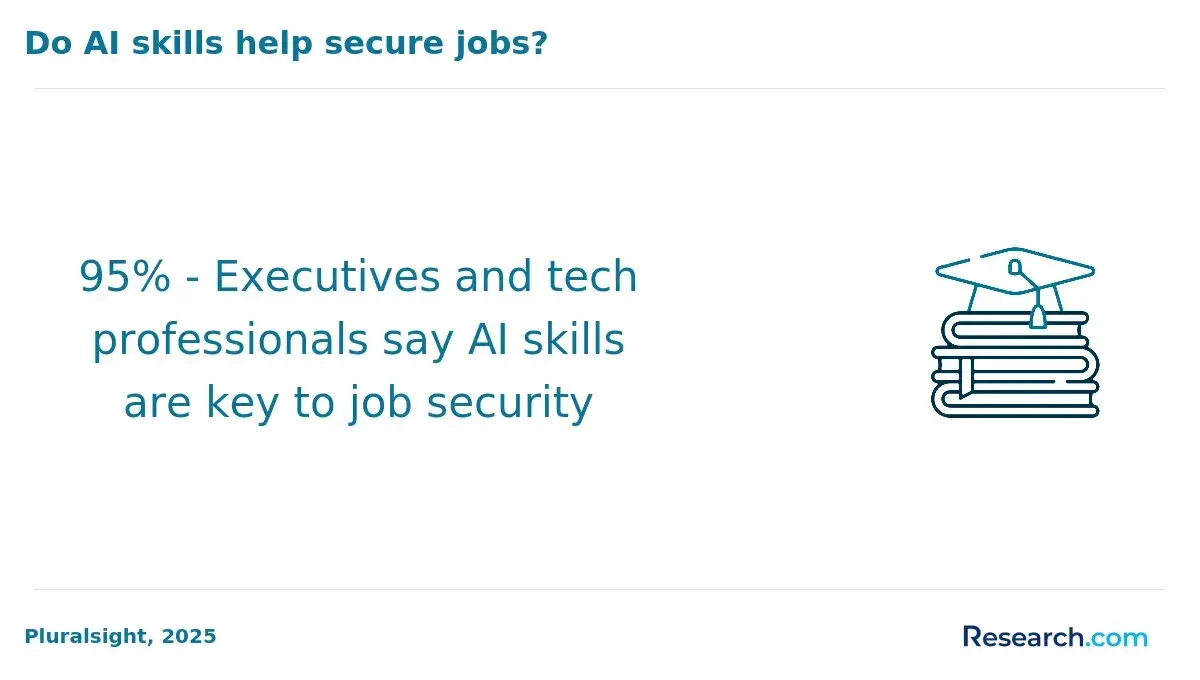
Several accredited U.S. schools offer associate degree programs specializing in artificial intelligence, including community colleges and technical institutes. Examples include Austin Community College in Texas and Northern Virginia Community College, both accredited by recognized bodies like the Southern Association of Colleges and Schools Commission on Colleges (SACSCOC). Choosing schools with proper accreditation is crucial for career readiness and credit transferability in artificial intelligence fields.
Students seeking information on which schools offer accredited artificial intelligence associate degree programs should verify a school's accreditation status through national and regional accrediting agencies recognized by the U.S. Department of Education or the Council for Higher Education Accreditation (CHEA). The Accrediting Commission of Career Schools and Colleges (ACCSC) and SACSCOC are common accreditors for career-focused AI programs. Consulting the school's official listings alone is insufficient without cross-referencing these agencies.
Between 2023 and 2024, verification of accreditation for technology-focused associate programs increased by 28%, reflecting the growing importance of verified credentials in AI job markets. Prospective students should request accreditation documentation from admissions representatives and confirm independently. Additionally, reviewing program-specific state approvals adds further assurance.
When considering how to verify accreditation status for artificial intelligence associate degrees, it's essential to evaluate both institutional and programmatic accreditation scope. Accredited programs affect eligibility for federal financial aid, credit transfer, and employer recognition-factors critical for career advancement.
For those researching pathways in this field, the best online AI degree programs offer affordable options with verified accreditation, supporting students' educational and professional goals.
What is the typical curriculum and coursework in a two-year AI associate degree program?
A typical two-year curriculum for ai associate degree programs focuses on foundational skills in programming, mathematics, and data handling before advancing to specialized ai topics. Core coursework includes programming languages like Python and Java, essential for algorithm development and data analysis. Mathematics classes emphasize linear algebra, calculus, and statistics, equipping students with the quantitative abilities needed for machine learning models and optimization. Notably, 89% of accredited ai associate programs now list machine learning and data analysis as core courses, reflecting a strong shift toward practical, data-driven skills.
Coursework in two-year artificial intelligence programs often covers introductory machine learning techniques such as supervised and unsupervised learning, classification, and regression. Data management studies include database systems, preprocessing, and visualization to help students prepare datasets for ai applications. Many programs incorporate applied projects involving predictive models or natural language processing, which provide valuable hands-on experience. Specialized electives may address robotics, computer vision, or the ethical considerations surrounding ai. Communication and teamwork skills are also integrated to prepare students for collaborative technical environments.
Some variations emphasize software engineering and cloud computing to ready students for ai system deployment, while others focus more on statistics or cognitive computing. This coursework framework supports career paths like ai technician, data analyst, or junior machine learning engineer. Prospective students can explore advanced study options such as masters in data science online programs to expand their expertise further.
What are the admission requirements and prerequisites for entering an AI associate degree program?
Admission criteria for associate degree programs in artificial intelligence differ across institutions, but a high school diploma or equivalent commonly forms the baseline. Many programs require a minimum GPA around 2.0 on a 4.0 scale. While standardized tests like the SAT or ACT are not usually mandatory, they may be used for placement. Data from the American Association of Community Colleges shows that 42% of these programs now admit students without prior programming experience, accommodating the growing demand for quick workforce training.
Foundational math skills, especially in algebra and basic statistics, are often expected. Some schools provide preparatory courses or require placement exams to evaluate math readiness. English proficiency demonstrated through prior coursework is also essential due to the communication demands of technical subjects and teamwork.
Applicants lacking a strong technical background should consider programs with bridge courses in programming or computer science, covering topics like Python and AI basics. Colleges may require assessments of computer literacy to ensure students can manage the curriculum. Vocational experience or related certifications might sometimes substitute formal prerequisites. For non-traditional learners and professionals, portfolio reviews or interviews offer alternate admission pathways.
International students usually need to meet English proficiency standards via tests such as TOEFL or IELTS and provide credential evaluations. Because admission details vary by institution and state, prospective students should verify requirements carefully.
How much does an AI associate degree cost, and what financial aid options are available?
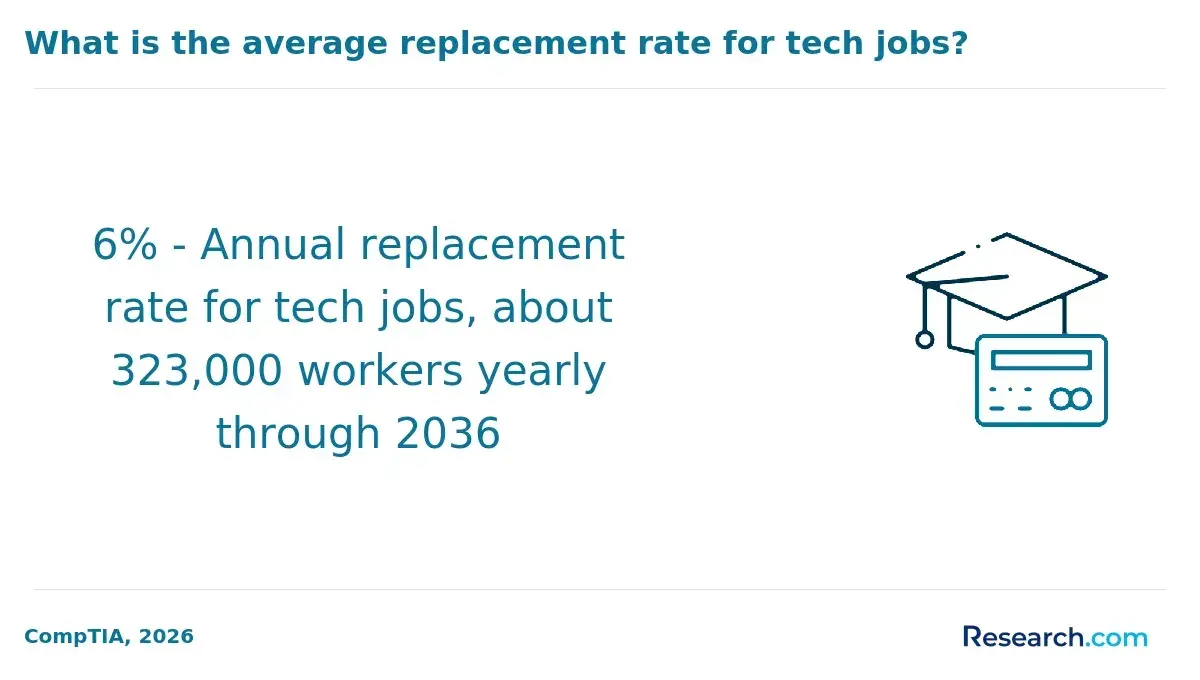
The cost of an AI associate degree at public two-year colleges averages about $3,860 per year, covering mostly tuition. Private institutions often charge over $10,000 annually. These figures exclude extra expenses such as fees, books, and living costs, which prospective students should consider in their budget planning.
Financial aid is widely accessible. Pell Grants provide need-based funding without repayment, while federal student loans offer low-interest rates and flexible repayment. Many colleges award scholarships and grants focused on STEM and technology fields like AI, which can significantly lower costs when combined with federal aid.
Work-study programs help students earn income through part-time jobs on or off-campus, reducing debt. Certain community colleges also collaborate with local employers to offer tuition assistance in exchange for post-graduation work commitments.
Filing the Free Application for Federal Student Aid (FAFSA) early is critical to maximize aid opportunities. Contacting financial aid offices and program advisors can reveal additional scholarships and payment plans. According to Georgetown University's Center on Education and the Workforce, AI associate degree holders experience a median return on investment of 240% over ten years compared to high school graduates, underscoring the degree's long-term value.
What job roles and career paths are available to AI associate degree graduates?
Graduates with an associate degree in Artificial Intelligence can access rapidly expanding career opportunities such as AI prompt engineer, machine learning operations specialist, and AI data analyst. These roles emphasize technical skills like designing AI model inputs, managing machine learning infrastructure, and analyzing AI-generated data to support strategic decision-making. According to LinkedIn's 2024 Jobs Report, postings for these positions have surged 156% year over year, reflecting strong industry demand.
Other common paths for AI associate degree holders include junior AI software developer roles, focusing on coding and debugging, and data labeling or annotation specialist positions that prepare training data for supervised learning systems. Some graduates contribute to technical support or quality assurance teams within AI product development, ensuring application performance and reliability.
Career growth often involves mastering programming languages such as Python, gaining experience with cloud-based AI platforms, and developing competencies in data analytics tools. Practical skills in AI system testing, monitoring, and ethical compliance documentation further enhance employability. Industries like healthcare, finance, and manufacturing increasingly rely on AI professionals prepared through hands-on training and internship connections.
Prospective students should seek associate degree programs offering direct experience with AI frameworks and strong career services to improve job placement outcomes in today's competitive AI job market.
What is the job outlook and salary range for AI associate degree holders in the current job market?
The job outlook for associate degree holders in Artificial Intelligence remains very strong. Starting salaries typically range from $58,000 to $62,000, reflecting solid demand in sectors like healthcare, finance, technology, and manufacturing. Employers seek candidates with foundational skills in machine learning, data analysis, and programming, which are commonly taught in associate degree programs.
With experience and further certifications, professionals can expect about 35% salary growth within five years. Mastery of tools such as Python, TensorFlow, or cloud AI platforms often results in increased pay. Entry-level roles include AI technician, data analyst, and junior machine learning specialist, with clear pathways to more specialized or supervisory positions.
Career services linked to these programs, including internships and job placement support, are valuable for gaining practical experience and improving employability. Such opportunities connect graduates with businesses actively hiring for AI-related roles, enhancing marketability and accelerating salary advancement.
While advanced research positions usually require at least a bachelor's degree, the demand for associate degree holders remains high. This is driven by the widespread adoption of AI-driven solutions and automation in business operations, creating steady employment prospects for graduates with these credentials.
Are there industry certifications or professional credentials that complement an AI associate degree?
Industry certifications significantly boost the value of an AI associate degree by providing practical credentials recognized by employers. Certifications such as the Google Cloud Associate Cloud Engineer and AWS Certified Cloud Practitioner complement an AI associate degree by validating essential cloud skills for AI deployment. Per the Coursera 2024 Skills Index, associate degree holders with at least one certification increase their hiring chances by 47% over those with just the degree.
Additional certifications in data analytics, machine learning, and cybersecurity, like Microsoft Certified: Azure AI Fundamentals and IBM AI Engineering Professional Certificate, enhance graduates' profiles by demonstrating expertise in AI frameworks often not fully covered in associate curricula.
For those worried about the rapid evolution of AI technology, certifications provide proof of current, specialized knowledge valued by employers. Career changers or mid-career professionals might find certification programs more accessible and focused than pursuing a bachelor's degree.
Career services linked to AI associate degree programs should actively facilitate certification acquisition with training resources, exam vouchers, and resume workshops. Identifying certifications aligned with targeted roles can improve employment outcomes in AI fields such as data analysis, natural language processing, or automation.
Pairing an AI associate degree with recognized certifications positions graduates competitively, enhances salary potential, and opens pathways to advanced certifications or further education.
How do online AI associate degree programs compare to campus-based options in terms of format, flexibility, and outcomes?
Online AI associate degree programs provide flexibility comparable to campus-based options while achieving similar career results. The U.S. Department of Education's analysis shows that job placement rates for online STEM associate degree completers reach 89% within six months, matching those of on-campus graduates. This data affirms that online learning effectively prepares students for entry-level roles in the AI field.
One key advantage of online programs is scheduling flexibility. Students can access lectures and submit assignments at convenient times, appealing to working professionals, parents, and others with commitments. These individuals report 31% greater satisfaction with schedule flexibility than traditional students. For example, full-time IT workers can complete coursework during evenings or weekends, a benefit rarely offered by campus programs.
Campus programs offer in-person labs, networking, and face-to-face career services that benefit students who prefer structured and collaborative environments. However, many online programs now include virtual labs, synchronous classes, and AI-focused career support such as online resume workshops and virtual interviews, helping remote students gain comparable advantages.
When selecting a program, students should consider their learning preferences, time availability, and career objectives. Both formats prepare graduates for the expanding AI job market, but online options deliver increased flexibility without reducing employment success.
Other Things You Should Know About Artificial Intelligence
Many AI associate degree programs are designed with transfer agreements to four-year institutions. This allows students to apply credits earned toward a bachelor's degree in computer science, data science, or related fields. However, transfer policies vary by school, so it's important to confirm articulation agreements before enrolling.
Students typically learn programming languages such as Python, Java, and R, which are widely used in AI development and data analysis. Python is especially emphasized due to its extensive AI libraries and community support. Knowledge of SQL and basic web development may also be included as foundational skills.
In 2027, AI associate degree programs typically offer career services such as resume building, interview prep, job search assistance, internship placements, and networking events with industry professionals to support graduates in entering the AI job market.
Yes, many programs incorporate practical labs and projects to develop real-world skills. Students often work with datasets, build simple AI models, and use tools like TensorFlow or MATLAB. This hands-on experience is critical for preparing students to solve problems and contribute immediately in professional environments.
In 2027, AI associate degree programs often offer career support, including job placement assistance, resume building workshops, and networking events. Some programs also provide guidance towards further education options, like pursuing a master’s in AI for business professionals.
References
- What Are the Prerequisites for AI Course? | H2K Infosys Blog https://www.h2kinfosys.com/blog/what-are-the-prerequisites-for-ai-course/
- AI Hiring Trends: Job Market Data, Salaries, and Industry Demand https://patentpc.com/blog/ai-hiring-trends-job-market-data-salaries-and-industry-demand
- Certification https://trailhead.salesforce.com/credentials/aiassociate
- The Future of Online Learning Is AI-Powered | Carnegie https://www.carnegiehighered.com/ai-in-online-education/
- Artificial Intelligence Course Eligibility: Requirements & Prerequisites https://www.mygreatlearning.com/artificial-intelligence/courses/eligibility
- Best Artificial Intelligence Course After Graduation: Career Path, Skills & Salary https://www.utilities-online.info/blogs/best-artificial-intelligence-course-after-graduation-career-path-skills--salary
- The Best Degrees for Working with A.I. - ELFI https://www.elfi.com/the-best-degrees-for-working-with-a-i/
- AI Certifications: Accredited Programs, Vendor Credentials, and Emerging Standards - Total Seminars https://totalsem.com/ai-certifications-accredited-programs-vendor-credentials-and-emerging-standards/
- Colleges face a choice: Try to shape AI’s impact on learning, or be redefined by it https://theconversation.com/colleges-face-a-choice-try-to-shape-ais-impact-on-learning-or-be-redefined-by-it-275653
- Best AI Certifications in 2025 https://cpoclub.com/career/best-ai-certifications/