2027 Best AI Strategy Courses for Pharma Sales Teams

Co-Founder and Chief Data Scientist
Pharma sales teams face mounting pressure to integrate advanced technologies like artificial intelligence into their strategies while maintaining strong client relationships and meeting sales targets. Many professionals lack the tailored training necessary to leverage AI-driven insights effectively within the pharmaceutical context. This gap can hinder performance and limit career advancement in a rapidly evolving industry.
The article explores a selection of top-tier AI strategy courses designed specifically for pharma sales teams. It offers practical guidance on choosing flexible and accredited programs that equip professionals with critical skills to excel and drive innovation in their field.
Key Things You Should Know
- AI strategy courses for pharma sales teams increasingly incorporate real-world data analytics, enhancing decision-making and boosting sales performance by up to 25% according to 2025 industry reports.
- Leading programs focus on ethical AI use, regulatory compliance, and personalized customer engagement, crucial for U.S. pharma due to stringent FDA guidelines and market complexity.
- The 2026 course offerings emphasize interactive learning and case studies from recent pharmaceutical AI deployments, reflecting a 30% growth in enrollment since 2024.
Advance Your Career with AI Online Courses
Artificial Intelligence: Implications for Business Strategy
This program provides an introduction to Artificial Intelligence and their implications for business strategy. Earn an official digital certificate.

Oxford Artificial Intelligence Programme
Explore this Oxford Artificial Intelligence programme offered in a flexible learning environment and explore topics like machine learning, automation, and robotics.

Implementing Agentic AI: Building Your Organizational Playbook
This online MIT Agentic AI course offers a practical approach to deploying AI agents in your organization, including a custom playbook. 3 weeks, exclusive launch price.

AI Adoption: Driving Business Value and Impact
This online MIT AI Adoption: Driving Business Value and Impact offers practical frameworks to close the gap between AI potential and business reality.

Artificial Intelligence in Pharma and Biotech
Discover the applications and limitations of artificial intelligence in pharma and biotech with this MIT online short course.

What is an AI strategy course for pharma sales teams and who should take it?
AI strategy courses for pharma sales professionals equip teams with essential skills to integrate artificial intelligence into commercial and sales operations. These programs emphasize AI-driven tools, data analysis, predictive modeling, and customer engagement strategies tailored to the pharmaceutical sector. Participants learn to leverage AI to identify sales opportunities, optimize communication with healthcare providers, and boost overall sales performance.
Pharma sales team training in artificial intelligence applications is crucial for sales reps, managers, and commercial leaders eager to keep pace in a fast-evolving industry. For instance, sales managers may develop AI-driven strategies for their teams, while sales reps can enhance personalized outreach by interpreting AI-generated customer data.
Deloitte's 2025 life sciences commercial excellence survey found that 78% of biopharma commercial leaders plan to increase investment in AI for sales and marketing over the next two years, but only 32% have a defined AI skills strategy for the field force. This discrepancy highlights the urgent need for targeted AI training since individuals without formal AI knowledge risk falling behind in effectiveness and innovation.
Courses often cover machine learning applications in sales forecasting, ethical AI deployment, and hands-on experience with AI-powered CRM platforms. Enrolling in such programs supports alignment with corporate digital transformation goals and rising expectations for data-driven decision making. Prospective students interested in related fields can consult the data science master degree ranking for advanced education opportunities.
Advance Your Career with AI Online Courses
Artificial Intelligence: Implications for Business Strategy
This program provides an introduction to Artificial Intelligence and their implications for business strategy. Earn an official digital certificate.
Oxford Artificial Intelligence Programme
Explore this Oxford Artificial Intelligence programme offered in a flexible learning environment and explore topics like machine learning, automation, and robotics.
Implementing Agentic AI: Building Your Organizational Playbook
This online MIT Agentic AI course offers a practical approach to deploying AI agents in your organization, including a custom playbook. 3 weeks, exclusive launch price.
How can AI strategy training improve performance and compliance in pharma sales roles?
AI strategy training significantly enhances pharma sales roles by equipping teams with data-driven decision-making tools and automation skills. These programs enable professionals to analyze customer interactions precisely, identify prescription trends, and tailor sales approaches. For instance, AI tools can highlight potential compliance risks during promotions, ensuring adherence to strict regulatory frameworks while improving customer engagement tactics. Such AI-driven sales improvement strategies in pharma support better targeting and risk management.
Sales teams trained in AI strategy become adept at interpreting analytics dashboards, generating actionable insights that lead to measurable improvements. Research shows that pharma sales teams using AI-driven coaching solutions report up to a 50% boost in productivity and a 40% higher closing rate compared to traditional methods. This highlights the tangible compliance benefits of AI strategy training for pharma sales teams.
Ethical considerations and compliance monitoring are emphasized within AI education, crucial for reducing legal risks in pharma sales. AI-driven CRM systems can log and review interactions automatically, providing transparency during audits and issuing real-time alerts to prevent regulatory breaches.
Additionally, AI courses teach adaptability through machine learning models that forecast demand and personalize communications, leading to more efficient resource allocation and stronger customer relationships. Professionals proficient in AI maintain competitive advantages in this evolving industry. Those interested in furthering their education might explore mechanical engineering programs online to complement their AI skills.
What types of AI strategy courses are available for pharma sales teams (certificates, workshops, degrees)?
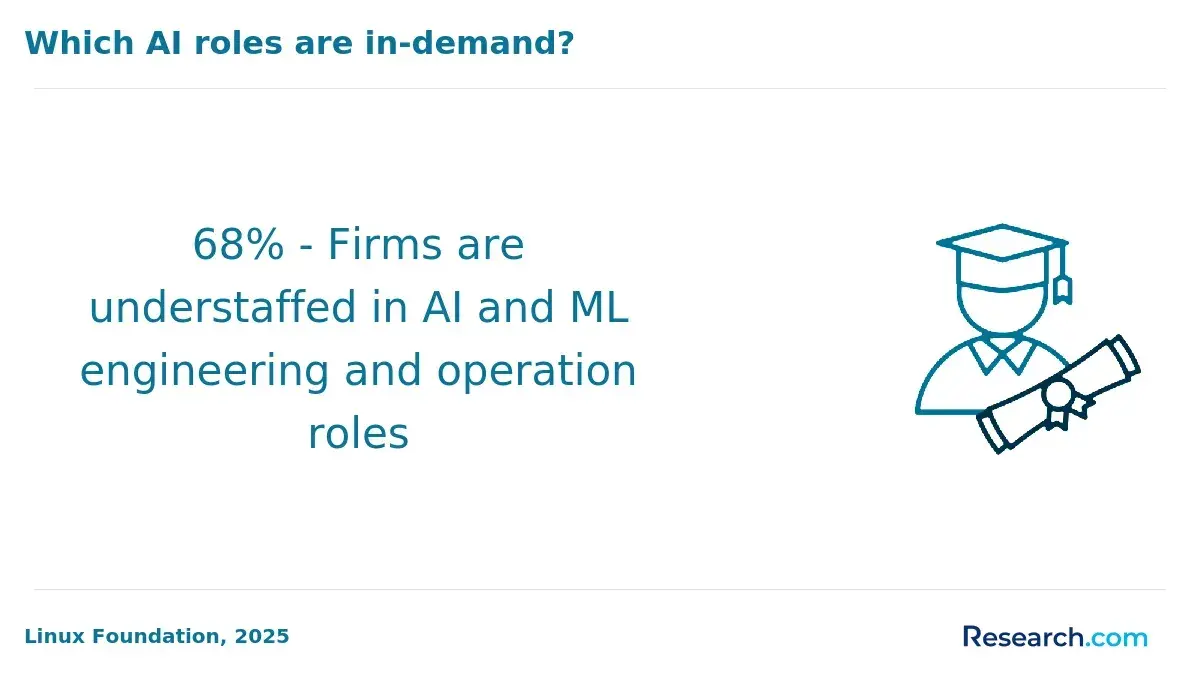
AI strategy courses for pharma sales teams come in three primary formats: certificates, workshops, and degree programs. Certificate programs provide focused, practical skills such as AI tool integration, data analytics, and automation tailored to pharmaceutical sales. Workshops offer intensive, hands-on training over a few days, addressing challenges like AI-driven customer segmentation and predictive analytics for prescription trends. These are ideal for teams needing rapid upskilling without long-term commitments.
Degree programs, including master's degrees in AI strategy or digital transformation, deliver comprehensive education over one to two years. They mix theory with applications in healthcare and sales operations, covering ethical and regulatory considerations relevant to the pharmaceutical industry. These programs are part of a broader educational landscape that includes options like the game design and development degree, showing the diversity of digital skill-building pathways available today.
A 2024 IQVIA survey reveals that 69% of global pharma commercial leaders expect AI to be highly impactful on field force effectiveness by 2027, yet only 28% of sales teams feel confidently trained to use AI tools currently. This highlights the urgent need for targeted education such as AI strategy certification programs for pharma sales teams tailored to build readiness.
Pharma organizations should evaluate current AI expertise and select appropriate formats aligned with time, budget, and learning depth. Combining certificates with workshops offers an effective path to strengthen skills. AI workshops and degree options tailored to pharmaceutical sales equip teams with both foundational and applied knowledge critical for future success.
How do online AI strategy programs for pharma sales compare to in-person or hybrid options?
Online AI strategy training for pharma sales teams delivers significantly higher knowledge retention and completion rates than traditional methods. While in-person or hybrid formats typically produce only about 10% retention, AI-powered microlearning online achieves between 65% and 80%. Completion rates also soar from 20% in conventional settings to 94% in AI-enabled courses, boosting ROI on training investments.
A key advantage of online programs is flexibility, offering sales professionals on-demand access to short, targeted modules. This suits those balancing fieldwork and training, avoiding the travel and scheduling challenges associated with in-person sessions. Although hybrid AI strategy courses for pharmaceutical sales combine convenience with some face-to-face interaction, they seldom match the high completion and retention of fully online approaches.
AI-enhanced platforms personalize learning by adapting content in real time based on individual performance, addressing gaps and focusing training on areas like customer behavior or regulatory updates. However, hybrid models may still benefit learners needing hands-on coaching or team exercises to build interpersonal skills alongside AI strategy expertise.
Choosing the optimal training format depends on factors such as team size and technology access. Large, dispersed teams typically gain the most from online delivery, while smaller teams with strong collaboration cultures might integrate hybrid approaches effectively. Professionals interested in related fields might explore options such as cybersecurity programs online for veterans, demonstrating the wide applicability of online education models.
What should you look for in accreditation and industry recognition for AI strategy courses?
Accreditation is essential for AI strategy courses aimed at pharma sales teams, as it ensures the curriculum meets established academic and professional standards. Look for recognized accreditations such as ABET, ACBSP, or regional agencies to confirm educational rigor and relevance to the pharmaceutical industry.
Industry recognition also plays a crucial role. Courses endorsed or developed with leading pharma organizations or associations like the Pharmaceutical Research and Manufacturers of America (PhRMA) or the Healthcare Information and Management Systems Society (HIMSS) typically include practical applications. They often feature case studies, regulatory compliance insights, and emerging AI trends specific to pharma sales.
Certification valued by employers is another critical element. Credentials recognized by top pharma companies can significantly boost employability and validate skills. More than 60% of the top 50 global pharma firms have implemented AI-assisted learning platforms for sales by early 2026, highlighting the growing demand for formalized AI training aligned with industry needs.
Faculty expertise and industry partnerships enhance course quality. Instructors actively engaged in AI research or pharma sales bring practical knowledge beyond theory. Additionally, courses offering ongoing updates and access to alumni networks help learners stay current with AI advancements and support career development.
Focus on programs with strong accreditation, industry endorsements, respected certification, and expert instruction to maximize impact in AI strategy roles within pharma sales.
What core topics and tools are typically covered in AI strategy curricula for pharma sales?
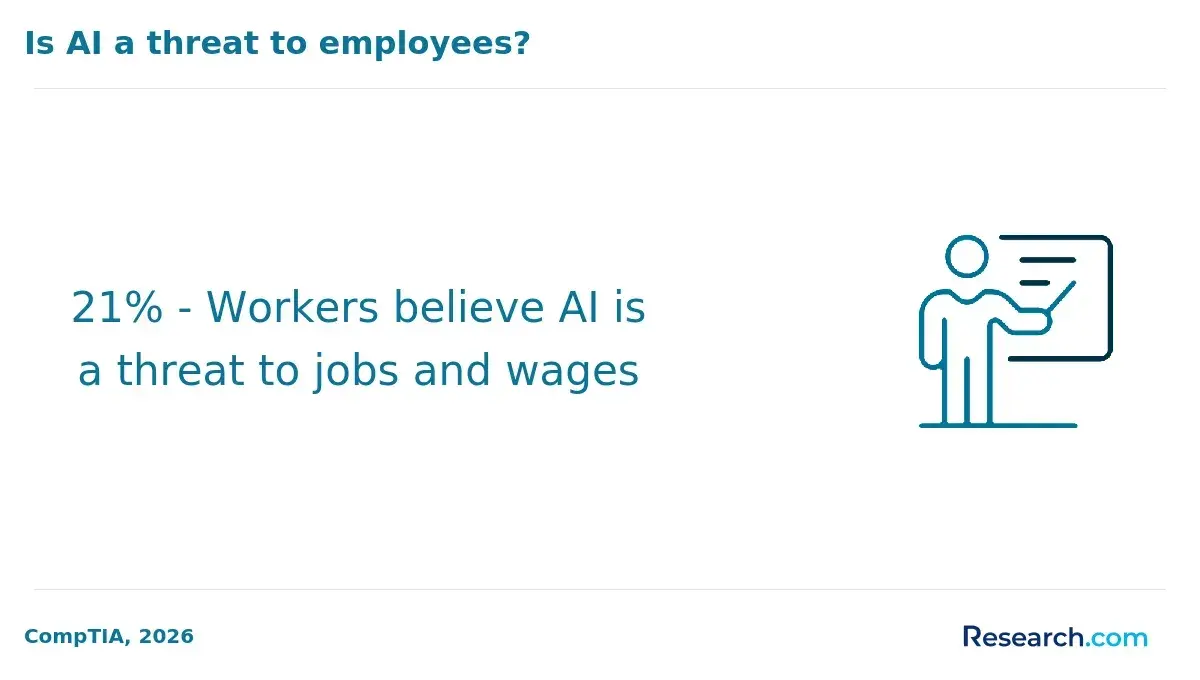
AI strategy curricula for pharma sales teams equip learners with practical skills to enhance healthcare provider (HCP) engagement and increase sales effectiveness. Core subjects include machine learning fundamentals tailored to sales data, predictive analytics for customer segmentation, and natural language processing techniques to analyze unstructured medical information. Students gain expertise in building and deploying next-best-action models, which provide personalized sales recommendations based on real-time insights.
Training typically involves hands-on experience with CRM-integrated AI platforms, data visualization tools, and cloud-based analytics environments. Emphasis is placed on AI-driven personalization, allowing sales representatives to customize communications according to individual HCP preferences and treatment histories. For instance, adaptive algorithms analyze prescribing patterns to suggest optimized messaging or targeted product positioning strategies.
Courses also address risk management and ethical considerations, ensuring compliance with regulatory standards and safeguarding patient privacy. Additionally, learners develop skills to measure performance through A/B testing and multi-channel attribution models, enabling precise quantification of AI's impact on sales outcomes.
Case studies demonstrate that deploying AI-powered next-best-action models can increase HCP engagement by 30-40% and deliver a 12-15% incremental sales uplift compared to traditional approaches. These findings underscore the tangible benefits of using AI-driven strategies in pharma sales workflows to optimize outreach and drive measurable commercial results.
What are the typical admission requirements and recommended background for these AI strategy programs?
Admission to AI strategy programs for pharma sales professionals typically requires a bachelor's degree in life sciences, business, or technology fields such as pharmacy, biology, healthcare administration, or business management.
Equivalent professional experience in pharma sales or medical affairs can sometimes substitute formal education. Strong quantitative skills, especially in statistics or data analysis, are often essential or highly recommended.
Relevant backgrounds include pharmaceutical sales, marketing, and regulatory compliance, providing valuable context for AI applications in pharma.
For instance, professionals with experience as medical science liaisons or in drug marketing can better understand hybrid human+AI workflows, which have been shown to reduce medical copywriting and review time by over 70% while improving compliance quality and accelerating MLR-constrained content deployment (Metrix, 2024 Human + AI in Pharma Marketing and Training report).
Basic coding skills or familiarity with digital tools may also be suggested to facilitate AI interaction, though advanced programming is rarely required.
Programs may also ask for letters of recommendation highlighting analytical thinking and adaptability. A clear grasp of pharma regulations, including FDA compliance, is often necessary or integrated within coursework.
Experience communicating with stakeholders in pharma or healthcare settings further supports success by aligning AI strategy with real-world sales challenges and compliance demands.
Overall, a combination of scientific or commercial pharma expertise, quantitative aptitude, and regulatory knowledge forms the core profile sought for these AI strategy courses.
How long do AI strategy courses for pharma sales teams take, and what do they cost?
AI strategy courses for pharma sales teams vary from 4 to 12 weeks, catering to different learning needs. Shorter courses (4-6 weeks) cover fundamentals like AI tools, data analytics, and customer engagement strategies specific to pharmaceutical sales. Longer courses (8-12 weeks) delve into advanced subjects, including predictive modeling, ethical AI use, and applying AI insights to territory-focused sales plans. Many programs offer self-paced options, letting professionals complete training over 2 to 3 months, which suits busy schedules.
Costs fluctuate widely based on course depth and provider. Entry-level courses typically range from $500 to $1,500. More comprehensive options with personalized coaching or certification can cost between $2,000 and $5,000. Specialized industry courses may exceed $6,000 but often include perks like networking and lifelong access to updated AI tools tailored for pharma sales.
Pharma sales reps should weigh the return on investment carefully. According to the 2025 MedReps Pharmaceutical Sales Salary Report, reps proficient in AI sales tools earned 18% more on average, adjusting for territory and product type. This highlights the career advantage of gaining AI skills promptly.
When selecting training, confirm whether the curriculum aligns with your product focus and sales environment. Practical AI applications, such as CRM integration and AI-driven customer segmentation, are essential. Also, ensure programs cover compliance and ethical issues unique to pharma marketing to enhance relevance and applicability.
What career paths, roles, and advancement opportunities can AI strategy training open in pharma?
AI strategy training in pharma creates diverse career paths across sales, marketing, and data analysis. Professionals skilled in AI-driven sales enablement can become AI Sales Strategists, designing intelligent targeting models to optimize sales.
AI Product Managers and Digital Transformation Leads focus on integrating AI tools that enhance customer engagement and improve workflows, requiring knowledge of pharma markets and AI technologies.
Leadership roles include Sales Operations Manager and Director of AI Integration, overseeing AI initiatives that boost performance metrics. Technical careers like Pharma Data Scientist or AI Solutions Architect are available for those combining pharma expertise with AI analytics, developing predictive models for customer segmentation and personalized messaging that increase sales efficiency.
Eularis's 2024 report highlights that life sciences companies using AI for sales rep targeting reduced sales and marketing costs by 12-20% while maintaining or growing revenue, showing the importance of AI competency for cost efficiency and growth.
Key skills to develop include machine learning for sales forecasting, natural language processing for customer insights, and AI-driven content personalization. Additionally, understanding regulatory compliance and ethical AI use can position candidates for senior roles. Such training prepares pharma sales professionals to lead digital innovation and deliver measurable impact in a competitive industry.
How can pharma leaders choose the best AI strategy course or provider for their sales teams?
Pharma leaders must focus on relevance and proven outcomes when choosing AI strategy courses for sales teams. With AI-enabled selling shaping nearly half of healthcare provider (HCP) interactions by 2030, training must go beyond generic AI theory and tailor content to pharmaceutical sales. Practical applications such as AI-driven customer segmentation, predictive analytics for HCP targeting, and regulatory compliance are essential components.
Evaluating providers involves considering:
- Expertise and reputation specific to biopharma or healthcare, supported by case studies or partnerships.
- Comprehensive curriculum covering strategic frameworks and practical AI tools for sales.
- Flexible delivery options, including live virtual and asynchronous learning to suit diverse schedules.
- Assessment techniques like project work or scenario-based simulations relevant to pharma sales challenges.
- Post-course support such as access to AI tools, software demos, and ongoing education resources.
Key questions include how courses address pharma-specific data privacy, adapt to regional regulations, and incorporate emerging trends like generative AI for sales enablement. Selecting providers with recognized industry accreditation or endorsements from pharma sales leadership further ensures course quality and alignment with evolving commercial standards.
Other Things You Should Know About Artificial Intelligence
Data quality is crucial for the accuracy and effectiveness of artificial intelligence models used in pharma sales. Poor or incomplete data can lead to misleading insights and suboptimal sales strategies. Courses emphasize data cleansing, validation, and the use of structured data to improve AI predictions and ensure reliable results in market targeting and customer relationship management.
Artificial intelligence is designed to augment rather than replace human sales representatives in pharma. While AI tools can automate routine tasks, analyze large datasets, and personalize customer interactions, human judgment remains essential for relationship building and complex decision-making. Training helps sales professionals learn to integrate AI tools effectively rather than see them as a replacement.
Common challenges include resistance to adopting new technologies, data integration issues, and lack of AI expertise among sales staff. Additionally, ensuring data privacy and regulatory compliance can complicate implementation. Effective AI strategy courses address these challenges by combining technical training with change management and industry-specific legal education.
References
- Ultimate Guide: How to Choose the Right AI Training Course to Boost Your Career - ONLC https://www.onlc.com/blog/how-to-choose-ai-training-courses/
- Leading AI for today's GTM strategies: Proven solutions https://www.highspot.com/go-to-market-guide/leading-ai-for-gtm-strategies/
- AI Sales Training for Pharma Field and Inside Teams https://www.retorio.com/blog/ai-sales-training-pharma-field
- Pharma's AI Skills Gap: A 2025 Data-Driven Analysis | IntuitionLabs https://intuitionlabs.ai/articles/pharma-ai-skills-gap
- Choosing the Right AI Course for Business Leaders https://www.tsa-bildung.de/en/blog/choosing-the-right-ai-course-for-business-leaders
- qa.com | Top 10 Must Have AI Certifications in 2026 https://www.qa.com/browse/certifications/ai-certifications/
- Pharmaceutical Sales Training Platform | Muchbetter AI https://muchbetter.ai/pharmaceutical-sales-training
- How to Boost Pharma Sales AI Training with AI Insights | Quantified Blog https://www.quantified.ai/post/how-to-boost-pharma-sales-ai-training-with-ai-insights
- Demystifying AI: Learning to Work with the Pharma Industry’s Newest Tool https://www.odaia.ai/post/demystifying-ai-learning-to-work-with-the-pharma-industrys-newest-tool
- Human + AI in pharma marketing and training: The hybrid approach that’s changing the game - Metrix Group https://www.metrixgroup.com/human-ai-in-pharma-marketing-and-training-the-hybrid-approach-thats-changing-the-game/